REVIEW · SUKASADA
Bali: Munduk Waterfalls Trek, Twin Lakes and Temple Tour
Book on GetYourGuide →Operated by Trip Gotik - Bali Tours · Bookable on GetYourGuide
Munduk is where Bali slows down. This tour strings together twin cascades, rainforest walking, a wooden canoe across Tamblingan Lake, and a lakeside temple in one smooth 5–9 hour loop. You get the kind of day that feels more local and less checklist-y.
I especially like the pairing of jungle trek + waterfall time—you hear the roar before you see the falls, and the hike feels like a real hike on uneven ground. I also like the human part: English-speaking guides (names you may get include Tia, Kadek, Luhde, Putu, and Krisna) often explain plants, farming, and Balinese customs as you go, not just at the start.
One drawback to plan for: this is active. Expect slippery trails after rain, stairs down and back up, and basic canoe conditions (wooden boats, splashes, no luxury setup). The minimum suggested age is 13, and the route isn’t a fit for wheelchair users or people with heart/back problems.
In This Review
- Key highlights you’ll care about
- Munduk North Bali: why this day feels different
- Twin Lakes viewpoint: Tamblingan and Buyan before the jungle
- Jungle trek to Banyumala Twin Waterfall: stairs, spring water, and slipperiness
- Base camp reset: tea, cake, and route talk
- Tamblingan Lake canoe ride: wooden boats and quiet rainforest vibes
- Approaching the lake temple: rocks, banyan trees, and photos that work
- Lunch at a local family restaurant: where the value shows up
- Price and value: what $41 buys (and what it doesn’t)
- Timing, fitness, and rain: how to make the day easier
- Who should book this Munduk day and who should skip it
- Book it or skip it: my decision guide
- FAQ
- How long is the Munduk waterfalls trek and lakes tour?
- Is hotel pickup and drop-off included?
- What activities are included in the tour?
- Is lunch included?
- Can I swim at the waterfall?
- What fitness level do I need?
- What is the minimum age to participate?
- What should I wear for the temple stop?
- Are the canoe rides comfortable and safe?
Key highlights you’ll care about
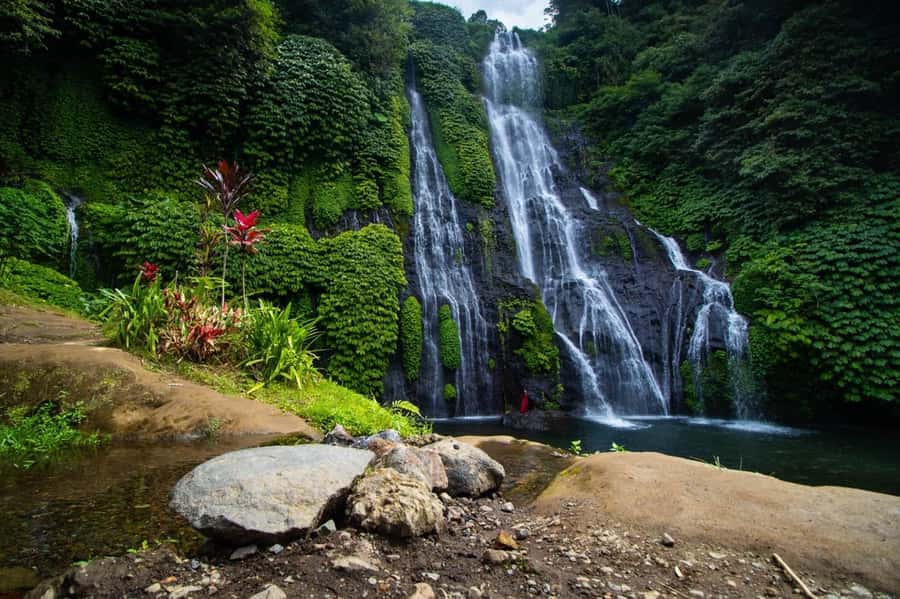
- Banyumala Twin Waterfall: a guided hike to a spring-fed place where you can usually swim if you brought swimwear
- Tamblingan Lake canoe ride: a local-style wooden canoe crossing (about 30 minutes) with potential splashes
- Twin Lakes viewpoints: first views over Tamblingan and Buyan that set the tone before you hit the jungle
- Ulun Danu Tamblingan Temple: a lakeside temple stop with photo-friendly rock and tree scenery
- Included basics that matter: trekking guide, entry tickets, insurance, and drinks (tea/coffee/mineral water), plus lunch if you add it
- Cooler highlands reality check: weather can change quickly; muddy footing is common after rain
Munduk North Bali: why this day feels different
If your Bali plan is mostly beaches and big ticket temples, Munduk can feel like a reset. These highland areas are cooler, greener, and built for walking instead of driving. On this tour, you’re not just transported from point to point—you’re in the forest long enough to notice how the place actually works.
The day typically starts with hotel pickup if you choose it, and it’s often timed early so you can get moving while the air is fresh. Some schedules have shown very early starts, like 06:00 pickups in certain cases, so don’t plan on a slow breakfast if you want the best light and fewer weather surprises.
Twin Lakes viewpoint: Tamblingan and Buyan before the jungle
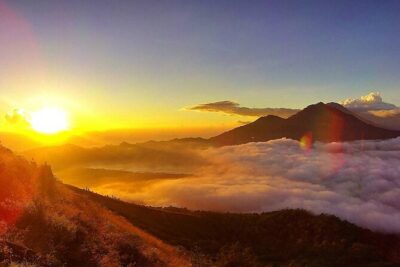
The day’s first big payoff is the overlook near the twin lakes of Tamblingan and Buyan. From here you get a sense of how steep and wet this area is—lakes in the highlands, surrounded by rainforest, with mist and changing light that makes photos look better than you’d expect.
This viewpoint stop also acts like a warm-up for your brain. Once you see the lakes from above, the canoe and temple stop feel connected instead of random. It’s the kind of start that helps you get your bearings fast—then your trek makes sense because you know what you’re heading toward.
Jungle trek to Banyumala Twin Waterfall: stairs, spring water, and slipperiness
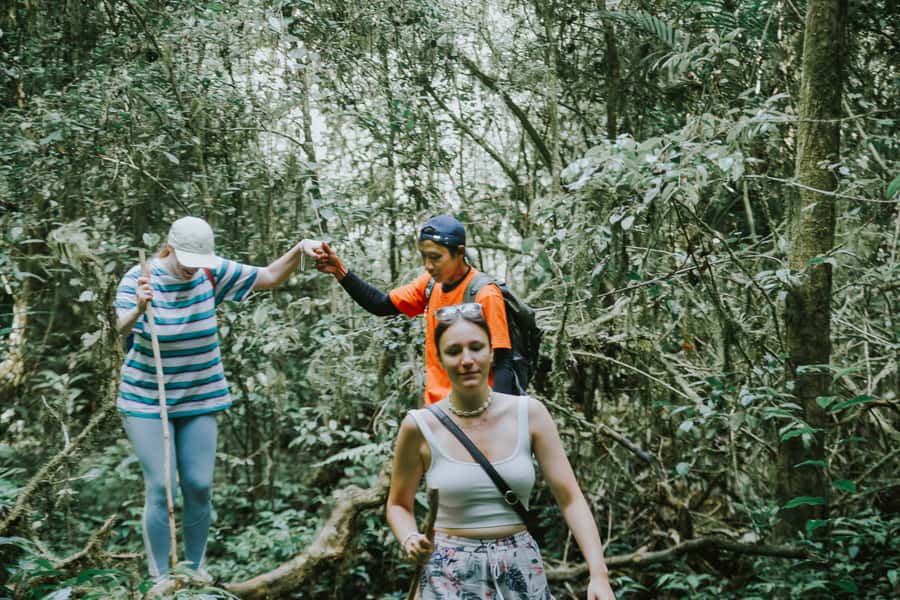
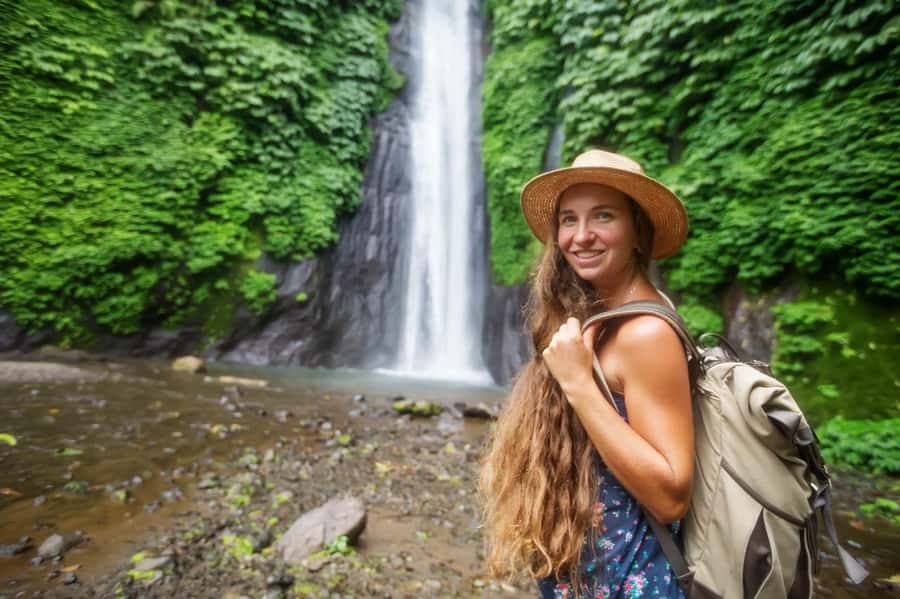
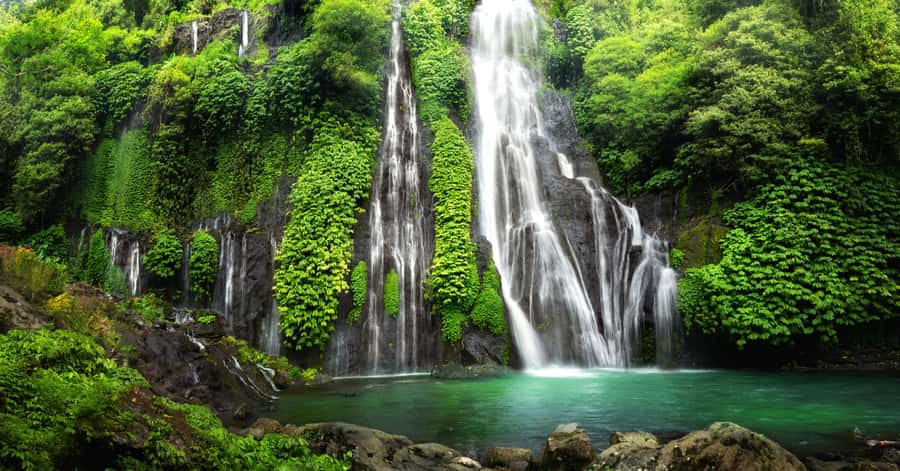
The main trek runs through dense jungle, with uneven paths that can get muddy or slick after rain. You’ll hear the water before you see it, which makes that final approach feel dramatic. The destination is Banyumala Twin Waterfall, and it’s known for spring water that can be refreshing if you bring swimwear.
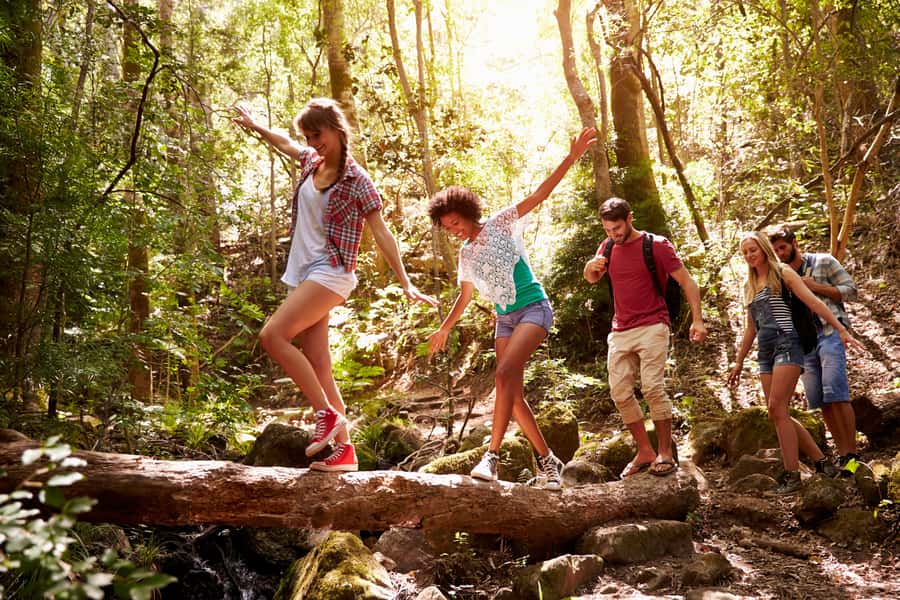
This is the part where your footwear choice matters. Closed shoes with decent grip are the smart move, because you’re dealing with dirt, roots, and steps—sometimes slick. I’d also pack insect repellent, since rainforest means insects. One helpful detail from guide practice: they may do practical checks along the route and help you stay comfortable.
If it rains, don’t panic. Weather in the highlands can shift quickly, and the trail conditions follow suit. Guides are used to adjusting the rhythm and keeping you safe, and in at least some cases they’ve shown up with rain protection like umbrellas.
Base camp reset: tea, cake, and route talk
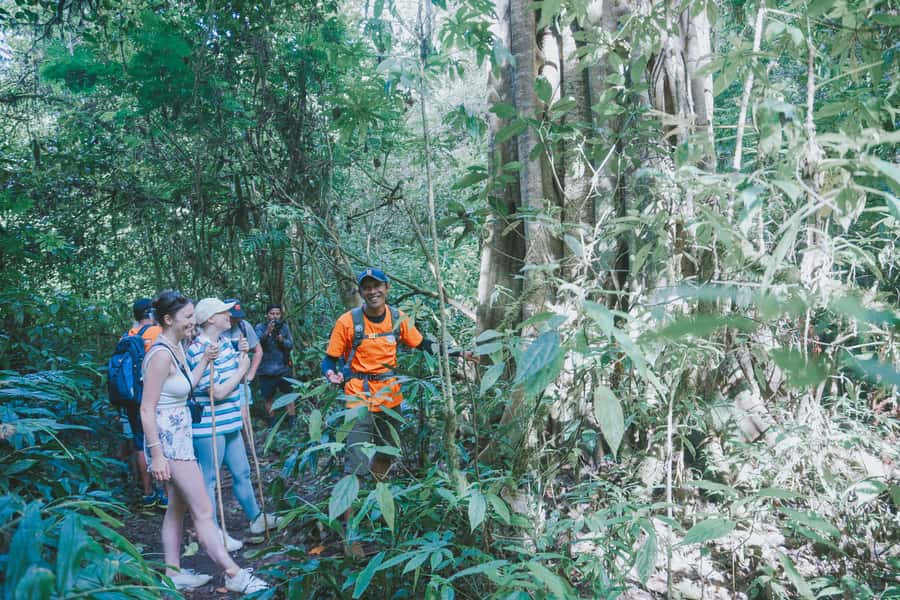
Before you move on to the lake, there’s usually a short breather at base camp. You may be served traditional Balinese cake with tea or coffee while you take in panoramic lake views. It’s not a long stop, but it’s exactly what you want after hiking: a chance to dry off a bit, refocus, and learn what’s next.
This is also often when your guide explains the trekking route and the general plan for the rest of the day. That matters because the rest of the itinerary is physically lighter than the hike—but mentally smoother when you know what to expect.
Tamblingan Lake canoe ride: wooden boats and quiet rainforest vibes
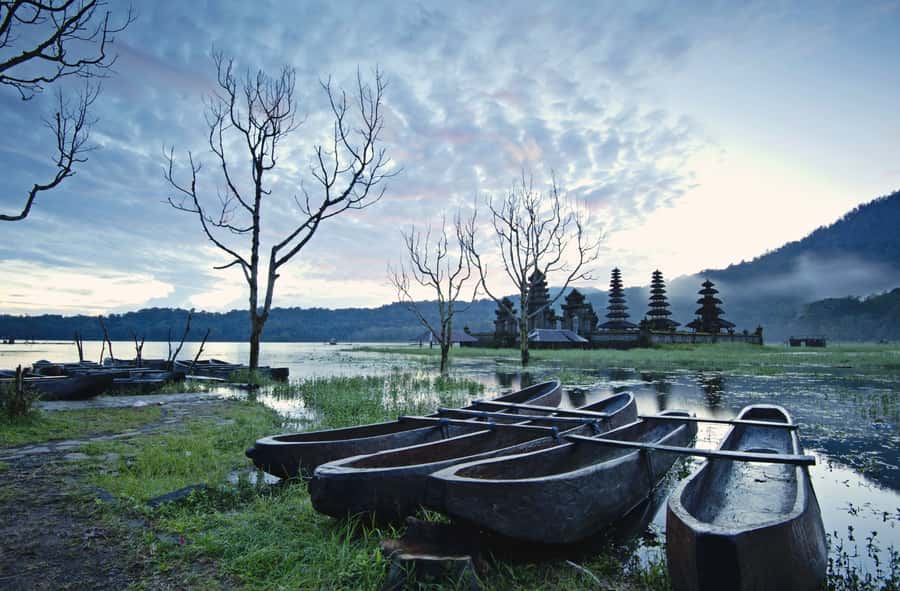
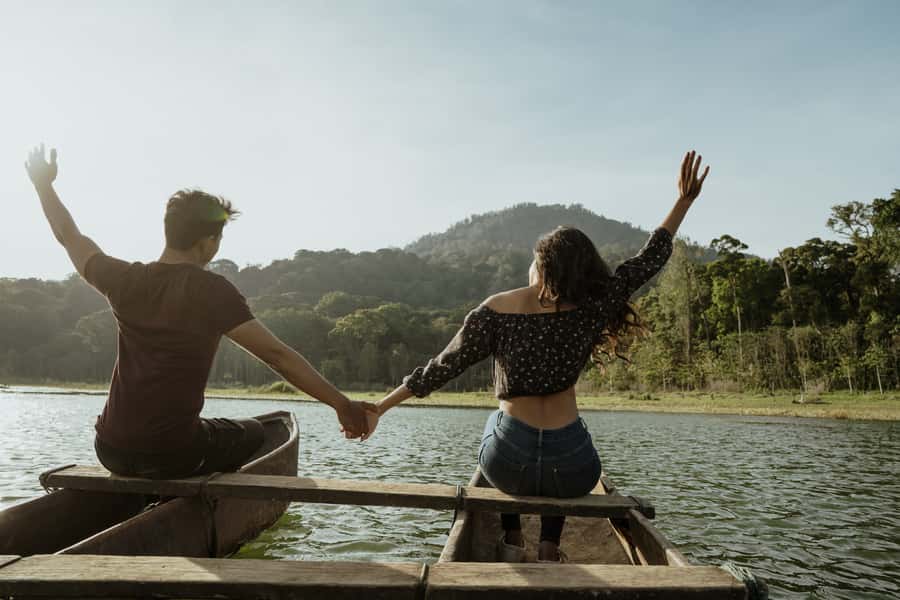
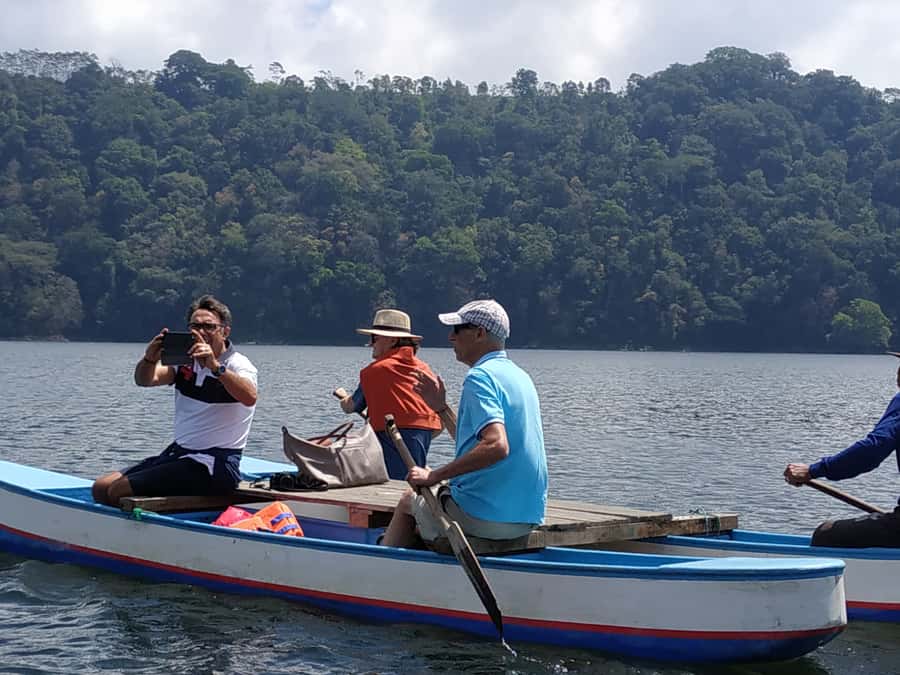
Then comes the canoe segment: a ride on a traditional wooden canoe across Tamblingan Lake, typically for about 30 minutes. The emphasis here is local style. That means basic facilities and the real possibility of splashes. Bring the phone in a waterproof bag or something similarly protective.
This part of the tour is more about calm than exercise. You travel through tropical rainforest around the lake, and along the way you might see older structures and scenery that make the area feel lived-in, not just scenic. In at least some segments, guides also point out grand trees—like banyan trees—where people may climb or hang around for fun photos.
One practical note: on busier days, you can end up waiting in line for a canoe. This doesn’t ruin the experience, but it can affect how long you feel on the timeline.
Approaching the lake temple: rocks, banyan trees, and photos that work
After you cross the lake, the tour shifts back to land at the lakeside area near Ulun Danu Tamblingan Temple. This is where the scenery changes: rock formations show up along the water, and the temple sits in a setting that looks staged—except it’s real life.
Dress code matters here. Temple areas like Ulun Danu Tamblingan require modest clothing. If you show up in shorts that are too short or a top that’s too revealing, you’ll want to adjust quickly. Planning ahead saves time and keeps you from feeling rushed.
This stop is also a photo opportunity that doesn’t feel like a tourist pose factory. The rock, the water angle, and the banyan-tree vibe make it easier to get images that look natural, even if you’re not a professional photographer.
Lunch at a local family restaurant: where the value shows up
Lunch is where this tour often earns its keep. A family-owned restaurant stop is part of the experience, and you may be served traditional dishes for lunch if you select the lunch add-on. One highlight that came up repeatedly is nasi campur, plus other local favorites.
I like that this isn’t a generic restaurant stop. You’re eating in a place tied to the community around Munduk, and it tends to feel more grounded than a touristy buffet. If you’re vegetarian, it’s worth asking ahead of time whether the menu can accommodate you—but in some experiences, guides have coordinated well with food preferences.
In some cases, your day can also include a coffee tasting add-on after the waterfall portion. If you like learning what you’re drinking, it’s a great bonus because the region’s coffee and agriculture are part of the story your guide is already sharing.
Price and value: what $41 buys (and what it doesn’t)
At around $41 per person, this is strong value for a half-day to full-day nature experience. Here’s why: you’re not paying only for transport. The tour includes an English-speaking trekking guide, entry tickets, insurance, drinks, and the core activities (trek + canoe + temple stop), plus hotel pickup/drop-off if that option is selected.
That combination is often what makes separate bookings feel expensive. When you price it out yourself—driver, guide, tickets, and a proper route—you usually end up paying more and losing the coordination.
What this price typically doesn’t replace: your own gear and readiness. You’ll need to bring comfortable shoes, possibly a change of clothes, swimwear if you want to go in at Banyumala, and basic sun/insect protection. The tour gives you structure; you provide the comfort.
Timing, fitness, and rain: how to make the day easier
This is a moderate-fitness day. The walking happens on uneven terrain, with slippery sections possible after rain. The safest approach is to treat it as a hike with stairs, not a stroll in the park.
If you’re fit but not used to hikes, focus on steady pacing. Take breaks when your guide suggests it, and use trekking shoes with grip. For the waterfall approach and return, plan extra time in your head even if the schedule looks smooth.
Also plan for temp changes. The Munduk highlands can feel cooler, especially early. Layers help. And yes, bring a waterproof bag for your phone or camera—rain is part of the reality here, not a surprise.
Who should book this Munduk day and who should skip it
This tour is a great fit if you want North Bali nature without feeling like you’re stuck in one place all day. You get waterfalls, lakes, jungle, and a temple in one coherent route. If you like learning through your senses—hearing water, seeing rainforest plants, feeling humid air—this is right up your alley.
I’d skip it if you:
- need a wheelchair-accessible route
- have heart or serious back problems
- want zero stairs or minimal slip risk
- are traveling with kids under 13 (the minimum suggested age is 13)
- are pregnant (this route is listed as not suitable)
If you’re unsure, the big question is simple: can you handle slippery steps and a jungle hike when it’s muddy? If the answer is no, you’ll feel it in the wrong way all day.
Book it or skip it: my decision guide
Book this tour if you want a full nature day in Munduk that includes waterfalls + twin lakes + a canoe ride and you’re happy to walk on uneven ground. The best part is how the day keeps moving: views first, then jungle, then lake calm, then temple photos, then food.
Skip it if you’re expecting an easy walk, or if you’re not comfortable with basic canoe conditions and potential rain. Also skip if stairs and slippery footing would stress you out.
If you do book it, prep smart: wear grippy shoes, bring swimwear and a towel if you want the waterfall swim, and pack insect repellent plus a waterproof phone bag. That’s how you turn a good day into a smooth one.
FAQ
How long is the Munduk waterfalls trek and lakes tour?
The duration is typically listed as 5 to 9 hours, depending on the day’s schedule and starting time.
Is hotel pickup and drop-off included?
Hotel pickup and drop-off are included if you select the transfer option.
What activities are included in the tour?
You can expect jungle trekking to waterfalls, a traditional wooden canoe ride across Tamblingan Lake, and a visit to Ulun Danu Tamblingan Temple, along with viewpoint stops around the twin lakes.
Is lunch included?
Lunch is included if you select the lunch add-on option. Drinks like tea, coffee, and mineral water are included.
Can I swim at the waterfall?
You may be able to swim at Banyumala Twin Waterfall, and you should bring swimwear and a change of clothes if you plan to.
What fitness level do I need?
A moderate fitness level is recommended. The trails can be uneven and muddy or slippery, especially after rain, and the day includes walking and stairs.
What is the minimum age to participate?
The minimum suggested age is 13 years old.
What should I wear for the temple stop?
Temple areas require modest clothing. Bring clothing that covers appropriately so you can enter comfortably.
Are the canoe rides comfortable and safe?
Canoe rides use local-style wooden canoes. Facilities are basic, and splashes are possible, so it helps to protect your phone/camera and expect a simple ride.