REVIEW · POKHARA
Annapurna: 5 Days Poon Hill Circuit Trek from Pokhara
Book on Viator →Operated by Couch Adventure Nepal (CAN) · Bookable on Viator
The first big payoff comes fast on this trek. The Poon Hill viewpoint (3,210m) puts you close to the Annapurna views, and the route then shifts gears toward softer surprises like Jhinu Danda hot spring time and rhododendron forests, with chances to interact with Gurung culture along the way. I like how this 5-day loop keeps moving, but still gives you real moments to slow down and absorb the mountains.
Two things I really like: the trek is built around an English-speaking guide, and the small-group vibe is handled with care (people praised how kind and helpful the guide and staff were). The guest houses along the way also get good marks, meaning you’re not just “surviving” the basics—you’re actually resting.
The one drawback to plan for is practical, not dramatic: meals and drinks are not included, so expect extra costs on top of the $257.07 price, especially since you’ll likely want a few warm meals each day. Also, you will walk up to 3,210m at Poon Hill, so good shoes and a steady pace matter.
In This Review
- Key highlights you’ll actually feel
- Pokhara to Ulleri: starting with driving ease, then stepping into the trail
- Poon Hill at 3,210m: the view target (and how to make it worth the effort)
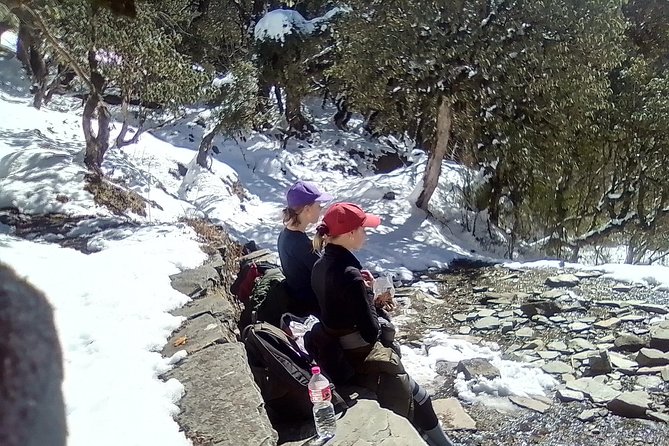
- Ghorepani-area trekking and rhododendron forests: the trail days that add texture
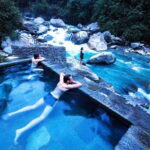
- Jhinu Danda natural hot spring: a recovery stop with real personality
- Guest houses, permits, and a guide who runs a smooth show
- Price and value: what $257.07 covers (and what you’ll pay extra)
- Day-by-day: how the 5 days tend to feel in practice
- Who should book this Poon Hill circuit (and who should think twice)
- Should you book this 5-day Poon Hill circuit?
- FAQ
- What time does the trek start?
- Where does this trek begin from?
- Is pickup included?
- Is this a private tour or a shared group?
- What permits are included?
- Are meals included in the price?
- Can I cancel and get a full refund?
Key highlights you’ll actually feel
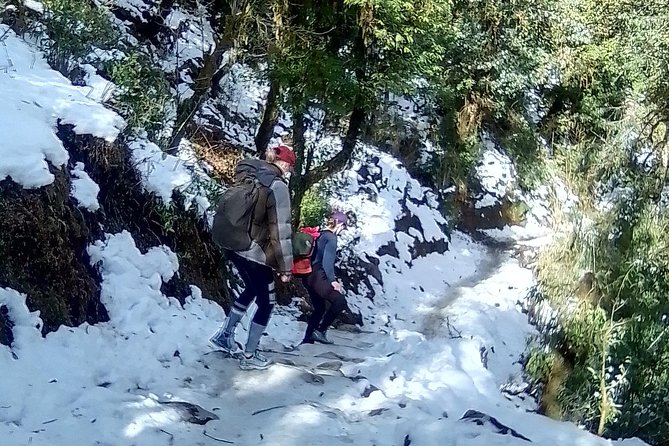
- Poon Hill viewpoint at 3,210m for serious Annapurna-area mountain views
- Jhinu Danda natural hot spring to soothe tired legs after hiking
- Rhododendron forests that make the trail feel shaded and alive
- Gurung culture interactions that add meaning beyond the scenery
- English-speaking guidance with strong praise for kindness and smooth service
Pokhara to Ulleri: starting with driving ease, then stepping into the trail
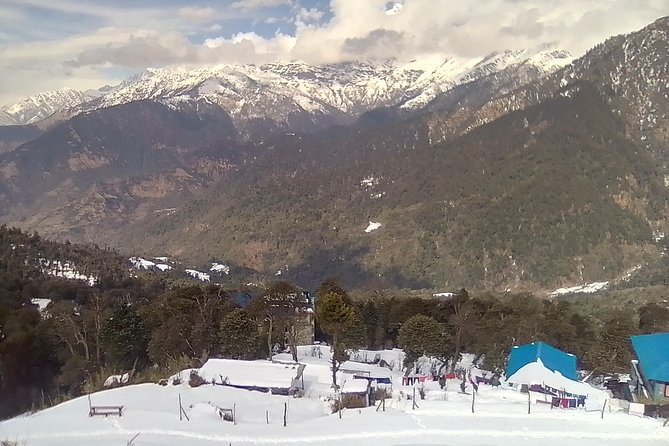
Your day begins with a clear plan. Meet at the start time of 8:30 am, and you’ll be picked up, with round-trip transfers handled by a private vehicle. For a short trek like this, that matters. You don’t want to spend your first hours wrestling buses and timing changes when your real goal is getting to the trail.
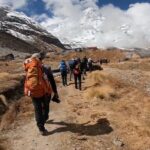
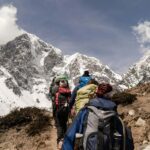
From Pokhara, you ride to Nayapul, then start walking up toward Ulleri (1,960m). This first stretch is where you get a feel for the trek rhythm: steady climbing, frequent stops to catch your breath, and quick resets as the air cools.
Ulleri is a helpful staging point for the rest of the circuit. Even if you’re not chasing high drama, it’s a good early “gear check.” You’ll learn how your legs handle the uphill steps, and you’ll also understand how quickly Nepali trails can change from village footpaths to more distinct hiking routes.
What I’d watch for here: the pace. The trek is described as one “most travelers can participate” style adventure, but that doesn’t mean it’s a flat walk. If you push too fast on day one, you’ll feel it later—especially around the higher viewpoint area.
You can also read our reviews of more tours and experiences in Pokhara.
Poon Hill at 3,210m: the view target (and how to make it worth the effort)
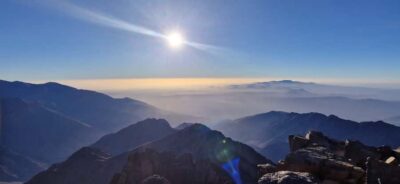
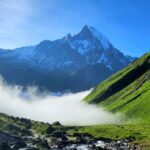
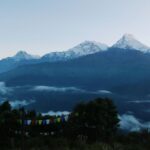
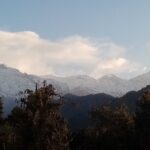
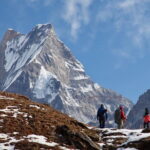
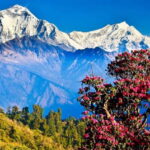
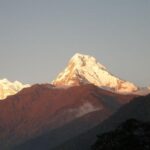
The headline of this trek is the Poon Hill viewpoint (3,210m). The tour description calls out that it’s close to Mt. Annapurna, and that’s the heart of why people do this route. Poon Hill isn’t about one single postcard moment—it’s about the mountain scale “clicking” into place once you gain enough elevation.
This is also one of the reasons this trek works well as a 5-day plan. You’re not spending a week just climbing. You’re getting to a high-feeling viewpoint without turning the trip into a full expedition.
To get value out of Poon Hill, plan your approach like you’re photographing with your body, not just your camera:
- Keep a steady rhythm on the way up, not a sprint.
- Take time to look around, not only up. The trail area often frames the mountains in layers.
- Be ready for temperature changes. Higher spots often feel cooler and windier.
One more thing: the route is set up for comfort after effort. Poon Hill is the big view moment, but then the trek keeps giving you practical wins—walking through rhododendron forests and eventually reaching the hot spring at Jhinu Danda.
Ghorepani-area trekking and rhododendron forests: the trail days that add texture
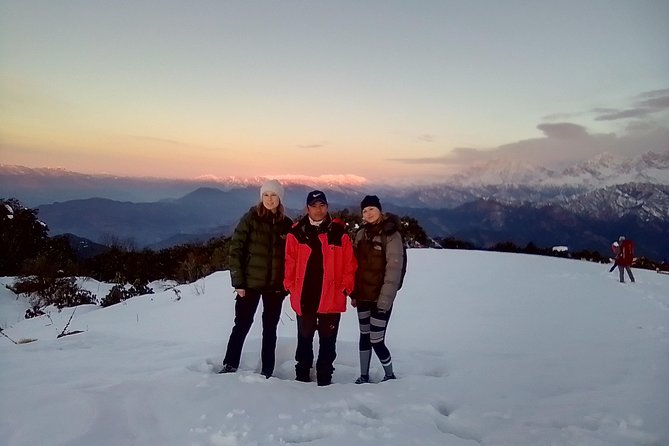
Even if your main goal is the view, the in-between days are where you decide if the trek is truly worth it. This route is known for rhododendron forests, and that detail isn’t just decoration. Forest trail sections can help break up the climb visually and physically, especially when you’re moving for hours.
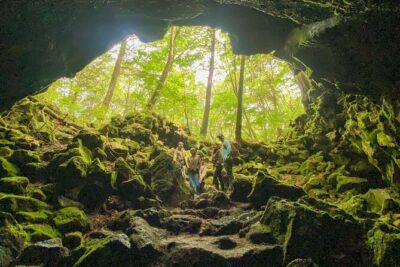
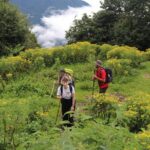
Rhododendron areas tend to feel cooler and shaded. That can make a longer walking day feel less harsh. It’s also the kind of environment where you notice smaller things: the sound of footsteps, the texture of the path underfoot, and the way the air changes when you pass through thicker vegetation.
This is also where cultural life starts to feel more personal. The tour notes Gurung culture interaction as part of the experience. You might see it through everyday village rhythms—how people live, how guest houses function, and how guides help you make sense of what you’re seeing.
If you like travel that feels human rather than purely scenic, these trail days are the payoff. Your guide’s job here isn’t to distract you with talk—it’s to help you look and understand while you keep walking.
Jhinu Danda natural hot spring: a recovery stop with real personality
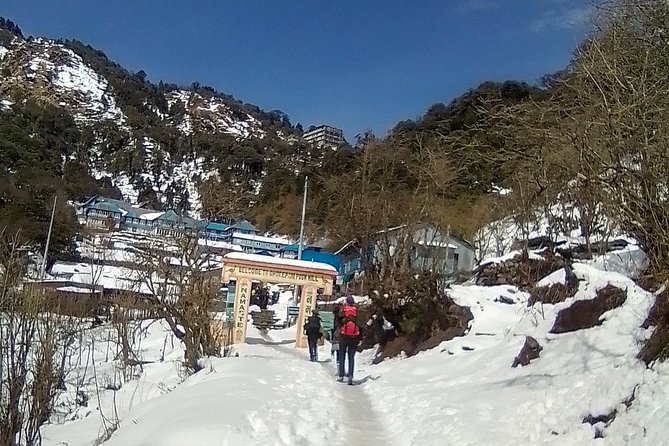
After hiking days, your body wants a reset. That’s why Jhinu Danda’s natural hot spring is such a standout feature of this circuit. The hot spring isn’t just a fun extra. It’s an intentional match with the trek’s structure: you walk, you climb, you push, and then you get a warm reward that helps your legs recover.
Hot springs like this also add an authentic flavor to the trip. You’re not in a developed spa with a polished lobby. You’re in a place where the natural setting and local routine shape the experience.
Practical tip: treat hot spring time as recovery, not a full event. Bring whatever you’ll need for comfort and keep your timing realistic so you’re not rushed on the next walking segment. Warm water can make you feel sleepy, and trekking doesn’t care about your schedule—so step back, hydrate, and plan your pace.
Guest houses, permits, and a guide who runs a smooth show
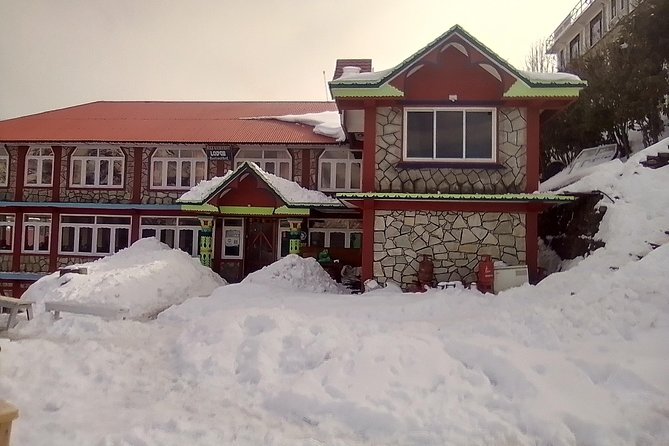
This trip includes accommodation in guest houses and an English-speaking trekking guide. In a trek of this length, the guest house part matters because it affects how you sleep and recharge. The reviews for this operator were strongly positive on lodging quality and staff helpfulness—people specifically called out very good accommodation and friendly, supportive service.
A big part of value here is that your permit paperwork is handled: the trek includes a trekking permit and TIMS card. These are the essential pieces that make the trek legitimate and logistically possible. You don’t want to arrive in Nepal and scramble to figure out documents while your legs are already packed for hiking.
The guide also makes a measurable difference. One review highlighted a guide named Krishna, praised as amazing and tied to an enjoyable mix of gradients, scenery, and vegetation. Other reviews praised guides and staff as kind, smart, helpful, and organized—exactly what you want on a short trek where you don’t have spare days.
What you’ll likely appreciate most is the day-to-day flow: getting you where you need to be, keeping pacing sensible, and making sure the experience feels organized without turning it into a factory line.
Price and value: what $257.07 covers (and what you’ll pay extra)
At $257.07 per person, the price may look simple on paper—but the value comes from the bundle.
What’s included:
- English-speaking trekking guide
- Guest house accommodation
- Trekking permit and TIMS card
- Round-trip transfer by private vehicle
- Private trip (only your group participates)
That combination usually costs more when you price it separately, especially the guide plus transport plus permits. Private transfer also saves you from extra coordination and makes day one smoother.
What’s not included:
- All meals and drinks (purchase as you go)
- Rescue cost in an emergency
- Gratitude (optional)
My take: the “not included” part is common on Nepal treks, but it’s still your responsibility to budget. For a 5-day trek, meals can quietly add up if you choose pricier items or snack a lot. If you like simple meals and stick to tea, you’ll likely keep costs under control.
Also, even though rescue costs aren’t included, the tour setup still prioritizes organization and guidance. A good guide can reduce risk by managing pacing and keeping you on the right plan, but nothing can erase the fact that you’re walking in the mountains.
Day-by-day: how the 5 days tend to feel in practice
You can picture the loop as a sequence of climbs and resets. The exact overnight towns aren’t spelled out in the info you provided, but the key route points are clear: Pokhara → Nayapul → Ulleri, then onward through the rhododendron forest trekking experience, up to Poon Hill, and then down toward Jhinu Danda for the hot spring before returning.
Here’s how that typically feels as a traveler:
- Day 1: Ride from Pokhara to Nayapul, then hike up toward Ulleri (1,960m). This day sets your pace and your comfort level with uphill walking.
- Day 2: Trail time in the higher valley-style route, with forest sections and a steady build toward the viewpoint area.
- Day 3: Head to the Poon Hill viewpoint (3,210m) for the mountain-view focus. Expect to spend more time looking and less time rushing.
- Day 4: Move toward Jhinu Danda, with the hot spring as the highlight after trekking effort.
- Day 5: Return through Nayapul back toward Pokhara, ending the loop.
The nice part of structuring it this way is that the big emotional moments are spaced: views at Poon Hill, then recovery and relaxation at Jhinu Danda.
Who should book this Poon Hill circuit (and who should think twice)
This trek makes sense if you want:
- A short Annapurna-area trek with a clear payoff viewpoint at 3,210m
- A mix of scenery and culture, not just endurance
- A guided trip with real support, including English-speaking guidance
- Guest houses that don’t sound sketchy based on reviews and staffing support
It’s also a good fit if you like having the heavy logistics handled. Private vehicle transfers and included permits mean you spend more time enjoying the journey and less time planning around admin.
Consider thinking twice if:
- You’re very sensitive to altitude or steep walking. You’ll go up to Poon Hill, and you’ll feel it even on a short schedule.
- You want meals included in the price. Here, meals and drinks are extra, purchased along the way.
Should you book this 5-day Poon Hill circuit?
Yes, I’d book it if your priority is a balanced, guided trek with a real viewpoint goal and a natural recovery stop. The best reason is practical: the tour is set up with an English-speaking guide, guest house accommodation, and private round-trip transfers, and the reviews strongly point to smooth organization and helpful, kind staff. Add in the combo of Poon Hill views and Jhinu Danda hot spring, and you get a trek that feels like more than just walking.
One final decision tip: if you’re good at planning small extras—mainly meals and drinks—this becomes a clean, cost-effective way to experience the Annapurna region without overcommitting your schedule.
FAQ
What time does the trek start?
The meeting point start time is 8:30 am.
Where does this trek begin from?
The trek operates out of Pokhara, Nepal, with transfers that go toward Nayapul and then trekking begins toward Ulleri.
Is pickup included?
Yes. Pickup is offered, and round-trip transfers are included by private vehicle.
Is this a private tour or a shared group?
This is a private trip/activity. Only your group will participate.
What permits are included?
The tour includes a trekking permit and TIMS card.
Are meals included in the price?
No. All meals and drinks are not included, but they are available for purchase.
Can I cancel and get a full refund?
Yes. Free cancellation is available if you cancel up to 24 hours in advance of the experience start time. If you cancel less than 24 hours before, the amount paid is not refunded.