REVIEW · HANOI
Sapa 2-Day Trekking Tour – Explore Villages & Scenic Trails
Book on GetYourGuide →Operated by Cat ba memories · Bookable on GetYourGuide
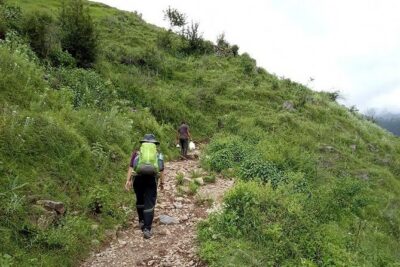
Rice terraces start conversations. This 2-day, 1-night Sapa trek is built around small groups and local guides who steer you toward real village life and calmer paths, with Ta Van for culture or Hầu Thào for a quieter climb. I like how the pace is adjustable, especially with guides such as Mao and Thao, and you’ll get to swap stories with hosts instead of just snapping photos. The main drawback is simple: you’ll hike 10–14 km a day on moderate trails, and during rainy season they can turn muddy fast.
The best part for me is the human side of the trek. Overnight in a homestay means dinner is not some tourist set menu, and meals include local ingredients with options like vegetarian/vegan on request. On the Ta Van route you’re staying with Dzay families; on the Hầu Thào route you’ll spend the night with Black Hmong hosts, including time for conversation by a fire and a home-style dinner. Just know this is not a walk for fragile knees, back problems, or anyone who needs step-free access.
In This Review
- Key things I’d anchor your decision on
- Choosing Ta Van vs Hầu Thào: culture or quiet mountain trails?
- Sapa morning logistics that affect the whole trek
- Day 1: from Sapa into Muong Hoa Valley village life
- Overnight homestay: what you actually gain from the night
- Day 2: suspension bridges, bamboo forests, and the waterfall village return
- Ta Van route (Ta Van → Giang Tả Chải → Sapa)
- Hầu Thào route (Hầu Thào → Giang Tả Chải → Sapa)
- Guides you might get: why their names show up again and again
- Price and value at $58: where the money really goes
- What to pack so the trek stays fun, not miserable
- Who should book this Sapa trek, and who should skip it
- Should you book it?
- FAQ
- How long is the trek each day?
- What’s the difference between the Ta Van and Hầu Thào routes?
- Where do I stay overnight?
- What meals are included?
- What time does the trek start?
- Is pickup and drop-off included?
- What should I bring for the hike?
- Is this tour suitable for everyone?
Key things I’d anchor your decision on
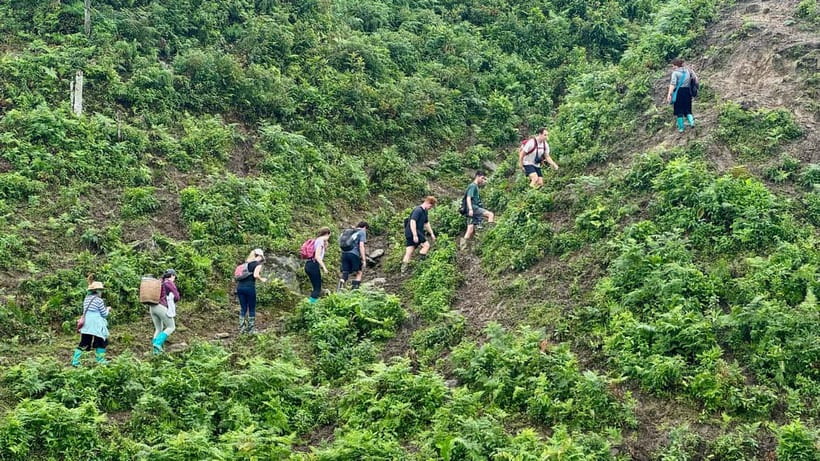
- Two real route choices: Ta Van (gentler, cultural, valley views) vs Hầu Thào (remote, more mountain time)
- Village-to-village walking through places like Y Linh Ho and Lao Chải before you reach your homestay
- Meals are part of the experience with dietary care reported by guests, including allergy handling by Sung
- Small-group feel (one group was just 5 people) so you can ask questions and slow down
- Mud is a real possibility year-round, especially May–Sept, so shoes and rain gear matter
- Guides manage the tricky stuff like avoiding busier areas, checking the group pace, and keeping you together
Choosing Ta Van vs Hầu Thào: culture or quiet mountain trails?
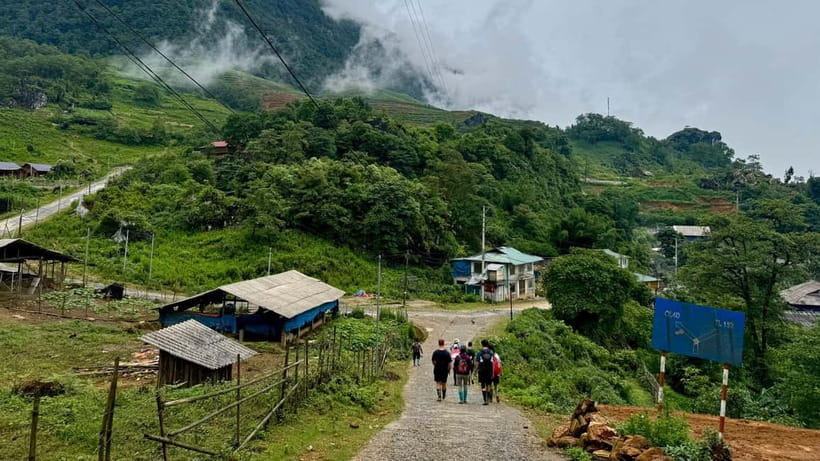
Your biggest decision is the route you book.
Ta Van is the “cultural immersion + valley life” option. You’ll still see plenty of rice terraces and village views, but the walking is generally described as more relaxed, with shorter day distances and more time to stop, look, and talk. It’s a great match if you want ethnic village culture without feeling like you’re in a nonstop endurance event.
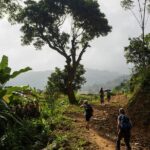
Hầu Thào leans more toward adventure. Expect longer days, narrow mountain trails, and scenery that feels closer to the raw edges of the hills. Reviews highlight that this route can be less crowded and leads to deeper connections with Hmong hosts, especially with guides like Thao and Dayna-style calm, attentive leadership.
If you’re torn, think about what would bother you more: the idea of more time on steep footpaths (Hầu Thào) or the idea of slightly less remote energy (Ta Van). Either choice works; they just scratch different itches.
You can also read our reviews of more tours and experiences in Hanoi.


Sapa morning logistics that affect the whole trek
The trek starts from Sapa Town at 9:00 AM, and you should show up 15–30 minutes early. Another note I’d follow closely: arrive about 30 minutes ahead so you can check in, store big bags, and get a quick trek briefing without rushing.
Your meeting point is at Sapa TT Homestay, about 1 km from Sapa’s central area. That’s close enough to reach by taxi or motorbike, but far enough that you’re not starting in the middle of the loudest streets.
What matters here is your daypack. You’ll be carrying a small pack while big bags can be stored at the office. Build your pack like this:
- water in a bottle you’ll actually use
- a rain jacket (mud rain happens)
- long pants and insect repellent
- sunglasses + hat for the open stretches
The tour runs year-round, and Sapa weather can shift quickly. If you show up underdressed, you’ll feel it by lunch.
Day 1: from Sapa into Muong Hoa Valley village life
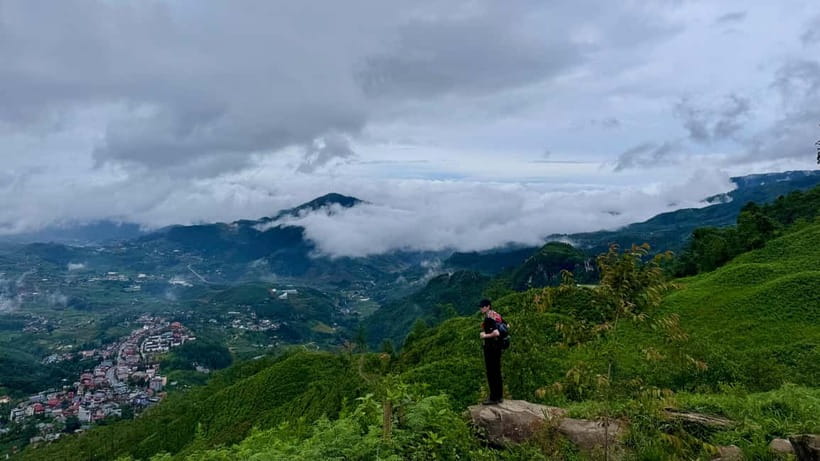
Both routes start the same way on Day 1, with a gentle warm-up into Muong Hoa Valley.
After leaving Sapa, you’ll walk through Y Linh Ho and Lao Chải. These are known for colorful clothing and local crafts, and the point isn’t just the visuals. This is where guides explain how people organize daily life in the hills: where they farm, how paths connect homes, and how seasons change what’s possible.
Then comes lunch with rice-terrace views. This is one of those “you’re earning the view” moments, because you’ve already walked through village edges and small paths. You’re also not stuck eating indoors—your meal is tied to the scenery.
By the end of Day 1, you reach your homestay:
- Ta Van route: you’ll sleep in a Dzay homestay.
- Hầu Thào route: you’ll reach the remote village area of Hầu Thào, with dinner and time shared with Black Hmong family hosts.
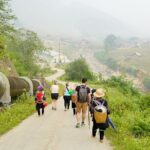
Small-group size makes a difference here. In one reported group of just 5 people, the guide could check in often, answer questions without time pressure, and adjust small stops when needed.
Practical note: Day 1 is often where local sellers can be more present. That doesn’t mean you should avoid everyone—just keep moving, be polite, and remember that walking is the main event.
Overnight homestay: what you actually gain from the night
The overnight stay is a big reason this trek feels more real than a standard day hike.
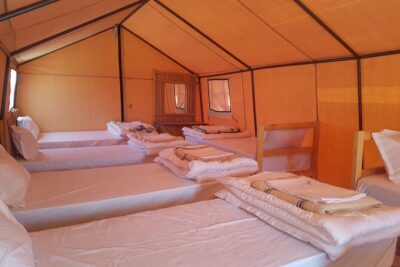
You get a 1-night homestay stay in a private room, plus meals included (dinner on the first night). In practice, this is where you learn more than the basics. Guides such as Mao and Sung often use the evening to share cultural context in a respectful, normal way—so it doesn’t feel like a scripted lecture.
On the food side, the tour includes traditional Vietnamese dishes with local ingredients. Vegetarian/vegan options are available, and there’s specific feedback about how dietary needs were handled carefully. One guest with a food allergy said their guide, Sung, double-checked with the host family. That’s a signal to take seriously: this isn’t “hope for the best” meal planning.
What to expect in comfort terms:
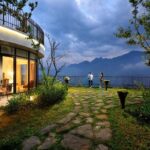
- you’re not in a hotel, so it’s more home-style than luxury
- you may have basics like free Wi‑Fi at the homestay setup (reported)
- nights can feel cool, especially when the weather turns
One fun extra that appeared in feedback: some groups had the chance to cool off with a swim at a nearby waterfall. Don’t count on it every time, but it’s the kind of optional moment that can make the night memorable.
Day 2: suspension bridges, bamboo forests, and the waterfall village return
Day 2 is where each route starts to feel distinct again.


Ta Van route (Ta Van → Giang Tả Chải → Sapa)
You’ll cross a suspension bridge, then continue through a bamboo forest. This stretch can be surprisingly calm—less open valley exposure and more shaded footpaths.
The next stop is Giang Tả Chải, a Red Dao village by a waterfall. The value here is the contrast: you go from your Black Hmong or Dzay homestay area experiences (depending on route) into another community with its own identity and daily routines. A good guide will point out the details you’d otherwise miss.
After lunch, your driver takes you back to Sapa. Car pickup back to Sapa on Day 2 is included, so you’re not stuck solving the final transport piece with sore legs.
Hầu Thào route (Hầu Thào → Giang Tả Chải → Sapa)
If you choose Hầu Thào, Day 2 includes narrow mountain trails and dramatic cliffside scenery before returning to Sapa after lunch. Reviews frame this as longer and more demanding than Ta Van, with fewer tourists on the path—so it can feel more personal and less interrupted.
Either way, the rhythm stays similar: hike, stop, look, eat, return. The guide plays a key role in timing so the group stays together without turning the trek into a forced sprint.
Guides you might get: why their names show up again and again
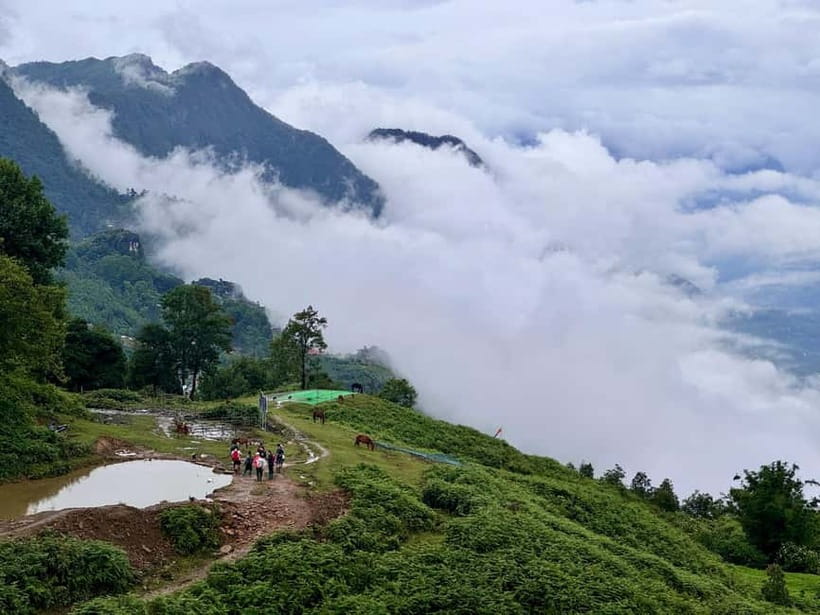
I’ve seen enough trekking chaos in Vietnam to know this: the guide is not a nice-to-have. It’s the difference between a hike that feels planned and one that feels like you’re stuck in someone’s schedule.
This trek leans hard on strong local guidance, and several names came up repeatedly in feedback:
- Mao: clear English, inclusive pacing, and adjustments when someone needs an easier option.
- Thao: off-the-beaten-track route knowledge and avoiding busy tourist areas.
- Sung: careful meal handling and lots of personal, culture-focused context.
- Su Su / Suav: upbeat energy, strong explanations, and focus on safety.
- Chai and Ai: warmth, humor, and story-driven cultural explanations.
- Tung: friendly, insightful storytelling and guidance that helps you feel secure on the trail.
A practical takeaway: if your route choice is clear but your fitness isn’t perfect, pick this trek because guides are reported to adjust the route slightly when needed. That doesn’t remove the fact you still hike 10–14 km per day on Day 1 and Day 2, but it can prevent the trip from becoming miserable.
Price and value at $58: where the money really goes

At $58 per person, this is good value mainly because so much is bundled into one price:
- expert local guide support
- homestay with a private room for one night
- meals (2 lunches, 1 dinner, 1 breakfast)
- required sightseeing tickets
- transport elements tied to the broader trip planning
There’s another layer in the details I received: the included list also mentions Cat Ba transfers and a Lan Ha Bay + Ha Long Bay cruise day with kayaking rentals and a cruise guide. That’s not the Sapa trek itself, but it may be part of the same booking package in some cases.
So here’s the fair way to think about value:
- If you’re getting only the Sapa trek with homestay and meals, $58 already makes sense.
- If your booking also includes the Cat Ba bay cruise and kayaking, the overall package value gets stronger, but you’ll want to confirm how the days line up with your trek so you don’t get time-shuffled.
What to pack so the trek stays fun, not miserable

You can’t control the weather, but you can control your gear choices. The essentials are already listed for you, and I agree with them.
Bring:
- comfortable hiking shoes (this is where most comfort is won or lost)
- water bottle and a little extra water plan
- long pants (bug protection and trail comfort)
- sun hat + sunglasses
- insect repellent
- change of clothes
- rain jacket for muddy stretches
Also consider:
- quick-dry layers for cold mornings
- a small daypack only (big bags go into storage)
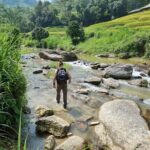
Footwear matters because of knee strain on uneven paths. One review noted the trek could be tough for people with knee issues, even if the pace is manageable. Another mentioned renting gumboots when conditions are muddy. If you’re traveling at a rainy time, it’s worth asking ahead whether gumboot help is available.
Who should book this Sapa trek, and who should skip it
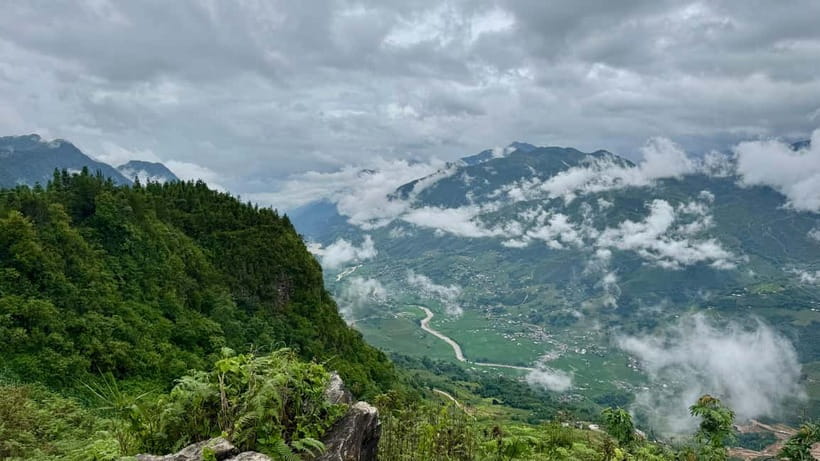
This tour is best for:
- nature lovers who also want cultural stops, not just views
- people who like chatting with locals and learning how villages work day to day
- travelers who are comfortable walking moderate distances and don’t mind uneven terrain
- anyone who prefers a small-group feel over a big bus-to-viewpoint schedule
It’s not a fit for:
- pregnant women
- people with back problems, heart problems, mobility impairments, or anyone who uses a wheelchair
- people with visual impairments
- people with insect allergies
If you’re somewhere in the middle—like a good walker but not a trail athlete—you’ll likely be fine, especially on Ta Van. If you have knee concerns, take Hầu Thào with caution and bring footwear that can handle wet rocks and slopes.
Should you book it?
Yes, if you want a straightforward 2-day Sapa experience where the homestay and the guide’s village knowledge are the main course, not an afterthought. It’s a strong pick for value because meals and overnight hosting are built in, and multiple guides are reported to adjust pacing and route to match the group.
I’d skip it or choose Ta Van only if you know you struggle with longer walking days, muddy trails, or uneven ground. And if your package includes the Cat Ba cruise side, confirm your schedule so the Sapa trek days don’t overlap awkwardly with transfers and water activities.
FAQ
How long is the trek each day?
You’ll walk about 10–14 km per day over two trekking days. The difficulty is described as moderate, so basic fitness is needed.
What’s the difference between the Ta Van and Hầu Thào routes?
Ta Van is described as a gentler option with more cultural village time and shorter walking distances. Hầu Thào is more remote and adventurous, with longer distances and narrower mountain trails.
Where do I stay overnight?
You stay one night in a homestay in a private room. The route direction determines the host community you’ll share the home with.
What meals are included?
The package includes 2 lunches, 1 dinner, and 1 breakfast. Vegetarian and vegan options are available.
What time does the trek start?
The trek starts at 9:00 AM from Sapa Town. You should arrive 15–30 minutes early for check-in and briefing.
Is pickup and drop-off included?
Yes. You’ll be taken back to Sapa by car on Day 2. The meeting point is Sapa TT Homestay.
What should I bring for the hike?
Bring comfortable shoes, water, sunglasses, a sun hat, long pants, insect repellent, and a change of clothes. A rain jacket is also recommended since trails may be muddy in the rainy season.
Is this tour suitable for everyone?
It’s not suitable for pregnant women, people with back problems, people with heart problems, people with mobility impairments, wheelchair users, visually impaired people, or people with insect allergies.