REVIEW · KATHMANDU
Shortest Everest Base Camp Trek 11 Days
Book on Viator →Operated by Sherpa Expedition & Trekking · Bookable on Viator
Everest Base Camp in 11 days is the kind of challenge that hooks you fast. What makes this one special is the short on-the-ground trek plus a helicopter ride that adds big-altitude sights without stretching your schedule into the next season. You’ll get the classic Everest region experience through the Sherpa heartland, then swap some extra walking for a bird’s-eye look at Everest Base Camp, Khumbu Glacier, and Kalapatthar.
I like that this trip is built for real time limits, but still takes altitude seriously—so you’re not just rushing from photo spot to photo spot. One consideration: because it’s condensed, the trek can still feel demanding at altitude, even with moderate fitness and guide support. If you’re prone to getting winded, it’s worth training a bit and taking acclimatization days and pacing seriously.
Small-group feel (up to 45 travelers) with an established operator can make the whole rhythm smoother. Guides and porters get highlighted again and again, with special praise for how they monitor how you’re feeling while you climb.
In This Review
- Key things that make this EBC trek different
- 11 days to Everest Base Camp: what “short” really changes
- Kathmandu pickup and a 6:15am start you should take seriously
- Namche Bazaar: the Sherpa “capital” stop that makes the region click
- Your guide is the real backbone here: Pasang, Lakpa, and the team mindset
- Helicopter day to Everest Base Camp, Khumbu Glacier, and Kalapatthar
- Flights to Lukla and how the mountains control the schedule
- Meals, fees, and what your $2,200 really buys
- The day-to-day experience: pace, lodging, and what comfort looks like
- Who should book this 11-day Everest Base Camp trek?
- Should you book Sherpa Expedition & Trekking for Everest Base Camp in 11 days?
- FAQ
- Where does the Everest Base Camp trek start?
- Is pickup offered?
- What meals are included?
- What is not included in the price?
- What fitness level do I need?
- How big are the groups?
- FAQ
- What if weather is poor?
- What is the cancellation window?
Key things that make this EBC trek different
- 11 days for Everest Base Camp: a tighter plan that keeps the goal within reach
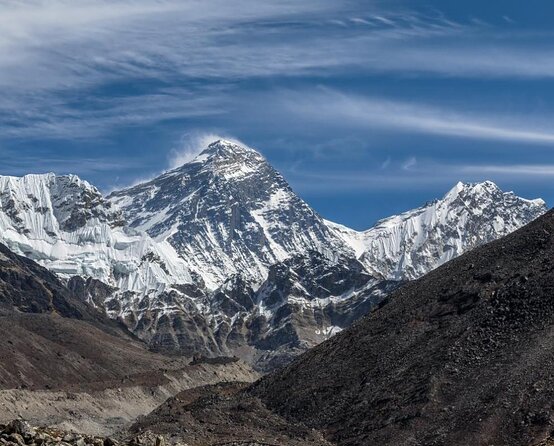
- Helicopter ride to EBC-area highlights: Everest Base Camp, Khumbu Glacier, and Kalapatthar
- Namche Bazaar time: you’ll visit the Sherpas’ hub and reset your bearings in a real town
- Guide-led pace and health checks: support is a major selling point in the stories you’ll hear
- All fees and taxes + daily meals included: fewer “surprise budget” items once you arrive
11 days to Everest Base Camp: what “short” really changes
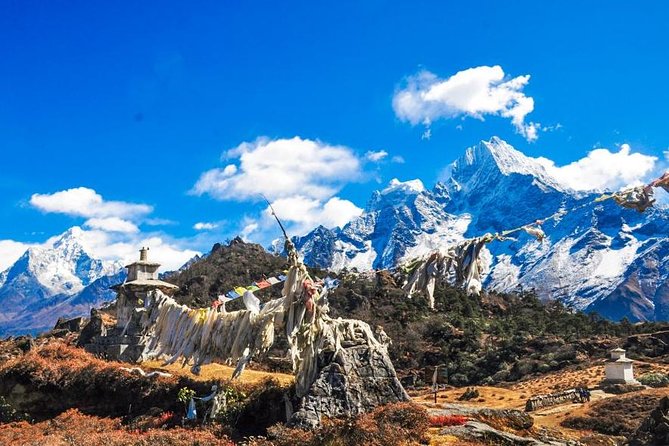
An 11-day Everest Base Camp trek isn’t “easy.” It’s “efficient.” That matters because most people don’t have the luxury of multiple weeks in the mountains. Here, the whole design is to get you into the Everest region and back while keeping the trip from swallowing your calendar.
With a shorter timeline, you’ll feel the tradeoffs. You get fewer days to slowly absorb altitude, routine, and recovery. The upside is that you’re less likely to lose the momentum that makes trekking fun in the first place. The real win is how the helicopter portion expands your experience—so you still get the big, iconic viewpoints even if the trek day-to-day pace is more about moving safely than maximizing hiking hours.
If you’re coming from Kathmandu, the first few days set the tone. You’ll want to settle into a walking rhythm early, then let the guide’s pacing do its job. When people rave about this trek, a huge part of it is that the support feels hands-on rather than just “follow the leader.”
You can also read our reviews of more tours and experiences in Kathmandu.
Kathmandu pickup and a 6:15am start you should take seriously
This experience starts from Sherpa Expedition And TrekkingChaksibari Marg, Kathmandu 44600, Nepal, with a 6:15am start time. There’s pickup offered, and the meeting point is described as near public transportation, which is helpful if you’re staying somewhere convenient.
That early start isn’t random. It’s the kind of timing that works with logistics—getting organized, moving toward the next leg, and keeping the day from slipping into delays. For you, that means you should plan to be awake, fed, and ready. Late-night chaos (or a late dinner) is one of the simplest ways to make Day 1 feel harder than it needs to be.
Another small detail that matters: the experience is capped at a maximum of 45 travelers. That’s not a small private trek, but it’s also not a big, noisy bus march. You’ll typically get a more manageable flow, especially when you’re trying to coordinate meals, gear questions, and group movement.
Namche Bazaar: the Sherpa “capital” stop that makes the region click
Namche Bazaar is one of the Everest-region places that turns the trip from scenery into context. This tour includes a visit to Namche Bazaar, described as the capital of the Sherpas. That phrasing is more than marketing. Namche is where you start to feel the rhythm of high-altitude life: trade, tea houses, gear swapping, weather watching, and people moving up and down with purpose.
For you, Namche works as a reset. You’ll likely notice two things when you’re there:
- You stop thinking of the trek as just hiking and start thinking of it as living at altitude.
- You get better at reading the day—cloud cover, wind, how everyone’s breathing, and whether conditions feel calm or tense.
Namche is also a moral boost. Even if your legs feel heavy, seeing a real community can make the trek feel human instead of just mechanical. It’s one of the reasons a short 11-day plan still feels like a genuine Everest journey rather than a fast sightseeing circuit.
Your guide is the real backbone here: Pasang, Lakpa, and the team mindset
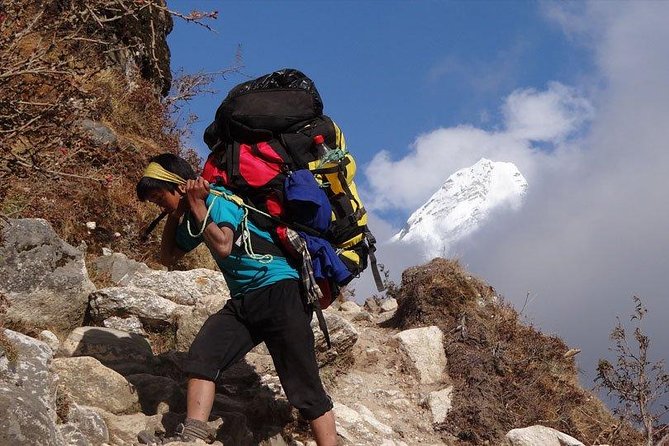
In trekked-up places, the difference between a good trip and a great trip is often one person: the guide who matches your pace, watches for symptoms, and handles the day when conditions change.
This trek is repeatedly praised for guide support, and names show up a lot—especially Pasang and Lakpa. One story stands out for its specificity: Pasang is described as fun and energetic, but also attuned to symptoms as altitude climbed. That’s the kind of focus that helps you take acclimatization seriously without turning the whole trek into worry.
Lakpa also gets strong mentions, including advice that feels personal—reading the group, helping with concerns, and making the route work for people who might not all be at the same comfort level. Other guides mentioned include Santa, along with helper sherpas and porters such as Anish, Gyalje, Dawa Sherpa, Chorteh, and Dorjeh.
What I’d take from all of that (and what you’ll want from your own guide) is a practical leadership style:
- steady pacing that doesn’t ignore your limits
- attention to how you’re feeling, not just whether you’re keeping up
- calm problem-solving if something changes with weather or flight timing
That kind of support matters even more on a condensed schedule. When you’re short on days, you can’t afford to “push through” a bad acclimatization day. You need guidance that helps you make smart choices early.
Helicopter day to Everest Base Camp, Khumbu Glacier, and Kalapatthar
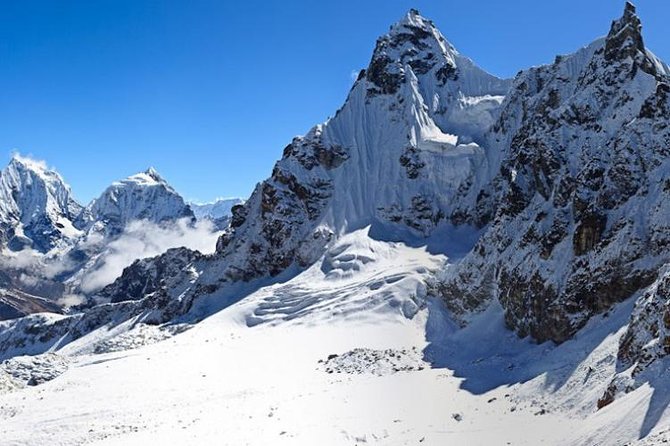
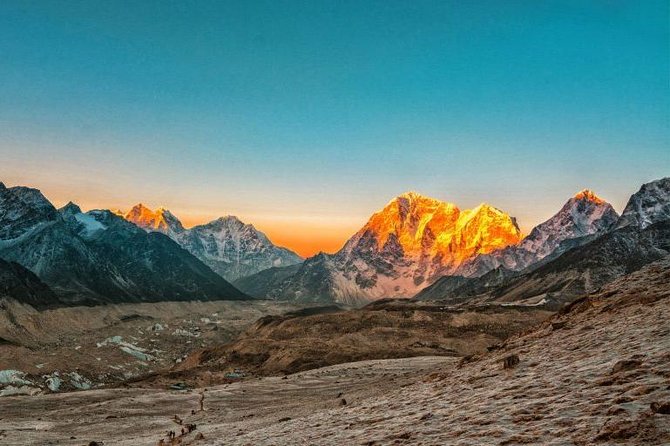
The highlight on paper—and in the way this trek is described—is the helicopter ride to Everest Base Camp, Khumbu Glacier, and Kalapatthar. This is a rare combo because Kalapatthar, in particular, is famous for views, while the glacier area gives you a different sense of scale and terrain than foot travel alone.
For you, the helicopter portion does three useful things:
- It buys you time. You get iconic altitude sights without a longer, slower round of hiking days.
- It adds perspective. From the air, you can understand how the valleys and ridges connect—things that are hard to fully grasp when you’re only moving hour by hour on foot.
- It can reduce fatigue. Even if trekking is the main point, you don’t want exhaustion stacking on exhaustion when altitude is involved.
One key consideration: the experience is described as requiring good weather. That means the helicopter experience is not purely guaranteed no matter what the calendar says. But the good sign here is that the operator is known for coordination and adjustments when weather is off. In at least one case, the plan changed and the team helped complete the trek round-trip rather than forcing an incomplete adventure.
When conditions cooperate, this is the kind of day that makes the whole 11-day effort feel worth it fast.
Flights to Lukla and how the mountains control the schedule
Everest-region treks often involve getting to the high starting zones efficiently. Here, the team has been praised for arranging flights to Lukla, which is the typical gateway for walking routes in the Everest area.
What you should know is that mountain travel has a personality. Even when everything is booked, weather can change timings. The best operators handle that reality with communication and flexible planning. In the stories tied to this program, Ram (mentioned as part of the head office support) comes up as responsive before the trek, and the team is described as customizing plans when needed.
So for you: don’t treat the schedule like a contract. Treat it like a best-case plan that the guide will protect. If you get frustrated easily when nature interrupts, you’ll want to build patience into your expectations before you leave home.
Also, keep your focus on what you can control: good hydration, steady walking pace, and reporting how you feel early rather than trying to “tough it out.”
Meals, fees, and what your $2,200 really buys
Price for this package is $2,200.00 per person for an approx. 11-day trek. That number can look either expensive or reasonable depending on what you compare it to—and what’s included.
What’s included:
- Breakfast, lunch, and dinner
- All fees and taxes
What’s not included:
- Nepal visa
- Insurance
- Tips for guide/porter
- Alcoholic beverages
- Soda/Pop
- Snacks
Here’s how I’d evaluate the value. This price makes the most sense if you want a guided, organized trip where meals and core costs are handled so you can focus on trekking and acclimatization—not on constant bill-surfing.
The helicopter ride also shifts the value equation. A helicopter adds cost and risk management. When it’s included as part of the experience, it’s not just a sightseeing perk—it’s part of how the program compresses the trek into 11 days while still hitting major Everest icons.
Your budgeting checklist should include the items that aren’t covered: visa and insurance are the big ones, and daily snacks are often the surprise line. If you like extra treats (or you’re the kind of person who wants sugary recovery snacks on the walk), plan for that. Also remember tips. This is a service business at high altitude. If you’ll underbudget tips, the trip can feel more stressful than it needs to be.
The day-to-day experience: pace, lodging, and what comfort looks like
Even with the major highlights, what makes trekking work is the boring stuff done well: getting you fed, organized, and moved along with minimal friction.
From the information given, you’ll have breakfast, lunch, and dinner included. That’s a big deal at altitude because energy planning becomes harder. Stable meal support can help you keep a steady walking rhythm rather than turning each day into a guessing game about where the next meal will come from.
Lodging isn’t listed in the official included section you provided, but it’s mentioned as something the operator handled in how the trek is described—especially in Kathmandu and on the trek. So if lodging matters a lot to you (warm rooms, consistent sleeping, predictable facilities), it’s smart to confirm what style of lodging is used for this exact departure.
What I’d also watch: this is a moderate fitness trip, not “sit on the couch and watch Everest.” The program says you should have moderate physical fitness level. That doesn’t mean you need to be a mountaineer. It does mean you shouldn’t show up after a month of zero walking.
Who should book this 11-day Everest Base Camp trek?
This trek fits best if:
- you want Everest Base Camp access without spending two-plus weeks in the region
- you value strong guide support, including attention to how you’re feeling
- you like having a plan that includes helicopter viewpoints, not just more hours of walking
It also seems workable for a wide age range. One example mentioned in the provided material includes a family group spanning ages 19 to 56, which suggests the operator can adapt the pace for mixed fitness levels.
You might reconsider if:
- you’re very sensitive to altitude and don’t feel comfortable with moderate fitness demands
- you need guaranteed helicopter timing in any weather scenario (the experience requires good weather)
Should you book Sherpa Expedition & Trekking for Everest Base Camp in 11 days?
If your goal is the Everest Base Camp dream but your calendar is short, I think this package makes a lot of sense. The combination of 11 days, Namche Bazaar, and a helicopter ride to Everest Base Camp, Khumbu Glacier, and Kalapatthar is exactly the kind of tradeoff that turns a huge ambition into a trip you can actually finish.
Book it if you want:
- guided support that focuses on pace and symptom awareness
- fewer meal and fee headaches thanks to what’s included
- big Everest icons without a long trek grind
Hold off or ask extra questions if:
- you’re unsure you meet the moderate fitness expectation
- you don’t want any chance of weather affecting the plan, especially with the helicopter component
FAQ
Where does the Everest Base Camp trek start?
It starts at Sherpa Expedition And TrekkingChaksibari Marg, Kathmandu 44600, Nepal, with a start time of 6:15am.
Is pickup offered?
Yes, pickup is offered.
What meals are included?
Breakfast, lunch, and dinner are included.
What is not included in the price?
Not included are Nepal visa, insurance, tips for guide/porter, alcoholic beverages, soda/pop, and snacks.
What fitness level do I need?
The tour says travelers should have a moderate physical fitness level.
How big are the groups?
The experience has a maximum of 45 travelers.
FAQ
What if weather is poor?
This experience requires good weather. If it’s canceled due to poor weather, you’ll be offered a different date or a full refund.
What is the cancellation window?
Free cancellation is available up to 24 hours in advance of the experience’s start time. If you cancel less than 24 hours before, the amount you paid will not be refunded.