REVIEW · KATHMANDU
14 Days Annapurna Base Camp Trekking | Best trek for visit Nepal 2020
Book on Viator →Operated by Nepal Treks and Tour · Bookable on Viator
A trek that mixes temples and high peaks, plus hot springs. This 14-day Annapurna Base Camp route gives you UNESCO World Heritage sightseeing up front and then delivers those jaw-dropping Annapurna and Dhaulagiri range views on the trek days. I also love that you’re not thrown into the logistics alone: permits, transport, and gear support are built in. One thing to consider is the timing and altitude feel real—this is for people with at least a moderate fitness level.
You’ll move from Kathmandu to Pokhara, then into Magar and Gurung villages before the trail steepens into the Annapurna Sanctuary. The big payoff is Annapurna Base Camp itself, with a big mountain “gallery” moment plus extra viewing stops along the way. The possible drawback? You’ll do a lot of down-climbing on the descent, so you need good shoes and patience for sore knees.
In This Review
- Key things that make this Annapurna Base Camp trip worth your time
- Kathmandu arrival and Thamel time: easy start, less stress
- UNESCO World Heritage day: Pashupatinath, Swayambhunath, Boudhanath
- The Pokhara drive day: 200 km of views and setup
- Ulleri and Ghorepani: Magar villages plus those early range glimpses
- Poonhill sunrise to Tadapani: the early start that’s actually worth it
- Chhomrong, Sinuwa, and Bamboo: where the trek starts feeling serious
- Annapurna Base Camp day: Hinku Cave, Machhapuchhre Base Camp, and the ABC bowl
- Descent with intention: Bamboo, then Jhinu hot springs for your legs
- Pokhara and Kathmandu wrap-up: Phewa Lake, World Peace Pagoda, and Thamel shopping
- Price and what you’re really buying at about $871
- Should you book this Annapurna Base Camp trek?
- FAQ
- What is the duration of the Annapurna Base Camp trek?
- What is included in the price?
- What is not included?
- Where does the tour start and when?
- Which major sights are visited in Kathmandu?
- Is there a hot springs stop?
- Is free cancellation available?
Key things that make this Annapurna Base Camp trip worth your time
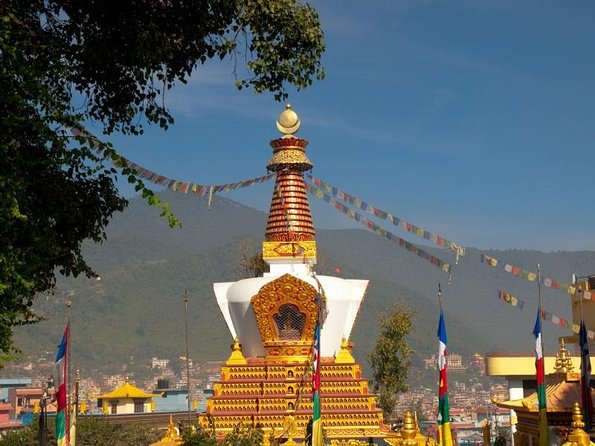
- Kathmandu valley UNESCO sites before you ever start trekking, so the trip feels complete even if trekking days go slowly
- Poonhill sunrise as a morale boost, with that early wake-up you’ll end up forgetting once the mountains appear
- Culture-forward trails through Magar and Gurung settlements (not just a line on a map)
- Hot springs in Jhinu for real recovery, after days that beat up your legs
- Gear support included: sleeping bag and down jacket help you travel lighter
- A tight on-trail structure with English-speaking guide and planned nightly stops at teahouse villages
Kathmandu arrival and Thamel time: easy start, less stress
Day 1 is calm on purpose. You land at Tribhuvan International Airport, meet the company representative, then ride to your hotel. If you have jet lag, this is a nice buffer day—just enough time to get your bearings.
You’ll also get a quick stroll in Thamel, Kathmandu’s travel hub. I like that because it’s practical: you can spot pharmacies, gear shops, and places that sell basic trek snacks without rushing.
Then comes a welcome dinner with the team. That matters more than it sounds. When you’re about to spend days hiking in cold air and changing weather, it helps to start with faces you can ask questions of.
You can also read our reviews of more tours and experiences in Kathmandu.
UNESCO World Heritage day: Pashupatinath, Swayambhunath, Boudhanath
On Day 2, you’ll switch from city life to history and spiritual places. A private vehicle takes you around major Kathmandu valley UNESCO sites, including Pashupatinath, Swayambhunath, and Boudhanath (and the Kathmandu Durbar Square area is listed among the highlights).
This is a smart move at the start of the trip. It sets a slower rhythm before the physical work begins. Plus, these sites give you context for Nepal beyond trekking posters—temples, rituals, and daily life in one concentrated day.
Practical note: you’ll also sort the trek permits and documents with the company’s help. That’s the kind of behind-the-scenes work that makes your actual trekking start smoother.
The Pokhara drive day: 200 km of views and setup
Day 3 is travel, but it’s not wasted time. You head from Kathmandu to Pokhara along the Prithvi Highway. The itinerary frames it as about a 200 km ride, with changing views of hills, rivers, and mountain backdrops.
You arrive in Pokhara, then you’re free to explore famous spots like Phewa Lake, Mahendra Cave, and Davis Falls. The option to visit the Bat Cave is included in the day’s idea set too.
This matters because Pokhara is where your trek atmosphere starts to click. It’s less hectic than Kathmandu, and it’s where a lot of trekkers mentally shift from city time to trail time. If you’re the type who needs a “warm-up,” Pokhara helps.
Ulleri and Ghorepani: Magar villages plus those early range glimpses
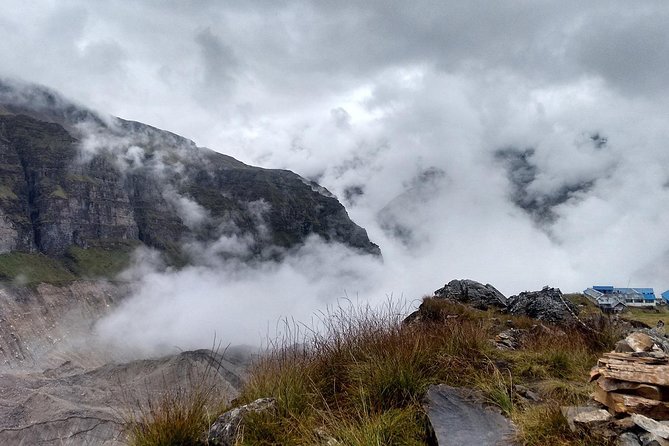
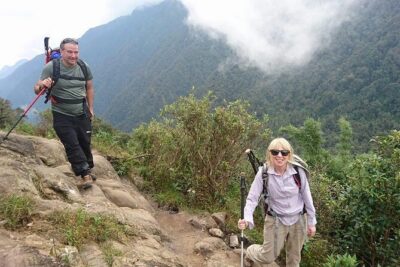
Day 4 starts with a private vehicle to Nayapul, the trek gateway. Then you trek to Ulleri through Birethanti and Tikhedhunga. You’ll cross a suspension bridge, then climb a classic stone staircase route.
Ulleri is where the route leans into local culture. The itinerary specifically calls out Magar culture, and you’ll feel it in the village rhythm and the teahouse communities along the way. This is a good day for your body too: not a random long haul, more of a structured lead-in.
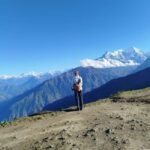
Day 5 continues to Ghorepani. The route passes Banthanti for lunch, then continues into another Magar village area before reaching Ghorepani. The big benefit here is the scenery ramp-up. From Ghorepani, you can look toward the Annapurna and Dhaulagiri ranges, so you’re not trekking blind.
If you’re trying to manage expectations: Ghorepani is also a “teahouse hub” feel. That’s helpful because your routine gets easier: eat, rest, sleep, repeat.
Poonhill sunrise to Tadapani: the early start that’s actually worth it
Day 6 is an early-morning day, with a climb up to Poonhill for sunrise. The itinerary describes it as one of the best sunrise viewpoints in the world, and the core idea is simple: you wake up while it’s still dark, then you get a wide panorama of the Himalayas as the light arrives.
After sunrise, you descend back to Ghorepani for breakfast, then continue trekking to Tadapani.
This day is a key “balance” day for the whole trip. You get the best visual payoff without spending extra days on peak altitude stress. And the itinerary adds a cultural option: you can do a homestay-style experience in the area to learn Gurung culture. Even if you don’t choose it, the fact it exists is a reminder that this trek isn’t only about views.
Tadapani also gives you a better sense of village-to-village transitions, especially with the itinerary mentioning views like Annapurna South and Hiunchuli from the broader trail context.
Chhomrong, Sinuwa, and Bamboo: where the trek starts feeling serious
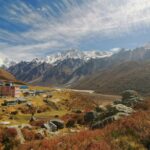
Day 7 takes you to Chhomrong, one of the best-known stops on this route. The trail drops toward Kimrong Khola, climbs through the forested Modi valley, and passes Chulie and Gurjung. Lunch is at Talung, then you climb the staircase into Chhomrong.
The itinerary highlights that Chhomrong is the largest settlement in the valley and known for agriculture. That detail matters. It means you’re not just passing through scenery—you’re stepping into a working community.
Day 8 pushes you forward to Himalaya, with stops that gradually narrow your options for comfort. You cross the Chhomrong Khola, ascend to Sinuwa, then move through rhododendron and oak forests. You drop down to Bamboo, lunch there, then climb again through forested areas to reach a smaller pre–Annapurna Base Camp teahouse group called Himalaya.
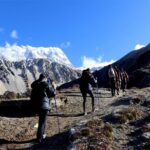
Here’s what makes this day different from earlier ones: the itinerary notes the trail becomes rugged and in some parts snow is visible. Even if you don’t see snow, the vibe is colder and more demanding. It’s the stretch where your pacing and warm layers become your best friends.
Annapurna Base Camp day: Hinku Cave, Machhapuchhre Base Camp, and the ABC bowl
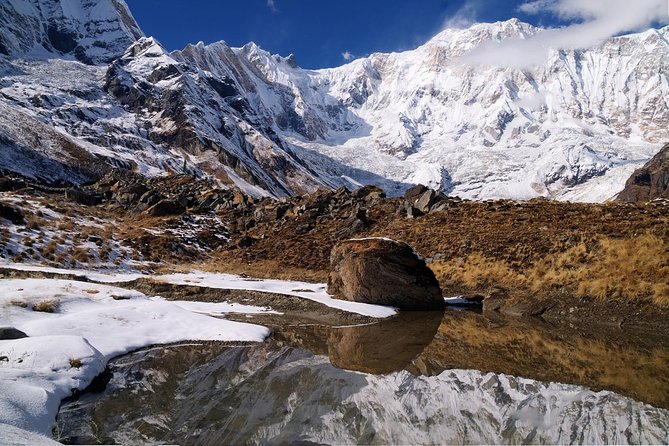
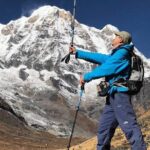
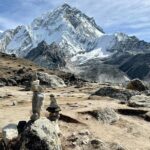
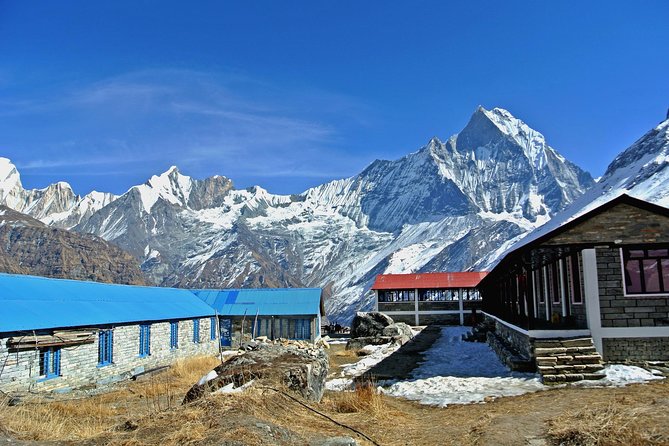
Day 9 is the highlight: you reach Annapurna Base Camp. The itinerary describes a noticeable change in vegetation as you climb—trees disappear, leaving alpine scrub and bushes. That transition is more than scenery trivia. It’s your sign that conditions are shifting, and it’s where you feel altitude more clearly.
Along the way, you’ll explore Hinku cave, then move toward Machhapuchhre Base Camp. From there, the itinerary specifically calls out views of Machhapuchhre (6,993 m) and fellow trekkers. Then you move only a few hours to Annapurna Base Camp.
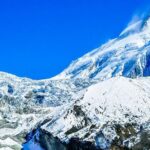
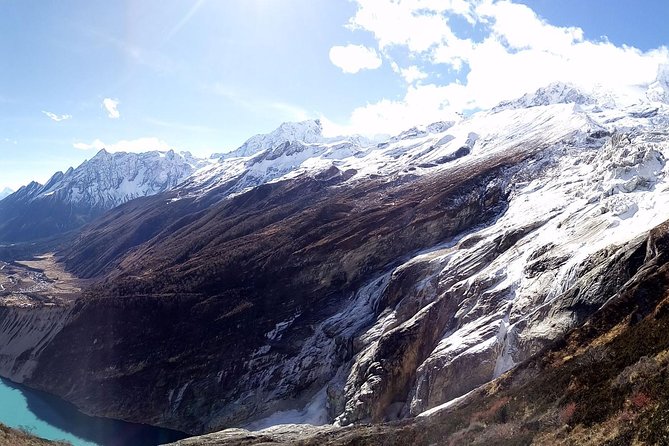
At arrival, you interact with campers at the base camp area. And the views are the core reward: you get vantage over Annapurna, Dhaulagiri, and Manaslu.
This is the day where planning pays off. Earlier segments (especially Poonhill and the Ghorepani viewpoints) prepare your eyes. When you finally reach ABC, it’s not your first time seeing these massifs—it’s your first time seeing them from the place you came for.
One practical note: base camp days can also be mentally busy. You’re excited, you’re cold (even if it’s clear), you want photos, you want a long look. So keep your schedule simple: check the sky, eat, rest, then enjoy. No need to rush.
Descent with intention: Bamboo, then Jhinu hot springs for your legs
Day 10 is a true descent day. You enjoy views in the morning as sunrays hit the Himalayas, then you start coming down from ABC to Bamboo. The itinerary says it’s mostly downhill with lots of down-climbing.
Downhill is where knees complain. I like that this itinerary builds in rest nights at teahouses, but you’ll still want a careful downhill pace and trekking poles if you use them.
Day 11 brings another culture-and-nature combo on the way to Jhinu Danda. You climb to Khuldighar, where the itinerary mentions an experimental sheep farm. Then you descend through rhododendron fields to Sinuwa and climb steeply to Jhinu.
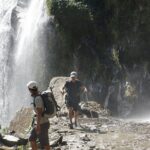
And then you get the signature recovery moment: the natural hot springs in Jhinu. The itinerary frames them as refreshing and helpful for relaxing aching legs. That’s not a small detail on a trek this long; it’s the built-in “reset button” before your final big transport days.
Day 12 finishes the trek loop. You head from Bamboo toward Pokhara, descending to Birethanti, lunch there, then walking back to Nayapul. Your representative meets you and takes you back to your hotel in Pokhara.
This final trekking day is valuable because it’s still mostly “moving with a finish line.” You’re not stuck in limbo wondering how far is left.
Pokhara and Kathmandu wrap-up: Phewa Lake, World Peace Pagoda, and Thamel shopping
Day 13 shifts from trekking effort to scenic recovery. You do more Pokhara sightseeing, including Phewa Lake and the World Peace Pagoda, then drive back to Kathmandu (about 6 hours, with typical hilly highway scenery).
Once in Kathmandu, the itinerary leaves time to explore the valley further or simply rest. And yes, Thamel shopping is part of the plan for souvenirs.
Day 14 is departure day. You have breakfast, join a brief session with the representative, then get dropped at Tribhuvan International Airport.
I like this ending structure. It prevents the common problem of arriving back exhausted and feeling like you need to cram in city time before your flight.
Price and what you’re really buying at about $871
At $871 per person for a 14-day itinerary, you’re not just paying for trekking days. You’re also covering the “in-between” work: private transportation, planned logistics, and a guide who handles trek documents.
Here’s what stands out as value in the included list:
- Private transportation for transfers (Kathmandu to Pokhara, plus trek start/end rides)
- English-speaking guide plus expenses
- Complimentary sleeping bag and down jacket, which can save real packing hassle and costs
- First aid kit
- Meals: breakfast is listed (3) and lunch is listed (11), which reduces daily decision fatigue on the trail
- All fees and taxes are included, and permits are arranged
What’s not included is also clear: travel insurance, the Nepal visa fee, and tipping for guide(s), porter(s), and driver(s). That’s typical for Nepal trekking, but it’s important to budget for it up front so there are no surprises.
Also, this is described as a private tour/activity, meaning only your group participates. If you want a less crowded feel—especially on lodge nights—that can be a real quality upgrade.
Should you book this Annapurna Base Camp trek?
I’d say yes if you want a classic Annapurna Base Camp experience with enough structure to keep things smooth, without losing the cultural texture of village life. The combination of Poonhill sunrise plus Jhinu hot springs is a smart pairing: one for inspiration, one for recovery.
Book it if:
- you like the idea of mixing Kathmandu UNESCO sites and Pokhara downtime with trekking
- you’d rather have permits and transport handled for you
- you’re prepared for a steady trek with uphill days and a tough downhill stretch
Think twice if:
- you’re very sensitive to altitude or long downhills on the knees
- you’re trying to avoid cold-weather trekking gear issues (this trip does include a down jacket and sleeping bag, but it’s still an altitude trek)
FAQ
What is the duration of the Annapurna Base Camp trek?
The trek is 14 days approximately, including time in Kathmandu and Pokhara before and after the hike.
What is included in the price?
Included features are private transportation, all fees and taxes, a first aid kit, complimentary sleeping bag and down jacket, an English-speaking guide and his expenses, and meals (breakfast 3 times and lunch 11 times).
What is not included?
Not included are travel insurance, the Nepal visa fee, and tipping for guide(s), porter(s), and driver(s).
Where does the tour start and when?
The start point is Tribhuvan Airport in Kathmandu, Nepal, with a start time of 7:45 am.
Which major sights are visited in Kathmandu?
The route includes sightseeing around the Kathmandu valley’s major UNESCO World Heritage sites such as Pashupatinath, Swayambhunath, and Boudhanath, with Kathmandu Durbar Square listed among the highlights.
Is there a hot springs stop?
Yes. You’ll go to Jhinu, where you can relax in the natural hot springs.
Is free cancellation available?
Yes. You can cancel up to 24 hours in advance for a full refund. If you cancel less than 24 hours before the start time, the amount paid is not refunded.