REVIEW · KATHMANDU
Langtang Valley Trek
Book on Viator →Operated by Alpine Luxury Treks Pvt Ltd · Bookable on Viator
Langtang Valley feels personal fast. You get Tserko Ri panoramic rewards plus Tamang culture and gompas, all in one trek. Two things I really like: the way the trail mixes forests with high mountain viewpoints, and the care you get from guides who know the local stories and point out wildlife when chances pop up. The one drawback to plan for is that this isn’t a low-effort stroll—you should have moderate physical fitness and be ready for long walking days.
What makes this run stand out is the human factor and the set-up: it’s a private tour, you start at 6:15am from Sorhakhutte in Kathmandu, and the trip includes pickup. In multiple trips, guides such as Dhruba and Nima are praised for taking care of you from meals through the walk, then filling the day with details on the mountains, people, and what you’re seeing.
In This Review
- Key highlights worth knowing
- Why Langtang Valley is special (and why you’ll feel it)
- Your day-by-day route: what each section really feels like
- Day 1: Kathmandu to Syabrubesi (the long start that sets the tone)
- Day 2: Syabrubesi to Lama Hotel (entering the Langtang rhythm)
- Day 3: Lama Hotel to Langtang Village (where the culture starts to feel close)
- Day 4: Langtang Village to Kyanjin Gompa (spiritual sites and mountain mood)
- Day 5: Tserko Ri and Kyanjin Ri (the view payoff day)
- Day 6: Return trek to Lama Hotel (fresh perspective, same route)
- Day 7: Descend to Syabrubesi (the emotional letdown that turns into relief)
- Day 8: Drive back to Kathmandu (closing the loop)
- Tamang culture and gompas: why the trek’s meaning goes beyond views
- Food and teahouses: what to expect when meals are part of the schedule
- Wildlife chances in Langtang National Park (and the smart way to handle expectations)
- Value for money: is $1,050 a good deal here?
- Who should book this trek (and who should pause)
- Tips that make this trek smoother without overpacking your brain
- Should you book the Langtang Valley Trek?
- FAQ
- Where does the trek start and end?
- What time does the experience start?
- How long is the Langtang Valley Trek?
- Is the tour private?
- Do you get pickup from Kathmandu?
- What meals are included?
- What is not included in the price?
- What fitness level do you need?
- Can service animals travel with the group?
- Does weather affect the trek?
- Is cancellation free?
Key highlights worth knowing
- Tserko Ri and Kyanjin Ri viewpoints: the day-trips that turn the effort into a real payoff
- Tamang culture plus sacred stops: monasteries and gompas along the valley story
- Wildlife possibilities in Langtang National Park: red panda and more, if timing is kind
- Guides who connect dots: from mountain facts to day-to-day trail guidance
- Thoughtful earthquake-recovery contribution: part of your trek helps support local resilience
Why Langtang Valley is special (and why you’ll feel it)
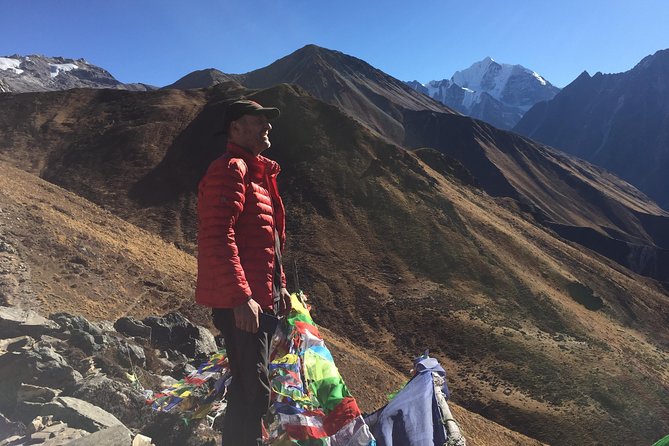
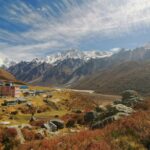
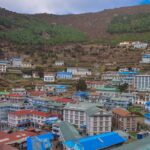
Langtang sits in a quieter zone than many famous Nepal routes. That matters because you’re not just walking for photos—you’re moving through a living valley with cultural rhythm, prayer flags, monastery courtyards, and people who still explain their landscape through stories. The trek is built around that mix: Himalayan views, spiritual sites, and time in the Tamang communities known for hospitality.
One reason I think this trek lands well for a wide range of travelers is that the “big moments” aren’t only at the end. You get mountain sightlines as you go, and you also get meaningful stops that break up the day. The spiritual dimension—ancient monasteries and gompas—adds a steady sense of purpose instead of just checking off checkpoints.
I also like that this route is tied to Langtang National Park. The park element gives you a chance—never a guarantee—to see wildlife. In the trek description, the possible sightings include red panda, Himalayan black bear, Himalayan tahr, and more. Even if you don’t see animals, the fact that the trail runs through a protected area tends to make you watch more closely.
You can also read our reviews of more tours and experiences in Kathmandu.
Your day-by-day route: what each section really feels like
This is an approximately 8-day trek with a Kathmandu drive at both ends. The walking days are staged so you can gradually move deeper into the valley, then return the same way—so you see the region twice, from slightly different angles.
Day 1: Kathmandu to Syabrubesi (the long start that sets the tone)
You leave Kathmandu early, with the start time listed as 6:15am, and the meeting point at Sorhakhutte. Then you drive to Syabrubesi, the trailhead.
This first day is less about hiking and more about transition. You’ll likely use it to get your gear sorted, get your bearings, and settle into the rhythm of the trek. The drive also gives your brain time to adjust from city life to valley life, which makes the next morning feel smoother.
Day 2: Syabrubesi to Lama Hotel (entering the Langtang rhythm)
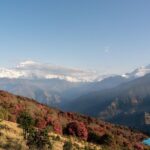
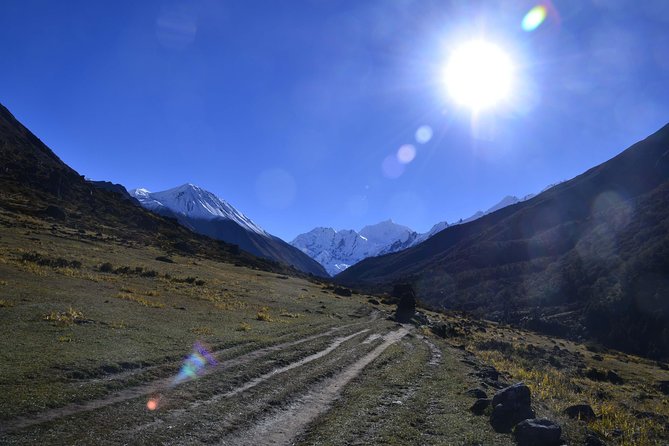
On Day 2 you trek from Syabrubesi to Lama Hotel. This is the start of your deeper valley entry, with scenery changing from lush forest areas into more distinctly mountainous terrain.
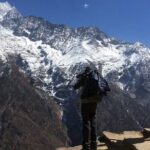
This is a good day to set your pace. People who enjoy steady progress tend to love the feeling here: the trail is your guide, and you’re building altitude effort gradually without the “sudden wall” feeling that can happen on tougher itineraries.
A practical note: since bottled water is not included, you’ll want a plan for hydration right from the start of trekking days. Snacking is also not included, so bring what keeps you comfortable between meals.
Day 3: Lama Hotel to Langtang Village (where the culture starts to feel close)
Day 3 goes from Lama Hotel to Langtang Village. This is where the valley shifts from “route” to “place.” Langtang Village is part of what makes the trek more than scenery: you’re traveling through communities tied to Tamang heritage.
This day often feels rewarding because the walk isn’t only about distance—it’s also about noticing daily life. The trek’s cultural focus—Tamang traditions and hospitality—shows up more clearly as you move deeper.
Day 4: Langtang Village to Kyanjin Gompa (spiritual sites and mountain mood)
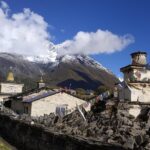
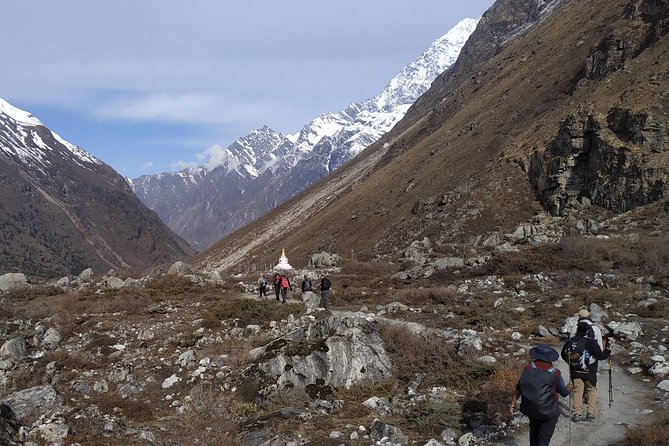
Day 4 brings you from Langtang Village to Kyanjin Gompa. The trek description flags spiritual sites and gompas, and this day is one of the key ones for that aspect.
Kyanjin Gompa is a meaningful destination on routes through this region. Even without getting too technical, you can expect the atmosphere to shift: more prayerful energy, more focus on the mountains, and a sense that the trek is moving into its most “Himalaya-centered” phase.
One reason I like this stage: it’s not only a destination. It’s also a cultural moment—so your day ends with both view and meaning.
Day 5: Tserko Ri and Kyanjin Ri (the view payoff day)
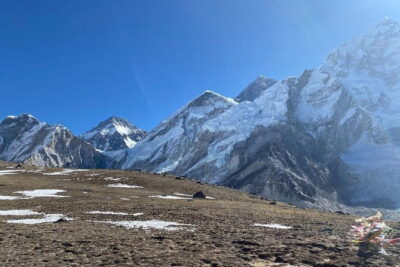
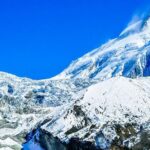
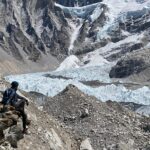
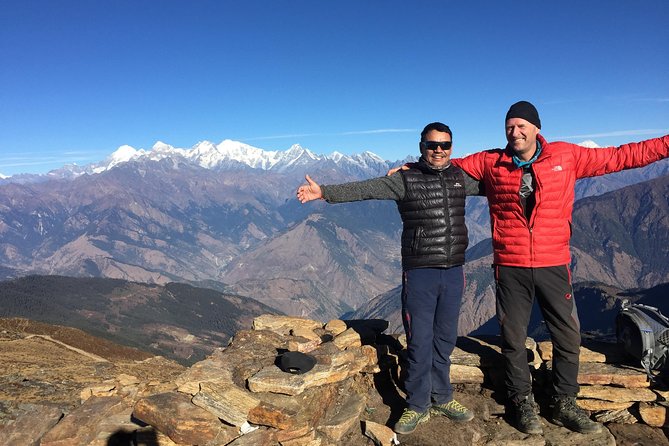
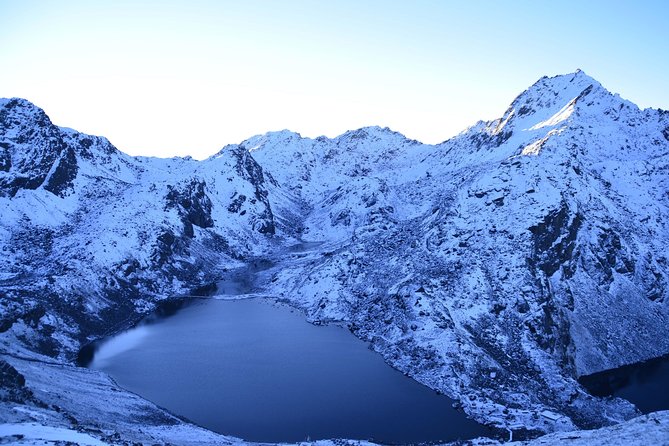
On Day 5 you hike to Tserko Ri and Kyanjin Ri for panoramic mountain views. This is the day most people remember, because it turns all the earlier effort into a clear visual story of the Langtang Himal range.
Even if you’re not a hardcore peak-chaser, the structure makes sense. You’re given a specific view-target day, so you can plan your expectations. The hike is also the point where good guidance helps a lot. In reviews, guides like Lhakpa and others are praised for being knowledgeable and for helping you understand what you’re looking at, not just pointing vaguely toward mountains.
If you go with the right mindset—walk steadily, take breaks, and accept that weather can change—the payoff can feel huge.
Day 6: Return trek to Lama Hotel (fresh perspective, same route)
Day 6 starts the return trek to Lama Hotel. Returning the same corridor is smart planning because you get a second look without needing a whole new logistics chain.
This day can feel easier mentally even if it isn’t physically effortless. Walking back often gives you time to notice what you missed on the way in—details around prayer sites, how villages sit in the valley, and how the light shifts on the mountains.
Day 7: Descend to Syabrubesi (the emotional letdown that turns into relief)
Day 7 takes you back to Syabrubesi. Descents often feel like a mixed bag: you’re happy to be near the end, but your body has to handle tired knees and changing footing.
This is a good day to move carefully and keep your steps consistent. If you’ve been pacing well earlier, this day usually feels manageable. If you rushed, it’s when that debt comes due.
Day 8: Drive back to Kathmandu (closing the loop)
Day 8 drives you from Syabrubesi back to Kathmandu, concluding back at the meeting point. By the time you’re back, you’ll probably notice something: the trek stops feeling abstract and starts feeling like a series of scenes. That’s the value of doing a valley trek like this instead of only a short “hit a viewpoint and leave” hike.
Tamang culture and gompas: why the trek’s meaning goes beyond views
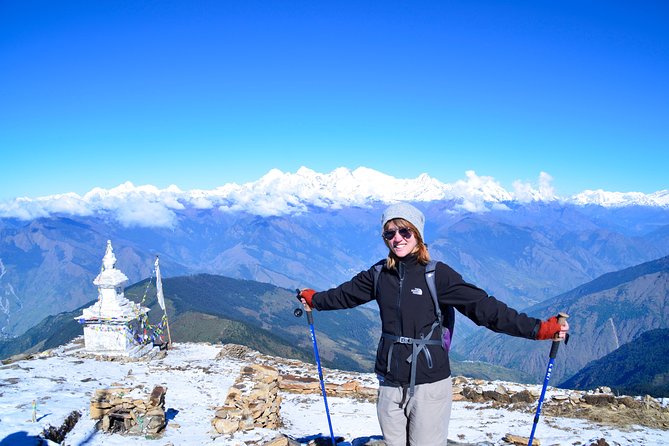
The Langtang Valley trek is explicitly tied to Tamang heritage and culture, with traditions and hospitality highlighted in the tour description. In practice, this shows up through the types of stops you’re traveling toward: monasteries, gompas, and village life.
This kind of cultural walking is best when you let your guide do the translating. Multiple reviews mention guides who talk through the mountains, the culture, and details you’d normally miss. One review highlights a guide named Timbi Sherpa who made the mix of Tamang Heritage and Langtang Valley feel exactly right. Another calls out guides like Jiwan and Hira as helpful and knowledgeable, which tells me the cultural component isn’t treated as filler—it’s part of the trek’s purpose.
So if you’re the kind of traveler who likes to understand what you’re seeing—why prayer flags exist, what a gompa represents, why communities rebuild—this trek is built for you.
Food and teahouses: what to expect when meals are part of the schedule
The package includes breakfast, plus one lunch and one dinner during trekking days (as described). It does not include bottled water, snacks, coffee/tea, soda/pop, or alcohol.
That meal structure is worth caring about. On trekking days, it reduces decision fatigue. You’re not trying to locate food options while you’re tired. Instead, you can focus on walking and let the day’s rhythm happen.
Now the fun part: food highlights show up in the feedback. Reviews mention yak cheese, sea buckthorn juice, and Tibetan bread as memorable treats. People also mention clean and cozy teahouses—exactly the kind of comfort that helps when the mountain day finishes and you just want a warm, reliable base.
A practical takeaway for you: since tea/coffee and snacks aren’t included, you should pack small comfort items. If you love coffee or need extra sugar before a long section, plan for it. The trek can still be great without extra purchases, but you won’t want surprises.
Wildlife chances in Langtang National Park (and the smart way to handle expectations)
Langtang National Park is part of what makes this trekking area feel alive. The trek description lists possible sightings such as red panda, Himalayan black bear, Himalayan tahr, and more. That’s exciting, but it’s also the right moment to set expectations correctly.
Wildlife watching works best when you treat sightings as bonus points, not a requirement. You might see something. You might not. Either way, it’s the kind of trek where you naturally start noticing tracks, movement, and the way the trail runs through habitat.
Guides appear to make a difference here. In reviews, guides like Dhruba and others are praised for pointing out wildlife and landscape details, which suggests they actively scan and interpret what you’re seeing. If wildlife matters to you, this is another reason to prioritize a guided setup rather than doing everything solo.
Value for money: is $1,050 a good deal here?
At $1,050 per person, this trek sits in a mid-range price band for a private, guided, 8-day Himalayan trek with inclusion of meals during trekking days and transport coverage between Kathmandu and Syabrubesi.
Here’s what you’re paying for, in practical terms:
- Private group experience: your team isn’t competing with other groups for attention.
- Guide-led days: the reviews repeatedly mention knowledgeable guidance, and that kind of interpretation makes your time on the trail better.
- Meal inclusions during trekking days: breakfast plus trekking-day lunch and dinner cuts costs and planning.
- Support infrastructure: the trip includes pickup and transport at both ends, plus the overall planning that keeps permits and hotels running smoothly (as described in feedback).
What’s not included also matters for value. Bottled water, snacks, and coffee/tea are extra. If you buy lots of drinks every day, your total can creep up.
Overall, if you want a guided trek with cultural stops, likely wildlife spotting support, and a clear view payoff day, this price can feel fair. If you’re trying to minimize spending as much as possible, the add-ons for drinks and snacks will be where you either save—or lose budget.
Who should book this trek (and who should pause)
This trek is designed for people with moderate physical fitness. If you can handle a full day of walking on uneven ground and you’re comfortable with an early start, it’s a great fit.
It also fits well if you care about:
- Culture and spiritual sites (gompas and monasteries are central, not optional)
- Meaningful guidance (many reviews highlight guides who explain stories and details)
- A view payoff day with Tserko Ri and Kyanjin Ri
- A quieter Himalayan experience that still delivers big moments
You might want to pause if you dislike long hiking days, or if you need a trip with minimal walking and no physical challenge. This isn’t marketed like that, and it wouldn’t be a good match for anyone wanting a gentle sightseeing stroll.
Tips that make this trek smoother without overpacking your brain
A few simple moves can improve your experience fast:
- Plan for water and snacks since bottled water and snacks aren’t included.
- Expect an early start from Kathmandu (6:15am) so you’ll want a realistic morning routine.
- Let your guide set context. If you want Tamang culture and gompas to land, ask questions and take short pauses to look around.
- Go in with flexible view expectations. Big mountain days depend on conditions, and the trek still has value even if the sky changes.
Also, if you’re traveling as a family or with mixed fitness levels, this route can still work because it’s paced across multiple days and staged with a return loop. One family-focused review mentions trekking with a 9-year-old child, which suggests the trip can accommodate different situations when the group is prepared.
Should you book the Langtang Valley Trek?
Book it if you want a Himalayan trek with more than scenery: you want Tamang heritage, gompas, and a view payoff day that feels earned. The strongest reasons to choose it are the caring, detail-focused guides (people repeatedly mention names like Dhruba, Nima, Lhakpa, and Jiwan), plus the memorable trail foods like yak cheese and sea buckthorn juice, and the fact that your trek contributes to post-2015 earthquake recovery and community resilience.
I’d hesitate if you’re chasing a low-effort trip, or if you’re not comfortable with moderate fitness requirements. Also, if you hate paying for every extra drink, remember coffee/tea and bottled water aren’t included.
If that sounds like your kind of adventure, this is a strong pick—serene, meaningful, and built around the kind of “slow in, big out” feeling that Langtang does well.
FAQ
Where does the trek start and end?
The trek starts at Sorhakhutte, Kathmandu 44600, Nepal and ends back at the meeting point.
What time does the experience start?
The start time is 6:15 am.
How long is the Langtang Valley Trek?
It’s listed as 8 days (approx.).
Is the tour private?
Yes. It’s a private tour/activity, so only your group participates.
Do you get pickup from Kathmandu?
Pickup is offered, and the meeting point is in Sorhakhutte.
What meals are included?
The included meals are breakfast, plus lunch and dinner during trekking days (one lunch and one dinner during trekking are included as described).
What is not included in the price?
The price does not include bottled water, snacks, coffee and/or tea, soda/pop, or alcoholic beverages.
What fitness level do you need?
The trek notes that travelers should have moderate physical fitness.
Can service animals travel with the group?
Yes. Service animals are allowed.
Does weather affect the trek?
Yes. The experience requires good weather. If it’s canceled due to poor weather, you’ll be offered a different date or a full refund.
Is cancellation free?
You can cancel for a full refund if you cancel up to 24 hours in advance of the experience start time.