REVIEW · KATHMANDU
Annapurna Base Camp Trekking
Book on Viator →Operated by Destination Unlimited Treks Expeditions Pvt Ltd · Bookable on Viator
The trek starts with clouds in your lap. This 10-day Annapurna Base Camp journey is built for people with limited time, yet still want the mountains up close—starting with a Kathmandu-to-Pokhara flight, then trekking through classic villages toward Annapurna Base Camp.
I love that it’s a private trek (only your group), so your pace and needs actually matter. I also love the clear objective: you climb to 13,550 ft (4,130 m) and spend a night at base camp.
One consideration: the trek days are steady, and the food in higher villages can feel basic. If you’re picky, you might plan on adding extra for what you want.
In This Review
- Key Highlights Worth Marking on Your Map
- Why This Annapurna Base Camp Trek Works for Limited Time
- Price and What You’re Actually Buying
- Getting There: Kathmandu Start, Early Timing, and the Pokhara Jump
- Day-by-Day: From Nayapul to Base Camp and Back to Pokhara
- Day 1: Annapurna Base Camp Trek → Pokhara → Nayapul
- Day 2: Poon Hill → Trek to Ghorepani
- Day 3: Machhapuchhare Base Camp → Trek to Tadapani
- Day 4: Trek Toward Chhomrong
- Day 5: Trek to Doban
- Day 6: Trek to Deurali
- Day 7: ABC Day — Trek to Annapurna Base Camp
- Day 8: Trek to Bamboo
- Day 9: Trek to Jhinu
- Day 10: Pokhara Museum, Then Drive to Your Hotel
- Altitude Reality Check: What 13,550 ft Means for Your Body
- Teahouses and Meals: The Comfort Factor You Shouldn’t Ignore
- Spring Rhododendrons and the Trail’s Living Detail
- Guides, Porters, and Why Private Feels Different
- Packing Notes for a Teahouse Trek (No Tents Included)
- Should You Book This Annapurna Base Camp Trek?
- FAQ
- How long is the Annapurna Base Camp trekking experience?
- Where does the trek start?
- What route transportation is included on the first day?
- Do you stay in tents during this trek?
- What meals are included?
- What is the highest altitude reached on this trek?
- Is this a private tour?
- Is Pokhara included at the end?
- When is rhododendron bloom most likely?
Key Highlights Worth Marking on Your Map
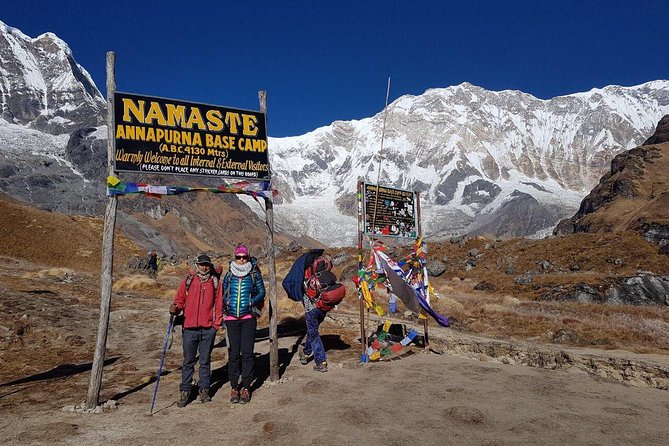
- Overnight at Annapurna Base Camp: You don’t just pass through the endpoint—you stay there.
- Climb to 13,550 ft (4,130 m): This is the main altitude goal of the trip, so take it seriously.
- A route that includes Poon Hill and Chhomrong: You see more than just the final Base Camp payoff.
- Teahouse trekking with included meals: Less gear stress because you’re not camping.
- Spring rhododendron bloom: If timing is right, the trail can look dramatically different.
- A service team that gets named in real experiences: People have specifically praised Ashok and guides such as Hari, Prakash, Homprakash, and Rai Badal.
Why This Annapurna Base Camp Trek Works for Limited Time
The Annapurna Base Camp trek is popular for a reason: it’s one of the clearest “Himalaya close-up” routes you can do in a week-plus. This version is paced like a focused highlight reel—meaning fewer travel days, tighter route planning, and a realistic chance to enjoy the trip instead of just grinding through logistics.
What makes it interesting is the way it blends famous stops with genuine mountain life. You’re not only chasing views; you’re walking through the Annapurna region’s changing terrain and village rhythm. The trek also includes time in Pokhara at the end, which helps you come down from the trail feeling like you returned to civilization, not just back to a hotel room.
You can also read our reviews of more tours and experiences in Kathmandu.
Price and What You’re Actually Buying
At $1,180 per person, you’re paying for more than a walking route. You’re paying for guided coordination, teahouse-based lodging along the way, and meals—plus the big-picture planning that keeps transfers moving.
Here’s what you can treat as solid value based on the trip details:
- Meals included: breakfast (10), lunch (10), dinner (9)
- Teahouse accommodation along the trek
- Private tour for only your group
- Key transfers: flight to Pokhara, road drive connections during the trek start and end
One thing to keep in mind: the “not included” list says tents aren’t part of this trek, which strongly points to teahouse sleeping throughout. That usually means you trade lighter gear for the tradeoffs of village life—like smaller rooms, shared bathrooms, and food that’s designed for trekkers who want calories more than fine dining.
Getting There: Kathmandu Start, Early Timing, and the Pokhara Jump
This trek begins in Kathmandu, with the meeting point at Destination Unlimited Treks & Expeditions Pvt Ltd, Trekking in Nepal, Thamel Rd, Kathmandu. Start time is listed as 6:15 am, which matters because mountain days work best when you’re already moving.
Day 1 is built around getting to the trail fast:
- Morning flight to Pokhara
- Then a drive to Nayapul, which is your practical launch point into the trekking route
You also end in Pokhara, with the trek finishing and then a drive to your hotel. That’s a nice touch for travelers who don’t want to solve transport puzzles on the last day—especially after the final downhill day.
Day-by-Day: From Nayapul to Base Camp and Back to Pokhara
Below is how the trip is structured, and what each move means for your day.
Day 1: Annapurna Base Camp Trek → Pokhara → Nayapul
You start with the flight to Pokhara, then the road transfer to Nayapul. This day is a setup day, and the main goal is to get your body into trekking mode without losing an entire day to travel.
What I like about this structure: you get airborne early, so the trek itself starts sooner.
What to watch: after a flight, you still have a drive, so hydrate and keep expectations realistic.
Day 2: Poon Hill → Trek to Ghorepani
Day 2 is your first full trekking leg after the transfer. It includes Poon Hill, then you trek on to Ghorepani.
This is a good day for settling into the rhythm: steady walking, frequent stops to regroup, and the early chance to feel how quickly the air changes as you gain altitude.
Possible drawback: if you jump too fast early in the day, you’ll feel it later. Keep your breathing controlled.
Day 3: Machhapuchhare Base Camp → Trek to Tadapani
Today includes Machhapuchhare Base Camp before you continue to Tadapani.
This is the kind of day that helps you understand what “varied terrain” really means in the Annapurna region. The walking can feel different day to day—switchbacks, village stretches, and climbs that come in waves rather than one continuous slope.
What you’ll likely enjoy: you’re stacking up mountain-time in a way that doesn’t feel like one long grind.
What to plan for: more altitude exposure than a flat hike back home, so bring a steady pace mindset.
Day 4: Trek Toward Chhomrong
You trek to Chhomrong today. This day is important because it keeps the route moving deeper into the Annapurna area and sets you up for the higher-elevation days that follow.
Chhomrong is the kind of village stop that usually gives you a real sense of the trek community—people moving through, tea houses running on trek-demand, and that feeling of being part of a trail that locals also know.
Consideration: villages can be busy during peak seasons, so expect the usual trekking-era mix of quiet rooms and shared rhythms.
Day 5: Trek to Doban
Today heads to Doban. This is one of the middle days where your body is learning the routine: eat, walk, rest, repeat. It’s not always the most dramatic day from an overview perspective, but it’s often where you start feeling more comfortable with the altitude and the daily schedule.
What I’d do if I were planning this trek: treat this as a “get your legs back” day. Don’t chase speed—focus on finishing feeling okay.
Day 6: Trek to Deurali
Next stop is Deurali. As the route climbs, even “only a few hours” of hiking can feel heavier because your body has less oxygen to work with.
Why this day matters: Deurali helps you build the climb toward base camp without jumping from low altitude to the highest section in one leap.
What to watch: keep your hydration consistent and don’t let fatigue make your footsteps sloppy on uneven trail.
Day 7: ABC Day — Trek to Annapurna Base Camp
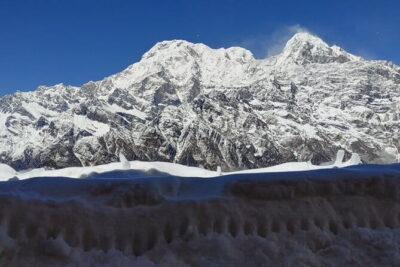
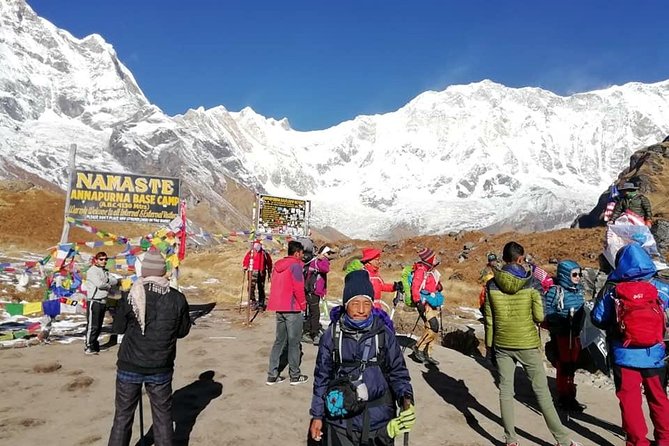
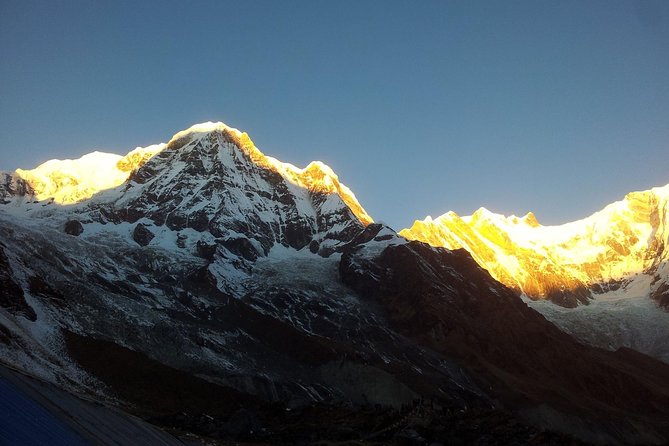
This is the big one: trek to Annapurna Base Camp (ABC). The highlight you should care about here is the destination itself—this trek reaches 13,550 ft (4,130 m) and includes an overnight at the base camp guesthouse.
That overnight changes the whole feel of the trek. You’re not just photographing a view and moving on—you can breathe, rest, and enjoy the area when the crowds thin and the light shifts.
Practical note: nights at this altitude can be cold. Even if the day was pleasant, be ready for temperature drop after you stop walking.
Day 8: Trek to Bamboo
From ABC, you move to Bamboo. This is a down-and-across day style that many trekkers find emotionally important: base camp is done, and now you return while still staying in trek mode.
This kind of day is where you’ll appreciate the teahouse setup. You’ve got reliable lodging and meals, so recovery stays simple.
What to plan for: your knees might start reminding you that the return trip is still work. Take downhill steps carefully.
Day 9: Trek to Jhinu
Today goes to Jhinu. This is another village-to-village day, part hiking, part recovery. Jhinu is commonly known in Nepal trekking for its hot spring connection—but the key point for your planning is that the route ending near Jhinu sets you up for a better-feeling last push.
Consideration: last-day energy can be weird. Some people feel tired; others feel a burst of motivation. Either way, keep your pace steady.
Day 10: Pokhara Museum, Then Drive to Your Hotel
The trek ends in Pokhara, with Pokhara Museum on the agenda. It’s a smart final-day inclusion because it gives you something to do that isn’t another long walk—useful after ten days of trekking.
After that, you drive to your hotel. That’s the right kind of clean finish.
Altitude Reality Check: What 13,550 ft Means for Your Body
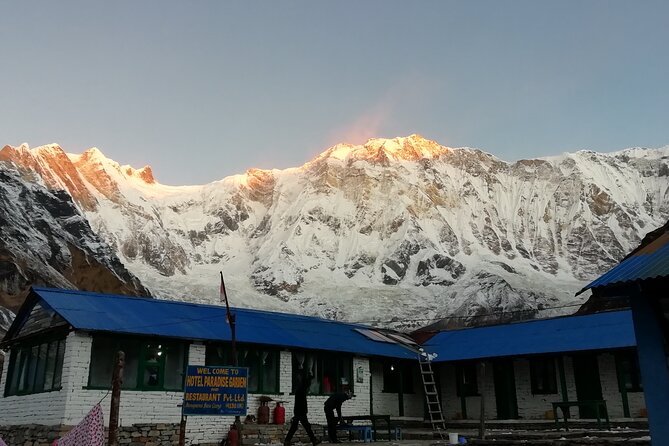
This trek climbs to 13,550 ft (4,130 m). Even if you’re fit, altitude changes how you feel: breathing gets shallower, walking feels heavier, and sleep can be lighter at times.
You don’t need to panic, but you do need to be disciplined. Here’s how to stack the odds:
- Walk slower than you think you need to.
- Drink consistently (don’t wait until you feel thirsty).
- If you feel unusually bad, don’t “push through” out of pride.
Also, this is listed for moderate physical fitness, so you’re expected to handle several hours of hiking per day, likely on a mix of stone paths and dirt sections.
Teahouses and Meals: The Comfort Factor You Shouldn’t Ignore
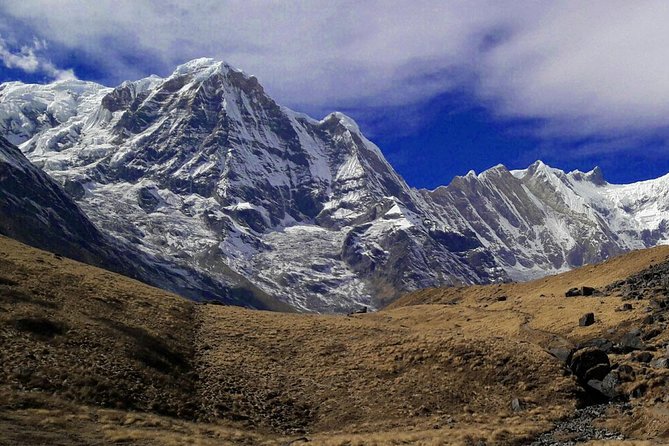
The tour includes meals—breakfast 10 times, lunch 10 times, dinner 9 times—plus teahouse accommodation along the way. Since tents aren’t included, your sleep setup is village-based: warm enough to rest, simple enough to keep things affordable, and basic enough that you shouldn’t expect luxury.
A point worth flagging from real experience: one common complaint is that the food menu can be basic, and you may want extra or substitutions for what you personally prefer.
My advice is to treat meals as fuel first:
- Eat what’s offered consistently, and keep snacks for personal preferences.
- If you know you need specific foods (or you’re sensitive to spice), plan to bring small backups if the trek company can accommodate that.
Spring Rhododendrons and the Trail’s Living Detail
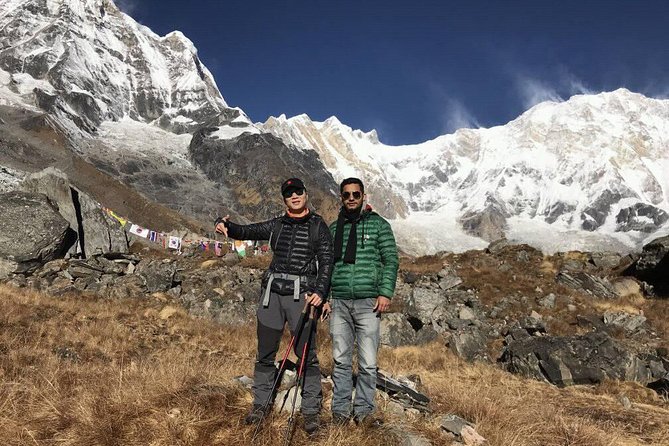
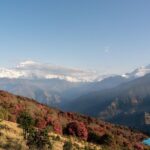
If you’re going in spring, this trek has a built-in advantage: you’re in the season where rhododendron forests can bloom. That changes the feel of walking—more color, more life, and often better visual variety than you get in colder months.
The broader selling point is also about variety: you’ll see diverse terrain, culture, and wildlife across the route. Even without naming species, you can expect the Annapurna region to feel alive: different villages, different trail textures, and frequent chances to observe how people adapt to mountain life.
Guides, Porters, and Why Private Feels Different
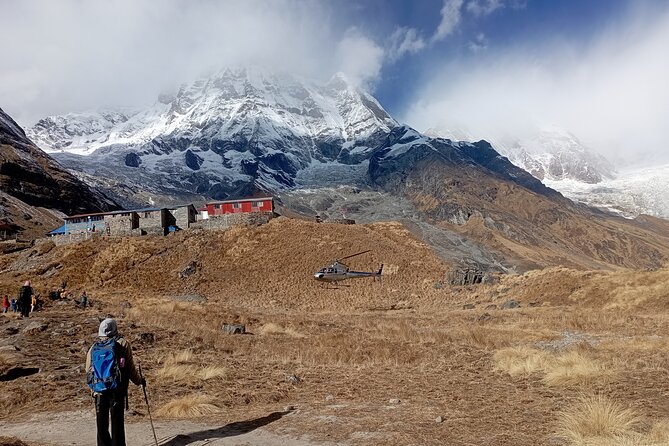
This is a private tour, meaning only your group participates. In real terms, that usually means fewer awkward waits, fewer mismatched paces, and more attention to your questions.
The human side comes through in how people describe the team:
- Ashok is repeatedly credited for responsiveness and organization.
- Guides named in experiences include Hari, Prakash, Homprakash, and Rai Badal.
- Porters mentioned include Surendra and Durga (with Bobinda also named in one account).
You’ll also notice that people talk about the way the team helps you feel at ease—not just technically, but emotionally. That matters on a trek where your energy and mood swing with altitude, weather, and fatigue.
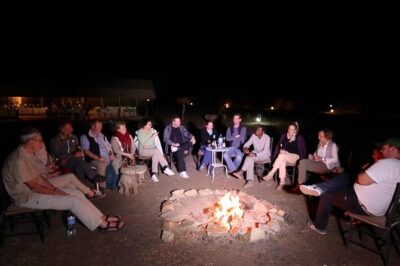
And there’s one more detail I’d file under “good to know”: there’s often a farewell dinner with dancing mentioned in experiences. It’s not why you hike, but it’s a memorable way to close the loop.
Packing Notes for a Teahouse Trek (No Tents Included)
Because tents aren’t included, you’re going to rely on teahouses for shelter. That shapes what you should pack:
- Warm layers for cold nights near higher elevations.
- A rain layer, since mountain weather can turn fast.
- A small daypack for water and snacks during hikes.
- Trekking shoes or boots with solid grip for uneven steps.
If you’re traveling light, that’s still smart—but don’t assume teahouses will provide everything. Bring what you need for hygiene and comfort, because the higher you go, the more you’ll appreciate small conveniences.
Should You Book This Annapurna Base Camp Trek?
Book this trek if you want:
- A 10-day plan that reaches Annapurna Base Camp without turning into a long expedition.
- Teahouse trekking with meals handled for you.
- A private experience where the crew can respond to your pace.
- The chance to trek in spring for rhododendron bloom.
Think twice (or plan more carefully) if:
- You’re easily thrown off by basic food options.
- You’re expecting a gentle walk. This is still multi-hour hiking days at altitude.
- You’re not comfortable with the idea of an overnight at 4,130 m. Train, pace yourself, and take altitude seriously.
One practical caution to keep in mind: this trip is listed as non-refundable if you cancel, so only commit when your travel dates are solid.
If your goal is a well-organized Annapurna Base Camp trek with strong support and a clear route, this is a strong match.
FAQ
How long is the Annapurna Base Camp trekking experience?
It’s listed as 10 days (approx.).
Where does the trek start?
The start is in Kathmandu at Destination Unlimited Treks & Expeditions Pvt Ltd, Thamel Rd, Kathmandu 44600, Nepal, with a listed start time of 6:15 am.
What route transportation is included on the first day?
Day 1 includes a morning flight to Pokhara, then a drive from the airport to Nayapul.
Do you stay in tents during this trek?
No. Tents are not included, and the trek is described as teahouse accommodation along the way.
What meals are included?
The details list breakfast (10), lunch (10), and dinner (9).
What is the highest altitude reached on this trek?
The trek climbs up to 13,550 ft (4,130 m).
Is this a private tour?
Yes. It’s listed as a private tour/activity, and only your group will participate.
Is Pokhara included at the end?
Yes. Day 10 includes Pokhara Museum, and after trekking you will drive to your hotel in Pokhara.
When is rhododendron bloom most likely?
The highlights specifically call out spring for rhododendron forest bloom.