REVIEW · SA PA
2-Day Fansipan Mountain Trek – Indochina’s Highest Peak
Book on GetYourGuide →Operated by Vietnam Nomadtrails · Bookable on GetYourGuide
Fansipan is steep, cold, and worth it. This 2-day climb from Sa Pa brings you to Vietnam’s highest peak at 3,143 meters, with an English-speaking guide and a porter who carries your food and sleeping bag. I like that it mixes real mountain time with context about local minority groups like Black Mong, Red Dzao, and Dzay.
You also get practical support: hot showers at the end, picnic lunches on the move, and a sunrise-style summit schedule aimed at clear views. The catch is that this is a serious hike: one stretch is long (about 26 kilometers total for the trek) and the overnight conditions can be very basic, with night temperatures that can hit around zero degrees.
So, if you want a mountain challenge plus some cultural insight, this works well. If you’re hoping for a gentle walk or comfortable hotel sleep, look elsewhere.
In This Review
- Key Highlights You’ll Actually Care About
- Fansipan In Two Days: What You’re Really Conquering
- Getting Started in Sa Pa: Meeting Point, Shower, and Luggage
- Day 1 From Tram Ton to 2,800 m: Forest Climbing and Culture Talk
- The 2,800 m Night: Basic Shelter and the Cold Reality Check
- Day 2 Sunrise Summit: The 7:30 AM Moment and the Big Views
- Food, Permits, and Porter Support: Where This Trip Delivers Value
- Price and Logistics: Cable Car, Hanoi Transfer, and Holiday Surcharges
- Who Should Book This Fansipan Trek (and Who Should Skip It)
- Should You Book This 2-Day Fansipan Trek?
- FAQ
- What is the duration of the Fansipan trek?
- Where does the trek start, and what time do you meet?
- What’s included in the price?
- Is the cable car included?
- What kind of food do you get during the trek?
- What is the overnight accommodation like?
- Is the trek suitable for children or people with disabilities?
Key Highlights You’ll Actually Care About
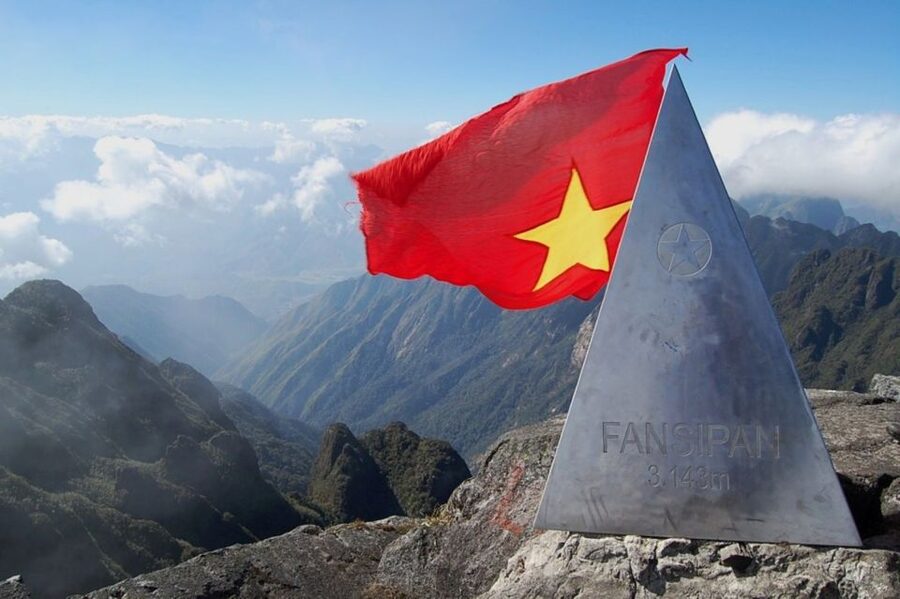
- Sunrise summit timing at about 7:30 AM for big valley views
- Porter help for food and sleeping bag, so you hike lighter
- Indigenous insight on the way, including Black Mong, Red Dzao, and Dzay
- Basic overnight setup at roughly 2,800 meters, often in tents or simple huts
- Optional cable car descent if your legs need a break
Fansipan In Two Days: What You’re Really Conquering
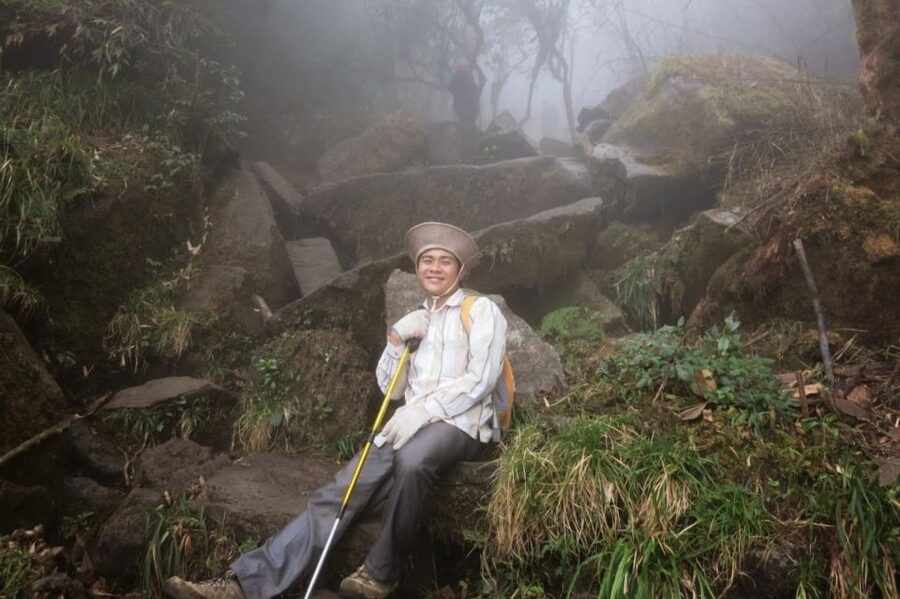
Fansipan is Vietnam’s highest peak, and the trek is built around reaching it quickly enough to catch the best light. In practice, that means your schedule feels tight: early start, long day of climbing, then another early morning summit push.
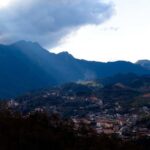
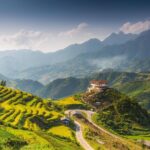
What I like most is that the experience isn’t only about summit bragging rights. You’re hiking through pine and bamboo forests, near streams, in a cooler climate that feels different from lowland Sa Pa. The higher you go, the less vegetation you’ll see, and the air starts to feel sharper. That shift makes the climb feel like progress you can sense, not just distance you have to suffer through.
The other big win is the guide and the local-human layer of the trip. You don’t just move from point to point. You get explanations along the way about the indigenous communities of the region, including the Black Mong, Red Dzao, and Dzay. It’s the kind of context that makes the mountain feel like a lived-in landscape, not just a backdrop.
The drawback is that the mountain doesn’t negotiate. Reviews and the trip design both point to steep sections and tough footing. Expect a climb that can involve rocky areas, steps, and ladder-like sections in places. If that sounds like your idea of fun, great. If not, you’ll need to rethink your plan or be ready with a cable car option.
You can also read our reviews of more tours and experiences in Sa Pa.


Getting Started in Sa Pa: Meeting Point, Shower, and Luggage
This trek starts in Sa Pa town at the Vietnam Nomadtrails office (No 013 Tue Tinh str). Your meeting time is listed as 8:00 AM, and the plan also includes time for a hot shower and storing large luggage before you head out.
That shower and storage matter more than you’d think. You’re heading to higher elevations where nights can feel brutally cold, and you also want less stress before you start climbing. If you arrive with a messy bag situation, you’ll feel it later.
From there, you drive to Tram Ton Pass, the trekking starting point for the ascent of Mount Fansipan. Transportation to and from Tram Ton is included, which is a big value add because you’re not spending your day fighting logistics on the ground.
One more reality check: the trek is not short. Even though it’s only two days, the effort is spread across a long, climbing-heavy route. That’s why the early day organization is a big deal for keeping you moving safely and on schedule.
Day 1 From Tram Ton to 2,800 m: Forest Climbing and Culture Talk
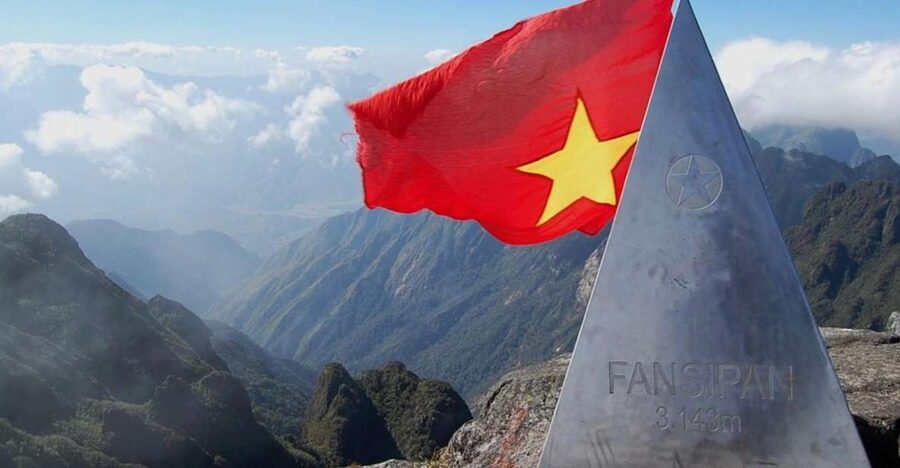
Day 1 is the climb up to your sleeping area around 2,800 meters. You’re in the 2200–2800 meter range for much of the trekking day, with a lunch stop and a picnic that helps break up the grind.
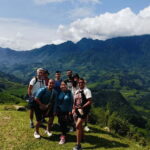
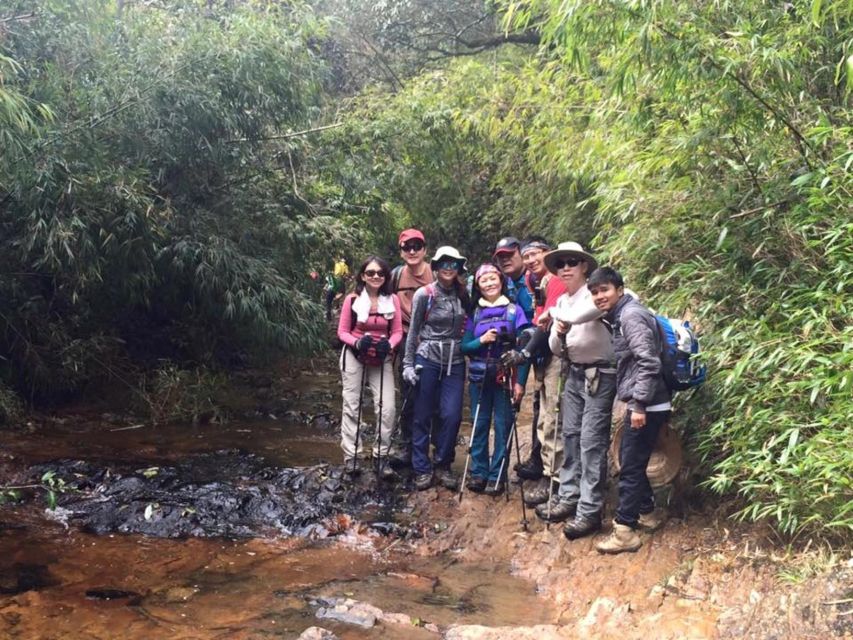
After meeting in Sa Pa, you’ll start the ascent from Tram Ton Pass and begin moving through pine and bamboo forests and along different streams. The cool climate is part of the appeal. It’s not the suffocating kind of climbing you might get in hotter regions. You still work hard, but you won’t feel like you’re melting.
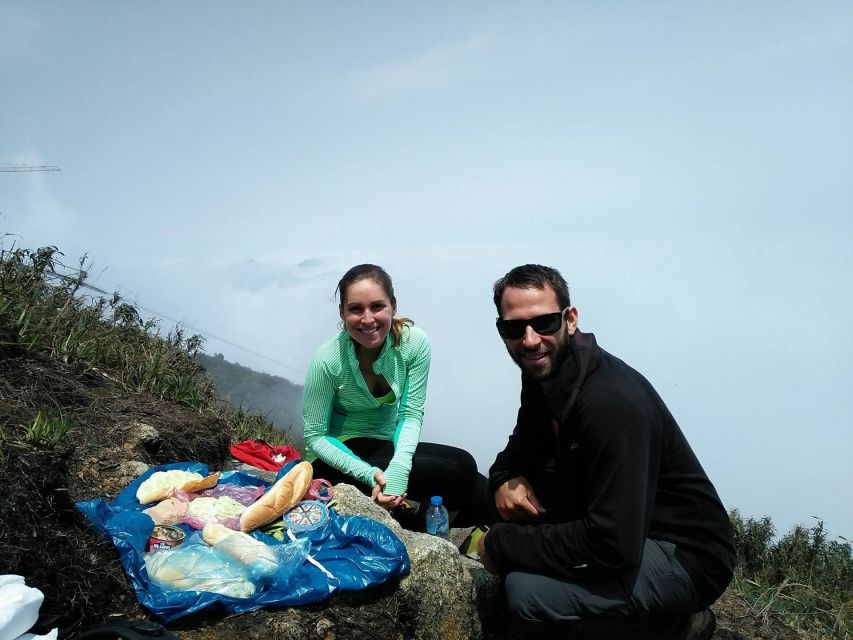
Midday you’ll reach around 2,200 meters, and that’s when the picnic lunch happens. It’s prepared by the tour guide and porter, and it’s timed to recharge you before you keep pushing higher.
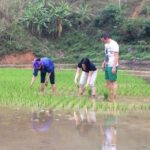
Here’s where the trip feels more than physical. Your guide will explain indigenous customs and local minority life as you hike. You’ll hear about groups like the Black Mong, Red Dzao, and Dzay, and you may learn how they connect with the mountains and local communities. If you end up with an especially good guide, this becomes the difference between doing a hike and understanding what you’re seeing.
You’ll keep trekking after lunch and reach the sleeping point around 4:00 PM. Then the team prepares dinner while you recover, explore your tent or surroundings a bit, or just stare at the mountains like a reasonable person who’s earned a break.
The 2,800 m Night: Basic Shelter and the Cold Reality Check
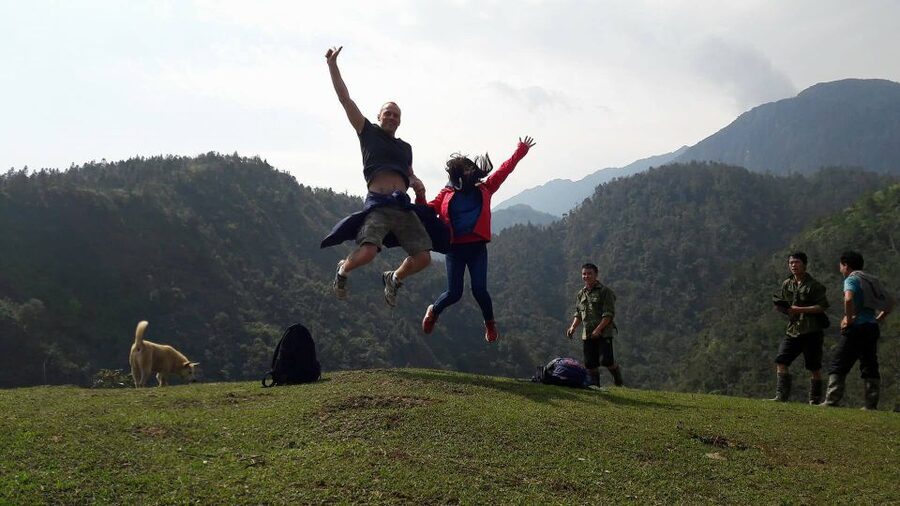
You’ll get dinner at about 6:30 PM, with an early night after that. Breakfast on Day 2 is scheduled for about 5:00 AM, so the whole day is built to keep you fresh enough for the summit push.
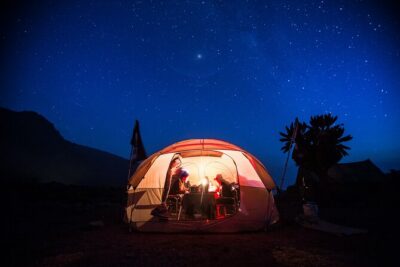
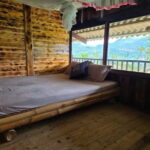
Accommodation is included and can be a sleeping bag plus hut or tent setup. This is one place where expectations need to match reality. One past experience included comments about sleeping bags that didn’t seem built for zero-degree conditions. Blankets were suggested as a helpful add-on.
So plan for cold. Even if you’re warm at mid-day, nights at 2,800 meters can turn your bones into a management problem. If you run cold easily, you’ll want extra insulation beyond what you’d normally pack for a warmer country.
Also note that overnight “base camp” organization can feel basic, which can include small inconveniences like noise or people moving around near sleeping areas. The good news is that the trip staff is typically focused on helping you—especially your porter—so you’re not stranded. Your porter is the person carrying the food and sleeping bag, and that support helps you keep your energy for the next day.
If you want the comfort of a big hotel bed, this is not that. If you want a simple mountain night that gets you close to sunrise and real hiking terrain, this kind of setup fits the purpose.
Day 2 Sunrise Summit: The 7:30 AM Moment and the Big Views
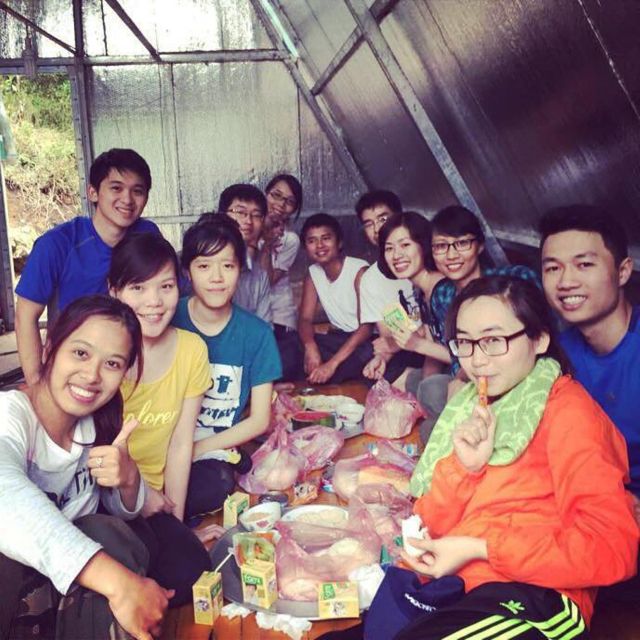
Day 2 starts early with breakfast at 5:00 AM (hot tea or coffee included as part of the morning routine). After that, you continue upward through more bamboo forest, and the vegetation gradually gets thinner as you near the top.
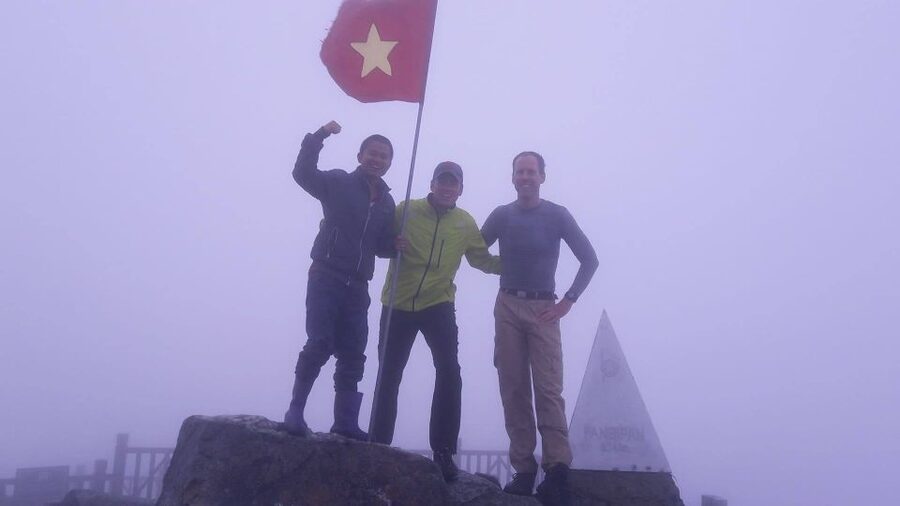
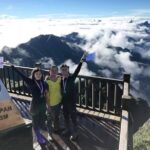
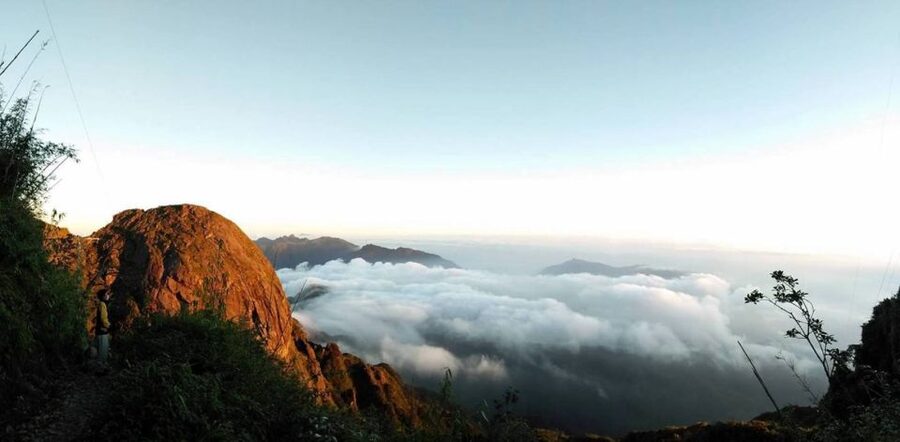
The summit arrival time is around 7:30 AM. That timing is the whole game: you’re there early enough to catch sunrise energy and get clear views over the valleys and surrounding provinces. You’ll also see an expansive view across Sa Pa and Lai Chai Province, and on a clear morning you can even spot mountains as far away as Yunnan Province in China.
Then you descend starting around 8:00 AM. On the way down, there’s another picnic lunch before you return to Tram Ton. The plan brings you back to Tram Ton between 3:30 and 4:30 PM, where a car waits to take you back to Sa Pa.
Once you’re back in town, you can use a shower at the office, and then you’re free to continue onward. Getting back to Hanoi by bus or train is on you since transport Sapa to Hanoi is not included.
Practical takeaway: this is the kind of day where you’ll remember the morning light and the view more than any meal schedule. If you’re even slightly motivated by sunrise, you’ll enjoy how the climb lines up with that moment.

Food, Permits, and Porter Support: Where This Trip Delivers Value
At $120 per person, the main question isn’t whether you get value. It’s what kind. This price includes a lot of the things that usually add up on your own: permits/entrance fees, an English-speaking guide, meals (2 lunches and 1 dinner, plus 1 breakfast), and 1.5 liters of water per day.
It also includes the often-overlooked part that makes a difference on steep days: a porter who carries your food and your sleeping bag. That means you can focus on your own footing instead of distributing every ounce yourself.
Accommodation is included too, in the form of a sleeping bag plus hut or tent depending on conditions.
What’s not included is also pretty clear. You’ll need travel insurance on your own, drinks aren’t included, and VAT is not included. The cable car ticket is also not included (listed at 800,000 VND), though you can use cable car for descent if you get tired.
My take: this is good value if you want a guided, organized attempt at Fansipan and you don’t want to build the permit/food/porter system yourself. If you’re already the type who loves solo logistics, you might find cheaper ways to hike. But if your goal is to show up, be guided, and get fed properly on the mountain, this price starts to look fair.
One more note from experience reports: guides named Sinh and Cha have shown up in feedback as particularly standout. You can’t guarantee a specific person, but it’s a sign that the operator often assigns capable leaders who manage pace and keep you moving safely.
Price and Logistics: Cable Car, Hanoi Transfer, and Holiday Surcharges
The base cost is set at $120, with the rest of your budget largely depending on two things: optional cable car use and how you plan to get back to Hanoi.
If your legs are done, you can ask for a cable car ticket for the descent. The additional cost is listed as 700,000 VND if you feel tired. Cable car tickets are not included by default, so factor that in if you think you’ll need relief on the way down.
Also plan your endgame. The trip ends back at the starting meeting point area in Sa Pa, and transport from Sapa to Hanoi is on you. So you’ll want to line up your bus or train tickets yourself after the shower.
Finally, there’s a Lunar New Year surcharge noted for dates from the 26th to the 2nd of Feb 2025, listed as 70 USD per person due at the meeting point. If you’re traveling around that window, confirm the total cost early so you don’t get surprised on arrival.
Who Should Book This Fansipan Trek (and Who Should Skip It)
This is a serious hiking tour. The official guidance says it’s not suitable for people with disabilities and children under 17, and it warns that elderly people are advised not to do the long trek.
That advice tracks with the route effort. The trek can be around 26 kilometers total, and it involves steep, rocky terrain. Reviews also point to very steep sections, stairs, ladders, and boulder-hopping type walking.
So who should book?
- You want a guided two-day route to Vietnam’s highest peak.
- You’re comfortable with steep climbing and early mornings.
- You like nature and also enjoy hearing about local minority groups while hiking.
- You can handle basic overnight conditions and cold nights.
Who should skip or adjust?
- You hate cold weather camping-style sleep.
- You want a mostly flat walk.
- You’re looking for full comfort and minimal exertion.
If you’re on the fence, the optional cable car descent is the tool that can rescue you when the climb adds up. But you’ll still need the stamina for the summit morning plan unless your operator suggests otherwise.
Should You Book This 2-Day Fansipan Trek?
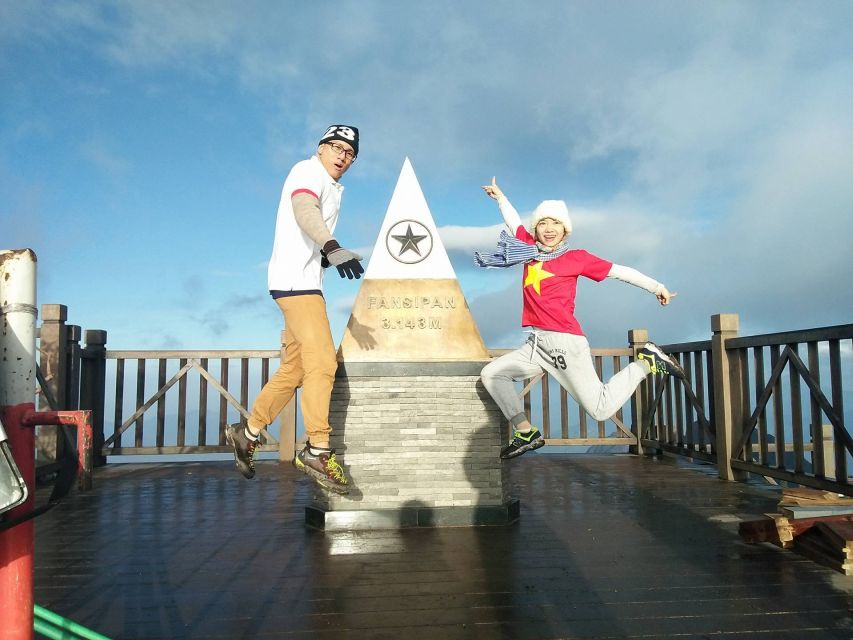
Book it if you want an organized path to the 3,143 m summit, you’re excited about sunrise views, and you appreciate guides who explain life and culture around Sa Pa’s mountain communities. The included meals, permits, porter support, and hot showers make it easier to focus on hiking instead of admin.
Don’t book it if you’re sensitive to cold nights, dislike steep terrain, or need a cushy sleeping setup. Even with sleeping bags included, conditions can get close to freezing, and the overnight shelter is basic.
If you match the hiking style, this is a trip that gives you something real: forest-to-summit change, a sunrise moment at the top, and context for why these mountains matter to the people who live nearby.
FAQ
What is the duration of the Fansipan trek?
It’s a 2-day trek.
Where does the trek start, and what time do you meet?
You meet at 8:00 AM at Vietnam Nomadtrails office, No 013 Tue Tinh str, Sapa town, Lao Cai, Vietnam.
What’s included in the price?
Included are an English-speaking guide, meals (2 lunches, 1 dinner, 1 breakfast), 1.5 liters of water per day, entrance fees and permits, a porter to carry food and sleeping bags, transport to and from the trekking starting point, hot shower at the end, and accommodation (sleeping bag, hut, or tent).
Is the cable car included?
No. Cable car tickets are not included. If you need help on descent, you can ask about an additional cable car option at extra cost.
What kind of food do you get during the trek?
You’ll have 2 lunches and 1 dinner plus 1 breakfast. Picnic lunches are scheduled during the hike, and dinner is served after you reach the sleeping point on Day 1.
What is the overnight accommodation like?
Accommodation is basic and may be a hut or a tent, with a sleeping bag provided. Nights can be cold at the elevation.
Is the trek suitable for children or people with disabilities?
No. It is not suitable for children under 17, and it is not suitable for those with disabilities. Elderly people are advised not to do the long trek.