REVIEW · KATHMANDU
12 days Annapurna Circuit Trek
Book on Viator →Operated by Magnificent Himalayan Treks · Bookable on Viator
The Annapurna Circuit is big stuff, even before the pass. This 12-day program strings together classic sections—Manang, Muktinath, Ghorepani, and the Poon Hill sunrise—plus the big-mountain drama you came for, with an English-speaking guide and permits handled so you spend less time on paperwork and more time walking.
I like the way the itinerary builds in altitude breathing room at Manang, then pushes to Thorong La with a clear game plan for early starts. I also like that the trek runs on tea house/lodge stays with most meals included, so you’re not constantly deciding where to eat when you’re tired.
One thing to think about: it’s still a serious trek. If you’re not used to daily climbs and long travel days (jeeps plus trekking), you may feel the pace, especially around Thorong La and the days with big elevation gains.
In This Review
- Key highlights to know before you go
- Price and value: what $1,100 actually buys you
- How the Annapurna Circuit route shapes your day-by-day mood
- Days 1–5: from Kathmandu river roads to rhododendron trails and Manang views
- Day 1: Kathmandu to Dharapani (via Besishar)
- Day 2: Dharapani to Chame
- Day 3: Chame to Upper Pisang (around 3,300m)
- Day 4: Upper Pisang through the Manang corridor toward Geru
- Day 5: Acclimatization in Manang (option: Ice Lake)
- Days 6–8: Yak Kharka to Thorong Phedi and the Thorong La crossing
- Day 6: Manang to Yak Kharka
- Day 7: Yak Kharka to Thorong Phedi
- Day 8: Thorong La pass day, ending at Muktinath
- Days 9–12: Tatopani recovery, Ghorepani trails, Poon Hill sunrise, and Pokhara reset
- Day 9: Muktinath to Tatopani (hot springs)
- Day 10: Tatopani to Ghorepani (via Thakali settlements)
- Day 11: Poon Hill at dawn, then bus to Pokhara
- Day 12: Pokhara to Kathmandu
- Guides, culture stops, and the support you feel
- Tea houses and meals: eating smart at trekking altitude
- Permits, insurance, and the porter decision (simple math)
- Who this trek is best for
- Should you book this 12-day Annapurna Circuit?
- FAQ
- What transport is included in this 12-day trek?
- Are trekking permits included?
- What meals and accommodation are included?
- Do I need a porter?
- Is Nepal visa included?
- What is the start time for the experience?
Key highlights to know before you go
- Manang acclimatization time at the base of Annapurna III, with optional Ice Lake for an easier first-week rhythm
- North-views from the corridor: Upper Pisang and the Manang area route are built for sharp mountain panoramas
- Thorong La logistics: an early-morning push from Thorong Phedi to cross the pass, with a big payoff
- Muktinath to Tatopani by jeep: you recover in style with a rest day at the hot springs area
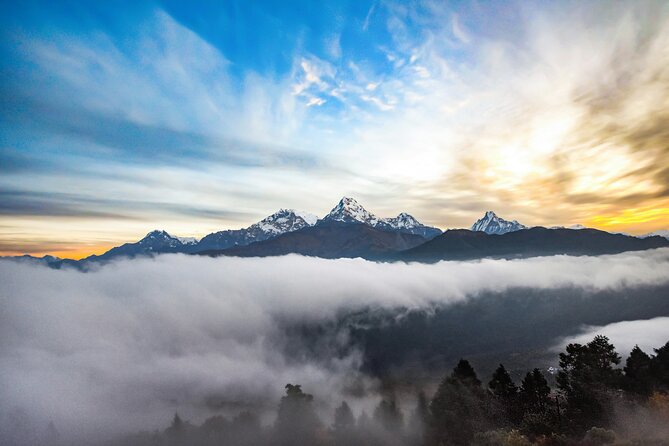
- Poon Hill sunrise at 3,210m: a compact climb for a view that hits Annapurna and Dhaulagiri ranges
- Permits included: Annapurna Conservation Area (ACAP) and TIMS card fees are covered
Price and value: what $1,100 actually buys you
$1,100 per person isn’t cheap on paper, but it’s also not just for a bag of goodwill. What you get is real “trip infrastructure,” including government fees for the trek area (ACAP and TIMS), and a guide who’s government licensed and English speaking. That matters because Nepal permits and trekking compliance are not things you want to freestyle while you’re high and busy.
Here’s the practical value:
- Meals and stays during the trek are included on a tea house/lodge basis: breakfast, lunch, and dinner while trekking. You still buy drinks, but most of your food planning is handled.
- Key transportation legs are covered, including getting you into the Circuit corridor (Kathmandu to Dharapani by public transportation) and later getting you down to Pokhara (Muktinath to Tatopani by jeep, then Nayapul to Pokhara, plus Pokhara to Kathmandu by tourist bus).
- Pokhara is included for one night with breakfast, which is a smart move after days on trails—your legs need a reset with a real change of pace.
What’s not included (so you can budget cleanly):
- Beverages (alcoholic and non-alcoholic) and general personal spending like tips, laundry, and phone costs
- Porter service is optional at $20/day (carry up to 20 kg)
- Insurance is not included
- Visa for Nepal isn’t included (you obtain it on arrival)
- Optional flight from Pokhara to Kathmandu is not included
My honest take: if you want a smoother trek with fewer moving parts—guides, permits, most food and lodging handled—this price lines up with what you’d otherwise pay in time, admin stress, and last-minute surprises.
You can also read our reviews of more tours and experiences in Kathmandu.
How the Annapurna Circuit route shapes your day-by-day mood
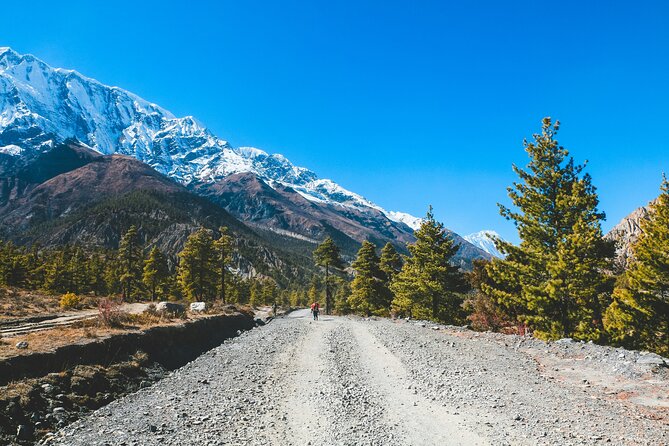
This trek is a long story told in altitude chapters. You start with lower elevation travel and settle into trekking days where the air gets thinner and your breathing becomes the main soundtrack. The good news: the route’s pacing gives you a couple of chances to adapt before you go after the big crossing.
You’ll move through several distinct feel zones:
- Rhododendron forest and district HQ towns early on, when the trail is still social and scenic
- The Manang high valley vibe with drier air and big views, plus an acclimatization day that’s actually useful
- The Thorong La approach where cold and wind can turn every stop into a planning moment
- Muktinath and the descent where you swap long climbs for recovery time—especially with a jeep down to Tatopani
- Ghorepani and Poon Hill where sunrise adds purpose to an early wake-up
If you’re the type who likes having structure—where you know roughly why you’re walking each day—this itinerary has that.
Days 1–5: from Kathmandu river roads to rhododendron trails and Manang views
Day 1: Kathmandu to Dharapani (via Besishar)
You’ll drive from Kathmandu toward Besishar along the Trishuli River, then continue by jeep to Dharapani for the night. This is a very normal “get your bearings” start. It’s not a trek day. It’s a travel day that sets you up for the next morning.
Day 2: Dharapani to Chame
Chame is the headquarters of the Manang District, and the big change here is altitude feel. The route starts threading through rhododendron forests, so you get greenery plus classic mountain views starting to peek through. This is also a good day for settling into your stride. Long days here are manageable if you pace yourself.
Day 3: Chame to Upper Pisang (around 3,300m)
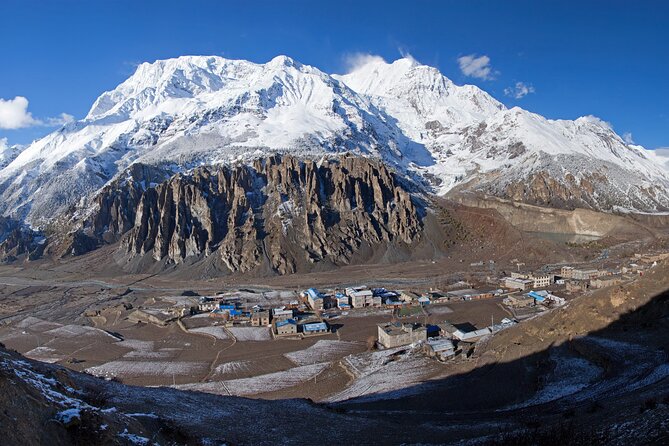
Upper Pisang sits at about 3,300 metres, and the itinerary leans into that altitude by pointing your attention at mountain light and long sight lines. You’ll also get views of Lamjung Himal in the area, which helps you understand why people get emotional about this region.
Day 4: Upper Pisang through the Manang corridor toward Geru
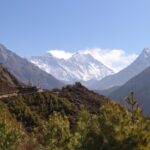
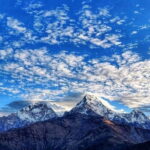
This is where the views start stacking. The plan routes you via Upper Pisang to Geru, with potential sight lines toward peaks like Annapurna II, III, IV, Gangapurna, Tilicho, and Pisang Peak (conditions vary, but the corridor is known for it). The air generally gets drier and colder as you go higher.
Practical note: when it’s drier, you feel colder faster. Pack for that reality early.
Day 5: Acclimatization in Manang (option: Ice Lake)
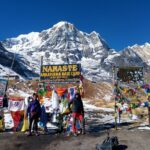
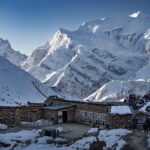
This is your “make tomorrow easier” day. Manang sits in a prime spot at the base of Annapurna III, and it gives you a day to breathe, eat, and adjust. The optional stroll to Ice Lake is meant as acclimatization help rather than a second full trek.
What I like here: acclimatization isn’t just a label. It’s built into the plan with an actual place to recover without feeling like you’re wasting time.
Days 6–8: Yak Kharka to Thorong Phedi and the Thorong La crossing
Day 6: Manang to Yak Kharka
You leave Manang village and head toward Tenki village, then climb higher as you shift into the northwest up the Jarsang Khola valley. This day is the bridge between “you’re in the high valley” and “you’re heading for the pass world.”
If you tend to go out too fast on the first hours, this is a good day to practice restraint. In the higher zone, steady beats heroic.
Day 7: Yak Kharka to Thorong Phedi
Thorong Phedi is the launch point for the pass day. The trek includes a ridge route, some descents, and a crossing of the Marsyangdi River on a wooden bridge. In other words, it’s not a straight conveyor belt. You’ll feel the trail’s variety.
This day matters because it’s your staging night. If you sleep poorly or don’t keep warm, it can snowball into the next morning.
Day 8: Thorong La pass day, ending at Muktinath
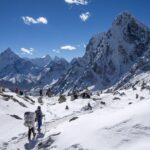
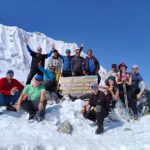
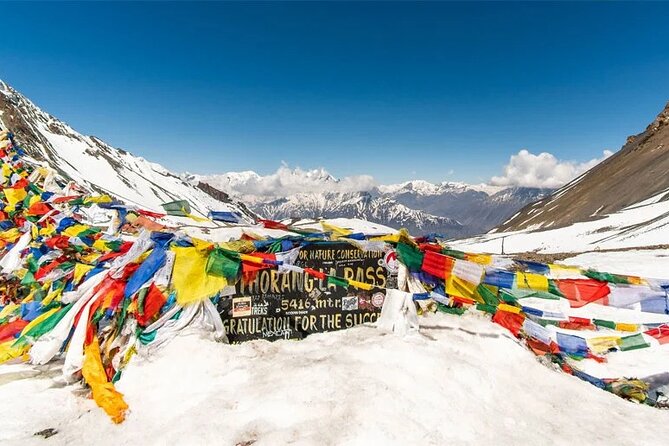
You wake up around three in the morning, then begin the climb toward one of the highest passes in the world. When you reach the summit, the sheer scale tends to hit you hard—especially with weather and light doing their thing.
After the pass, the plan has you arrive at Muktinath. This is also a cultural stop, not just a hiking milestone. Muktinath is famous for religious sites in the region, and it gives you a mental gear shift after the big physical effort.
Days 9–12: Tatopani recovery, Ghorepani trails, Poon Hill sunrise, and Pokhara reset
Day 9: Muktinath to Tatopani (hot springs)
This day is mostly about movement by jeep—roughly three hours—then recovery. Once you reach Tatopani, you can rest at the lodge or visit the hot springs for a swim. After Thorong La, this kind of recovery time is not a luxury. It’s how you keep the last days enjoyable instead of miserable.
This is also one of the reasons I like this itinerary: it doesn’t just slam the hard day, then keep slamming. It gives your body a breather.
Day 10: Tatopani to Ghorepani (via Thakali settlements)
You leave the hot springs behind and trek through ethnic Thakali settlements of Sikha and Chitre, then move toward the Kali Gandaki River and climb up to Ghorepani. This section is often more about steady trail rhythm than extreme altitude moments.
Ghorepani is your base for the sunrise push, so think of today as the setup day.
Day 11: Poon Hill at dawn, then bus to Pokhara
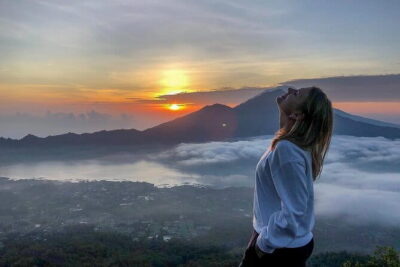
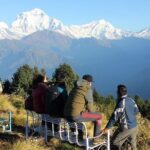
In the early morning you climb to Poon Hill (about 3,210m) for sunrise across the Dhaulagiri and Annapurna range, including Mt. Machhapuchhre (Fishtail) and Annapurna. It’s a short climb by distance standards, but you’ll still feel it because of the altitude and early timing.
After sunrise, you trek from Ghorepani to Birethani and then take a bus to Pokhara. That bus ride is your “you made it” transition—mud on your boots replaced by the quiet relief of town.
Day 12: Pokhara to Kathmandu
After breakfast, you head back to Kathmandu by tourist bus. There’s also an option to fly from Pokhara to Kathmandu for about 25 minutes, though that’s extra and not included in the package.
If you’re choosing between bus and flight, go with comfort. You’ll be done with long travel days by then, and sleep matters more than bragging rights.
Guides, culture stops, and the support you feel
A well-run trek is mostly invisible. You don’t notice it when things go smoothly. You notice it fast when they don’t.
This operator emphasizes an experienced, licensed, English-speaking guide, and they cover guide meals plus insurance, salary, and lodging. That setup matters because it helps keep the day-to-day consistent, from timing to route decisions.
About communication: the team includes people like Manit, who’s mentioned as very responsive during online consultation, and Bhim Panta, who’s described as greeting travelers in Kathmandu and helping them through the early stages of the trip. I also saw Kumar named in trip support conversations. Even if your trek team differs by date, it tells you the company puts effort into communication and early coordination—not just handing you a hiking map and a prayer.
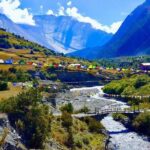
On the ground, you’ll also pass through colorful market areas and traditional villages along the way. You’ll see the everyday Nepal of teahouses, settlement routes, and mountain life rather than only viewing peaks from a distance.
Tea houses and meals: eating smart at trekking altitude
Tea house/lodge stays during the trek are included with breakfast, lunch, and dinner. That’s a big deal for value and sanity. You don’t want to be asking where to eat when your legs are done and the light is fading.
Still, manage expectations:
- You’ll buy drinks separately (alcoholic and non-alcoholic), and those costs can add up.
- Food quality can vary by lodge and location, so pick simple options if your stomach is sensitive at altitude.
- Hydration matters. In dry air, you’ll lose water faster even when you don’t sweat much.
If you plan to bring trekking snacks, do it as a supplement, not a replacement for meals. The included meals are part of the pacing.
Permits, insurance, and the porter decision (simple math)
Permits and fees are covered, including ACAP and TIMS. That removes the biggest admin headache for this region.
You still need to handle:
- Nepal visa on arrival
- Insurance on your own
- Porter choice
Porters are available at $20/day carrying up to 20 kg. Here’s the practical way to decide:
- If you’re carrying all your own gear, you may feel the trip more on long days and near the pass approach.
- If you’re trying to maximize enjoyment and keep your energy for trail, a porter can make the trek feel more like an experience and less like a chore.
If your fitness is good but your pack is heavy, I’d lean toward a porter. The goal isn’t comfort for comfort’s sake. It’s keeping your legs fresh for the hardest section.
Who this trek is best for
This works best if you:
- Have moderate physical fitness and can handle daily walking plus long travel stretches by jeep or bus
- Want a guided, structured experience with permits, meals, and most lodging handled
- Like scenery that comes in waves—forest sections early, high valley views later, then sunrise moments near the end
- Prefer a plan that includes recovery, especially with the Tatopani hot springs stop after Thorong La
It may feel like a lot if you:
- Are new to altitude trekking
- Expect a leisurely pace every day
- Don’t want early mornings (Day 8 pass day and Day 11 Poon Hill sunrise both start early)
Should you book this 12-day Annapurna Circuit?
Book it if you want a Circuit trek that feels organized without feeling robotic. The inclusion of permits (ACAP and TIMS), the guide support, and the tea house meals reduce the kind of friction that can turn a mountain trip into admin work.
Don’t book it if you’re hoping for an easy vacation-style walk. This is a real trek with a serious high-mountain day. If you go in with the right expectations—and you pace yourself—you’ll get one of the most memorable mountain sequences in Nepal: rising from river roads to Manang altitude, crossing the pass, then easing down through hot springs and sunrise views before finishing in Pokhara.
If you want, tell me your hiking background, how you feel about early mornings, and whether you’d consider a porter. I’ll help you judge if this exact pacing fits you.
FAQ
What transport is included in this 12-day trek?
You get Kathmandu to Dharapani by public transportation, then Muktinath to Tatopani and Nayapul to Pokhara transportation. Pokhara to Kathmandu is included by tourist bus. An optional 25-minute flight from Pokhara to Kathmandu is available but not included.
Are trekking permits included?
Yes. The Annapurna Conservation Area Permit (ACAP) fee and the TIMS card fee are included.
What meals and accommodation are included?
You’ll stay in tea houses/lodges during the trek, with breakfast, lunch, and dinner included. Accommodation and one night in Pokhara with breakfast is also included.
Do I need a porter?
A porter is optional. Porters are available for $20/day and can carry up to 20 kg. Tips and personal preferences are not included.
Is Nepal visa included?
No. You obtain the Nepal visa upon arrival at the airport. Visa costs are listed by length of stay.
What is the start time for the experience?
The start time is listed as 12:15 am, and the trek includes early wake-ups on the pass day and the Poon Hill sunrise day.