REVIEW · KARANGASEM REGENCY
Bali: Mount Agung Sunrise Trekking Tour via Besakih Temple
Book on GetYourGuide →Operated by Mount Batur Jeep Adventure · Bookable on GetYourGuide
Mount Agung at sunrise feels like a personal challenge. This guided trek from Besakih Temple takes you to Bali’s highest point (3,032 m) for a sky that turns red and orange over Bali, Lombok, and Java. Two things I really like: you earn those views with real effort, and the start-to-summit timing is built around seeing the sunrise from the top.
You’ll hike through dense tropical jungle, then shift onto volcanic sand and steep terrain as the night turns cold. One consideration: this is not a casual hike. If you show up without the right trekking shoes, warm layers, and enough snacks for long stretches, the experience can feel harder than it needs to be.
In This Review
- Key takeaways before you set off
- Why a Mount Agung sunrise hike is a Bali must-do
- Besakih Temple start: where the trek really begins
- The climb from 11:00 PM: jungle, volcanic sand, and steep terrain
- Sunrise on a 3,032 m summit: what you’ll actually see
- Gear, food, and timing: how to avoid cold, hunger, and frustration
- Descent and safety: why the drop can be brutal
- Price and value for a 12–16 hour guided challenge
- Who this tour fits best (and who should skip it)
- Should you book this Mount Agung sunrise trek?
- FAQ
- What time does the tour meet at Besakih?
- When does the sunrise trek begin?
- How long is the Mount Agung sunrise trekking tour?
- What’s included in the price?
- What should I bring for the hike?
- What is not suitable for this tour?
- Is pickup included?
- Does the tour run in any weather?
- What’s the cancellation policy?
Key takeaways before you set off
- Besakih Temple at 10 pm sets the tone for a long night, not an easy morning stroll
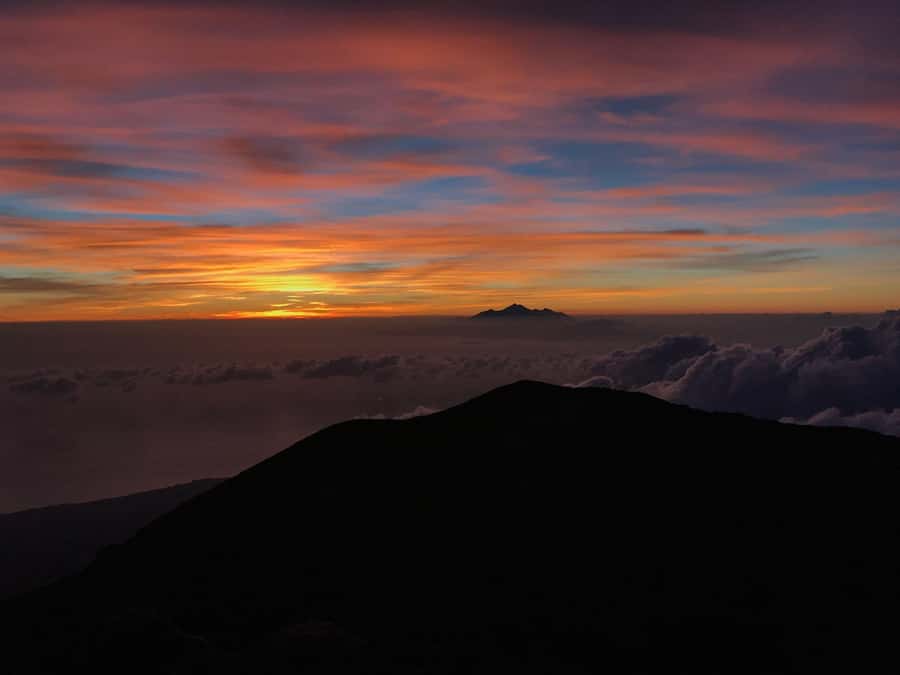
- 3,032 m sunrise views can include Bali plus Lombok and Java on clear conditions
- Volcanic sand + steep sections mean traction matters more than distance
- Bring flashlight, warm clothes, and trekking snacks even with breakfast and drinks included
- Private-group style can be great, but guide quality and pace can vary
- Descent is often the toughest part with long, slippery stretches
Why a Mount Agung sunrise hike is a Bali must-do
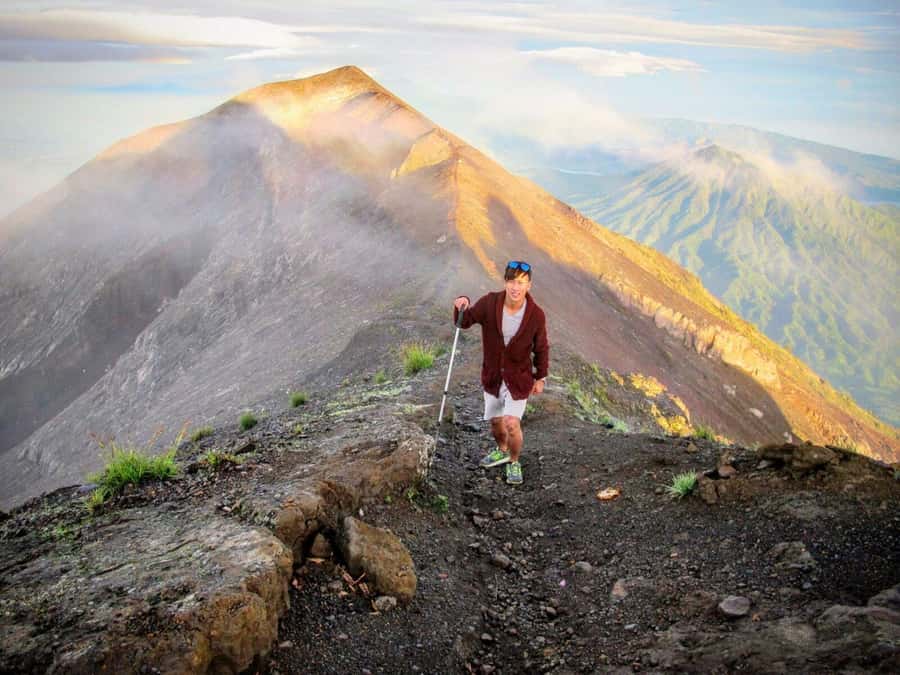
There’s sunrise, and then there’s sunrise from the top of Mount Agung. The appeal here isn’t only the moment the sun crests the horizon—it’s the way the hike sets you up for it: you’re climbing in the dark, moving from jungle shade into open volcanic terrain, and you’re building anticipation hour by hour.
What I like most is the scale of the view. From the summit area, you’re in prime position to see a wide slice of Bali’s geography—places like Denpasar, Ubud, Lovina, and Amed are on the view list. And when conditions cooperate, Lombok and Java show up too. That’s a lot of island for one early-morning moment.
The other big reason this tour works is the structure. It’s designed around a late-night start—begin the hike around 11:00 PM—and a summit arrival in time for sunrise. If you’ve ever tried to do Mount Agung on your own, you know how much energy it takes to get timing, safety, and logistics lined up. A guided format helps you focus on the climb.
You can also read our reviews of more tours and experiences in Karangasem Regency.
Besakih Temple start: where the trek really begins
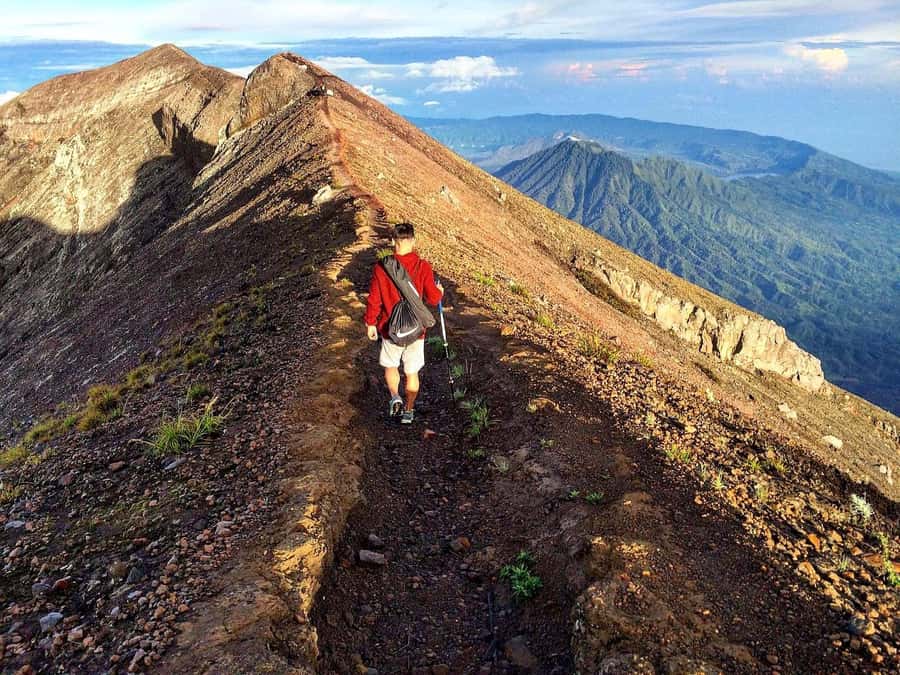
The tour meets at Pura Pengubengan Besakih at 10 pm. That timing matters. You’re not just collecting a guide and rushing into the dark; you’re starting from one of Bali’s most important temple areas, the Mother Temple of Bali at Besakih. Even if you’re focused on the physical challenge, this start gives you a real sense of place.
From there, the trek begins toward Mount Agung. Expect the early part to feel like a slow gear change: you’re getting your footing, getting used to colder air at night, and settling into the rhythm. Your guide’s role starts right away—helping with pacing, route navigation, and keeping the group safe.
Also, you’re there close to sunrise watching, which means you’ll likely be outside for a long time. That’s why warm clothing isn’t optional. Even if Bali feels warm earlier in the day, at altitude the temperature can drop fast.
The climb from 11:00 PM: jungle, volcanic sand, and steep terrain
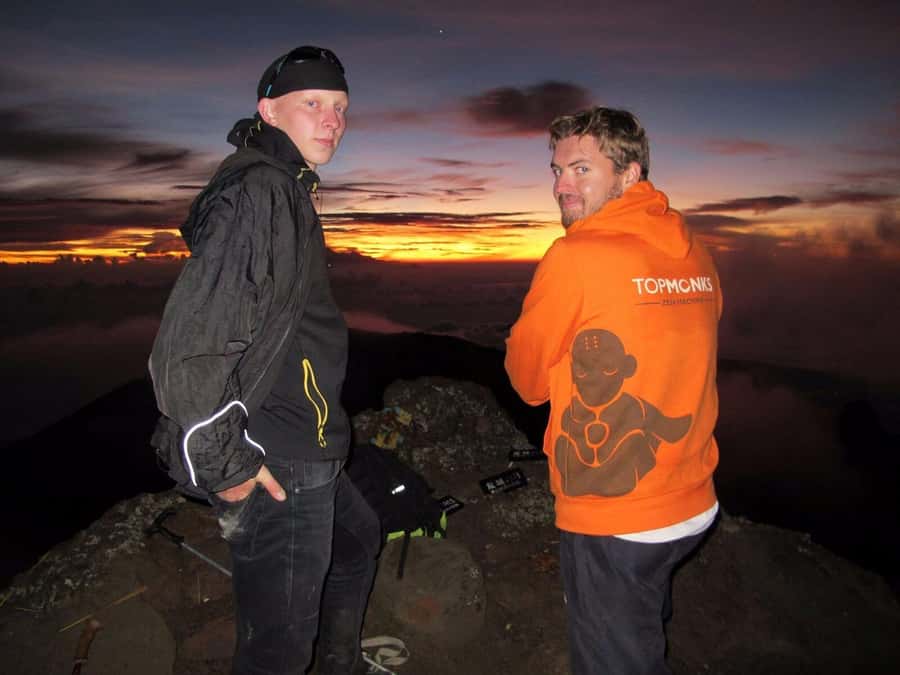
The route is the main event. You’ll climb with a local guide and move through dense tropical jungle, then onto volcanic sand, and finally over steep terrain. Those surface changes are a big deal because they affect how you hike.
In the jungle sections, you’ll often feel like you can move smoothly—but watch your steps. Roots and uneven ground can slow you down if you’re not paying attention. Then the terrain changes. Volcanic sand can be deceptively tiring: it shifts underfoot and can make even steady steps feel harder.
Finally, the steep sections are where most people feel the effort. You’re not just going up—you’re going up in darkness, with cold air and limited visibility. This is the part where good footwear earns its price. Trekking shoes with grip on slippery volcanic rock can make the difference between controlled steps and constant caution.
A detail worth taking seriously: the climb can be challenging enough that some hikers end up realizing too late they packed like it was a daylight hike. Build your plan around a night trek: cold + steep + slippery surfaces + long time on your feet.
Sunrise on a 3,032 m summit: what you’ll actually see
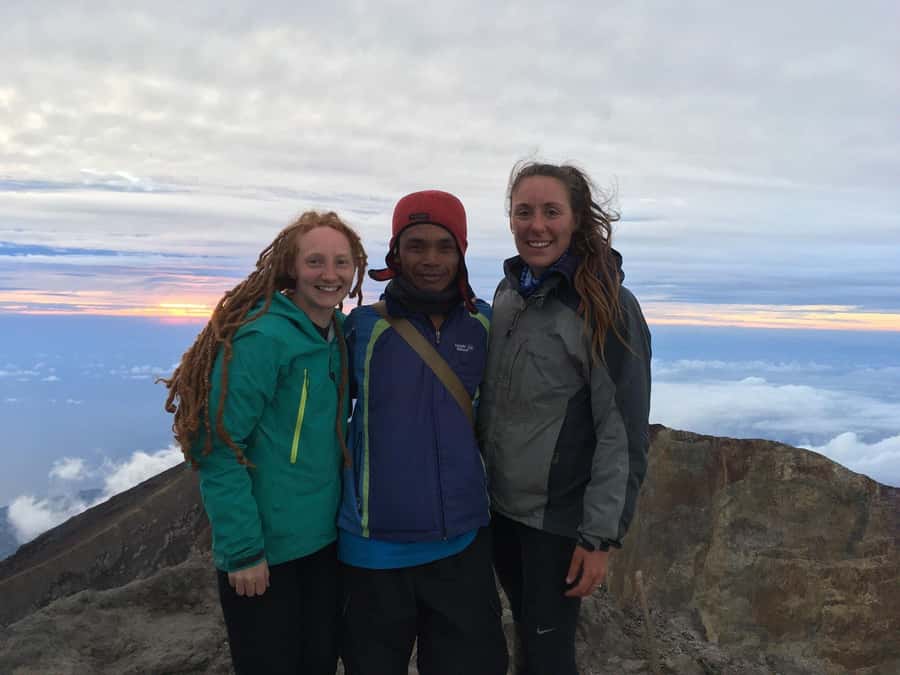
The goal is simple: reach the summit in time for sunrise. Mount Agung’s elevation is 3,032 meters above sea level, and the sunrise experience is timed so you can watch the sky change from darker tones into reds and oranges as the light spreads.
Once the first light starts, your view tends to open up fast. You’re typically positioned to look across Bali, including areas such as Denpasar and Ubud, plus northern and eastern viewpoints like Lovina and Amed. On clearer mornings, you may also catch Lombok and Java.
Here’s what that means in practical terms: sunrise isn’t just a photo moment. It’s also your reward for hours of physical effort. The colors tend to feel more dramatic at altitude because you’re looking across a wider horizon, and the atmosphere can look cleaner when the weather cooperates.
One more thing: weather matters. The tour is subject to conditions, so if you arrive on a hazy or cloudy morning, you might still get the summit experience, but the view payoff can shrink. Your best approach is to pack for the cold and keep your expectations flexible.
Gear, food, and timing: how to avoid cold, hunger, and frustration
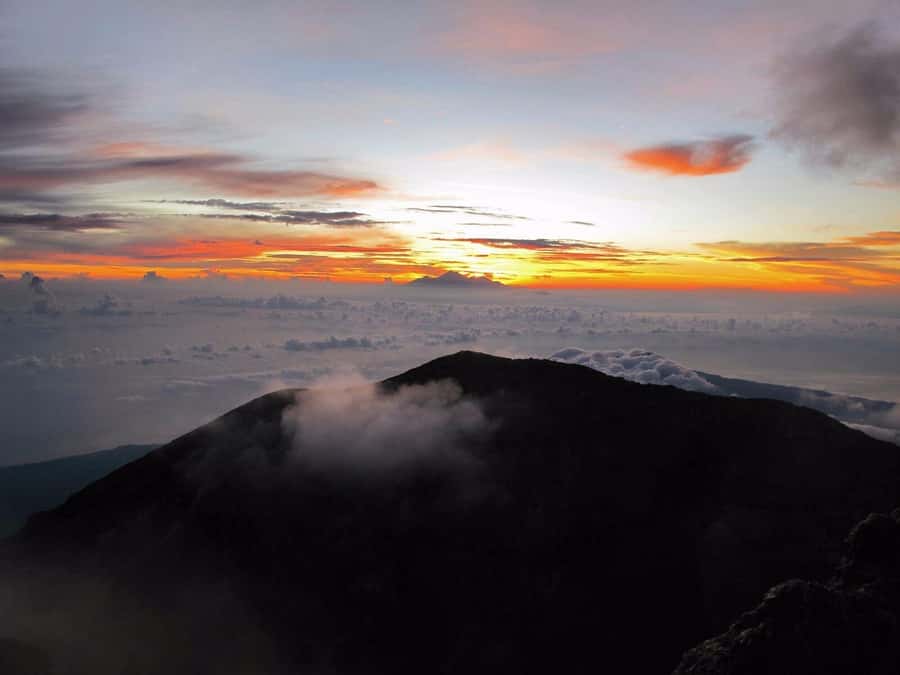
This is where you can make the tour feel smooth—or painfully slow. The basics are spelled out: you should bring comfortable shoes, warm clothing, snacks, water, and a flashlight. Trekking gear helps too.
Even though breakfast and mineral water are included, I strongly suggest you plan as if you’ll need more fuel than the included items provide. The hike can run 12 to 16 hours, and night starts can stretch the time between meals. If you don’t bring enough snacks, you’ll feel it in the last stretch.
Food planning tip: bring snacks you can eat quickly while moving. Think energy-dense and low-fuss. Also consider cold effects—stuff you’d normally eat easily at midday can feel harder to chew when you’re chilled.
For clothing, go for layers. You’ll want something warm enough for the climb and the waiting that can happen before sunrise. A light rain protection layer is also smart. Volcanic terrain plus nighttime weather is not the moment to skip cover.
Then there’s timing and waiting. The trek is built around summit arrival before sunrise, but sometimes it involves waiting at higher points to avoid arriving too early. If that happens, you’ll appreciate warm layers and your ability to stand still for periods. It’s not the climb that surprises you most; it’s the cold downtime while the sky does its thing.
Descent and safety: why the drop can be brutal
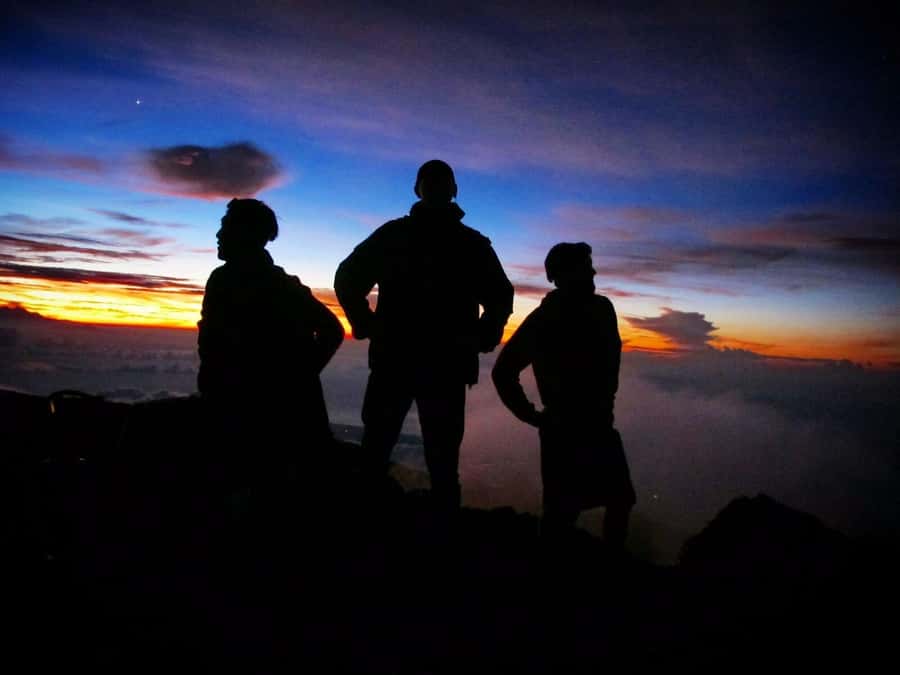
After sunrise, you’ll begin the descent back to the starting point. This part often catches people off guard. You might feel relieved to be going down, but steep terrain plus volcanic sand can be punishing on your knees and ankles.
The big safety theme here is slipperiness. Many hikers find the descent can be more brutal than the ascent, especially if the surface is slick and you’re tired. Your best defense is slow feet and constant attention. If you rush, you pay for it.
The tour includes safety equipment and a first aid kit, plus an experienced local guide, which matters when conditions change or someone slips. Still, the more you control your own pace, the better the descent tends to feel.
Also, plan for fatigue. A sunrise summit hike doesn’t end at the summit. You’ve got the full return, so keep your energy for the long downward stretch. Hydrate and eat something small if you can. Your legs will thank you later.
Price and value for a 12–16 hour guided challenge
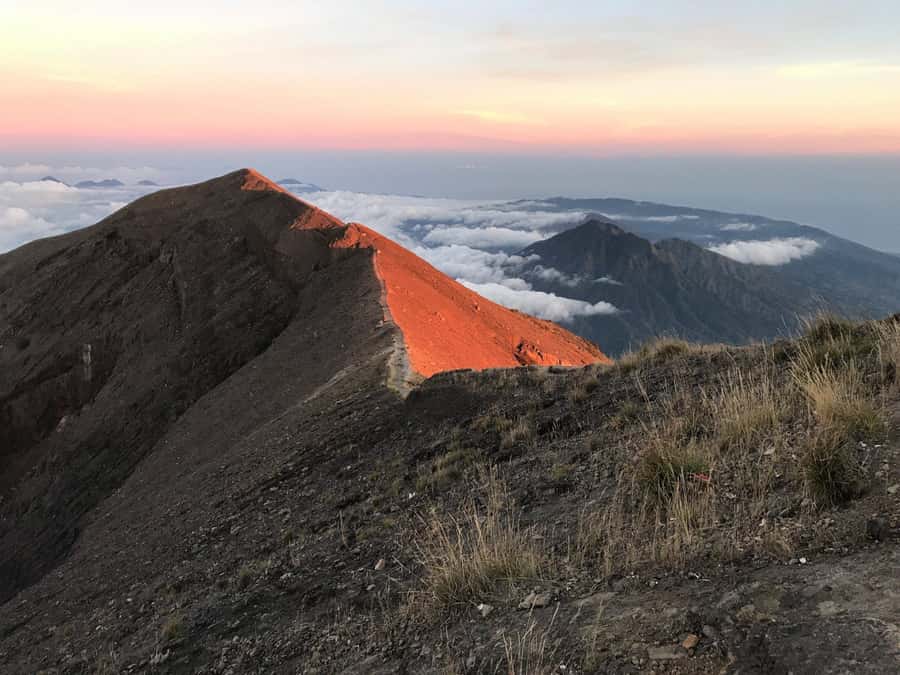
At $60 per person, the price is fairly reasonable for a sunrise trek this demanding—especially because key things are included. You get an experienced local guide, safety equipment, first aid, entrance fees, breakfast, mineral water, and tea or coffee. That’s not nothing.
Where the value gets real is not only the inclusions—it’s the planning. A late-night start, a guided route, and a sunrise-focused summit window reduces the guesswork you’d otherwise have to solve yourself.
What can affect value is preparation. If you show up needing to improvise—like searching for better shoes or wishing you had warmer layers—you can end up feeling like the tour is more expensive than it looked. For best value, treat this as a serious hike and pack accordingly.
Also, the duration range is wide: 12 to 16 hours. That means you’re paying for a full night-plus-morning commitment, not just a few hours. If you’re okay with that, the cost makes sense.
Who this tour fits best (and who should skip it)
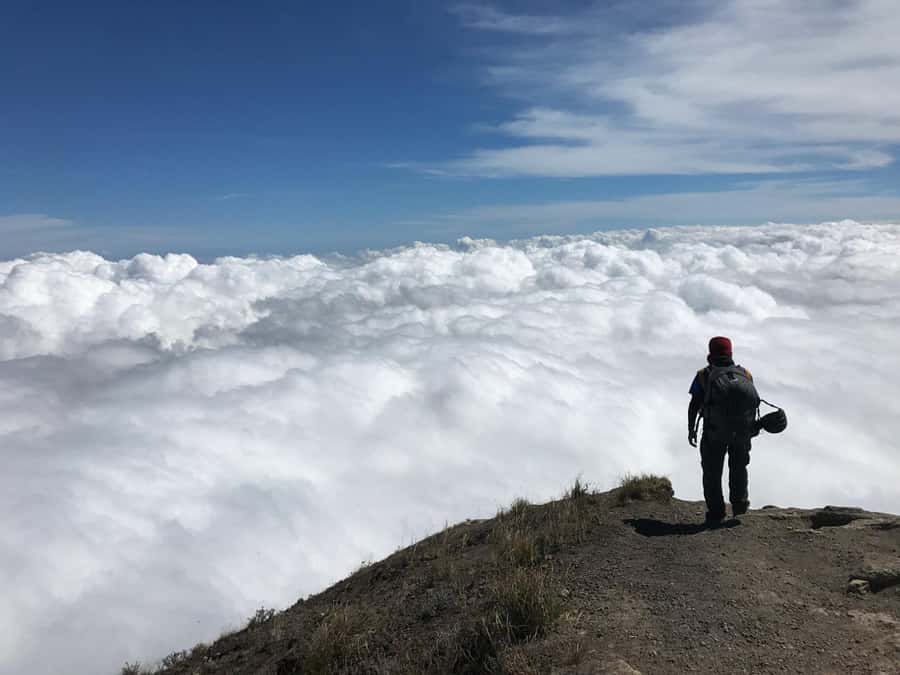
This hike is for people with real stamina. The tour explicitly notes that physical fitness is required, and it isn’t suitable for children under 12, pregnant women, people with heart problems, or anyone with low level of fitness.
So who should go? If you enjoy challenging climbs, you’re comfortable hiking on uneven and slippery ground, and you have at least some experience moving uphill for hours, you’ll likely find it rewarding. The sunrise payoff is big, but it’s earned.
Who might struggle? Anyone who expects a casual walk, anyone who hates cold mornings, or anyone who isn’t used to long night efforts. Also, if you’re sensitive to waiting in chilly air, plan for that. Warm layers and a steady pace help a lot.
Finally, consider communication. The tour guide language is English. That’s good for clarity on safety and timing. Still, if you rely on precise instructions, arrive prepared so you can follow the route even if explanations get brief.
Should you book this Mount Agung sunrise trek?
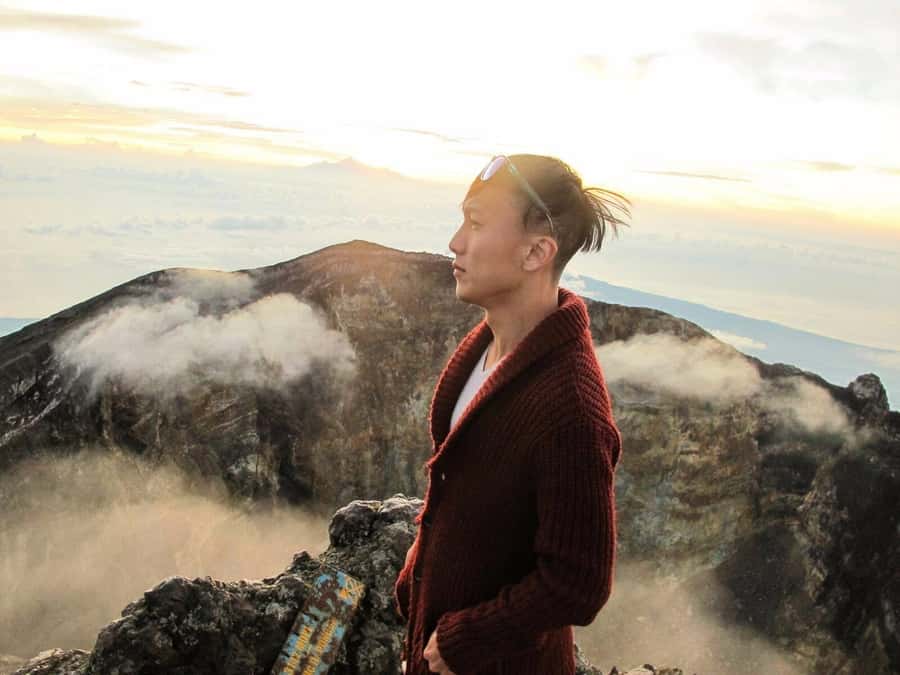
I’d book it if you want a sunrise that feels earned, not purchased. The combination of Besakih Temple start, a tough climb to Bali’s highest point, and the promise of panoramic views across Bali, Lombok, and Java is exactly the kind of experience that makes Bali feel bigger than beach pictures.
Don’t book it if you want an easy morning, or if you’re not ready for cold, long hours, and slippery volcanic terrain—especially during the descent. This isn’t a quick win.
My practical call: book it only if you can honestly handle a high-altitude night hike, pack warm layers and traction-focused shoes, and bring enough snacks to keep your energy steady. Do that, and the sunrise at the summit has a good chance of being one of your most memorable moments in Bali.
FAQ
What time does the tour meet at Besakih?
You meet at Pura Pengubengan Besakih at 10 pm, and the hike starts later for the sunrise timing.
When does the sunrise trek begin?
The trek is set to start for the sunrise view at 11:00 PM.
How long is the Mount Agung sunrise trekking tour?
The total duration is 12 to 16 hours.
What’s included in the price?
Included are an experienced local guide, safety equipment, a first aid kit, entrance fees, breakfast, mineral water, and tea and coffee.
What should I bring for the hike?
Bring comfortable shoes, warm clothing, snacks, water, a flashlight, and trekking gear.
What is not suitable for this tour?
It isn’t suitable for children under 12, pregnant women, people with heart problems, or those with a low level of fitness.
Is pickup included?
Pickup is optional. The tour says they will pick you up in your hotel except Lovina, Jembrana, and the Balian beach area.
Does the tour run in any weather?
It is subject to weather conditions, so conditions can affect how the experience works out.
What’s the cancellation policy?
There is free cancellation up to 24 hours in advance for a full refund.