REVIEW · POKHARA
Private 4 – Day Poon Hill Trekking
Book on Viator →Operated by Nepal Alternative Treks & Expeditions Pvt. Ltd. · Bookable on Viator
Annapurna sunrise, minus the usual chaos. This private 4-day Poon Hill trek from Pokhara is built around an alternative route meant to dodge road dust, common crowd patterns, and the most predictable paths, so you spend more time with real villages and changing mountain views. I also like that it’s private, meaning your local guide can set a steady pace for your group.
The best part, for me, is the hands-on support included throughout: a government registered guide and porter, lodge stays during the trek, and meals counted into the package. You’ll likely meet folks like guide Amar, guide Dhan, or guide Ritika and porters such as Sanjay, and the tone from the team is consistently warm and practical rather than stiff.
One consideration before you go: Poon Hill sunrise views can be blocked by clouds, and that’s a real mountain variable. Even if the big panorama is muted, you’ll still have several excellent trekking hours and cultural stops—just don’t plan your whole day on perfect blue-sky visibility.
In This Review
- Key highlights at a glance
- Pokhara to the trailhead: what the start day really feels like
- Day 1: Ulleri breakfast views, jeep transfer, and the climb to Banthanti
- Day 2: Banthanti to Ghorepani and the stair-step reality
- Day 3: Poon Hill sunrise at 3193m, then rhododendrons to Tadapani
- Day 4: Ghandruk Gurung culture, the Gurung Museum, and jeep back to Lakeside
- Price and value: what $350 includes (and what you still need to budget for)
- The itinerary pattern that actually helps you enjoy the mountains
- Who this private Poon Hill trek suits best
- Should you book this Private 4-Day Poon Hill Trek?
- FAQ
- Where does this trek start, and where does it end?
- What time does the trek start?
- Is this a private trek?
- What’s included during the trek for meals and lodging?
- Are permits and guide/porter included in the price?
- What transportation is included?
- Is travel insurance included?
- Is there free cancellation?
Key highlights at a glance
- Alternative trekking route designed to reduce road time and overlap with the busiest common trails
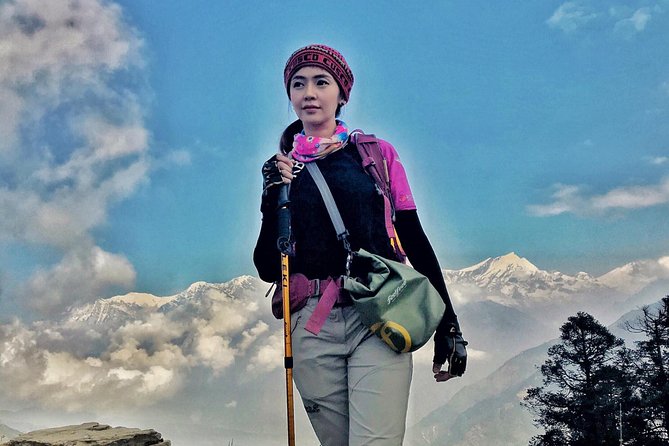
- Early hike to Poon Hill (3193m) for sunrise viewing from a famous viewpoint tower
- Ghorepani as a Magar village base at 2,874m with big-peak sightlines when weather cooperates
- Rhododendron and forest walking on the way to Tadapani
- Ghandruk Gurung culture stop plus time for the Gurung Museum
- Private guide + porter with permits and lodge meals included so you’re not juggling details
Pokhara to the trailhead: what the start day really feels like
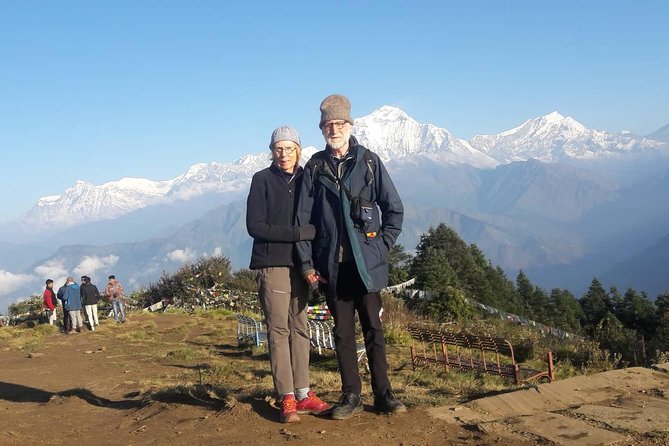
You begin in Pokhara at the Lakeside area (the meeting point is on Lakeside Rd), with pickup offered and a start time of 8:15am. This matters because the Annapurna region rewards an efficient morning. You don’t waste energy negotiating transport or figuring out paperwork first—you’re moving toward the trekking rhythm.
The package includes ACAP and necessary permits, which is one of those invisible benefits. Permits can be confusing when you’re traveling independently, and trekking routes in Nepal usually come with layers of paperwork. Having those handled means you focus on the trek itself: steps, views, and conversations with your guide.
From a logistics standpoint, the itinerary uses overland transfers by jeep, including a driving segment on the Baglung Highway. That’s a nice middle ground: you still get road access when you need it, but you’re not stuck in a long travel slog before your first walking day. It also sets expectations. Day 1 is not a slow “get your bearings” stroll—it’s a real start with a steep climb later.
You can also read our reviews of more tours and experiences in Pokhara.
Day 1: Ulleri breakfast views, jeep transfer, and the climb to Banthanti
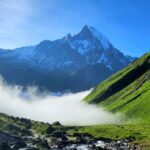
Day 1 has a classic Annapurna-region arc: views first, then movement, then effort. You’ll have breakfast overlooking Annapurna I (8,091m) and Mt. Machhapuchhre (6,997m). Even if you’re new to Himalayan trekking, seeing Machhapuchhre’s shape from this altitude range gives you an immediate sense of what kind of trip you’re on.
After breakfast, the plan shifts to a two-hour jeep drive along the Baglung Highway toward Hile. This is a practical way to cover distance without tiring your legs too early. Once you’re in the walking zone, you move alongside terraced fields toward Hile and Tirkhedhunga village, which is where the trip starts to feel local and lived-in rather than tourist-route centered.
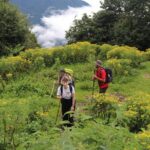
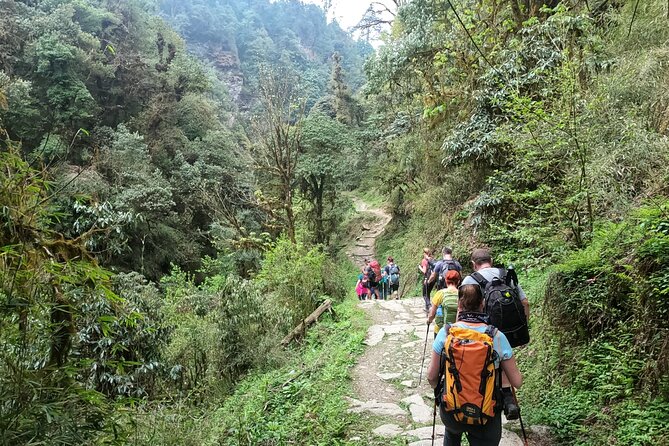
Then comes the part you’ll remember: you climb steep toward Ulleri, have lunch there, and continue for about an hour to Banthanti for the overnight. The reason I like this layout is simple: you get a solid “workout day” early, but you’re not doing it endlessly. The day ends with a lodge overnight in Banthanti, setting you up for a smoother second day climb.
Potential drawback? It’s a steep first day, so pace matters. If you arrive in Pokhara already tired (late flights, poor sleep), plan to take it slow during the early ascent and let your guide manage the rhythm.
Day 2: Banthanti to Ghorepani and the stair-step reality
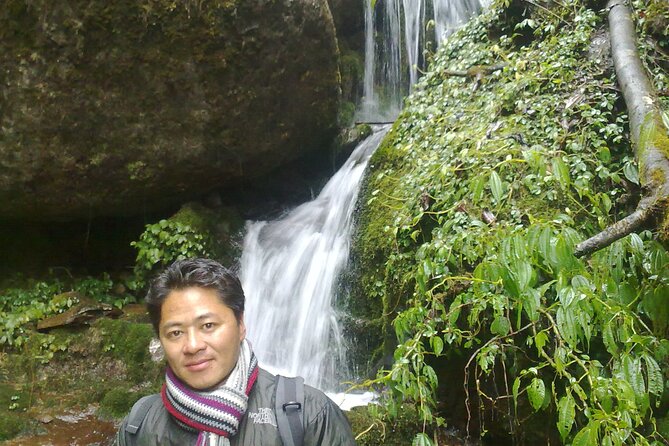
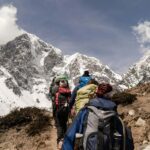
Day 2 begins with climbing stone steps up toward Ghorepani. That sounds straightforward on paper, but steps in Nepal are their own thing. They chew time and attention: each section asks for a steady tempo rather than dramatic bursts of speed.
You’ll leave Banthanti, pass through Nangethanti, and keep rising uphill until you reach Ghorepani (2,874m). Ghorepani is described as a Magar village, and that’s a big part of why this trek works. It’s not only about hitting viewpoints. It’s also about seeing village life at altitude and hearing the way local people talk about the mountains they live near.
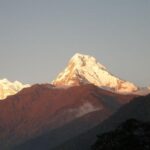
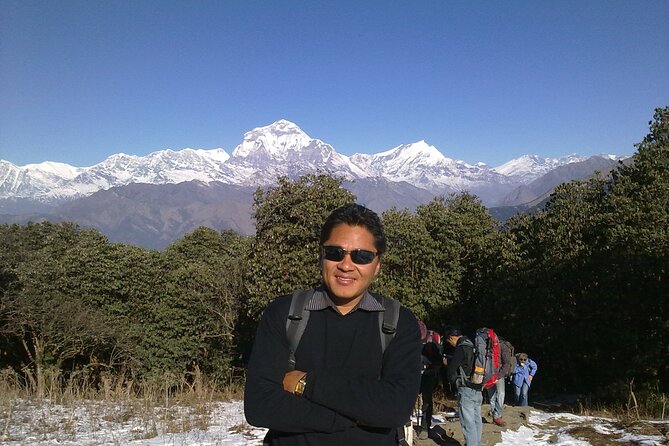
The itinerary also frames Ghorepani as a place with excellent views of Dhaulagiri, Nilgiri, and the Annapurna massif when conditions allow. This is where “weather patience” becomes important. On good visibility days, your surroundings feel like a layered panorama. On hazier days, the mountains still have presence—you just need your eyes to do more work.
You sleep in Ghorepani. From here, the famous sunrise plan comes next, so this night is your springboard. In general, I’d treat it like a reset night: keep hydrated, rest as much as you can, and don’t overdo the evening if you’re heading out very early.
Day 3: Poon Hill sunrise at 3193m, then rhododendrons to Tadapani
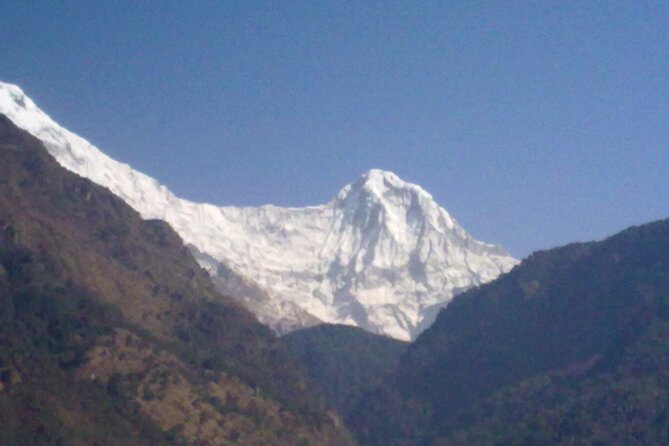
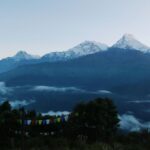
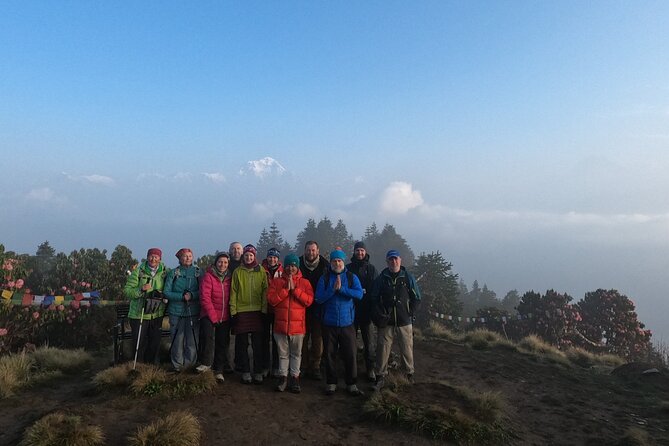
Day 3 is the headline, but it’s also balanced. You start with an early morning hike—about an hour—from Ghorepani to the Poon Hill viewpoint tower at 3,193m. The goal is sunrise, and the payoff is a panoramic look across multiple ranges: Annapurna, Machhapuchhre, Nilgiri, Himalchuli, and Dhaulagiri. This is the moment most people book for.
Here’s the realistic part: clouds can ruin the view. One past trek experience included a situation where Poon Hill views were blocked by clouds, but the trek still delivered strong time on trails and in mountain wilderness. So yes, you should aim for sunrise. Just don’t tie your happiness to it.
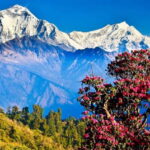
After the sunrise, the plan has you retracing your steps back to Ghorepani. Then you eat breakfast, and the day transitions into the trek toward Tadapani. You climb northeast through rhododendron forests, passing Deurali and Banthanti, and then continue until you reach Tadapani for the overnight.
I like this second half because it’s not only a “destination day.” It’s a movement day with variety: forest walking tends to feel different from village walking, and the rhododendron trail is a visual and sensory change. It also gives you a calmer, steadier pace compared with the early climb-and-wait sunrise routine.
Day 4: Ghandruk Gurung culture, the Gurung Museum, and jeep back to Lakeside
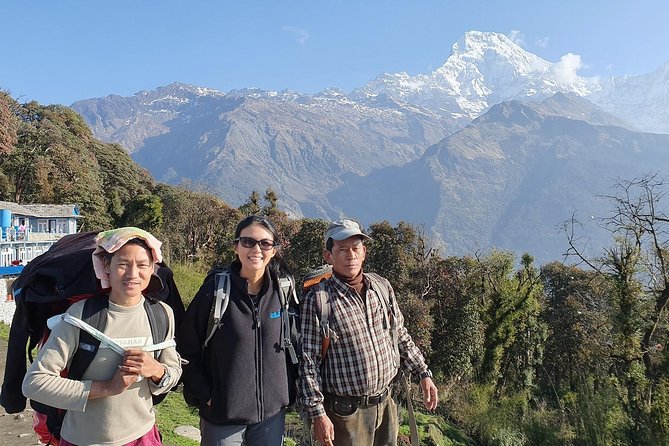
Day 4 keeps the cultural thread going, then finishes with an easy return to Pokhara. After breakfast in Tadapani, you trek to Ghandruk (about three hours). Ghandruk is known for Gurung culture, and the itinerary highlights both the village setting and the hospitality of the people.
You’ll have lunch in Ghandruk, and then you can visit the Gurung Museum. That museum stop is a meaningful add-on. It’s not a “look at an object and leave” moment; it helps connect what you saw on the trail—homes, village life, and daily movement—with the people and traditions behind it.
Then you switch gears: a jeep transfer returns you to Pokhara, with the activity ending back at the meeting point near the Lakeside. The itinerary also suggests using your evening to explore the Lakeside area and enjoy the lake-town nightlife.
If you like closure, this day delivers it: your hardest effort is done, you’re safely back in town, and you have a chance to celebrate with good food and a proper shower if your accommodation offers it.
Price and value: what $350 includes (and what you still need to budget for)
At $350 per person for a private 4-day trek, you’re paying for more than the walking route. This price includes:
- ACAP and necessary permits
- One government registered guide and porter, including their expenses
- All lodge accommodation during the trek
- Overland transportation as mentioned (including jeep segments)
- Trekking map
- Oxygen saturation and water purification support
- Duffle bags
- Trek completion certificate
- Assistance for emergency rescue evacuation
- Government tax and service charge
- Public Liability Insurance
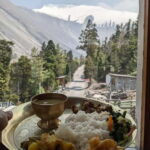
- Meals: 3 breakfasts, 4 lunches, and 3 dinners
That’s strong value if you want a clean, low-stress plan. Trekking independently often turns into a chain reaction of costs and uncertainty: permits, guides, accommodation booking, meal planning, and transport coordination. Here, the structure is already built.
What’s not included matters too:
- Hotel accommodation and meals in Kathmandu/Pokhara (outside the trek nights)
- Travel insurance
- Drinks like tea/coffee, soft/hard drinks, alcoholic drinks
- Device charging and hot shower (if you want those, you’ll pay locally)
- Tips for guide and porters
My practical advice: if you’re comparing prices, treat tipping and travel insurance as part of your real “trip budget.” The trek package itself is staffed and permissioned, but personal extras still land on you.
The itinerary pattern that actually helps you enjoy the mountains
This route is designed around an alternative path meant to avoid the road, crowds, and the most common trek rhythm. I like this because it changes your mental experience. You’re less “watching the same trail as everyone else” and more walking through smaller village pockets and quieter stretches.
You also get a smart mix of effort and reward:
- Early views to set the tone (Ulleri breakfast)
- A stair-and-climb day to build altitude gradually (Banthanti to Ghorepani)
- A summit-style push with sunrise payoff (Poon Hill at 3193m)
- A forest day that breaks up the hard rhythm (rhododendrons toward Tadapani)
- A culture-forward finish (Ghandruk and the Gurung Museum)
Even if clouds steal your Poon Hill moment, the trek still has variety baked in. That’s important. A trek with only one “good view day” can feel disappointing when weather changes. This one has multiple worthwhile stops.
Who this private Poon Hill trek suits best
This is a private tour, so it fits people who want flexibility and quiet coordination. It’s also listed as suitable for most travelers, but the itinerary includes steep climbing and stone steps, so you should be comfortable with a moderate hiking level.
It’s especially good if:
- You’re doing your first Himalayas trek and want the structure handled
- You care about village life and culture stops, not just summit photos
- Your group has different energy levels (some people hike slower, some faster)
- You prefer a guide who can explain what you’re seeing, and keep you safe
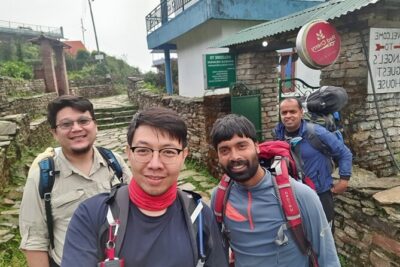
You can also expect consistent team support. Past experiences highlighted smooth organization from the company lead Tej, plus guides such as Amar, Dhan, and Ritika, with porters like Sanjay who kept things easy on the trail.
Should you book this Private 4-Day Poon Hill Trek?
I’d book it if you want a well-supported, private way to do Poon Hill without turning the trip into a logistics project. The inclusion list is the strongest argument: permits, registered guide and porter, lodge stays, meals, transport, and even practical support like water purification and oxygen saturation.
I would think twice if your entire plan depends on a perfect sunrise panorama. Clouds happen, and Poon Hill is not a guarantee. If you can roll with that, the rest of the trek—Ulleri views, Ghorepani village atmosphere, rhododendron walking to Tadapani, and Gurung culture in Ghandruk—still makes this a solid 4-day Annapurna choice.
FAQ
Where does this trek start, and where does it end?
It starts at the Pokhara Lakeside meeting point on Lakeside Rd in Pokhara, and it ends back at the same meeting point.
What time does the trek start?
The start time is 8:15am.
Is this a private trek?
Yes. It’s a private tour/activity, so only your group participates.
What’s included during the trek for meals and lodging?
During the trek, lodge accommodation is included along with breakfasts, lunches, and dinners (3 breakfasts, 4 lunches, and 3 dinners).
Are permits and guide/porter included in the price?
Yes. The price includes ACAP and necessary permits, plus a government registered guide and porter (including their expenses).
What transportation is included?
You get overland transportation as described in the itinerary, including jeep drives such as the route between the start area and the trekking trail, and the return to Pokhara at the end.
Is travel insurance included?
No. Travel insurance is not included, so you’ll want to arrange your own coverage before you go.
Is there free cancellation?
Yes, cancellation is free. You can cancel up to 24 hours in advance for a full refund.