REVIEW · KIGALI
From Kigali: 2-Day Gorilla Trek: Bwindi Nat Park
Book on GetYourGuide →Operated by Kawira Safaris Ltd · Bookable on GetYourGuide
Gorillas feel close enough to hear. This 2-day trip from Kigali to Uganda is built around mountain gorilla trekking and a smooth cross-border start.
I love how the plan keeps you focused: you drive in with an English-speaking guide, get settled at a nearby lodge, then you’re up early for the day that matters most. I also like the practical safari setup—a Land Cruiser with a pop-up roof makes it easier to photograph and spot movement while you’re traveling through the region.
A fair caution: the gorilla hour isn’t guaranteed. Trekking is physically demanding at high elevation, and park rules limit contact time—plus one-hour encounters can end early if the gorillas get agitated or retreat.
In This Review
- Key Highlights to Know
- Kigali to Uganda in Two Days: The Big Idea
- Day 1: The Drive North, a Border Stop, and Your Uganda Lodge Setup
- Day 2 Morning: Up Early, Park Headquarters, and the Trek Start
- Gorilla Tracking on Steep Ground: What the Hike Is Like
- Your One Hour With Gorillas: Rules, Surprises, and Patience
- Transfer Back to Kigali: The Plan After the Trek
- Transport and Guides: Why the Human Part Matters
- What You Pay: $560 Tour Cost vs. the Real Gorilla-Trek Total
- Bring the Right Gear: Small Choices With Big Payoff
- Timing and Group Dynamics: How to Avoid Common Friction
- Who This 2-Day Gorilla Trek Is Best For
- Should You Book This Kigali–Uganda Gorilla Trek?
- FAQ
- Which park will I visit on this 2-day trip?
- How many days is the experience?
- How much is the gorilla trekking permit?
- Where does the trip start and end?
- What kind of vehicle is used for transport?
- Is the tour private?
- Is this suitable for children?
- Are drones allowed?
- What are the main trek conditions on day 2?
Key Highlights to Know
- Mgahinga NP or Bwindi NP depending on your permit allocation, so your outcome depends on availability
- One guided hour with the gorillas (and it can end sooner if they pull back)
- High-altitude trekking (about 7,000–9,000 feet) through steep, thick brush
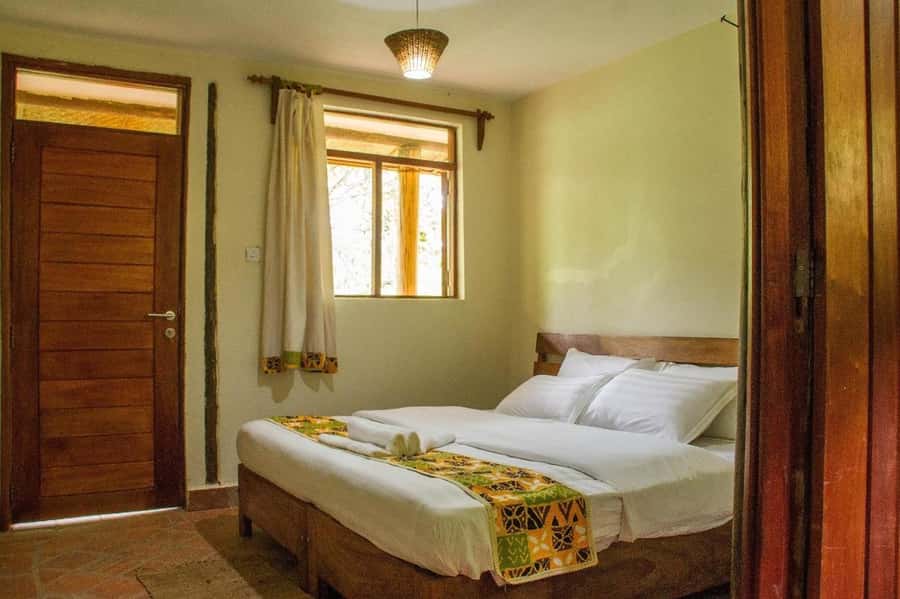
- Full-board lodge stay with a private bath and time to recover between travel days
- English-speaking driver/guide plus border assistance to reduce stress at the frontier
Kigali to Uganda in Two Days: The Big Idea
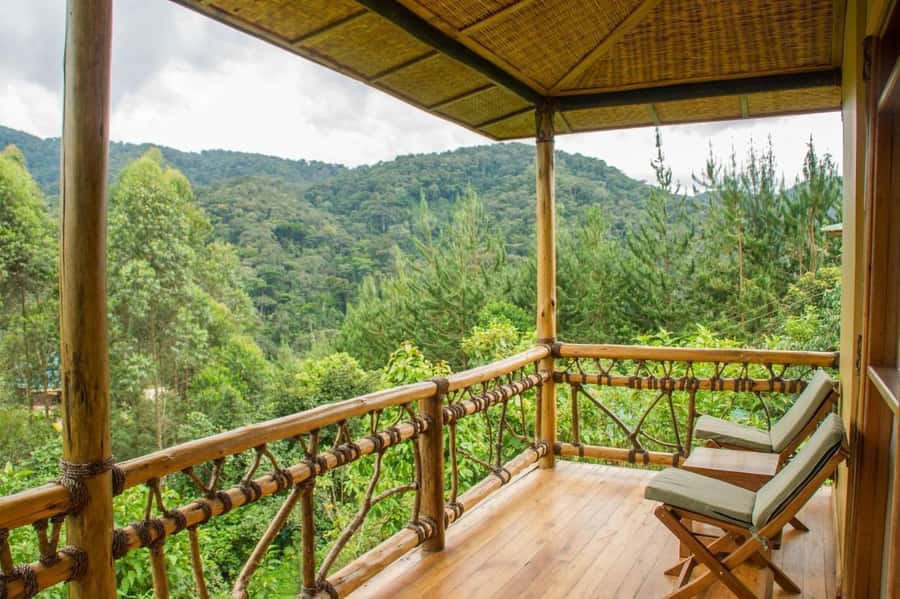
This is the kind of trip that compresses the “hard parts” into a clear schedule. You start in Kigali, cross into Uganda for the gorilla region (Mgahinga or Bwindi), track the gorillas, then return to Kigali the same afternoon/evening. It’s ambitious, but that’s also why it works: you get a real rhythm—drive and settle on day 1, trek on day 2—without wasting time.
The trip’s value isn’t just that you’ll see gorillas. It’s that you’ll understand what you’re doing and why. Tracking isn’t a stroll; it’s a guided hike with strict rules for protecting the animals and keeping people at a safe distance.
And while you’ll be in the gorilla zone for most of the experience, you’re also doing something many people miss when they plan these trips from scratch: you’re getting transport and coordination handled, including border assistance and airport/hotel transfers.
You can also read our reviews of more tours and experiences in Kigali.
Day 1: The Drive North, a Border Stop, and Your Uganda Lodge Setup
Day 1 starts with a departure from Kigali around 9:00am, heading roughly three hours northwest toward the gorilla area in Uganda. The exact park is determined by your permit allocation—either Mgahinga NP or Bwindi National Park. That matters because both parks have their own trekking logistics, scenery, and trail feel, but your day-1 structure stays similar.
You should expect a short border procedure for customs clearance. Even if you’ve traveled before, this is one of those moments where having assistance is worth real money. It saves time, reduces back-and-forth, and helps you avoid losing momentum before the trek day.
Once you reach the lodge area, you’ll likely be minutes from the main gate. That’s not just convenient—it’s strategic. When gorilla trekking day starts early, every saved minute helps you arrive less rushed, eat properly, and keep your energy for the hike.
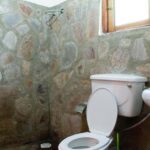
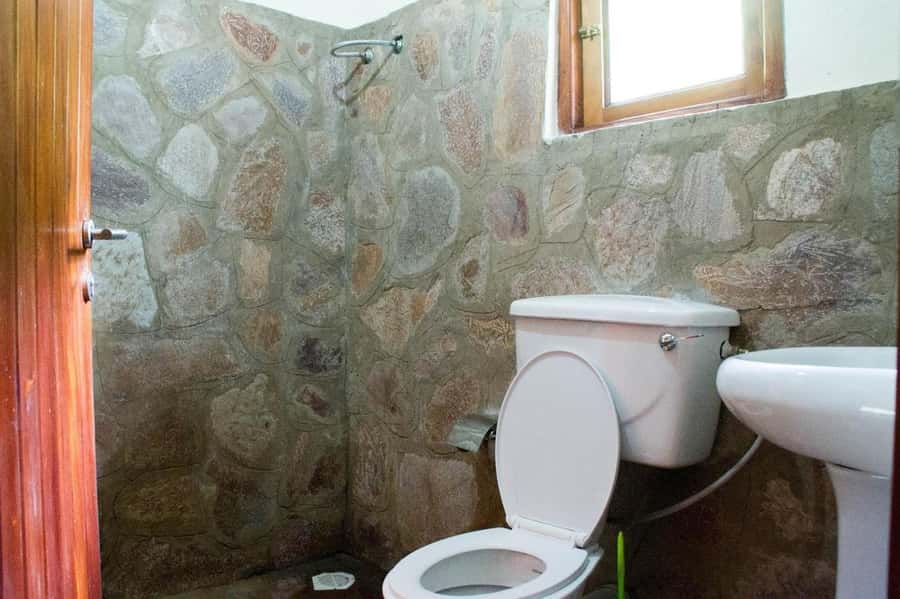
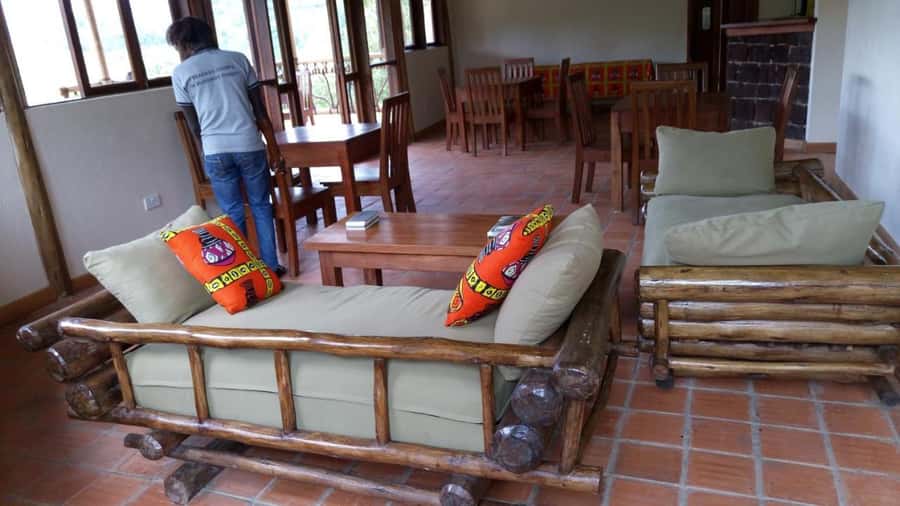
At the lodge, you can usually settle into a straightforward setup: rooms include a private bath with shower, and the lodge may have a restaurant and bar. Dinner comes after you’ve had time to decompress, and the overall tone is recovery mode—because you’ll need your legs tomorrow.
One included extra that can add meaning to day 1 is the cultural tour. The exact timing isn’t spelled out here, but it’s part of what you pay for, so when you plan your day, think: you won’t just be doing long travel and then sleeping. You should have some kind of cultural or local context built into the schedule.
Day 2 Morning: Up Early, Park Headquarters, and the Trek Start
Breakfast is served buffet-style starting around 6:00am, and you’ll be picked up for the drive to the national park headquarters at about 7:30am. The drive is short—around 30 minutes—so you’re not burning time in the vehicle before the hike.
At park headquarters, you meet your guides for the day, handle park formalities, and then the tracking begins. This is where the experience becomes more than a tour—it becomes a guided wildlife search with rules.
A key expectation: the day is built around a single big event, and that means you’ll likely feel the pace shift quickly from “travel day” to “trek day.” Mentally, I’d treat it like a summit day, not a casual morning walk.
Gorilla Tracking on Steep Ground: What the Hike Is Like
Your gorilla trek typically involves 2 to 4 hours of walking through thick brush and rugged terrain. Expect steep sections and uneven footing. You’re also at elevation, roughly 7,000 to 9,000 feet, which can make a normal pace feel harder than you expect.
This kind of terrain comes with two practical complications:
- Stinging nettles and ants can be part of the environment. Your guide will know the trails, but you’ll still need basic protection.
- Heat and humidity can build once you’re moving in the rainforest—so “just carry water” isn’t optional.
You should prepare for a trek that may or may not match your ideal hiking fitness level. One person’s 2 hours can still feel long if you’re stopping to keep footing. Another group’s 4 hours might still be manageable if you pace well.
Also, one real-world pacing detail: the trek can move at the pace of the slowest trekker in the group. That’s good for safety and cohesion, but it means you should bring patience and plan to follow the group’s rhythm. If you have a flight to catch, it’s worth mentioning timing needs early—there’s at least one example of the team accommodating a faster pace on the way back when someone had travel constraints.
Your One Hour With Gorillas: Rules, Surprises, and Patience
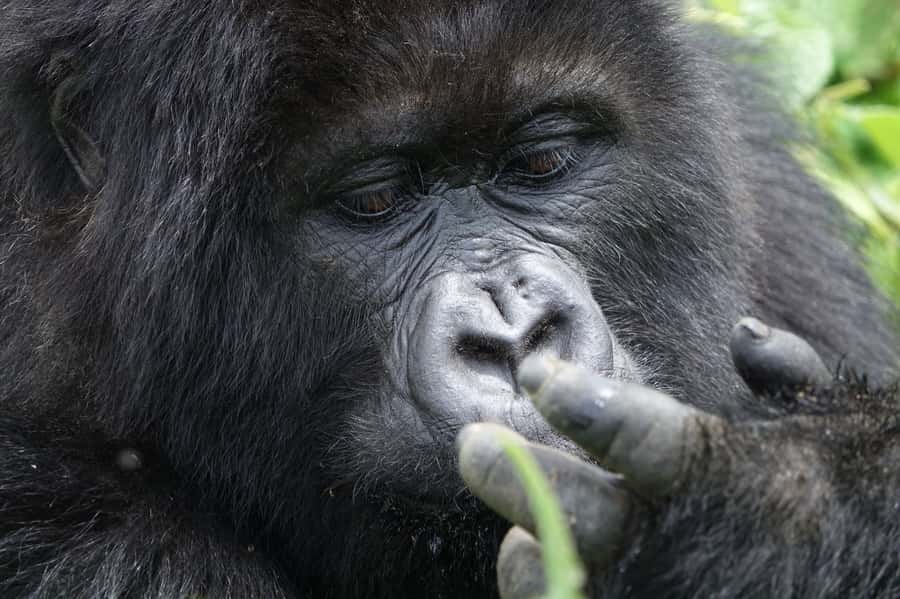
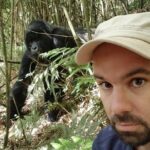
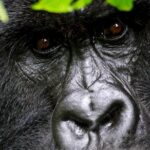
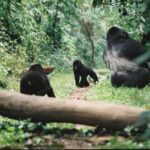
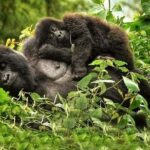
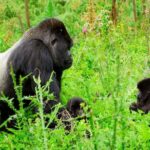
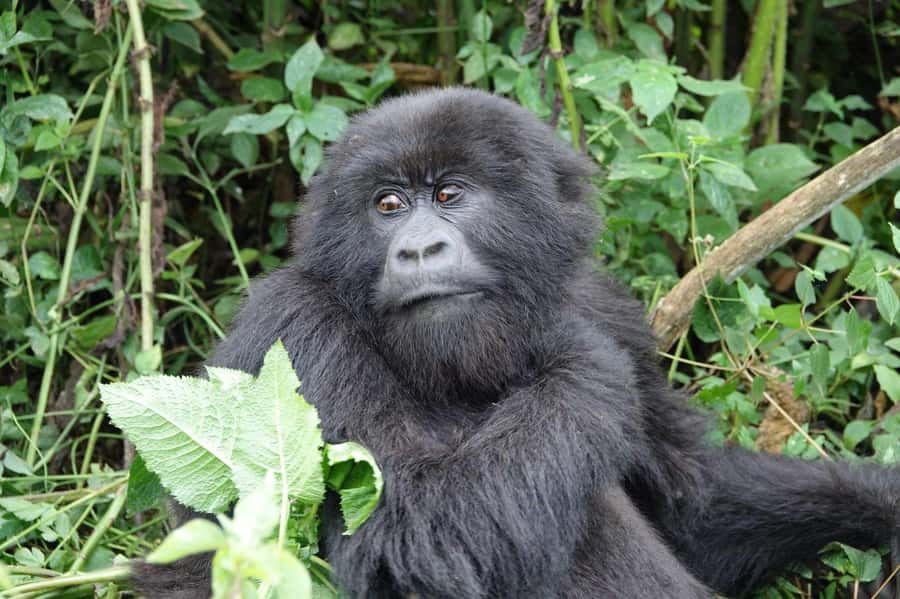
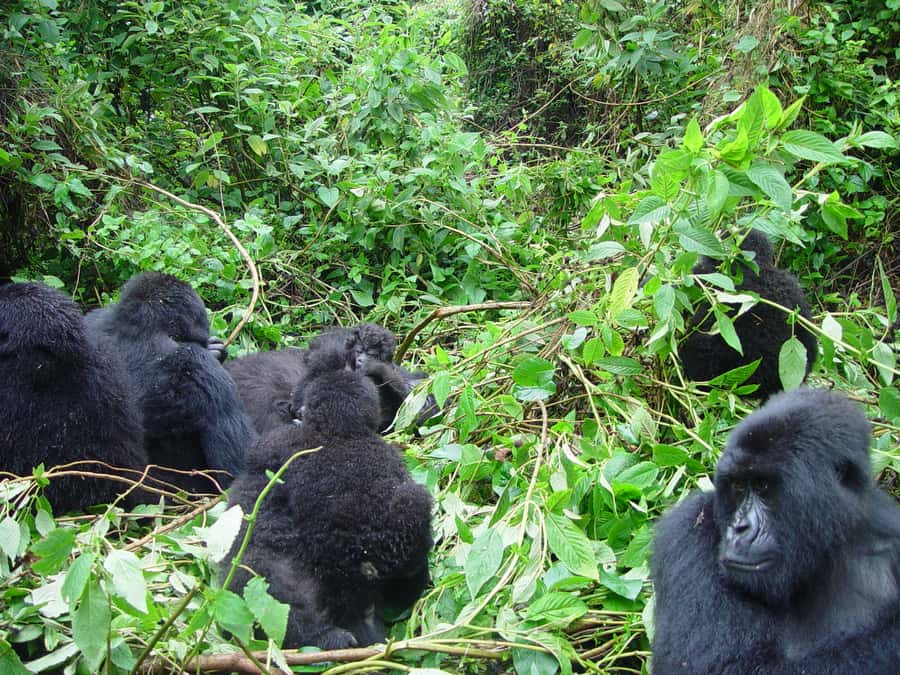
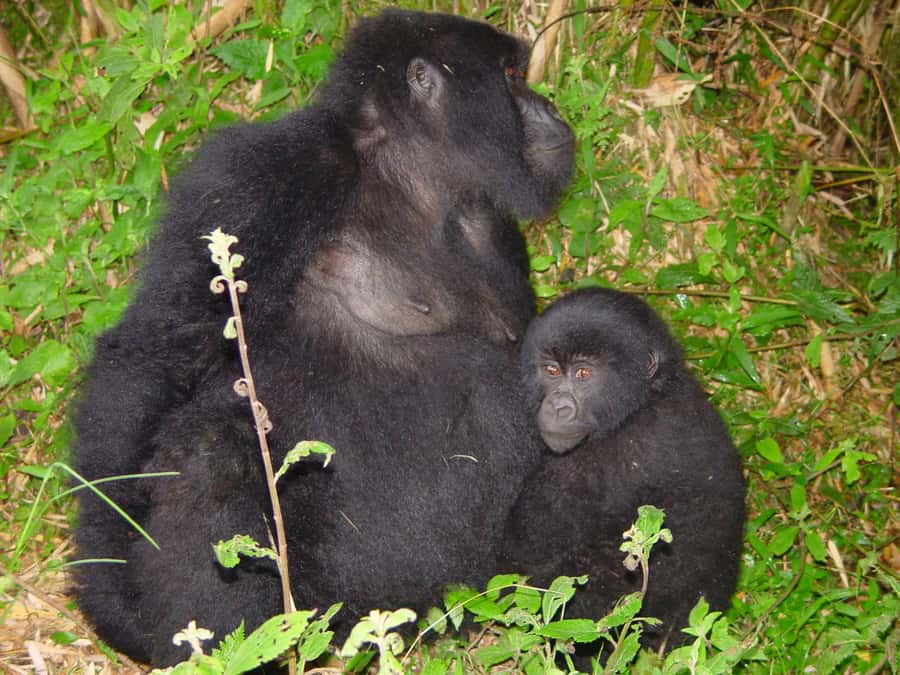
Once you spot the gorillas, you’re allowed one hour watching them closely. It’s the kind of wildlife moment that makes time feel different. You’ll likely be within meters, and the experience is intense in a quiet, almost surreal way—just you, your guide, and a family of rare animals moving through the forest.
But here’s the important reality check: the gorillas can become agitated and retreat back into the bush before the full hour is up. Contact time is also limited because overexposure to humans is harmful to mountain gorillas, and the park enforces those protections for a reason.
So go in with the right mindset:
- Expect stillness. Sometimes the gorillas are feeding or resting, and activity can vary.
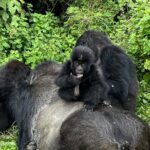
- Expect the unexpected. Even a “low activity” hour can become memorable when a baby appears, a family shifts position, or the group moves closer through the undergrowth.
One strong part of the experience is how close you can get while staying compliant with park rules. That balance—getting meaningful viewing without disrupting the animals—is exactly why gorilla trekking is worth doing with a professional guide.
Transfer Back to Kigali: The Plan After the Trek
After tracking, groups typically return to the lodge by about 1:00pm, depending on how long the hike takes. From there, you’ll transition back toward Kigali.
In the information here, your day 2 ends with a drop-off at your Kigali hotel or the airport for your flight home. This is where I’d stay practical: if you’re booking flights, build in buffer time. A gorilla trek is nature, and nature doesn’t run on your timetable.
Also, plan for a “recovery gap” between the trek and your next meal. The itinerary notes don’t spell out a detailed lunch stop after trekking; one past booking described a very long stretch without food after an early start. I can’t promise that timing will match any other trip, but it’s smart to ask your operator how meals are handled after the trek so you don’t end up improvising.
Transport and Guides: Why the Human Part Matters
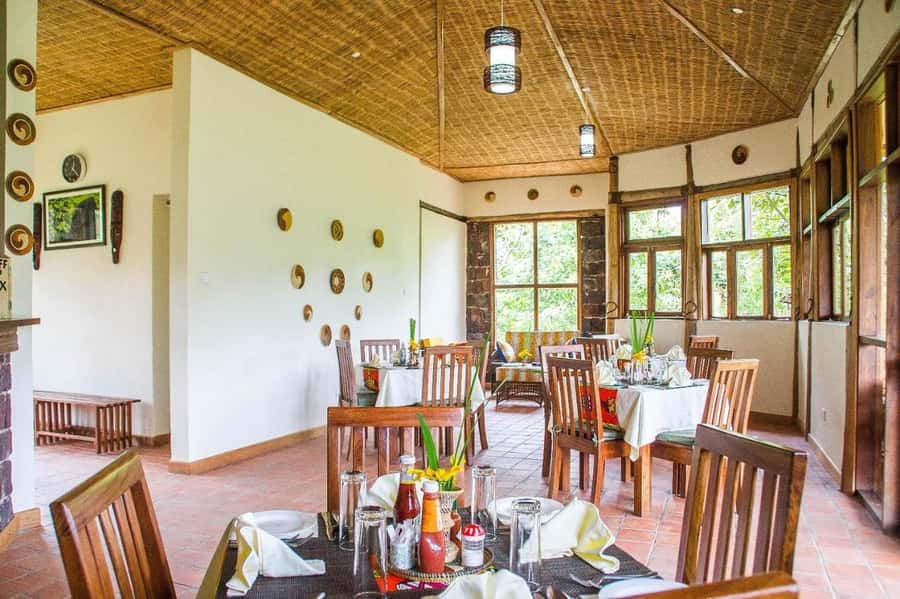
This trip includes an English-speaking driver/guide and guiding fees, plus border assistance. Those elements are not glamorous, but they’re the difference between a stressful start and a smooth one.
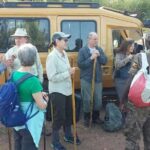
You’ll travel in a Safari Land Cruiser with a pop-up roof, which helps you photograph and see movement through the region while you’re driving. It also makes the long-distance feel less flat, because you’re not stuck looking through tinted glass.
The guide team quality shows up in real details from previous bookings: names like Jeff, Hassan, and Zidane came up as standout drivers/hosts, and people specifically praised how attentive the service felt—especially in Uganda lodge situations. While you can’t control which guide you get, you can control how you prepare: arrive with questions, be clear about your fitness level, and ask what clothing and protection items are most important for your trek.
One included “comfort tool” that I appreciate is the complementary walking stick. It won’t replace good footwear, but in steep, brushy terrain, it can make a meaningful difference.
What You Pay: $560 Tour Cost vs. the Real Gorilla-Trek Total
The tour price is $560 per person and lasts 2 days. That base rate covers a lot of the logistics: accommodation on full board, transfers, transport in the Land Cruiser, cultural tour inclusion, guiding fees, and border assistance.
But the gorilla trek permit is the big separate cost: $800 per permit, not included. So your working total is closer to $1,360 per person, before you add visas and international flights.
Is it worth it? For many people, yes—because gorilla trekking isn’t a DIY activity. Permits are limited, the rules are strict, and the trekking needs local expertise. You’re paying for coordination and for the professional guide time that keeps the day safe and compliant.
Two practical tips for value:
- If you’re comparing options, compare the all-in trek day structure, not just the headline price. A cheaper package that doesn’t include guiding fees or full-board can cost more in the end.
- If you’re budgeting, treat the permit as non-negotiable, then treat the $560 as the cost of getting there comfortably and on schedule.
Bring the Right Gear: Small Choices With Big Payoff
You’ll want to pack like the hike is part of the event, because it is. The notes are clear on the main needs:
- Good hiking boots (terrain is steep and rugged)
- Long trousers and gloves to protect against stinging nettles
- Sufficient water (rainforest heat and humidity can surprise you)
- Snacks and sweets for you (not for the gorillas)
The day is also sensitive to health. Park authorities can refuse entry if you show obvious signs of illness, and that’s not a small clause—it’s how the system protects gorillas from human disease.
Also, follow the clear rules:
- No drones
- No alcohol and drugs
These may sound obvious, but in the real world, rules like this are sometimes where trips get derailed. Just plan clean and simple.
Timing and Group Dynamics: How to Avoid Common Friction
A private group is included, which usually means less hassle than a big shared departure. Still, the trek itself depends on where gorillas are found and how long tracking takes.
Two dynamics to keep in mind:
- Group hiking pace: trekking can move at the pace of the slowest trekker. If you’re fit, it might still feel like you’re controlling the group pace.
- Trek time isn’t fixed: even if the trek is estimated, the actual discovery moment depends on the forest and the gorillas’ movements.
One booking example described a schedule slip on day 1 (a pickup arriving later than planned) and an unexpectedly thin day-1 experience. That’s not guaranteed for every departure, but it’s a good reminder to ask for a clear day-1 timeline once you arrive. If the schedule changes, you’ll want to know whether the cultural tour and meals align with your expectations.
Who This 2-Day Gorilla Trek Is Best For
This works best if you:
- Want a high-impact gorilla experience without spending a full week in the region
- Are okay with a demanding hike at high elevation
- Prefer guided coordination for permits, borders, and park procedures
- Can commit to the rules that protect gorillas (including limited contact time)
It is not suitable for children under 15. And if you’re recovering from an injury or don’t handle steep hikes well, talk to your provider before booking—because the trek is described as fairly strenuous and sometimes longer than expected.
Should You Book This Kigali–Uganda Gorilla Trek?
I’d book it if you want the classic gorilla-tracking experience with serious logistics taken care of: transfers, a nearby lodge setup, English guidance, and professional support from Rwanda into Uganda and back.
I’d hesitate if you’re the kind of traveler who needs a very exact schedule every hour of the day, or if your fitness level is shaky for steep rainforest terrain at altitude. In that case, consider a more gradual itinerary—or at least be very clear with your guide about pacing and meal needs.
If you do book, go in prepared: pack gloves and boots, hydrate, and remember the gorillas set the tempo once you’re close. The reward is a rare chance to watch one of the world’s most endangered primates at very close range while following rules that keep them safe.
FAQ
Which park will I visit on this 2-day trip?
You’ll go to Mgahinga National Park or Bwindi National Park, depending on your permit allocation.
How many days is the experience?
It’s a 2-day trip.
How much is the gorilla trekking permit?
The permit is $800 per person (per permit) and it isn’t included in the $560 tour price.
Where does the trip start and end?
It starts in Kigali and returns you back to Kigali for drop-off at your hotel or airport.
What kind of vehicle is used for transport?
You travel in a Safari Land Cruiser with a pop-up roof.
Is the tour private?
Yes, it’s listed as a private group.
Is this suitable for children?
No. It’s not suitable for children under 15.
Are drones allowed?
No, drones are not allowed.
What are the main trek conditions on day 2?
The trek typically involves 2 to 4 hours of walking over steep, rugged terrain at about 7,000 to 9,000 feet, with possible exposure to stinging nettles and ants, and limited viewing time (contact is limited to one hour).