REVIEW · KATHMANDU
Langtang Valley Trek
Book on Viator →Operated by Nepal High Trek & Expedition Pvt. Ltd · Bookable on Viator
Langtang Valley has a way of feeling close to the clouds. This 7-day trek takes you from Kathmandu overland to Syabrubensi, then step-by-step through Langtang National Park forests and up to Kyanjin Gompa without needing technical climbing skills. I love that the trip is set up for low-adventure travelers with a moderate, gradual route and lower altitudes than many big-name treks. I also like how much is handled for you, especially permits and a licensed guide for the full trek. One drawback to plan for: the days can be long and you’ll want a solid baseline fitness level, even if the difficulty is described as moderate.
What makes it practical is the rhythm: a 6:45 am start, overland jeeps, private accommodation during the trek, and daily support through to your return to Kathmandu. You’re also eating well for the effort, with breakfast, lunch, and dinner plus hot drinks and seasonal fruit during the walk. If you hate early starts or prefer slow half-days, this may feel like too much time on your feet.
In This Review
- Key points to know before you go
- Getting going at 6:45am: from Kathmandu to Syabrubensi
- Forest walking in Langtang National Park: Syabrubensi to your first major overnight rhythm
- River upstream to Langtang village: gorge trails and Ghodetabla cooler air
- Kyanjin Gompa: the short steep climb that feels like the main event
- Downhill reset from Kyanjing to Lama Hotel
- Final trail day to Syabrubensi, then back to Kathmandu
- Permits, licensed guide, and meals: why the trek feels low-stress
- How “moderate” plays out on real walking days
- Guides and crew: the difference between okay and memorable
- Price and logistics: what $555 really buys
- What to pack for a week of long forest days
- Should you book Langtang Valley Trek?
- FAQ
- What is the duration of the Langtang Valley Trek?
- Where does the trek start?
- How much does the tour cost?
- Is a guide included?
- Are permits included?
- Does the price include meals?
- Is transportation included?
- Are hot drinks and fruit included?
- What is not included in the price?
- Can I cancel for a refund?
Key points to know before you go
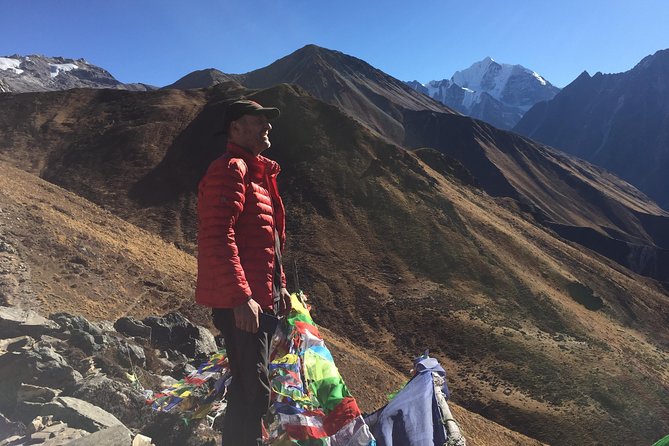
- Licensed guide + TIMS and park permits included, so you can focus on walking instead of paperwork
- Long forest days with river crossings and gorge trails, great if you enjoy steady hiking more than big thrills
- Kyanjin Gompa as the main destination, with a payoff that comes after a short steep push
- Private accommodation during the trek, plus meals, hot beverages, and seasonal fruit built in
- Local sharing jeep transport both ways, which keeps costs down but means you’ll match the group pace
Getting going at 6:45am: from Kathmandu to Syabrubensi
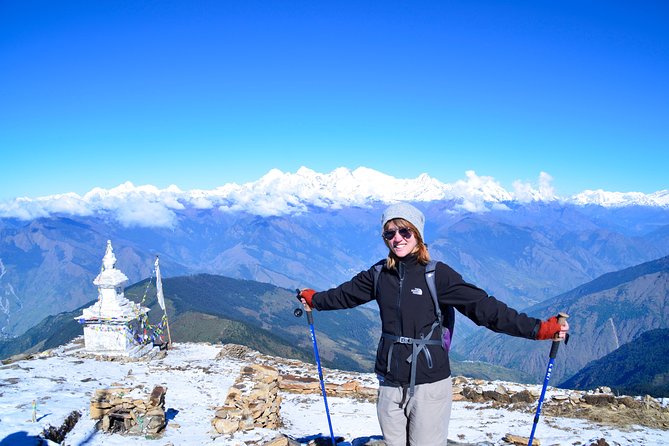
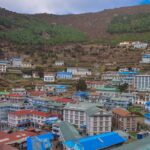
Your day begins early at 6:45 am with a hotel pickup and an overland drive north toward the Langtang Himal region. You’ll spend about eight hours on the road to reach Syabrubensi village, and the total Day 1 timing is listed around 12 hours. It’s a long transfer day, but it’s part of the appeal: you’re not just landing in a trailhead, you’re watching the scenery shift toward the mountains as the day moves on.
Why this matters for your experience: Langtang is a trekking route where the journey itself sets expectations. By the time you’re in Syabrubensi, you usually feel like you’ve already started the adventure. The tour also includes things that reduce friction—like a guide for the duration and local transportation organized for you—so you don’t end up spending time sorting logistics in a place that’s moving at a different pace than Kathmandu.
You can also read our reviews of more tours and experiences in Kathmandu.
Forest walking in Langtang National Park: Syabrubensi to your first major overnight rhythm
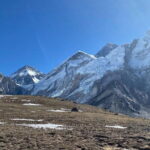
Day 2 is the start of the real trekking flow. From Syabrubensi village, you cross a bridge over the Langtang River, then begin an uphill climb into farm areas and into a green, dense forest. This is where the trek feels “beginner-friendly” in the best way: the terrain is described as gradual, and the route is focused on steady movement rather than technical challenges.
The day is listed at about 14 hours, so don’t think of this as a casual stroll. The upside is that forest trekking is a practical win: you often get natural shade and a sense of direction as the trail funnels you onward. The tour notes Langtang National Park permit and TIMS as included, which is exactly what you want for a place like this—proper entry, proper route authorization, and less stress once you’re on the trail.
One consideration: long days on forest paths can still be tiring. Even on “moderate” routes, your legs need time to adjust. I’d treat Day 2 like a pace-setting day, not a day to force speed.
River upstream to Langtang village: gorge trails and Ghodetabla cooler air
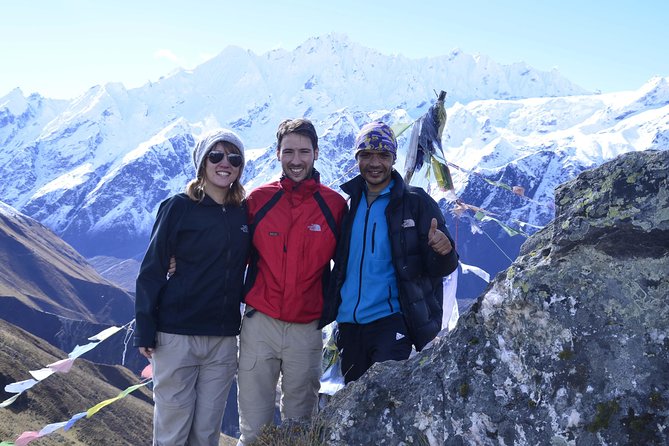
On Day 3 you begin from Lama Hotel, and the trail follows the river upstream through deeply forested areas and a gorge. The route is described as moving through a cooler stretch past Ghodetabla, then continuing to Langtang village for overnight.
This is the kind of day that rewards hikers who enjoy the in-between moments: the sound of the river, the changing light in a gorge, and the gradual tightening of the terrain as you move onward. It’s also a strong day for “first-time trekking” confidence, because the focus is on consistent hiking and staying steady, not on scrambling.
The day is listed around 15 hours, which is on the long side. If you’re new to trekking, you’ll likely feel it most in the rhythm of walking for hours while carrying your needed day items. Bring a water plan and take short, regular breaks so your body doesn’t spike into fatigue too quickly.
Kyanjin Gompa: the short steep climb that feels like the main event
Day 4 brings your final major destination: Kyanjin Gompa. The trek starts with a short steep climb to reach a ridge as you leave the forested area, then continues along the trail toward the gompa.
This is a great “signature day” because it mixes effort with purpose. Many treks have a big summit moment, but Langtang’s standout feature is that it leads you to a spiritual destination in the mountains—so the day feels meaningful even if you’re not chasing a peak. Also, one of the reasons this trek works for beginners is that the steep part is described as short. It’s not a long, grinding climb the whole day.
Timing is listed around 14 hours. Expect the day to feel like work, especially if you start the climb with tight legs. I’d recommend warming up slowly rather than going hard at the start.
Downhill reset from Kyanjing to Lama Hotel
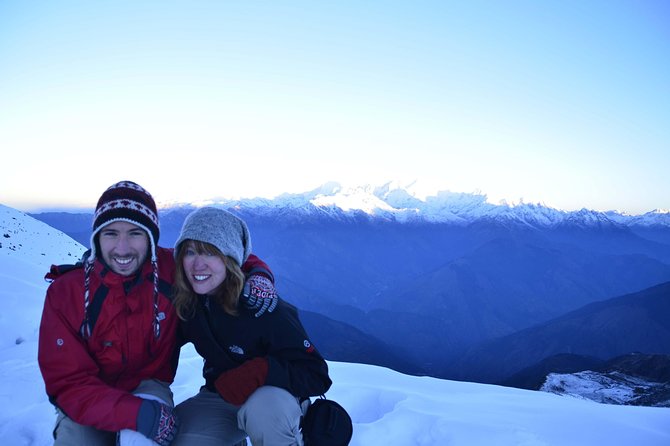
Day 5 turns the tempo down a notch. After your time around Langtang Valley at Kyanjing, you finish with a downhill walk to Lama Hotel, where you spend the night. This is listed at about 12 hours.
Downhill days can feel easier than uphill, but they’re often tougher on the knees and ankles. The best way to handle it is simple: shorter steps, controlled descents, and boots or shoes that you trust on uneven ground. If you’ve trained for hills, you’ll notice the difference here.
This day is also a mental reset. By now, you’ve spent several days moving through forest and gorge trails. A valley-focused day gives your eyes a chance to rest while your legs keep moving.
Final trail day to Syabrubensi, then back to Kathmandu
Day 6 begins from Lama Hotel with a downhill trek through the forest and a crossing over a bridge, ending with your last overnight stop in Syabrubensi. The day is listed around 12 hours.
Day 7 is the return drive: after your morning start, you’ll take an overland journey back to Kathmandu, listed at about 13 hours. This is a long road day again, but it’s the finish line that turns a week of effort into a story you can actually tell: you walked up into the mountains, and now you’re driving back out.
If you like closure, this works well. You don’t feel rushed or stranded at the end. You’re simply transported back to Kathmandu after the last trek day.
Permits, licensed guide, and meals: why the trek feels low-stress
This tour covers the logistics that usually eat time and energy. You get a government license holder mountain guide for 7 days, plus Langtang National Park Permit & TIMS Card. You also get both-way transportation by local sharing jeep, and the tour includes 6 nights of private accommodation during the trek.
Food is also handled. You’re scheduled for 7 breakfasts, 7 lunches, and 7 dinners, and you’ll receive 3 cups of hot beverage per day during the trek. Seasonal fruit is included, and there’s a medical kit bag.
Value angle: at $555 per person, the key question is what you’re not paying for separately. Here, the price bundles the hardest-to-manage items—permits, the guide, and a full meal plan—plus transport. That’s money saved in both cost and mental load. If you’ve tried to organize permits and guides on your own before, you’ll appreciate the time this removes.
What’s not included matters too. Travel insurance isn’t included, city hotel isn’t included, and tips for trekking crews aren’t included. Also, porter costs and private jeep are listed as an option at $190 per booking.
How “moderate” plays out on real walking days
The trek is described as moderate, with gradual terrain and lower altitudes than some other Nepal treks, which makes it a strong option for beginners and low-adventure hikers who still want Himalaya scenery. That said, the itinerary timing reads as long hiking days: roughly 12 to 15 hours across multiple days.
So here’s the practical way to judge fit: if you can handle hours of walking with a backpack, and you can start early without falling apart, you’ll likely do well. If you want a very light day every day, you might find the duration wearing.
One more note: the route includes forest climbs, a ridge push, gorge sections, and multiple downhill stretches. None of that is “technical,” but it’s still movement for your whole body. Plan to slow down when trails get uneven.
Guides and crew: the difference between okay and memorable
The tour’s quality often comes down to how your guide manages pace, explanations, and on-trail problem solving. In the examples shared by past groups, names like Nabin, Buddhi, Laku, Padam, Sam, and Pawan show up as guides, each praised for being professional and attentive.
A theme you should care about: good guides help you feel safe and informed without turning the day into a lecture. People highlighted guides who carry a warm tone, adjust to the group’s rhythm, and explain local history and traditions in a way that makes the scenery feel connected, not random.
You’ll also see the porter role praised, including Tenjin. Even if you carry your own day items, a strong porter team can make the trek feel smoother because it keeps your logistics tidy and your energy for walking.
One practical takeaway for you: if you book this, communicate your fitness level and any concerns early. A great guide can only adjust well if they know what you need.
Price and logistics: what $555 really buys
At $555 per person, this trek includes a lot of the “expensive headaches”: a licensed guide, park permits, TIMS, private accommodation during the trek, meals three times a day, hot drinks, seasonal fruit, and the local sharing jeep transport both ways.
That’s why this price can feel fair compared to DIY trekking. The bulk of what you’d pay for on your own is the guide/permits and the coordination of food and lodging while you’re on trail. Here, you’re getting those bundled with the trek structure.
Then come the add-ons:
- Travel insurance is not included.
- Tips aren’t included.
- Porter costs and a private jeep option are listed as $190 per booking.
If you’re trying to travel light and save money, you can skip the porter option. If you want fewer demands on your legs and shoulders, you might consider it, especially if you’re still building trekking strength.
What to pack for a week of long forest days
The tour data doesn’t list a specific packing list, so I’ll keep this practical and general for a 7-day Himalayan trek:
- Layers: mornings can feel cool, especially on forest and ridge sections.
- Rain protection: even if the weather looks calm in the city, mountain trails can change quickly.
- Sturdy footwear: you’ll do climbs and downhill walking, so traction matters.
- A small day pack: water, snacks, and your personal essentials.
- Sunglasses and sunscreen: ridge days can get bright.
- Cash and a simple payment plan for any personal extras not included (tips, insurance, or optional private transport).
You’ll also get hot beverages daily and meals included, so you’re not stuck hunting for food. That helps you pack smarter.
Should you book Langtang Valley Trek?
If you want a solid beginner-to-intermediate Himalayan trek that mixes forest trails, river gorge walking, and a main destination at Kyanjin Gompa, this is an easy “yes” to consider. You also get strong value in the way the trek is supported: permits, licensed guiding, private accommodation during the trek, and meals are built into the price.
Book this if:
- you can handle long walking days
- you like structured guidance and don’t want to manage permits
- you want a trek with meaningful cultural stops, not just scenery
Think twice if:
- early starts and 12 to 15 hour days would wear you down
- you need a very flexible, low-commitment itinerary
- you don’t want to budget for tips and optional porter/private transport
If you match that fitness reality, Langtang Valley is a rewarding way to see the Himalaya up close without turning the trip into a technical expedition.
FAQ
What is the duration of the Langtang Valley Trek?
It’s listed as 7 days (approx.).
Where does the trek start?
The trek starts in Kathmandu, with the meeting point pickup and an early departure around 6:45 am.
How much does the tour cost?
The price is $555.00 per person.
Is a guide included?
Yes. A government license holder mountain guide is included for 7 days.
Are permits included?
Yes. Langtang National Park Permit & TIMS Card are included.
Does the price include meals?
Yes. Breakfast (7), Lunch (7), and Dinner (7) are included.
Is transportation included?
Yes. Both way transportation is included by local sharing jeep.
Are hot drinks and fruit included?
Yes. The trek includes 3 cups of hot beverage per day and seasonal fruits during the trek.
What is not included in the price?
Travel insurance, hotel in the city, tips for trekking crews, and porter cost (or private jeep option) are not included.
Can I cancel for a refund?
Yes. Free cancellation is available up to 24 hours in advance for a full refund.