REVIEW · KATHMANDU
Manaslu Circuit Trek:
Book on Viator →Operated by Nepal High Trek & Expedition Pvt. Ltd · Bookable on Viator
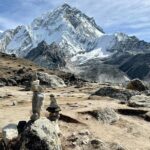
Manaslu feels remote for a reason. This restricted trek circles Mount Manaslu (8,163m) with a real highlight: crossing Larkya La Pass around 5,100m for big, clear views and prayer-flags-on-the-wind moments. I love the mix of Himalayan scenery with living villages—Gurung, Tamang, and Bhote communities—plus the calm, Tibetan-influenced feel in places like Samagaon and Samdo. I also like that the trip builds in acclimatization time instead of rushing you. The main drawback to plan for is altitude and weather: at the pass, conditions can be cold and visibility can change fast.
A lot of the value here is not just the trail. You get a structured 14-day flow with overland transfer, teahouse stays (twin sharing), and meals during the trek, plus permits handled for you. You’ll still be the one doing the walking, so this is best if you’re comfortable with long hiking days and the idea that you’ll adjust your pace to the group.
In This Review
- Why the Manaslu Circuit Trek is worth your time
- Manaslu Circuit Trek: the big picture before you pack
- Kathmandu Day 1: orientation, food, and getting your bearings
- Day 2 overland to the trek: warm air, then river villages
- Day 3: hot springs and the Buri Gandaki river rhythm
- Day 4: from Jagat toward ridge-country and Deng
- Day 5: Bihi Bazaar, barley and millets, and Lo Gaon views
- Day 6: higher paths, fewer trees, Samagaon in view
- Day 7: Manaslu views with Lho and Syala viewpoints
- Day 8: rest day at Sama Gaon for acclimatization and culture
- Day 9: to Samdo—border closeness and thinner air
- Day 10: downhill to Budhi Gandaki, then Larke Phedi
- Day 11: Larkya La Pass—where the trek turns legendary
- Day 12: from Bhimtang down through forests, back toward the Annapurna trail
- Day 13: the drive back to Kathmandu and a needed reset
- Day 14: fly out when your schedule allows
- Price and value: what $1,099 includes (and what you should budget for)
- Lodges, meals, and daily comfort on the trail
- Guides, pace, and how safety really works here
- Who should book Manaslu Circuit, and who should hold off
- FAQ
- FAQ
- How long is the Manaslu Circuit Trek in this package?
- Where does the trek start and end?
- What is the highest point on the trek?
- Are trekking permits included?
- Are meals included during the trek?
- What kind of accommodation is used on the trek?
- Is Kathmandu accommodation included?
- What is not included in the price?
Why the Manaslu Circuit Trek is worth your time
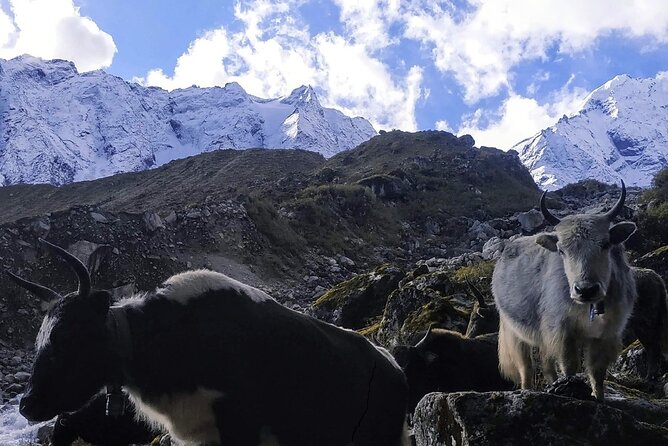
- Larkya La Pass payoff: a high, exposed crossing near 5,100m with panoramic views.
- Restricted-region feel: fewer crowds than some famous routes, with a quieter pace through real villages.
- Culture at trail level: traditional communities and monasteries along the way, not just summit dreams.
- Accredited guiding: a government-registered expert trekking guide and planned pacing for altitude.
- Included permits: TIMS plus the Manaslu special permit and ACAP permit are part of the package.
- Manaslu Conservation Area: chance to see local flora and fauna as you hike.
Manaslu Circuit Trek: the big picture before you pack
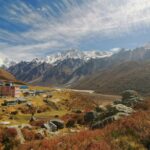
The Manaslu Circuit is one of Nepal’s “serious-but-doable” treks: not a walk in the park, but also not a technical climbing expedition. What makes it stand out is how the scenery and culture change day to day as you gain and lose altitude. You’re moving through terraced fields, rhododendron forests, and then up into harsher high-mountain terrain as the circuit tightens around Manaslu.
This version runs about 14 days and is built around a key altitude moment: Larkya La Pass. Expect cold mornings, slower steps in thin air, and the need to drink water even when you don’t feel thirsty. If you like a trek that feels “authentic and remote,” this one fits. If you want guaranteed views every day, I’d still book—but keep your expectations flexible for weather.
One more practical point: the route includes both walking days and overland/jeep movement. That matters because your day-to-day energy isn’t just about hiking. Some days have long drives that can feel tiring after you’ve already been trekking.
You can also read our reviews of more tours and experiences in Kathmandu.
Kathmandu Day 1: orientation, food, and getting your bearings
Your trip starts in Kathmandu with an airport pickup and a transfer to the hotel. On arrival, you’ll check in, then join a group briefing focused on trekking do’s and don’ts for the Manaslu Circuit.
What I like about this setup is that you get the rules up front, before you’re exhausted from travel. You also have group dinner at a typical Nepalese restaurant that evening, which is a good way to meet your trekking companions and get comfortable with the routine. Two nights in Kathmandu are included here, with breakfast.
Consideration: Kathmandu traffic and altitude-adaptation both matter. If you arrive late or feel unwell, it can be a slow start. Use the first day to rest and hydrate.
Day 2 overland to the trek: warm air, then river villages
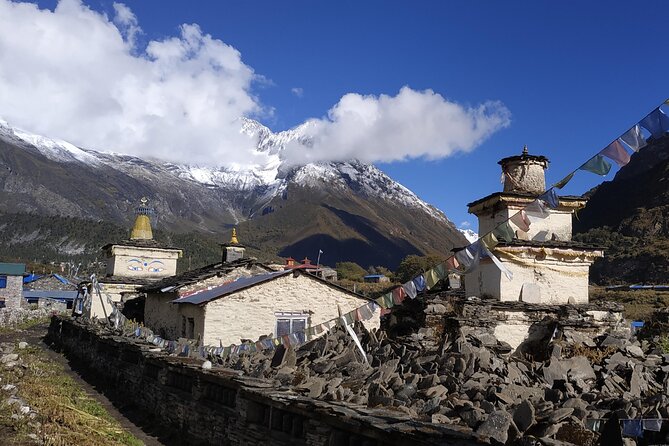
Day 2 is the transition day. You’ll travel overland toward the warmer Gorkha district area, reaching Arughat, then continue by dirt road to Machha-Khola, a small village on the trail.
This day is long in a different way than hiking. You’re moving for hours, often on less-smooth roads, so your legs may feel stiff when you finally stop walking. But that’s also why it works as a start: you get into the rhythm without jumping straight into high altitude.
Day 3: hot springs and the Buri Gandaki river rhythm
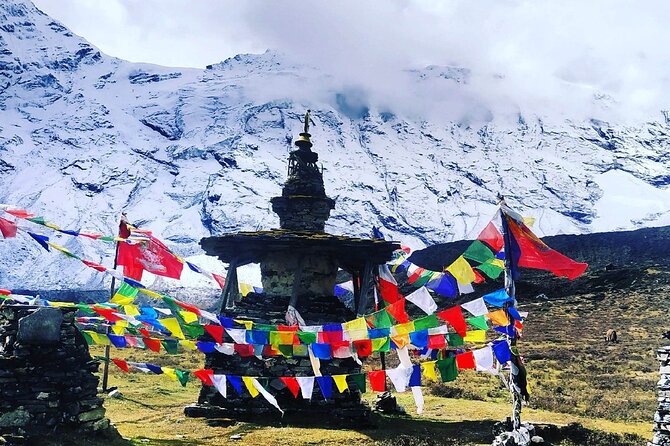
On Day 3, the walking begins along the Buri Gandaki River upstream banks. The route winds toward Tatopani, a village known for natural hot springs—so if time and energy allow, you can soak and loosen up.
After Tatopani, you climb toward Jagat for the overnight. This is the kind of day where the trail feels like a “support act” to the bigger high pass story, but it’s still important: it sets your hiking pace and gets you used to the daily climb-and-descend rhythm.
Possible drawback: the hot-spring stop depends on timing. If you’re strict about schedules, plan for the fact that this kind of bonus can be limited by weather and group pace.
Day 4: from Jagat toward ridge-country and Deng
Day 4 pushes you higher. You move past rural farm villages, cross bridges, and reach larger settlement areas like Philim, then continue toward Deng for the night.
There’s a mix here of agriculture (terraced wheat and barley) and bamboo forest sections that can feel like a breath of cool air after hotter lower valleys. The walking day is also labeled as long—so expect a full day on your feet.
Consideration: if you’re prone to sore knees, watch your downhill form. The days build, and by the time you reach the pass you’ll be glad you protected your joints early.
Day 5: Bihi Bazaar, barley and millets, and Lo Gaon views
Day 5 continues the varied valley-to-ridge progression. You start around Dyang, move into cooler terrain with more altitude gain, then follow the Buri Gandaki River toward Bihi Bazaar. From there it’s farm villages and cultivated fields—barley, wheat, and millets—until you reach Numrung and continue toward Lo Gaon.
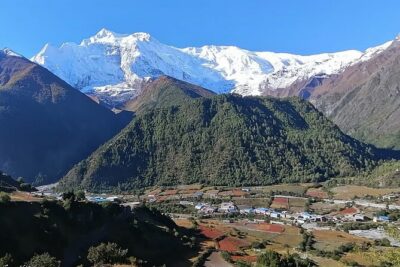
Lo Gaon is singled out for excellent views of the Manaslu North Face. This is one of those “you’ll notice the mountain more and more” days. The closer you get, the more the trek turns from scenery into a visual obsession.
Practical tip: take photos early in the day when skies are often clearer, but don’t rush the walk just to chase light. The point is to keep moving steadily.
Day 6: higher paths, fewer trees, Samagaon in view
Day 6 is a steady climb. As tree lines fade, the trail shifts to more open, higher paths with juniper bushes and willows. You’ll keep facing peaks as the route leads to Samagaon for the night.
Samagaon is one of the key nodes on this trek, and it’s not only because of its location. It’s also a cultural shift point: it feels closer to Tibetan-influenced ways of life, and that shows up in the day’s atmosphere and village layout.
Day 7: Manaslu views with Lho and Syala viewpoints
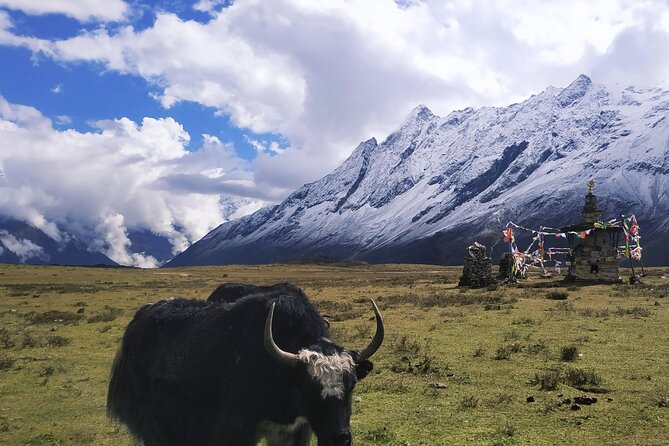
Day 7 is a big scenery day. After breakfast, you walk about 6 to 7 hours toward Samagaon’s viewing points, with pauses at Lho and Syala.
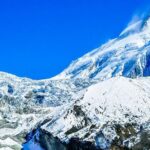
You’ll get strong, snow-capped views of Mount Manaslu from these vantage moments. It’s the kind of walking that makes you slow down without realizing it—because you keep turning your head back toward the mountain.
Consideration: these days can be mentally demanding. If you get lightheaded, still keep the pace easy and let your guide help you adjust.
Day 8: rest day at Sama Gaon for acclimatization and culture
Day 8 is intentionally not a grind. It’s a rest day in Sama Gaon for acclimatization and to prepare for higher areas, including the route toward Manaslu Base Camp (noting a high camp elevation around 4,800m in the trek description).
This day is valuable because altitude doesn’t care about your motivation. Slow down here and you’ll usually feel better when the hike gets steeper.
In this region, you’ll also get more of the Tibetan-like cultural vibe—traditional way of life and the feel of a mountain community connected to trade routes.
Day 9: to Samdo—border closeness and thinner air
On Day 9, you head from Sama Gaon toward Samdu/Samdo. The walk can be manageable by time, but altitude makes it feel slower due to dry air.
Samdo is described as the last village before the Larke-la area and has a strong Tibetan influence because of its proximity to the Tibet border, including ongoing trade. This is the part of the trek where the cultural feel and the high-mountain setting start to lock together in your mind.
Practical note: keep your clothing system ready—layers and warm outerwear matter more on colder days like this.
Day 10: downhill to Budhi Gandaki, then Larke Phedi
Day 10 shifts the rhythm. You go downhill toward the Budhi Gandaki River, cross it, then climb again through Larkya Bazaar and the Salka Khola valley to Dharmasala, also known as Larke Phedi.
This is about a 4-hour normal-days drive/walk stretch from Dharmasala region in the itinerary description, and there’s a stated high chance of seeing blue sheep here. Even if you don’t see them, this section helps set expectations for the big pass day: exposed terrain, cold air, and less village life.
Day 11: Larkya La Pass—where the trek turns legendary
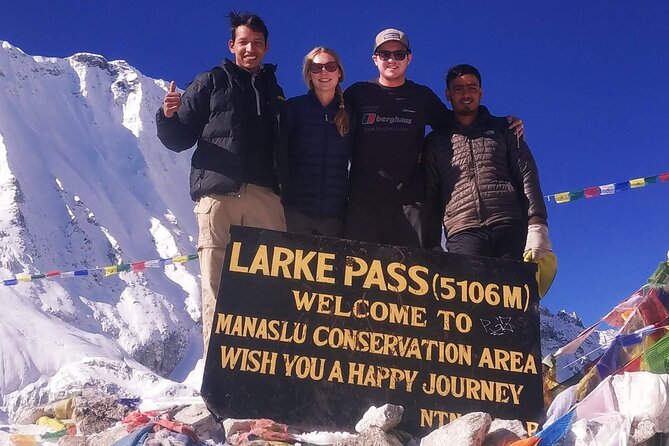
This is the day you plan for. You start early to reach Larkya La Pass above 5,100m (the itinerary mentions around 5,160m for the pass top). The walk begins with winding uphill, then turns steep for the final push to the highest spot.
At the top, you’ll see Buddhist colorful prayer flags and stone piles. Then, after the pass moment, the route drops over snow and scree-style terrain down toward Larcia, and further to Tambuche and then Bhimtang for the overnight.
You’ll also get views named in the itinerary: Himlung, Cheo Himal, Kang Guru, and Annapurna II. That’s a lot of star power on one day.
Possible drawback: even with a good guide, this is a physically demanding day. Cold, wind, and altitude fatigue can slow you down. The only winning move is steady pacing and listening to your guide’s acclimatization approach.
Day 12: from Bhimtang down through forests, back toward the Annapurna trail
Day 12 is long and mixed. You go downhill into forest, pass small summer settlements, then work terraced fields and a climb toward Karche La, then descend to the Marysangdi River.
From there you reach Tilje, follow the Dudh (milky) River downstream, pass villages including Thonje, then cross a bridge and join the main trail of the Annapurna circuit at Dharapani.
After arriving at Dharapani, you take a sharing jeep to Besisahar (about 4 hours). This is the tradeoff day: instead of staying in high mountain villages, you get road time to recover before the Kathmandu return.
Day 13: the drive back to Kathmandu and a needed reset
Day 13 finishes the circuit story. You start with a morning drive back to Kathmandu via farm villages and terraces, stopping in Besisahar (a larger town) before continuing on road toward Kathmandu.
You’ll have afternoon free time to relax after the trek, which is exactly what you want after multiple days near and above high altitude.
Tip: plan for laundry, rest, and easy food. This is not the day to “save energy for sightseeing.” You’ve earned downtime.
Day 14: fly out when your schedule allows
On the last day, you depart for your international flight based on flight time. It’s a clean ending: hotel to airport transfer and done.
Price and value: what $1,099 includes (and what you should budget for)
At $1,099 per person for about 14 days, this trek is priced like a guided, permit-supported route, not like a do-it-yourself scramble. That matters, because the package handles the heavy logistics.
Included items of real value:
- Permits: TIMS, Manaslu special permit, and ACAP permit are listed as included.
- Ground transportation: pickup/transfer around Kathmandu plus the trek’s overland and jeep connections.
- Accommodation: two nights in Kathmandu (with breakfast) and 11 nights in local tea houses on twin sharing.
- Meals on trek days: the itinerary lists breakfast, lunch, and dinner counts during the trek, plus three times tea or coffee and seasonal fruit.
- Gear support if needed: down jacket and sleeping bags are provided if you need them.
- Medical supplies: a first aid kit is available.
Not included items you should plan for:
- Travel and rescue insurance.
- Food in Kathmandu (except the included breakfast).
- Extra nights and extra costs if schedules change.
- Personal expenses like phone calls, laundry, recharging, water, and hot shower use.
- Tips for the guide and porter.
My take: the value feels strongest if you want a guided setup where permits and planning are handled, and you don’t want to spend time figuring out tea house availability and daily logistics in a restricted region.
Lodges, meals, and daily comfort on the trail
This trek uses local tea house accommodation with twin sharing rooms. That’s a common setup on the Nepal trekking circuit, but here it’s still worth understanding what it means for you day to day.
You’ll be eating three meal types during the trek with tea or coffee included three times daily. That’s helpful because it covers basic fuel. Still, your appetite can vary with altitude, so bringing a small amount of snack backup for yourself can reduce stress—though you’ll want to stay within what’s reasonable for your pack weight.
On colder days, the included down jacket and sleeping bag (if needed) can be a lifesaver, especially for sleep quality. If you already own good winter layering and a solid sleeping system, you might not use that add-on much, but it’s comforting to know it’s there.
Guides, pace, and how safety really works here
This is a restricted trek, and the itinerary itself shows it’s run with an expert approach: a government-registered guide, structured days, acclimatization time, and careful high-pass timing (starting early for Larkya La Pass).
In the feedback you shared, guide names like Anjan, Suraj, Suman, Indako, Rajan Gole, and Laku show up repeatedly, and the common theme is practical care: clear answers before the trek, encouragement of breaks for acclimatization, and an emphasis on keeping you steady on the difficult sections.
That matters because the pass day is not the time to figure out your pacing. The best guides keep the group moving at a sustainable rate, so you reach the top without burning out.
Consideration: this trek is rated for moderate physical fitness, but “moderate” doesn’t mean easy. If you struggle with long days or altitude fatigue, you’ll want to be disciplined about hydration and slow steps.
Who should book Manaslu Circuit, and who should hold off
Book this trek if:
- You want a restricted, quieter feel compared to the most crowded classic trails.
- You’re excited about high passes, especially Larkya La Pass with prayer flags and huge views.
- You want village life plus culture along the route, including Tibetan-influenced stops like Samagaon/Samdo.
- You like having permits, transport, and meals handled.
You should reconsider if:
- You’re uncomfortable with high altitude and unpredictable weather on the pass day.
- Long hiking days, steep segments, and cold mornings would stress you too much.
- You don’t want to manage your own health habits (hydration, pacing, layering). This trek succeeds when you cooperate with your body.
FAQ
FAQ
How long is the Manaslu Circuit Trek in this package?
It runs about 14 days.
Where does the trek start and end?
It starts and ends back in Kathmandu, with transfers around your arrival and departure.
What is the highest point on the trek?
The highlight is crossing Larkya La Pass at about 5,106m (the itinerary also mentions pass-top timing above 5,160m).
Are trekking permits included?
Yes. The package includes TIMS, the Manaslu special permit, and the ACAP permit.
Are meals included during the trek?
Yes. The trek includes meals three times per day on a set schedule (breakfast, lunch, dinner counts are listed) plus tea or coffee three times daily and seasonal fruit.
What kind of accommodation is used on the trek?
You stay in local tea houses for 11 nights, with twin sharing rooms for each two clients.
Is Kathmandu accommodation included?
Yes. Two nights of hotel accommodation in Kathmandu are included with breakfast.
What is not included in the price?
Travel and rescue insurance, food in Kathmandu (beyond included breakfast), extra mountain expenses outside the itinerary (like delays), extra Kathmandu hotel nights if needed, personal expenses, and tips for the guide and porter.