REVIEW · KATHMANDU
14 Days Private Everest Base Camp Trekking Tour
Book on Viator →Operated by Yolo Hike · Bookable on Viator
Everest feels real on this trek. You’ll travel to the foothills of Sagarmatha National Park, hike through suspension bridges and Sherpa villages, then reach Everest Base Camp and Kalapatthar for that famous dawn perspective.
I especially like the pacing built into the plan. You get acclimatization in Namche Bazaar plus another altitude adjustment day near Dingboche, which matters a lot when you’re climbing day by day. I also like the support setup: a certified guide with a porter for every two trekkers, plus the organizer handling permits/fees and the Kathmandu–Lukla–Kathmandu flights.
One consideration: this is still an altitude trekking itinerary with long walking days and early starts. It’s not a casual hike, and the trip materials say you should have strong physical fitness, plus the price does not include travel insurance or the Nepal entry visa.
In This Review
- Key highlights to know before you go
- Price and what you actually get for $1,490
- Kathmandu warm-up: Thamel first, then your mountain plan
- The Lukla flight that flips the whole trek
- Sagarmatha National Park day: Monjo checkpoint and prayer-flag bridges
- Namche acclimatization: altitude work with a payoff view
- Tengboche: monasteries, forests, and the spiritual slice of Khumbu
- Dingboche and the easier day that helps your legs
- Second acclimatization at 5,083 m: Nangkartshang Peak
- Lobuche and the long road to Base Camp
- Kala Patthar sunrise: why this stop is the real show
- The return: Namche again, Lukla again, then Kathmandu
- Tea houses, bathrooms, and the meals that keep you moving
- Guides and the human side of getting this right
- Who this trek suits best (and who should reconsider)
- Should you book this 14-Day Private Everest Base Camp trek?
- FAQ
- What’s the total duration of the Everest Base Camp trek?
- Where does the trip start in Kathmandu?
- Are flights to Lukla included?
- How does the itinerary handle acclimatization?
- What will I see on the trek besides Everest Base Camp?
- Is accommodation included?
- Are private bathrooms included?
- What meals are included?
- What’s not included in the price?
- Can I cancel for a refund?
Key highlights to know before you go
- Private group experience: only your group participates, with pickup in Kathmandu.
- Flights to Lukla included: Kathmandu–Lukla (about 25 minutes) and the return (about 20 minutes if flying from Ramechhap on the way out).
- Two acclimatization stops that make the climb smarter: Namche first, then a second adjustment day near Dingboche.
- Sagarmatha National Park checkpoints and bridges: Monjo check and iconic suspension bridges with prayer flags.
- Kalapatthar at sunrise: planned specifically because Base Camp views can be blocked on many days.
- Real comfort touchpoints: tea house stays with the listed private bathrooms in Phakding, Namche, and Lukla.
Price and what you actually get for $1,490
At $1,490 per person for a 14-day private trek, the value mostly comes from what’s wrapped into that number. You’re not just paying for your hiking guide; you’re also getting airport-to-airport transfers in a private vehicle, two nights in Kathmandu on a twin-sharing basis, and tea house lodging during the trek.
The big “saves you time” item is included flights: Kathmandu–Lukla–Kathmandu tickets are part of the package. On top of that, the plan includes Sagarmatha National Park fees and government taxes, and it covers your meals across the trek (breakfast 13 times, lunch 11 times, dinner 13 times, per the itinerary).
Where you should do your own math: the price does not include travel insurance, your international flights, or Nepal entry visa fees. Also, soft drinks (including water and other beverages not listed) and personal spending like bar tabs and laundry are on you. If you budget carefully, this package can feel very efficient; if you assume insurance and visa are included, you’ll get a surprise.
You can also read our reviews of more tours and experiences in Kathmandu.
Kathmandu warm-up: Thamel first, then your mountain plan
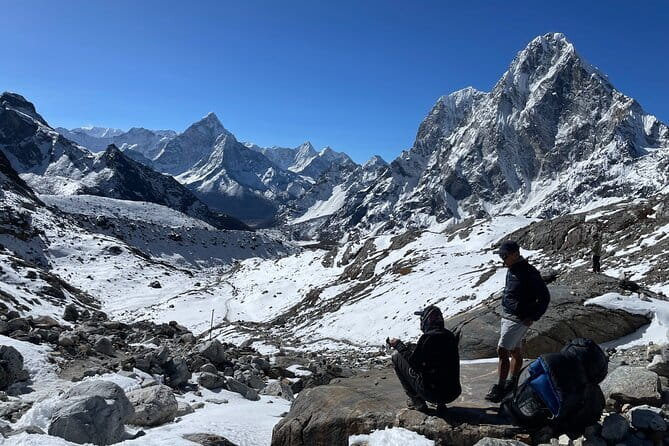
Day one is built around an easy landing. A Yolo Hike representative meets you at Tribhuvan International Airport in Kathmandu, then arranges transportation to your accommodation. After a rest, you get time to walk around Thamel, grab snacks, and get oriented in a neighborhood that’s set up for travelers.
This matters because you’re about to move into trekking logistics fast. You’ll want to eat well, sleep, and keep your day stress low before you fly out to Lukla the next day.
The Lukla flight that flips the whole trek
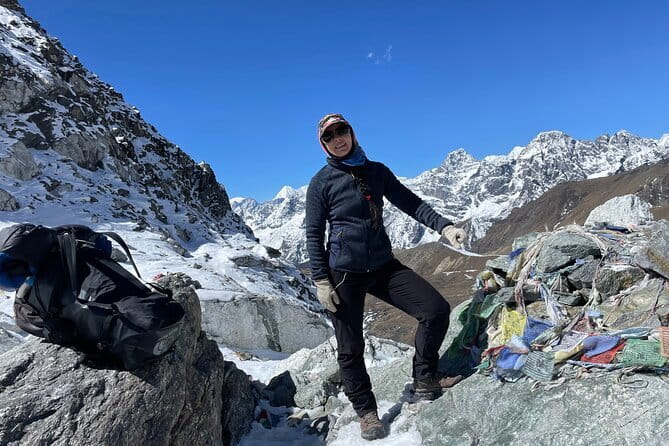
The journey to the trail starts with a short flight to Lukla, planned for about 25 minutes from Kathmandu or about 20 minutes from Ramechhap (depending on flight schedule). That quick hop is what turns the trek into a two-week experience instead of a much longer Himalayan slog.
Once you land, you’ll be introduced to your Sherpa team and the trek begins toward Phakding. It starts with a stone-paved road, then settles you into that Khumbu rhythm where every turn reveals new ridgelines and village rooftops.
Phakding also gives you your first taste of how the tea house world works in real life: you’ll be staying overnight there as you get your legs ready for the bigger altitude days ahead.
Sagarmatha National Park day: Monjo checkpoint and prayer-flag bridges
On day three, you enter the national park through Monjo checkpoint. This is one of those moments where you can feel the trip shifting from travel to actual trekking. You cross suspension bridges (with prayer flags that add color and movement), including the Larpchen and Hillary bridges listed in the route.
Then you continue toward Namche Bazaar. The plan calls out the bustle of Namche, and I get why: it’s the commercial and social hub where trekkers regroup, trade small supplies, and swap route tips. Even if you’re not a chatty person, this is where you can read the trail energy and adjust your pace.
Namche acclimatization: altitude work with a payoff view
Acclimatization is a core part of this itinerary, not an afterthought. Day four is a full acclimatization day in Namche Bazaar, with an option to hike the nearby hills to help your body adapt. You’ll also visit Everest View Hotel, one of the higher-altitude viewpoints in the area.
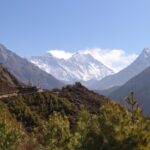
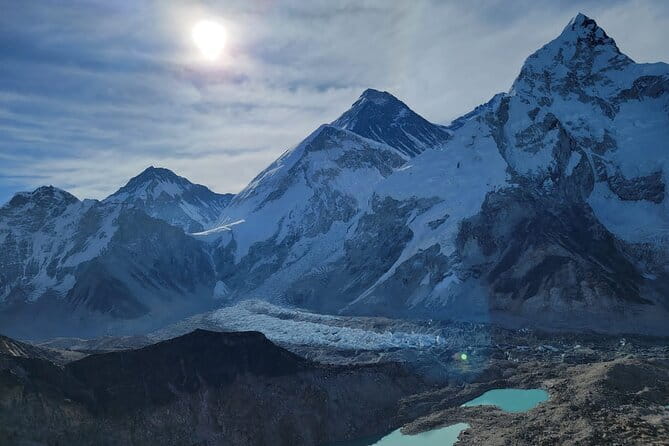
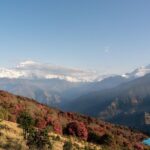
This is where the itinerary aims directly at the reason most people come: mountain sightlines. From there, the plan lists views of Mount Everest plus Ama Dablam, Nuptse, Lhotse, Thamserku, and Cholatse. Even when weather changes, getting a first strong view reduces that early-trek uncertainty.
You return to Namche for the overnight, which is practical. Staying put is part of doing altitude well.
Tengboche: monasteries, forests, and the spiritual slice of Khumbu
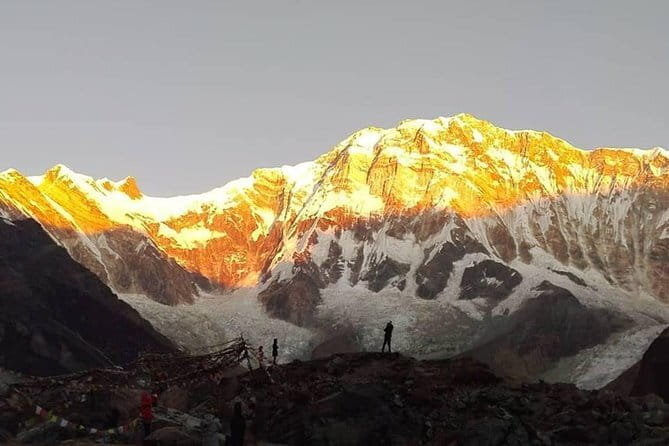
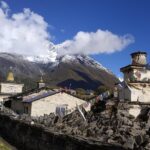
Day five moves you toward Tengboche Gompa, one of the older monasteries in the Khumbu region. If you like trekking with cultural texture, this stop is a good one: it’s not just a viewpoint day, it’s a moment to step into a quieter rhythm before the next climb.
The route includes ascent and descent through green forested sections and Sherpa settlements. The plan mentions taking in views of Pangboche and Namche Valley from higher ground near Phungi Thanga, then continuing down toward an Army Checkpoint as you enter Tengboche.
Tengboche also sets you up emotionally. After the Namche acclimatization, this is where the trek feels more like a journey up into the mountains than a checklist.
Dingboche and the easier day that helps your legs
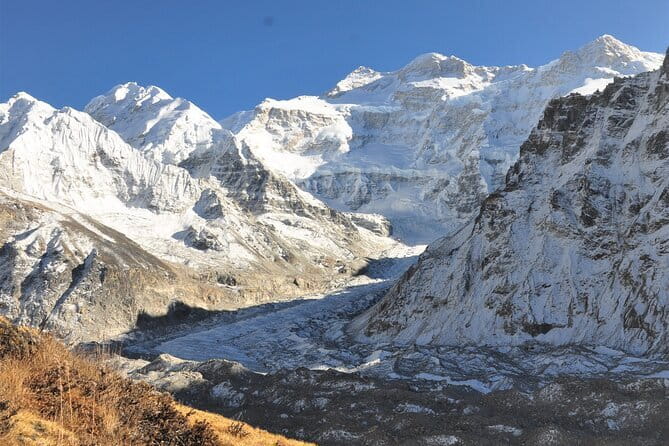
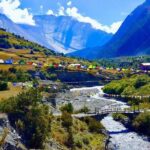
Day six heads to Dingboche, and this is one of the smarter parts of the plan because it’s listed as the easiest segment on the trek. You’ll descend through Debuche, then walk through pine and rhododendron forest, which the itinerary describes with strong color contrast.
You’ll lunch around the Pangboche area near the Lobuche River / Imja Valley region, then continue into Dingboche where farming crops show up. The itinerary specifically mentions buckwheat and potatoes—an easy reminder that this is not only a mountain zone, it’s a living landscape with seasonal food cycles.
That “easier” day matters because it gives you time to absorb the altitude without pushing your body too hard. If you’re prone to starting fast and slowing later, you’ll benefit from this built-in brake.
Second acclimatization at 5,083 m: Nangkartshang Peak
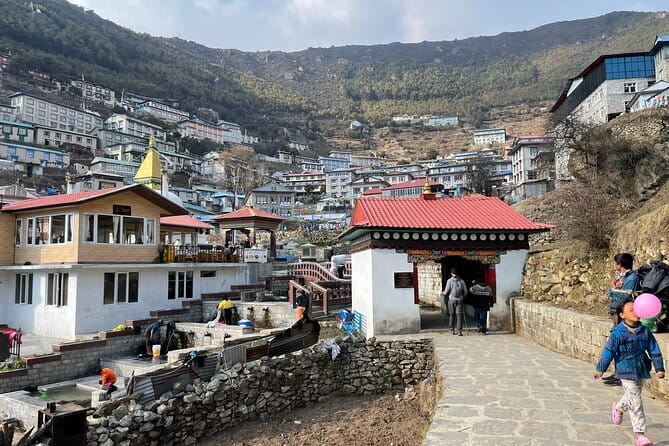
Day seven is your second acclimatization, and it’s not just a rest day. You’ll hike up to Nangkartshang Peak at about 5,083 meters, then return for overnight in Dingboche.
This stop is designed to keep your system learning the altitude before you push further toward the Everest Base Camp zone. The itinerary highlights big surrounding views from Dingboche—Taboche, Island Peak, Ama Dablam, Lhotse, and Everest—and the peak hike adds a different angle on the same high-world.
Think of it like training for your next days: short effort, useful adaptation, then you move on.
Lobuche and the long road to Base Camp
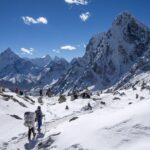
Day eight brings Lobuche. The plan calls for an early start, and the reason is simple: start with less wind and more stability in your walking comfort. You’ll climb through a rocky, gradual uphill section and reach Thukla viewpoint, described as delivering an impressive view of Mount Lobuche and surrounding peaks.
After that, you descend for hours and reach Lobuche for the night. This section is where the trail starts to feel more exposed and more serious.
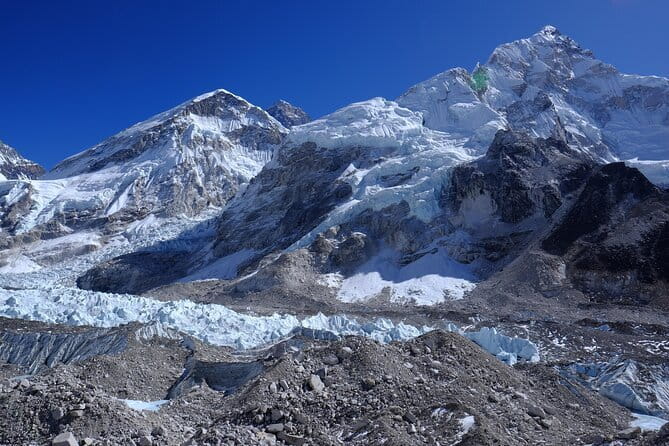
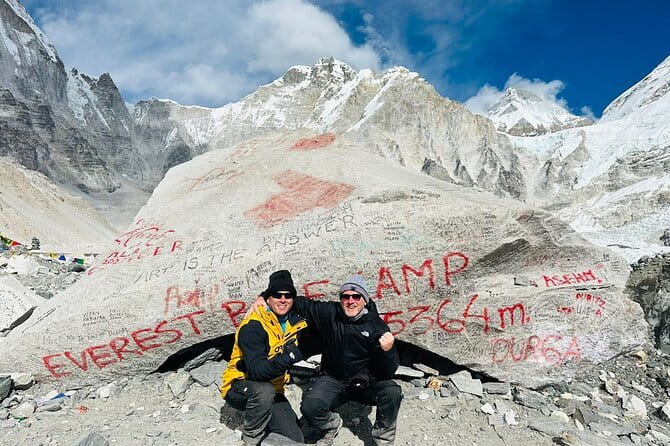
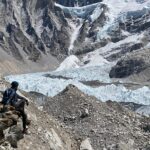
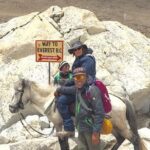
Day nine is the emotional center: Everest Base Camp (5,346 m). You start early from Lobuche on a rocky path between high mountains, pass through Gorakshep, then rest and eat before continuing to Base Camp. The itinerary notes the colorful camp-like settlement appearance once you get close—this is what turns Everest from a concept into a real place where climbers set up their season.
You’ll also be with your guide and group, which matters on this day. The Base Camp area can feel overwhelming, and having support helps you keep your pace and stay safe.
Kala Patthar sunrise: why this stop is the real show
Day ten is Kala Patthar, and the itinerary explains the logic directly: Everest may not be clearly visible from Base Camp, so you go higher and earlier. You approach at dawn specifically for the sunrise view over Everest.
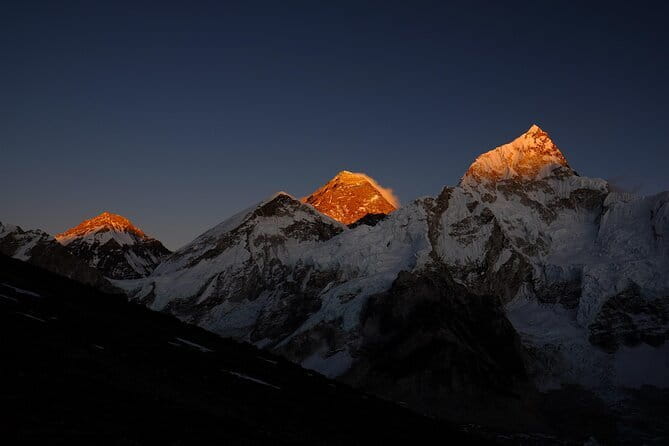
From Kala Patthar, you’ll experience those early light tones on the summit ridge—the plan describes yellowish and reddish hues at Everest’s peak. Even if you’ve already seen Everest from lower viewpoints earlier in the trek, this angle tends to feel more dramatic because it’s timed for light and elevation.
Then it’s down again: you descend on the way to Pheriche village and stay overnight.
The return: Namche again, Lukla again, then Kathmandu
Day eleven retraces the trail to Namche Bazaar for a third overnight. This return day can be surprisingly mental. You’re not just walking back—you’re closing out the harder altitude chapters, so it often feels like moving through your own memories of what you already climbed.
Day twelve heads to Lukla, following the Dudh Koshi River corridor and crossing suspension bridges along the way. In Lukla, you’ll have time to stroll and shop for small souvenirs, then get ready for the flight phase.
Day thirteen returns to Kathmandu via Lukla airport, with another flight that gives you mountain-and-valley views from above as the terrain changes. The plan also includes a small farewell celebration in Kathmandu after you’re transferred to your accommodation.
Day fourteen ends with airport assistance and your flight home.
Tea houses, bathrooms, and the meals that keep you moving
This trek uses tea house lodges, with the plan stating best available accommodation on a twin-sharing basis during the route. That’s the standard in this area, but your comfort can vary a lot between stops.
One standout detail in this itinerary: private bathrooms are listed in Phakding, Namche, and Lukla. That’s a real quality-of-life win, especially during colder nights when you want hygiene to be simple.
Food is mostly solved for you. The package includes breakfast 13 times, lunch 11 times, and dinner 13 times. The missing piece is soft drinks and extra beverage choices: water and other drinks not listed are not included, so pack to handle hydration costs and any taste preferences.
Guides and the human side of getting this right
The itinerary is private, so your experience should feel more controlled than a big group trek. You also get a certified guide and a porter for every two trekkers, with porter support that includes salary, food, accommodation, and insurance.
In past Yolo Hike treks, the operator Anil Bhatta has been credited for organizing the operational side in Kathmandu—permits, registrations, and hotel bookings—before the trek starts. Some groups also noted meeting Anil Bhatta in Kathmandu and then being introduced to guides such as Ashok. Other trips highlighted a guide named TN Bhatta as an important part of the experience.
You should still ask your booking what to expect with your exact guide and porter team, but the names shared in earlier experiences are a good sign that Yolo Hike does more than just hand you a route.
Who this trek suits best (and who should reconsider)
This tour is a strong match for people who want Everest Base Camp plus Kala Patthar within about two weeks, with a structured acclimatization plan. It’s also a good fit if you like the idea of private logistics: transfers, flights, meals, and park fees handled, so you can focus on your walking and your rest.
You’ll want to rethink if you’re uncomfortable with high altitude trekking or if you don’t have the physical fitness the trip calls for. Days include significant hiking time, and the plan explicitly favors early starts—useful, but it means disciplined mornings.
Also, if you’re counting on cheap add-ons, remember that soft drinks and personal expenses are not included. Tea house trekking works best when you budget a little beyond the base package.
Should you book this 14-Day Private Everest Base Camp trek?
I’d book this trek if you want a clear, guided route with real support and you value mountain access that starts with Lukla flights instead of a long approach hike. The built-in acclimatization days in Namche and Dingboche are a big plus, and the Kalapatthar dawn plan is the kind of detail that turns a good trek into a “wow, I’m glad we did that” memory.
I’d hesitate only if you’re not ready for altitude work and early starts, or if you haven’t lined up travel insurance and your Nepal visa. This is an adventure with structure, not a casual vacation.
FAQ
What’s the total duration of the Everest Base Camp trek?
The trek is listed as 14 days (approx.).
Where does the trip start in Kathmandu?
The meeting point is Tribhuvan Airport, Kathmandu, Nepal, where a representative will welcome you.
Are flights to Lukla included?
Yes. The package includes flight tickets Kathmandu–Lukla–Kathmandu.
How does the itinerary handle acclimatization?
You’ll have acclimatization time in Namche Bazaar and another acclimatization day in the Dingboche area with a hike to Nangkartshang Peak (5,083 m).
What will I see on the trek besides Everest Base Camp?
You’ll visit Sagarmatha National Park checkpoints, cross suspension bridges, explore Tengboche Gompa, enjoy viewpoints like Everest View Hotel and Thukla viewpoint, and hike to Kala Patthar for sunrise views.
Is accommodation included?
Yes. You get 2 night accommodation in Kathmandu and then tea house lodge accommodation during the trek (best available), with twin-sharing basis stated in the plan.
Are private bathrooms included?
The itinerary lists private bathrooms in Phakding, Namche, and Lukla.
What meals are included?
The package includes breakfast (13), lunch (11), and dinner (13), as listed.
What’s not included in the price?
Not included are travel insurance, international flights, Nepal entry visa fee, soft drinks including water (unless listed), and personal expenses like bar bills and laundry.
Can I cancel for a refund?
Yes, the policy says free cancellation up to 24 hours in advance for a full refund, based on the local start time.