REVIEW · KATHMANDU
Annapurna Base Camp Trek form Kathmandu
Book on Viator →Operated by Fewa Trail Treks and Expedition Pvt Ltd · Bookable on Viator
A trek from Kathmandu to the Annapurna world is a change of pace. This 11-day route pairs a scenic tourist bus to Pokhara with classic mountain footpaths to Machhapuchchhre Base Camp (3770m) and Annapurna Base Camp (4130m), plus a Pokhara lakeside reset. I love how the pacing builds day by day without pretending it is easy, and I really like the support included—English-speaking guide and a porter for your load. One drawback to consider: altitude and long hiking days are non-negotiable, and meals are not included, so you’ll want to plan your food budget before you go.
The best part is how the trek keeps rewarding you with views that feel earned. You start with foothill scenery, then the Annapurna range pulls closer with each ridge crossing, and the sunrise from Poon Hill is one of those moments that makes the early wake-up feel worth it. For me, it’s also the practical touches—permits and TIMS, plus private vehicle transfers around the trekking start—so you spend less time worrying and more time walking.
If you’re fit, flexible, and ready for mountain weather swings, this tour style is a strong choice. If you expect luxury or fully catered comfort at every step, you might find the guesthouse trekking setup and the meal situation a little more basic than you hoped.
In This Review
- Key things to know before you go
- Kathmandu to Pokhara: the easy start that actually matters
- Trek day by day: what each stage feels like
- Day 2: Nayapul to Ulleri—your legs learn the rhythm
- Day 3: Ulleri to Ghorepani—Annapurna views get closer
- Day 4: Poon Hill sunrise and Tadapani—classic mountain payoff
- Day 5: Tadapani to Chhomrong—when the mountains feel serious
- Day 6: Chhomrong to Dovan—entering the higher rhythm
- Day 7: Dovan to Deurali—approaching the high country
- Day 8: Machhapuchchhre Base Camp (short) then Annapurna Base Camp (short)—two big moments in one day
- Day 9: Annapurna Base Camp descent to Bamboo—recovery through movement
- Day 10: Bamboo to Jhinu Danda and the natural hot spring bath—earn that soak
- Day 11: Jhinu to Nayapul and return to Pokhara—closing the loop
- What the included support really buys you
- The price: is $550 good value?
- Weather, altitude, and the fitness reality check
- The human touch: guides and crew make the difference
- Who this trek suits best
- Should you book this Annapurna Base Camp trek from Kathmandu?
- FAQ
- How long is the Annapurna Base Camp trek from Kathmandu?
- What’s included in the trek price?
- Are meals included?
- Do I need a trekking permit and TIMS card?
- Is pickup offered in Kathmandu?
- Are transfers included from Nayapul back to Pokhara?
- How does the porter service work?
- What should I budget for if something goes wrong?
- What is the cancellation window?
Key things to know before you go
- Kathmandu to Pokhara by tourist bus, then you switch to smoother private transfers for the trek start and finish
- Two altitude anchors: Machhapuchchhre Base Camp (3770m) and Annapurna Base Camp (4130m)
- Poon Hill sunrise segment, with the note that any entry-related cost there is not included
- English-speaking guide and porter support, with the porter able to carry up to 15kg per the 2-guest rule
- Pokhara Lakeside hotel nights plus guesthouse stays on the trail
- Permits/TIMS included so you are not scrambling paperwork while excited and tired
Kathmandu to Pokhara: the easy start that actually matters
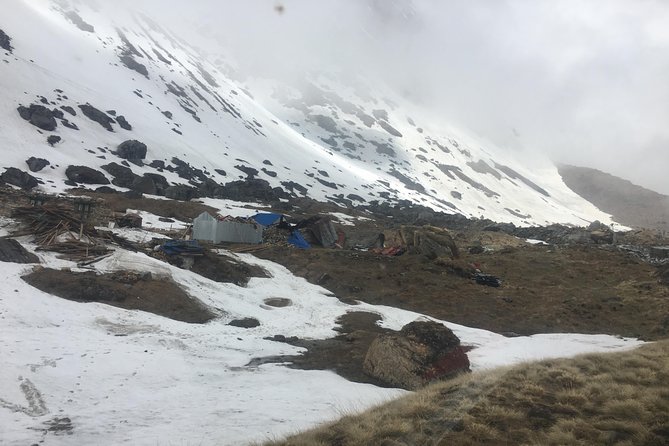
Your trip begins in Kathmandu with a pickup from Thamel, which is convenient because you can show up without first figuring out how to reach a bus terminal. From there, you ride a tourist bus for the long hop to Pokhara. This is not just “getting there”—it sets the mood. You trade city noise for hills and river valleys, and you arrive in Pokhara ready to walk rather than still mentally stuck in traffic.
Pokhara is where the trek plan breathes. You stay in the Lakeside area, which is ideal for a night or two before heading uphill. The lakeshore gives you a place to stretch, eat normally, and handle the small stuff: light gear checks, packing adjustments, and any altitude-friendly hydration habits you want to build before the climbing starts.
One practical point: the tour includes transfers as part of the plan, but it still won’t replace common sense. If you get motion-sick easily, bring what works for you on buses. And if you’re carrying a bag you don’t want to lug, think ahead about what should be in your day pack versus what your porter can handle.
You can also read our reviews of more tours and experiences in Kathmandu.
Trek day by day: what each stage feels like
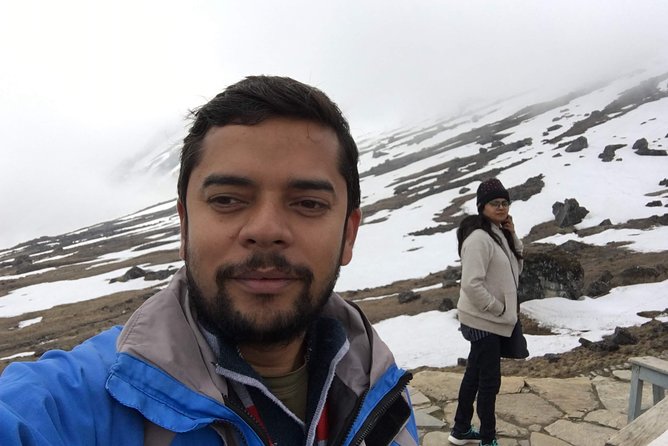
The route follows a classic rhythm: a short drive day to start, then longer walking days with gradual elevation gains, then a high point and a steady descent back to the valley.
Day 2: Nayapul to Ulleri—your legs learn the rhythm
The trek kicks off from Nayapul with a scenic drive of about an hour before you start walking. Ulleri is your first real foothill target. You’ll spend roughly five hours hiking, which is a solid “wake up the body” day. Expect stairs and uneven paths at times, but it’s the kind of effort that helps you settle into the pace.
This is also when you’ll notice how Nepal trails like to teach patience: slow is fast enough. A steady step rate keeps you calmer for the longer days ahead, and you’ll avoid the “too fast early, then pay later” trap.
Day 3: Ulleri to Ghorepani—Annapurna views get closer
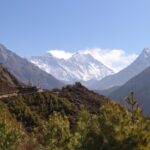
On the next push, you trek to Ghorepani (around six hours). This is where the Annapurna mountain range starts feeling less like a distant silhouette and more like a companion you keep seeing around corners.
It’s also a good time to think about your altitude strategy—even before you’re at the highest elevations. Your goal is to stay comfortable enough to keep walking through the breathing discomfort that can come with thicker air-to-thinner-air transitions. Don’t chase speed; chase consistency.
Day 4: Poon Hill sunrise and Tadapani—classic mountain payoff
This day is split into two parts.
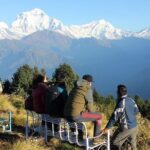
First is the early hike to Poon Hill for sunrise views. It takes about two hours, but the timing is the whole point. Sunrise here gives you a panoramic moment over the Annapurna range, and it’s one of those experiences that tends to make people forget how early the alarm was.
Important detail: the sunrise-related entry cost is noted as not included. That doesn’t mean it’s a deal-breaker, but it does mean you should set aside a little extra cash and confirm the local amount when you arrive in the area.
After sunrise, you trek to Tadapani for about six hours. This is a more “settle in” walking day, moving toward the deeper parts of the Annapurna circuit terrain.
Day 5: Tadapani to Chhomrong—when the mountains feel serious
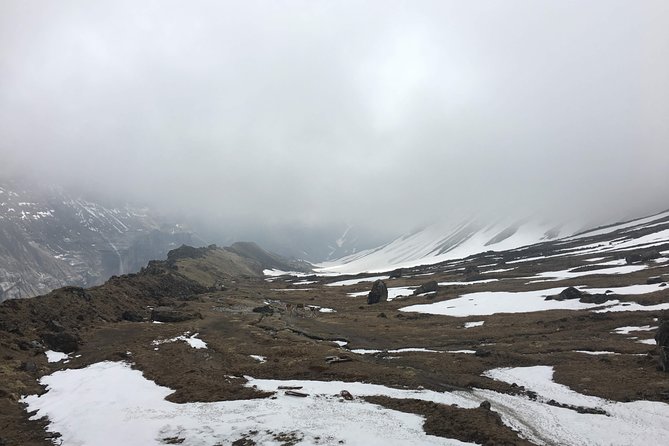
Chhomrong is a key stop. The trek takes around six hours, and the terrain typically reminds you that base camp treks are about endurance, not just scenery. You’ll be working your legs, and you’ll likely feel the temperature shift too, especially if clouds roll in.
This is also a good day to test your layering system. You want a jacket that handles early mornings and cooler shaded stretches, without stuffing your day with heavy extras. Your guide will set a comfortable walking rhythm—listen to them when they suggest slowing down.
Day 6: Chhomrong to Dovan—entering the higher rhythm
From the Chhomrong area, you move toward Dovan (about five hours). This stage often feels like the trek gets more “forest-to-mountain” in feel, with paths that can be damp or slippery depending on conditions.
This is where a guide earns their keep. An experienced English-speaking trekking guide helps you keep your footing, read the trail pace, and manage the small choices that reduce fatigue: when to stop, how long to rest, and how to drink water even when you feel like you do not have time.
Day 7: Dovan to Deurali—approaching the high country
The trek continues to Deurali in about five hours. Altitude starts to matter more here, and you may notice your breathing changing sooner than you expected.
The best move on a day like this is a calm mental one: treat each hour as a win, not a countdown. If you rush, you’re more likely to waste energy and feel worse.
Day 8: Machhapuchchhre Base Camp (short) then Annapurna Base Camp (short)—two big moments in one day
This is a highlight day, and the structure is smart.
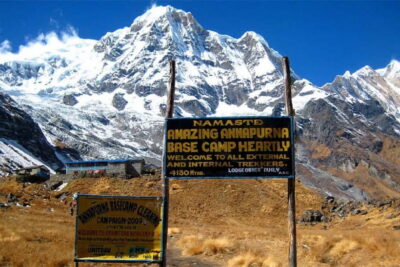
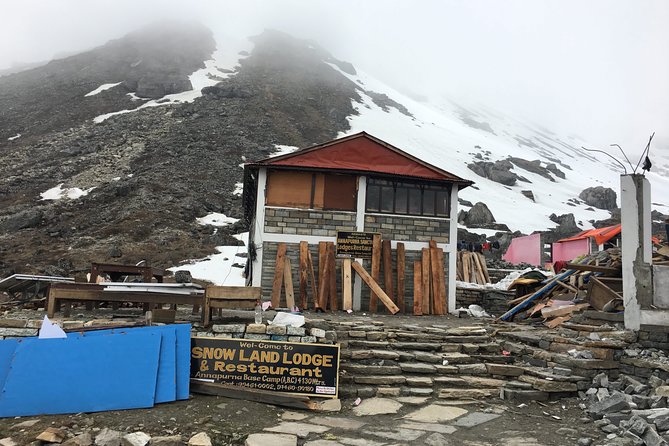
You first trek to Machhapuchchhre Base Camp in around two hours. Then you head to Annapurna Base Camp also in about two hours. That “short segment” timing can trick people into thinking you will be fresh. You still may feel the altitude, so it’s not an easy stroll. But it is a very satisfying way to experience two major high viewpoints.
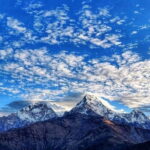
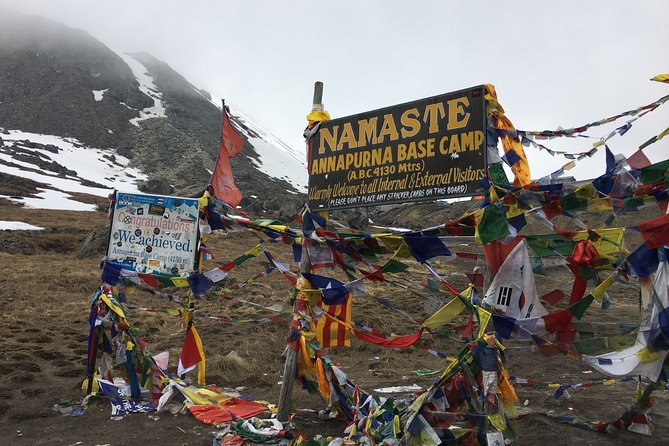
At this point, the trek’s payoff turns loud: the mountains feel close, the air feels different, and the sense of achievement hits hard. If weather cooperates, you’ll get those clear-sky views that make this trek famous.
Day 9: Annapurna Base Camp descent to Bamboo—recovery through movement
After the big day, you descend toward Bamboo in around six hours. Descents are work too. Your knees and ankles get their training here, so trekking poles can be a comfort saver if you use them.
This day is where you focus on controlled steps and steady breathing. Even if you’re tired, the act of moving helps the body adjust after a high-elevation experience.
Day 10: Bamboo to Jhinu Danda and the natural hot spring bath—earn that soak
Next comes the walk to Jhinu Danda in about six hours, with a major reward: a trip to the natural hot spring. This is the kind of stop that makes base camp treks feel complete. After day-after-day of walking and altitude, soaking in warm water can ease the soreness and reset your attitude fast.
The tour timing gives you enough time to reach Jhinu and still enjoy the hot spring experience. Just remember: hot spring enjoyment still requires energy—warm water can relax you too much, so keep track of how you’ll get yourself back on your feet.
Day 11: Jhinu to Nayapul and return to Pokhara—closing the loop
On the final day, you trek down to Nayapul in about six hours, then you ride a private car back to Pokhara. When you arrive, you transfer to your Pokhara Lakeside hotel and the trip ends.
This finish is practical: you get out of the trekking zone without having to coordinate confusing local transport. It also makes it easier to spend a final evening eating well, showering, and reflecting on what your body just did.
What the included support really buys you
This trek includes a lot that matters when you’re tired and trying to breathe.
You get an English-speaking trekking guide, which is useful for pace control and safety decisions on changing trails and weather. You also get a porter to carry your luggage, with the note that with 2 guests, 1 porter can carry up to 15kg. That’s a big deal for comfort. Your legs do the climbing; you don’t need to help your back do it too.
Permits and TIMS are included, and that’s another practical win. Mountain areas require paperwork, and having it handled keeps you from losing precious energy to administrative friction while you’d rather be planning meals and packing light.
Your ground transportation is also split in a sensible way:
- Kathmandu to Pokhara by tourist bus
- Private vehicle transfers to and from Nayapul
That combination saves money on the long leg while keeping the trek start/end smooth.
The price: is $550 good value?
At $550 per person for an ~11-day itinerary, this is priced like a serious trek without turning it into a luxury package. The value comes from the included items that are hard to DIY safely: permits/TIMS, a guide, porter support, and the key transfer components.
What you still need to pay for:
- All meals
- Personal expenses
- Any rescue cost in an emergency
- Optional gratitude
So the math depends on your food style. If you plan your daily meals and keep personal spending controlled, the base price looks fair for what you get. If you expect meals to be included, or you tend to spend heavily on drinks and snacks, your total cost will rise fast.
My advice: treat the stated price as the backbone, then budget meals on top. That keeps surprises away.
Weather, altitude, and the fitness reality check
This tour explicitly asks for strong physical fitness. That’s not marketing talk—it’s the difference between enjoying the trek and constantly suffering.
Here’s the reality you should respect:
- You’ll be walking several days around five to six hours
- You hit high elevations, culminating at 4130m at Annapurna Base Camp
- Sunrise hiking to Poon Hill means early effort even if the rest of the day feels calmer
If you go in expecting you can “power through” altitude discomfort, you might push too hard. Instead, pace yourself. Drink water. Sleep as well as you can in guesthouses. Follow your guide’s suggestions about slowing down or resting.
Also, pack for cold nights and variable days. The itinerary points you to high ground, and mountain temperatures can shift quickly.
The human touch: guides and crew make the difference
One of the best signals in the experience is how the operator and staff communicate and arrange the trip. In the feedback, the organization is credited for thoughtful planning and smooth execution.
Specific names show up:
- Shubham is mentioned for great arrangement for the ABC trek
- The guide is named Mr. Bisham
- The porter mentioned is Aruna
That matters because a guide affects your day-to-day comfort: pace, route decisions, and how you handle fatigue. A porter affects your body too. When your pack is lighter, you’re less likely to waste energy on logistics and more likely to enjoy the actual walking.
Who this trek suits best
This is a strong fit if you:
- Want a classic Annapurna Base Camp itinerary with both Machhapuchchhre Base Camp and Annapurna Base Camp included
- Prefer to travel with guided support and a porter rather than planning every step yourself
- Like the structure of a full itinerary, including transport and permits
It might be less ideal if you:
- Want meals included in the package
- Need a fully cushy experience with minimal hiking time
- Aren’t comfortable with altitude and the effort of daily multi-hour trekking
Should you book this Annapurna Base Camp trek from Kathmandu?
If you want a well-structured, guide-supported trek with real scenery and a smart logistics mix, I’d lean yes. The combination of Kathmandu-to-Pokhara comfort, Pokhara Lakeside downtime, and a classic route into the Annapurna high country gives you both the travel rhythm and the mountain payoff.
Book it if you’re honest about fitness, you can budget for meals, and you’re okay with guesthouse-style stays on the trail. Skip it if you’re chasing a low-effort vacation or if you need everything (including meals and safety costs) handled for a fixed total.
If you’re ready for that balance—great views, real hiking, and dependable support—this is the kind of trek that can turn into a life memory.
FAQ
How long is the Annapurna Base Camp trek from Kathmandu?
It’s listed as 11 days (approx.).
What’s included in the trek price?
Included items cover shuttle service/transport as per the itinerary, Kathmandu to Pokhara by tourist bus, an English-speaking trekking guide, a porter, private transfers to and from Nayapul, accommodation (hotel in Pokhara and guesthouse during the trek), trekking permit and TIMS card, and a private trip setup.
Are meals included?
No. All meals are not included.
Do I need a trekking permit and TIMS card?
The trekking permit and TIMS card are included.
Is pickup offered in Kathmandu?
Yes. Pickup is offered from your hotel area in Thamel.
Are transfers included from Nayapul back to Pokhara?
Yes. There’s a private vehicle transfer from Nayapul to Pokhara at the end of the trek.
How does the porter service work?
A porter is included. With 2 guests, 1 porter can carry up to 15 kg.
What should I budget for if something goes wrong?
Rescue cost in case of an emergency is not included. Gratitude is optional.
What is the cancellation window?
There is free cancellation, and you can cancel up to 24 hours in advance for a full refund.