REVIEW · KATHMANDU
Annapurna Circuit Trek
Book on Viator →Operated by Himalayan Social Journey · Bookable on Viator
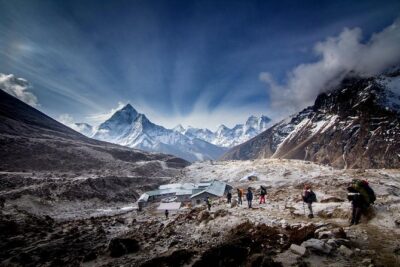
Thorang La turns planning into real life. This 16-day Annapurna Circuit trek strings together Kathmandu’s most famous sacred sites, long Himalayan hiking days, and a practical finish with a flight from Jomsom to Pokhara. It’s a route that keeps changing feel every few days, from Kali Gandaki river trails to high, dry country around Thorang La.
I really like two things here. First, the guided team approach: HSJ runs small groups (max 15) with an English-speaking guide and porters, and the way guides like Ganesh (praised for walking these mountains many times and bringing a calm, safety-minded vibe) shows up in how the trip is designed. Second, the logistics are handled—Kathmandu and Pokhara hotels on twin-share, lodge stays on the trek with breakfast, permits/TIMS, and even the Jomsom–Pokhara flight fare.
The main drawback to consider is that you’re booking a trekking experience, not comfort travel. Trek lodges are simple, with bathrooms typically outside rooms and hot water dependent on solar panels, and even a single supplement can still mean sharing on some trek days.
In This Review
- Key things to know before you go
- Annapurna Circuit Basics: what this tour really delivers
- Kathmandu temples on Day 1–2: get your bearings fast
- Besisahar-to-river-valleys hiking: Kali Gandaki country starts slow and builds
- Chame to Pisang: forests, steep bits, and big high-mountain views
- Manang acclimatization: why this day is worth the time
- Ledar to High Camp: the trail gets narrower and steeper
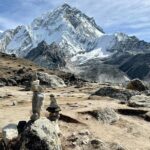
- Thorang La day to Muktinath: the crossing and the payoff
- Jomsom flight to Pokhara: saving energy for the wrap-up
- Pokhara to Kathmandu: rest, then a clean finish
- Price and logistics: is $1,350 a good value?
- Guides and porters: why the team can make or break the trek
- Packing and training: what you should do before you arrive
- Lodge comfort reality: outside bathrooms and solar hot water
- Day-by-day vibe: what each stage feels like
- Should you book this Annapurna Circuit Trek?
- FAQ
- What’s included in the trek days for meals?
- Are trekking permits and TIMS included?
- Is the flight from Jomsom to Pokhara included?
- How large are the hiking groups?
- Is a sleeping bag provided?
- Where do you stay in Kathmandu and Pokhara?
Key things to know before you go
- A small-group, guided pace with an experienced English-speaking guide and enough porters for group logistics
- Permits and TIMS included, plus clear requirements like bringing two photos for paperwork
- Proper altitude strategy built in with a Manang acclimatization day and staged climbs
- Real high-pass trekking with Thorang La as the big day, then a descent to Muktinath
- A smart flight finish: Jomsom to Pokhara by early flight to save time and energy
- Lodge reality: outside bathrooms and solar hot water mean you plan for practical comfort
Annapurna Circuit Basics: what this tour really delivers
This is not just a few pretty hikes. It’s a full Annapurna Circuit-style program that takes you from the lower river valleys up through Manang, over Thorang La, then down toward Muktinath and Jomsom. You’ll also get Kathmandu and Pokhara built in, so the trip feels like a complete Nepal route instead of only trail time.
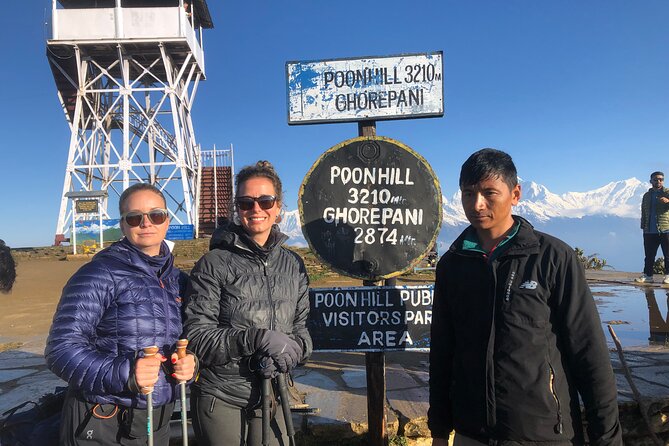
One oddity: the marketing-style overview text you might see for this product talks about Ghorepani and Poon Hill, but the day-by-day plan you’re given is the Circuit route (Manang, Thorang La, Muktinath, Jomsom). Before you go, double-check the final confirmation details so your expectations match the actual trekking days.
You can also read our reviews of more tours and experiences in Kathmandu.
Kathmandu temples on Day 1–2: get your bearings fast
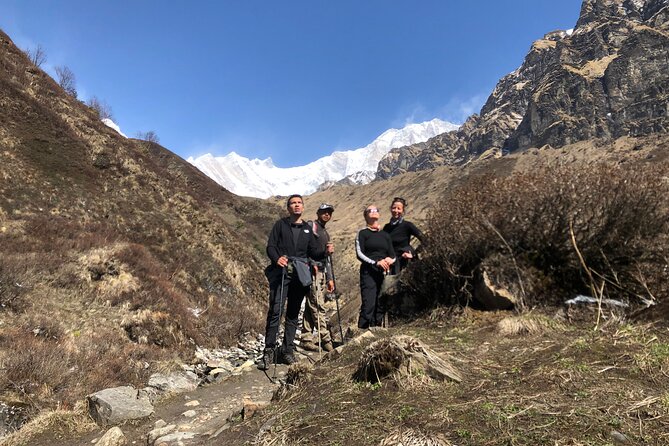
Day 1 is straightforward: you arrive at Tribhuvan International Airport, get transferred to a hotel, and enjoy a welcome dinner in the evening. This is the day to hydrate, rest, and get your Nepal rhythm down before you head into long hiking legs.
Day 2 is classic Kathmandu orientation through major sites. You’ll visit Boudhanath Stupa, Pashupatinath Temple, Patan Durbar Square, and Swayambhunath Temple. These aren’t quick photo stops on paper—they’re time blocks to actually absorb the feel of each area. Do note: entry tickets for these sights are listed as not included, so bring cash for fees.
Besisahar-to-river-valleys hiking: Kali Gandaki country starts slow and builds
After breakfast, the itinerary shifts into driving days and first hiking valleys. You’ll travel toward Bhulbhule, then onward toward Jagat, and later Dharapani.
What matters here is the shape of your first days. You’re moving through paddy and muddy fields near Jagat, then walking trails that descend and contour alongside the Kali Gandaki river. By the time you reach Dharapani (1960m), you’ve already learned a key trekking skill: going downhill carefully without burning your knees.
Dharapani is also where the trip starts showing its cultural texture. The route description includes crossing a suspension bridge and passing a short stone-mani area before arriving at the village. You’re not just climbing scenery—you’re moving through the way local communities and trails connect.
Chame to Pisang: forests, steep bits, and big high-mountain views
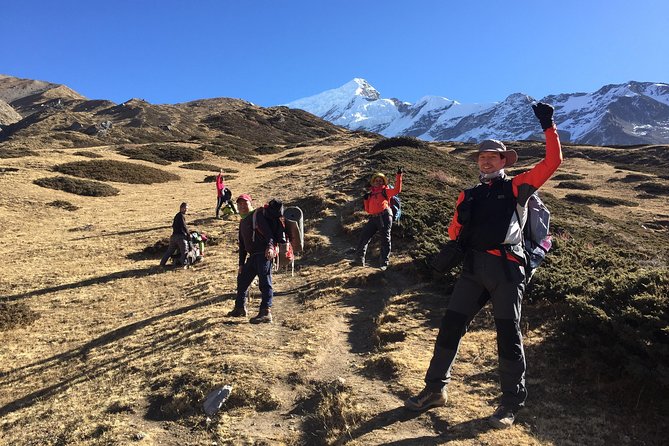
The trek continues with Chame, the Manang district headquarters in this itinerary. Expect a mix of steady uphill and short punchy sections. Before you reach Chame, you’ll pass through Danaque and climb toward Timang, which sits at the bottom of Lamjung Himal.
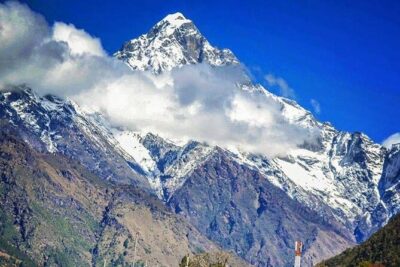
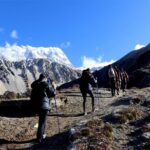
Then comes Pisang, where the route starts to feel rockier and more exposed. You’ll go through fir and pine forest, climb into a high rocky area, and follow trails that include steep segments toward Bhratang. This is one of those days where the effort pays off visually: the itinerary explicitly points to views of Annapurna II and Pisang Peak from the valley area.
Manang acclimatization: why this day is worth the time
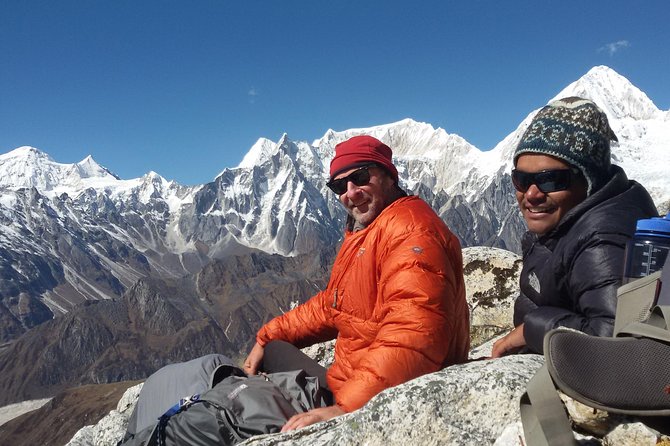
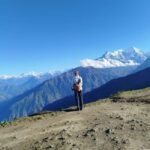
You’ll reach Manang after another ridge-style climb and descend toward the Manang airstrip area at Hungde. Here you’ll get wide views that reach across the Annapurna massif (including references to Annapurna III and Annapurna IV), plus Tilicho lake is mentioned in the view context.
The big move is Day 9: an acclimatization day in Manang. Your body needs this. The itinerary’s approach is to give you options for light day walks and sighting time around the village. That doesn’t mean you sleep in—just that you avoid the mistake of stacking altitude every single day without a buffer.
Practical tip: even with an acclimatization day, you still want to eat well and drink consistently. Altitude is less forgiving than motivation.
Ledar to High Camp: the trail gets narrower and steeper
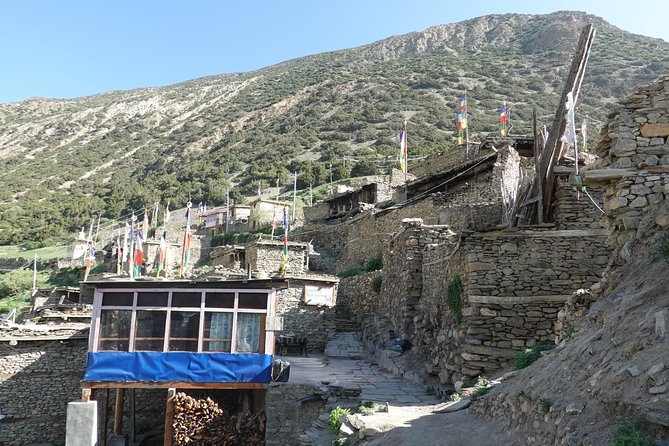
After Manang, the plan pushes you forward through the transition zone. You’ll ascend a steep trail through Tenki Manang and leave the Marshyandi valley area, reaching Yak Kharka pasture land along the way and then onward to Ledar.
From Ledar, the itinerary goes toward High Camp. The description is blunt: rough trail, narrow paths over Kali Gandaki River, and sections of straight up-and-down movement. This is where trekkers feel their legs most. Don’t try to hero-walk fast. The win is arriving tired-but-not wrecked.
Thorang La day to Muktinath: the crossing and the payoff
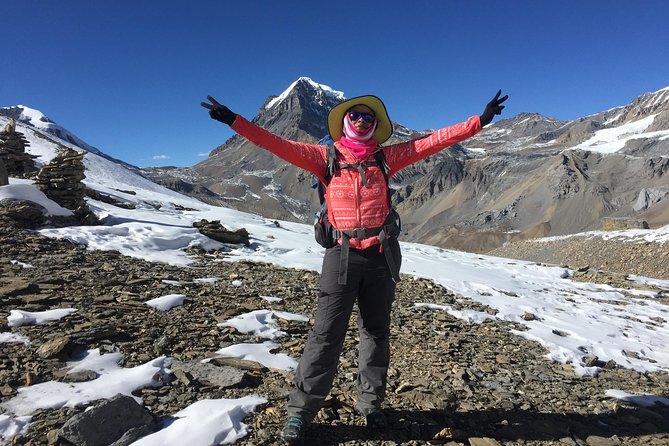
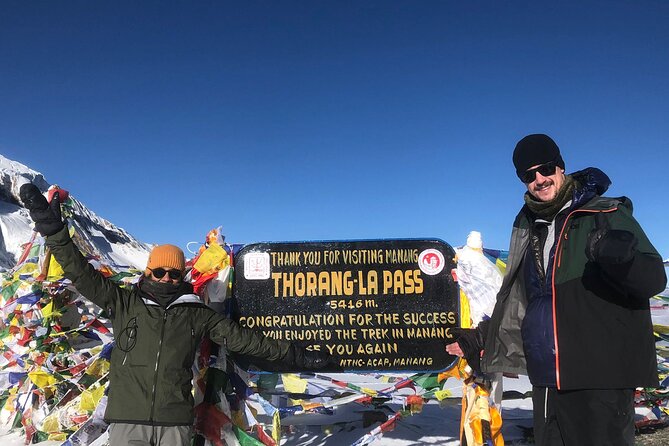
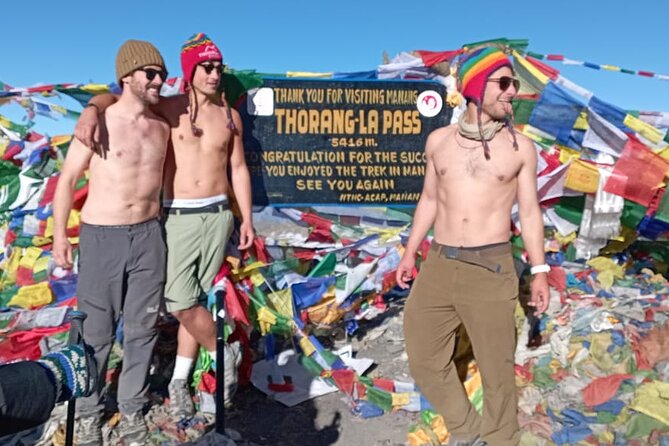
The pass day is the tour’s headline effort: you’ll cross Thorang La Pass and then trek to Muktinath, with an overnight there. The schedule lists about 7 hours for that day, but what you feel can swing based on weather, trail conditions, and how your body reacts.
This is also where proper planning matters beyond fitness. If you’re prone to altitude sickness, the tour notes that altitude sickness can start around or above 3000 meters for susceptible people. You’re going to be well above that by the time the pass approaches, so don’t treat this as a casual day.
Once you’re at Muktinath, you’re not just surviving; you’re ending the hard climb in a spiritually loaded destination. Even if your legs are slow, you’ll likely feel a mental shift once you’re down from the pass effort.
Jomsom flight to Pokhara: saving energy for the wrap-up
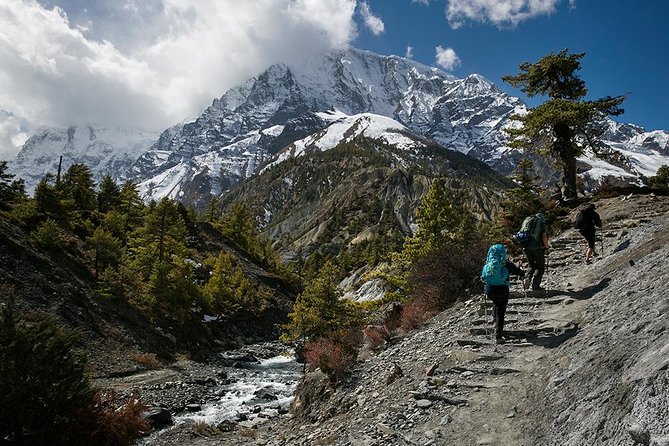
After spending time in Muktinath, the trek continues to Jomsom. Then comes the logistical smart part: you take an early flight from Jomsom to Pokhara, and the flight fare is included.
That flight is a big part of why this tour works well for a guided group. You’re not spending the last days hiking long distances when fatigue is already high. In Pokhara, you can get refreshed and then choose how you want to use the evening and remaining time.
There’s also an option mentioned: a helicopter tour in the Annapurna Base Camp area. It’s listed as optional, so if you want a shorter, high-impact viewpoint, you can add it—otherwise you can stick to Pokhara city time.
Pokhara to Kathmandu: rest, then a clean finish
On the final trekking-to-civilization leg, you’ll enjoy breaks in Pokhara, then travel back to Kathmandu by tourist bus (about 6–7 hours), with an alternative flight route from Pokhara to Kathmandu if you prefer.
Day 16 is your exit day: an early breakfast, then transfer to Tribhuvan International Airport for your flight home. The itinerary keeps this simple so you’re not scrambling at the end.
Price and logistics: is $1,350 a good value?
At $1,350 per person for an approx. 16-day package, you’re paying for a lot of the things that usually add stress on the ground: transportation, accommodations, guides/porters, permits, and the Jomsom–Pokhara flight fare.
Here’s what you do get included:
- Airport pickup and drop
- Twin-share 3-star hotels in Kathmandu and Pokhara (breakfast included as listed)
- Lodge accommodation on the trek with breakfast
- Meals and accommodation for the trekking crew plus insurance and other crew expenses
- TIMS and necessary trekking permits
- Sleeping bag and duffle bag equipment if needed during trekking days
- Welcome dinner on Day 1
- Guided sightseeing in Kathmandu and Pokhara
- Government taxes and office expenses
- Flight fare (Jomsom–Pokhara)
What you should plan for separately:
- Lunch and dinner during Kathmandu, Pokhara, and most trekking days (not covered in the plan)
- City sightseeing entry fees in Kathmandu
- Any flight you need to get to Nepal (PKR–KTM is listed as not included, meaning you cover your international travel)
- Visa costs in Kathmandu on arrival (listed as additional, and you’ll need the visa-photos requirement)
My take: the price feels most fair if you want a hands-off plan where permits, guide coordination, and the end flight are handled for you. If you’re already experienced at booking permits, arranging transport, and building your own altitude schedule, you might be able to do it cheaper. But for most first-time trekkers, paying for reduced friction is real value.
Guides and porters: why the team can make or break the trek
The best part of this kind of guided Annapurna experience is the human layer. This itinerary is designed for small groups (max 15 travelers, with trekking groups up to 16), which generally means more responsive guidance on steep or tricky moments.
In an Annapurna Circuit context with this operator, Ganesh was highlighted as a local expert guide who has walked these mountains many times. The praise centered on the way he brings confidence and a safety-minded approach. That matters because the pass day isn’t the place to improvise.
Porters are also part of the bargain. The tour notes a porter plan of one porter for two people, and a luggage weight limit of 10–13 kg per person. That’s how you keep your trekking day focused on walking, not carrying.
Tip: even with porters, you’ll want a daypack with essentials you need immediately (water, layers, and anything you access often).
Packing and training: what you should do before you arrive
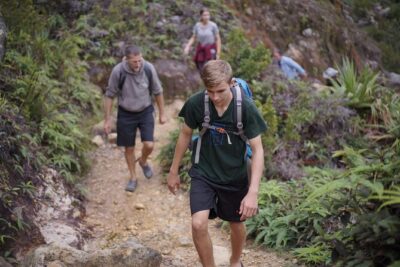
You’re expected to walk roughly 5–7 hours daily and cover about 10–14 km per day. The tour guidance is practical: train with hill or stair climbing, jogging, and some gym work for stamina in the months before you go.
For gear, the tour notes that trekking equipment like walking poles, jackets, water bottles, and rucksacks are easy to find in Kathmandu near the hotel area. Still, you’ll want to arrive with well-broken-in boots. “Fairly well worn” footwear is specifically advised.
Altitude and health basics the tour flags (and you should respect):
- Altitude-related issues can start from around 3000 meters for some people
- If you have health issues, talk to your doctor before trekking
- Traveler’s insurance is strongly advised, and it’s described as compulsory for treks like this
For water, you have clear options:
- Use water purification tablets, or
- Fill at regulated pure water stations along the route for a nominal fee
- Bottled water is listed as a last resort
And here’s the number that matters: the tour asks you to drink at least 3 liters of pure water daily during the trek.
Lodge comfort reality: outside bathrooms and solar hot water
If you like the idea of warm showers after every hike, you’ll need to adjust expectations. The trek lodges described in this program usually have bathrooms outside rooms, and hot water depends on solar panels. That means some days will be better than others.
Also, room setup can be mixed. The tour notes that you’ll share twin rooms for the duration unless you choose a single supplement, but even then, some lodges may not have enough rooms—so you might still share on some trek days.
This is where your mindset helps. Think of lodges as safe rest zones, not hotel comfort.
Day-by-day vibe: what each stage feels like
- Kathmandu (Day 1–2): cultural reset + temple time + welcome dinner, then a clean start before trekking.
- Early trail days (Days 3–5): scenic drives, then village walking with steep descents and river-trail segments.
- Chame and Pisang (Days 6–7): progressive uphill, forest-to-rock transitions, and clearer high-peak visibility.
- Manang and acclimatization (Days 8–9): dramatic views plus the one day you’re meant to take seriously for altitude.
- High-country push (Days 10–11): longer, rougher walking with river crossings and a more “narrow-and-steep” feel.
- Pass day + Muktinath (Days 12–13): a big altitude day followed by a meaningful destination and descent.
- Jomsom to Pokhara (Day 14): less physical strain, more logistics relief with a flight.
- Back to Kathmandu (Days 15–16): bus drive or flight option, then airport transfer.
Should you book this Annapurna Circuit Trek?
Book it if you want:
- A guided, small-group circuit with permits and transport arranged
- A plan that includes acclimatization and stages the hardest day thoughtfully
- Comfort with simple lodges and shared rooms on trek days
- The practicality of the Jomsom to Pokhara flight to wrap things up efficiently
Think twice if:
- You want luxury accommodations and predictable shower comfort
- You’re not comfortable with the reality of altitude risk and a demanding high-pass day
- You need lots of included meals beyond breakfast and the welcome dinner
If you’re a fit hiker who values good organization and a strong guide-led pace, this is the kind of trek that turns “I want to see the Himalaya” into something you can actually remember clearly, step by step.
FAQ
What’s included in the trek days for meals?
Breakfast is included during the trek through lodge stays. Lunch and dinner during trekking days are not included in the tour package, and in Kathmandu and Pokhara you’ll also pay for meals there unless noted otherwise.
Are trekking permits and TIMS included?
Yes. TIMS and the necessary trekking permits are included. You’ll also need to bring two photos for the trekking permit.
Is the flight from Jomsom to Pokhara included?
Yes. The flight fare from Jomsom to Pokhara is included in the package.
How large are the hiking groups?
The tour notes a maximum of 15 travelers, and trekking groups can be up to 16 people with their own experienced English-speaking guide.
Is a sleeping bag provided?
You can bring your own sleeping bag, but if you don’t have one, the tour provides a sleeping bag during the trekking days. A duffle bag is also mentioned as provided if necessary.
Where do you stay in Kathmandu and Pokhara?
In Kathmandu, the stay is at Himalayan Suite Hotel (twin sharing, with breakfast included as listed). In Pokhara, the stay is at Hotel Dandelion or Lake Star (twin sharing, with breakfast included as listed).