REVIEW · MARRAKESH
2 Days Mount Toubkal ascent trek via Ait Mizane Valley
Book on GetYourGuide →Operated by Berber Tours & Adventures · Bookable on GetYourGuide
4,167m makes time feel different. This 2-day Toubkal ascent from Marrakech is a focused hike through Atlas village life, ending at North Africa’s highest peak with a night in the mountain air.
I like the small group pace (max 10 people) and the way the day’s rhythm is built around real stops: Imlil Valley villages, a picnic by the shrine of Sidi Chamharouch, then a refuge dinner under the stars. One drawback to plan for: this is an altitude game—warm layers and sensible pacing matter, and the trek isn’t suitable if you struggle with altitude issues.
In This Review
- Key Highlights Worth Knowing
- From Marrakech to Imlil: The Hike Begins Above the City
- Ait Mizane Valley Walking: Where the Views Actually Mean Something
- Picnic at 2,500m: Sidi Chamharouch and the Power of a Real Break
- Reaching the Toubkal Refuge (3,200m): Night in Mountain Weather
- Summit Morning at 5:30am: Climbing to 4,167m with a Steady Strategy
- Guides, Meals, and the Small-Group Rhythm (Max 10)
- Packing for Toubkal: Cold Mornings, Wind, and Simple Survival Gear
- Price and Value: What $177 Covers (and Why It’s Not Just a Walk)
- Potential Downsides: Altitude, Weather, and the Need for a Sensible Pace
- Who Should Book This Toubkal Trek
- Should You Book This Toubkal Ascent?
- FAQ
- What time is the pickup in Marrakech?
- Where does the trek start?
- How high is Mount Toubkal?
- What happens on Day 1?
- When do you start climbing on Day 2?
- How long is the summit climb?
- Is equipment included?
- How many people are in the group?
- What languages are available for the live guide?
- Who is this trek not suitable for?
Key Highlights Worth Knowing
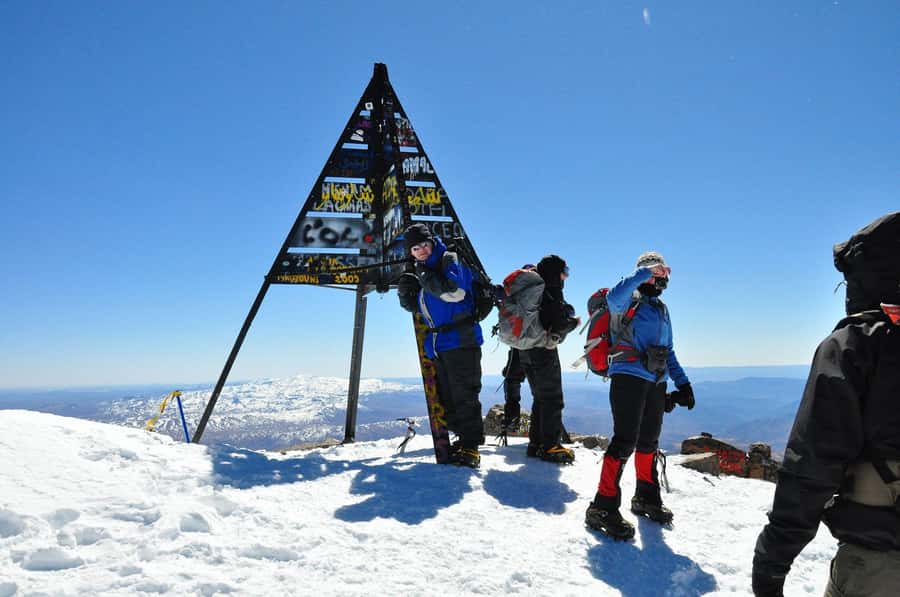
- North Africa’s highest summit in just 48 hours (4,167m)
- Berber village walking plus cultural pauses around Imlil and along the Mizane Valley
- Picnic lunch near Sidi Chamharouch shrine at 2,500m—a memorable break point
- Overnight in a mountain refuge at about 3,200m, with mint tea and dinner included
- Early start on summit morning (breakfast around 5:00am, climbing at 5:30am)
- Attentive guides and steady support—especially helpful if you’re a slower hiker
From Marrakech to Imlil: The Hike Begins Above the City
The day starts with a morning pickup in Marrakech at 8:00am, then a ride that gradually pulls you out of city noise and up into High Atlas mountain country. You’ll reach Imlil (around 1,700m–1,740m), which is the classic jump-off point for Toubkal treks. This matters because it gives you a buffer to adjust before the real climb begins.
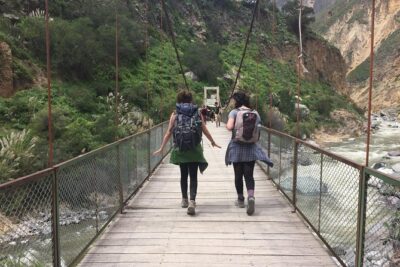
Once you’re in Imlil, you’re not thrown straight onto a steep trail with zero context. You’ll tour around the area—time in Imlil sets the stage for what you’ll see and hear later: stone homes, terraced slopes, and the everyday rhythms of people who live close to these mountains. You’ll also head through the direction of Aremd and into the Mizane Valley for the kind of walking where the terrain changes, but the goal stays clear: keep moving, keep it steady.
Practical tip: bring layers you can manage during the drive and first walking sections. Morocco’s mountain mornings can feel brisk, and by midday you may warm up quickly on the approach.
Ait Mizane Valley Walking: Where the Views Actually Mean Something
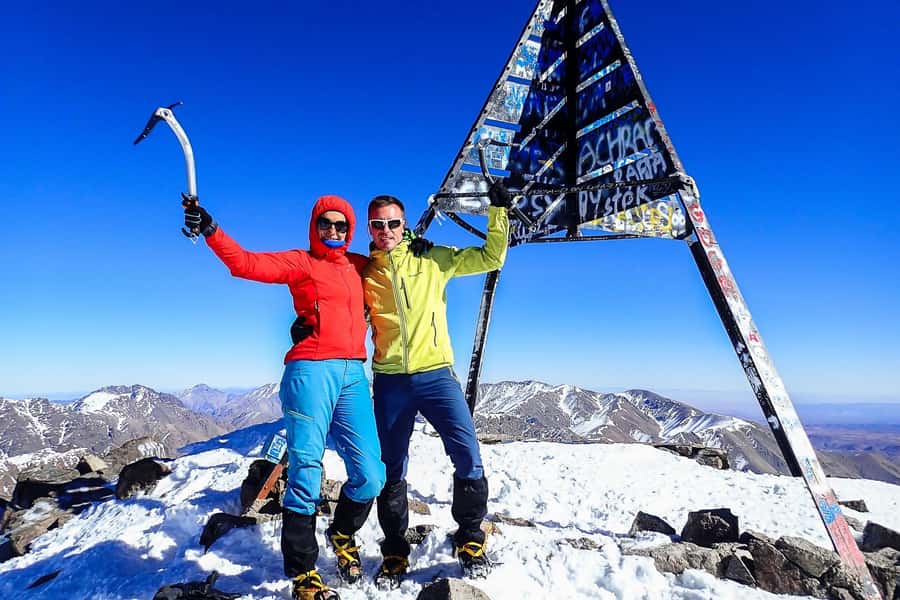
The heart of this trek is the time you spend in and around the Mizane Valley. This isn’t a “stroll to the viewpoint” route. It’s a real walking day with enough variety that you don’t feel stuck doing the same thing for hours.
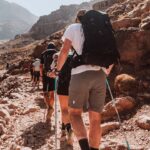
What makes this section special is the balance between effort and small moments of connection. Along the route, you’ll have chances to interact with the kind of village life you don’t see from the highway—farm plots, homes, and the way people work in mountain weather. The route also gives you those long, slow lines of sight that build anticipation. You’ll start noticing the higher you go, the more the valley feels like a funnel guiding you toward the refuge.
Also, the guide isn’t just there to keep you on track. With guides like Hassan, Houssain, Mohamed, Mostafa, Mohammad, and Abdellatif showing up across different departures, the common thread is pacing and safety—especially for groups with mixed fitness. In several accounts, guides actively manage the group’s tempo and check in when someone needs extra support.
Picnic at 2,500m: Sidi Chamharouch and the Power of a Real Break
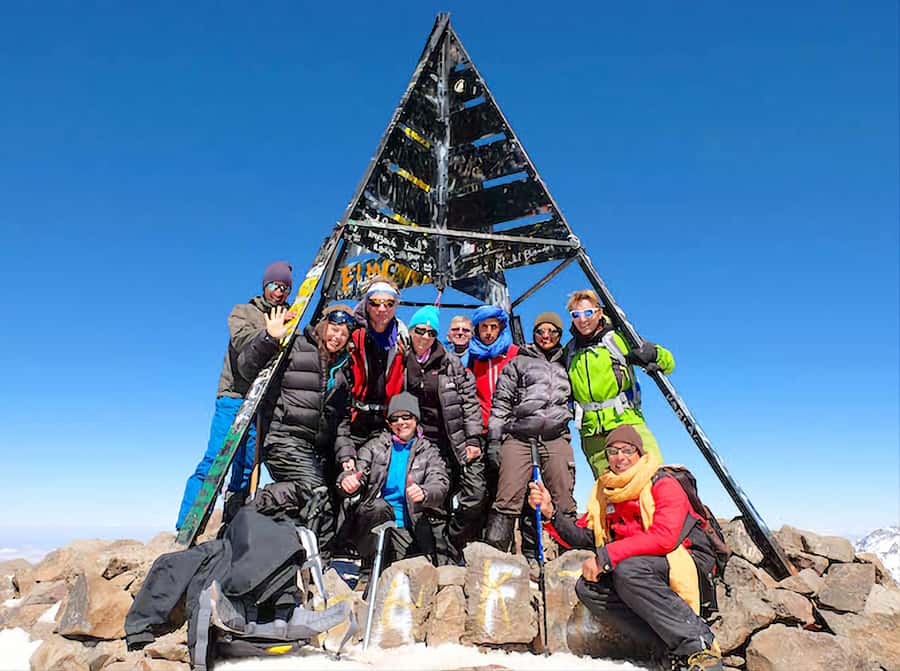
One of the best-feeling parts of Day 1 is the scenic picnic lunch near the shrine of Sidi Chamharouch (2,500m). A scheduled break at altitude does two things: it helps your body digest the hike so far, and it gives your mind a landmark. It’s easier to handle the climb when you know there’s a specific moment ahead that will feel like progress.
The shrine stop also adds a cultural layer that’s more than a quick photo. You’re walking through a landscape where spirituality, local tradition, and daily life aren’t separated into different boxes. Even if you don’t go deep into interpretation, you’ll feel the difference between just passing through and being temporarily part of a living place.
A practical note: after lunch, the air can feel colder than you expect, especially if clouds roll in. That’s when your windproof layer earns its keep.
Reaching the Toubkal Refuge (3,200m): Night in Mountain Weather
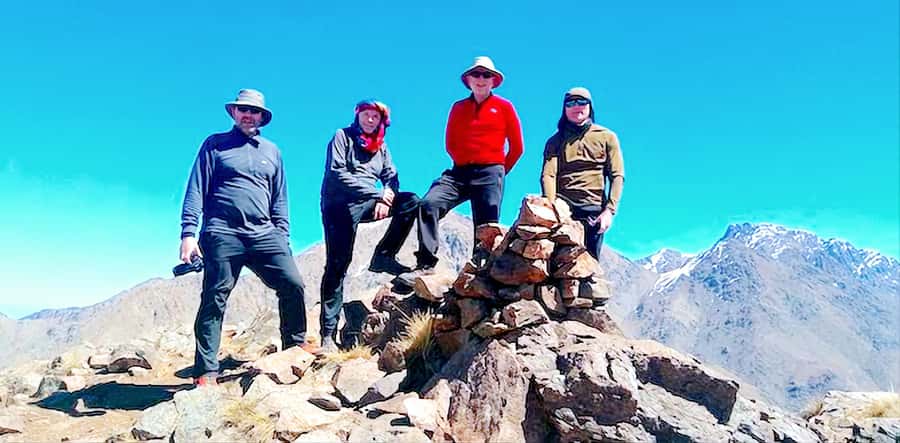
By the time you arrive at the Toubkal refuge around 3,200m, the trek shifts from “climbing” to “staying comfortable at altitude.” You’ll have mint tea, plus dinner and the night’s accommodation in the refuge (or tent during summer months). This is a key detail: at this height, night can get sharp, and the refuge setup matters for how well you recover for the summit.
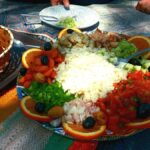
Dinner is traditional Moroccan mountain food, and there’s usually a cook handling meals throughout the hike. You don’t have to worry about rationing snacks or figuring out where the next meal comes from. Coffee, tea, and snacks are available during the trek too, so you’re not constantly waiting for a gap in the schedule to refuel.
A standout benefit here is the mental reset. Once you settle in, you can look up and get that “this is real high altitude” feeling. If the sky is clear, you’ll see stars in a way that’s hard to experience anywhere else near Marrakech.
What to watch: this is a night at elevation, not a hotel night. You’ll want the right layers for sleeping, and you’ll feel tired. The summit day starts early, so treat the evening like prep time, not sightseeing time.
Summit Morning at 5:30am: Climbing to 4,167m with a Steady Strategy
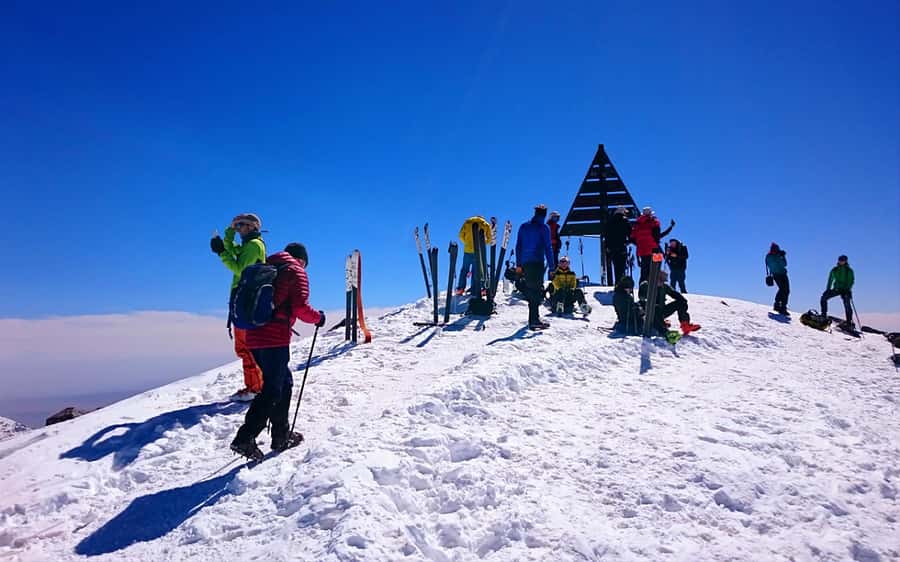
Day 2 begins with an early rise, breakfast around 5:00am, then setting out for the summit climb at 5:30am. This early timing is not random. It’s designed to make the most of the conditions and to help you reach the top with enough energy to enjoy the views.
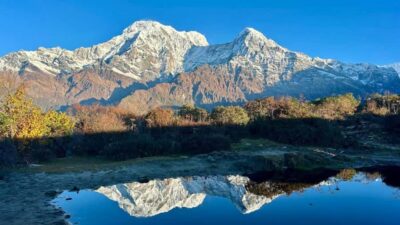
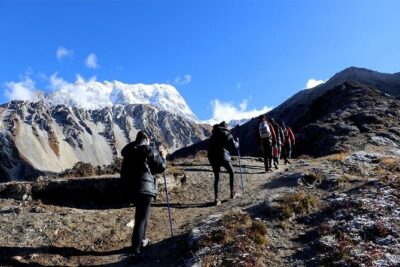
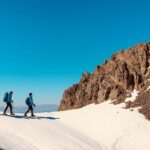
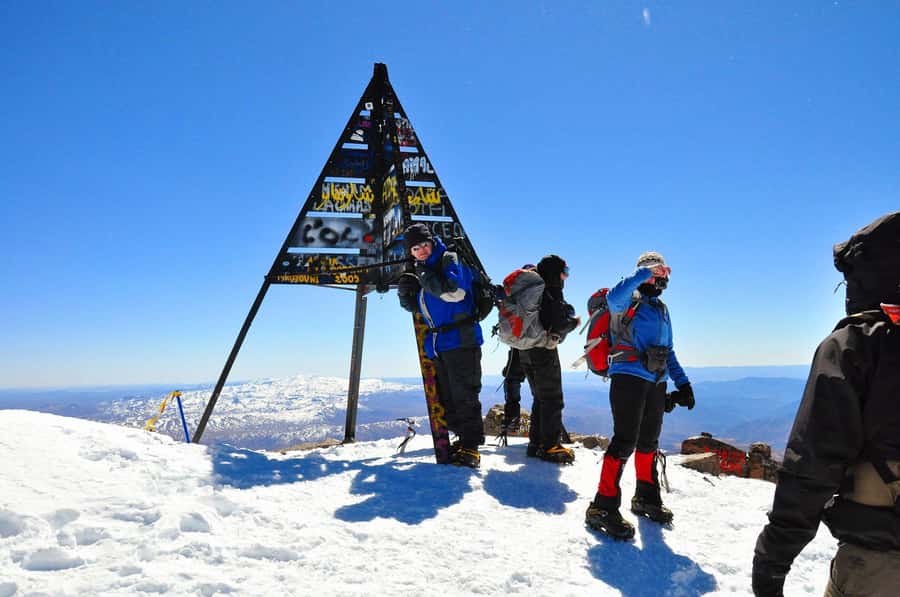
The summit push is the long grind. The route climbs for 3 to 4 hours, with a pace that typically favors steady effort over speed. You’ll take a short refreshments break, then continue toward the top. When you reach the Toubkal summit at 4,167m, you’ll spend around 25 minutes there—enough time to take photos, catch your breath, and soak in the Atlas panorama.
A real-world comfort: several guides have been praised for managing slower hikers and keeping people safe when conditions are tough. In one case, Hassan supported a group member experiencing altitude symptoms by staying patient and encouraging. That kind of leadership matters, because summit success isn’t only legs—it’s calm decision-making.
After the summit, you’ll descend back to the refuge for lunch, then continue down the same general route to Imlil before transferring back to Marrakech.
Guides, Meals, and the Small-Group Rhythm (Max 10)
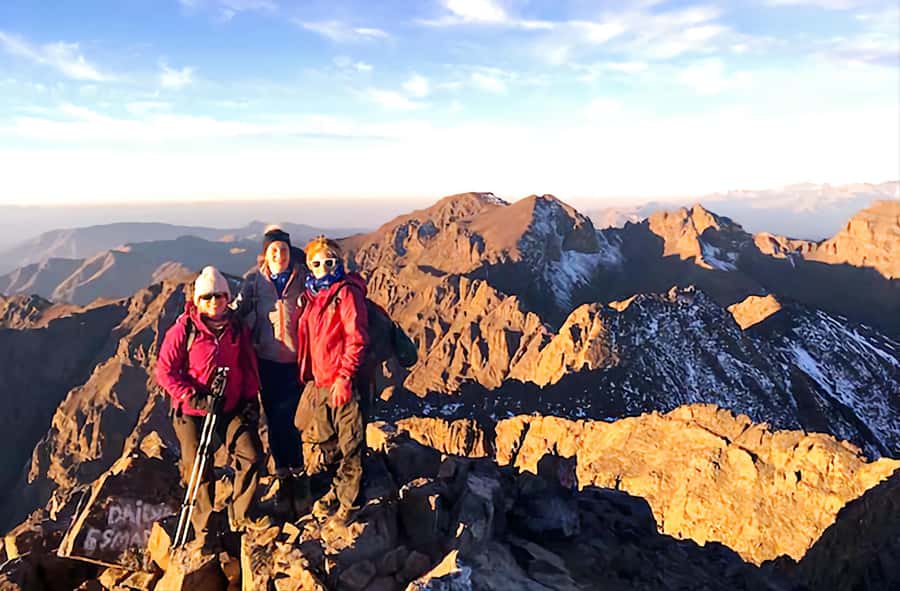
At the core of value here is how much is handled for you. You get an English-speaking tour guide (with multiple language options available), plus a cook who prepares meals during the hike. The group stays small—10 participants max—which changes the whole feel of the trek.
Small group means:
- You’re more likely to walk at a pace that fits your group.
- Guides can keep an eye on people’s hydration and energy.
- You spend less time waiting and more time moving smoothly.
Guide names that came up strongly across different departures include Mohamed, Mustafa, Hamid, Ismail, Houssain, Hassan, Abdo, Baddi Hassan, and Abdellatif. The consistent message is support: clear explanations before the climb, careful checking in, and patience when the summit push gets hard.
On food: all meals during the hiking portion are included. You won’t be stuck deciding between paying for snacks or going hungry. And because a cook prepares everything, you’re not trying to “figure it out” in the middle of the mountain.
Packing for Toubkal: Cold Mornings, Wind, and Simple Survival Gear
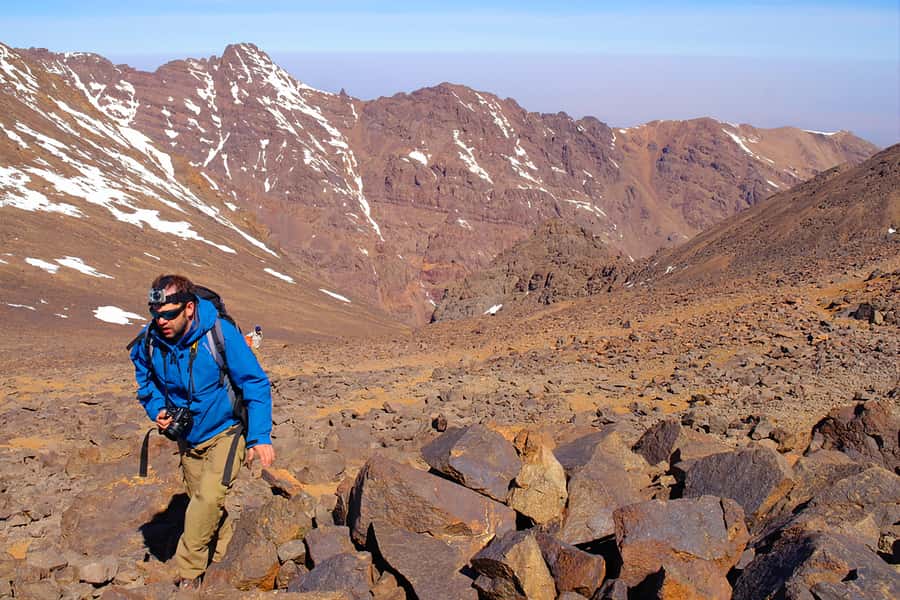
This trek has altitude and weather variability baked in. Your packing list isn’t fancy—it’s practical. Here’s what you should treat as non-negotiable:
Warm clothing and cold protection:
- A windproof fleece or softshell jacket
- Warm layers for early mornings and nighttime at the refuge
- A hat or cap and gloves
- Rain gear (because conditions can shift fast)
Footwear and hiking essentials:
- Robust, waterproof hiking boots that support your ankles well
- Comfortable hiking trousers and suitable socks
- Hiking poles if you use them
- A flashlight or headlamp (you’ll be up early)
Small but important extras:
- Water bottles (bring enough for the day’s climb and breaks)
- Sunscreen and sunglasses (sun at altitude can still bite)
- Toilet paper and small bin bags
- A small first-aid kit
- One or two backpacks for personal items
- A sleeping bag (important for the refuge night)
If you don’t own the right gear, equipment can be rented in Imlil. That’s one reason starting in Imlil works well—you can sort what you need close to the trek start rather than trying to solve it in Marrakech.
Price and Value: What $177 Covers (and Why It’s Not Just a Walk)
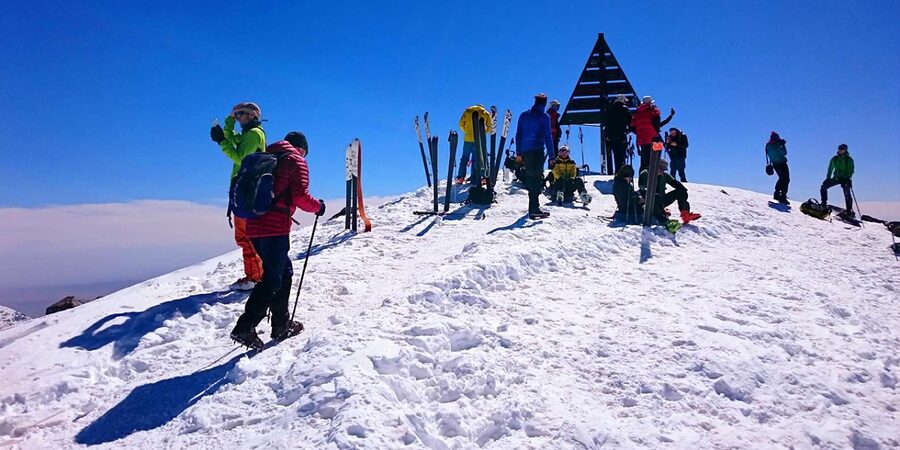
At $177 per person for 2 days, the headline cost is easy to compare. The better question is what you’re buying with it.
You’re covered for:
- Transfers between Marrakech and the trek starting point and back
- An English-speaking guide (and other language options depending on your booking)
- All meals during the hike
- A cook preparing those meals
- One night at the refuge (or tent during summer months)
- Coffee, tea, and snacks
- The guide’s pacing, route structure, and summit support
Equipment rental is not included, but you can rent it in Imlil, which reduces friction.
Is it possible to DIY this cheaper? Maybe, depending on your comfort with planning, guiding, and meal logistics. But for many people, the real value is the friction removed: you show up in Marrakech, and someone handles transportation, food, guiding, and the overnight plan at altitude. Considering the early summit start and the need for steady pacing, that structure can save you stress—and that stress is often what turns a great trek into a miserable one.
Potential Downsides: Altitude, Weather, and the Need for a Sensible Pace
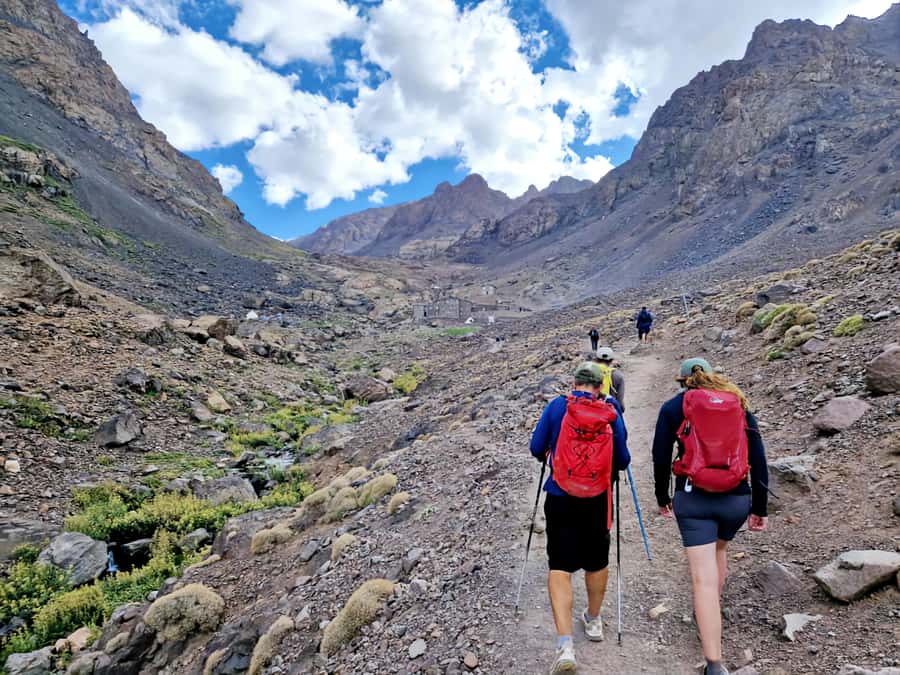
This is a high-altitude climb and you should respect it.
Altitude reality:
- The trek reaches 4,167m, with a night at 3,200m.
- People with altitude sickness should not do it.
- It’s not suitable for pregnant women and there’s a weight limit of 287 lbs (130 kg).
Weather reality:
- You’re hiking in mountain conditions, and weather selection is recommended.
- On at least one departure, when weather prevented the summit, guides handled it by switching plans to a challenging alternative. That’s a good sign: you’re not stuck doing nothing, but you should still treat the summit as weather-dependent.
Pace reality:
- Even with guides who support slower hikers, this is still a 3–4 hour ascent after an early start. If you’re not used to steep climbs, bring your patience and pace strategy. Trying to push too hard early is how people burn energy fast.
Who Should Book This Toubkal Trek
This trek fits best if you want:
- A guided, structured experience to North Africa’s highest peak
- A mix of village life + real summit hiking
- A plan that includes meals, transport, and the refuge night so you can focus on the climb
You might want to choose something else if you:
- Need a low-altitude walking experience
- Are sensitive to altitude
- Don’t have decent hiking footwear or aren’t willing to pack warm cold-weather layers
If you’re traveling solo, a small group can feel like a sweet spot: friendly enough for conversation, organized enough that you’re not stuck doing logistics alone.
Should You Book This Toubkal Ascent?
Yes—if you’re ready for cold mornings, steady hiking, and the altitude challenge. The biggest reason to book is value in the practical stuff: transport, meals, a cook, guide support, and the refuge night are handled, and the small-group size keeps the experience from feeling chaotic.
You should also book if you appreciate real mountain culture stops, not just checkpoints. Stops around Imlil, the shrine-area picnic at Sidi Chamharouch, and the refuge night build a story you can actually feel, day to day.
If you’re unsure about the summit day, still consider it. The early start and guide support are there to help you make smart decisions, and guides have shown flexibility when weather turns.
FAQ
What time is the pickup in Marrakech?
Pickup from your Marrakech hotel is at 8:00am on Day 1.
Where does the trek start?
The trek starts in Imlil (around 1,700m–1,740m).
How high is Mount Toubkal?
The summit is at 4,167m.
What happens on Day 1?
Day 1 goes from Marrakech to Imlil, then you hike through Berber villages and the Aremd/Mizane Valley area. You have a picnic near the shrine of Sidi Chamharouch (2,500m) and then continue to the Toubkal refuge (around 3,200m) for tea, dinner, and your overnight stay.
When do you start climbing on Day 2?
Breakfast is around 5:00am, and the summit climb begins at 5:30am.
How long is the summit climb?
From the refuge, the climb to the summit takes about 3–4 hours.
Is equipment included?
Equipment is not included, but you can rent it in Imlil.
How many people are in the group?
This is a small group limited to 10 participants.
What languages are available for the live guide?
The live guide may be available in Arabic, Dutch, French, English, Japanese, Korean, Polish, Spanish, Portuguese.
Who is this trek not suitable for?
It is not suitable for pregnant women, people with altitude sickness, people over 287 lbs (130 kg), and babies under 1 year.