REVIEW · HANOI
Sapa Trekking 3 Days 2 Nights (Homestay) – Departure From Hanoi
Book on Viator →Operated by Fantasea Tours · Bookable on Viator
Sapa feels worlds away from Hanoi. This 3-day trekking loop mixes village walking with homestay life in Ta Van and Giang Ta Chai, plus visits to ethnic communities like Black H’mong at Y Linh Ho and Red Dzao at Giang Ta Chai. I like how the route is built around real daily rhythm—field paths by afternoon light, then family meals and conversation at night.
I also like the practical setup: early pickup from the Old Quarter, English-speaking local guide, and a group capped at 15 so the trek feels organized even when the trail gets busy. One consideration: the walking days are for people with moderate fitness, and a past traveler noted feeling followed by sellers while trekking (and that the guide didn’t fully handle it to their satisfaction).
In This Review
- Key takeaways before you go
- From Hanoi at 6:30 to Sapa by early afternoon
- Day 1: Y Linh Ho (Black H’mong) to Ta Van homestay
- Day 2: Bamboo forest, a waterfall, and Giang Ta Chai (Red Dzao)
- Day 3: Su Pan and Hau Thao viewpoints, then back to Sapa and Hanoi
- Homestay life: what makes Ta Van and Giang Ta Chai special
- The guide, the group, and why the pace feels workable
- Meals included: 3 lunches, 2 dinners, 2 breakfasts
- Price and value: what $98.74 covers on a 3-day route
- Possible snags: sellers on the trail and transport hiccups
- Packing for moderate trekking: what to bring and what to skip
- Who this Sapa trek is best for
- Should you book this Sapa trek from Hanoi?
- FAQ
- What is included in the Sapa Trekking 3 Days 2 Nights tour?
- Where are the homestay nights located?
- What time does the tour start in Hanoi?
- Is the bus air-conditioned and is pickup offered?
- How physically demanding is the trek?
- What is the maximum group size?
Key takeaways before you go
- Early Hanoi start (06:30) means you’ll be trekking sooner, not later
- Two homestay nights in Ta Van and Giang Ta Chai make this more than a day hike
- Ethnic village stops include Y Linh Ho (Black H’mong) and Giang Ta Chai (Red Dzao)
- Included meals cover most of your eating—3 lunches, 2 dinners, 2 breakfasts
- Small group size (max 15) helps keep pacing manageable on narrow paths
- Trail time + village trading can mean persistent sellers in some stretches
From Hanoi at 6:30 to Sapa by early afternoon

This trip starts early on purpose. You’re asked to be ready at 06:30 in Hanoi’s Old Quarter, then the air-conditioned bus leaves around 07:00. The bus includes short breaks, and the goal is to reach Sapa at about 13:00.
That timing matters because it gives you a real first afternoon trek on Day 1. You won’t lose a full day to travel, and you get to settle into the Sapa area while it still feels like daylight. It also sets expectations: you’ll want a solid breakfast in Hanoi before pickup, and you should plan your day pack for walking, not sight-seeing.
You can also read our reviews of more tours and experiences in Hanoi.

Day 1: Y Linh Ho (Black H’mong) to Ta Van homestay
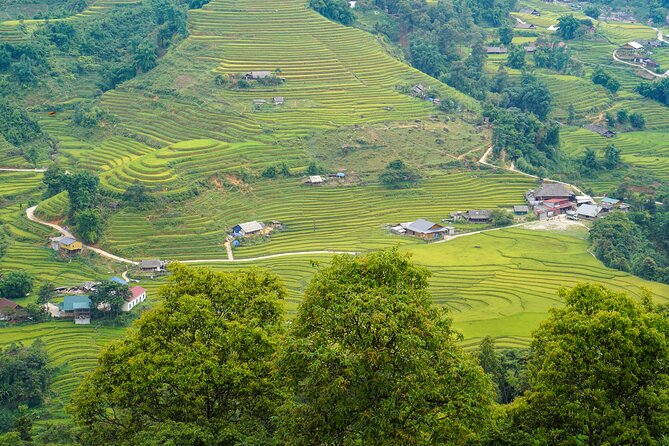
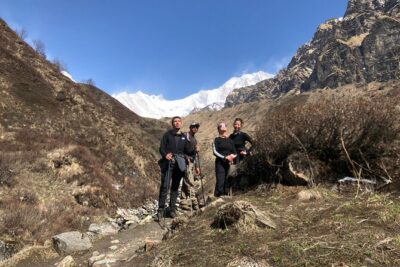
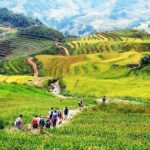
Day 1 is where the trip turns from transport into walking. After arriving in Sapa around 13:00, you continue by van and then start trekking at roughly 14:30 toward Y Linh Ho, known for its Black H’mong community.
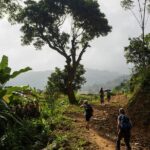
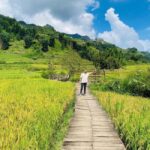
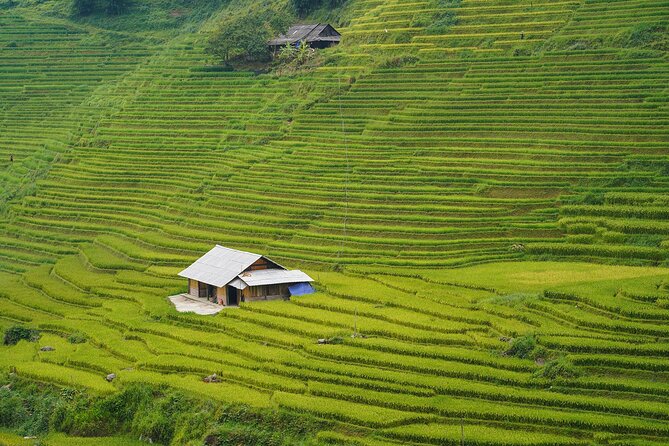
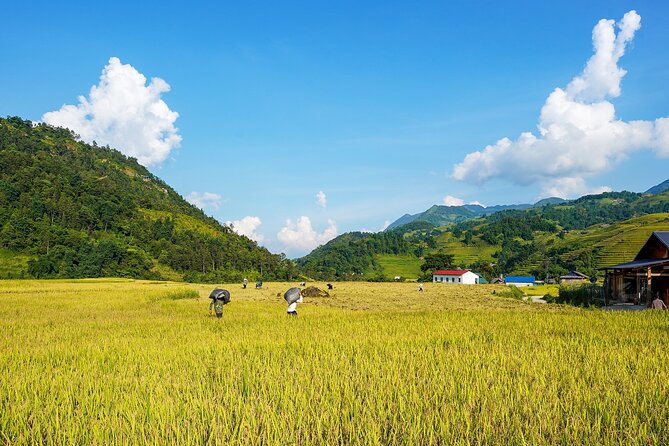
What I’d pay attention to here is the “small village” feel. This isn’t a long, technical expedition—it’s a series of village-adjacent paths through fields where you can actually see daily life up close. The terrain is on narrow paths, so it’s not just about distance; it’s about staying steady, especially when the ground is uneven.
You then keep trekking toward the area of Ta Van (the route references time spent through the Lao Chai area on the way). The idea is that by late afternoon you’re in a homestay setting, not a hotel. That means dinner is often family-cooked, and you’ll likely share space with other walkers on the same schedule.
Based on what people praise in these homestays in the Ta Van side of Sapa, the best moments are usually simple: warm hospitality, good food after a hard walking day, and the feeling that your hosts are genuinely glad you came. Names like Chin, Cha, and Chinh show up frequently in positive stories from similar stays nearby, which is a clue that you’ll want to be friendly and curious when you arrive.
Day 2: Bamboo forest, a waterfall, and Giang Ta Chai (Red Dzao)
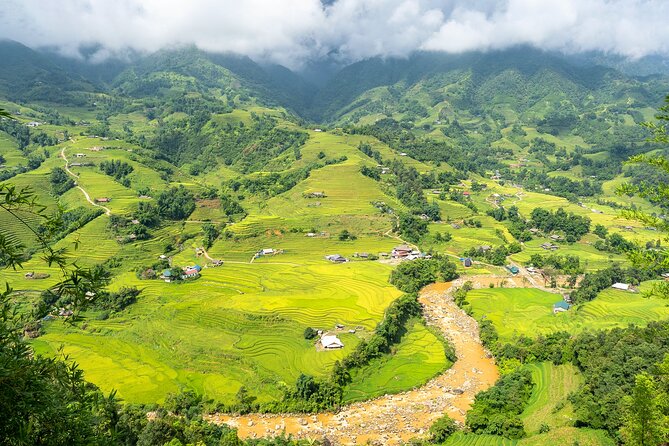
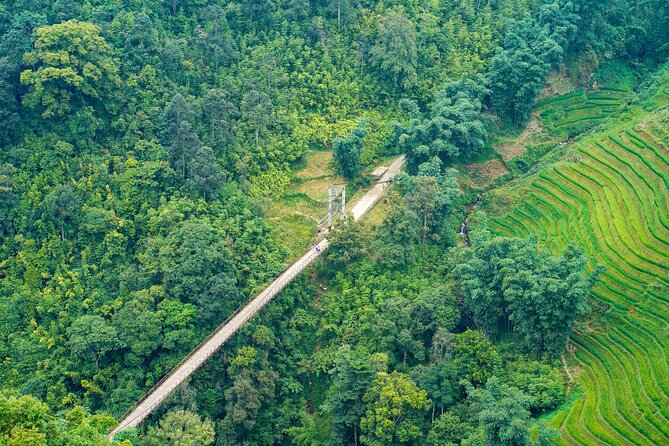
After breakfast, the next morning moves quickly. Around 09:00, you say goodbye to your homestay hosts and continue trekking. This day is described as cutting through a bamboo forest and past a waterfall before reaching Giang Ta Chai village, associated with the Red Dzao people.
This is the “scenery plus culture” day. Even when the trek pace is steady, the route gives you moments to pause—especially around water. If you’re the type who likes photos, you’ll get chances, but don’t treat it like a stop-and-go tour. The walking is part of the point.
Giang Ta Chai is the cultural anchor on Day 2. You’re not just passing through; the plan includes visiting the village so you can learn more about local customs and the way people live. On a trip like this, the guide’s job is crucial: they translate what you see, explain how the villages relate to the mountains and farming, and keep you moving without turning it into a lecture.
You’ll finish the day back in homestay mode for the second night. If you’ve never stayed in a family home before, keep expectations grounded: space can be smaller, and routines are different from hotels. But many people like these stays specifically because they’re clean, warm, and social—exactly the kind of place where conversations happen naturally after dinner.
Day 3: Su Pan and Hau Thao viewpoints, then back to Sapa and Hanoi
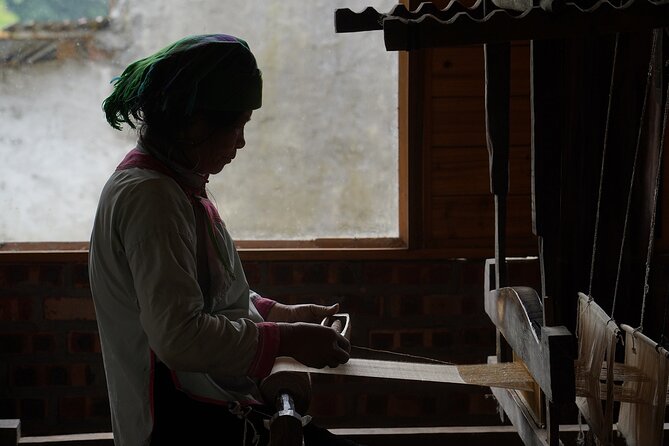
Day 3 starts with village morning time. You wake up in the fresh air, enjoy the sound of the village morning, and then have breakfast before the trek begins around 09:00. The route then continues toward Su Pan village, followed by a viewpoint stop.
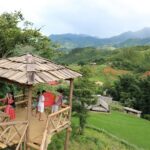
Around 11:00, you reach Hau Thao, which is described as a place to see the best views. This is the payoff window: after two walking days, you get a higher look at the valley and the pattern of fields around the villages. It’s also where being on time matters. If you’re slow packing, you’ll feel it later.
Then it’s back to the practical side. You’re picked up by car around 13:00–13:30 and returned to Sapa town, with time to relax at Sapa House Hotel until your afternoon bus back to Hanoi.
For most people, that timing feels like relief. The trek is the main event, but the transfer plan keeps you from rushing right after walking. You’ll still have a travel day to finish—just less stress on Day 3 than on Day 1.
Homestay life: what makes Ta Van and Giang Ta Chai special
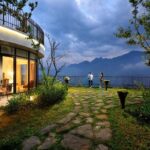
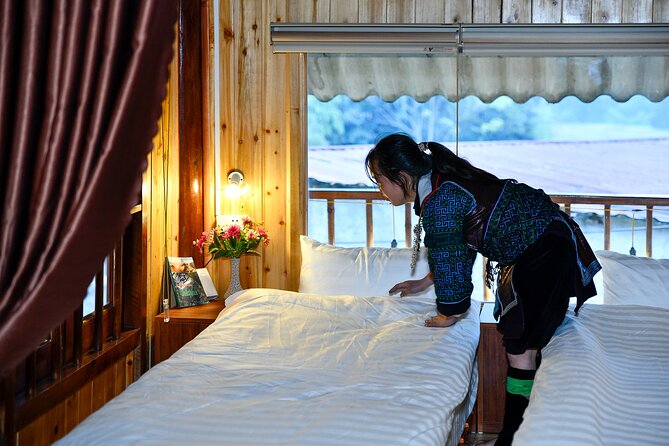
The homestays are the heart of this experience, not an add-on. The tour includes 2 nights total—one in Ta Van village and one in Giang Ta Chai village. That structure gives you time for more than one meal and more than one evening of conversation.
What I like about this setup is that it turns “culture” from a checkbox into daily life. You’ll eat what the family makes, see how rooms are arranged, and learn the informal routines that don’t exist in hotels. One of the strongest praises tied to these stays is the feeling of being treated like family—hosts who help you feel comfortable and explain things without making it stiff.
In feedback about homestays in this area, people often call out comfortable beds, sometimes hot showers, and food that’s notably better than what you’d expect from a small village kitchen. Some stories also mention extra social touches, like game nights and easy chatting that makes the evening memorable even when you’re tired from the trek.
Still, do keep expectations realistic. Homestays are homes. You’re sleeping in a rural village environment, so you may not get the same level of privacy, towels, or room temperature control you’re used to. The good news is that the trip pricing includes homestay stays and meals, so you’re not paying extra for the basics.


The guide, the group, and why the pace feels workable
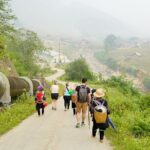
This is a small-group tour, with a maximum of 15 travelers. For a trek, that’s a sweet spot: big enough for a fun social vibe, small enough to manage timing and keep the group together on narrow paths.
You also get an English-speaking local guide, plus insurance during the time using the bus. Those two details sound basic, but they matter on a rural route. When you can ask questions and get clear guidance, you spend more time understanding what you see and less time guessing.
The pacing is also built into the itinerary. You’re not trekking all day without breaks—there are structured village visits and daylight blocks. And because the homestays are waiting, you’re walking with a clear end point each day.
One more practical point: trekking in a group means you’ll occasionally slow down to regroup. That’s normal, and you’ll want footwear that’s comfortable and secure enough for uneven ground. If you’re traveling with knee issues or very low endurance, this is where you’ll feel it.
Meals included: 3 lunches, 2 dinners, 2 breakfasts

One of the best value angles here is food coverage. The tour includes:
- 2 breakfasts
- 3 lunches
- 2 dinners
Drinks aren’t included, and tips aren’t included, so you’ll still want a little cash or card for personal choices. But the bulk of your meals are handled. That means you don’t have to hunt for restaurants in the middle of trekking days, and you can plan around walking instead of logistics.
Food is one of the most frequently praised aspects of homestay experiences on this route. People describe family cooking as a highlight after long days on foot, especially when it’s served warm and waiting. On nights like that, you’ll likely appreciate even the simple stuff—rice, vegetables, soup, and whatever local dish the family is known for.
Price and value: what $98.74 covers on a 3-day route
At $98.74 per person, this tour is priced for people who want structure without going full luxury. For that money, you get:
- A round-trip air-conditioned bus between Hanoi and Sapa
- Homestays (2 nights) in Ta Van and Giang Ta Chai
- An English-speaking local guide
- All fees and taxes
- Insurance during bus travel
- Meals for most of the days (as listed above)
The biggest “value” lever is the combination of transport + homestay + guide + meals. If you tried to arrange those pieces separately, you’d likely spend more time coordinating and pay more for at least part of the package. Here, the schedule is already stitched together.
Two potential extra costs to watch:
- A single room surcharge of $20
- Drinks and tips, plus you’ll want your own travel insurance beyond what’s covered on the bus
For most people, the base price feels fair if you’re comfortable with homestay travel and you plan to eat as included. If you mainly want a quick photo trip and don’t care about village contact, you might find you’re paying for something you won’t use.
Possible snags: sellers on the trail and transport hiccups
No tour is perfect, and one critical theme shows up in feedback: sellers. A past traveler described being followed by sellers for much of the trek and felt the guide wasn’t fully helpful in the moment. That doesn’t mean it will happen to you the same way, but it does mean you should be ready.
My practical advice: keep your interactions calm and brief. If you feel uncomfortable, tell your guide promptly. And don’t stop for a long negotiation mid-walk—your day runs on timing, and a long stall can put the group behind.
Transport is another weak spot to consider. Even though the tour description highlights an A/C bus, one traveler reported discomfort with the bus and also said transport felt disorganized. That’s a reminder to keep a flexible attitude around pickup timing and transitions, especially on Day 1 when you’re juggling Hanoi departure, travel breaks, and then a van/transfer into Sapa.
Bring patience, and pack like you’re going on a trekking day, not a city tour. When you do that, the trip still tends to deliver the main reward: walking in northern Vietnam’s village regions with real human contact.
Packing for moderate trekking: what to bring and what to skip
The tour asks for moderate physical fitness. That usually means you can handle several hours of walking, uneven ground, and some steep or slippery sections, even if you’re not training for a mountain marathon.
Pack with these priorities:
- Good walking shoes with grip
- A light rain layer (weather can change quickly in the mountains)
- Water bottle and a few small snacks if you like (drinks aren’t included)
- Warm layer for mornings and evenings in the village
- Small day bag you can keep close on narrow paths
Skip packing anything you won’t carry comfortably. Homestay bags are not like hotel luggage carts. You’ll move through villages and paths with what you bring.
If you’re sensitive to persistent sellers, consider having a clear plan for money and purchases so you don’t feel pressured while moving.
Who this Sapa trek is best for
This is best for you if you want:
- Village walking rather than a bus-and-viewpoints day
- Homestay contact, where you eat and chat with local hosts
- A guide who can connect what you see to daily life in ethnic communities
- A small group (up to 15) with a manageable pace
It’s less ideal if you want:
- Resort-style comfort every night
- A guaranteed smooth, seller-free trail
- A very flexible itinerary with lots of unscheduled free time
If you like meeting people and you’re okay with village routines, you’ll likely enjoy the rhythm of the trek: morning departure, mid-day village stops, and evening downtime with the people who live there.
Should you book this Sapa trek from Hanoi?
I’d book it if your goal is a real northern Vietnam experience without extra planning headaches. The combination of A/C transport, two homestays, English guide, and nearly all meals included makes the price feel workable, especially if you’re the type who enjoys learning by watching and asking questions.
Hold off or choose a different option if you’re very sensitive to crowds, you hate the idea of sellers near trails, or you need a very predictable, low-friction transport day. Then again, even with those concerns, the core rewards—walking between villages and spending nights in families’ homes—are exactly what this itinerary is built for.
If weather is poor, this kind of trek can be affected. The tour notes that it depends on good weather, and in those cases you’ll be offered a different date or a full refund.
FAQ
What is included in the Sapa Trekking 3 Days 2 Nights tour?
It includes 2 nights at homestays in Ta Van village and Giang Ta Chai village, round-trip air-conditioned bus transportation between Hanoi and Sapa, all fees and taxes, an English-speaking local guide, insurance during bus travel, and meals (3 lunches, 2 dinners, and 2 breakfasts).
Where are the homestay nights located?
You’ll sleep at homestays in Ta Van village for one night and Giang Ta Chai village for the second night.
What time does the tour start in Hanoi?
Start time is 6:30 am. You’ll be ready at your hotel lobby in Hanoi’s Old Quarter for pickup.
Is the bus air-conditioned and is pickup offered?
Yes. The tour includes a comfortable air-conditioned bus from Hanoi to Sapa and back, and pickup is offered.
How physically demanding is the trek?
The tour is recommended for travelers with moderate physical fitness.
What is the maximum group size?
The tour has a maximum of 15 travelers.