REVIEW · KATHMANDU
Langtang Gosainkunda Trek
Book on Viator →Operated by Hiking Adventure Treks · Bookable on Viator
Gosainkunda feels oddly close to Kathmandu. One day you’re in the valley, the next you’re chasing ice-cold views at 4,380 m around the religious frozen lake, with Langtang Valley stretching out below.
I love that this trek keeps the focus tight: Gosainkunda Lake and the lookout above it, where you can see the wider sweep of Himalayan peaks. I also like the practical structure—meals are included, and you’re picked up and guided as a private group.
The main consideration is altitude and weather. You need moderate fitness, and the experience depends on good conditions, since poor weather can trigger a different date or a full refund.
In This Review
- Key Highlights You’ll Actually Care About
- Why Gosainkunda Feels Like a Real Change of World
- The Altitude Reality Check (4,380 m Is Not a Number You Ignore)
- Getting There: 7:45 am Start and Private-Group Style
- What’s Included in the Price (and What Isn’t)
- Gosainkunda Lake: Religious Meaning Meets Big Views
- Route Options: Dhunche or Kathmandu
- Tips for Staying Comfortable When the Cold Shows Up
- Weather Is the Real “Schedule Maker”
- Why This Trek’s Company Details Matter (Not Just the View)
- Value: Is $700 Fair for a Private 7-Day Trek?
- Who This Trek Fits Best
- Should You Book the Langtang Gosainkunda Trek?
- FAQ
- What is the duration of the Langtang Gosainkunda Trek?
- Where does the trek start and what time do we begin?
- What altitude is Gosainkunda Lake?
- Are meals included?
- Is the trek private?
- What is the cancellation and weather policy?
Key Highlights You’ll Actually Care About
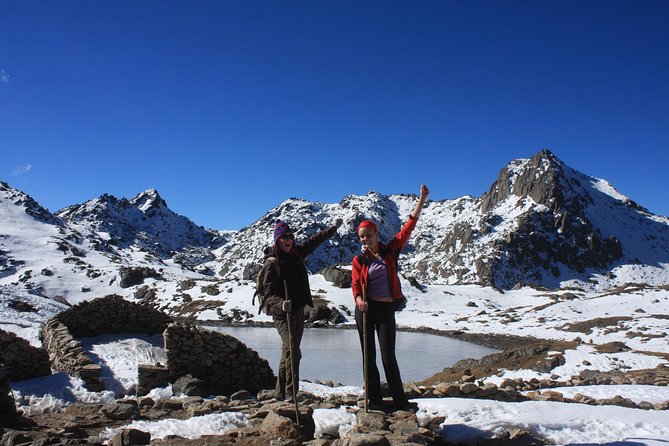
- Gosainkunda Lake at 4,380 m (14,368 ft), reached on a trek near Kathmandu
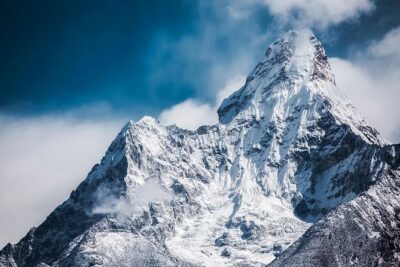
- Outlook above the lake with views toward the Langtang Valley and surrounding Himalayan peaks
- Private tour: just your group, not a big mixed crowd
- All meals included (breakfast, lunch, dinner) plus coffee/tea
- Company communication stands out, including fast responses from Sajana Tripathi
- Led by Ram Barakoti, with a track record of planning around real needs (including dietary requests)
Why Gosainkunda Feels Like a Real Change of World
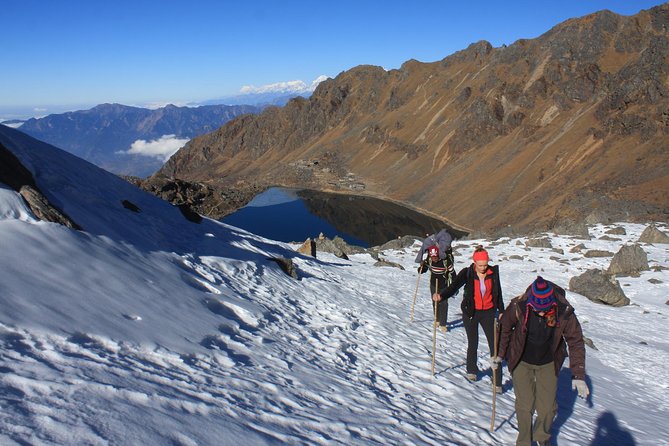
If you’re short on time but long on mountain dreams, the Langtang Gosainkunda Trek hits a sweet spot. Gosainkunda sits near Kathmandu, so you’re not signing up for a month of travel just to get to the mountains. You’ll still feel the shift—air gets thinner, mornings get cold, and the views start doing real work on your brain.
The lake itself is the emotional center. People call it a religious site, and the “frozen lake” nickname matters: the water and the vibe are tied to season and cold. Even if you don’t know the local history in detail, you’ll feel the place’s seriousness as soon as you’re near the water and the surrounding peaks start framing the scene.
One more thing I like: the trek is built around a small core experience. You’re not scattered across a dozen different towns and gimmicks. Your attention stays where it should be—on hiking, arriving, and soaking in the view from the lookout above the lake.
You can also read our reviews of more tours and experiences in Kathmandu.
The Altitude Reality Check (4,380 m Is Not a Number You Ignore)
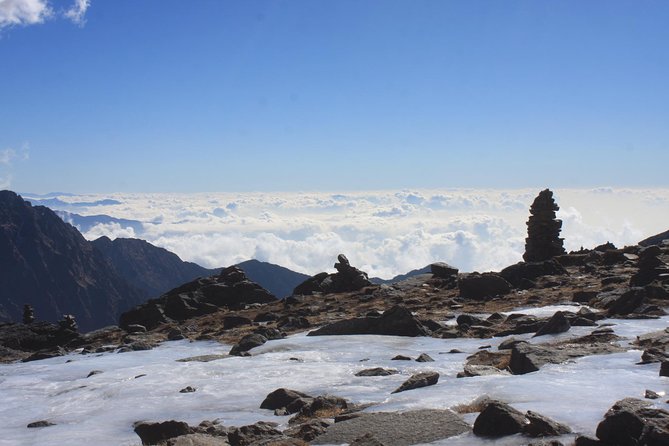
At 4,380 m / 14,368 ft, Gosainkunda is high enough to make basic things feel harder. Walking uphill takes more effort, breathing can feel different, and temperature drops fast once you’re above tree line.
Here’s the part that helps you plan better: you’re told to have moderate physical fitness. That doesn’t mean you need to be a marathoner. It does mean you should be comfortable with sustained uphill walking, steady steps, and a slower pace than you’re used to on flat ground.
Practical tip: plan for cold. Even in warmer months, expect chilly mornings and evenings. Pack layers you can peel on the hike and add once you stop. And don’t take “short trek” to mean “easy.” It’s short in distance compared to some big treks, but the altitude still runs the show.
Getting There: 7:45 am Start and Private-Group Style
This trek starts at 7:45 am. That early start matters because it gives you daylight for hiking and time to reach the lake area with better visibility. It also keeps the schedule from sliding later in the day, which is important when weather is the wild card.
You’ll also have pickup offered, which is a real quality-of-life upgrade in Kathmandu. Instead of wrestling with timing and logistics on your own, you can focus on getting ready and getting out.
The private tour setup is another practical win. It’s private, meaning only your group participates. That usually translates into less waiting around, more flexible pacing, and easier communication with your guide about what you want from the hike—quiet time, photo stops, or just steady progress.
What’s Included in the Price (and What Isn’t)
Let’s talk value, because $700 per person isn’t just a random number—it’s paying for organization. You get breakfast, lunch, dinner, and coffee/tea. That matters on the trail because buying meals yourself adds cost and stress, especially when you’re tired and cold.
Also included is support through the trekking day flow—so someone is handling the timing and guiding the route. Even if you’re an experienced hiker, a good plan can prevent wasted time, wrong turns, and last-minute problems.
What’s not included is bottled water and alcoholic beverages. Bottled water costs can add up fast on longer days, so think about how you’ll handle hydration. If you bring a refill plan, make sure it fits your comfort level and local rules.
Quick mindset shift: when meals are included, you can eat more regularly instead of skipping until later. That helps you keep energy up for walking at altitude.
Gosainkunda Lake: Religious Meaning Meets Big Views
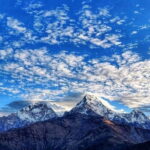
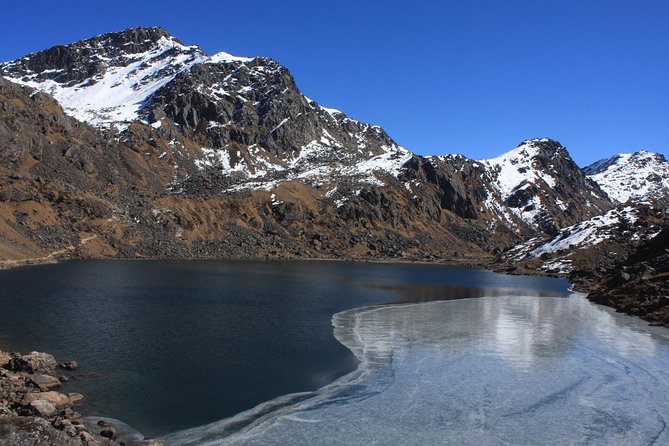
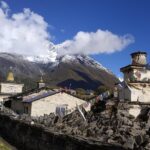
Gosainkunda is described as a group of lakes, surrounded by peaks that look almost unreal. That word—surreal—isn’t just marketing language here. When you get close to the lake area, the combination of high elevation, stark terrain, and the tight ring of mountains makes the scene feel staged, like a painting you can walk into.
The lake is also tied to religious tradition, and that shows up in how the place is treated and how people move around it. If you’re the type who likes places with depth beyond photos, you’ll probably appreciate the atmosphere.
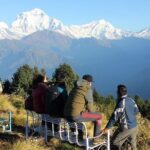
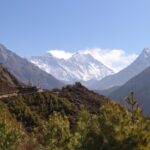
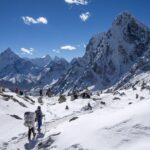
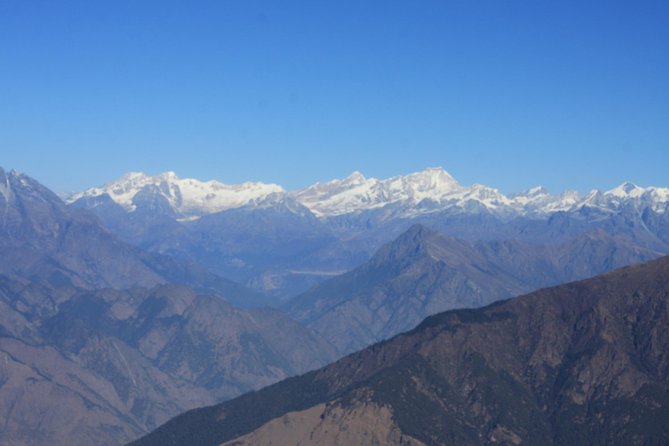
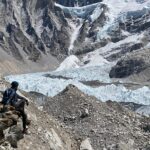
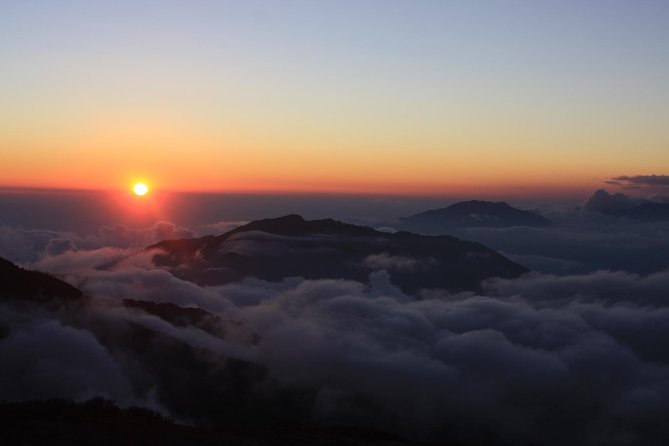
Then there’s the payoff viewpoint. Above the lake, the lookout gives you a wider picture—Langtang Valley spreads out and you can see a range of Himalayan peaks. It’s the kind of view that makes you stop walking just to look, even if you came for the hike.
If you want the best experience, build in time to linger. Don’t treat the lake like a checklist. Walk in, let your senses catch up, then head to the viewpoint so your eyes can switch from “close-up lake magic” to “big sky and peaks.”
Route Options: Dhunche or Kathmandu
You’ll see that Gosainkunda can be hiked from either Dhunche or Kathmandu. For you, that means flexibility depending on the plan your operator uses and the pacing that fits your group.
If you’re newer to trekking, you might prefer whatever option feels less intense on day one. If you’re already comfortable hiking and want to get moving quickly, the Kathmandu side can feel more direct.
Either way, you should ask how your specific schedule approaches the area. The “short trek from Kathmandu” idea is encouraging, but the real details—start point and daily hiking time—are what will determine how your body handles the altitude.
Tips for Staying Comfortable When the Cold Shows Up
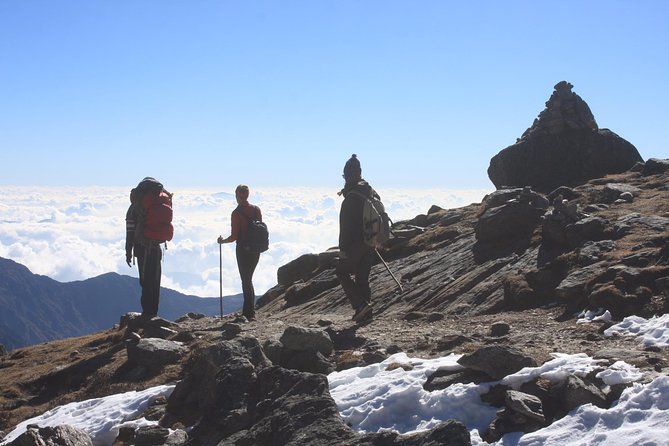
At Gosainkunda’s elevation, temperature can take you by surprise. This is one of those treks where clothing isn’t a style choice—it’s comfort and safety.
I’d plan on:
- Layering: base layer + warm mid layer + outer shell
- Warm head and hands: even when the sun is out, shade can bite
- Water plan: since bottled water isn’t included, decide how you’ll stay hydrated
Also, pace beats hero moves. If you feel winded, slow down. The goal is steady effort, not speed. You’ll enjoy the views more when you’re not trying to recover every few minutes.
Weather Is the Real “Schedule Maker”
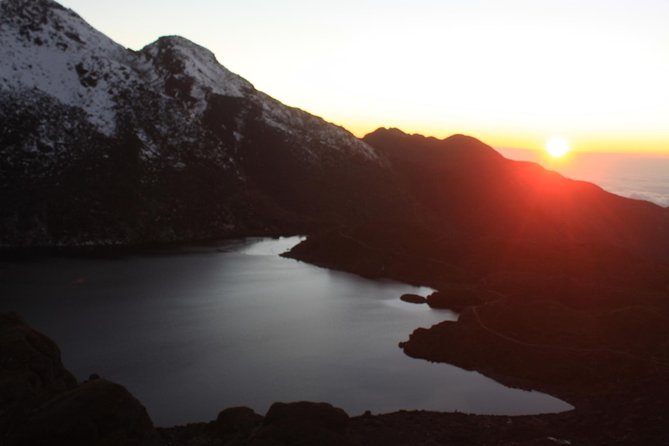
This experience requires good weather. That’s not small print—it’s the reason your itinerary and your comfort can shift quickly in the Himalaya.
If the trek is canceled due to poor weather, you’ll be offered a different date or a full refund. That’s a meaningful safety net, because it shows the operator isn’t forcing the plan when conditions aren’t right.
My advice: don’t book other tight travel connections right after your trek ends. Give yourself breathing room for delays or rescheduling. Mountain weather is fickle, and your best experience comes when you’re not racing a bus schedule.
Why This Trek’s Company Details Matter (Not Just the View)
This is where private trekking earns its keep. The names that come up in feedback are a hint at how the company runs: Sajana Tripathi handles communication quickly, and the operation is led by CEO Ram Barakoti.
You’ll feel the difference most in two moments:
- When you ask questions before the trip
- When you have needs that don’t fit the standard backpacker mold
One example from the company’s track record: they’ve worked through dietary planning needs, including kosher requirements. If your diet has restrictions, don’t wait until the last minute. Email or ask early so the team can plan around you.
They’ve also shown patience with groups needing extra sensitivity and support. That doesn’t mean every detail will match your situation, but it tells you something important: the operator is used to adapting for different kinds of travelers.
Value: Is $700 Fair for a Private 7-Day Trek?
For a private, structured trek around Gosainkunda, $700 can make sense—especially because your meals are included. You’re paying for more than a route. You’re paying for day-to-day organization: food timing, guidance, and the flow from Kathmandu logistics to the mountain experience.
Where value shows up:
- Meals included (breakfast, lunch, dinner + coffee/tea)
- Pickup offered, so you’re not stuck negotiating local transport on tight timing
- Private group experience, which often means less waiting and better pacing control
- A company that communicates well and handles real-world needs (dietary planning, sensitivity)
Where you should temper expectations:
- You’re still responsible for what isn’t included (like bottled water)
- Altitude and weather can affect how the days feel
If you want a “get me to the lake and take care of the details” style trip, the price feels more reasonable. If you’re the type who loves DIY trekking and already has gear and navigation handled, you might find cheaper options. But you’re the one taking on the extra friction.
Who This Trek Fits Best
The Langtang Gosainkunda Trek is a good match if:
- You want a mountain day payoff without an ultra-long expedition
- You’re okay with moderate fitness and walking uphill at altitude
- You prefer private guiding and meals included
- You care about a mix of hiking + a meaningful place to pause (not just a fast summit-and-go)
It may be less ideal if you’re looking for ultra-flexible sightseeing, since the trek depends on weather and the route is planned around reaching Gosainkunda and the viewpoint above it.
Should You Book the Langtang Gosainkunda Trek?
I’d book it if you want a focused, well-run trek that centers on Gosainkunda Lake and the big views toward the Langtang Valley. The meal inclusion is a real comfort win, and the private-group format helps you keep the experience calm and paced.
I’d pause and ask extra questions before booking if you:
- Have any dietary restrictions (confirm how early planning works)
- Want to understand the water plan since bottled water isn’t included
- Are trying to stitch this trek into a tight Kathmandu schedule, because weather can force date changes
If you’re ready for a high-altitude hike with a clear payoff, this trek is a strong choice.
FAQ
What is the duration of the Langtang Gosainkunda Trek?
The trek lasts 7 days (approx.).
Where does the trek start and what time do we begin?
You start at 7:45 am from the Kathmandu area, with pickup offered.
What altitude is Gosainkunda Lake?
Gosainkunda Lake is at 4,380 m (14,368 ft).
Are meals included?
Yes. Breakfast, lunch, and dinner are included, along with coffee and/or tea.
Is the trek private?
Yes. It is a private tour/activity, and only your group participates.
What is the cancellation and weather policy?
The experience is non-refundable and cannot be changed. If it’s canceled due to poor weather, you’ll be offered a different date or a full refund.