REVIEW · POKHARA
Pokhara: 5 Day Annapurna Base Camp Trek & Natural Hot Spring
Book on GetYourGuide →Operated by Linkage Tour & Travel · Bookable on GetYourGuide
Five days, one wild Himalayan payoff. You’ll hike from Pokhara’s lakeside area toward Annapurna Base Camp, pass traditional villages, and finish with a relaxing Jhinu hot spring stop. I love how the route mixes big mountain scenery with everyday life in the hills, but I’ll also be honest: the altitude gets serious fast, especially on a short schedule.
What I like most is how much the experience depends on your guide, not just the path. With English-speaking guides and local help, you get real on-trail decision-making, whether that means slowing the pace or adjusting plans when bodies feel it. You also get classic wow-factor views of Machhapuchhre (Fishtail) and Hiunchuli along the way.
In This Review
- Key Highlights Worth Your Attention
- A Five-Day ABC Trek That Moves Like Real Nepal
- Day 1: Pokhara to Jhinu, Then Lower Sinuwa (2,300 m)
- Day 2: Lower Sinuwa to Deurali (3,200 m) Through Forest-and-Farm Trekking
- Day 3: Machhapuchhre Base Camp to Annapurna Base Camp (4,130 m)
- Day 4: Base Camp Time, Then Down to Bamboo (2,400 m)
- Day 5: Bamboo Back to Jhinu, Then Pokhara and Hot Springs
- What the Guides Add (Beyond Just Pointing the Way)
- Lodges, Meals, and Why Your Budget Needs Flexibility
- Price and Logistics: Is $171 Good Value?
- Permits and Packing: Small Things That Prevent Big Headaches
- Who This Trek Fits Best (and Who Should Skip It)
- Should You Book This Annapurna Base Camp Trek?
- FAQ
- Where are pickup and drop-off points?
- What’s the highest altitude on this trek?
- Are meals included in the price?
- Are permits included?
- Is a porter included?
- Is the trek suitable for pregnant women?
Key Highlights Worth Your Attention
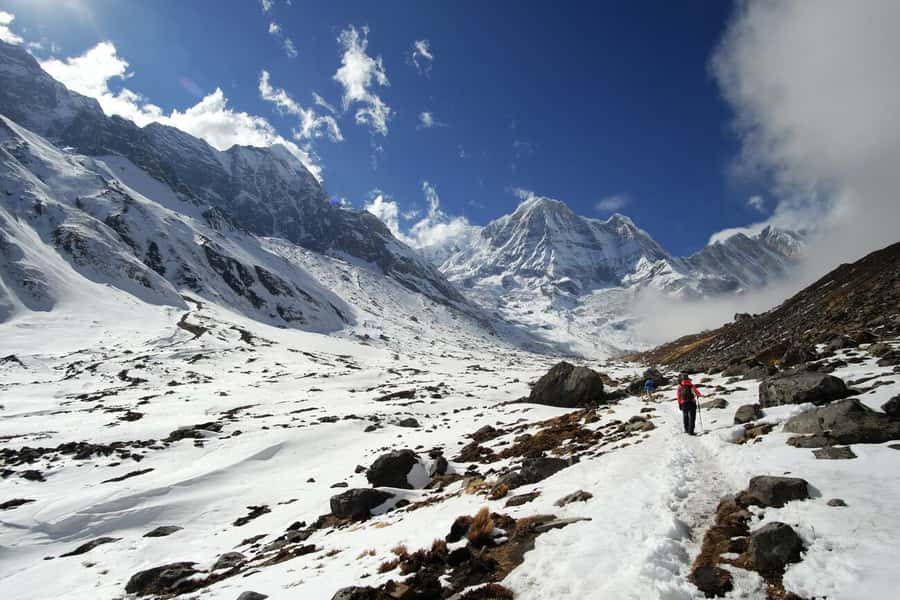
- Base Camp at 4,130 m: A short but intense final push where conditions and pacing matter.
- Machhapuchhre and Hiunchuli views: You’re not just hiking to a dot on a map.
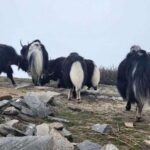
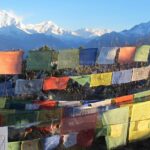
- Gurung villages and culture: You’ll spend meaningful time walking through local communities.
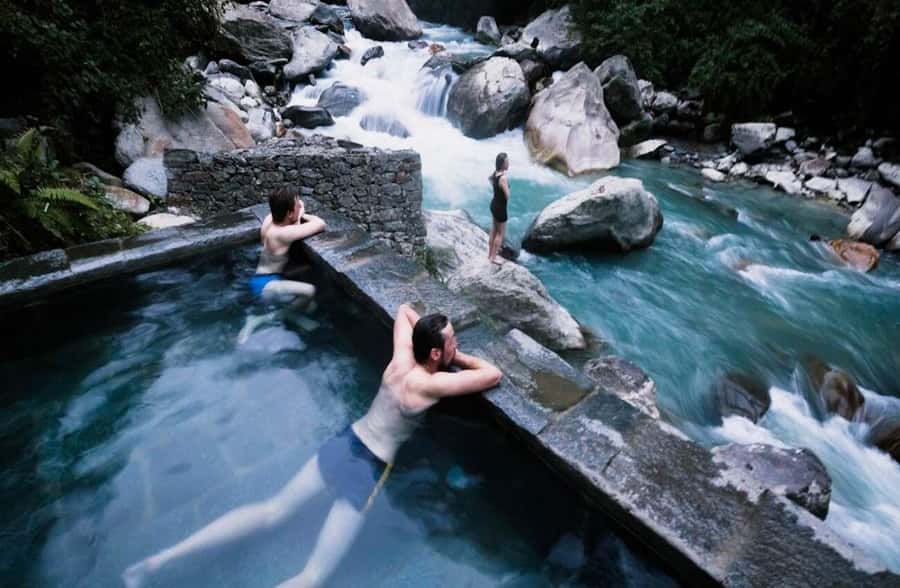
- Jhinu hot springs on the way back: Recovery comes with more comfort than most trekkers expect.
- Guide support for altitude and pacing: Names like Deepak, Paras, and Hari show up again and again for care and calm decision-making.
- Permits handled: ACAP and other required paperwork are included, so you don’t scramble at the last minute.
A Five-Day ABC Trek That Moves Like Real Nepal
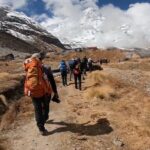
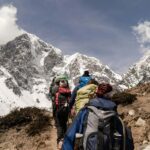
This trek is built for people who want the Annapurna Base Camp experience without turning it into a week-long slog of logistics. You start in Pokhara, take a jeep ride toward the trekking trail, then spend the next days walking through changing terrain—fields and villages below, forests as you climb, and steeper alpine paths as you approach the base camp zone.
The “5 days” part is also the reason this trek feels so focused. You’re not drifting. You’re moving, gaining altitude, and learning how to walk smart at height. If you like that kind of momentum, you’ll probably love this route.
At the same time, the schedule is not built around long acclimatization. Your job is to keep an even pace, take breaks without rushing, and take early altitude discomfort seriously.
You can also read our reviews of more tours and experiences in Pokhara.
Day 1: Pokhara to Jhinu, Then Lower Sinuwa (2,300 m)
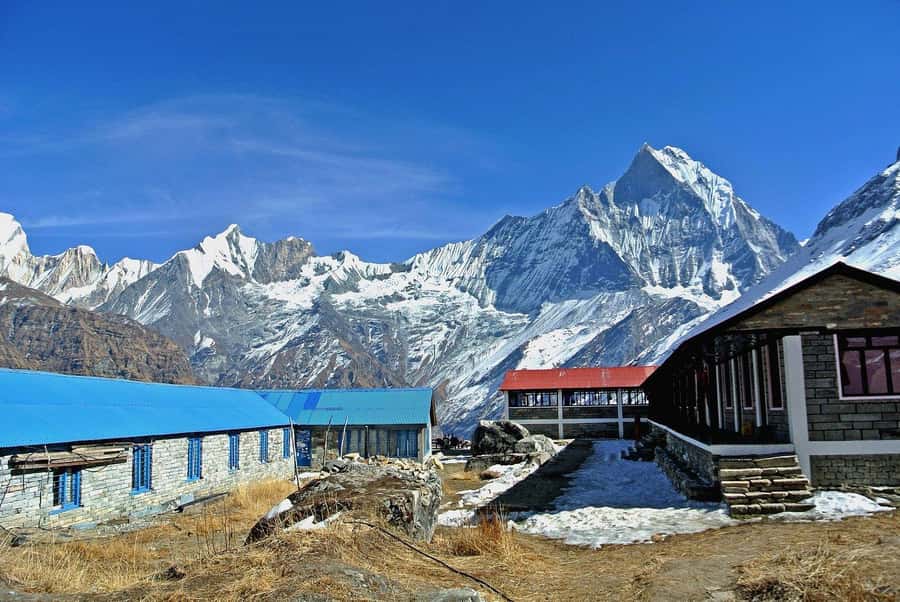
Day 1 starts with a car ride from Lakeside Pokhara (or the airport area) into the “last road” zone. From there, you begin walking toward Jhinu and continue up to Lower Sinuwa at about 2,300 m.
This day usually feels like a warm-up with a little bite. You’re climbing from near-lake altitude into proper trekking elevation, so even if it’s not your longest day, your body gets the message: slower steps work better than big, fast strides.
What makes Day 1 special is that you transition quickly from city life into the hills. You’ll see the transition from working land and small settlements to the more trail-centered rhythm of the Annapurna region, where tea houses and familiar walking routes become part of your day.
Day 2: Lower Sinuwa to Deurali (3,200 m) Through Forest-and-Farm Trekking
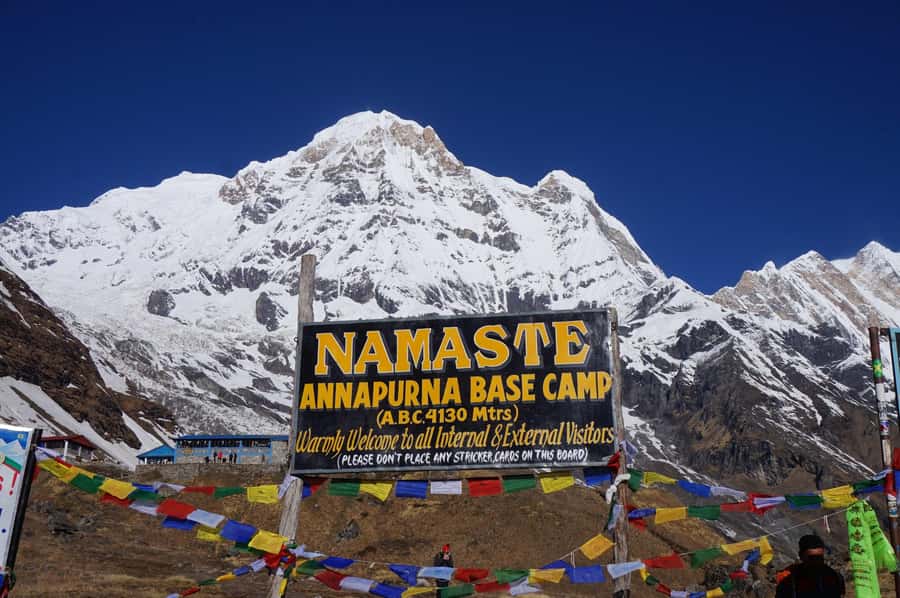
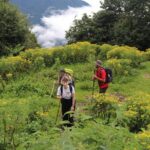
On Day 2 you climb to Deurali (around 3,200 m). It’s a bigger step up than the first day, and the walking tends to shift into more forested stretches and cooler air.
This is one of the days where pacing really pays off. The path to Deurali is not just about distance—it’s about keeping your breathing controlled so you don’t spike your effort. If you feel pressure in your head or unusual shortness of breath, you’ll want to treat it as a signal, not a reason to push harder.
I like that the trek offers a clear “midpoint” altitude day. Hitting Deurali before the big move to base camp gives you a moment to adjust your rhythm, settle into tea-house living at elevation, and prepare your body mentally for the cold and thinner air that come next.
Day 3: Machhapuchhre Base Camp to Annapurna Base Camp (4,130 m)
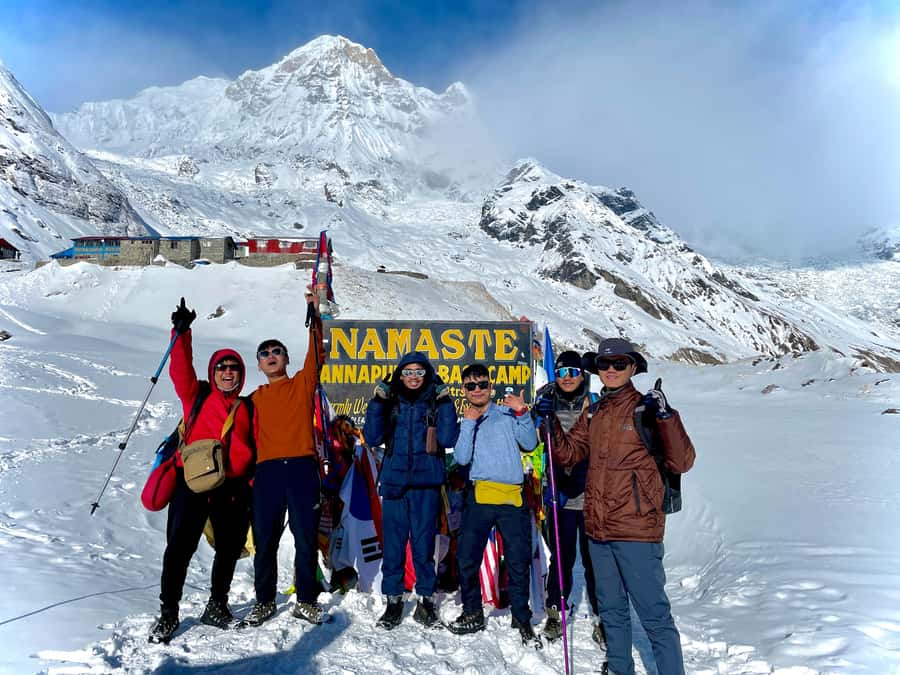
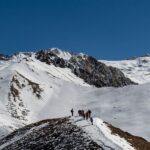
Day 3 is the headline day. You go from Deurali up toward Annapurna Base Camp, passing through the Machhapuchhre Base Camp area, and you reach about 4,130 m.
This is where the trek stops feeling like a hike and starts feeling like a true mountain expedition. Even with a guide, it’s a tough day. You’ll likely notice the cold, the dry air, and that your body needs more frequent pauses than it would at sea level.
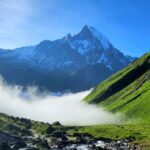
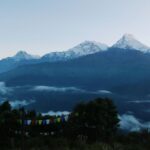
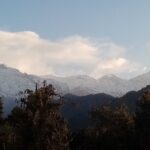
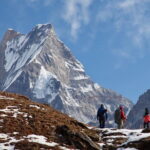
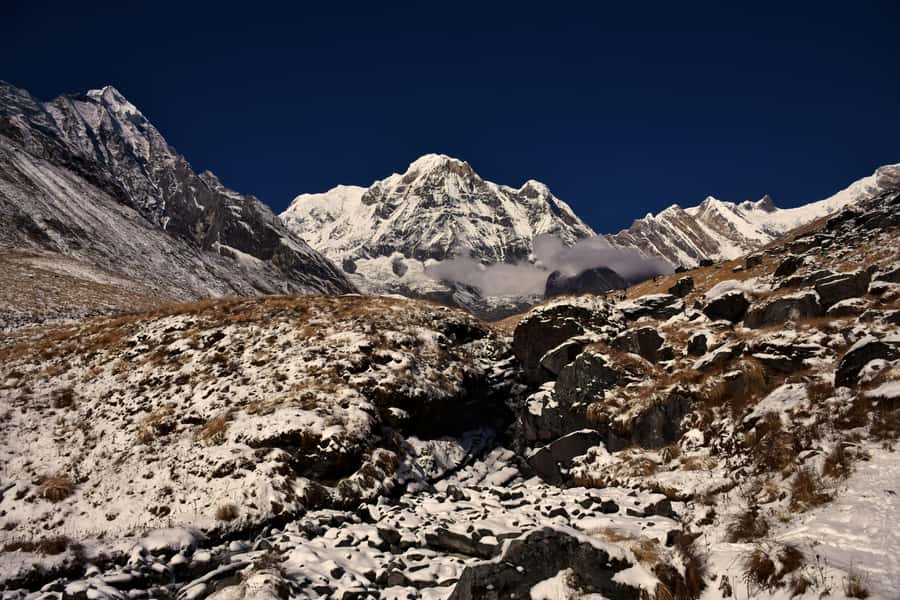
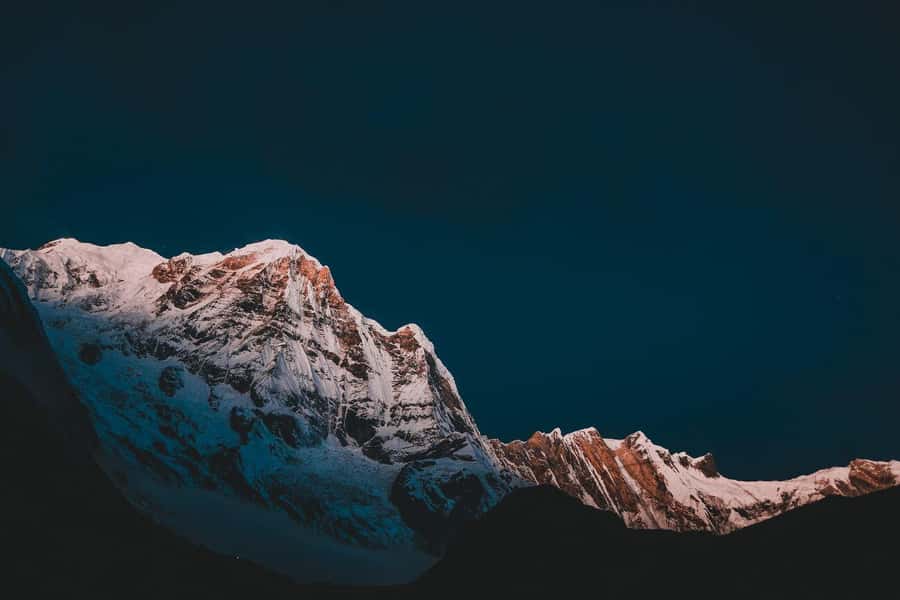
The upside is the payoff. The Annapurna massif views are the kind that make your brain go quiet for a minute. You also get the iconic peak drama of Machhapuchhre (Fishtail) and the surrounding ridges, plus classic “look up and count layers of mountains” scenery.
One practical note: sunrise and early morning conditions can be the difference between cloud cover and clear sightlines. If the day starts clearer, that’s when you’ll want your camera ready and your pace steady.
Day 4: Base Camp Time, Then Down to Bamboo (2,400 m)
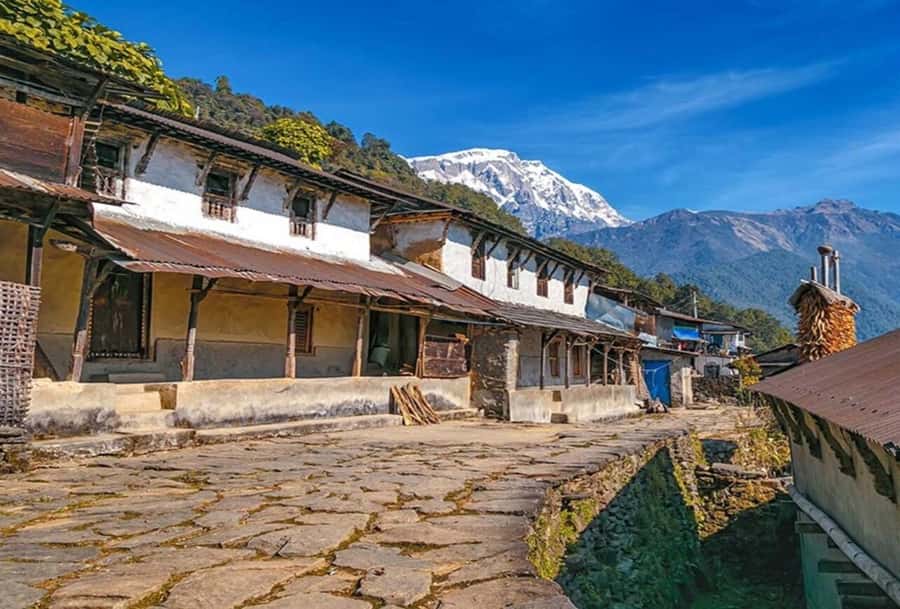
Day 4 gives you something rare on a short trek: actual time at the main attraction. You spend time at Annapurna Base Camp, then continue trekking to Bamboo (around 2,400 m).
That descent is a gift. Dropping from the base camp zone toward a lower altitude helps your body recover for the final day, and it often makes your legs feel more cooperative than they did on Day 3.
This is also a smart day to slow down mentally. You’ve already climbed hard. Now it’s about enjoying the place without turning it into another race. If you have the energy, this is the day to chat with your guide about what you’re seeing—peak names, seasonal weather, and local settlement patterns.
Day 5: Bamboo Back to Jhinu, Then Pokhara and Hot Springs
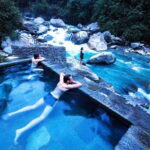
On Day 5 you trek back down to Jhinu, then return to Pokhara by jeep/car, with a stop at natural hot springs along the way.
This is one of those “don’t underestimate it” days. Even though it’s mostly down, your knees can still get tired. The trick is short steps, steady footing, and using your trekking poles if you’ve got them (or if your guide provides options like poles for your trip).
Then comes the best kind of souvenir: hot water and sore-muscle relief. If you’re doing this trek for a sense of achievement, the hot springs are the moment you realize you actually earned the comfort.
By the time you’re back in Pokhara, you get that classic post-trek reset: warm showers, easy meals, and a very real sense of what you just walked through.
What the Guides Add (Beyond Just Pointing the Way)
In Nepal, the guide can make or break your experience, especially at altitude. The guides associated with this kind of ABC trek tend to focus on three things: pace, safety, and culture.
I like that many guides on this route are known for staying calm when people feel altitude effects. One guide style you’ll hear about from people who’ve done the trek includes being quick with basic altitude support—sometimes including medication like paracetamol and altitude sickness tablets—and suggesting alternatives if someone needs to take it easier.
You’ll also benefit from guides who actively manage effort. Some guides are described as walking at your pace, even staying a bit behind on steep sections, and helping carry heavier items when someone is struggling.
And there’s the cultural side. Guides such as Deepak, Paras, Hari, Narayan (often called Narayan dai), Rajendra, Sandesh, and Bidur come up for teaching words, explaining mountain surroundings, and sharing how people live in the hills—especially the Gurung communities you pass through on your trek.
Even if you’re not hunting for “culture facts,” those conversations help the hike feel human, not just physical.
Lodges, Meals, and Why Your Budget Needs Flexibility
Accommodation is on tourist standard lodges, and you’ll have a place to sleep each night along the trail. Tea house travel is never five-star, but it’s practical, warm enough if you pack for cold, and part of the trek’s charm.
Meals are not included, so you’ll pay as you go. This matters for value: your trek price covers the structure and logistics, but your food budget depends on how much you eat and what you order at higher elevations.
A practical tip: prices often vary at higher altitudes, so carrying extra cash helps. Also, cold nights are common at base camp altitude. Some trekkers specifically note getting extra blankets during colder parts of the route, which can make a real difference.
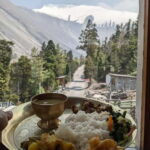
Food-wise, plan for simple meals you can digest easily while hiking. After a hard climbing day, you’ll want warm options more than anything fancy.
Price and Logistics: Is $171 Good Value?
For $171 per person, you’re getting more than just a trail map. The cost covers private accommodation in tourist-standard lodges, permits (including ACAP and other government requirements), a guide, a duffel/storage setup in Pokhara, and pickup/drop-off by car in the Pokhara area.
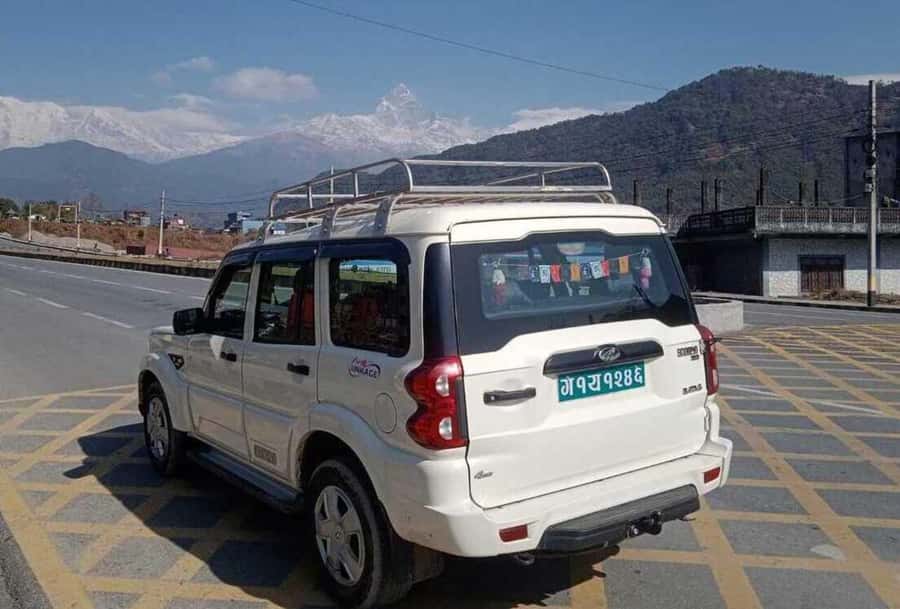
Transport details are also handled: you’ll use a sharing jeep for the road sections to and from Jhinu. That keeps the trek from turning into a complicated DIY day of transit.
Here’s the honest value math: the base price covers the “must-haves” (guide, permits, lodges, transport structure). What’s outside the package is where your personal choices show up: meals, and an optional porter at $15 per day.
If you’re the type who wants to hike with a lighter pack (or you want extra support on steep or tiring sections), adding a porter can be a worthwhile upgrade. If you’re fit and comfortable carrying your own essentials, you might skip it and use that budget for hot showers, snacks, and better recovery.
Permits and Packing: Small Things That Prevent Big Headaches
This trek includes the Annapurna Conservation Area Permit (ACAP) plus TIMS and taxes, so you don’t need to arrange the paperwork yourself.
On packing, keep it simple and trekking-focused:
- Passport or ID card (a copy is accepted)
- Comfortable shoes with good traction
- Warm layers for cold nights at higher elevation (and expect cold up high)
If you need trekking gear, some support is built in. You may be provided options like a duffel bag and trekking pole or related gear if required, which is helpful if you’re arriving in Nepal with minimal hiking equipment.
And one underrated detail: there’s luggage storage in Pokhara during the trek. That means you can travel light and not worry about dragging extra items around town.
Who This Trek Fits Best (and Who Should Skip It)
This is a challenging but achievable style of trek when you walk smart and follow your guide’s pacing. It suits you if you:
- Want a true mountain goal without a 10–14 day commitment
- Are okay with tea house trekking
- Prefer having permits and logistics handled so you can focus on walking and altitude
It may not fit you if you’re not comfortable with physical exertion. Even on a short trek, the route climbs to 4,130 m and includes long days of uphill and downhills.
And a clear line in the sand: it’s not suitable for pregnant women based on the activity’s stated requirements.
Should You Book This Annapurna Base Camp Trek?
I’d book it if you want the Annapurna Base Camp experience with a structured plan: guide-led days, permits sorted, tourist standard lodges ready each night, and a recovery stop in Jhinu’s hot springs.
I’d think twice if you hate altitude discomfort or you’re the kind of person who pushes through warning signs. The route’s short duration makes good pacing non-negotiable.
If your priority is value and simplicity—especially with guides like Deepak, Paras, or Hari guiding your pace and keeping you safe—this trek is a strong choice. Just go in prepared for cold nights, extra budgeting for meals, and the very real effort of getting to 4,130 m.
FAQ
Where are pickup and drop-off points?
You’ll get pickup and drop-off by car in Pokhara, with options that include Lakeside Pokhara (and pickup from the airport area). Drop-off also returns you to Pokhara/Lakeside.
What’s the highest altitude on this trek?
The trek reaches about 4,130 meters at Annapurna Base Camp on the way up.
Are meals included in the price?
No. All meals are not included. You can purchase meals along the route.
Are permits included?
Yes. The cost includes the Annapurna Conservation Area Permit (ACAP) and other government permits, TIMS, and taxes.
Is a porter included?
A porter is not included automatically. It’s optional at $15 per day.
Is the trek suitable for pregnant women?
No. Pregnant women are listed as not suitable for this activity.