REVIEW · MARRAKECH
3 days Toubkal Trek from Marrakech
Book on Viator →Operated by Morocco Next · Bookable on Viator
Jbel Toubkal is North Africa’s big mountain day. This 3-day trek from Marrakech puts you in the High Atlas fast, with walks that build up to a summit that on clear days shows a jaw-dropping sweep from the plain of Marrakesh to the Anti-Atlas and even toward the Sahara. I especially like the way the route threads through real mountain spots like Aït Mizane and the Sidi Chamarouch area, and I also love that you sleep at the Toubkal refuge so the hike feels like an actual mountain stay, not a day trip.
One consideration: you’re looking at a demanding trek at altitude, with about 4–5 hours of walking on the first day and then a full push on summit day. If you’re not used to steep climbs or long hours on your feet, plan a slower pace and take the early start seriously, because the schedule doesn’t wait around for sore legs.
In This Review
- Key things you should know about the Toubkal trek from Marrakech
- Why Jbel Toubkal in just three days makes sense
- Getting to the mountains: Marrakech pickup and Imlil’s starting point
- Day 1: From Aït Mizane to Aremd, Sidi Chamarouch, and the refuge night
- Day 2: Early summit push to Jbel Toubkal and the view you’ll remember
- Day 3: The descent to Imlil, guesthouse lunch, and back to Marrakech
- What makes the guide experience feel worth it
- Fitness level: how “moderate” feels in real life
- Gear and comfort tips that actually help
- Price and value: is $290.98 fair for three days in the Atlas?
- Who this trek is best for (and who should think twice)
- Quick practical details before you book
- Should you book this 3-day Toubkal trek from Marrakech?
- FAQ
- How long is the Toubkal trek from Marrakech?
- Where does the trek start?
- How does transportation work?
- Is there an admission ticket for the Toubkal part?
- What walking is like on summit day?
- How fit do I need to be?
- How many people are in the group?
- Are service animals allowed?
- What is the cancellation policy?
Key things you should know about the Toubkal trek from Marrakech
- Imlil Valley is your launch point at 1740 meters, so even before the steep stuff hits, you’re already breathing mountain air.
- Day 1 walks through Berber villages and landmarks like Aït Mizane, Aremd, Sidi Chamarouch, and a nearby waterfall area.
- Summit day is timed for an early start, giving you the best chance of clear views over the High Atlas and beyond.
- You’ll cross streams and move through rocky sections, so good grip and steady footing matter more than speed.
- Small group size up to 30 keeps things manageable, especially when the trail narrows.
- Two overnights with you sleeping at the refuge and then coming back to the valley make the trek feel like a real mountain rhythm.
Why Jbel Toubkal in just three days makes sense
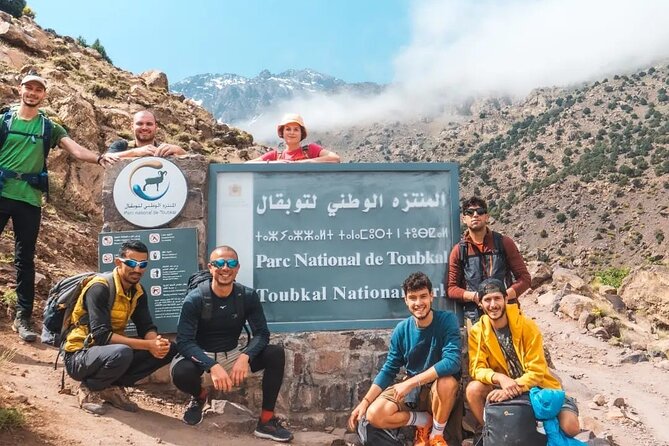
If you want one iconic hike in Morocco, Toubkal is the obvious choice. North Africa’s highest peak has a simple draw: you work for it, you summit, and then the views reward you with geography you can actually point out.
What makes this three-day format appealing is the pacing. You don’t just get dropped at a trailhead and sprint to a top. You start in the Imlil area and ease in through villages and sacred spots, then you build toward the summit with a refuge night in between.
I also like that the tour keeps you focused on the mountains rather than constant transfers. After the drive from Marrakech, you’re on foot for long stretches, with time in the villages and on the slopes where the High Atlas feels like its own world.
You can also read our reviews of more tours and experiences in Marrakech.

Getting to the mountains: Marrakech pickup and Imlil’s starting point
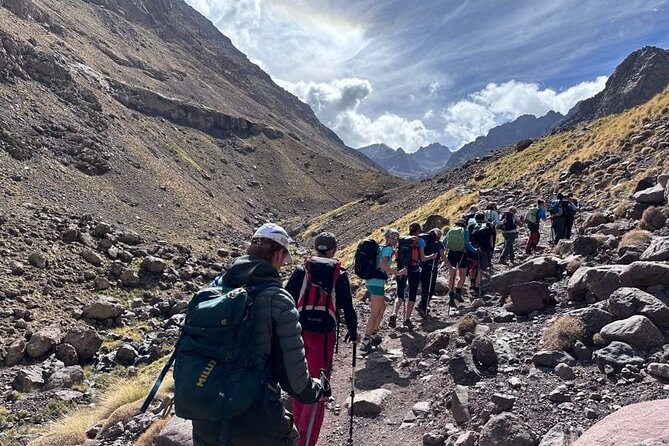
The day begins with pickup from your hotel or from the airport, then a drive to the high Atlas mountain range area. The ride takes about 1 hour 30 minutes, so you’re not wasting the first part of your trip on transport.
Once you reach Imlil Valley at 1740 meters, a multilingual guide greets you. You’ll also get a surprise and a map showing the Berber village trek route, which helps you understand where you’re going instead of just following a line on the ground.
Why this matters: when you can see the route, you hike with less guesswork. You also start noticing trail rhythm sooner, like when the path tips from village walking into steeper climbing.
Day 1: From Aït Mizane to Aremd, Sidi Chamarouch, and the refuge night
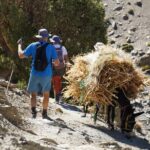
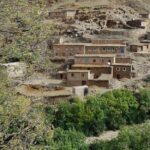
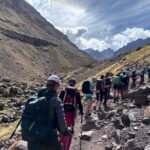
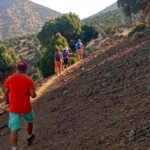
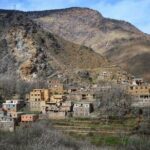
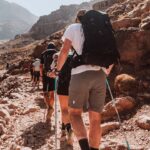
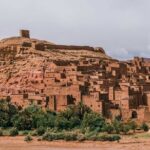
Day 1 is where the trek earns its character. You set off trekking in the valley of Aït Mizane, then move toward the village of Aremd. This isn’t just walking between points. It feels like a string of mountain life scenes: paths that connect settlements, small stops for orientation, and the sense that the trail belongs to local routines as much as it belongs to hikers.
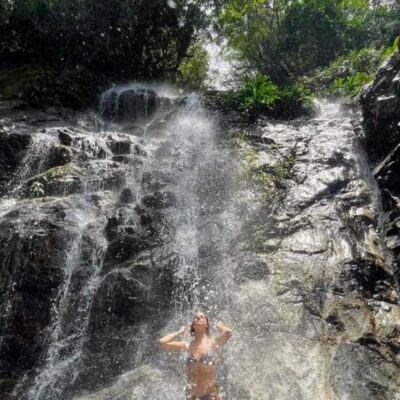
Next comes the sanctuary of Sidi Chamarouch area, followed by a nearby waterfall. Those stops are a good reminder that the Atlas isn’t one big climb; it has breaks, meaning, and views that change as you move.
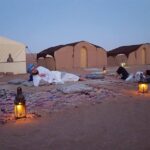
Then the day turns steeper as you continue up toward the Toubkal refuge, where you sleep for the night. The walking time is about 4–5 hours, so it’s challenging but not a total grind. It’s the kind of first day that helps your body adjust before the summit push.
Practical note: day one is often when people feel the altitude for the first time. Take it slow early, drink water regularly, and don’t treat the trail like a race. Your legs will thank you on day two.
Day 2: Early summit push to Jbel Toubkal and the view you’ll remember
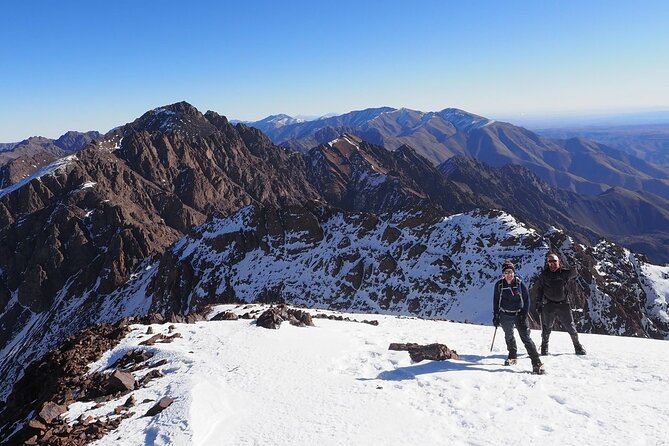
Day 2 starts early. The goal is to reach the summit of Jbel Toubkal, the highest point in North Africa, and you’ll do it by crossing streams, moving through rocks, and steadily working your way upward.
As you climb, the trail changes from more village-and-valley walking into the harder mountain texture: exposed rock, broken footing, and more effort per step. That’s why steady pacing matters more than bravado. I like that the plan builds in a break on the plateau, because it gives you a moment to catch your breath and reset.
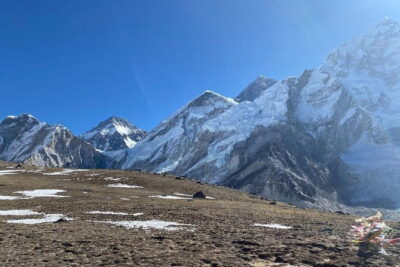
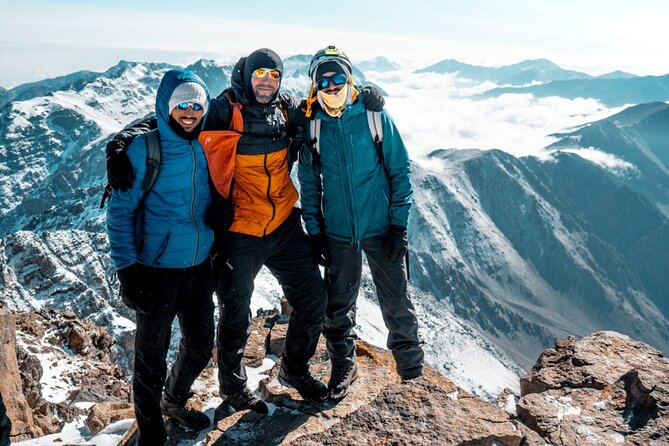
Once you reach the summit, the views give you a real sense of scale. On clear days, you can look out over the plain of Marrakesh and the High Atlas to the north, and then across toward the Anti-Atlas and the Sahara in the south.
After the summit, you gently start the way back down and return to a lunch camp. Then you spend another night in the refuge area again.
Walking time on day two is about 6 hours, and the admission ticket is listed as free, which helps keep the overall cost predictable. The bigger cost here is your energy, so plan to treat day two as the core event of the whole trek.
Day 3: The descent to Imlil, guesthouse lunch, and back to Marrakech
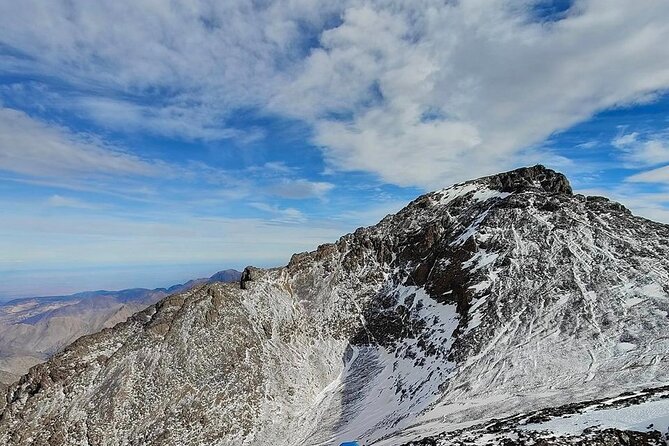
Day 3 is less about conquering and more about finishing strong. After breakfast, you walk back down via the same route to Imlil Valley.
The walking time is again about 4–5 hours, which sounds easier than day two because it is. But downhill still burns your legs, especially if your calves aren’t used to sustained descent. Trekking poles can help, and good shoe traction is your friend here.
Once you reach Imlil, you’ll have lunch at a guesthouse before pickup and the drive back to Marrakech. The drive is about 1 hour 30 minutes, so you still get a full return day rather than ending the trek late at night.
It’s a satisfying close: you go from high-altitude hiking to a warmer rhythm of valley meals and conversation, then you head back to the city that started it all.
What makes the guide experience feel worth it
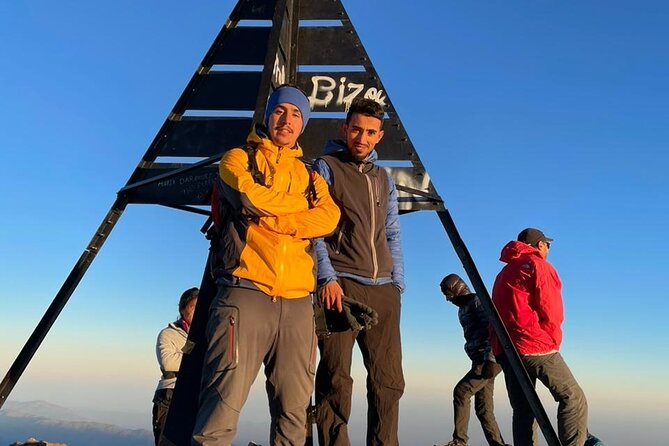
The quality of a good guide is a huge part of why this trip works. In the stories people share, guides are praised for being professional, speaking strong English, and giving insight into Berber culture while keeping the group moving safely.
One guide name you may hear along the way is Rachid, noted for being knowledgeable about Morocco and Berber culture and for tailoring the pace and adjustments to what the group can handle. That matters because on mountain trails, small changes can make a big difference. A flexible pace keeps more people happy and less people miserable.
You’re also hiking with a multilingual guide, which helps when you want to understand what you’re walking through: not just where the path goes, but what the landmarks mean to the people who live here.
If you like learning while you hike, this kind of guided structure is a big plus.
Fitness level: how “moderate” feels in real life
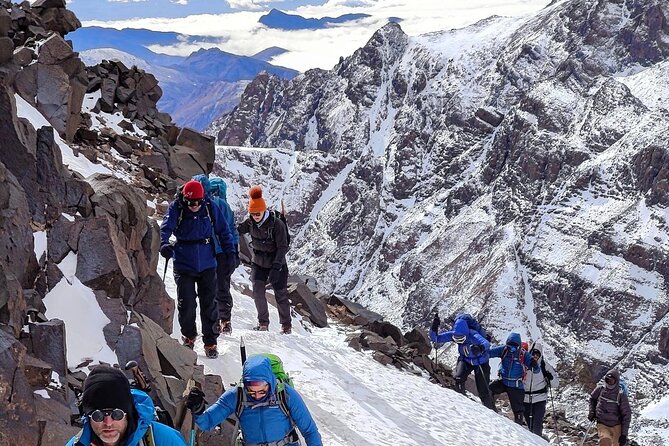
The tour says you should have moderate physical fitness. In practice, that means you should be comfortable with several hours of continuous walking and at least one day that feels like a serious mountain effort.
Here’s the math from the plan:
- Day 1: 4–5 hours of walking
- Day 2: about 6 hours plus summit work
- Day 3: 4–5 hours downhill
Add altitude and rocky sections on day two, and the trek becomes a workout even if you’re not running a marathon. If you’ve hiked before but not at altitude, focus on building stamina with longer walks in your home base before you go.
Also plan for weather. The experience requires good weather, and if conditions aren’t right, you should expect the operator to offer a different date or a refund. On mountain routes, weather isn’t a small detail. It changes visibility, footing, and comfort.
Gear and comfort tips that actually help
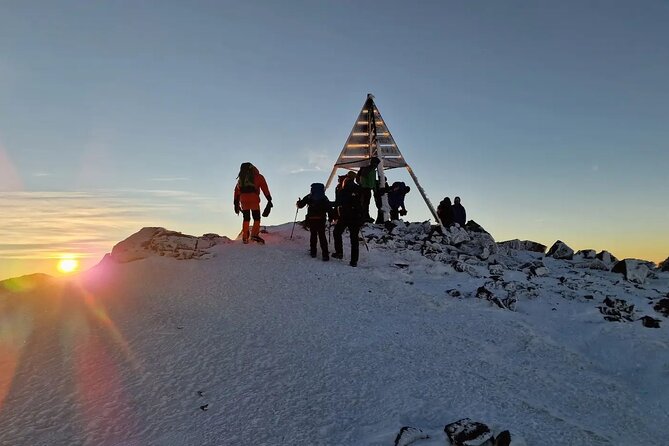
The info you have doesn’t list gear, so you’ll want to prepare smartly based on what the route implies. You’ll deal with steep paths, rocky sections, and streams on summit day, so footwear and grip matter.
I’d prioritize:
- Shoes with reliable traction for rock and uneven ground
- A light layer system (temperatures can shift quickly at altitude)
- Water and a way to stay hydrated during long walking hours
- Trekking poles if you use them on climbs and descents
Also think about your night at the refuge. You’re sleeping at altitude, so even when the day feels manageable, it can get cooler later. Pack what you need to stay comfortable after your biggest effort.
Price and value: is $290.98 fair for three days in the Atlas?
The price is $290.98 per person for about three days. That’s not cheap in absolute terms, but it’s also not wildly high for a guided, overnight mountain trek with transport from Marrakech, meals/lodging components at the mountain level (refuge/guesthouse), and a structured route to the summit.
What helps the value side here:
- Pickup from hotel or airport and a return drive included
- Guide support during the climb and across village sections
- Two nights connected to the mountain experience, including the refuge stay
- Admission is free, so you’re not paying extra ticket fees for the summit experience
What could change the value for you: your comfort and fitness. If you’re prepared and enjoy hiking, it feels like good money for a serious mountain adventure. If you’re on the edge of your comfort zone, the trek can feel punishing, and that’s when value becomes personal.
If you want Toubkal, this format is a practical way to do it without dragging it into a longer multi-day schedule.
Who this trek is best for (and who should think twice)
This works best for you if:
- You want the classic Toubkal summit and don’t want a week-long trek
- You’re okay with a solid physical challenge and long walking days
- You like guided cultural context alongside the hike
- You prefer a structured route with a confirmed rhythm: hike, refuge night, summit, descent
It might be a stretch if:
- You struggle with steep stairs or long descents
- You have limited experience hiking at altitude
- You dislike early starts, because day two is built around one
The good news: the schedule isn’t padded with lots of random stops. You’ll know what you’re signing up for: walk hard, sleep up high, then come back down.
Quick practical details before you book
The group size is capped at 30 travelers, which keeps the trek from feeling like a crowded parade. The experience is also described as having service animals allowed, and it’s listed as near public transportation, which can help on your Marrakech side.
Operations run Monday–Sunday from 9:00 AM to 6:00 PM, between 08/12/2022 and 06/17/2026. If you’re planning around specific dates in the Atlas season, keep an eye on weather and be ready for adjustments if conditions aren’t good.
Should you book this 3-day Toubkal trek from Marrakech?
I’d book it if your goal is a real summit experience without overcomplicating your trip. The three-day pacing makes sense, the route includes meaningful village landmarks like Aremd and the Sidi Chamarouch sanctuary, and the refuge nights give it that true mountain feel.
Skip it or choose a gentler option if you know steep climbs and long walking days will wear you down fast. The trip is not just sightseeing. It’s a hike that asks for effort, especially on summit day.
If you’re on the fence, the best question to ask yourself is simple: can you handle about 6 hours of hiking at a steady mountain pace? If yes, you’ll likely love how this trip mixes big views with real mountain culture.
FAQ
How long is the Toubkal trek from Marrakech?
It’s listed as 3 days with walking times of about 4–5 hours on day 1, about 6 hours on day 2, and 4–5 hours on day 3.
Where does the trek start?
You’re picked up in Marrakech, driven to the mountains, and greeted by the guide in Imlil Valley at 1740 meters.
How does transportation work?
Pickup is offered from your hotel or the airport, and on the last day you’ll have lunch in the valley and then be picked up again to drive back to Marrakech (about 1 hour 30 minutes).
Is there an admission ticket for the Toubkal part?
The experience lists admission ticket free for the Toubkal day(s).
What walking is like on summit day?
The day includes an early start, crossing streams, moving through rocks, reaching a plateau for a break, then continuing to the summit before heading back down.
How fit do I need to be?
You should have moderate physical fitness, since the trek includes multiple long walking days and steep paths.
How many people are in the group?
The tour has a maximum of 30 travelers.
Are service animals allowed?
Yes, service animals are allowed.
What is the cancellation policy?
You can cancel for a full refund up to 24 hours in advance. If you cancel within 24 hours of the start time, you won’t receive a refund. The experience requires good weather, and if it’s canceled due to poor weather, you’ll be offered a different date or a full refund.