REVIEW · KATHMANDU
Langtang Valley Trek
Book on Viator →Operated by Nepal Hiking Team · Bookable on Viator
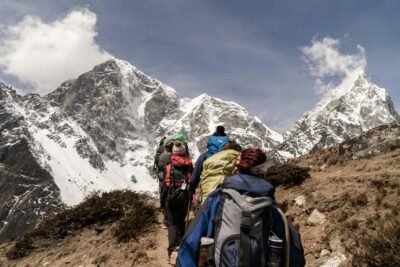
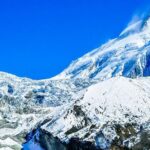
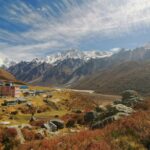
Glacier views start fast in Langtang. This trek feels like a shortcut to real mountain country, with Langtang National Park nature close to Kathmandu and a trail that eases you in. You’ll walk the valley floor’s glacial basin while rivers run alongside the route, then climb toward big skyline panoramas.
I especially like the mix of scenery and culture: you’re not just chasing heights, you’re also meeting Tamang villages and visiting the Buddhist world of Kyanjin Gompa. Second, the “team setup” matters here—an English-speaking guide plus a porter for a small group keeps the day-to-day moving without the usual guesswork.
One caution: the trek includes altitude passes up to 5,050m, and hot showers aren’t part of the lodge experience. If you’re not comfortable with slow breathing and dry mountain cold, you’ll feel it.
In This Review
- Key moments that make this trek worth your time
- Langtang Valley Trek: why this route feels like a smart Himalaya choice
- Kathmandu arrival and the handoff from city to trail
- The drive to Syabru Bensi: settling in before the first climb
- Syabru Bensi to Lama Hotel (2,500m): easing into altitude without babying you
- Lama Hotel to Langtang Village (3,307m): glacial basin walking and Tamang culture
- Langtang Village to Kyanjin Ri (4,773m) and on to Kyanjin Gompa: big views plus monastery time
- Kyanjin Gompa exploration and Chorkari Ri (5,050m): the toughest-feeling day
- Kyanjin Gompa back down toward Lama Hotel: relief day that still matters
- Lama Hotel to Syabru Bensi (1,462m) and the Kathmandu reset
- Food, water, and what you’ll notice in Langtang National Park
- Your guide and porter setup: why it changes the whole experience
- Price and logistics: what $830 actually buys you
- Season and weather: when this trek feels smooth
- Who should book this Langtang Valley Trek (and who should slow down)
- Should you book this Langtang Valley Trek?
- FAQ
- How many days is the Langtang Valley Trek?
- What time does the trek start each day?
- Are airport transfers included?
- What’s included during the trek meals and drinks?
- Are hot showers available during the trek?
- How big are the groups?
Key moments that make this trek worth your time
- Close-to-Kathmandu start with an efficient transfer to Syabru Bensi (about a 7-hour drive).
- Glacial-basin trekking where the valley floor and gushing rivers keep the route visually interesting.
- Kyanjin Ri (4,773m) and Kyanjin Gompa for big views plus monastery exploration time.
- Chorkari Ri (5,050m) gives you a true high-altitude day, not just a walk to a viewpoint.
- Small-group feel (maximum 15 people) with a guide and porter support ratio of 2 trekkers to 1 porter.
Langtang Valley Trek: why this route feels like a smart Himalaya choice
Langtang sits close enough to Kathmandu that you can get real Himalayan walking without spending days just reaching a trailhead. The tradeoff is that you still climb—so you get both convenience and challenge, rather than one or the other.
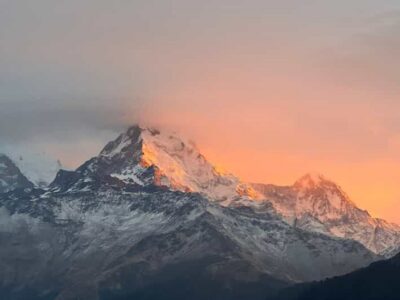
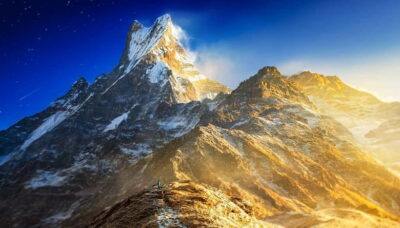
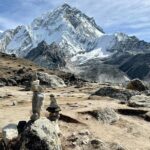
The big draw is the variety. You’ll move through a glacial valley, pass striking natural formations, and then work up to ridge viewpoints with Mount Langtang Lirung (7,227m) and Ganesh Himal (7,422m) in the mix. This isn’t a “one-view-only” trek.
And the national-park setting matters. This area falls within Langtang National Park, Nepal’s first Himalayan national park, so you’re walking through protected habitat for both plants and wildlife.
You can also read our reviews of more tours and experiences in Kathmandu.
Kathmandu arrival and the handoff from city to trail
Day 1 is straightforward: arrive at Tribhuvan International Airport and meet your team for pickup. On Day 10, you’ll get the farewell and departure support, so you’re not stuck figuring out the last day either.
What you get in Kathmandu is two nights in a 3-star category hotel with breakfast included. Lunch and dinner in Kathmandu are not included, which gives you freedom to eat local (and not worry about fixed meal vouchers).
A practical plus: your start time is 7:15am, so you’ll be on the move early. That helps when you want daylight for the drive and reduces the “wait around all morning” feeling.
The drive to Syabru Bensi: settling in before the first climb
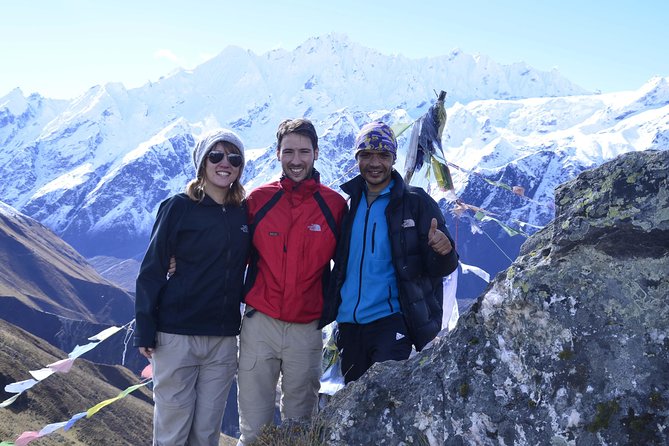
On Day 2, you drive from Kathmandu to Syabru Bensi (1,462m), a trip listed at about 7 hours. This is the day you should treat like a warm-up for your body—hydration, light movement, and simple breathing habits.
You’ll notice the terrain shift fast. Even before the trekking starts, the drive sets expectations for what the valley offers: narrow roads, changing weather, and that gradual move from city bustle into mountain quiet.
This is also where group logistics become less stressful. The tour includes airport pickup/drop-off by private vehicle, but uses public bus for the surface transfer to and from Syabru Bensi. So plan on some public-transport realism, but the bigger transitions are handled.
Syabru Bensi to Lama Hotel (2,500m): easing into altitude without babying you
Day 3 takes you from Syabru Bensi to Lama Hotel (2,500m) for about 5 hours of walking. This is your first true altitude day, and it’s designed as a gradual elevation ramp rather than a sudden “go hard immediately” approach.
Expect an easy trail profile with rivers running nearby. That’s not just pretty—it’s useful. When the landscape is active with water, the route feels less monotonous, and the constant sound is almost like a pacing cue.
Lodge life starts here. You’ll use “best available” lodge accommodation on the trek with twin sharing, and meals are full board during the walking days. That means you spend your energy on walking, not on hunting down food.
Lama Hotel to Langtang Village (3,307m): glacial basin walking and Tamang culture
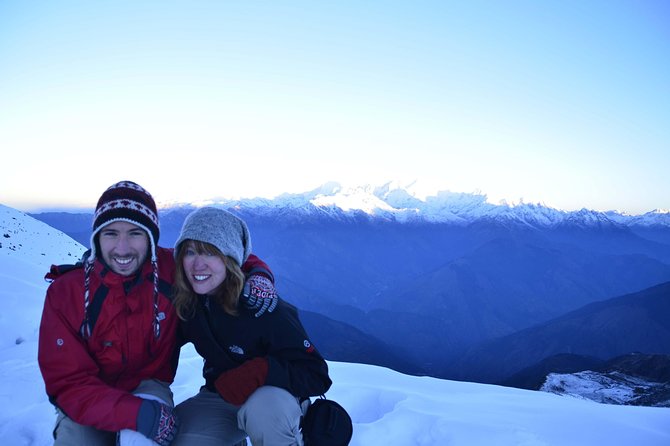
Day 4 climbs to Langtang Village (3,307m) in about 5 hours. By now, you’re deep enough to feel the air thinning slightly, but high enough to notice why the valley is famous for its natural land formations.
This is one of the more meaningful days because you’re entering the heart of community life in the region. You’ll pass welcoming settlements of ethnic Tamang villages, and that changes the whole tone of the trek from “scenery walk” to “human landscape too.”
Food gets fun here. A listed highlight is yak cheese, and while every lodge menu varies, it’s the kind of local touch that makes you remember you’re in a working mountain region, not a theme park.
Langtang Village to Kyanjin Ri (4,773m) and on to Kyanjin Gompa: big views plus monastery time
Day 5 is a long one: Langtang village to Kyanjin Ri (4,773m) and back down to Kyanjin Gompa (3,798m), about 7–8 hours total. This is where you feel the day’s altitude math.
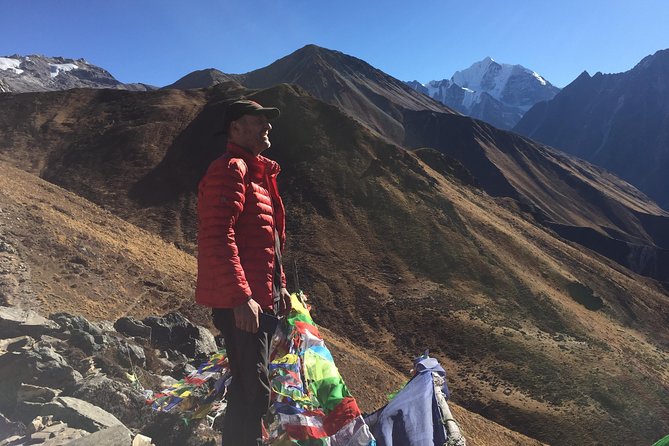
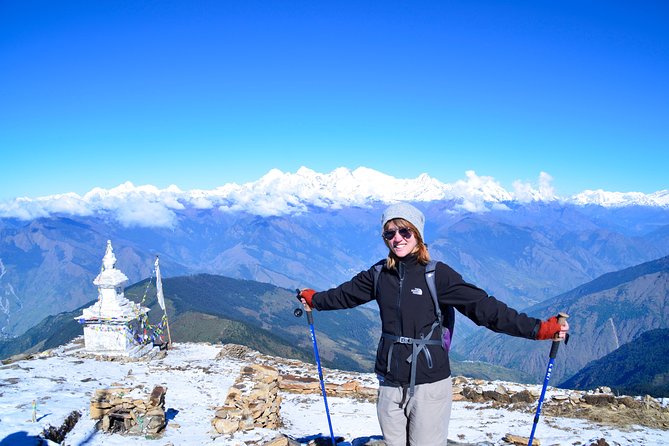
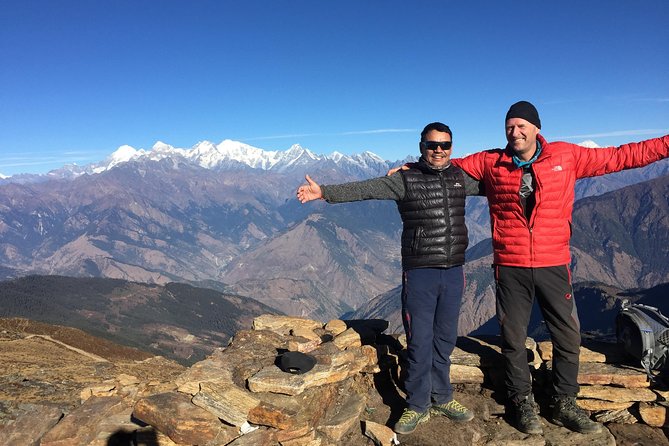
Kyanjin Ri is your reward climb—expect panoramic views of Langtang Lirung, plus other peaks like Ganesh Himal and Dorje Lakpa. The air will feel thinner as you go higher, so pace matters more than speed.
Then you reach Kyanjin Gompa, the Buddhist monastery area. You’re not just sightseeing from a viewpoint; you get time at the monastery site, and it adds a spiritual texture to what otherwise could be only a physical challenge.
A note for your expectations: the “highest moment” here isn’t about conquering anything. It’s about trading effort for clarity—when you climb slowly enough, the mountains look sharper.
Kyanjin Gompa exploration and Chorkari Ri (5,050m): the toughest-feeling day
Day 6 is your altitude peak day. You’ll explore around Kyanjin Gompa and then climb Chorkari Ri (5,050m), listed at about 7 hours.
This day is the one to respect the most. Even if you feel fine at lunch, the final portion to a 5,050m ridge is where stamina and breathing can quietly turn into the real challenge. If you’ve ever heard people say altitude is as much about pacing as it is about fitness, this is where it becomes obvious.
The upside is that the ridge height makes the whole valley system feel organized. You understand where you’ve been walking, how rivers cut through, and why the glacial basin style terrain matters.
You’ll return to lodge accommodations by the end of the day, and that full-board meal rhythm helps your recovery. Still, pack a realistic cold-weather routine in your daypack for after the climb.
Kyanjin Gompa back down toward Lama Hotel: relief day that still matters
Day 7 goes from Kyanjin Gompa back to Lama Hotel (2,500m) in about 5–6 hours. The big difference from earlier is mental. Descending can feel easier, but your body is still moving at altitude-adjacent conditions for hours, so don’t treat it like a free ride.
This is a great day to slow down, stretch your calves, and keep your feet dry as much as possible. If you’ve got sensitive knees, you’ll thank yourself for careful foot placement here.
Also, you’re building toward the exit. When you’re walking this long, every “normal” day becomes the difference between a smooth return and a cranky finish.
Lama Hotel to Syabru Bensi (1,462m) and the Kathmandu reset
Day 8 walks from Lama Hotel to Syabru Bensi (1,462m), about 5–6 hours. The lower elevation makes breathing easier, but it also highlights another reality: descending can be tough on legs.
Then Day 9 is the drive back to Kathmandu by bus. This gives you time to re-center after the mountains—shower if you can (hot showers during the trek aren’t included), hydrate, and eat something comforting without worrying about lodge timing.
Day 10 is departure/farewell. The overall structure—two Kathmandu nights, then a steady trek loop—means you’re not constantly packing and unpacking every day.
Food, water, and what you’ll notice in Langtang National Park
You’ll have full board meals with tea/coffee during the trek, meaning breakfast, lunch, and dinner are covered on trekking days. That’s a huge value piece, because meal hunting at high altitude is slow, expensive, and often inconsistent.
The park setting gives you another layer besides views. With protected flora and fauna inside Langtang National Park, you should pay attention to what’s around you at ground level, not only the peaks above you. Even if wildlife sightings aren’t guaranteed, the ecosystem makes the trail feel alive.
And yes, expect local items to show up. Yak cheese is called out as a Himalayan delicacy on this route, and it’s the kind of taste that makes the trek feel specific to the region.
Hot showers are not included during the trek. You’ll want a simple wash plan and quick-dry habits so you feel human again by bedtime.
Your guide and porter setup: why it changes the whole experience
This trek includes 1 English-speaking guide and porter, with the ratio listed as 2 trekkers: 1 porter. That’s not just comfort—it’s safety through planning. When someone else handles the non-critical load, you can focus on steps, breathing, and hydration.
The guide role matters most on altitude days. Someone with the local sense of pace can help you avoid the classic mistake: starting strong and paying for it later.
The human side also shows up in pre-trip communication. The managing director Ganga appears frequently in communication experiences, with prompt email responses and itinerary coordination. Guides reported on past trips include people like Prajwal, Deepak Dhakal, Navaraj, Surya, Arun, Santosh, and Nab, often paired with porters such as Bhim, Kamal, Sabin, Tulsi, Ganesh, Shankar, and more. You won’t control the exact pairing, but it’s reassuring that the team has a track record of attentive crew dynamics.
Price and logistics: what $830 actually buys you
At $830 per person, this is not a budget “DIY only” option. But when you compare what’s included, the price starts to make sense.
You’re paying for:
- Two nights in Kathmandu at a 3-star category hotel with breakfast.
- Full-board trek meals (breakfast/lunch/dinner) with tea/coffee.
- Lodging on the trek in twin-sharing lodges.
- Guide + porter support and the staff’s salary, equipment, meals, and accommodation.
- All trekking permits plus government taxes and office service charge.
- A duffle bag for the trek (with a return requirement).
- Airport pickup/drop-off by private vehicle and surface transfer logistics to/from Syabru Bensi.
Not included items are also clear: travel insurance, Nepal entry visa, lunches/dinners in Kathmandu, hot showers during the trek, WiFi during the trek, and tips.
So the value equation is simple. If you’d otherwise pay for a guide, permits, and full-board logistics, you’re basically paying for a professionally managed trek with less stress. If you want full independence and you’re already comfortable handling permits and day-by-day lodge planning, you might find a cheaper option—but you’ll also be carrying more risk.
Season and weather: when this trek feels smooth
This experience requires good weather. That matters in the Himalaya because cloud cover, rain, and poor visibility can turn viewpoint days into frustrating days.
One season note from real planning context: August is monsoon season, and the team has discussed that reality with people before departure. If you travel in wetter months, expect slippery trails and more variable conditions.
If you’re flexible on dates, you’ll often get a better shot at clear skies for the big ridge viewpoints like Kyanjin Ri and Chorkari Ri.
Who should book this Langtang Valley Trek (and who should slow down)
You should strongly consider this trek if you:
- Want a trek near Kathmandu without the long, complex setup of far-flung regions.
- Prefer a guided experience with a manageable trail profile and gradual elevation.
- Like the idea of mixing mountain views with monastery time and Tamang village culture.
- Are okay with high-altitude exertion up to 4,773m and 5,050m.
You might want to rethink if you:
- Struggle with altitude already, even on shorter hikes.
- Need guaranteed warmth comforts like hot showers, because those aren’t included.
- Expect WiFi as part of your travel routine; it’s not provided on the trek.
The good news is that it’s described as suitable for a moderate fitness level, and the route uses gradual elevation to help you acclimatize. Still, the passes are the point—train your legs and respect the breath work.
Should you book this Langtang Valley Trek?
If you want a well-run, not-too-complicated trek that still delivers real Himalaya highs, this is an easy yes. The combination of glacial-basin walking, Tamang village life, monastery exploration at Kyanjin Gompa, and ridge days at 4,773m and 5,050m hits the right mix for many first and repeat trekkers.
Book it if you like value that’s built into the package—permits, full-board meals, and real support with a guide and porter. Skip it only if you want maximum independence, guaranteed hot showers, or you’re not ready to take altitude pacing seriously.
FAQ
How many days is the Langtang Valley Trek?
It’s scheduled for 10 days (about 10 days total).
What time does the trek start each day?
The listed start time is 7:15am.
Are airport transfers included?
Yes. There is airport pickup and drop off by private vehicle.
What’s included during the trek meals and drinks?
You get full board meals during the trek: breakfast, lunch, and dinner, plus tea/coffee.
Are hot showers available during the trek?
Hot showers are not included during the trek.
How big are the groups?
The group has a maximum size of 15 travelers.