REVIEW · CUSCO
07 Day: Inca Jungle Adventure with Mountain Bike, Rafting, Zipline & Trek
Book on Viator →Operated by Inkayni Peru Tours · Bookable on Viator
Cusco turns into an adventure playground in a week. This Inca Jungle style trip strings together mountain biking, rafting, zipline, and trekking, then finishes with a guided visit to Machu Picchu, while the crew handles the hard logistics and you focus on the fun.
Two things I really like: the full-suspension bike gear (bike, helmet, gloves) is provided, and the trip includes entrance fees so you’re not constantly calculating ticket costs. The main catch is physical pace: you’ll do early starts and a moderate fitness hike in varied altitude, so plan to move steadily and not go in expecting a slow vacation.
In This Review
- Key Takeaways Before You Go
- The Big Idea: Cusco to Machu Picchu, but by Jungle and Rapids
- Day 1 in Cusco: Altitude Reset and a Real Start
- Sacred Valley Days 2: Moray, Maras Salt Mines, and Chinchero
- Moray: the terraced science of the Incas
- Maras Salt Mines: thousands of working pools
- Chinchero: a high-altitude village stop
- Day 3: Mountain Biking From Malaga Pass to Santa Maria, Then Rafting
- The bike run: villages, orchards, and river crossings
- Rafting: Class II and III rapids with safety support
- Day 4: Trek Through the Inca Trail Segment Toward Santa Teresa
- A local-home stop and real-world jungle breaks
- Historic Inca Trail section and canyon views
- Lunch and hammock time
- Day 5: Aobamba Valley Walk Into Aguas Calientes
- Government control post and an Inca astronomical stop
- Lunch included, then Aguas Calientes
- Day 6: Guided Machu Picchu and Optional Huayna Picchu or Machu Picchu Mountain
- Add-on ticket option
- Day 7: Back to Cusco Airport, With the Week’s Energy Still in Your Bones
- Price and Logistics: What You’re Actually Paying For
- Who This Tour Fits Best (and Who Should Rethink It)
- Should You Book the Inca Jungle Adventure to Machu Picchu?
- FAQ
- Do I get picked up at the airport in Cusco?
- What’s included for the mountain biking?
- Are entrance fees included?
- What kind of rafting is included?
- Do we visit Sacred Valley, or only Machu Picchu?
- How do you reach Machu Picchu?
- Is Huayna Picchu included?
- Are hot springs included?
- How would you describe the fitness level needed?
- Is this tour private?
Key Takeaways Before You Go
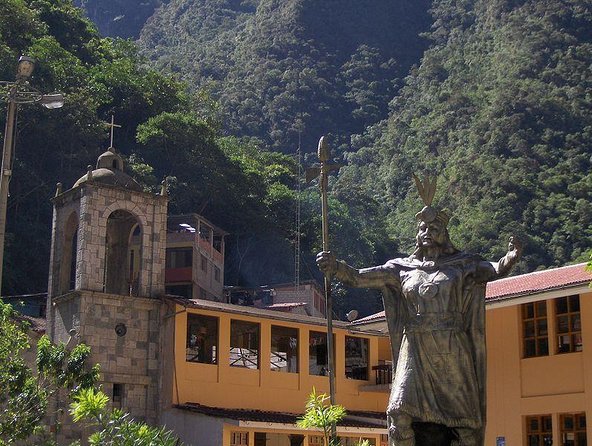
- Full-suspension biking gear included so you don’t need to hunt for rentals
- Class II and III rafting with a professional safety kayaker on hand
- Guides named like Jonathan, Wilbert, and Freddy are praised for keeping you safe and on schedule
- Entrance fees are included, which boosts real value for the whole week
- Private tour style: only your group participates
- Machu Picchu with optional add-ons (Huayna Picchu or Machu Picchu Mountain cost extra)
The Big Idea: Cusco to Machu Picchu, but by Jungle and Rapids
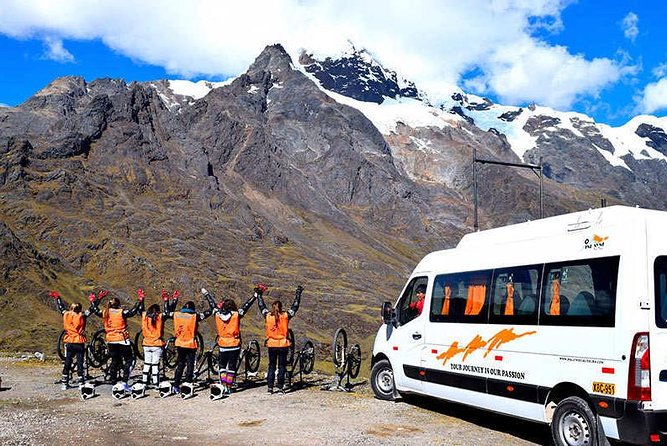
This is not just a Machu Picchu day trip. The payoff is that you reach the iconic site after several days in the Sacred Valley and high-to-low jungle country, with adrenaline mixed into the schedule. You get the best kind of contrast: crisp Andean viewpoints, then warmer river valleys, then the quiet drama of Machu Picchu.
The value logic is simple. You’re paying once for a week that bundles transport, lodging, guides, activities, and entrance fees. That matters in Peru, where ticket lines and separate booking can quietly add up.
The trip is also guided in a way that keeps you from feeling lost. You get picked up in Cusco, you meet your expedition group to go over what’s next, and you’re moved between regions with dedicated transport rather than piecing together connections on your own.
You can also read our reviews of more tours and experiences in Cusco.
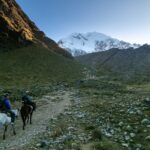
Day 1 in Cusco: Altitude Reset and a Real Start
You arrive into Cusco (about 3,400 meters / 11,000 feet) and the tour company meets you at Alejandro Velasco Astete Airport. Then you transfer to your hotel and keep Day 1 light on purpose.
This is smart travel planning. In Cusco, many people feel it in the first day—headache, fatigue, shortness of breath—so having a rest day gives your body time to adapt. You can explore the city at an easy pace, or just stay comfortable and hydrate.
That evening, you meet your group and review the plan. I like this step because it prevents the common chaos of travel-adventure trips—people showing up unprepared, not knowing what day starts at what time, or missing safety or packing reminders.
Practical tip: even on a “rest day,” plan for altitude. Drink water, move slowly, and avoid alcohol the first night.
Sacred Valley Days 2: Moray, Maras Salt Mines, and Chinchero
After a pickup around 8:00 AM, you drive through the Sacred Valley with a scenic route that passes snow-capped peaks, wheat fields, and Andean villages. You’re not just driving; you’re collecting context. It helps when you later learn how the Incas used the land as a system—agriculture, climate control, and resource extraction.
Moray: the terraced science of the Incas
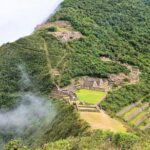
Your first stop is Moray (about 3,500 masl / 11,483 ft.). The site is famous for its amphitheater-like terraces cut into the earth. The terraces are widely understood as agricultural experiments—basically a living set of climate zones.
What I find great here is scale. Even if you don’t know all the details, the geometry is hard to miss. It’s a reminder that Inca engineering wasn’t just monuments—it was practical.
Maras Salt Mines: thousands of working pools
Next you head to the Maras Salt Mines (about 3,380 masl / 11,089 ft.), with over 3,000 salt pools still in use. This isn’t a ruin you walk past; it’s an active landscape tied to daily work.
Chinchero: a high-altitude village stop
You finish with Chinchero (about 3,762 masl / 12,343 ft.). This part of the day is about seeing how culture still fits into the geography, and why the area matters beyond its postcard views.
Value note: entrance tickets are included, so you can focus on the stops rather than cost math.
Day 3: Mountain Biking From Malaga Pass to Santa Maria, Then Rafting
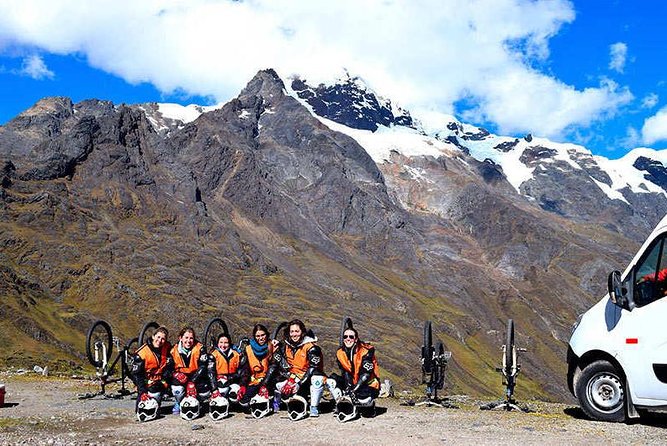
This is the day where the trip starts feeling like an action movie, in a good way. Your pickup is early (around 6:00 AM, with exact time to be confirmed). After about a 3-hour drive, you reach Malaga Pass (about 4,350 masl / 15,190 ft.), where the ride begins.
The bike run: villages, orchards, and river crossings
You start with a mountain bike descent that lasts roughly three hours. Along the way, you pass through villages, orchards, and areas near rushing water.
The fact that you’re on full-suspension bikes makes a difference. In Peru, trails can be uneven fast. Suspension helps keep the ride controlled and less punishing—especially if you’re not a hardcore downhill cyclist.
You arrive in Huamanmarca (about 1,800 masl / 5,906 ft.) around 1:30 PM, then switch to a private bus for the rest of the transfer down to Santa María (about 1,200 masl / 3,937 ft.). That mix of biking plus bus is a smart design. It saves your legs for the next part.
Rafting: Class II and III rapids with safety support
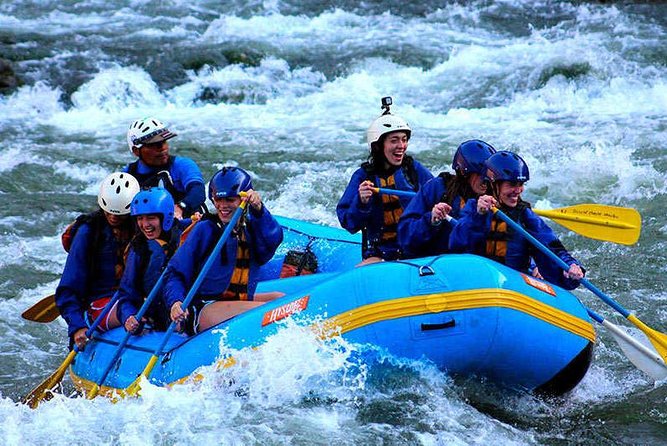
After a lunch break, you go rafting for about two hours, including Class II and III rapids. There’s professional supervision from a safety kayaker, and rafting equipment is included.
This is a good “adventure sweet spot.” Class II–III rapids aren’t flat-water sightseeing, but they’re also not an extreme white-knuckle expedition. If you’re fit, calm, and willing to follow instructions, it’s very doable.
Safety reality check: rafting depends on timing, weather, and river conditions. The presence of a safety kayaker is the key detail you want to see in the description—and here it’s included.
After rafting, dinner is provided and you settle in overnight in Santa María, then prepare for trekking the next day.
Day 4: Trek Through the Inca Trail Segment Toward Santa Teresa
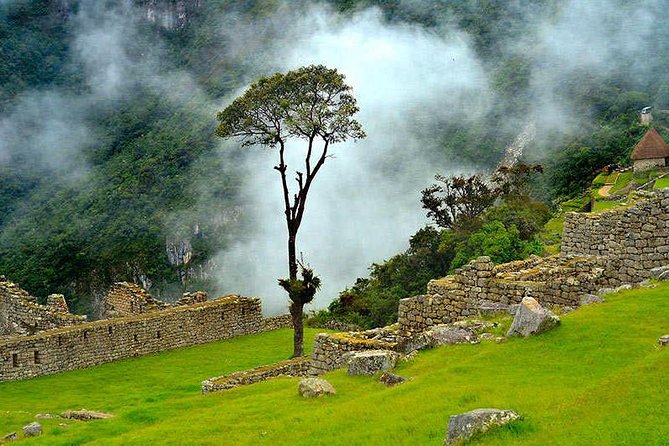
Day 4 starts early again, after breakfast, with a trek to Santa Teresa beginning around 6:00 AM. The first part is uphill for about two hours with stops along the way.
A local-home stop and real-world jungle breaks
One of the stops includes a visit to a local family’s home. You rest there, enjoy tropical fruit, and refill water supplies. These breaks matter. They turn a long day into a sequence of small goals instead of one long grind.
Historic Inca Trail section and canyon views
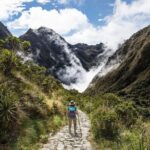
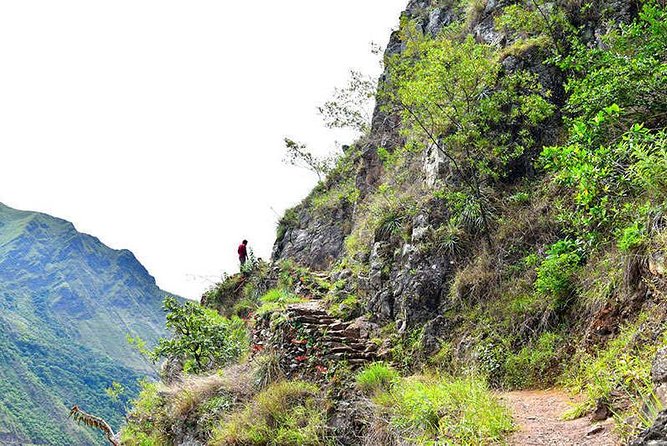
You then continue along a historic section of the Inca Trail that once connected Machu Picchu and Vilcabamba. Your guide shares stories about Inca history and communication systems, and you take in views of the Huancarccasa Canyon.
This is where the tour earns its name. You’re not only doing “nature + adrenaline.” You’re walking through a route that has meaning, and you have a guide to help connect the dots between geography and Inca purpose.
Lunch and hammock time
You descend to Quellomayo for lunch and relax in hammocks. That hammock part sounds simple, but it’s one of those little travel luxuries that keeps the whole week from feeling like constant exertion.
Day 5: Aobamba Valley Walk Into Aguas Calientes
This morning trek is again around 6:00 AM, with about 3 hours walking through the Aobamba Valley. You’ll pass through lush vegetation and get mountain views that feel different from Cusco’s high ridges.
Government control post and an Inca astronomical stop
You pass the Intihuatana sector, described as a government control post area. You’ll also have the opportunity to see an ancient Inca sundial, an astronomical marker, along with nearby structures.
I like including elements like this on an adventure trek day. It’s a break from “just walking.” Even if your legs are sore, you get a mental moment—something to look forward to beyond the next switchback.
Lunch included, then Aguas Calientes
Lunch is provided en route. Then you reach Aguas Calientes, where the schedule shifts toward Machu Picchu preparation.
Day 6: Guided Machu Picchu and Optional Huayna Picchu or Machu Picchu Mountain
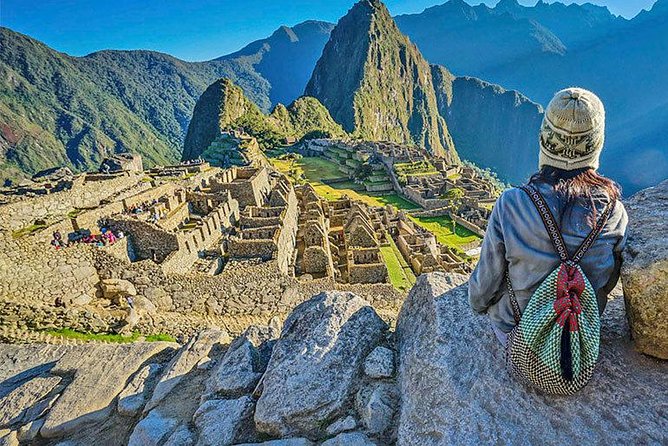
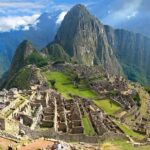
Day 6 is the big classic moment. After breakfast, you board a morning bus toward Machu Picchu. Inside the citadel, your guide leads an in-depth tour covering temples, ceremonial areas, terraces, and storage structures.
This is where having an English-speaking guide matters. Machu Picchu is stunning, but it’s also easy to view like a photo background unless someone helps you read what you’re seeing.
Add-on ticket option
If you secured extra tickets in advance, you can explore either Huayna Picchu or Machu Picchu Mountain. Huayna Picchu has a listed extra cost of US$85.
This is the choice point for your energy. The citadel tour gives you the core experience. The viewpoint hikes add more dramatic perspectives—but they also add more time and more climbing.
After the guided tour, the group returns to Aguas Calientes for a rest and lunch (not included). Then in the afternoon, you take the train back toward Cusco (with bus connection included).
Value note: the Machu Picchu logistics are built into the package: one-way bus to the site and return transportation by train and bus.
Day 7: Back to Cusco Airport, With the Week’s Energy Still in Your Bones
On the final day, your transfer goes to Cusco Airport, matching your flight schedule. It’s a clean finish: no surprise bus changes, no scrambling for the right train, and no extra “optional day” you didn’t ask for.
By now, you’ll have the whole arc: Sacred Valley context, jungle activity days, and the final reveal at Machu Picchu.
Price and Logistics: What You’re Actually Paying For
At US$1,129 per person, this is not a cheap casual tour. But you’re also not just buying a Machu Picchu ticket and hoping the rest works out.
Here’s where the value comes from, based on what’s included:
- 3 nights in 3-star hotels plus hostel nights in Santa María and Santa Teresa
- All breakfasts at accommodations
- Professional English-speaking guide
- All transportation
- Entrance fees included
- Full suspension bike + helmet + gloves
- Rafting equipment and rafting activity
- Zip line (included, even if you won’t see full detail in the brief)
- Machu Picchu bus (one way) plus train and bus return to Cusco
- Meals included across the week (labeled in the package as lunch/dinner counts)
The main “cost adders” to watch:
- Single supplement: US$270 for solo travelers
- Huayna Picchu is extra (US$85) if you choose it
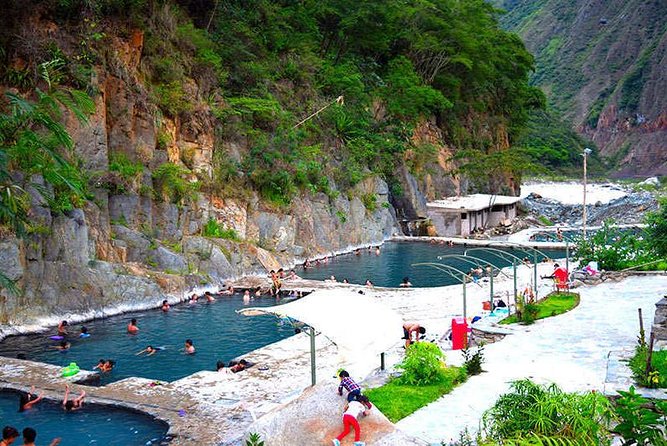
- Hot springs in Santa Teresa are extra (US$5 per person)
- Travel insurance and flights are not included
- Some meals are not included beyond what’s explicitly stated (notably lunch back at Aguas Calientes is described as not included)
If you want to keep your budget predictable, this package helps because so much is rolled into the price.
Who This Tour Fits Best (and Who Should Rethink It)
This trip fits best if you want a multi-sport week and you’re okay with early starts. It’s also built for travelers with at least moderate physical fitness, because you’re biking, rafting, and trekking across changing altitude.
You should seriously consider alternatives if:
- you’re prone to altitude issues and don’t feel comfortable after day 1 in Cusco
- you prefer slow sightseeing with minimal climbing
- you don’t want any rafting or long hike segments
That said, one of the strongest signals from past groups is that guides focus on safety and adjust to the group. Names that come up often include Jonathan (praised for keeping families safe and making the trip smooth), Wilbert (praised for guidance and support), and Freddy (praised for cultural context), plus a rafting instructor named Gustavo.
Also, the tour is described as private (only your group participates). That can feel more comfortable than joining a big mixed crowd when you’re doing active days.
Should You Book the Inca Jungle Adventure to Machu Picchu?
Book it if you want a week that mixes real activity with real history, and you like the idea of reaching Machu Picchu after several days of moving through Peru’s ecosystems. The combination of full-suspension biking, Class II–III rafting, and a guided Machu Picchu visit makes it feel like a complete story, not just a stopover.
Hold off if you’d rather spend your energy on rest and single-location sightseeing. The days are physical, and you’ll be doing early mornings and a trek that includes uphill climbing.
One last note before you decide: the experience is non-refundable and can’t be changed once booked. So if your schedule is fragile, it’s worth thinking hard before paying.
If your goal is an energetic, organized Cusco-to-Machu Picchu adventure with safety support and included logistics, this one is a strong match.
FAQ
Do I get picked up at the airport in Cusco?
Yes. You’re met at Alejandro Velasco Astete Airport by a representative and transferred to your hotel on arrival day.
What’s included for the mountain biking?
You get full suspension mountain bikes, plus helmets and gloves included.
Are entrance fees included?
Yes. Entrance fees are included in the tour price.
What kind of rafting is included?
You’ll do rafting with Class II and III rapids, supervised by a professional safety kayaker. Rafting equipment is included.
Do we visit Sacred Valley, or only Machu Picchu?
You visit the Sacred Valley first, with stops including Moray, Maras Salt Mines, and Chinchero before the jungle adventure days.
How do you reach Machu Picchu?
You take a morning bus to Machu Picchu (one way). After the visit, you return toward Cusco using train and bus.
Is Huayna Picchu included?
Not automatically. The Huayna Picchu entrance fee is extra (US$85) if you have or buy the add-on ticket.
Are hot springs included?
Hot springs in Santa Teresa are extra, listed as US$5.00 per person.
How would you describe the fitness level needed?
The tour notes you should have moderate physical fitness, since you’ll bike and trek with early starts.
Is this tour private?
Yes. It’s described as a private tour/activity, and only your group participates.