REVIEW · NAIROBI
4 Day Mount Kenya Trek Up Chogoria Down Sirimon
Book on Viator →Operated by wilderness Alternative Expedition · Bookable on Viator
That sunrise is earned the hard way. This 4-day Mount Kenya trek links the Chogoria route (Temple cliffs, Hall Tarns area, and Lake Michaelson) to the Sirimon descent through forest tracks, all while you’re climbing from montane forest into high alpine terrain for a dawn summit. I love how the Chogoria approach gives you those big, dramatic “you’re really on the mountain” views, and I also love the summit morning for its protected via ferrata section and crack-of-dawn energy. One drawback to plan for: you start very early, and the final push includes a rope-lined steep section plus loose scree—so it’s not a casual hike.
What makes this trek feel manageable is the small group size (maximum 12) and the way the operation runs as a team, with a licensed guide and planned meal stops. I also like that the itinerary builds in high camps—first at Lake Michaelson, then at Austrian Hut—so the summit attempt doesn’t come out of nowhere.
Price-wise, $900 per person is not pocket change, but it’s easier to justify when you see what you get: transport from Nairobi, tents, a licensed guide, and all the core meals across the trek (breakfast, lunches, dinners). If you’re the type who dislikes early starts or you’re not comfortable with rocky scrambling, you may feel the effort.
In This Review
- Key things I’d plan around on this trek
- Why the Chogoria ascent feels so special
- Day 1: Chogoria Banda to Lake Ellis via Hargenia forest and Nithi Falls
- Day 2: Montane forest to moorland ridges and Lake Michaelson (4,200m)
- Day 3: Around the Temple to Austrian Hut (4,790m)
- Day 4: 04:30 summit push on the rope route and via ferrata, then Sirimon down to Old Moses Camp
- What’s included (and what you’ll still need to handle)
- The people factor: Kenny and the team energy that shows in the details
- Fitness and altitude reality check (so you pick the right kind of challenge)
- Price and value: does $900 make sense for this specific trek?
- Should you book the Chogoria up, Sirimon down Mount Kenya trek?
- FAQ
- How much does this Mount Kenya trek cost?
- Where do we meet, and how do we get to the trailhead?
- What’s included in the price?
- Which route do you climb and which route do you descend?
- What altitudes are included in the overnight camps?
- What time do you start the summit attempt?
- Is the summit technical?
- How many people are in the group?
- Can I cancel for a refund?
Key things I’d plan around on this trek
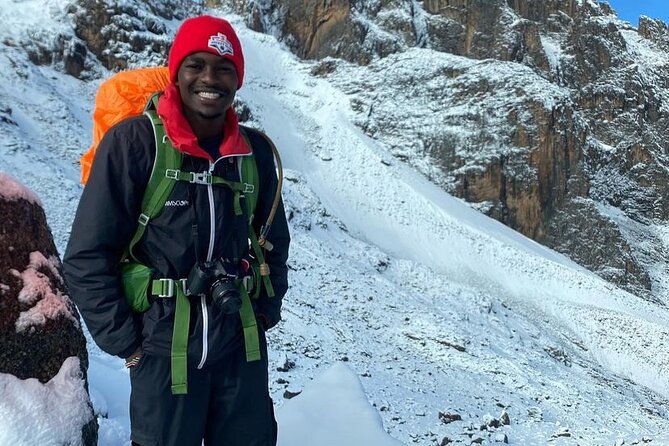
- Chogoria’s Temple area feels like a different mountain: the route skirts around the Temple with big viewpoints over the head-of-valley basins.
- Lake Michaelson is your main high-camp marker at 4,200m, setting the pace for the last day.
- Austrian Hut (4,790m) is the summit staging point that keeps the final summit push shorter.
- Summit morning is technical in a controlled way: rope-lined steep path plus via ferrata (described as the highest in the world).
- Sirimon descent finishes the traverse through forest tracks and ends with a long walk down to Old Moses Camp.
Why the Chogoria ascent feels so special
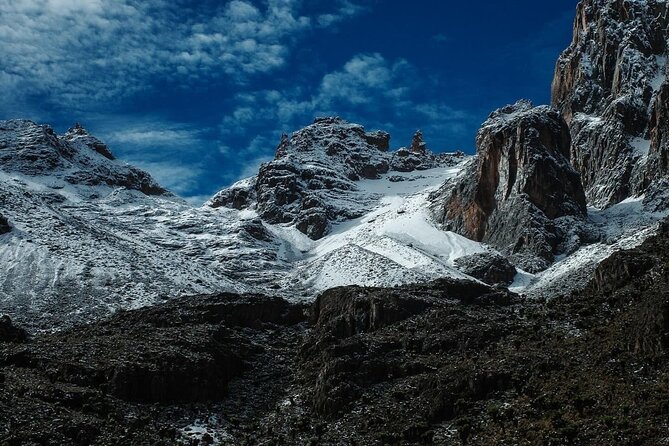
Mount Kenya has a few classic routes, but the Chogoria option is prized for a reason: you don’t just march up a glacial U-shaped valley. Instead, you traverse around the head of the spectacular Temple area, with the Hall Tarns perched above and Lake Michaelson sitting lower in the amphitheatre. That change in “shape” matters because your eyes keep getting rewarded—cliffs, ledges, and sudden openings where you can see farther than you expected.
On this plan, you also get multiple named highlights that make it feel like more than just altitude gain. You’ll pass by Lake Ellis, the Giant’s Billiard Table, and Nithi Falls, and you’ll move through different ecosystems rather than staying in one boring band of terrain. If you’re the kind of hiker who remembers places by details—waterfalls you can hear, rock formations you can point to—this route gives you those.
There’s a practical side too. Chogoria is also the recommended ascent route on this trek, so you’re not guessing about whether this is the “right” way to do it. Your guide (licensed, and backed by an experienced team) is steering the schedule and trail decisions so you can keep your focus on walking and pacing.
You can also read our reviews of more tours and experiences in Nairobi.
Day 1: Chogoria Banda to Lake Ellis via Hargenia forest and Nithi Falls
Day 1 is where the mountain starts to feel real. You leave Nairobi in the morning (plan says 08:00hrs), drive through agricultural country up to Chogoria town, and then have lunch before you transfer by 4×4 to Chogoria Banda. That 4×4 hop matters because it saves your legs for the actual hiking right away.
After you start, you’ll hike toward Lake Ellis, moving through Hargenia forest and tussock grass. This is a great day for settling into rhythm. The walking isn’t just about getting higher; it’s about shifting ecosystems and learning what the trail feels like underfoot before you reach the big altitude zones.
Along the route, you’ll also visit River Nithi and Nithi Falls. I like days like this because they give you variety without a huge technical load. You can catch your breath, take photos, and still feel like you’re making steady progress.
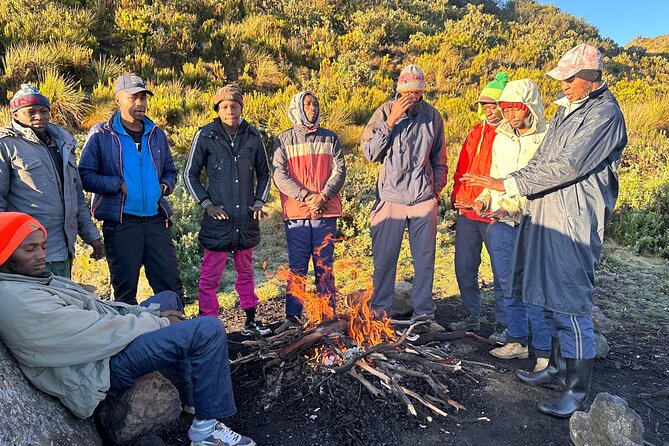
Your day ends at Lake Ellis camp, with supper and a bonfire moment. That evening piece is more than a nice touch—it’s when you help your body recover. If you’ve got any stiffness, you’ll want that down time, because the next day climbs into higher moorland and ridges.
Day 2: Montane forest to moorland ridges and Lake Michaelson (4,200m)
Day 2 starts after breakfast with a trail that climbs away from Lake Ellis on its west side. You go through glades of montane forest first, then you step across to moorland and move toward a ridge where the route joins the main Chogoria trail. For me, that mix is the whole point of a good multi-day mountain trek: your body gets warmed up in the forest, then you get the open-air feeling of the alpine zones.
The plan includes lunch at a small stream crossing. It’s a simple detail, but it’s exactly how you want a mountain meal stop to work: you’re not waiting around in limbo, and you’re eating in a place that naturally breaks up the day.
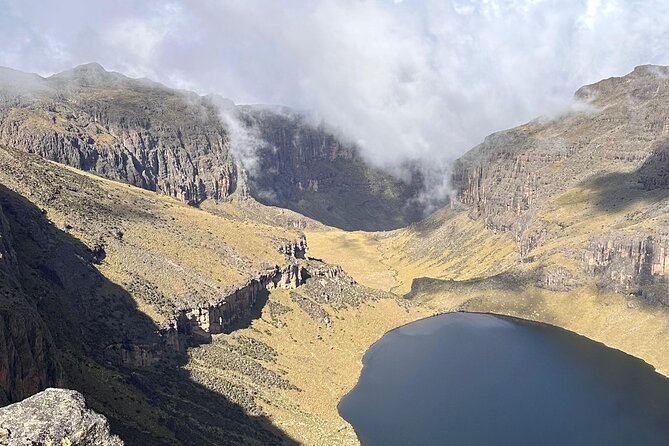
Once you reach Lake Michaelson at 4,200m, you rest for the night. This is a key moment in the trek. It’s high enough to make breathing feel different, but it’s still early in the high-altitude phase, so it’s also where pacing and calm effort really pay off.
Dinner and overnight at Lake Michaelson camp close out the day. This camp sets up Day 3, because the next stage is all about moving around the Temple cliffs and reaching the Austrian Hut area.
Day 3: Around the Temple to Austrian Hut (4,790m)
Day 3 is about position. After breakfast, you walk from Lake Michaelson through the Temple cliff drop, and the view over Lake Michaelson is part of the payoff. That sight isn’t just scenic—it also helps you understand the geography you’ve been climbing through. You start to see the “why” behind the route shape.
Then you proceed onward, circumnavigating the peaks around the mountain to reach Austrian Hut at 4,790m (A.S.L.). The higher you go, the more important it becomes that you don’t rush. The trail here is also about moving efficiently, because by the time you reach Austrian Hut, the summit is described as a short distance away.
I like this staging approach because it reduces the risk of burning out before your summit morning. Instead of leaving you to guess how ready you’ll feel, you land in a high point designed to make the final push more straightforward.
Dinner and overnight at Austrian Hut finish the day. You’ll go to sleep with a plan for an early start the next morning.
Day 4: 04:30 summit push on the rope route and via ferrata, then Sirimon down to Old Moses Camp
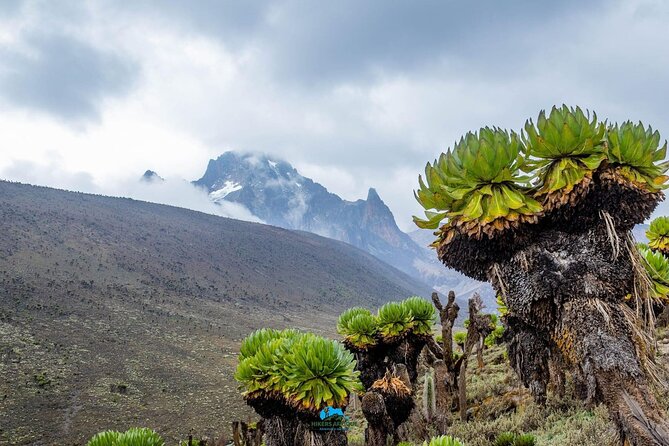
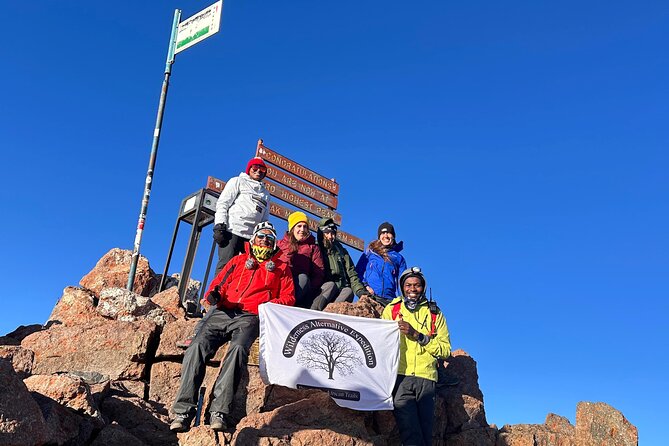
Day 4 begins at 04:30hrs—early enough that you’re likely starting in the dark. You walk up a rope-lined steep path to the summit, and the plan flags an important caution: scree is loose here. That means careful foot placement matters as much as strength. If you tend to rush when you’re excited, this is the day to slow your brain down.
You’ll experience the crack of dawn and sunrise from the eastern side of the Chogoria route. I find sunrise summit moments stick with you because the mountain changes from “place you’re climbing” to “place you’re watching.” Even if you’ve been taking photos all week, this one deserves your attention.
Then comes the protected via ferrata section, described as the highest in the world. The point of via ferrata is support—ropes and fixed protection designed to make this kind of route safer for people who aren’t training as technical climbers. Still, you should treat it like a section that requires focus, not just a thrill.
After reaching the summit, you take photos and enjoy the view briefly before starting down. The descent is where the trek becomes a true traverse. You descend west via the Sirimon route for breakfast at Shipton’s Camp, then you walk down 14km to Old Moses Camp, arriving later in the afternoon.
There’s also a short ceremony to bid farewell to the team. That’s a nice emotional finish after days of hard effort. Depart for Nairobi after that, arriving late in the evening.
What’s included (and what you’ll still need to handle)
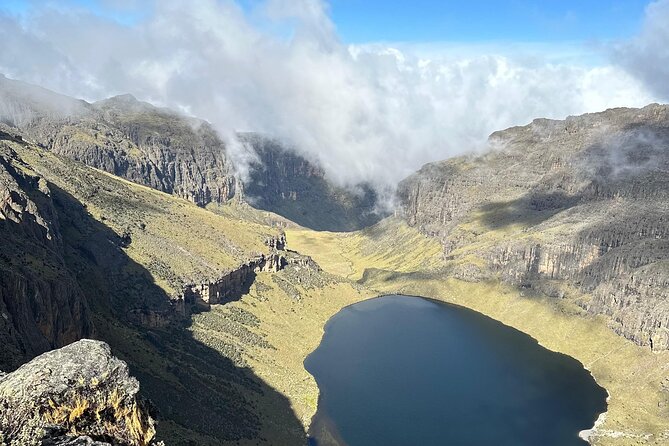
This trek is set up so you don’t have to build a camping operation yourself. It includes tents, a licensed guide, and transport from Nairobi. You also get the core meals: breakfast (3), lunch (4), and dinner (4). That’s meaningful because on a mountain, food timing affects your energy, and you don’t want to be improvising meals when you’re tired.
You’ll also be in a group that caps at 12 travelers, which helps with logistics and keeps the experience from feeling chaotic. There’s a mobile ticket as well, so the paperwork part stays simple.
Tips are not included. For me, that’s the one extra decision you’ll want to plan mentally so you don’t feel rushed at the end of a tough day.
The people factor: Kenny and the team energy that shows in the details
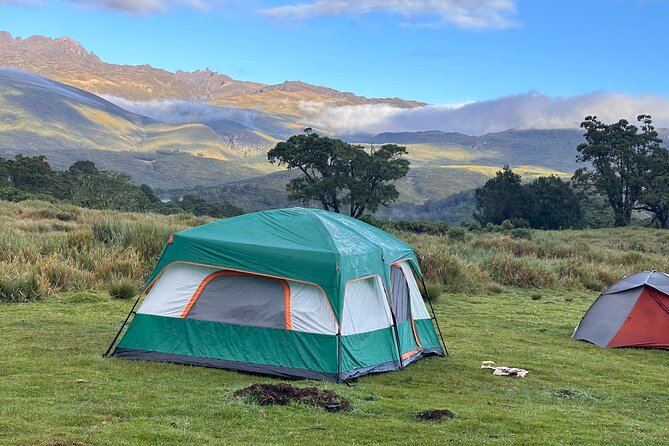
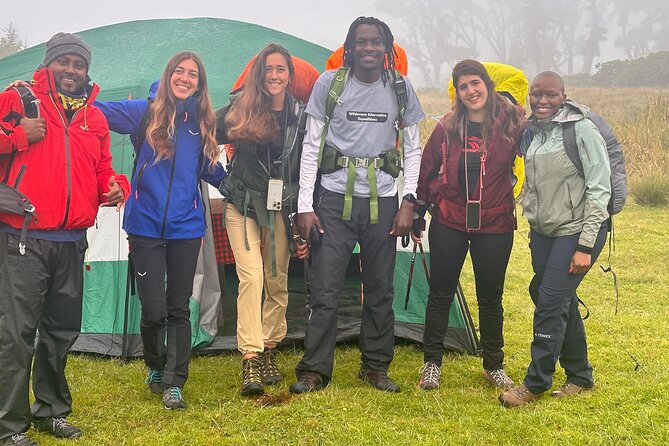
The reviews tied a lot of praise to how smoothly the trek runs, and that often comes down to one thing: leadership on the trail. Kenny is named directly in the feedback, and it’s clear the team leans on knowledge of the surroundings and the ability to adjust pacing when conditions change.
One highlight from the write-ups is that the guide and team can adapt to keep the summit goal realistic. When weather throws a wrench in your plan—like rain that then clears—you still want a leader who can re-time the day without turning it into stress. That kind of calm problem-solving is exactly what helps a trek feel well-organized.
Other names show up too: Joseph, Loki, JJ, and Willy. That matters because it suggests the support isn’t just one person. Even if you don’t chat with everyone on the team each day, you feel the difference when multiple people are handling camp rhythm, trail guidance, and the little things that keep you moving.
Sara is also referenced in the responses as part of the hospitality side of the operation. That kind of behind-the-scenes attention matters on a multi-day trek because you’re always halfway between the mountain and the logistics of camp, timing, and meals.
Fitness and altitude reality check (so you pick the right kind of challenge)
This trek is listed for moderate physical fitness. That’s a good sign: it’s not marketed as a couch-to-summit project. But the itinerary still puts you into real altitude stages and steep effort.
You’ll camp at 4,200m (Lake Michaelson) and at 4,790m (Austrian Hut). Then you summit early the next day. That means your body has to handle thinner air, and your legs have to handle steep ground plus loose scree on the summit approach.
Add to that the rope-lined steep section and the via ferrata segment. You don’t need to be an expert climber, but you do need to be willing to move carefully, keep your hands and feet working together, and take the technical section seriously.
Price and value: does $900 make sense for this specific trek?
At $900 per person, this trek sits in the mid-to-higher range, but the price has built-in structure. You’re getting transport from Nairobi, tents, a licensed guide, and a set meal plan across the four days. You’re also getting a tight route pairing: Chogoria ascent for the Temple views and Sirimon descent for forest tracks.
Where the value really shows is in how much you’re not managing yourself. Multi-day high-altitude trekking without an organized guide and camp setup is a different sport. Here, you’re paying for the planning and the execution: route choice, timing, camp progression, and support through the summit morning.
If you’re comparing options, I’d focus less on the number and more on what that number covers: guiding, camping support, and meals. This package ticks those boxes clearly.
Should you book the Chogoria up, Sirimon down Mount Kenya trek?
Book it if you want a route that feels like a true traverse, not just a straight push uphill. The Chogoria Temple area, the named features like Lake Ellis and Nithi Falls, and the high-camp sequence toward Austrian Hut make this itinerary feel purpose-built. And if the summit idea appeals to you, the rope-lined section plus via ferrata gives you a structured, protected way to experience that dawn payoff.
Consider passing or shopping for a different option if you know you struggle with very early starts or rocky, loose footing. The plan is clear that scree requires caution, and you’ll be moving steep terrain before sunrise.
If you fit the moderate fitness level and you’re excited by mixed ecosystems—forest, moorland, and alpine—this is a strong choice for a Kenya bucket-list mountain experience.
FAQ
How much does this Mount Kenya trek cost?
It costs $900.00 per person.
Where do we meet, and how do we get to the trailhead?
You meet at Jomo Kenyatta International Airport in Embakasi. Transport from Nairobi is included, and the plan drives to Chogoria town for lunch before a 4×4 transfer to Chogoria Banda where the hike begins.
What’s included in the price?
The trek includes transport from Nairobi, tents, a licensed guide, and meals (breakfast is included 3 times, lunch 4 times, and dinner 4 times). Tips are not included.
Which route do you climb and which route do you descend?
You ascend via the Chogoria route and descend via the Sirimon route.
What altitudes are included in the overnight camps?
The itinerary includes overnight at Lake Michaelson camp at 4,200m, and overnight at Austrian Hut at 4,790m.
What time do you start the summit attempt?
You start early at 04:30hrs for the summit push.
Is the summit technical?
Yes. The route includes a rope-lined steep path and a via ferrata section described as the highest in the world. The plan also notes loose scree, so caution is advised.
How many people are in the group?
The trek has a maximum of 12 travelers.
Can I cancel for a refund?
Yes. You can cancel up to 24 hours in advance of the experience for a full refund. If you cancel less than 24 hours before the start time, the amount paid is not refunded.