REVIEW · POKHARA
Ghorepani Poon Hill Trekking
Book on Viator →Operated by Adventure Bound · Bookable on Viator
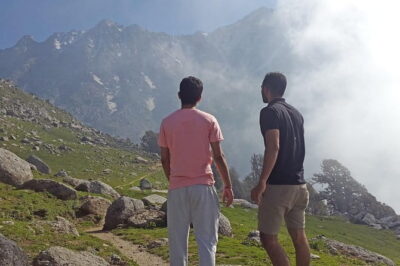
Sunrise on Poon Hill hits fast. This all-in trek is built for people who want the Annapurna views without the hassle: you get a private guide, transport from Pokhara, permits, and meals wrapped into one clear price. The walking stays moderately strenuous, with terraced climbs, rhododendron woods, and hilltop villages that you only reach on foot.
I especially like the way the trip handles the hard parts for you. With accommodation and 3 meals a day included (plus the required permits and local taxes), you can focus on the trail instead of cost juggling at tea houses. Even the ride segments are covered: taxi to Birethanti at the start, and a shared jeep/bus back from Ghandruk to Pokhara.
One thing to plan for: the lodges are simple. One review note was that rooms may have no heating, so cold nights in winter can feel real even if the trek is sunny by day.
In This Review
- Key points to know before you go
- Poon Hill in four days: why this trek fits short schedules
- Value math: what $600 buys you on this trek
- Getting to Birethanti from Pokhara: Day 1 pace and your first real peaks
- Ulleri behind you: Day 2 Ghorepani via rhododendron and oak forest
- Sunrise sprint to Poon Hill: Day 3 peak panorama in practical terms
- Tadapani to Ghandruk: the downhill that feels like village life
- Your guide makes the trek easier: Raman, Santosh, Suresh, and more
- What to pack: cold lodge nights and early-morning layers
- Weather and season reality: when rhododendron season is the star
- Who this trek suits best (and who should look elsewhere)
- Should you book this Ghorepani Poon Hill trek?
- FAQ
- Is pickup from Pokhara included?
- What meals are included during the trek?
- Is accommodation included?
- Are permits and local taxes included?
- Do I need to tip the trekking guide?
- How early can I cancel for a full refund?
Key points to know before you go
- Private, English-speaking guide who sets your pace and keeps the day organized
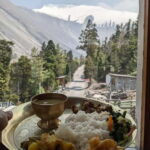
- All-inclusive meals and lodge stays so tea-house budgeting stays off your mind
- Poon Hill sunrise with a peak panorama that’s easy to chase with an early start
- Rhododendron and oak forest walking with spring color and birds/animals in season
- Ghandruk village finish where the descent turns into real village life
Poon Hill in four days: why this trek fits short schedules
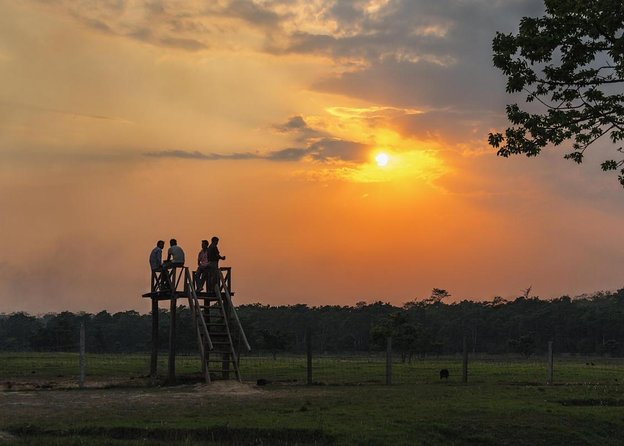
If you’re short on time but still want that classic Himalayan payoff, Ghorepani Poon Hill is one of the most practical options in Nepal. The route is built around reachable village stops, a famous sunrise viewpoint, and a downhill finish that naturally keeps your energy from getting stuck at a single altitude.
What makes it work is the structure. You move from Pokhara into the trail start at Birethanti, gain elevation over the first couple of days, then cash in on the Poon Hill views early on Day 3. After that, the rest of the time is about descending through forests and into Ghandruk.
This is also a smart choice if you’re new to trekking. You still get the stair climbs and steep bits, but the trip is paced over multiple days with lodge nights, meals, and a guide who can adjust when needed.
You can also read our reviews of more tours and experiences in Pokhara.
Value math: what $600 buys you on this trek
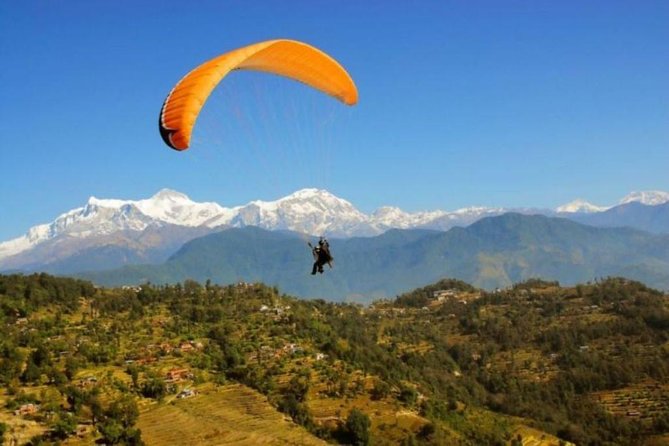
$600 might look like a lot until you list what’s actually included. In this package, you get accommodation as per itinerary, 3 meals daily (breakfast, lunch, dinner), and the necessary permits for the Ghorepani Poon Hill trek. On top of that, local taxes and handling charges are covered.
Logistics matter here too. You get a taxi from Pokhara to Birethanti (the trek start), and a shared jeep/bus from the trek end point (Ghandruk) back to Pokhara. You’re also covered for the guide’s day-to-day costs, including food, lodging, salary, insurance, and equipment expenses.
What’s not included is mostly the stuff you’d likely spend on anyway: bottled water, charging a phone/camera, hot shower access, alcohol, desserts, and personal shopping. And yes, tipping is expected for your trekking guide.
So the real value isn’t just the views. It’s having the administrative and day-to-day pieces handled so your time and energy go into walking and taking in the mountains.
Getting to Birethanti from Pokhara: Day 1 pace and your first real peaks
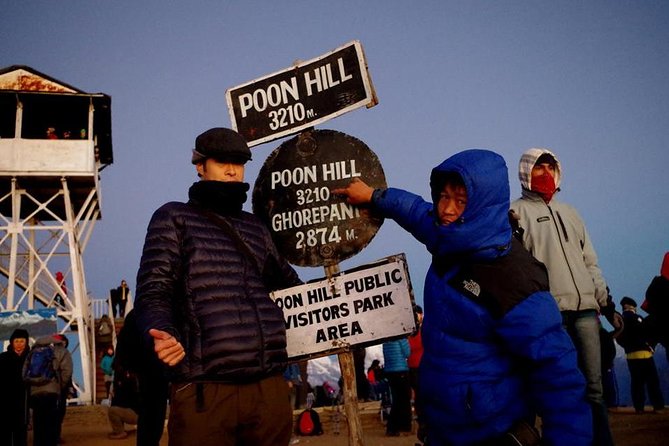
Day 1 starts with the ride from Pokhara to Birethanti, about 1.5 hours following the Modi Khola valley. You’ll pass through local villages and green hills, which is a nice warm-up because it keeps you from feeling “landed and dropped” before the hike begins.
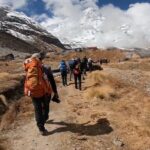
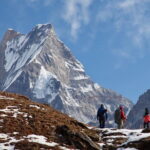
From Tikhedhunga, the trail begins with a steep ascent made of stone stair steps. This is the part where trekking footwear grip helps a lot. Your destination on Day 1 is Gorepani Poon Hill trekking area (you’ll start seeing the “big picture” right away), with views of Hiunchuli and Annapurna South from that early vantage.
One practical tip: plan to feel it in your legs on Day 1. You’re not just walking through scenery—you’re climbing. But the reward comes quickly enough to keep the effort feeling worth it.
Ulleri behind you: Day 2 Ghorepani via rhododendron and oak forest
Day 2 begins with an early rhythm: you wake, then go for breakfast while the mountains catch the rising sun. That routine is a key part of the trek’s charm because it turns the early start into something more than just cold breath and creaky boots.
After leaving Ulleri behind, the hiking day is roughly a 4–5 hour stretch. You’ll cross places like Banthanti, known for rhododendron and oak woodlands, and Nanggethanti along the Bhrungdi khola. A lot of the walking is through jungle-style trail, so it can feel shaded and enclosed in the best way—especially when you’re trying to conserve energy.
Season matters. In spring, rhododendron blooms can fill the path edges with color, and you may see wild birds and animals. Even if you’re not in peak season, the route still delivers a steady mix of forest walking and open breaks.
You finish Day 2 in Ghorepani, which gives you the view-focused payoff: Dhaulagiri, Annapurna South, and Hiunchuli are in the mix. This is also a good day to keep an eye on weather shifts, because Day 3 depends on getting to Poon Hill on time.
Sunrise sprint to Poon Hill: Day 3 peak panorama in practical terms
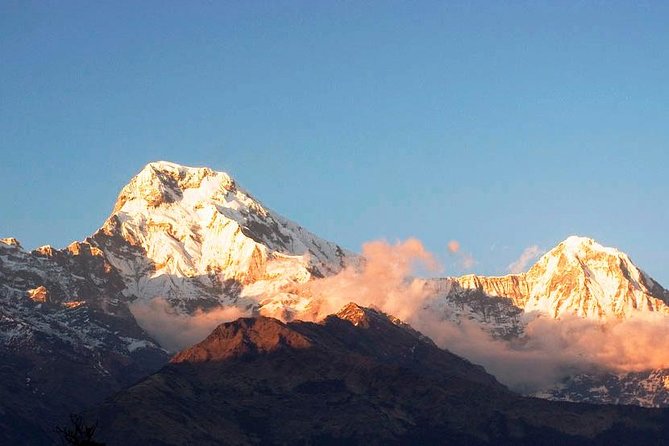
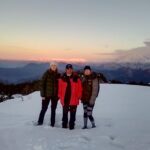
Day 3 is built for early morning. You wake up, then rush to Poon Hill for sunrise—partly for the light, partly because you want a good viewpoint before crowds settle in.
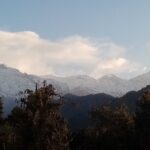
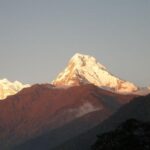
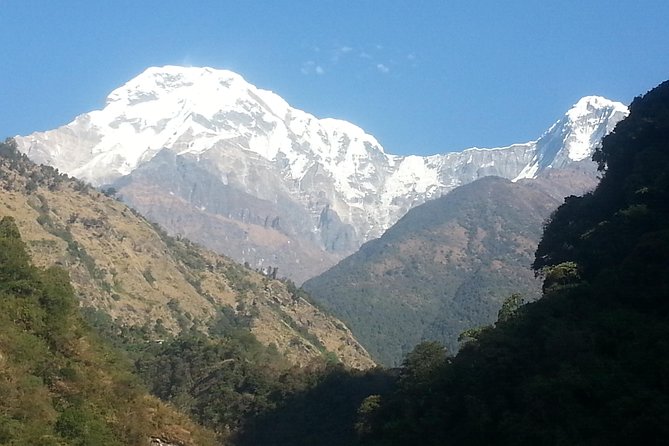
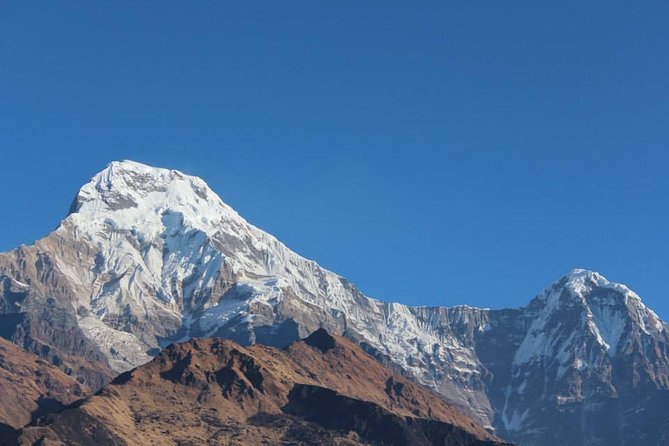
This is where the trek earns its fame. From Poon Hill, you get a wide panorama with peaks including Annapurna, Bahari Shikhar, Hiunchuli, Nilgiri, Dhaulagiri, Manaslu, Machhapuchhre, and other surrounding summits. You’re not just “seeing mountains.” You’re seeing how the Annapurna region stacks up.
Once sunrise is done, you return to Ghorepani lodge for breakfast. Then the day turns into descent mode as you head toward Tadapani. The pacing shifts here—less steep focus, more long downhill steps through changing vegetation.
One review detail that’s worth keeping in mind: if you’re trekking in rainy season, you might still catch clear views at times. In one case, mountains were visible from Tadapani even when daytime rain stayed limited. So it’s not automatically a washout—weather can still give you openings.
Tadapani to Ghandruk: the downhill that feels like village life
After the early peak push, the last day feels lighter in effort but richer in atmosphere. Day 4 starts after your last breakfast on the hill, then you descend toward Ghandruk.
The trail follows rhododendron and oak woodland again, but with more of a “follow the valley down” feel. You may also spot wildflowers along the way, which makes the descent feel less like just getting it over with and more like enjoying the slow reveal of where you’re going.
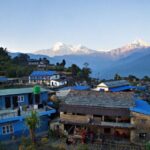
Ghandruk is a big highlight because it’s not just a stopping point. It’s a village with local people, beautiful houses, and the kind of air that makes you feel like you’re in the middle of daily Nepal life—not only passing through. It’s also popular with Nepali tourists for the scenery, so you’ll understand why it’s worth ending here instead of somewhere anonymous.
Once you reach the trek end point, you’re transferred back to Pokhara by shared jeep/bus. That last ride is the moment where the trek stops being “the mission” and becomes “the story you’ll tell later.”
Your guide makes the trek easier: Raman, Santosh, Suresh, and more
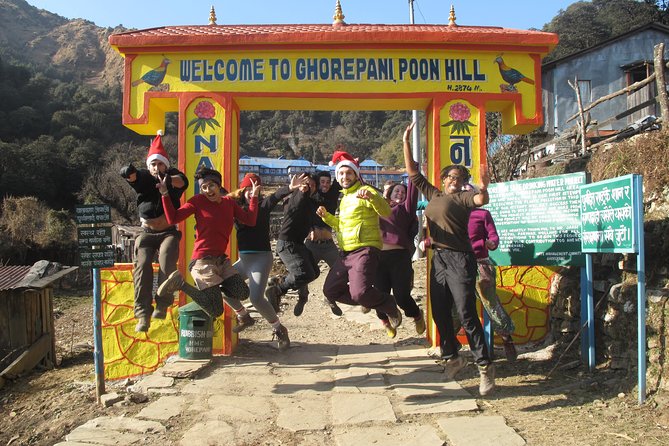
A trek lives or dies on guide support, especially when your group includes first-timers or mixed fitness levels. This tour includes a professional English-speaking trekking guide, trained by the Ministry of tourism, and it’s private for your group.
In the best feedback, the guides show up in small, helpful ways. Raman, for example, was praised for being knowledgeable and friendly, plus for making the evenings fun—playing cards and even bringing fruit up the small climbs so people had something tasty on the way. That kind of attention doesn’t just entertain you; it keeps morale up on tired legs.
Other guide names also came through clearly in the notes you shared. Santosh was described as helpful and friendly, with a big reminder to bring warm clothes because lodge heating can be limited. Suresh earned praise for patience—no pressure, following the group’s pace, and keeping new trekkers comfortable.
Raj Silwal stood out for being funny, polite, and informed about culture and nature. And Arjyal Santosh was described as organizing things well and showing strong hospitality.
If you care about a calm vibe and a guide who can adjust when your body says slow down, this setup is a good match.
What to pack: cold lodge nights and early-morning layers
Your main packing challenge here is not just hiking—it’s the early starts and cold nights at altitude. One review specifically warned that lodges can be simple without heating, so bring warm clothes even if your days feel mild.
For sunrise day, layers are your best friend. You’ll be walking in the dark or early light, then standing still long enough for views—so you’ll want a warm top you can take off when you start moving.
Also plan for the “personal expenses” list. Bottled water, charging, hot showers, and snacks beyond included meals can add up fast. If you’re budget-minded, it helps to have a rough plan for how much you’ll spend on those optional items.
Finally, trekking shoes with solid grip are a must for stair-step segments. Those stone steps can be slippery when they’re wet, and you don’t want to test your balance.
Weather and season reality: when rhododendron season is the star
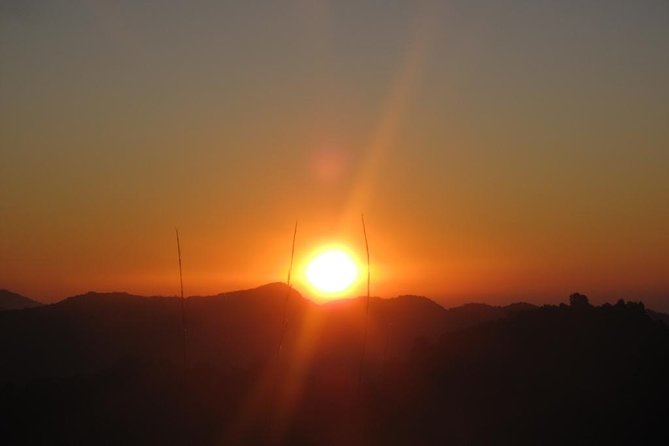
This trek works best when weather gives you clear views, but it’s not always predictable. In spring, the trail’s rhododendron and oak woodlands can look like the trek’s theme song. You may also see birds and animals along the more wooded sections.
If you’re going in a rainier season, you might still get mountain clarity at key points. The route includes days with viewpoints and a famous sunrise stand, so even partial weather improvements can make the trip worthwhile.
My advice: aim to arrive with flexible expectations and dress for changing conditions. The trail is exposed in places, sheltered in others, and the temperature swings can be dramatic between sunrise and midday sun.
Who this trek suits best (and who should look elsewhere)
This is a good fit if you want a short Himalayan trek with moderately strenuous hiking and a clear itinerary. It’s ideal for beginners who want structure: transport handled, guide support included, meals and lodging built in.
It’s also a solid choice for couples or solo travelers who want a private group experience. A note from feedback that rings true: having at least one companion can make the days feel more fun and memorable, but solo trekkers still do well when they have a good guide and steady pace.
If you’re seeking high-adrenaline climbing or long, rugged multi-day ascents with no infrastructure, this probably won’t satisfy that itch. This trek is about views, villages, and sunrise—delivered with comfort-level logistics.
Should you book this Ghorepani Poon Hill trek?
Book it if your top goal is Poon Hill sunrise plus real village trekking in the Annapurna region, and you don’t want to micromanage permits, meals, and transport. The included structure makes it easier to enjoy the hike instead of worrying about the next cost stop.
Skip it or choose dates carefully if you know you’re sensitive to cold nights. The lodge setup can be basic, and early mornings mean you’ll want real warm layers. Also, if you’re expecting a totally flat walk, be aware that the route includes steep stair climbs and uphill effort early on.
If you do book, make your decision based on one thing: do you want an efficient, guided trek that trades complexity for sunrise magic and steady scenery? For most first-timers and time-crunched travelers, the answer is yes.
FAQ
Is pickup from Pokhara included?
Yes. The tour includes taxi transport from Pokhara to the trek start point at Birethanti.
What meals are included during the trek?
The package includes 3 meals per day: breakfast, lunch, and dinner during the trek.
Is accommodation included?
Yes. Accommodation is included as per the itinerary, with overnight lodge stays.
Are permits and local taxes included?
Yes. The price includes the necessary permits for the Ghorepani Poon Hill Trek, plus local taxes, fees, and handling charges.
Do I need to tip the trekking guide?
Tips are not included, and it is expected that you tip your trekking guide.
How early can I cancel for a full refund?
You can cancel up to 6 days in advance for a full refund. If you cancel less than 6 days before the start time, a refund may not apply as fully.