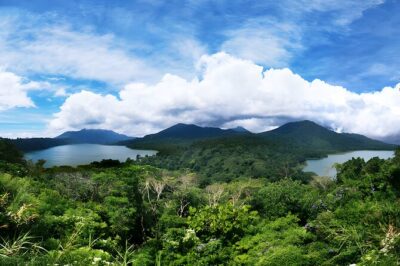
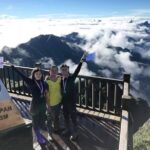
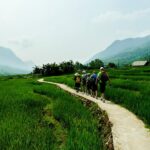
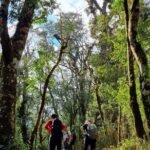
One mountain view away from Sapa’s main street. The Sapa Hidden Trail Trek mixes big panoramas with Muong Hoa Valley village life, using a full half-day trek that stays close enough to town for a real one-day adventure.
I like two things most: the combination of H’Mong and Dao village visits with practical cultural context, and the way the route builds to wide viewpoints that make the effort feel worth it. You also get a local guide (plus water and lunch), so you’re not just paying to walk.
One consideration: this is not a casual stroll. Expect steep, uneven, and sometimes muddy sections, and if it’s rainy or cloudy, the views can get stuck behind the mist.
In This Review
- Key Things You’ll Notice on This Trek
- Trekking from Sapa to Muong Hoa Valley: What You’re Really Buying for $35
- Stop 1: Ham Rong Mountain Start at 9:00am for the First Real View
- Hang Da Village: H’Mong Rocks, Community Life, and a Quick Culture Moment
- Hau Thao and the Lunch Break: The Rhythm Change on a Steep Day
- Bamboo Forest Trails and Hau Chu Ngai: When the Trek Turns Real
- Giang Ta Chai Village: Museum Stop, Traditional Clothing, and the Culture You Can See
- Guide Quality Makes a Difference: Nhu, Zo, Jacob, TJ, Phenh, and Fin
- Price and Logistics: How This One-Day Trek Works for Real Schedules
- How to Prepare: Shoes, Poles, Weather, and When Views Get Blanked
- Who Should Book This Hidden Trail Trek?
- Should You Book This Trek? My Practical Verdict
- FAQ
- What time does the Sapa Hidden Trail Trek start?
- How long is the trek?
- Is pickup and transportation back to town included?
- What’s included in the price?
- What’s not included?
- What kind of fitness level do I need?
- Is this tour private?
Key Things You’ll Notice on This Trek
- View-first energy: You climb early from central Sapa toward the Dragon Jaw area for your first major payoff
- Village stops that aren’t just photo ops: Hang Da’s rocks and community setting give you context fast
- Bamboo forest trail time: Short stretches break up the climbing and make the walk more fun
- Culture lesson in Giang Ta Chai: A small museum explains traditional clothing and local customs
- Guides often adjust the route: People with slower pace needs can still enjoy the day
- Total walking adds up: One common pattern is around 20,000 steps / about 9 miles
Trekking from Sapa to Muong Hoa Valley: What You’re Really Buying for $35
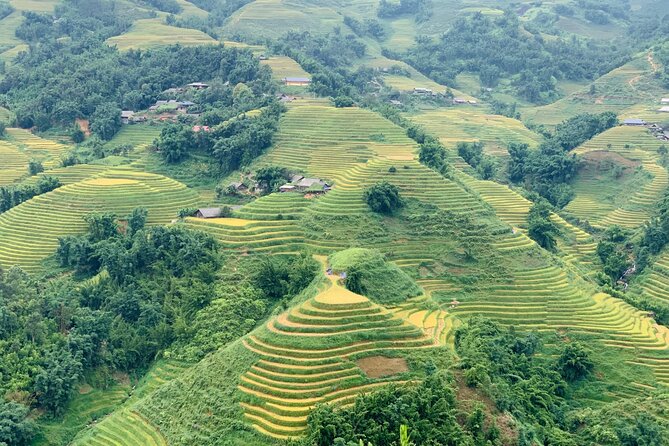
At $35 per person, the value here comes from what’s included, not from the trekking label. You’re getting a local guide, village entry fees, lunch, bottled water, and transportation back to town. When you add those up, you’re paying mostly for the route plus someone to guide you through it.
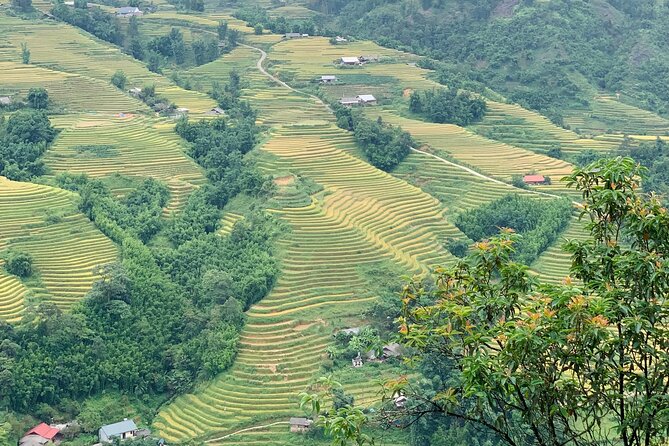
What you’re really buying is a one-day version of what makes Sapa special: a climb with mountain views, then a shift into community life across the valley. The itinerary strings together several ethnic minority villages along the broader Muong Hoa area, so you’re not just walking through scenery—you’re moving through daily life and learning how people live in the hills.
The timing is also smart for a short stay. You start at 9:00am, and the whole experience is about 5 to 6 hours. You can still enjoy Sapa afterward without feeling like you lost the entire day to boots and dust.
Stop 1: Ham Rong Mountain Start at 9:00am for the First Real View
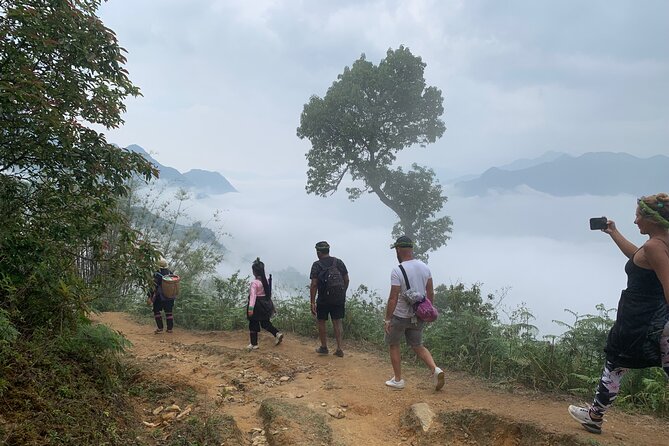
The day begins at 9:00am with pickup from your hotel, or you can meet at Sapa Church if that’s easier. Your guide gives you a quick program intro, which matters more than it sounds. On a trek like this, knowing what kind of walking is coming helps you manage your energy.
From the center of Sapa, you head toward Ham Rong Mountain and viewpoint country above town. This is the part where you start earning your photos. The goal isn’t just height—it’s getting your bearings. Once you see Sapa town from above and understand how the valley spreads, everything you do later makes more sense.
You’ll likely feel the elevation and the change in trail surface right away. This isn’t flat-ground hiking. Even early, expect step inclines and uneven footing. Bring patience and take breaks when you need them, especially if the weather is hot.
Hang Da Village: H’Mong Rocks, Community Life, and a Quick Culture Moment
Next comes Hang Da Village, home to the H’Mong people, known here for both scenery and culture. The standout detail is the presence of large rocks in the village setting. It gives the place a distinct look and helps you understand why village life settled the way it did—terrain shapes everything.
This stop works best when you treat it like a conversation, not a checkmark. A good guide helps you notice clothing, daily routines, and how people describe their place in the hills. You’re not being asked to sit through a lecture. Instead, it’s more like walking and learning side by side.
If you get a guide like Nhu, you may hear stories grounded in real family life. Other guides on this route—like Zo and Chu—are also described as patient and attentive with English, and that’s useful because cultural details land better when you can actually follow the explanation.
Hau Thao and the Lunch Break: The Rhythm Change on a Steep Day
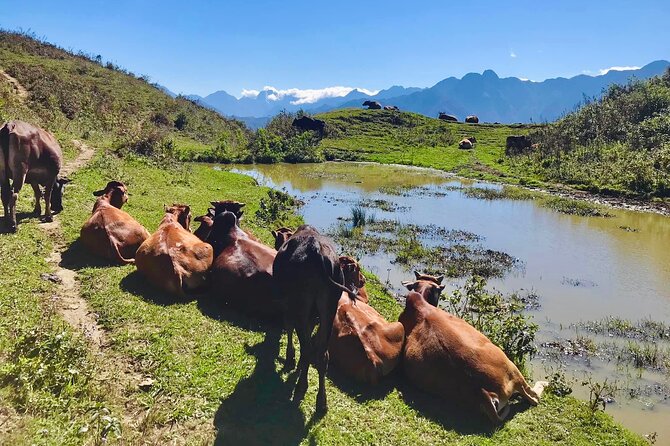
After Hang Da, you move toward Hau Thao, and this is where the schedule shifts into a more human pace. The trek description places lunch around this portion of the day, which is the right time: you’ve already spent energy climbing, and now you can reset.
Lunch is included, so you shouldn’t need to hunt for food. Still, keep expectations flexible. One experience noted lunch as rather bland and not exactly the home-style setting they imagined. That doesn’t mean your lunch will be bad, but it does mean you should treat it as included fuel, not a culinary event.
This is also a good moment to check your gear and hydration. Bottled water is included, but you might want an extra snack if you’re the type who gets hungry on uphill walking. The terrain later involves more descending toward the valley, so you want your legs ready.
Bamboo Forest Trails and Hau Chu Ngai: When the Trek Turns Real
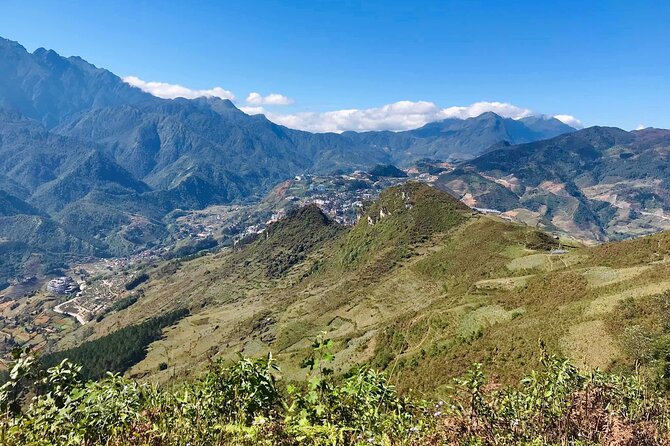
From Hau Thao, the route continues toward Hau Chu Ngai village, with beautiful village roads and short bamboo forest trail stretches. This part matters because it breaks the day into sections: road walking, then forest walking, then village walking. That variety is what keeps a long trek from feeling like one endless line of steps.
This is also where the “moderate fitness” label becomes obvious. People describe the terrain as challenging on steeper parts and uneven throughout. Some days feel muddy, and rain can make the ground slick. If you’ve ever tried to hike in wet mountain soil, you know how quickly a normal step can turn into a balance problem.
The best advice: walk like you mean it, but don’t rush. One common theme from guide descriptions is that they’ll pause and adjust the pace. There’s even mention of changing to an easier route when a novice needed it early on. That’s a big deal. A trek like this feels better when the guide is willing to meet your real pace instead of dragging the group onward.
Giang Ta Chai Village: Museum Stop, Traditional Clothing, and the Culture You Can See
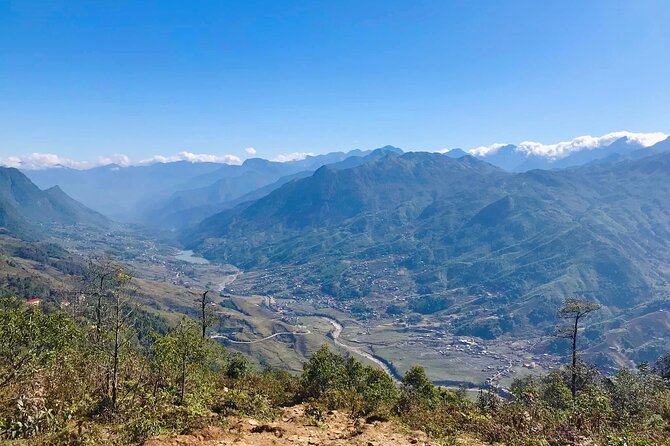
The final major village stop is Giang Ta Chai village (often described alongside Black H’Mong and Dao communities). This segment is shorter, but it’s a high-information part of the day.
You’ll visit a small museum where a local guide explains traditional clothing, customs, and how community identity shows up in daily life. The cultural focus is concrete. You’re seeing items and learning what they mean, not just hearing names.
This is one of the best moments to slow down. The walking can feel physical, but the museum stop is where the day clicks into place. When you understand what people wear and why, it makes earlier village scenes feel less random and more intentional.
In Sapa’s hills, weather can change fast. If fog or cloud rolls in, this is still a worthwhile stop because it doesn’t rely on a perfect sky. You’ll still get the human side of the valley.
Guide Quality Makes a Difference: Nhu, Zo, Jacob, TJ, Phenh, and Fin
For a short trek, the guide can make or break your day. Here, the guides are described as local, friendly, and ready to help with the practical stuff: pacing, answering questions, and keeping you safe on harder sections.
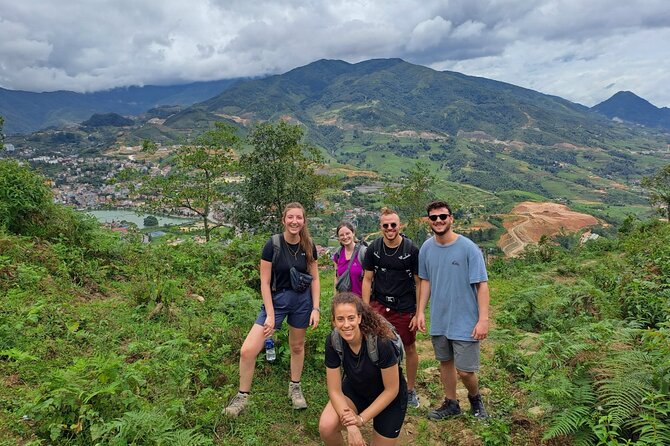
You’ll see names like Nhu, who’s described as a helpful local H’Mong guide, and Zo, noted for impressive English and for sharing details about tribes, plants, and more. Guides such as Jacob and TJ are described as patient and caring, especially when someone needs time on steep slopes. Phenh is described as flexible and able to tailor the experience for the group.
My advice for getting the best day: ask your guide to point out what makes the villages different as you walk between them. Then ask one question you genuinely care about, like how people manage the hillside farmland or what a piece of traditional clothing signals. You’ll remember the answers long after the trail dust dries.
Price and Logistics: How This One-Day Trek Works for Real Schedules
The logistics are straightforward, and that’s part of the value.
- Pickup: included, either from your hotel or Sapa Church
- Start time: 9:00am
- Duration: about 5–6 hours
- End: back at the meeting point in town
- Private format: it’s private for your group, so you’re not stuck with mismatched pacing across strangers
The $35 rate feels fair when you compare it to what you’d otherwise pay separately for a guide, lunch, and village entry fees. Add in transportation back to town and bottled water, and it becomes the kind of tour where you can focus on the hike instead of micromanaging the details.
Just budget for what isn’t included: tips and personal expenses including insurance.
How to Prepare: Shoes, Poles, Weather, and When Views Get Blanked
This is the section where you can save yourself stress. The trek is often described as step-heavy and uneven, with muddy patches possible. If you’re wearing the wrong shoes, the walk becomes harder than it needs to be.
I’d pack:
- Good grip hiking shoes (or trail runners with real tread)
- A light rain layer if the sky looks uncertain
- Layers for cloud and cooler mountain air
- Walking poles if your knees or balance aren’t happy with steep descents
One specific tip from a trek account: walking poles can be especially helpful for people above 40, mainly for the steep sections. That’s practical advice, not macho talk.
Weather matters a lot for Sapa. One experience highlights that June is rainy season, which can mean cloud cover and slippery conditions that block the mountain or valley views. The same account suggests March to April and September to October for better chances at clear scenery.
So here’s the decision rule: if you want maximum panoramic views, plan for drier months. If you’re flexible and okay with cloud, you can still have a satisfying day because the village portion and museum stop stay interesting even when the view is muted.
Who Should Book This Hidden Trail Trek?
This trek suits:
- People who want a one-day hike with real village contact, not a long multi-day expedition
- Anyone who likes walking with a guide and learning as you go
- Groups who want a private feel and a pace that can be adjusted
It may not suit you if you:
- Expect an easy, flat walk
- Hate uneven ground or don’t feel comfortable with steep inclines
- Are arriving with time-critical plans right after lunch (because the day runs about 5–6 hours, and starts at 9:00am)
One nice sign is how guides are described as flexible with pace. If you’re a novice hiker, ask your guide to manage the steep parts carefully and don’t pretend you’re fine when you’re not. The whole point is to enjoy the day, not prove something.
Should You Book This Trek? My Practical Verdict
Book it if you want Sapa in one slice: mountain views, village culture, and a walk that gives your day structure. At $35, the included lunch, water, guide, and transport make it one of those good-value trekking days where you don’t have to piece together half a plan yourself.
Skip it or choose a different option if your top priority is effortless scenery with zero physical strain. This trek has steps, uneven ground, and potential mud. If rain is likely during your dates, expect the views to be less dramatic than you dreamed, though the culture stops still deliver.
If you do book: bring grip shoes, walk at your pace, and ask questions during the village and museum parts. That’s where the day becomes more than hiking calories.
FAQ
What time does the Sapa Hidden Trail Trek start?
It starts at 9:00am, with pickup from your hotel or a meeting option at Sapa Church.
How long is the trek?
Expect about 5 to 6 hours total.
Is pickup and transportation back to town included?
Yes. Pickup is offered, and transportation back to town is included.
What’s included in the price?
The price includes bottled water, villages entry fees, a local guide, lunch, and transportation back to town.
What’s not included?
Tips and personal expenses including insurance are not included.
What kind of fitness level do I need?
The trek is listed for moderate physical fitness. The route involves step inclines and uneven terrain.
Is this tour private?
Yes. It’s private, meaning only your group participates.