REVIEW · MUSCAT
Full Day Tour from Wakan to Jebel Akhdar Trekking
Book on Viator →Operated by WikiTours Adventures · Bookable on Viator
A quiet climb turns into big views fast. This full-day hike links Wakan and Jebel Akhdar with a trail that rises through terraced fields, farm paths, and waterways before you reach the top viewpoints above Wadi Mistel. I love the way the route mixes effort with constant scenery—especially once you’re higher on the mountain. I also like that WikiTours Adventures keeps the experience feeling organized, with a team that can make a tough day feel manageable.
One thing to consider: this is not a stroll. The trail climbs roughly 9 kilometers up terraced areas, and you should have at least moderate physical fitness to enjoy it without turning the day into a grind.
If you like real Oman—mountain villages, working farms, and a slower pace away from the coast—this is a smart way to spend your day in the Western Hajar. You get a hiking day plus time in the Jebel Akhdar area, where pomegranates and rose-water traditions are part of daily life.
In This Review
- Key highlights I’d plan around
- Why start the day at Wakan Village (2,000m)?
- The uphill trek: 9 km through terraces, farms, and water
- Towr Of Wakan to Wakan Horn: the rest stop that earns its spot
- Continuing toward the Green Mountains and Jebel Akhdar
- Jebel Akhdar’s pomegranates and rose-water traditions
- Pickup, Muscat driving time, and what a 10-hour day really means
- Price and value: why $850 per group can make sense here
- Who this hike suits (and who might not love it)
- Weather matters in the mountains: plan for what can’t be controlled
- Should you book Wakan to Jebel Akhdar?
- FAQ
- Where is the tour starting point?
- How long is the full day experience?
- How fit do I need to be?
- What’s the group size limit?
- Are there admission tickets included?
- What happens if weather is bad or I cancel?
Key highlights I’d plan around
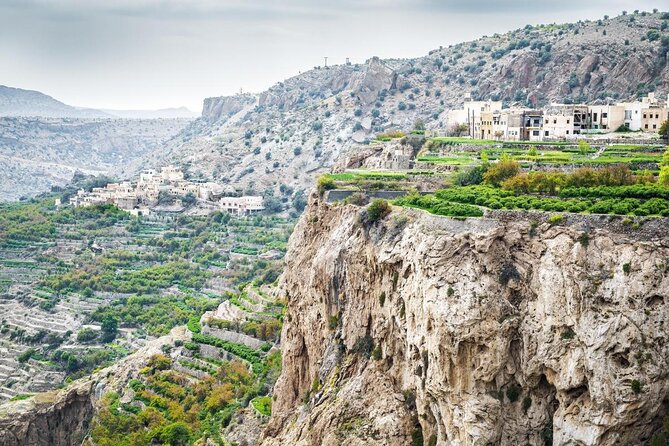
- Wakan at 2,000 meters: start above the valleys with terraced gardens and a mountain-village feel
- A real climb: about 9 km uphill through farms, terraces, and water channels
- Wakan Horn viewpoint: a built-in rest stop with photos over Wadi Mistel scenery
- Green Mountains continuation: the hike keeps going toward Jebel Akhdar, not just a one-point summit
- Agriculture culture in Jebel Akhdar: pomegranates and rose-water craftsmanship are part of the story
- Small group size: maximum 12 travelers, so it stays more human than chaotic
Why start the day at Wakan Village (2,000m)?
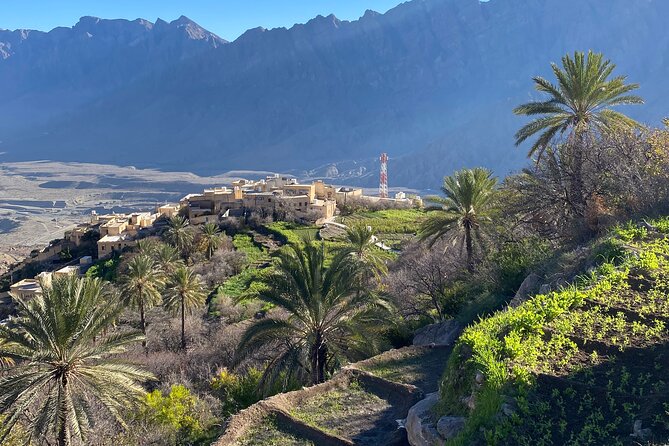
Wakan Village sits at about 2,000 meters in the Western Hajar Mountains. That altitude changes the whole mood of the morning: the air feels crisper, and you’re quickly away from the urban rhythm of Muscat.
What I like about beginning here is how the village sits over the valleys below. You get those terraced gardens and mountain views from the start, which makes the early walking feel like a warm-up rather than a long commute.
This area is also part of Wilayt Nakhal (South Batinah Governorate) while still being right near the border with Al Dakhiliyah across the Hajar mountain range. In plain terms: it’s a meeting point of places, not just a single dot on a map.
You can also read our reviews of more tours and experiences in Muscat.

The uphill trek: 9 km through terraces, farms, and water
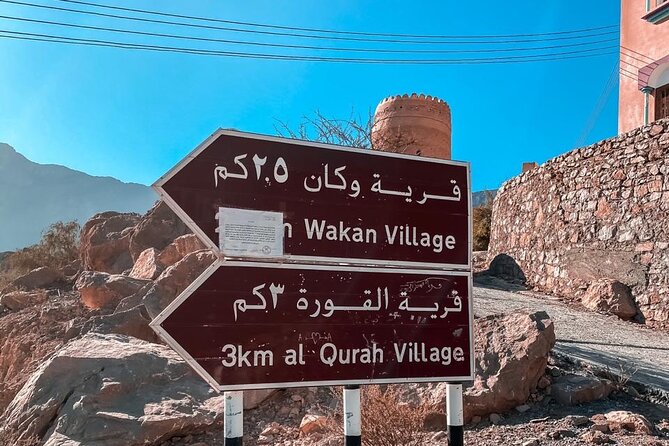
The heart of the day is the trail climb from the village area up toward Towr Of Wakan. You’re moving through terraced fields—so the scenery isn’t one flat “lookout” moment. It changes as you gain height, with farms and waterways adding texture.
That “waterway” detail matters. When a route includes farm channels and irrigation logic, you’re not just passing pretty rocks—you’re walking through how people actually live and farm in a mountainous environment. It’s one of those experiences where the trail tells a story if you pay attention to what’s built along the way.
You’ll climb roughly 9 kilometers up terraced areas, then continue onward. The timing is built for a full day, so you’re not rushing through it like a checkpoint race. Still, the distance and continuous uphill mean you should pace early and avoid going out too fast on the first stretches.
If you’ve only done easy hiking before, this is where the “moderate fitness” label becomes real. Start slow. Save your legs. You’ll feel better when the views begin to open up.
Towr Of Wakan to Wakan Horn: the rest stop that earns its spot
At Wakan Horn, the schedule includes a break for resting and pictures. This is one of the moments where the day stops feeling purely physical and starts feeling like something you’ll remember after you’re back in Muscat.
From here, you get scenery over Wadi Mistel. Even if you’re not a photo person, it’s worth taking the time to look around. In mountain areas like this, the valley views give you scale—how far the terraces reach, how water threads through the slopes, and how wide the mountain world really is.
The rest stop also helps you mentally reset. On a long climb, that mid-to-high point pause keeps the rest of the hike from feeling endless.
One practical note: because you’re stopping at elevation, it can feel cooler or windier than you expect compared with Muscat. Bring something light for layering so you’re not stuck shivering while everyone else is enjoying the view.
Continuing toward the Green Mountains and Jebel Akhdar
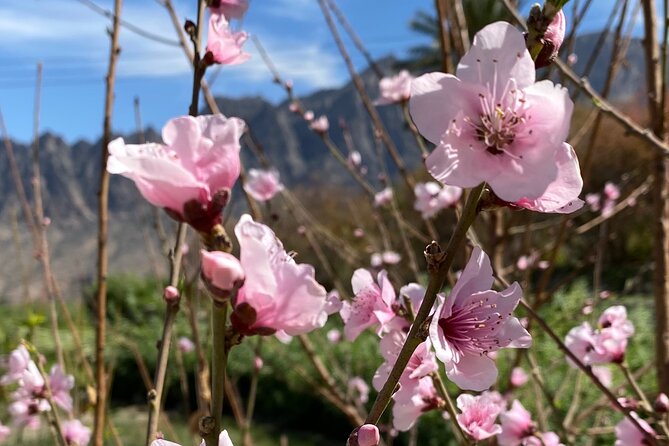
After the viewpoint pause, the route continues toward the Green Mountains area—Jebel Akhdar. The shift here is less about a dramatic “finish line” and more about how the hiking transitions into a new zone of the mountain.
Jebel Akhdar is known for its agricultural variety. That matters for what you’ll notice on the day, because you’re not just hiking through empty space. This is a working region, and the greenery you associate with the area isn’t random. It’s tied to how people farm on steep terrain.
The experience is paced so you don’t just hike until you’re exhausted and then disappear. You still get to experience the Jebel Akhdar area after the climb, which is one of the reasons this tour feels like a full cultural-mountain day, not just an outdoor workout.
Jebel Akhdar’s pomegranates and rose-water traditions
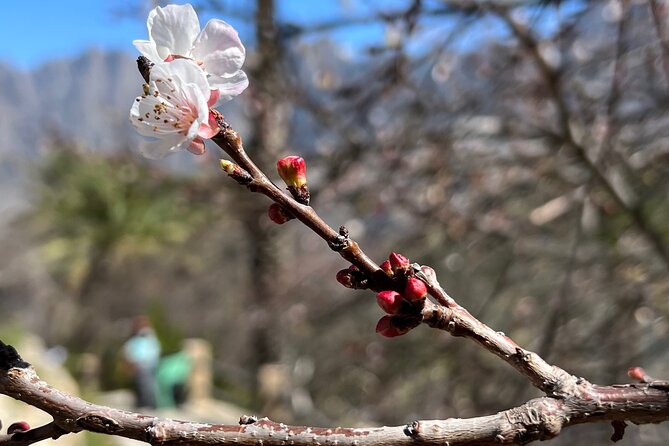
Jebel Akhdar is especially famous for two things: pomegranate production and rose water made by locals. Those aren’t just trivia. They’re a useful lens for understanding why this mountain region matters.
Pomegranates are part of Oman’s food identity, but in Jebel Akhdar the emphasis is on quality—so the area’s reputation is tied to what people can grow and produce at elevation and in these mountain conditions. If you enjoy food culture, this adds meaning to your walk: you’re moving through a place where the environment supports specific crops.
Rose water is a different kind of craft story. It’s a reminder that agriculture here isn’t only about eating—it’s also about processing, tradition, and local knowledge.
Even if you don’t buy anything, this cultural context makes the “Green Mountains” name feel more grounded. You’ll likely notice how the day’s agriculture-themed trail makes sense with what you’re hearing about Jebel Akhdar once you arrive.
Pickup, Muscat driving time, and what a 10-hour day really means
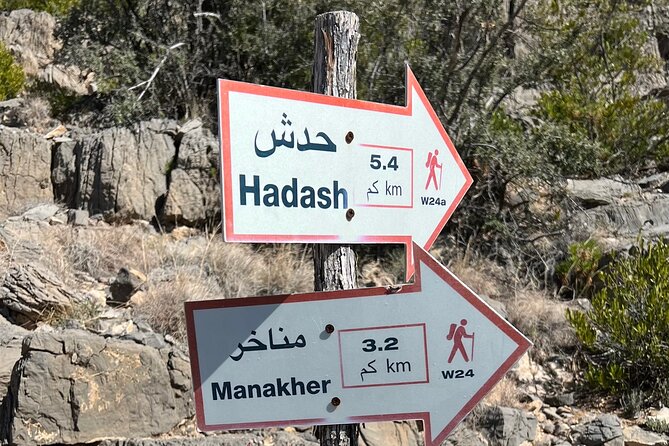
This is a 10-hour day, roughly, and it includes driving. The route from Muscat to Wakan is about 2 hours by car, and then you’ll drive back about 2 hours after the hike portion.
That means the schedule is intentionally long. You’re planning for the whole day, not just a hike with a quick return. If you like slow travel, that’s great. If you hate long time windows, you’ll need to mentally commit to “all-day effort” rather than a half-day plan.
The tour starts at Al Sahwa Public Park (H6RX+79R), Seeb, and it ends back at the same meeting point. Pickup is offered, and the meeting time is inside the listed operational window (Monday–Thursday), with the day running from early morning until early evening.
Group size matters here too: maximum 12 travelers helps the pace stay reasonable. You’ll be less likely to feel lost or stuck behind a crowd, especially on uphill stretches.
Price and value: why $850 per group can make sense here
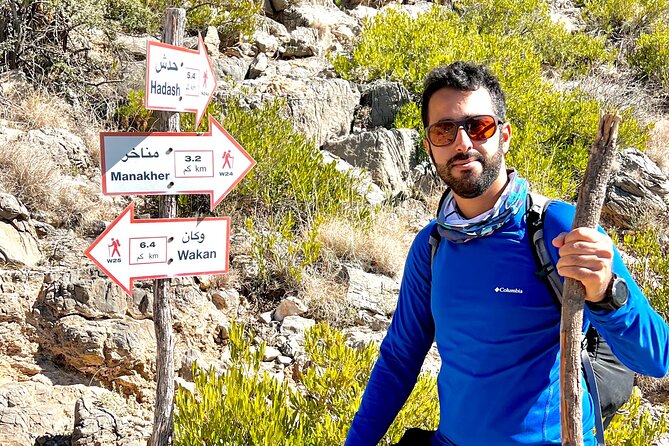
The price is $850 per group (up to 4). On the surface, that sounds steep. But with mountain tours, you’re paying for more than a hike ticket: you’re paying for a full-day vehicle transfer, a coordinated route, and a team that can help you navigate a tougher trail.
It also helps to think in terms of group economics. If you’re traveling with friends or family (up to four in a group for this price), the cost per person can become much more realistic than solo tour pricing.
Then there’s the real value: you’re getting a full day that links Wakan (2,000m) to Jebel Akhdar with a meaningful trekking route that includes terraces, irrigation-style water features, and a viewpoint rest stop over Wadi Mistel. This isn’t a “bus stops at a view” kind of outing. You’re walking through the region’s mountain farming logic.
One word of caution: because it’s priced per group and the day is long, double-check your group’s hiking comfort level first. If your group is all beginners, you might spend the day focusing on pacing and not enjoying the views.
Who this hike suits (and who might not love it)
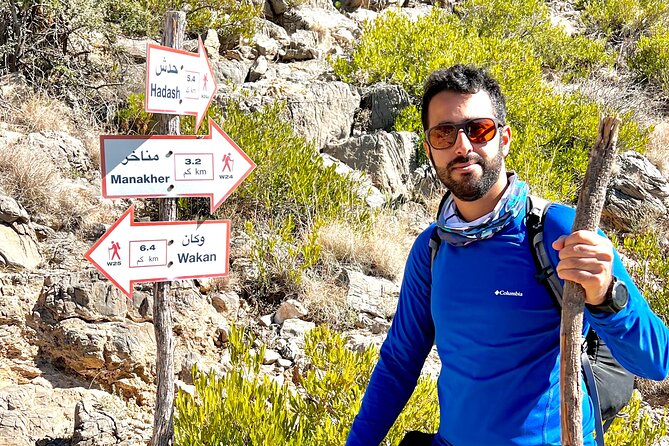
This tour is a good match if you want an active day that still includes cultural context. The requirement is moderate physical fitness, and the route involves a steady climb (about 9 km uphill over terraced areas).
It’s also a strong pick for people who want to try a harder-level hike without feeling totally on their own. From the kind of feedback people share, the team’s helpfulness tends to make a big difference on days like this—especially if it’s your first time tackling an uphill mountain trail.
You might want to choose something gentler if:
- you dislike continuous uphill walking
- you struggle with longer days away from facilities
- you prefer “views only” instead of “work for the views”
If you’re comfortable with moderate hiking, though, this is the kind of day that can feel like a breakthrough trip—active, scenic, and memorable.
Weather matters in the mountains: plan for what can’t be controlled
The tour requires good weather. That’s not just policy—it’s practical. Mountain trails can get uncomfortable or unsafe when visibility drops or conditions turn.
If the weather doesn’t cooperate, you’ll be offered a different date or a full refund. So you shouldn’t plan this as your only hiking day unless you also have backup time in your trip.
What you can control: your readiness. Even if you travel lightly, bring clothes you can layer. Expect a change in temperature from start to higher elevations.
And hydrate. A long day with uphill sections can catch you off guard if you treat it like a casual outing.
Should you book Wakan to Jebel Akhdar?
Book it if you want a real mountain day with both hiking effort and meaningful regional culture. Starting at Wakan (2,000m) and reaching viewpoint time at Wakan Horn over Wadi Mistel, then continuing toward the Green Mountains area gives you a full arc in one day—trail, rest, and arrival.
Skip it (or pick a gentler option) if you’re not ready for continuous uphill walking over terraced routes. This isn’t only about “seeing Oman.” It’s about earning the views with your own legs.
If your group can manage moderate fitness and you like authentic scenery tied to farming life—this one is hard to beat.
FAQ
Where is the tour starting point?
The tour starts at Al Sahwa Public Park (H6RX+79R), Seeb, Oman. The activity ends back at the same meeting point.
How long is the full day experience?
The tour runs for about 10 hours. Driving from Muscat to the area is about 2 hours, and the return drive is about 2 hours as well.
How fit do I need to be?
You should have moderate physical fitness. The trail includes an uphill portion of about 9 kilometers through terraced fields and farms.
What’s the group size limit?
The tour has a maximum of 12 travelers.
Are there admission tickets included?
The tour information indicates admission ticket free time for both main stops, and the tour includes driving time plus time at the sites.
What happens if weather is bad or I cancel?
The experience requires good weather. If it’s canceled due to poor weather, you’ll be offered a different date or a full refund. You can cancel up to 24 hours in advance for a full refund.