REVIEW · KATHMANDU
Everest Base Camp trek in 14 days
Book on Viator →Operated by Asian Heritage Treks and Travels · Bookable on Viator
Breathing thin air gets your attention fast. This 14-day Everest Base Camp trek focuses on the classic Khumbu route, with Kathmandu to Lukla flights and daily mountain views that build toward Everest’s base camp. You’ll move through Sherpa country—markets, monasteries, river valleys, and prayer-flag trails—guided by Asian Heritage Treks and Travels.
I really like that the trip is run with an English-speaking, government-licensed trek leader (one guide named in feedback is Rohit), plus a small group size with a max of 12 people. I also like the built-in pace: you get a proper acclimatization day in Namche, with time for morning views and local snacks like salt-butter tea and Champa.
One consideration: this is a lot of walking at altitude. Even with a good guide and slow pacing, the elevation and long days can feel demanding—especially on the steeper pushes toward Lobuche and Kala Patthar.
In This Review
- Key highlights that matter on the trail
- Kathmandu start: easy nerves, practical first day
- The Lukla flight: the moment your trip becomes real
- Day-by-day: what each section really gives you
- From Lukla through rhododendron and the Dudh Koshi to Mongo
- To Namche Bazaar: the first steep reality check
- Namche acclimatization: views, tea, and the Saturday market rhythm
- Namche to Tengboche: monastery views with a serious climb day
- Tengboche to Dingboche: glacier river valley vibes and Ama Dablam
- Dingboche to Lobuche: Memorial Park and the hardest push to base camp
- Lobuche to Gorak Shep: sparse trail, high-altitude stillness
- Kala Patthar and Everest Base Camp: the day you remember
- Returning to Namche: prayer wheels and long downhill relief
- Namche down to Lukla: Chumoa lunch and peak views fading away
- Kathmandu rest and airport transfer: reflection day
- What the included logistics are actually buying you
- Lodges, pacing, and why the guide name matters
- Who should book this Everest Base Camp trek (and who should pause)
- Final decision: should you book this trek?
- FAQ
- FAQ
- How long is the Everest Base Camp trek on this program?
- Where does the trek start and how do you get to the mountains?
- Is pickup in Kathmandu included?
- What’s the maximum group size?
- Are permits included?
- Is an English-speaking, licensed trek leader included?
- Are meals included during the trek?
- Do I need to pay for a porter?
- Can I cancel for a refund if my plans change?
Key highlights that matter on the trail
- Lukla landing views: you fly into the Everest region and feel the altitude right away
- Namche acclimatization with real time: a full day to explore and catch early mountain light
- Monastery-to-valley scenery: Tengboche to Dingboche keeps the views varied, not repetitive
- Memorial Park day: the climb toward Lobuche is usually the toughest stretch before base camp
- Kala Patthar timing options: you can target sunset or go the next day depending on your energy
- Professional guiding with health in mind: multiple comments emphasize careful pacing and support
Kathmandu start: easy nerves, practical first day
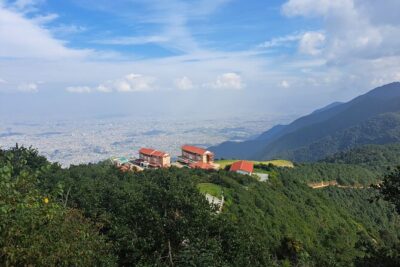
Your trip begins in Kathmandu, with pickup by Asian Heritage Treks and Travels and a private vehicle to your hotel. On the ride in, you’ll catch views from the outside of major sights like Pashupatinath Temple, Narayanhity Royal Palace, and the Garden of Dreams, which is a nice way to get your bearings fast before you head to the mountains.
After you settle, your representative goes over your plan in detail. Then you get time to explore on your own, which is useful because you’ll want to sleep well before the flight to Lukla. Two nights in Kathmandu are included at a 4-star option (Yatri Suites & Spa or similar) on breakfast basis, so you’re not scrambling for comfort right before trek day one.
You can also read our reviews of more tours and experiences in Kathmandu.
The Lukla flight: the moment your trip becomes real
The next big step is the domestic flight from Kathmandu to Lukla. This is one of the most exciting parts because you fly over the Himalayas, and you’ll see Everest get bigger as the flight continues.
When you land, the altitude hits quickly. That means you don’t treat Lukla like a sightseeing day—you treat it like a warm-up. You’ll stroll around town in the afternoon, and Lukla is also the practical hub for hikers heading to the Everest region, so it helps to get familiar with the vibe before your first trek day.
A small but important detail: flight times can change due to weather. On the return, the scheduled departure from Lukla to Kathmandu leaves before 10:00 am, but it can shift. Build flexibility into your expectations and your packing schedule.
Day-by-day: what each section really gives you
From Lukla through rhododendron and the Dudh Koshi to Mongo
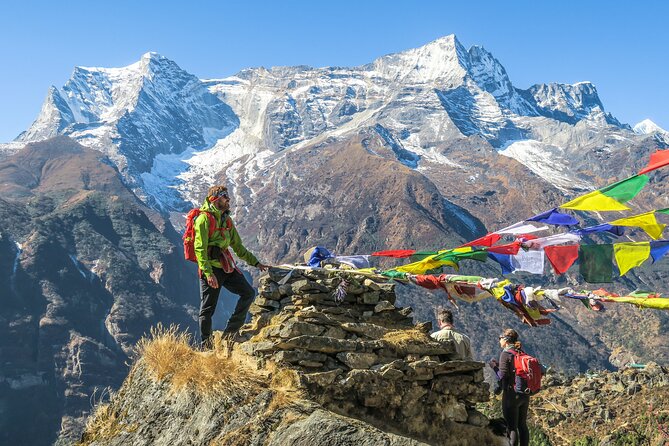
Your first walking day follows the Dudh Koshi (Milky River). The trail moves through rhododendron forest, and there’s a specific sensory highlight described in the route: the aroma of evergreen oak.
You’ll cross a suspension bridge and pass Buddhist stupas, then head toward Mongo. The route builds confidence early: it’s not just scenery, it’s your first taste of how the Khumbu trails feel day after day. In the evening, you can stroll around Manjo village, which keeps the day from feeling like a pure hike-to-bed routine.
Possible drawback: the altitude is already working on you, so your plan should be gentle. If you rush this day, you’ll pay for it later.
To Namche Bazaar: the first steep reality check
The next day heads toward Namche Bazaar, and the profile gradually shifts from easy to harder. You’ll cross the Dudh Koshi and get one of your early Everest glimpses, which is motivating—but the climb toward Namche is where your breathing becomes a bigger factor.
You’ll stop for lunch around Manjo and then continue. By the time you reach Namche, the trail has turned steeper and altitude gain is noticeable. The takeaway: treat this day as a transition from “trip starts here” to “you are now in the mountains.”
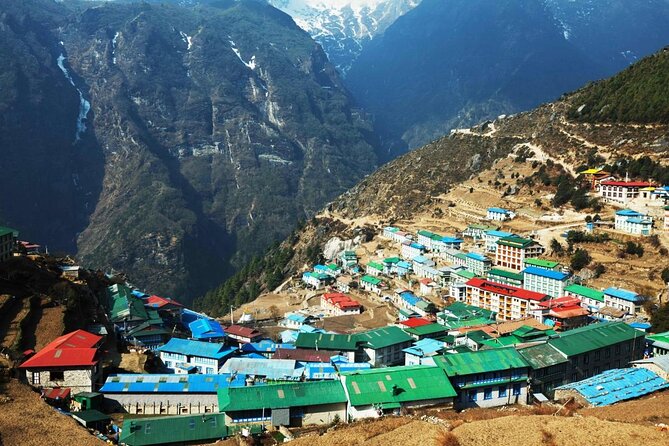
That night, you stay in Namche Bazaar, which is well known as the Sherpa Capital. It’s also where you begin to feel how the trek route connects with local life.
Namche acclimatization: views, tea, and the Saturday market rhythm
You get a full day in Namche to acclimatize, relax, and explore. This is one of the smartest parts of the itinerary because it’s not just a forced rest day. It’s a day that helps your body adjust and gives you options.
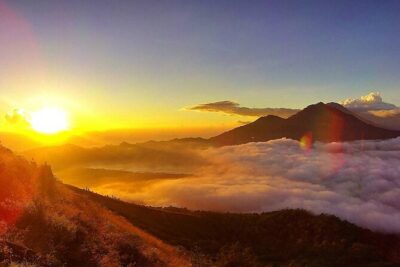
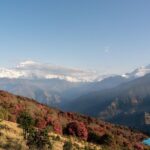
If you wake early, you can watch the mountains light up. You’ll be in range for big-name peaks like Everest, Thamserku, and Ama Dablam in clear conditions, and the effort feels worth it when the shadows of peaks stretch across the clouds.
Food-and-culture details matter here. You can try salt-butter tea, and Champa (a barley-based food the Sherpa often consume in the region). If timing lines up, the Saturday market is also worth visiting, because it’s a real place where traders sell goods and you can see the supply chain that keeps the high villages moving.
Namche to Tengboche: monastery views with a serious climb day
Tengboche is the next stop, and this is described as one of the more challenging elevation-gain days. You’re looking at roughly 4,000 feet (about 1,200 meters) of gain.
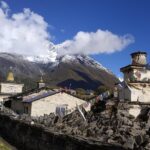
It’s hard work, but it’s also rewarding because Tengboche is known for major mountain views in addition to its monastery atmosphere. This is the kind of day where you want to keep your pace steady and avoid sprinting uphill. A good leader will help you do that—especially if you’ve already felt breathless earlier in the trip.
Tengboche to Dingboche: glacier river valley vibes and Ama Dablam
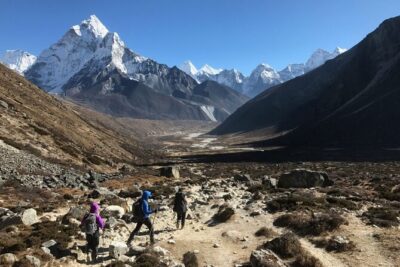
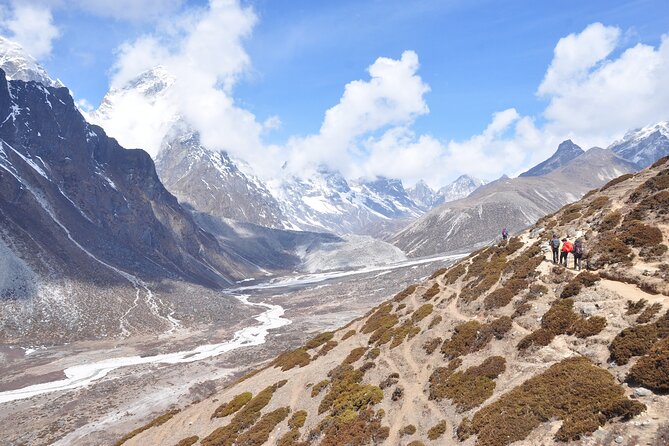
From Tengboche you continue to Dingboche. The route is described as beautiful, with a glacier river below and snow-capped peaks out ahead.
You pass by Pangboche along the way, and you’ll also get Ama Dablam in view. This helps keep the trek from feeling like one long uphill grind—you’re getting different visual “chapters” rather than the same view repeated.
Dingboche to Lobuche: Memorial Park and the hardest push to base camp
Today you follow the trail toward Everest Base Camp, and the route includes a tough section from Thukla up to Memorial Park. This part is described as the most difficult segment of the overall trek.
Once you pass through, you reach Lobuche, the second-highest village on the EBC route, and you sleep there. Expect prayer-flag moments and big, raw sense-of-place scenery as you get closer to base camp terrain.
Consideration: even if you feel strong, don’t treat this day like a personal race. This is where fatigue can start showing up in your decision-making.
Lobuche to Gorak Shep: sparse trail, high-altitude stillness
Next you head to Gorak Shep. The trail toward it is sparse because of the altitude and conditions—snow can blanket parts of the path.
When you arrive, the payoff is panoramic views of Everest and nearby peaks. There’s also an option to go to Kala Patthar the same day if you have energy, especially for sunset. If you’re tired, it’s completely reasonable to rest here and plan Kala Patthar for the next morning.
That’s the value of having a guide: you can adjust plans based on how your body feels, not just the map.
Kala Patthar and Everest Base Camp: the day you remember
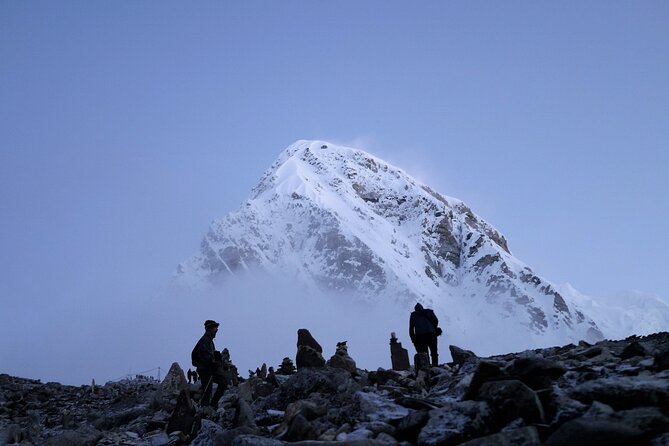
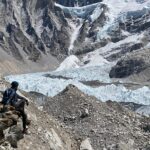
Kala Patthar is a standout because it reaches about 5,450 meters. It’s named for the black rock there, and it’s also where your views tend to sharpen: Everest and the Khumbu Glacier Valley become the main event.
After Kala Patthar, you’ll visit Everest Base Camp. This is the moment where the trek stops being a series of days and becomes one big arrival. Then you trek back down to Gorak Shep so you can eat and sleep with a warm bed still within reach.
Returning to Namche: prayer wheels and long downhill relief
You’ll trek back toward Namche Bazaar, and the route follows the Dudh Koshi with water-driven prayer wheels. This detail is worth paying attention to because the sound and repetition are calming when you switch from “climb to altitude” mode to “descend and regain breath” mode.
You’ll also pass through pine and cedar woods, and you may see the Lhotse-Nuptse wall peeking from behind. Arriving in Namche again gives you a familiar place to reset.
Namche down to Lukla: Chumoa lunch and peak views fading away
On the next long return day, the trail runs downhill and crosses the Dudh Kosi again. You’ll continue through the national park areas and reach Chumoa village for lunch, then continue along the riverside toward Phakding and onward to Lukla.
There’s an emotional cue described on this day: as you trek, the snowy peaks in the distance start to disappear. That’s a useful way to frame it mentally. You’re nearing the end, even though you still have walking time to cover.
You’ll get to Lukla and then fly back to Kathmandu.
Kathmandu rest and airport transfer: reflection day
The flight back to Kathmandu leaves before 10:00 am. Once you land, you transfer to your hotel and get the day off to rest and reflect. Then on your final day, you’ll be transferred to Tribhuvan International Airport about three hours before departure.
What the included logistics are actually buying you
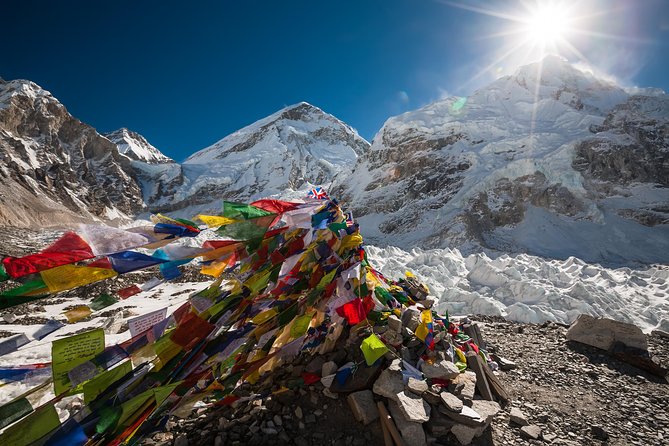
This trek costs $1,450.19 per person, and the value comes from what’s bundled versus what you’ll handle separately.
Included support you’ll feel:
- Private vehicle transfers in Kathmandu
- Two nights in Kathmandu at a 4-star hotel on breakfast
- Lodge nights during the trek (room only)
- Sagarmatha National Park permits and TIMS and other permits
- Domestic flights Kathmandu–Lukla–Kathmandu
- An experienced English-speaking, government-licensed trek leader
- All government and local taxes
- Breakasts (2) mentioned in the package
What’s not included (and you should budget for):
- Food and drinks (so plan for daily meals along the route)
- Tipping
- International flight
- Emergency rescue evacuation insurance
- Personal expenses like hot water and drinking water
- Porter costs (and the note that one porter can carry 20 kg shared among clients)
Value tip: buying permits, domestic flights, and a licensed guide together usually costs less than cobbling it all separately in Nepal. The main risk isn’t price—it’s mismatched expectations about food and porter support. If you’re clear about those upfront, the trek feels like a good, controlled package.
Lodges, pacing, and why the guide name matters
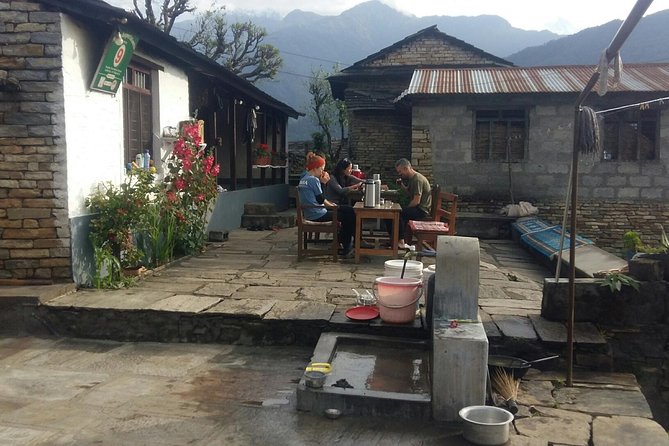
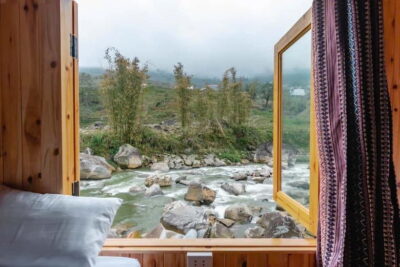
Accommodation on trek days is local lodge-based, room only. That usually means simple rooms and basic comfort rather than hotel-style luxury, so it’s smart to pack with that reality in mind.
The bigger comfort factor is pacing. In feedback tied to this trip, a guide named Rohit is specifically mentioned for being responsible, organized, and careful about keeping people healthy, including making sure the pace is right for the group. That matters on a trek like this because altitude doesn’t care about willpower. You want someone who understands when to slow down and when to push.
Also, you’ll be with a small group—maximum 12 people. That generally helps with managing slow walkers, meal timing, and decisions about optional side missions like Kala Patthar timing.
Who should book this Everest Base Camp trek (and who should pause)
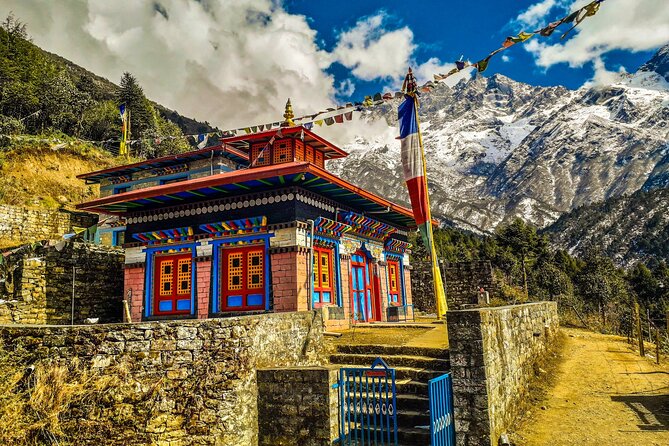
This itinerary is a strong fit if you:
- have moderate physical fitness
- want the classic Everest Base Camp route without detouring into lesser-focused regions
- like structure: clear overnight stops and acclimatization planning
- want a licensed, English-speaking guide and small-group dynamics
You may want to think twice if:
- long walking days and altitude stress are already a concern
- you don’t want to manage food and drink budgeting on the trail
- you prefer full-service logistics where meals and drinks are included (they aren’t)
Good news: service animals are allowed, so long as you and the operator have a plan that works with the trek conditions.
Final decision: should you book this trek?
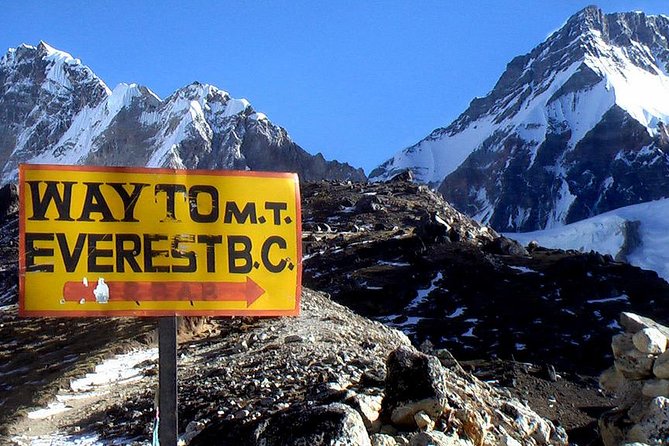
If your goal is Everest Base Camp itself, this is a sensible, focused option. You get the key altitude strategy (including Namche), the signature days (Memorial Park, Gorak Shep, Kala Patthar, base camp), and professional guide support.
I’d book it if you’re comfortable with a lodge-based trek, clear that food and drinks are on you, and you’re ready for a physically demanding 14 days in thin air. If you want a gentler itinerary or fully packaged meals, you’ll probably end up spending energy on logistics instead of enjoying the mountains.
FAQ
FAQ
How long is the Everest Base Camp trek on this program?
The trip runs for about 14 days.
Where does the trek start and how do you get to the mountains?
It starts in Kathmandu, and you fly domestically from Kathmandu to Lukla as part of the trek.
Is pickup in Kathmandu included?
Yes. Pickup is offered, and you’ll be taken by private vehicle to your Kathmandu hotel.
What’s the maximum group size?
The tour has a maximum of 12 travelers.
Are permits included?
Yes. Sagarmatha National Park permits, TIMS, and other necessary permits are included.
Is an English-speaking, licensed trek leader included?
Yes. You’ll have an experienced English-speaking, government-licensed trek leader.
Are meals included during the trek?
Food and drinks are not included, and that includes beverages. Breakfast is included only as specified in the package.
Do I need to pay for a porter?
Porters are not included. The package notes that one porter can carry 20 kilo of luggage and share between different clients.
Can I cancel for a refund if my plans change?
The policy is free cancellation up to 24 hours in advance for a full refund.
If you tell me your travel month and your experience level with high-altitude walking, I can help you judge whether this exact pacing will feel right for you.