REVIEW · ISLAMABAD
11 Days Trek Nanga Parbat Base Camp & Hunza Gojal Valley
Book on Viator →Bookable on Viator
Nanga Parbat feels close on this route. I love how this private trek targets Nanga Parbat base camp and then balances the effort with Hunza and Gojal Valley scenery and culture. The vibe works because you can also spend extra time at Fairy Meadows instead of rushing. One consideration: accommodation and meals are not included, so you’ll want to budget for those before you go.
This itinerary starts and ends in Islamabad, with pickup offered and a mobile ticket used for planning. It’s set up as a true private experience, meaning only your group goes—less waiting, fewer compromises, and a smoother rhythm when the schedule shifts for weather.
I’d treat the schedule as a mountain-first adventure with road days that still feel meaningful. You’ll see classic northern Pakistan stops like Kaghan Valley viewpoints and fort towns, then go all the way up toward Sost and the Khunjerab area—weather permitting.
In This Review
- Key things that make this tour worth a serious look
- Nanga Parbat Base Camp and Hunza Gojal: Why This Route Works
- Price and Logistics: What You Pay, What You’ll Need to Add
- Day 1: Islamabad Zoo as Your Mountain Warm-Up
- Day 2: Kaghan Valley to Chilas via Lolusar Lake and Babusar Top
- Day 3: The Nanga Parbat Lead-In Day
- Day 4: Nanga Parbat Base Camping
- Day 5: Hunza Valley Arrival and the Slow Shift in Pace
- Day 6: Altit and Baltit Forts
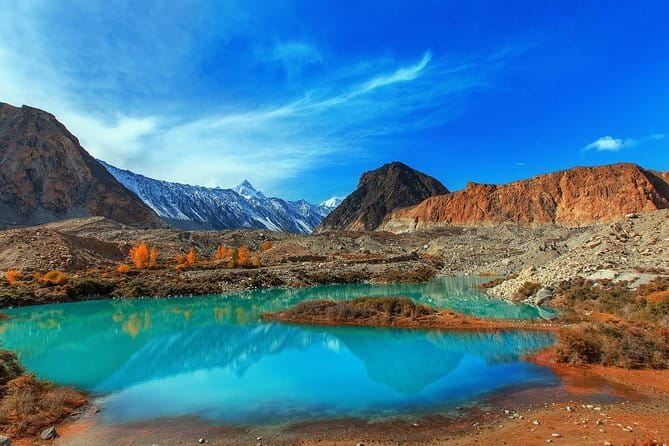
- Day 7: Attabad Lake Stops You Mid-Sentence
- Day 8: Gojal Valley and the Feeling of Getting Higher
- Day 9: Khunjerab National Park, Sost, and the Khunjerab Pass Area
- Day 10: Back Toward Chilas
- Day 11: Back to Islamabad Zoo and Homebase
- What I Think You’ll Love Most (and What to Watch)
- Who This Trek Fits Best
- Getting the Most From Northern Pakistan on This Route
- Booking with Azan Travel and Tourism: The Service Angle
- Should You Book This 11-Day Nanga Parbat and Hunza Gojal Valley Trip?
- FAQ
- Where does the tour start and end?
- Is pickup offered?
- Is this a private tour?
- How long is the experience?
- What is included in the price?
- Are accommodation and meals included?
- Does the itinerary include Fairy Meadows time?
- What are the main highlights of the route?
- What’s the earliest start time on the first day?
- Do I need good weather for this trip?
- How is the experience rated?
Key things that make this tour worth a serious look
- Private group setup that keeps the pace efficient and the experience more personal
- Nanga Parbat base camp focus, with time that can be paced at Fairy Meadows
- Hunza + Gojal pairing, so you get both old valleys and dramatic high-country routes
- Historic stops in Hunza, including Altit and Baltit forts
- Big-picture views toward Khunjerab, including Sost and the Khunjerab Pass area
- Azan Travel and Tourism service style, highlighted for coordination and helpful guidance
Nanga Parbat Base Camp and Hunza Gojal: Why This Route Works
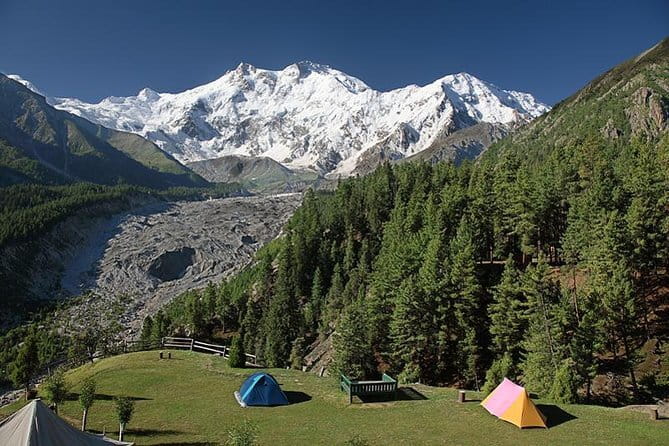
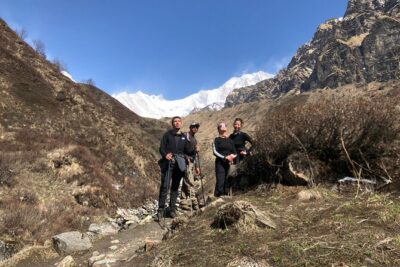
This trip is built around one headline goal—getting to the base camp of Nanga Parbat, the world’s 9th highest mountain. That alone is a strong reason to come, because base camp is where the mountain starts feeling real, not postcard-real, but close-up real.
What I like is the balance. You’re not stuck in one mood for 11 days. Hunza and the Gojal Valley bring lakes, forts, and valley towns that make the whole experience feel like a journey, not just a single hike.
You also get the chance to slow down at Fairy Meadows. That matters because mountain days aren’t just about miles. They’re about whether you get time to absorb the place without feeling like you’re racing your own body.
You can also read our reviews of more tours and experiences in Islamabad.
Price and Logistics: What You Pay, What You’ll Need to Add
The listed price is $2,516 per person for an approximately 11-day private experience in northern Pakistan. That’s not a budget-tour number, so the value question is simple: does it include enough to make the planning effortless?
From the way this is structured, you’re paying for the private organization—your guide and staff support, the full route between Islamabad and the mountain and valleys, and a schedule that hits key places. Pickup is offered, and you’ll have a mobile ticket, which makes day-one smoother.
Two important gaps: accommodation isn’t included, and meals aren’t included. Since those are the biggest day-to-day costs on any trek, your final total can swing a lot depending on the type of lodging and food you choose. If you want a truly predictable budget, plan your lodging and meal allowance early.
Also note the experience requires good weather. If weather turns, plans can change. That’s not a small detail here—it’s central to how the trip runs.
Day 1: Islamabad Zoo as Your Mountain Warm-Up
Your journey starts with a stop at Islamabad Zoo, and you’ll depart from Islamabad afterward. It’s a small, practical way to begin: you’re not thrown immediately into the wild, you’re set up with a calm starting point.
I see this as a clever first-day buffer. When people are anxious about a long trip, a gentle start helps you get your footing. Plus, since you’re starting near public transportation and the meeting point is the Islamabad Intl Airport, you can align travel and timing without as much stress.
If you’re landing the same day, consider eating well and keeping your energy steady. A long road schedule follows quickly.
Day 2: Kaghan Valley to Chilas via Lolusar Lake and Babusar Top
Day 2 moves into Kaghan Valley, beginning with breakfast in Naran Kaghan. From there, you’ll head to Lolusar Lake and Babusar Top, and eventually reach Chilas.
This is the kind of day that makes the whole trip feel scenic on more than one level. Lolusar Lake gives you that mountain-lake payoff, while Babusar Top is a viewpoint moment that helps you understand what kind of terrain you’re walking toward later.
Chilas is also a good “arrive and reset” location in the route. You’re not doing base camp logistics on day two, but you are getting your body used to the idea of driving through rugged northern Pakistan geography.
A practical consideration: these road days can feel long even when the stops are great. Hydrate, take breaks when offered, and don’t treat the drive as wasted time. It’s part of how the mountains get into your head.
Day 3: The Nanga Parbat Lead-In Day
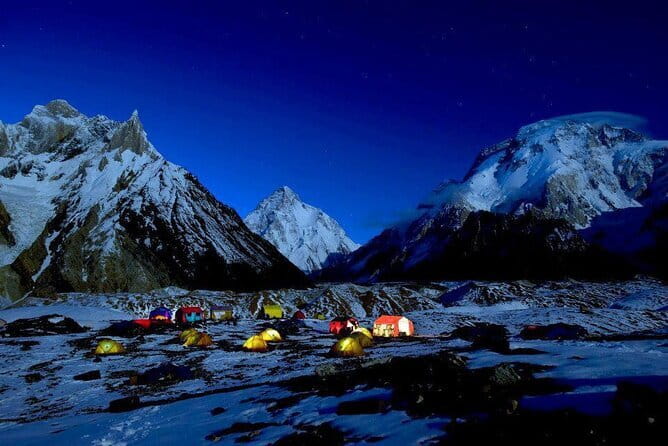
On Day 3, the focus shifts to Nanga Parbat itself. This is the transition day where you’re moving from valley touring into mountain-target mode.
What I like about having a dedicated lead-in day is that it reduces the chance of feeling rushed. Mountain areas require patience. Even when everything goes smoothly, conditions can shape the schedule.
Because the trip also has a strong focus on safety and staff support, this day likely helps set you up for the days that follow—gear readiness, logistics, and making sure everyone is aligned.
Day 4: Nanga Parbat Base Camping
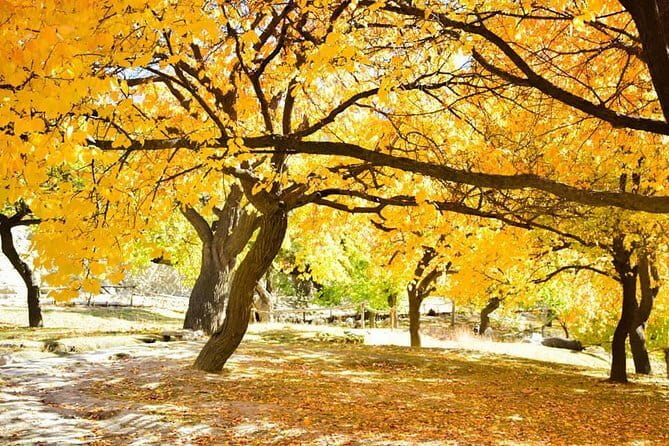
Day 4 is labeled Nanga Parbat Base Camping, which is where the trip turns from planning into the actual base-camp experience. This is the core of why many people choose the whole 11 days.
Base camping changes your relationship with the mountain. You stop thinking of it as an image and start experiencing it as a constant presence. The point isn’t just reaching a spot—it’s the atmosphere of being in the base-camp zone, surrounded by people doing the same mountain math as you.
The one limitation you should accept: your experience is weather-dependent. High-country areas can shift quickly, and the trip itself states that good weather is required.
If you’re the kind of traveler who hates uncertainty, this is where you’ll need to flex. Build in patience and a calm attitude, and you’ll get much more out of it.
Day 5: Hunza Valley Arrival and the Slow Shift in Pace
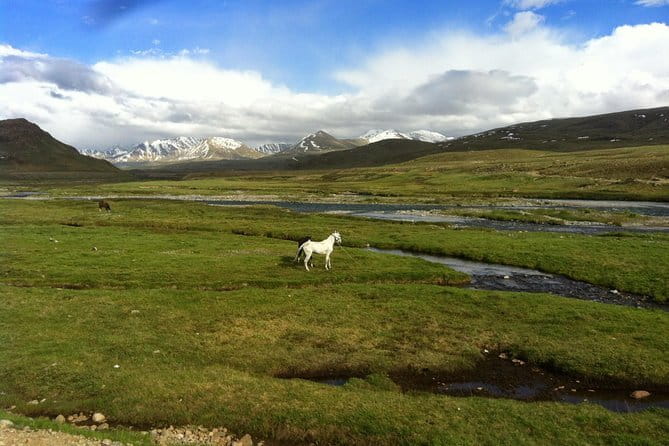
Day 5 brings you to Hunza Valley. This day matters because it’s the psychological reset after Nanga Parbat-focused intensity.
Hunza is one of those destinations where you can feel the culture and history in everyday scenes, from older architecture to the way the valley communities live with the geography around them. It’s a good pairing because it gives your body and mind a different kind of satisfaction after a mountain-centric segment.
This is also where you’ll start meeting the trip’s other theme: forts, lakes, and viewpoint-rich drives that don’t feel like filler.
Day 6: Altit and Baltit Forts
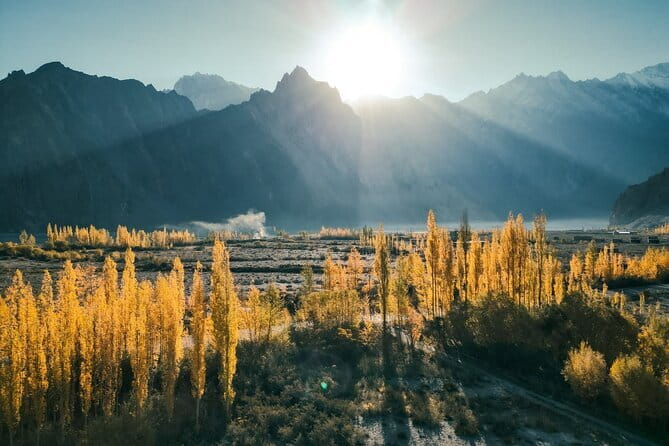
On Day 6, you’ll visit Altit Fort and Baltit Fort. Forts like these aren’t just photo stops. They help you understand how Hunza communities organized defense, trade, and life in steep terrain.
I like that this day adds depth. After base camp, you might be running on big emotions and big scenery. Fort time is a different kind of brain work, and it makes the region feel less like a backdrop.
Also, fort visits tend to bring different lighting and different views depending on the time of day. Even if you’re not a museum person, you’ll likely appreciate how the fort walls and elevated positions shape the panorama.
Day 7: Attabad Lake Stops You Mid-Sentence
Day 7 includes Attabad and Attabad Lake. This is the day for water scenery and a change from fort-and-stone focus.
Lakes in mountain regions do something simple and powerful: they give you scale. They also change how light reflects on nearby slopes and villages, so it can feel like you’re seeing the valley from a slightly different world.
What I’d watch for: with any scenic lake stop, you’ll likely spend more time on walking and viewpoints than you expect. Bring comfortable shoes and keep an eye on how the ground feels as you move around.
Day 8: Gojal Valley and the Feeling of Getting Higher
Day 8 brings you to Gojal Valley. This segment is where the trip leans into the dramatic side of northern Pakistan and makes the “get higher, see more” idea real.
Gojal is also valuable because it doesn’t feel like a repeat. Instead of redoing the same Hunza valley mood, you get a broader picture of the region’s routes and communities.
If you enjoy nature and scenic drives, this is likely one of your best days. It’s also the kind of day where your pace matters—stop often enough to absorb, but don’t overdo it. Your mountain day energy still matters.
Day 9: Khunjerab National Park, Sost, and the Khunjerab Pass Area
Day 9 is a highpoint day in both name and expectation. You’ll visit Sost, the Khunjerab Pass, and Khunjerab National Park.
This is one of the most symbolic segments on the whole route because Khunjerab is tied to the idea of crossing into the far north of Pakistan’s mountainous world. Even if your day includes fewer steps than you imagined, the drive and the sense of distance from the rest of the country can still hit hard.
Keep weather in mind. The trip requires good weather overall, and high passes are where conditions can change fast.
It’s also a day where having a guide and staff support matters. When roads, timing, or access shift, it helps to have someone who can keep the plan sensible.
Day 10: Back Toward Chilas
Day 10 is described as a return to Chilas, coming from the Hunza side. This is a “you did it” travel day, but it shouldn’t be treated as dead time.
The return route helps connect your earlier days into a single story. You’re moving back through the geography you already started to learn, so the scenery gains meaning the second time around.
I recommend you stay present here. When people rush back to the next milestone, they miss the subtle satisfaction of seeing the same valleys with different light.
Day 11: Back to Islamabad Zoo and Homebase
On Day 11, you reach Islamabad again and the route ends back at the meeting point. You also return to the Islamabad Zoo stop as part of the wrap-up.
That final day is a reminder that this is a complete circuit, not a one-way grind. It’s also useful if you have a fixed travel plan afterward, since the experience ends where it started.
If you have time the same day, I’d keep things light. This type of itinerary sticks with you, especially after base-camp focused days and long drives.
What I Think You’ll Love Most (and What to Watch)
This trip has clear strengths, based on the overall way it’s designed and how it’s run by Azan Travel and Tourism.
First, I like the emphasis on safety and support. The operator and guide setup is described as trustworthy and helpful, with staff coordination that keeps things moving.
Second, I think the itinerary’s structure is smart: it pairs hard mountain ambition with cultural and scenic value. You don’t just rush from one view to another view. You get fort history, a lake day, a valley day, and then a pass day.
The drawback is mostly practical: no accommodation and no meals included. If you want full-service simplicity, you’ll need to confirm what you’ll arrange yourself versus what the operator covers. That also means your comfort level will depend on your choices for lodging.
The other consideration is the weather requirement. If weather fails, schedules can shift. You’ll get offered a different date or a full refund when cancellations happen due to poor weather, but either way, you should travel with patience.
Who This Trek Fits Best
This is a great fit if you want a private, structured route that hits major northern Pakistan highlights without requiring you to stitch together logistics yourself.
You’ll likely enjoy it if:
- You’re drawn to Nanga Parbat base camp as a true destination goal
- You want Hunza and Gojal Valley scenery mixed with historical stops
- You’re okay with weather-driven scheduling in high terrain
- You like the idea of adjusting pace, including extra time at Fairy Meadows
You might rethink it if:
- You need a fixed all-inclusive budget for lodging and food
- You dislike itinerary changes tied to weather
- You prefer urban comfort every night (this is a trek-and-valley style trip)
Getting the Most From Northern Pakistan on This Route
Pack for variable mountain conditions, and plan to move between very different settings—zoo stop energy on day one, pass-area scale on day nine, and base-camp intensity on day four.
Wear shoes that handle both roads and uneven walking. Fort visits and lake areas often mean you’ll step more than you expect, even when the itinerary says stop and see.
On the days with big viewpoint stops—Babusar Top and Khunjerab Pass—bring a mindset for waiting. Roads and timing can shift, and the payoff is worth it if you stay flexible.
Finally, keep your expectations grounded. This trek is about getting to the base-camp experience and experiencing Hunza/Gojal as real places, not just checkpoints.
Booking with Azan Travel and Tourism: The Service Angle
This program is run as a private experience, and the service style is repeatedly described as well organized and coordinated. That shows up in how they plan the route, explain what to expect, and support you through the changing conditions of trekking areas.
I also appreciate the way the trip is described as adaptable to different budgets. That matters because the biggest unknown after the base price is usually lodging and food. When an operator can help you steer choices, it prevents the trip from turning into a last-minute scramble.
Should You Book This 11-Day Nanga Parbat and Hunza Gojal Valley Trip?
If your heart is set on Nanga Parbat base camp and you also want the classic northern Pakistan combo of Hunza, Gojal, and Khunjerab, then this is a strong choice—especially because it’s private and runs as a full circuit from Islamabad.
I’d book if you:
- Want a guided, staff-supported route rather than self-planning
- Are willing to budget separately for accommodation and meals
- Can be flexible with weather, especially around the high-country parts
I wouldn’t book if you need full package coverage for lodging/food or you’re traveling during a time when you know weather reliability will be a big problem for you.
FAQ
Where does the tour start and end?
The tour starts in Islamabad, with the meeting point listed as Islamabad Intl Airport, and it ends back at the meeting point in Islamabad.
Is pickup offered?
Yes, pickup is offered.
Is this a private tour?
Yes, it’s a private tour/activity, and only your group will participate.
How long is the experience?
It’s listed as 11 days approximately.
What is included in the price?
The tour price is $2,516 per person and includes the guided/private experience elements like pickup and the organized route, with a mobile ticket used.
Are accommodation and meals included?
No. Accommodation is not included, and meals are also not included.
Does the itinerary include Fairy Meadows time?
Yes, there is time at Fairy Meadows, with an option to take it easy and spend more time there.
What are the main highlights of the route?
Key highlights include Nanga Parbat base camp, Hunza Valley, Altit and Baltit forts, Attabad Lake, Gojal Valley, and Khunjerab Pass and Khunjerab National Park.
What’s the earliest start time on the first day?
Start time is listed as 8:00 am.
Do I need good weather for this trip?
Yes. The experience requires good weather, and if it’s canceled due to poor weather you’ll be offered a different date or a full refund.
How is the experience rated?
It has a rating of 5, based on 6 reviews.