REVIEW · ISLAMABAD
K2 Base Camp Trek
Book on Viator →Operated by Trango Adventure · Bookable on Viator
K2 is a mountain name that earns goosebumps. This 20-day trek throws you into the real Karakoram grind: big days on the Baltoro Glacier, acclimatization stops, and a long-anticipated walk to K2 Base Camp. I especially love the way the route builds breathing room with a dedicated rest/acclimatization day at Urdukas, and the trip is designed for a calm kind of confidence with airport pick-up and drop-off in Islamabad. The one thing to watch is simple: this is physical trekking at high altitude, and the itinerary includes cold nights (including a glacier sleep), so you’ll need real stamina and good gear.
A key detail I like: this isn’t sold as a vague adventure tour. You get a day-by-day plan through Skardu, Askoli/Askole, Concordia, Broad Peak base camp, and down again—so you can prepare without guessing what comes next.
In This Review
- Key points you’ll care about most
- Entering The Karakoram: What makes K2 Base Camp special
- Price and value: Is $3,200 worth it for a 20-day K2 trek?
- Day 1 to 3: Islamabad recovery, then Skardu at your pace
- Skardu to Askole: City Park Skardu to the Shigar Valley gateway
- Paiju Peak area (Johla to Paiju zone): first real glacier views
- Khoburste camp: reaching the snout of the Baltoro Glacier
- Urudkas and Urdukas rest/acclimatization logic
- Day 9 and Day 10: walking Baltoro Glacier and then stepping into Concordia
- Broad Peak base camp: why it’s a smart visual detour
- The K2 base camp day: walking there and breaking bread with mountaineers
- Heading down: leaving K2 and retracing Baltoro toward Askoli
- Deosai National Park and the final Islamabad stretch
- Weather and the Skardu airport plan: a practical contingency you should plan around
- The crew and hospitality: what the best feedback is really pointing to
- What to pack and how to prepare (based on what the route demands)
- Should you book this K2 Base Camp Trek?
- FAQ
- How long is the K2 Base Camp trek?
- Does the tour include airport transfers in Islamabad?
- What’s included in the price?
- Are single rooms available?
- Is the trip limited to just my group?
- What happens if flights to Skardu can’t operate due to weather?
- Is drinks included?
Key points you’ll care about most
- Private group setup: limited to your group for a more personalized experience
- Islamabad logistics handled: pickup and drop-off included, plus an air-conditioned vehicle
- Acclimatization built in: Urdukas rest day helps you adjust before the bigger push
- Glacier experiences: sleep on the Baltoro Glacier and trek closer to K2 and Concordia
- A standout K2 day: you walk to K2 Base Camp and have lunch with world-class mountaineers
Entering The Karakoram: What makes K2 Base Camp special
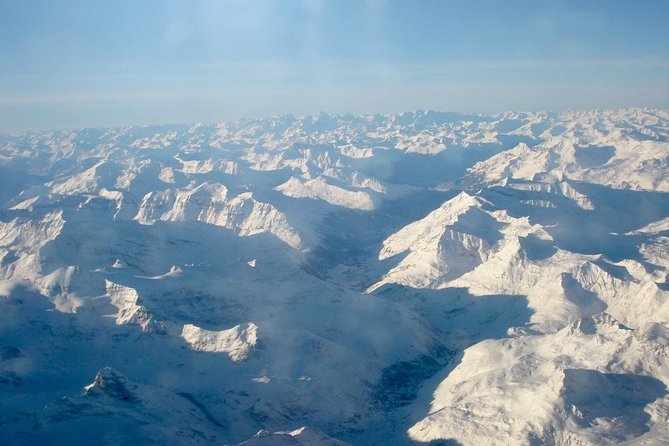
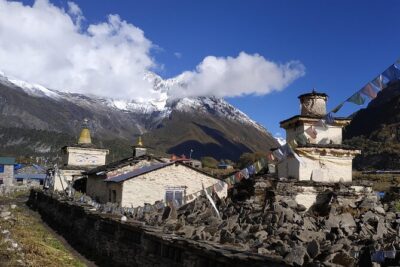
The draw here is obvious: K2 is the second-tallest mountain in the world, and reaching base camp means you’ve crossed into a zone most people never even picture clearly. But the real reason this trek hits is that the journey itself is the point. You’re not just chasing a photo. You’re moving through the Karakoram Mountains day after day, sleeping under the stars, and watching the terrain change from valley travel to true glacier travel.
This tour also has a practical advantage: the focus stays on the trekking corridor and the mountaineer world around it, not on constant sightseeing detours. That matters because it keeps your energy where it should be.
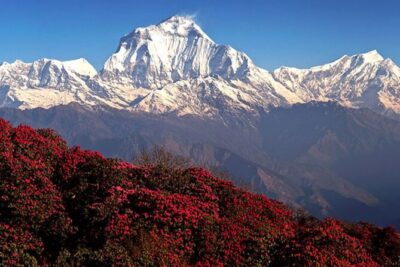
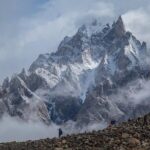
You’ll also get multiple chances to see major peaks in the Baltoro region. Early on, you’re already looking at big hitters like Paiju Peak and the Trango and Cathedral groups, and later you reach the high point that trekkers talk about—Concordia.
You can also read our reviews of more tours and experiences in Islamabad.
Price and value: Is $3,200 worth it for a 20-day K2 trek?
$3,200 per person is a serious chunk of money, so the honest question is what you actually get for it. In this case, the value comes from the amount of ground covered and how many essentials are bundled:
- Hotels and tents included (twin sharing; single available for extra charges)
- All meals included (breakfast 19, lunch 18, dinner 18)
- Professional guide and transport by private vehicle
- Islamabad airport pickup and drop-off
- Mobile ticket mentioned in the tour info
Trips like this can get expensive fast when you start adding meals, lodging, guides, and logistics. Here, you’re paying for a full expedition-style framework: you’re not just buying a guiding fee. You’re buying time, planning, and the hard part—moving a group through a remote, high-altitude route.
One trade-off: drinks and souvenir photos are not included. So bring a budget for water and personal extras beyond meals.
Day 1 to 3: Islamabad recovery, then Skardu at your pace
You start with an easy win: the guide meets you at Islamabad International Airport, then transfers you to the group hotel for rest. After a long flight, it’s not glamorous—but it’s smart. It means you don’t lose day one trying to navigate the city.
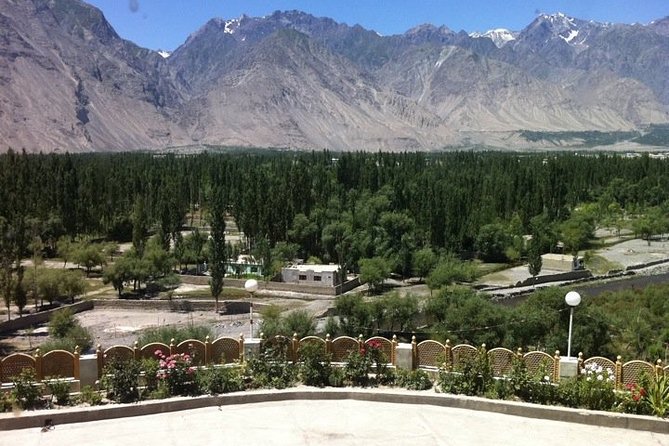
Day 2 brings the transfer toward Skardu, arriving early afternoon. You get time to explore the town itself. Day 3 repeats that same idea with another free day—use it to see local landmarks and markets like the local bazar and places such as Sadpara Lake, Kharpocho Fort, and Shangrila Lake (all listed options). This matters because the trek days coming later are long and demanding. You’ll want a couple of calmer days to set your rhythm.
Skardu to Askole: City Park Skardu to the Shigar Valley gateway
On Day 4, you head toward Jhola camp and Askoli village, with Askole described as the last village of the Shigar Valley. This is the kind of day where the travel itself feels like part of the experience: you’re moving deeper into the Karakoram corridor, with the terrain getting more rugged.
Expect a long drive—about 7 hours is listed—and a night stay in Johla. The tour also includes an admission ticket for that day.
What to watch here is not altitude yet—it’s fatigue management. You’ll be doing a lot of long days, so treat this as a day to save energy for what comes next.
Paiju Peak area (Johla to Paiju zone): first real glacier views
Day 5 is where the trek starts looking unmistakably “Karakoram.” You begin early from Johla camp and walk along a path that runs near the edge of a river, then climbs to higher ground. You negotiate streams, and depending on melting, you might need to ford them. That’s why the tour notes sports sandals or old trainers can be useful. It’s a very practical detail, and it tells you something important: plan for wet feet at least sometimes.
This day also gives you early payoff views. You pass by the green oasis under Paiju Peak, and from this camp you may see glimpses of K2 if weather is clear, plus major glacier and peak groups like Baltoro Glacier and the Trango and Cathedral groups.
Then it’s onward for about 6 hours total, ending with night in that camp zone. Your day is built around walking, negotiating terrain, and soaking in the mountains without rushing.
Khoburste camp: reaching the snout of the Baltoro Glacier
Day 6 is trekking to Khoburste camp site. After about one hour, you reach the snout of the Baltoro Glacier. That alone is a major shift in feel—from valley trails and rocky edges to the glacier world.
This is another 7-hour day, and it’s visually intense even if you’re not chasing the perfect summit shot. You’re in the landscape of ice, granite, and high ridges that define this region.
If you’re the type who likes structure, this is where the tour shines: it’s not random. Each camp placement pushes you closer to the big intersection points like Urdukas and later Concordia.
Urudkas and Urdukas rest/acclimatization logic
Day 7 is a shorter trek—listed at 4 hours—to Urdukas campsite, and the tour calls out fantastic views of the Trango Tower and other famous peaks along the way. Then Day 8 is a rest day at Urdukas specifically used for acclimatization.
That rest day is one of the tour’s best-designed elements. The plan explicitly states that it has worked well for clients over many years. It’s not just a breather. It’s a strategy so you can do the longer glacier days later with less misery.
In practical terms, this means you should expect a day where you’re not constantly pushing higher. You might move around, but the goal is adjusting before the next big push toward Baltoro and Concordia.
Day 9 and Day 10: walking Baltoro Glacier and then stepping into Concordia
Day 9 is a key glacier day: walking on the Baltoro Glacier and bringing you closer to K2 and Concordia. The big deal is that you sleep on the Baltoro Glacier, and the tour tells you to wrap up warm. That line is not filler. Glacier nights can be brutally cold, even when daytime temperatures feel manageable.
Then Day 10 shifts from glacier travel into the high point hub: Concordia. The plan says Concordia is home to world-high peaks including K2, Broad Peak, and Gasherbrum I and II. It’s also described as a gateway to these Karakoram peaks and a popular zone among top climbers.
You get about 5 hours listed on Day 10, and you end at Concordia for the night.
This is a “slow down and look” moment. The route puts you at the geographic center of multiple giants, so even without chasing a summit, you get the full concentration of K2-level mountain reality.
Broad Peak base camp: why it’s a smart visual detour
Day 11 is only 4 hours, and it takes you to Broad Peak base camp. The tour positions it as giving the best view of K2. That makes sense: in trekking corridors like this, views often improve when you hit a viewpoint camp closer to the right angles.
It’s also a good example of this itinerary’s logic: you don’t just march forward toward K2 base camp. You build in visual and acclimatization value so the trek feels like progress rather than treadmill walking.
The K2 base camp day: walking there and breaking bread with mountaineers
Day 12 is the highlight described clearly: you trek to K2 base camp, walk there, and have lunch with world-top mountaineers who are there to climb K2. After that, you walk down to Concordia for the night, with an 8-hour day listed.
This is the day that makes all the earlier days feel worth it. You go from glacier travel and mountain corridors to the actual staging area where mountaineers operate. Even if you don’t climb K2 yourself, being at the base camp is like stepping into the working world of a major expedition.
And the fact you’re eating lunch there is what makes it more human. It’s not just a marker on a map.
Heading down: leaving K2 and retracing Baltoro toward Askoli
Day 13 starts your descent: you leave Concordia and K2 behind, then descend the Baltoro Glacier toward Askoli Village. This day is listed as 7 hours with admission included.
Then the next set of days follows a “same itinerary back” pattern. Day 14 through Day 16 are each listed around 6–7 hours as you work back toward Islamabad via the trek corridor.
A reality check: returning on this kind of route can feel longer than you expect because your body is tired and downhill can still be hard on knees and feet. But the good news is that you already know the terrain, and the logistics are handled by a team that knows the route.
Deosai National Park and the final Islamabad stretch
Day 17 shifts away from the high glacier trekking focus to Deosai National Park. This is listed as a 7-hour day following the route back toward Islamabad.
Then Day 18 continues the return. By Day 19, you can arrive in Islamabad late afternoon. The tour notes that if you manage to fly down the day before, you’ll have a day for sightseeing in Islamabad, followed by a final group meal in the evening.
Weather and the Skardu airport plan: a practical contingency you should plan around
Skardu is described as a weather-dependent airport. That means planes fly only if the pilot can see the runway clearly enough. If flights don’t work, you travel down to Islamabad by road along the Karakoram Highway, which the plan says takes two days.
The tour also includes contingency time (a later-day buffer) for that possibility. It’s one of those things you don’t want to be surprised by. K2 trekking already tests your schedule—so building in a weather contingency isn’t optional. It’s smart risk management in real high-altitude country.
The crew and hospitality: what the best feedback is really pointing to
The reviews you provided point repeatedly to the same core strength: organized care. People specifically call out helpful communication before the trek, smooth handling of documentation for visas, and a crew that watches safety and comfort.
Guide names come up too. Mr Hamid is mentioned by name for strong guidance and competence. Mr Shabir and Mr Mehbob also show up as people offering tips and trekking guidance.
Food also gets love beyond the basics. One review notes that the chef baked a cake on the trail for a 55th birthday. That kind of detail might sound small, but in the mountains, it’s a morale boost. When you’re tired and cold, small kindnesses become memorable.
If you’re trying to decide between agencies, this is what matters: logistics must feel calm. Here, the consistent praise is that the team keeps the trip smooth and coordinated so you can focus on walking and adapting.
What to pack and how to prepare (based on what the route demands)
This trek is rated for travelers with strong physical fitness. The itinerary also explicitly signals cold and wet conditions through glacier sleeping and possible stream fording.
Based on those real route details, I’d plan for:
- Warm layers for glacier nights (the tour directly tells you to wrap up)
- Footwear that can handle streams; the itinerary specifically mentions sports sandals or old trainers
- Clothing that works in all-weather conditions, since the tour states it operates in all weather and you should dress appropriately
Also plan your mindset. You’re doing days around 4 to 8 hours of walking much of the time. This isn’t a weekend hike.
Should you book this K2 Base Camp Trek?
If your goal is K2 specifically, and you want the experience to be structured around the major glacial corridors—rather than a loose collection of drives and partial hikes—this itinerary makes a strong case. The best signs are practical: airport transfers in Islamabad, meals and lodging handled, an acclimatization rest day at Urdukas, and a K2 base camp day that includes lunch with mountaineers.
Book it if:
- you’re comfortable with long trekking days and cold nights
- you want a private-group feel rather than a crowded backpacking vibe
- you value guides who handle paperwork and logistics smoothly
Think twice or ask more questions first if:
- you’re not ready for glacier sleeping and long days
- you don’t want your schedule shaped by mountain weather (Skardu flights can shift to road down the Karakoram Highway)
If you fit the fitness profile and you’re excited by the glacier-focused route, this is the kind of trek that gives you more than a summit fantasy. It gives you a real, lived-in understanding of where K2’s world begins.
FAQ
How long is the K2 Base Camp trek?
The tour is approximately 20 days.
Does the tour include airport transfers in Islamabad?
Yes. Pickup and drop-off are included from Islamabad International Airport, with an included transfer to the group hotel on arrival and back to the airport at the end.
What’s included in the price?
Hotel rooms and tents (twin sharing), a professional guide, transport by private vehicle, and all meals are included (breakfast, lunch, and dinner as listed). Vegetarian options are available if you tell the operator in advance.
Are single rooms available?
Yes, single room and single tent are available for an extra charge.
Is the trip limited to just my group?
Yes. It’s described as a private tour/activity limited to your group.
What happens if flights to Skardu can’t operate due to weather?
Skardu is weather dependent. If flights cannot land due to visibility, you’ll travel down to Islamabad by road along the Karakoram Highway, and the plan includes contingency time for this.
Is drinks included?
No. Drinks are listed as not included.