REVIEW · KATHMANDU
Sundarijal-Chisapani-Nagarkot Trek with Changunarayan
Book on GetYourGuide →Operated by Himalayan Social Journey · Bookable on GetYourGuide
A mountain hike plus Kathmandu culture in five days. This Sundarijal–Chisapani–Nagarkot trek pairs countryside walking with real Kathmandu Valley sights, then tops it off with Nagarkot sunrise and sunset viewpoints aimed at major Himalayan ranges, including Everest on clear days. You also get an English-speaking guide and private transfers, so the pace stays active without feeling chaotic.
Two things I like a lot here. First, Bhaktapur and Changunarayan deliver medieval-style temples and urban atmosphere without wasting your time. Second, the trek itself is broken into manageable chunks with overnight stays in Chisapani and Nagarkot, so you’re not just “passing through” the hills. One drawback to consider: the city portions are handled by guides arranged for those segments, and guide style can vary; if you’re picky about how you like narration, you may want to ask who you’ll meet for the city tours.
In This Review
- Key Highlights Worth Prioritizing
- Why This 5-Day Trek Feels Perfect for Kathmandu First-Timers
- Day 1: Arrival in Kathmandu and a Welcome Dinner to Get Settled
- Day 2: Sundarijal to Chisapani for Your First Big Himalayan Views
- Day 3: Chisapani to Nagarkot, a Long Walk Toward Everest-Range Vistas
- Day 4: From Changu Narayan to Bhaktapur for Medieval Kathmandu Valley Charm
- Day 5: Kathmandu Airport Transfer and a Trip That Finishes Clean
- Price and Value: What $390 Actually Buys You
- Pace, Packing Rules, and the Rain-or-Shine Reality
- Who Should Book This Trek (and Who Should Skip It)
- Should You Book This Sundarijal–Chisapani–Nagarkot Trek With Changunarayan?
- FAQ
- What is the duration of the Sundarijal–Chisapani–Nagarkot trek?
- What are the trekking times on the main hiking days?
- What is the highest altitude you reach?
- Are meals included during the trek?
- Is airport pickup and drop-off included?
- Are sightseeing or entry fees included for Bhaktapur and Changunarayan?
- What languages are guides available in?
- Does the trek run in bad weather?
Key Highlights Worth Prioritizing
- Nagarkot viewpoints for sunrise and sunset over eastern Nepal’s mountain ranges
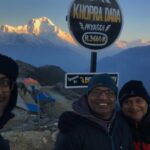
- Chisapani at about 2,300 m for broad Himalayan views and a calmer pace
- Sundarijal to Chisapani as your first real taste of countryside trekking
- Bhaktapur + Changunarayan for Kathmandu Valley culture in a tight schedule
- Private transport and airport pickup that keep the trip efficient and low-stress
- Organized trekking support (crew meals and accommodation) so you focus on walking and views
Why This 5-Day Trek Feels Perfect for Kathmandu First-Timers
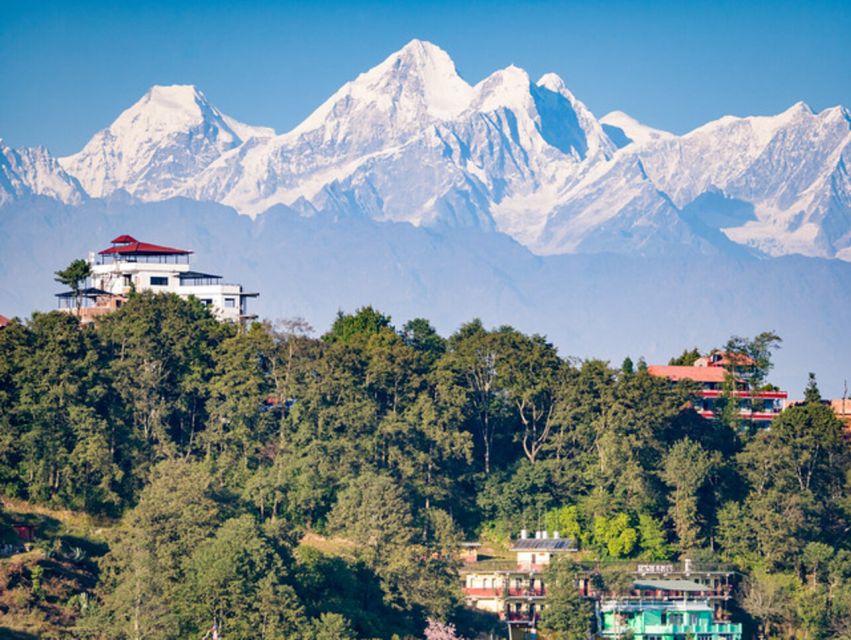
If you only have a few days in Nepal, it’s easy to end up with one big blur: either you spend all your time in the city, or you disappear into the mountains and miss the culture that makes Kathmandu Valley so memorable. This route does a smart swap.
You get both in one flow. The walking segments are short enough to fit a week of sightseeing energy, while the city days are timed so you’re not losing daylight to messy logistics. The result is a trip that feels full without feeling rushed in the worst way.
You’ll also notice the trip’s rhythm: early starts for viewpoints and walking, then slower, older-city moments with temples and local life. That balance matters. Some trekking itineraries force you into constant effort; this one builds in cultural breathing space, and your hikes give you a reason to care about what you’re seeing from the hills.
You can also read our reviews of more tours and experiences in Kathmandu.
Day 1: Arrival in Kathmandu and a Welcome Dinner to Get Settled
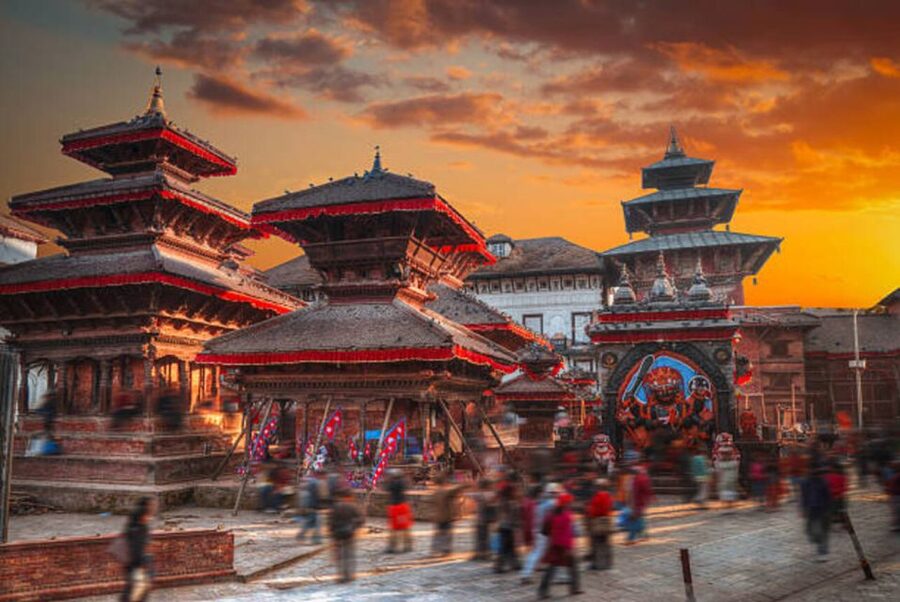
On your arrival day, you land in Kathmandu and transfer to your hotel, then meet your team for orientation. The hotel base is Himalian Suite Hotel (twin sharing with breakfast included). You’re not thrown straight into a long day of sightseeing, which is exactly what you want after travel.
The evening is built around a welcome dinner. That might sound like a small detail, but it helps more than you’d think. It’s where you can confirm timings, ask questions, and get a feel for how the trekking support will work. It also reduces the chance you’ll wander around later trying to solve questions on your own.
If you’re the type who likes having a plan that still leaves room to breathe, this setup is friendly.
Day 2: Sundarijal to Chisapani for Your First Big Himalayan Views
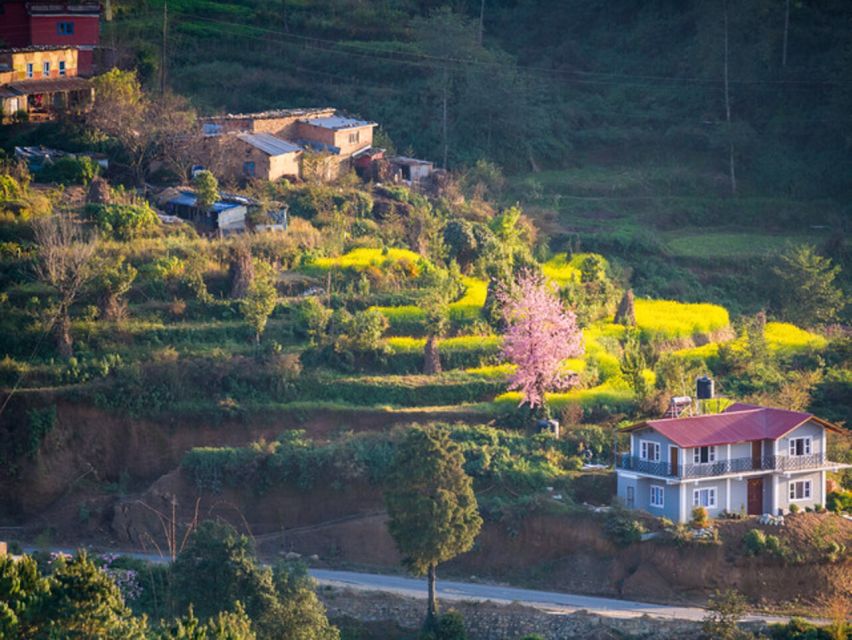
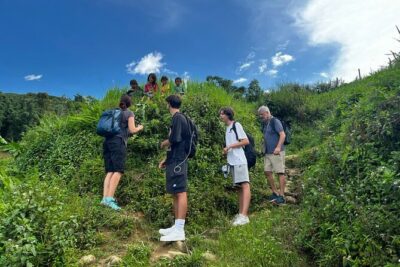
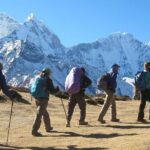
Day two starts with a short drive to Sundarijal, then you begin the trek toward Chisapani. The walking time is typically around 3 to 4 hours, which makes this a good “wake-up hike” instead of a punishment.
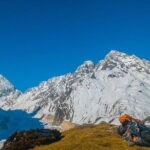
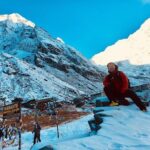
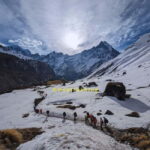
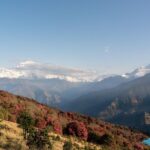
Chisapani is the first altitude checkpoint here, around 2,300 m. The payoff is that you’re walking into views—wide mountain perspectives that don’t require you to be an ultra-hiker. This is also the stage where the trip shifts from city energy to countryside atmosphere. You’ll feel it in the air, the quiet, and the pace of daily life around you.
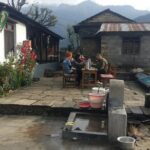
At night, you stay in a guest house with attached bathroom in Chisapani and enjoy breakfast. Dinner isn’t included on this day (only lunch/dinners beyond the welcome dinner are not listed as included), so plan on budget for meals you want during the trek.
Tip for your comfort: keep your daypack light. This tour specifically restricts large luggage and strollers, so you’ll do better with what you can carry comfortably while still having the basics (water, layers, sun protection, and something warm for the evening).
Day 3: Chisapani to Nagarkot, a Long Walk Toward Everest-Range Vistas
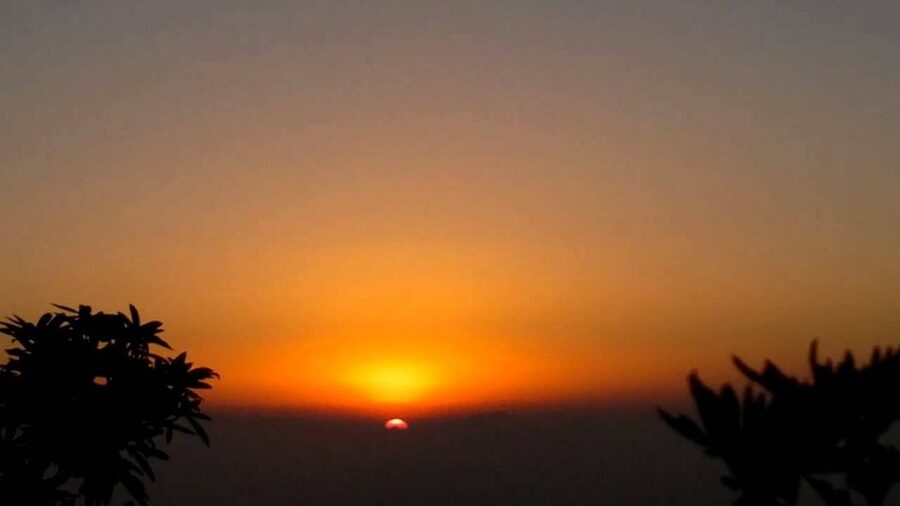
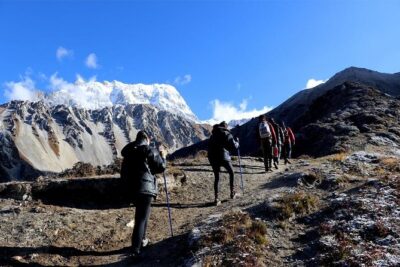
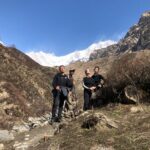
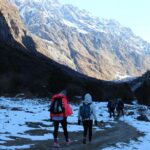
This is the main trekking day. The hike from Chisapani to Nagarkot runs about 6 to 7 hours. It’s longer than day two, and it’s meant to get you from first views to a classic viewpoint zone.
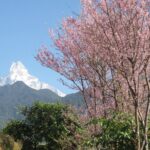
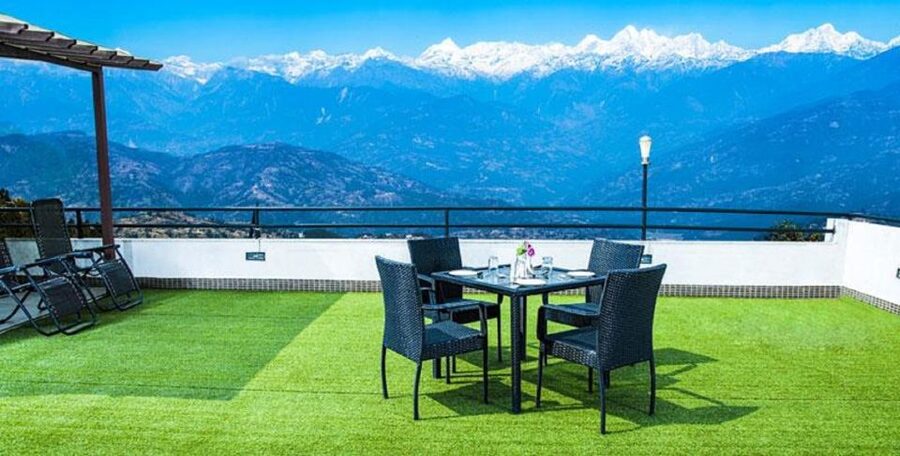
Nagarkot sits at about 2,175 m, and it’s known for sunrise and sunset watching. The itinerary focuses on that for a reason: at the right time, the mountains look sharper and the whole valley seems to reframe itself. You also get a chance to see eastern Nepal’s mountain ranges, with Mt. Everest mentioned as part of the target viewing.
Now, here’s the practical truth: visibility depends on weather and cloud cover. Since the trip runs rain or shine, you’ll want to come prepared for changes in conditions. Even if you don’t get the perfect skyline, the effort of walking into position still makes the day feel like a real trek rather than a sightseeing transfer.
You’ll sleep in Hotel Himalayan Villa in Nagarkot. Your breakfast is included, and you’re in a setup designed for mountain viewing—so the time around sunrise and sunset is actually usable, not just “nice in theory.”
Also worth noting: your trekking experience includes trekking crew support, including crew meals and accommodation. That matters for you because it means your trek day isn’t dependent on you figuring out everything day-by-day.
Day 4: From Changu Narayan to Bhaktapur for Medieval Kathmandu Valley Charm
Day four moves from mountains back into Kathmandu Valley culture. You head from Nagarkot to Bhaktapur via Changu Narayan temple, then spend time sightseeing in Bhaktapur before returning to Kathmandu.
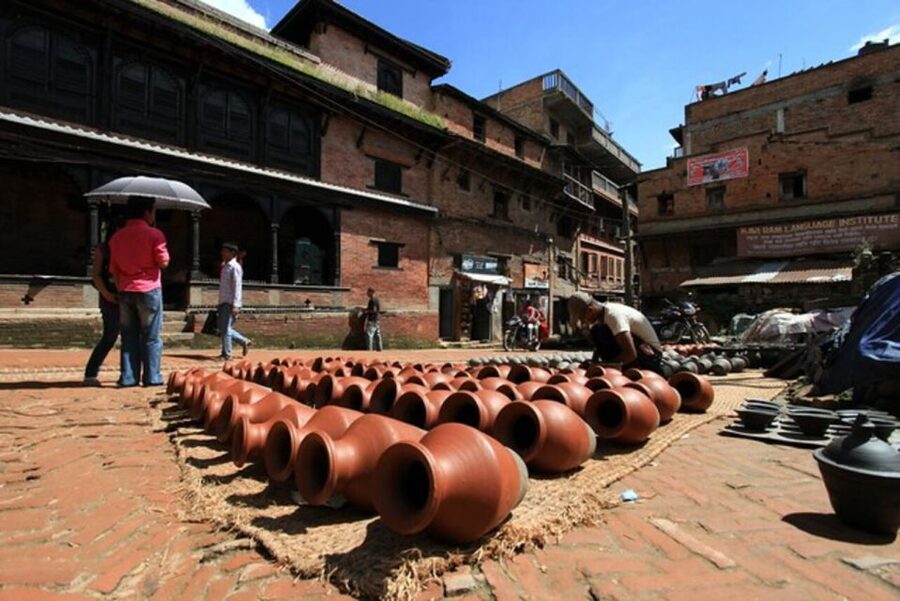
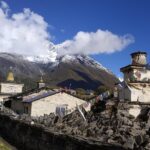
Changu Narayan is included in the route, and it’s one of those stops that helps you connect what you saw in the hills with what lives in the valley: temples, religious sites, and an older architectural feel that makes the city feel like it has layers. Bhaktapur is highlighted as the place to experience Kathmandu Valley history and medieval art plus the atmosphere of the country’s oldest city. That theme—old culture, strong identity—runs through the city day.
The practical side: entry fees for sights in Bhaktapur, Changunarayan, and a national park fee are not included. So if you’re budgeting tightly, set aside extra cash for those.
Where this day really shines is pacing. You’re not trying to do every museum and every temple on earth. Instead, you’re choosing a focused set of cultural stops that match the trek’s theme. After two walking days, city streets can feel surprisingly good—less about endurance, more about noticing.
One more reality check: city tours may be run by guides arranged by the operator, and guide style can vary. In my view, that’s not automatically bad—it just means you should treat the city day like a conversation, not a lecture. If you want a specific focus (art, architecture, religion, local life), ask your guide what they recommend to look for.
Day 5: Kathmandu Airport Transfer and a Trip That Finishes Clean
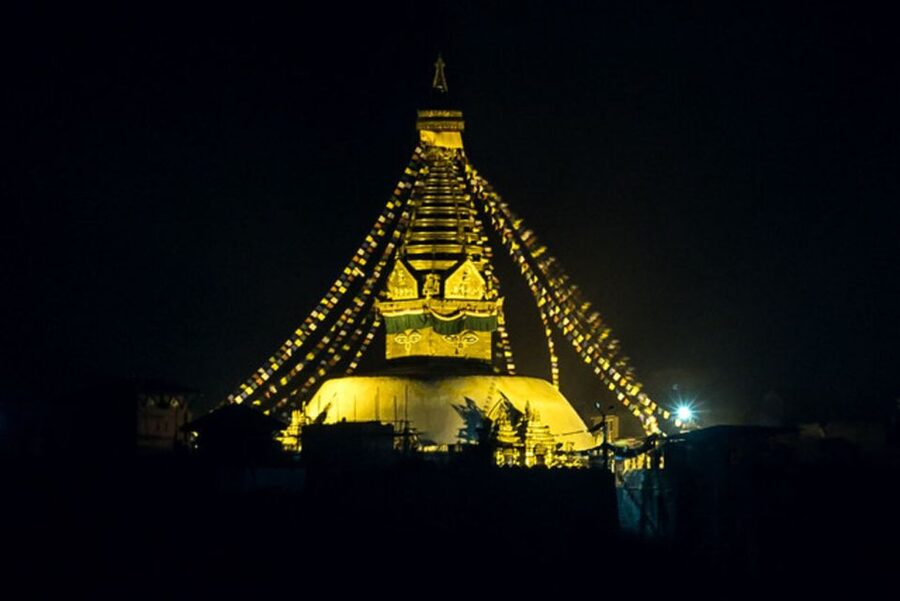
Your final morning is breakfast, then transfer to the airport for departure. It’s the kind of ending that feels respectful of your last-day energy. Instead of squeezing in one more big drive or a last-minute scramble, you get a clean finish that helps you stay on schedule.
And since this tour includes airport pickup and drop, you’re not left figuring out transportation after the trek. That matters more than people think. When you’ve hiked for days, the last thing you want is to negotiate rides or wait in confusing pickup zones.
Price and Value: What $390 Actually Buys You
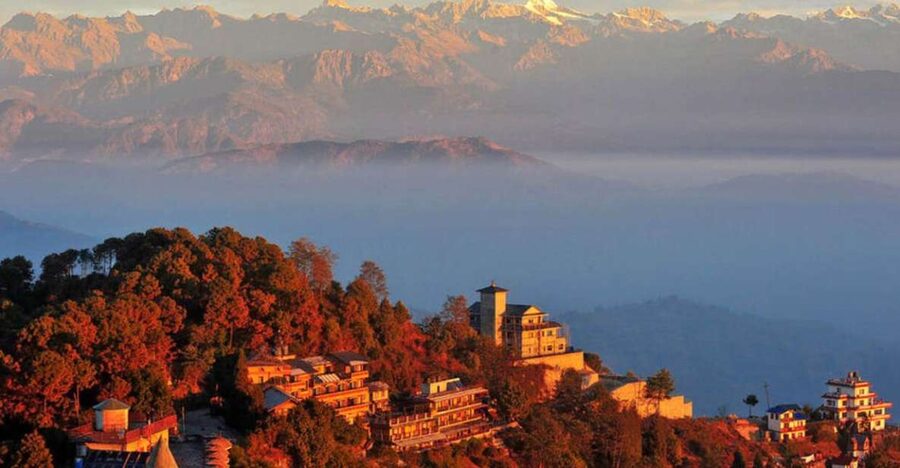
At $390 per person for five days, this doesn’t try to be a bargain-basement budget trek. But it also isn’t priced like a luxury mountain lodge circuit. For most people, the value comes from what’s packaged together:
Included that you’d otherwise spend time and energy trying to arrange:
- Airport pickup and drop
- Private transportation according to the route
- Hotel stays in Kathmandu and Nagarkot (plus a guest house stay in Chisapani)
- Breakfast in Kathmandu and Chisapani, and breakfasts where noted
- Welcome dinner on day one
- English-speaking guide
- Trekking support with crew meals and accommodation
Not included (so you’ll budget for them):
- Lunch and dinner during the trip (except the welcome dinner)
- City sightseeing entry fees in Bhaktapur and Changunarayan, plus a national park fee
- Personal expenses
So is it worth it? If you want a trip that runs like a plan—transport timed, hotels lined up, guides ready—then yes, the price makes sense. If you prefer total control and like building your own route from scratch, you might be able to do it cheaper, but the savings usually come with more stress.
Also, the private-group format helps value. You get a more controlled schedule rather than waiting for bigger groups to move at different speeds.
Pace, Packing Rules, and the Rain-or-Shine Reality
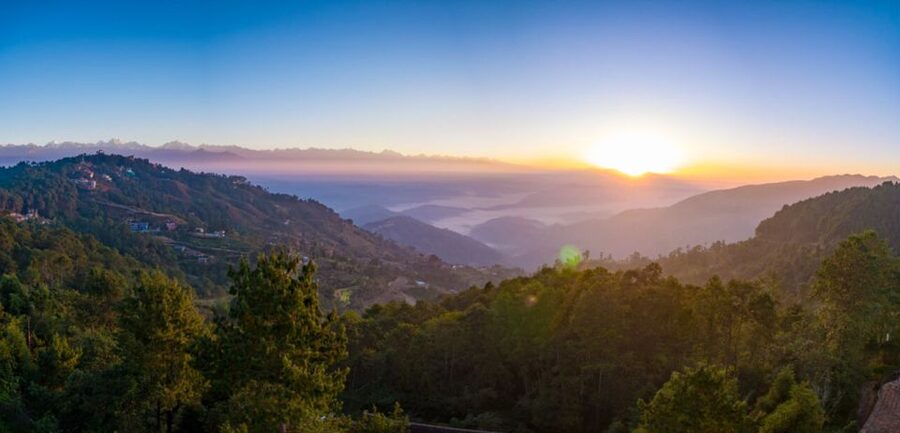
This trip is not a “sit on a bus” tour. You’ll walk, and you’ll walk enough that you should plan your body accordingly.
The day-to-day walking load:
- Day two: 3 to 4 hours to Chisapani
- Day three: 6 to 7 hours to Nagarkot
That’s a big reason why the trip feels like a true trek rather than a series of short walks. You’ll want comfortable footwear, basic blister planning, and layers you can adjust. Even in seasons when the hills are pleasant, evenings around mountain viewpoints can feel chilly.
Packing note you should take seriously: the tour says no large bags and you can’t bring things like strollers or handcarts. That implies you’ll carry what you need in a smaller load. If you travel with a big roller suitcase, rethink how you pack.
One more consideration: the trip runs rain or shine. That’s normal in Nepal, but it still affects clothing choices. Bring something for wet weather, keep a small towel or wipe kit, and expect the trail to be a little slick if rain rolls through.
Finally, this is listed as not suitable for pregnant women, people with mobility impairments, or wheelchair users. If that applies to you, don’t force it—there are better-matched treks and sightseeing formats.
Who Should Book This Trek (and Who Should Skip It)
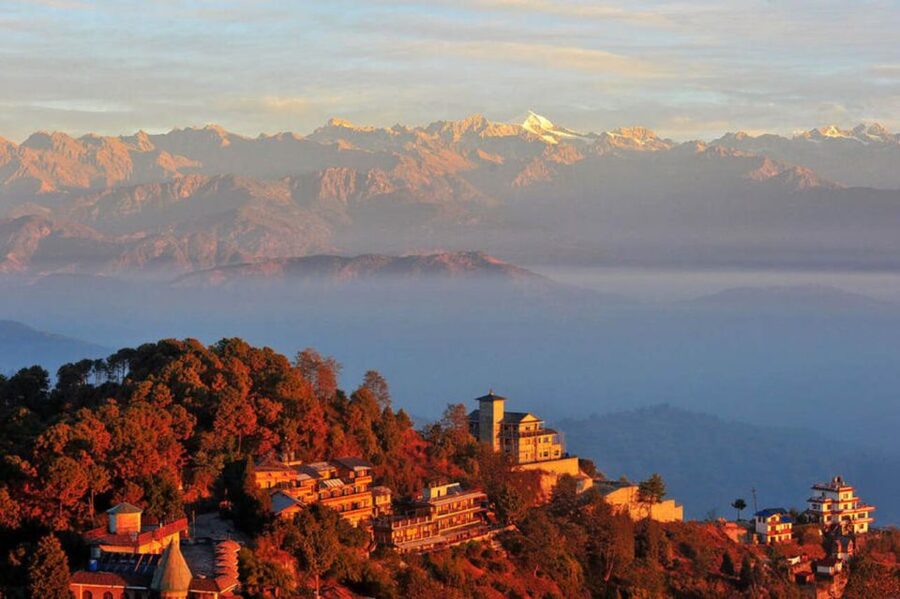
This experience fits you if:
- You want mountain views plus Kathmandu Valley culture in a compact schedule
- You like a guided plan but still want to feel the countryside through walking
- You’re okay with a moderate trek pace rather than a gentle stroll
- You value safety and organization, especially with private transfers and clear routing
You might want to look elsewhere if:
- You need a fully accessible route (it’s not designed for wheelchair users or major mobility limitations)
- You can’t do 6 to 7 hours of walking on day three
- You prefer a highly consistent guide experience for every segment. The city tour guidance can vary since guides may be hired on a freelancer basis.
Should You Book This Sundarijal–Chisapani–Nagarkot Trek With Changunarayan?
My recommendation: book it if you want a Kathmandu Valley trip that actually includes the mountains, not just a day trip out and back. The combination of a structured city day (Bhaktapur and Changu Narayan/Changunarayan) with real viewpoint-focused trekking at Chisapani and Nagarkot is a strong match for first-time visitors who only have limited time.
Before you commit, think about two things. Can you handle a full trekking day of 6 to 7 hours? And will you pack for a trek where large bags aren’t part of the plan? If you can answer yes, you’re in for a satisfying mix: old-city culture, village-country walking, and Himalayan viewing moments that make the effort feel worth it.
FAQ
What is the duration of the Sundarijal–Chisapani–Nagarkot trek?
The trip lasts 5 days.
What are the trekking times on the main hiking days?
You trek about 3–4 hours from Sundarijal to Chisapani, and about 6–7 hours from Chisapani to Nagarkot.
What is the highest altitude you reach?
The itinerary lists Chisapani at about 2,300 m as the highest point.
Are meals included during the trek?
Breakfast is included at Kathmandu and Chisapani. A welcome dinner is included on day one, and trekking crew meals are also included. Lunch and dinner are not included during the trip.
Is airport pickup and drop-off included?
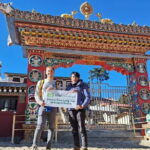
Yes. The tour includes airport pickup and drop-off, with an airport representative holding a nameplate outside the terminal gate.
Are sightseeing or entry fees included for Bhaktapur and Changunarayan?
No. City sightseeing entry fees in Bhaktapur, Changunarayan, and a national park fee are not included.
What languages are guides available in?
The tour includes an English-speaking guide, and the live tour guide is listed as available in English and Japanese.
Does the trek run in bad weather?
Yes. The tour takes place rain or shine.