REVIEW · KATHMANDU
Langtang Valley Trek – 8 days
Book on Viator →Operated by Breeze Adventure Pvt Ltd · Bookable on Viator
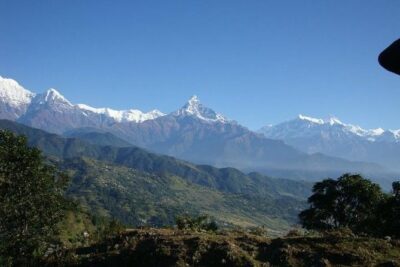
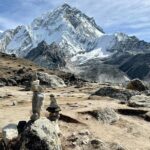
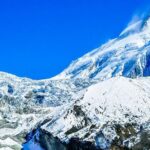
Short trek, serious Himalayan rewards. The Langtang Valley trek is a high-country classic that feels quieter than the Everest crowd, with sacred monasteries, Tamang culture, and big mountain views at a pace that works for a short vacation. You finish with the kind of payoff you remember for years: Kyanjin Ri at 4,773 meters for a 360-degree panorama across 21+ snow-capped peaks.
I like the way this trip is organized around real-life trekking needs, not just a checklist. The guide and porter team is government-authorized, and names like Kishwor and Raz show up as the kind of calm, supportive leadership that keeps things moving. I also love the human scale: you get Tamang hospitality in the villages and a surprising cultural stop at Kyanjin Gompa, including an old Swiss cheese factory where you can sample.
One possible drawback: it’s still an 8-day trek with real altitude, including days up near 3,800 meters and an optional high viewpoint push. If weather turns, the plan depends on good conditions, and guest houses often charge extra for hot shower and electronic charging—so budget for that.
In This Review
- Key things to know before you go
- Why Langtang Valley beats the big-name trekking loop
- The Kathmandu to Syabrubesi start: long ride, early energy check
- Day 2 to Day 4: Lama Hotel and Langtang village, step by steady step
- Kyanjin Gompa at 3,870m: monastery views and that Swiss cheese detour
- Optional view days: Kyanjin Ri and Tserko Ri
- Wildlife chances in Langtang National Park (and why timing matters)
- Food, comfort, and what the included gear really changes
- Fitness and altitude: who this trek fits best
- Price and value: is $775.36 a fair deal?
- Should you book this Langtang Valley trek or not?
- FAQ
- Where does the trek start and end?
- How long is the Langtang Valley Trek?
- What is the trekking route like on the main days?
- How fit do I need to be?
- What’s included in the price?
- What isn’t included?
- How high do you go?
- How many travelers are in a group?
- What happens if weather is bad?
- Is free cancellation available?
Key things to know before you go
- Langtang National Park (est. 1976): Nepal’s first protected Himalayan area, tied to excellent wildlife chances.
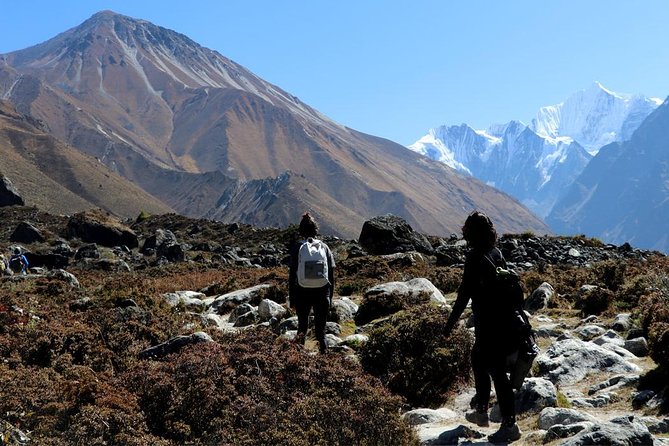
- Big payoff in a short time: Finish at Kyanjin Ri (4,773m) for sweeping views of 21+ peaks.
- Kyanjin Gompa surprises: monastery plus one of Nepal’s oldest Swiss cheese factories.
- Side hike options: Langshisa Kharka, Kyanjin Ri (4773m), and Tserko Ri (4985m).
- Tamang village immersion: daily trekking through local culture, not just scenery.
- Gear handled for you: sleeping bag, down jacket, and crampons are included.
Why Langtang Valley beats the big-name trekking loop
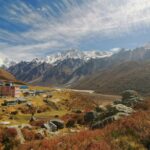
Langtang Valley sits in a part of Nepal that many first-timers skip. That’s the point. You still get dramatic mountains, but the trail often feels more human—less “infrastructure-heavy” and more village-to-village, with you walking through forested slopes and across stone steps worn smooth by local feet.
A big reason I’d point you here is the combination of nature and culture. Langtang National Park was established in 1976, and the park status matters: it’s designed to protect wildlife and habitat, so you’re more likely to see species such as the red panda, Himalayan tahr, and even the Himalayan black bear (though sightings aren’t guaranteed). At the same time, you trek through Tamang communities, which brings a different flavor than the usual mountain trekking script.
And then there’s the payoff: Kyanjin Ri isn’t just a “good viewpoint.” It’s one of those rare spots where the view wraps around you—360 degrees. If you’re on a short trip, this is how you get maximum high-altitude bang without spending two weeks grinding toward Everest-style objectives.
You can also read our reviews of more tours and experiences in Kathmandu.
The Kathmandu to Syabrubesi start: long ride, early energy check
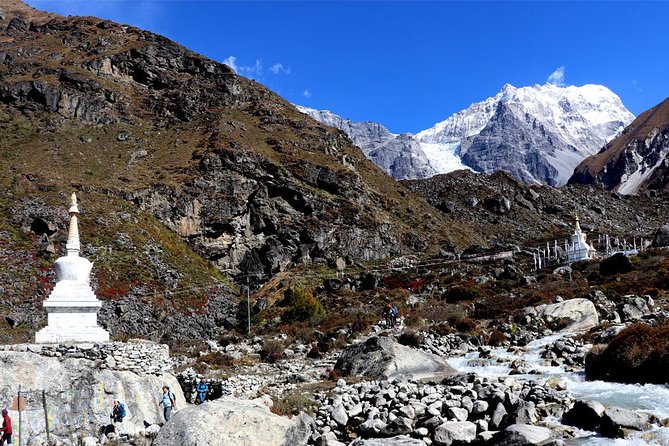
You begin in Kathmandu, then transfer to the trailhead via a bus ride to Syabrubesi at about 1,420 meters. Expect 7–8 hours by bus on Day 1. That’s not a “relax” day. It’s a logistics day, so treat it like you would a long flight: eat something light, drink water when you can, and keep your layers ready because temperatures shift fast in Nepal.
Syabrubesi is where the trekking reality shows up. The altitude jump hasn’t started yet in a big way, but your body will notice the rhythm change. After the drive, you’ll be starting fresh with a trek toward Lama Hotel.
This is also where I’d make sure you’ve got your essentials dialed in. You don’t want to burn time later discovering your gloves are wrong, or you realize you forgot something small like lip balm for the dry air. The trek itself becomes easier when your comfort setup is handled up front.
Day 2 to Day 4: Lama Hotel and Langtang village, step by steady step
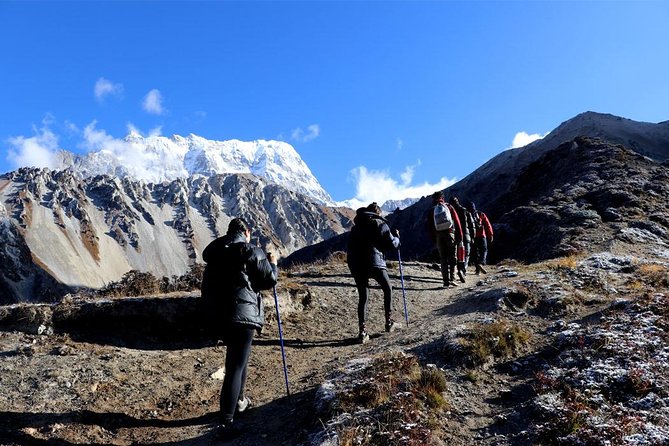
On Day 2, you trek from Syabrubesi up to Lama Hotel at around 2,340 meters for about 5–6 hours. This segment is a classic “find your pace” day. It’s far enough upward to feel like you’re earning altitude, but it’s not so aggressive that you can’t settle into a steady cadence.
Day 3 takes you higher, from Lama Hotel to Langtang village at about 3,480 meters, again around 5–6 hours. Langtang village matters because it’s your first real cultural contact point at elevation. This is where the Tamang heritage becomes more than a slogan. You’re moving through living areas with homes, paths, and daily rhythms shaped by the mountains.
Day 4 climbs from Langtang village to Kyanjin Gompa at about 3,870 meters for around 4 hours. This is typically a shorter hiking day, but the thinning air can make it feel longer. If you’ve been pacing correctly, you’ll arrive ready for the “settle and explore” stage that makes this trek special.
Practical tip for you: keep your effort smooth, not heroic. On treks like this, steady breathing beats sprinting up switchbacks every time.
Kyanjin Gompa at 3,870m: monastery views and that Swiss cheese detour
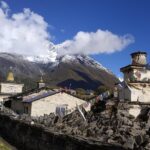
Kyanjin Gompa is the heart of this route. You’ll explore the area on Day 5, and it’s not just about resting. You get time to wander around the monastery and take in the village layout as it stacks against the slopes. The monastery atmosphere is quiet and grounded, and it feels like a place where people come to be part of the mountain, not just pass through it.
And then comes the stop that I’d bet you didn’t expect on a Himalayan trek: there’s an old Swiss cheese factory you can sample. It’s a memorable reminder that Nepal’s high regions have long histories of outside influence too, but expressed in local everyday ways.
Day 5 also sets up the rest of your trek. If you’re feeling strong, this is where you’ll likely plan your optional side hikes—especially if you want viewpoints like Langshisa Kharka or the big push to Kyanjin Ri.
The main tradeoff here is time. Kyanjin Gompa is a great base, but since this is an 8-day trek, you can’t linger forever. You’ll want to balance exploring with saving energy for the upcoming viewpoint day(s).
Optional view days: Kyanjin Ri and Tserko Ri
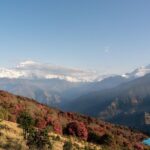
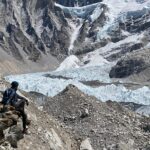
The big thrill is Kyanjin Ri (4,773m), where you can enjoy that sweeping 360-degree view of 21+ snow-capped peaks. This is the moment you’ll remember when you think about why you came in the first place. The air gets thinner, so you’ll feel the climb, but the view makes the effort make sense.
There’s also Tserko Ri (4,985m) as another optional day hike. That extra elevation means more strain, especially if the weather isn’t cooperating. The upside is a more dramatic “above it all” perspective if you’re willing to work for it.
If you’re not chasing maximum height, Langshisa Kharka is a good middle choice. It keeps the hike experience varied and can be easier to manage if you’re already carrying some fatigue from the earlier days.
Here’s the key to your enjoyment: choose based on energy, not ego. You don’t need to hit every summit option to have a satisfying trip.
Wildlife chances in Langtang National Park (and why timing matters)
Langtang National Park is where nature lovers pay attention. The park’s protected status supports wildlife, and you’ve got a chance to see animals such as the red panda, Himalian tahr, and Himalayan black bear. You should still treat wildlife sightings as unpredictable. But the environment is right for it, and that’s the difference.
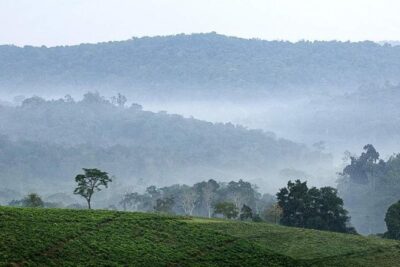
I like that the trek passes through forested zones, including pine, bamboo, and rhododendron. Those habitats increase the odds of interesting sightings and make the hike feel alive. Even when you don’t see animals, the vegetation shifts throughout the trek, so it doesn’t feel repetitive.
Timing matters too. Early starts and calm observation increase your chances. If you rush, you miss small signs like tracks, scat, or distant movement that signals something worth pausing for.
Also, keep your behavior low-key. Don’t chase, don’t crowd, and stay aware of your surroundings. The goal is to witness, not to interfere.
Food, comfort, and what the included gear really changes
This trek is set up with a “less hassle” approach. You’ll get local guest house accommodation during the trek, plus hygienic meals—breakfast, lunch, and dinner—on the mountain. That matters because food timing impacts your energy. Also, knowing meals are handled reduces the stress of guessing whether a stop will have what you need.
Kathmandu gets two nights in a 2–3 star hotel with breakfast included. After that, the mountain routine takes over. One small reality check: guest houses may charge extra for hot showers and electronic charging, and those are not included.
The gear package is a big value lever. You get a sleeping bag, down jacket, and crampons, plus a first aid kit and a trek map. That’s not just “nice to have.” It can be the difference between bringing the right gear and buying it last minute.
You should still plan thoughtfully:
- Pack layers because mornings and nights can feel colder even when daytime is tolerable.
- Expect dry conditions at altitude, so plan for skin and lips.
- Keep electronics protected. Even when charging is available, access isn’t guaranteed every night.
Fitness and altitude: who this trek fits best
This is rated for moderate physical fitness. That’s honest, because the trek includes altitude steps that can be tough if you start out too fast. You’re trekking from about 1,420 meters up to around 3,870 meters by Day 4, then you have optional hikes that go much higher.
How hard it feels depends on your pacing and your ability to keep effort steady. Some days are shorter (like the 4-hour climb to Kyanjin Gompa), but the air can make a shorter hike feel hard anyway.
If you’re coming from a background of regular walking or hiking, you’ll likely find the schedule manageable. If you’re returning to activity after a long break, do a fitness ramp-up before you go. Even a few weeks of stair or incline walking can pay off.
One more factor: weather. The experience requires good weather, and plans depend on it. That doesn’t mean you’ll lose the trip, but it does mean you should expect the mountain to set the terms.
Price and value: is $775.36 a fair deal?
At $775.36 per person, the value depends on what you’d otherwise pay to assemble your own trek. This price includes a lot of the “big ticket” pieces: transport in and out of Tribhuvan Airport, Kathmandu hotel nights with breakfast, all trek transportation, guest house stays, and government-authorized guide and porter support with insurance.
It also includes meals on the trek plus equipment like the sleeping bag, down jacket, and crampons. For many independent trekkers, those are exactly the items that cost time and money to source correctly.
You’re also getting small things that add up: a trek map, first aid support, service charges, and taxes. Then there’s the end-of-trek bonus: a post-trek celebration dinner back in Kathmandu, which is a nice human finish after days of trail life.
What’s not included is also clear: international airfare, meals in Kathmandu besides breakfast, shower/electronic charging fees during the trek, alcohol and other small indulgences, and tips for guide and porter.
So yes, the price looks fair if you want a guided, gear-supported trek without spending weeks coordinating details. If you already own the right cold-weather gear and you’re comfortable hiring everything yourself, you could reduce cost. But if you want less hassle, this package is built for that.
Should you book this Langtang Valley trek or not?
Book it if you want a Himalayan trek that’s short enough for a fast trip but still delivers real altitude, Tamang culture, and a top-end viewpoint day at Kyanjin Ri. It’s also a smart choice if you like the idea of trekking inside a protected area where wildlife is part of the story, not just a marketing line.
Skip it or think twice if you’re sensitive to altitude or you know you’ll struggle with steady uphill days. The 8-day format is great for time, but it doesn’t give you weeks to slowly acclimate. Also, if you’re expecting everything to be “easy comfort,” remember that shower and charging fees at guest houses are not included.
If you’re the kind of traveler who likes walking through living communities, taking in monastery moments, and then ending with a sky-wide panorama, this is a strong fit.
FAQ
Where does the trek start and end?
The trek starts at the meeting point with Breeze Adventure Pvt. Ltd in Thamel, Kathmandu, and it ends back at the same meeting point.
How long is the Langtang Valley Trek?
It’s listed as an 8-day trek (approx.).
What is the trekking route like on the main days?
The route includes a drive from Kathmandu to Syabrubesi, then trekking from Syabrubesi to Lama Hotel, Lama Hotel to Langtang village, Langtang village to Kyanjin Gompa, an exploration day around Langtang Valley, and then the return trek via Lama Hotel to Syabrubesi through Sherpa Gaon, followed by the drive back to Kathmandu.
How fit do I need to be?
The tour recommends moderate physical fitness.
What’s included in the price?
Included items cover transportation to and from Tribhuvan Airport, two nights in a Kathmandu hotel with breakfast, all trek transportation, guest house accommodation during the trek, government-authorized guide and porters, insurance and wages for guides/porters, meals on the trek, first aid kit, trek map, and trekking equipment such as a sleeping bag, down jacket, and crampons.
What isn’t included?
International airfare, meals in Kathmandu other than breakfast, personal expenses, shopping, shower and electronic charging fees at guest houses, and items like alcoholic drinks, chocolates, tea and coffee are not included. Tips for the guide and porter are also not included.
How high do you go?
You reach Kyanjin Gompa at about 3,870 meters, and Kyanjin Ri is listed at 4,773 meters. There is also an optional Tserko Ri hike at 4,985 meters.
How many travelers are in a group?
The tour has a maximum of 10 travelers.
What happens if weather is bad?
The experience requires good weather. If it’s canceled due to poor weather, you’ll be offered a different date or a full refund.
Is free cancellation available?
Yes. Free cancellation is available up to 24 hours in advance for a full refund. Canceling less than 24 hours before the start time won’t be refunded.