REVIEW · POKHARA
From Pokhara: Australian Camp & Dhampus 1, or 2-Day Trek
Book on GetYourGuide →Operated by Cordial Trek Pvt. Ltd. · Bookable on GetYourGuide
Two days, one big view of the Annapurnas. From Pokhara, this 1–2 day trek sends you to Australian Camp and down through Dhampus with real village life in between, not just a viewpoint and back again.
I like two things most. First, the payoff is fast: a moderate climb to 2,060 m gets you those wide 180° panoramas. Second, you’re walking through Gurung villages with slate-roof houses, terraces, and local stories—so it feels like a living route, not a scenic set.
One thing to plan for: sunrise and sunset depend on the weather. If clouds roll in, you might still enjoy the trek, but the big light-show moments can get muted.
In This Review
- Key things I’d prioritize on this trek
- Why this Dhampus + Australian Camp trek fits when you’re short on time
- The route basics: where you’ll hike (Kande, Phedi, Dhampus, Pothana)
- The 1-Day Express: the fast climb, viewpoint lunch, village tea
- The 2-Day Overnight: lodge sleep, sunset, then an early sunrise run
- Australian Camp’s 180° panoramas: what to look for on a clear day
- Dhampus and Pothana: why the village stops are part of the value
- Food and comfort: included meals, basic rooms, and what to expect at altitude
- Guides, pacing, and why this is friendly for beginners
- Transport and timing: why the drives matter
- What to bring (and what you can borrow) for Australian Camp
- Value check: what you’re really paying for (and why it’s fair for this time window)
- Should you book the Australian Camp & Dhampus 1–2 day trek?
- FAQ
- How long is the trek?
- Where does the trek start in each option?
- How high do you reach?
- What do you do during the 1-day express?
- What’s different about the 2-day overnight trek?
- Are meals included?
- Is a guide provided?
- What accommodation is included for the overnight option?
- What trekking gear can I borrow?
- What should I bring, and what is not allowed?
- Is free cancellation available?
Key things I’d prioritize on this trek
- Australian Camp’s 180° views: Annapurna South, Hiunchuli, and Machhapuchhre (Fishtail) on a clear day
- Two pacing options: a 1-day express run or a 2-day overnight with lodge time
- Gurung villages you actually pass through: Dhampus (with terraced fields) and Pothana for tea
- Moderate effort, high visual reward: you get “trekking energy” without committing to weeks
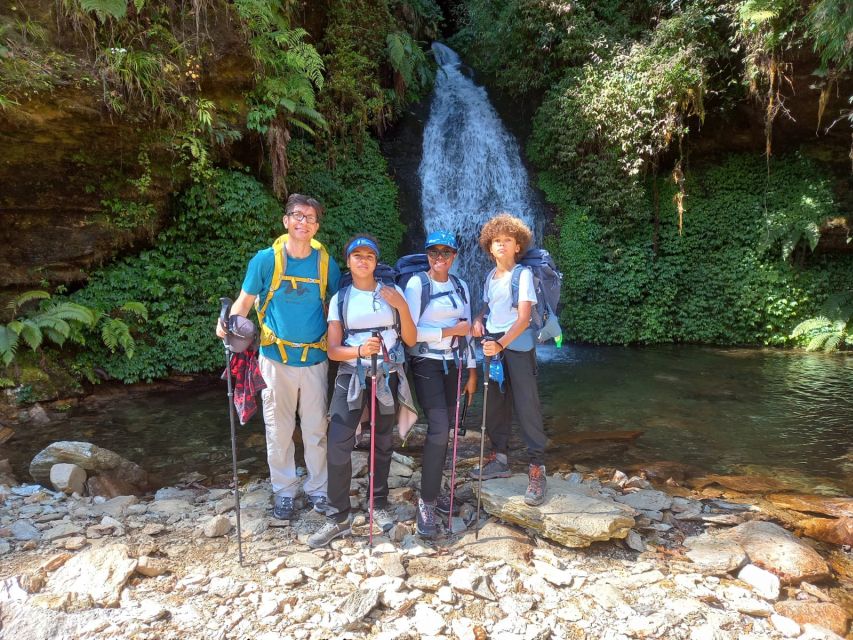
- Guides matter: English-speaking guides have shown strong service and photo help on this route (names like Mr Raju, Prakash, and Pratip come up)
Why this Dhampus + Australian Camp trek fits when you’re short on time
Pokhara is great, but it’s not exactly quiet mountain country. This trek is a fast trade: you drive out, walk up to a viewpoint plateau, then come back through hillside villages.
The big draw is the effort-to-view ratio. You’re not chasing Everest-style acclimatization schedules. Instead, you get a serious Annapurna-ridge perspective with a climb that’s described as moderate (think steady uphill time, not technical climbing). If your goal is to see the Annapurnas without turning your vacation into a multi-week project, this one works.
The second reason I like this itinerary is that it isn’t only about views. You’re trekking through authentic Gurung settlements, where your path runs past daily life—farming, terraced slopes, and simple homes. That adds texture to the photos. You’re not just standing still, waiting for cloud gaps.
You can also read our reviews of more tours and experiences in Pokhara.
The route basics: where you’ll hike (Kande, Phedi, Dhampus, Pothana)
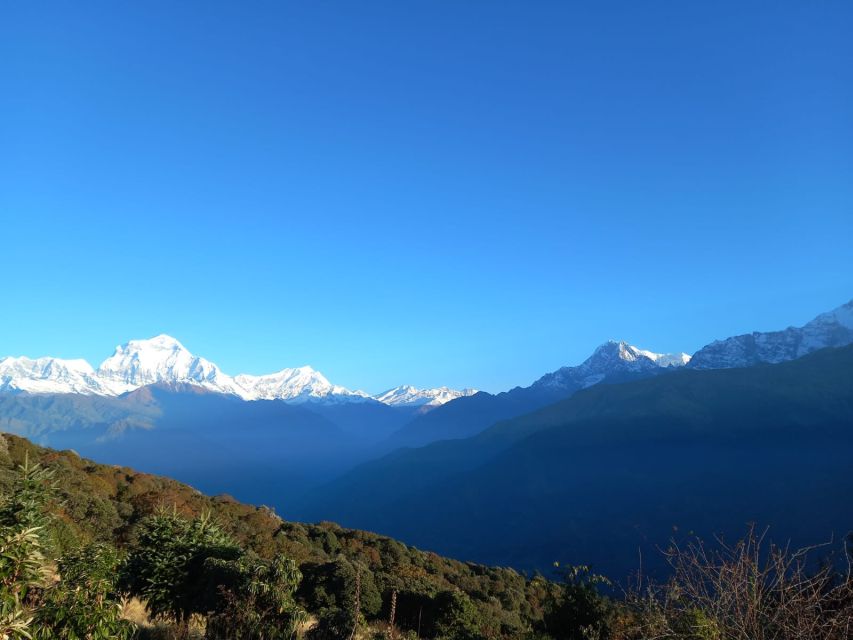
Even for a short trek, it helps to picture the places you’ll touch.
- Kande: Often the starting point for the quick 1-day option. From here, the climb goes up toward Australian Camp.
- Phedi: Used as the start point for the 2-day option. It’s the access point that sets you up for an overnight.
- Dhampus Village: A traditional Gurung stop on the way up or down. Expect terraced fields and slate-roofed houses.
- Pothana Village: A smaller village feel, with a warm tea stop included on the 1-day express.
- Australian Camp (2,060 m): The viewpoint plateau. This is where you look across a big arc of the Annapurna region.
Time-wise, you’re looking at roughly a 2-hour uphill climb to Australian Camp and a gentle descent on return day(s) for the express route. The overnight route is more spread out: you hike up day one, spend a night near the camp area, then go down early on day two.
This structure matters because it keeps the trek from feeling like constant marching. You get actual time for photos and slow sightseeing at altitude.
The 1-Day Express: the fast climb, viewpoint lunch, village tea
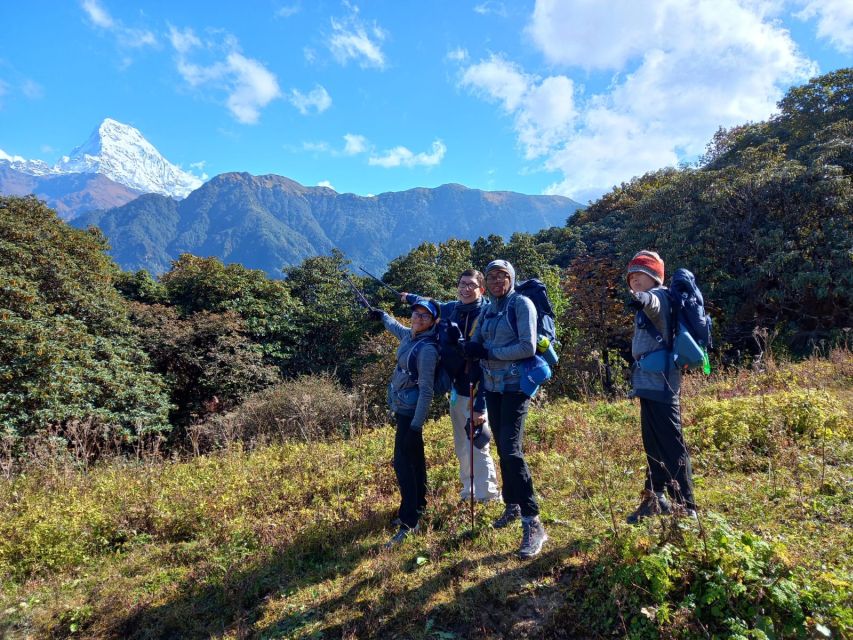
If you only have one day, this is a smart way to “buy” the mountain feeling without losing too much of your Pokhara time.
Here’s how it typically plays:
Morning drive + quick start
- Pickup from your Pokhara hotel in the morning, then a drive to Kande, the trek starting point.
- After you begin, you’ll start with a moderate climb through forest trails. The plan calls out about 2 hours of uphill hiking.
Australian Camp lunch with the big views
- You reach Australian Camp around late morning (timing varies with pace).
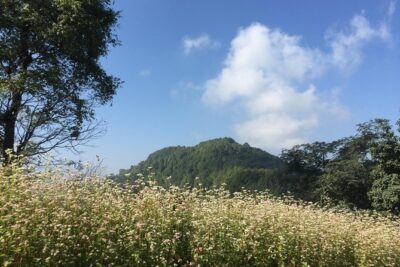
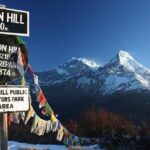
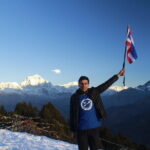
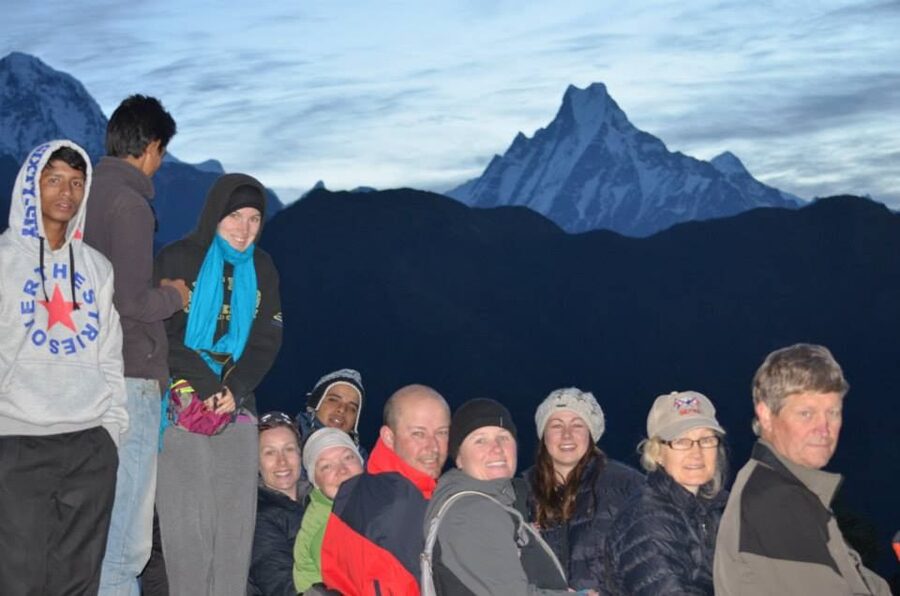
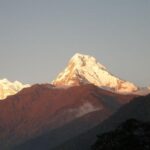
- This is the main moment: the plateau is described as offering 180° Himalayan panoramas—Annapurna South, Hiunchuli, and Machhapuchhre (Fishtail).
- You’ll have lunch with the views. That’s a real advantage. You’re not just passing through on the way to somewhere else; you’re sitting down at the best window.
Down through Dhampus, then tea at Pothana
- After lunch, you descend to Dhampus Village, a classic Gurung stop with terraced farming and traditional homes.
- On the express itinerary, you also stop for warm Himalayan tea in Pothana Village before heading back down to Phedi and driving to Pokhara.
Why I like the express format
One-day treks can feel rushed. This one still keeps a rhythm: morning climb, midday plateau time, afternoon village walking. You end late afternoon, so you keep your evening plans flexible.
Watch-outs for the express day
This is still a full day out and back. If you dislike early starts or if your legs aren’t used to uphill walking, you’ll want good shoes and a steady pace from the first hour.
The 2-Day Overnight: lodge sleep, sunset, then an early sunrise run
The two-day version is for people who want the mountain to feel like more than a photo stop. You’re trading a few hours of extra driving/slow time for a real camp-night experience.
Day 1: up to Australian Camp + sunset light
- Pickup from your hotel in Pokhara, then a drive to Phedi (starting point).
- You’ll trek up via Dhampus Village, taking your time through the forest and village life.
- You reach Australian Camp (2,060 m), ideally with enough daylight to enjoy the sunset over the Annapurna range.
- Then you stay overnight in a mountain lodge under the stars (as described).
Day 2: early sunrise viewing + slow descent
- You wake early for sunrise.
- After sunrise time, you descend back toward Kande.
- Then you drive back to Pokhara and drop off at your hotel.
This is where the trek becomes a little more emotional. Sunrise and sunset are the classic reasons people do short Annapurna-view hikes—yet they depend on cloud cover. One of the practical realities: you may not always get the cleanest light. Even so, the morning routine and early walking often give you a calm, quiet feeling that you don’t get on the express day.
What about the lodge experience?
Accommodation is included, and for the overnight option it’s described as a guest house stay with a private bathroom. Mountain basics can still be basic. In one experience shared for this route, the room was very simple and didn’t include items like toilet paper or towels, though it was still considered totally workable. With lodge stays, I treat the word basic as a heads-up, not a dealbreaker.
Australian Camp’s 180° panoramas: what to look for on a clear day
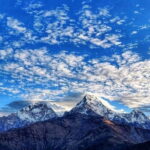
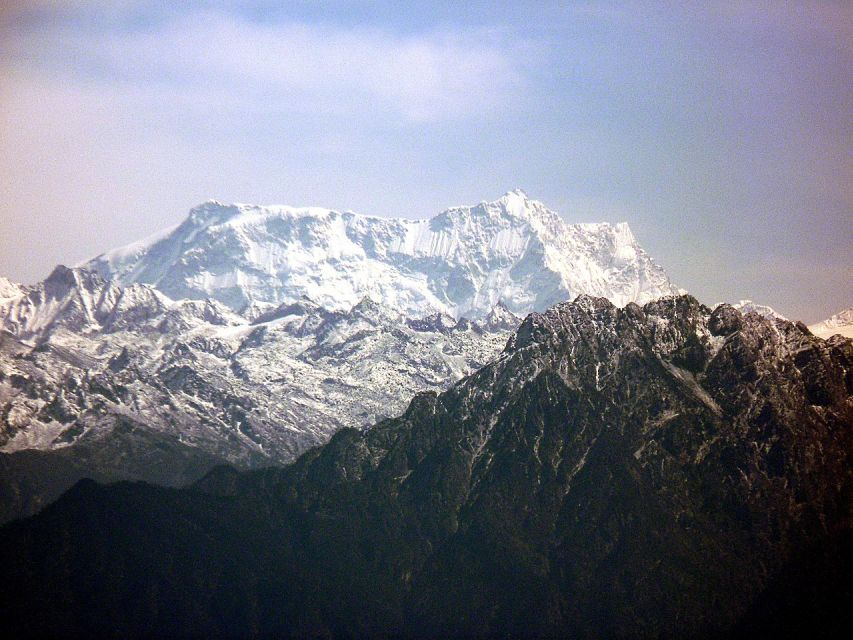
Australian Camp is all about the wide view. From the plateau, you’re looking for a famous set of Annapurna characters:
- Annapurna South: a major peak in the ridge view
- Hiunchuli: another sharp, recognizable summit in many photos
- Machhapuchhre (Fishtail): the iconic hooked peak that people come to see
When the sky cooperates, these peaks feel layered—like the range stretches behind itself. When it doesn’t, you’ll still get a sense of altitude and direction, just with less crisp detail.
My practical photography tip:
Plan your photo angles before you settle. If you wait until you’re cold and tired, you’ll miss the best moments. On these short plateaus, the light changes fast. Also, keep your camera ready during transitions—some of the best glimpses happen while you’re still walking through the viewpoint area, not only when you sit down.
Dhampus and Pothana: why the village stops are part of the value
This is one of the parts that makes the trek feel real.
Dhampus Village is described as a traditional Gurung settlement with terraced fields and slate-roofed houses. That matters because you’re not just walking in a forest corridor. You’re moving through a community environment.
In the same spirit, Pothana Village is included as a tea stop (especially on the 1-day express). Tea might sound simple, but it’s often the moment you slow down. You’re warming your hands and letting the view settle in.
Gurung culture you’ll notice on the trail
The route is designed around living culture—daily farming, local stories, and the sense that this isn’t a road built only for tourists. One shared detail connected to this trek route is mention of Gurkha soldier stories passed in local talk. You won’t always get a lecture on command history, but you may hear personal references that make the region feel closer.
How to make these village moments respectful and easy
- Walk steadily and quietly through homes and fields
- Ask your guide how to behave when you reach close-by houses
- Don’t treat everyone like a prop for photos
Food and comfort: included meals, basic rooms, and what to expect at altitude
This trek is structured around full-board meals, which is a big deal for a short itinerary. You don’t have to solve food logistics while you’re already managing altitude, timing, and fatigue.
For the 2-day overnight option, the meal plan includes:
- 1 breakfast
- 2 lunches
- 1 dinner
For the 1-day express option, you get:
- one lunch
Drinks beyond the included items are not included, and you should expect that hot/cold/alcoholic drinks can cost extra.
Mountain basics, realistically
A lodge stay at altitude can mean simple rooms and simple supplies. One shared note from this route mentioned a very plain room setup and lack of certain convenience items like toilet paper or towels. That’s not guaranteed for every lodge night, but it’s a useful reminder: pack light, but don’t assume perfect amenities.
What I’d do to avoid stress
Bring your own small comfort items. It’s not glamour travel, and that’s the point. If you’re prepared for basic, you’ll enjoy the experience more.
Guides, pacing, and why this is friendly for beginners
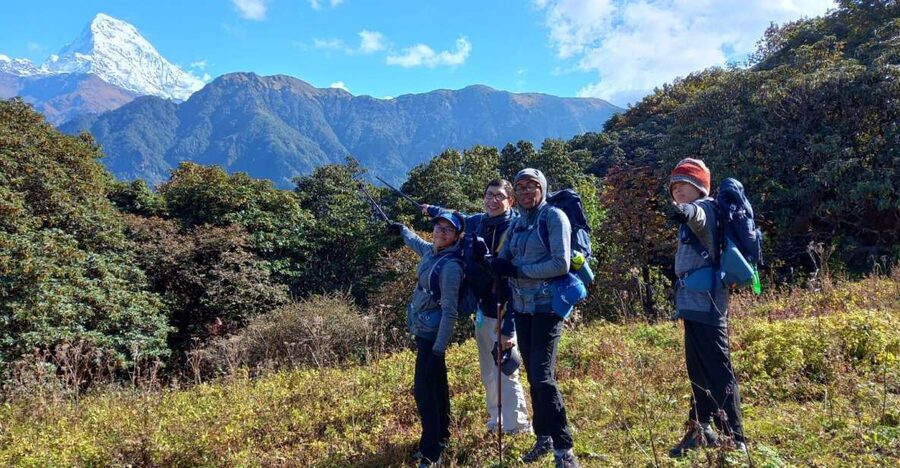
This route runs as a private group with an English-speaking trekking guide. That’s a practical advantage on a short trek: you’ll get answers quickly, pace guidance, and help with photo timing.
In feedback tied to this kind of Australian Camp trek, guides such as Mr Raju, Prakash, and Pratip are specifically praised for service, knowledge, and supportive energy—especially helpful if you aren’t naturally motivated to hike. That lines up with the route design: it’s not meant to crush you.
Pace and effort
The climb is described as moderate, and the uphill segment is about 2 hours for the express option. For most first-time hikers, that’s doable with a calm rhythm. Your legs will feel it, but it doesn’t require technical skill.
Who tends to enjoy this most
- People who want Annapurna views without a long commitment
- Families and mixed-age groups who can handle short uphill segments
- Photographers who want sunset and sunrise timing without a huge expedition feel
- Anyone who prefers village culture over a purely remote path
Transport and timing: why the drives matter
This trip is heavy on the “in and out” convenience. You get:
- Hotel pickup and drop-off
- Private vehicle transfers
- A drive to the trek starting points (Kande for the express route, Phedi for the overnight route)
This reduces the usual Nepal hassle of figuring out local transport on tight schedules. If you hate spending your first day in logistics, this style of trek is worth it.
Also, you’ll get help with paperwork and permits. That’s important in Nepal because the trekking effort is only half the job. Paperwork should not become the time sink.
One small detail to be ready for: pickup timing is set, and you’re asked to wait in the lobby or at your apartment entrance about five minutes before pickup. That’s not touristy minutiae; it helps the day run on time, especially when you’re chasing daylight.
What to bring (and what you can borrow) for Australian Camp
The list is short, which is good. You’ll want:
- Passport (for paperwork)
- Hiking shoes (real traction matters on descents)
- Camera (because the view is the whole reason you came)
Packing strategy: keep it small. Oversize luggage isn’t allowed.
You can also borrow key equipment:
- a down jacket
- trekking poles
- a sleeping bag
If you’re using a porter add-on option, the plan mentions a duffel bag for that setup. A porter isn’t included by default, but it’s available as an add-on.
Water and health
Water purification tablets are provided as required. Still, drink steadily, especially during the climb and on the early morning day-two trek.
Also note what not to bring
Alcohol and drugs aren’t allowed.
Value check: what you’re really paying for (and why it’s fair for this time window)
Since no price is listed here, I’ll judge value the way you should: what’s included that would otherwise steal your time.
This package covers the stuff that usually costs both money and mental energy:
- guide support (English)
- private transfers to/from the trailheads
- trekking permits/paperwork
- all meals for the trek days (lunch at minimum; full-board for overnight)
- one-night accommodation in the mountain lodge for the 2-day option
- trekking equipment borrowing (down jacket, poles, sleeping bag)
For a short Annapurna-view experience, the big value is that you don’t have to build the day yourself. You also don’t have to negotiate basic services at altitude. You get a plan with timing built around daylight—especially important if you choose the overnight route for sunrise and sunset.
If your priority is a relaxed, well-run mountain day with minimal fuss, this checks the box.
Should you book the Australian Camp & Dhampus 1–2 day trek?
Yes, if you want a real Annapurna taste from Pokhara without a long trek commitment. The combination of fast viewpoint payoff and village walking is the winning mix. If you’re a first-time hiker, the moderate climb and supportive guide help you focus on the experience instead of survival mode.
I’d think twice if you’re fragile about weather-dependent moments. The sunrise/sunset promises are part of the appeal, but clouds can happen. If you need guaranteed clear skies, no short trek can promise that.
My recommendation:
- Choose 1-day express if you want the best views with minimal time away.
- Choose 2-day overnight if you can handle basic mountain comfort and you want the full rhythm of sunset plus a morning start.
If that sounds like your style, book it and take the views seriously—you’ll earn them with every step up.
FAQ
How long is the trek?
You can choose a 1-day express option (about 7 hours total) or a 2-day option with an overnight stay.
Where does the trek start in each option?
The 1-day express starts at Kande. The 2-day option starts at Phedi.
How high do you reach?
You reach Australian Camp at about 2,060 m.
What do you do during the 1-day express?
You drive from Pokhara to Kande, hike about 2 hours to Australian Camp for views and lunch, descend through Dhampus, stop for warm tea at Pothana, then return to Phedi and drive back to Pokhara.
What’s different about the 2-day overnight trek?
You hike up to Australian Camp on day 1, enjoy sunset, and stay overnight in a mountain lodge. Day 2 starts early for sunrise, then you descend back to Kande and return to Pokhara.
Are meals included?
Yes. The 1-day option includes lunch. The 2-day option includes breakfast, two lunches, and dinner.
Is a guide provided?
Yes, you’ll have an English-speaking trekking guide.
What accommodation is included for the overnight option?
You’ll get a 1-night stay in a guest house with a private bathroom (for the 2-day option).
What trekking gear can I borrow?
You can borrow a down jacket, trekking poles, and a sleeping bag.
What should I bring, and what is not allowed?
Bring your passport, camera, and hiking shoes. Oversize luggage is not allowed, and alcohol and drugs are not allowed.
Is free cancellation available?
Yes. You can cancel up to 24 hours in advance for a full refund.