REVIEW · HANOI
From Hanoi: 2-Day Sapa-Fansipan Peak & Trek & Ha Giang Bus
Book on GetYourGuide →Operated by CÔNG TY TNHH KỲ NGHỈ NINH BÌNH · Bookable on GetYourGuide
Sapa feels worlds away, in just two days. This small-group trip takes you from Hanoi to Sapa by sleeper bus, includes a village trek through Lao Chai and Ta Van, and ends with a Fansipan Peak climb after a cable car ride. I love two things most: meeting local families in the mountain villages and walking the rice-terrace paths with a real sense of daily life, not just photos. I also like the trip’s pacing, where the logistics are handled for you and you can focus on the scenery and the people. One catch: the big attraction, Fansipan, requires an extra cable car ticket, and fog can seriously dull the views on misty days.
Day 1 is about the mountains. Day 2 is about going up. Either way, you’ll come away with that Sapa feeling: cool air, steep steps, and people who live close to the rhythms of the land. There’s also an option to continue on to Ha Giang from Sapa.
In This Review
- Key Things You’ll Notice on This Hanoi–Sapa–Fansipan Tour
- First, The Logistics: Overnight Bus, Meet Point, and a Real Sense of Schedule
- Day 1 in Sapa: Lao Chai and Ta Van Village Time That Feels Human
- About that “local life” factor
- Trekking Practicalities: Rice Terraces, Mud, and Footwear That Actually Works
- Day 2 on Fansipan Peak: Cable Car First, Then the 600 Steps
- What the climb delivers
- Sapa Time: Free Hours, Hotel Base, and Meals That Help You Recover
- Ha Giang Option From Sapa: Two Bus Times, Extra Fees, and a Clean Switch
- Price and Value: Why $70 Can Be a Deal (and What Adds Up)
- Who This Tour Fits Best (and Who Might Struggle)
- Should You Book This Hanoi–Sapa–Fansipan–Trek Tour?
- FAQ
- What time does the tour leave Hanoi?
- What’s included in the price?
- How much is the Fansipan cable car ticket?
- Is there a guide on Day 2?
- Can I continue from Sapa to Ha Giang after the tour?
- What should I bring for Sapa weather and trekking?
Key Things You’ll Notice on This Hanoi–Sapa–Fansipan Tour
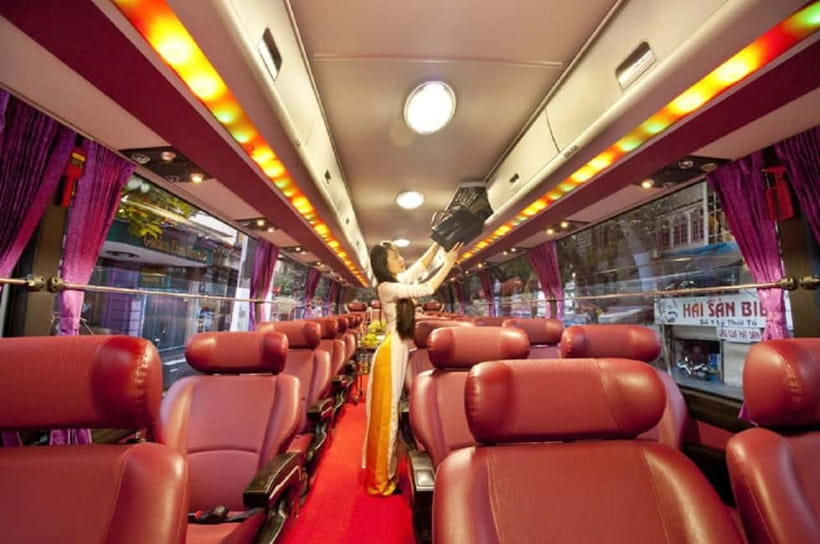
- Overnight sleeper bus with real comfort touches, including cabins with privacy curtains and USB power on many buses
- A guided village trek to Lao Chai and Ta Van, with entrance included and time to learn how families live
- Muong Hoa Stream and rice terraces for walking days that feel like more than a “walk-and-go” stop
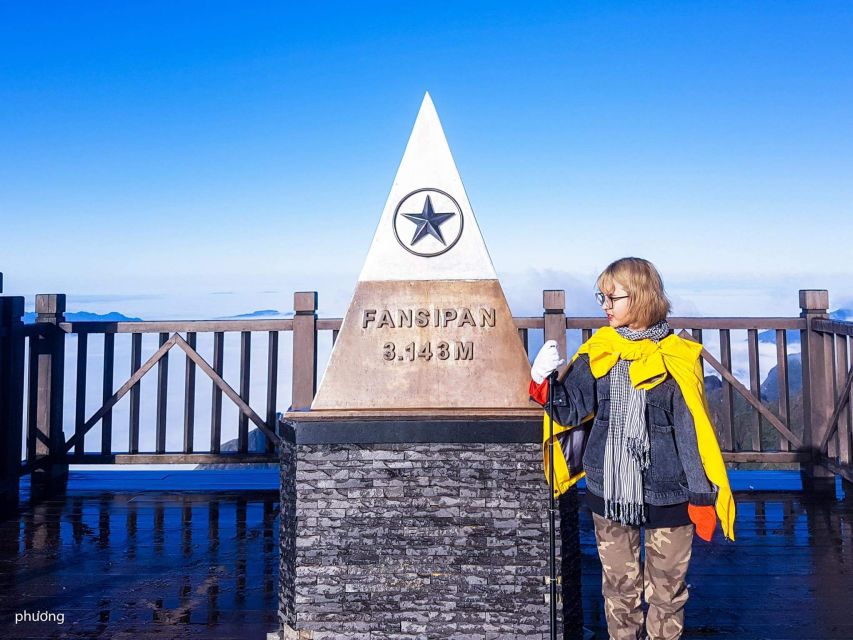
- Fansipan by cable car plus 600 steps, including visits to the pagoda area on the way up
- Fog is common in Sapa, so I plan the trip for the experience, not perfect “postcard” visibility
First, The Logistics: Overnight Bus, Meet Point, and a Real Sense of Schedule
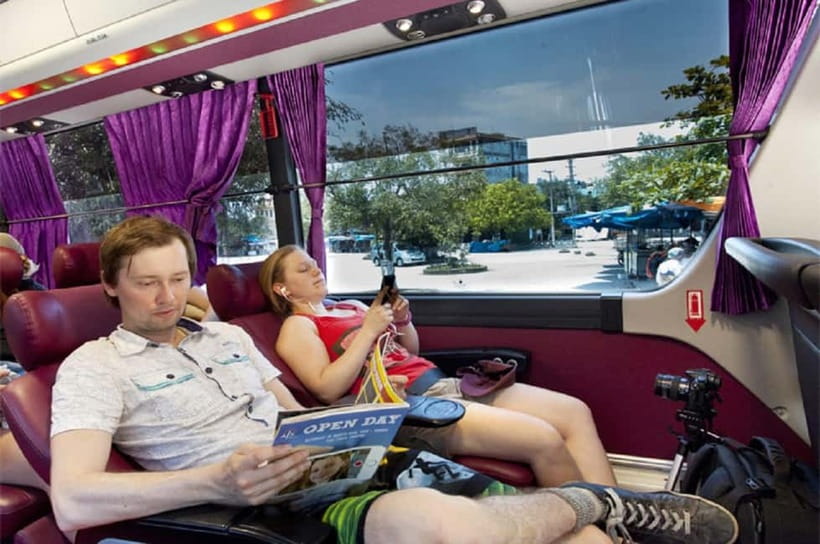
This tour runs on a tight 2-day structure, and the first smart choice is the overnight travel. You leave Hanoi early in the morning, then your body gets the “start to Sapa” momentum without losing the entire day on the road.
You’ll meet at 160 Tran Quang Khai Street (the exact meet point can vary depending on the option you book). Departure is listed for 6:15 AM, and you board a sleeper bus heading toward Sapa. Along the way, the bus makes short breaks in Phu Tho Province and Lao Cai city for light breakfast or coffee before you reach Sapa town.
Why that matters: in Vietnam, road time can shrink your energy fast. This itinerary uses that time for sleep and comfort, so by the time you arrive in Sapa you can actually enjoy the village trek instead of just surviving it.
The bus portion is also set up for small-group traveling, with a limit of 15 participants. That makes the trip feel easier to manage, especially on a trekking day where groups that are too big can turn into traffic on narrow paths.
You can also read our reviews of more tours and experiences in Hanoi.

Day 1 in Sapa: Lao Chai and Ta Van Village Time That Feels Human
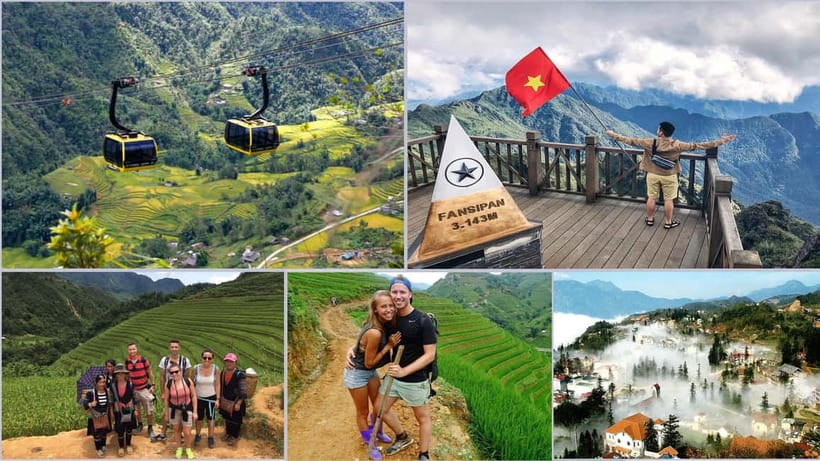
Day 1 is the “meet the mountainspeople” part of the trip. After you arrive in Sapa town, a representative greets you and you head into the local food and village rhythm.
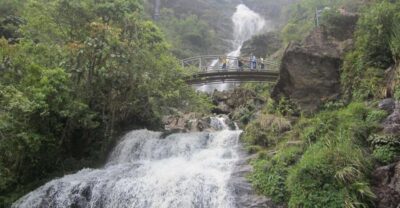
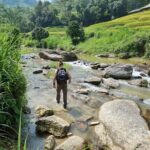
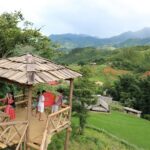
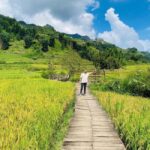
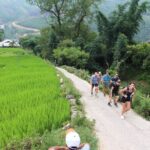
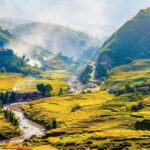
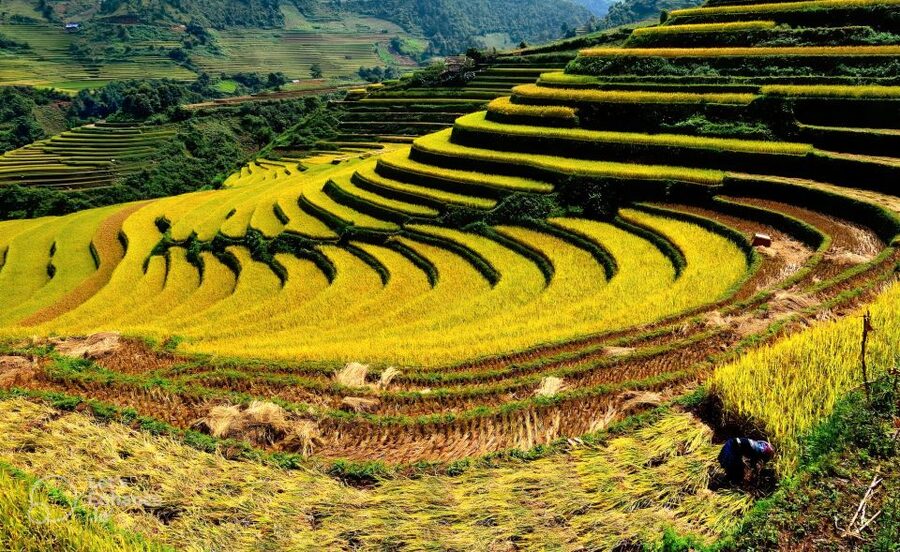
Lunch is included and focuses on Vietnamese dishes, then you transition into the trek. You’ll walk through rice terraces and follow the Muong Hoa Stream corridor, which helps break up the hiking into something scenic and varied rather than one long line of uphill.
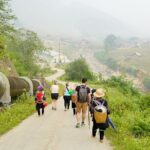
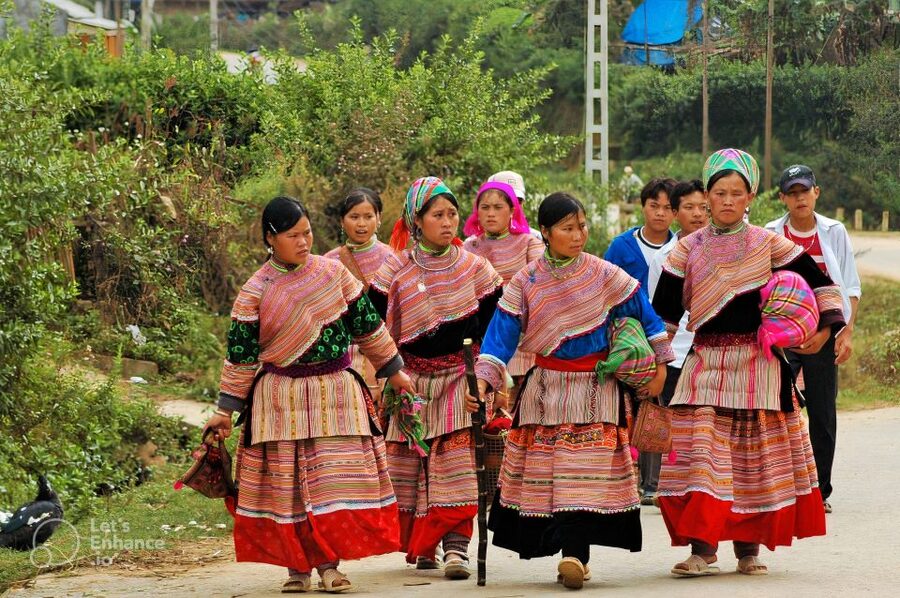
The trek ends up in the Lao Chai area, described as a Black Hmong village, surrounded by the Hoang Lien Son Mountain range. Then you explore further toward Ta Van as part of the village visit. Entrance tickets for Lao Chai–Ta Van are included, so you’re not waiting around to sort out access fees mid-day.
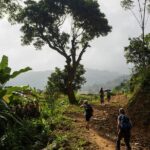
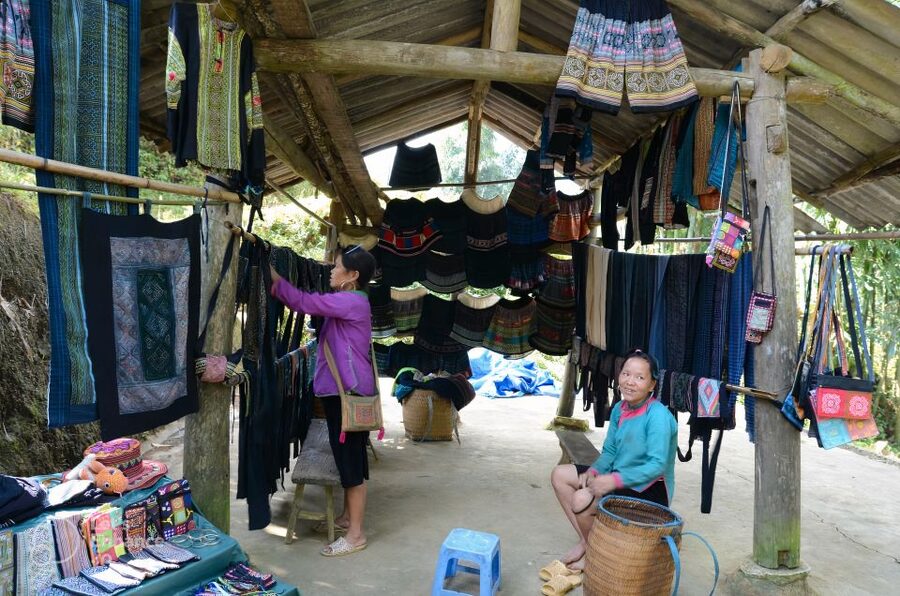
This is the part I like most for people who care about culture beyond surface-level photo stops. You’re not just seeing a village; you’re walking with a local guide and spending time in the village spaces where daily life happens. Even small moments—watching how families move through the terrain—change how the region feels.
About that “local life” factor
The tour is built around a local guide and the village visit. On the ground, you may also find extra help and guidance from people connected to the villages, which can make routes feel safer and easier to follow—especially if conditions are wet.
Trekking Practicalities: Rice Terraces, Mud, and Footwear That Actually Works
The itinerary includes trekking time along terraces and stream paths. That sounds simple until you’re standing on mountain soil after rain.
Bring comfortable shoes is the baseline advice, but I’ll be blunt: this trek can get muddy, and normal sneakers can become slick. In the rainy season, paths can turn into a slip-and-slide. If you’re booking in wetter months or you don’t know the weather in advance, plan for hiking boots rather than casual runners.
Also pack layers. Sapa weather changes fast, and altitude keeps things cool. The tour recommends warm clothes, plus a scarf and hat. If fog rolls in, the air can feel colder than you expect.
A few extra items are listed for a reason: sunglasses, sun cream, and insect repellent. Even when it’s cool, sun can still bite at elevation, and insects can show up once you’re on the lower, greener trail edges.
Why this trekking section is worth taking seriously: this tour has a “choose your comfort” moment built in. Your guide can lead you well, but you still need traction. Trekking is often where good trips become great trips—because you’re physically present in the terrain, not hovering at the edge of it.
Day 2 on Fansipan Peak: Cable Car First, Then the 600 Steps
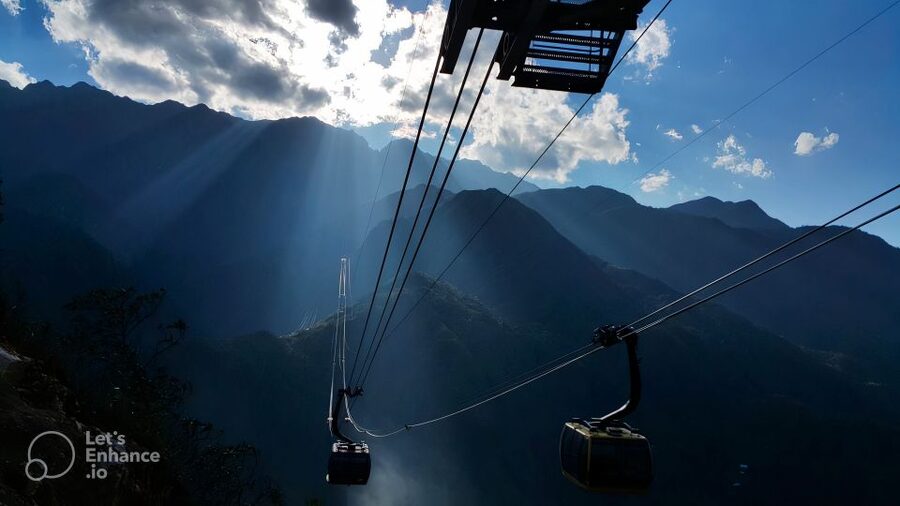
Day 2 shifts from walking to climbing. After breakfast, you get a transfer to the Fansipan cable car station. Your guide or driver helps you get your cable car ticket, but the ticket price is not included.
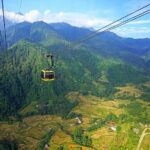
Here’s the key number: the Fansipan cable car round-trip ticket costs 850,000 VND per person, paid at your own expense. Cable car time is listed at about 20 minutes each way.
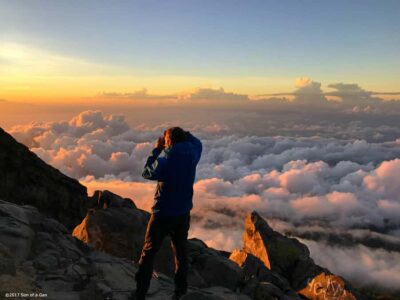
Once you ride up, expect a changing mix of misty views and sacred spaces. The itinerary includes time to admire the scenery, visit the pagoda, and then climb the 600 steps to the peak.

What the climb delivers
Fansipan is known as the Roof of Indochina, and the experience isn’t only about skyline photos. Even in thick fog, the route still gives you a sense of being at the top of the region. There’s also a stop connected to a large Buddha statue area mentioned as part of the Fansipan experience—worth treating as a “moment” rather than a checkbox.
Also note: the tour info says there’s no guide on the second day, only a driver. That doesn’t mean you’re on your own for everything, but it does mean the “talking and translating” side is lighter after you reach the cable car area.
After you finish the peak and steps, you return to Sapa and have lunch at the hotel. Then you typically get time to breathe and explore around town before heading back.
Sapa Time: Free Hours, Hotel Base, and Meals That Help You Recover
Sapa on this schedule is not “a week.” It’s a short stop designed to make the mountain time possible. You still get time to roam, especially on Day 2 after lunch and before the bus back to Hanoi.
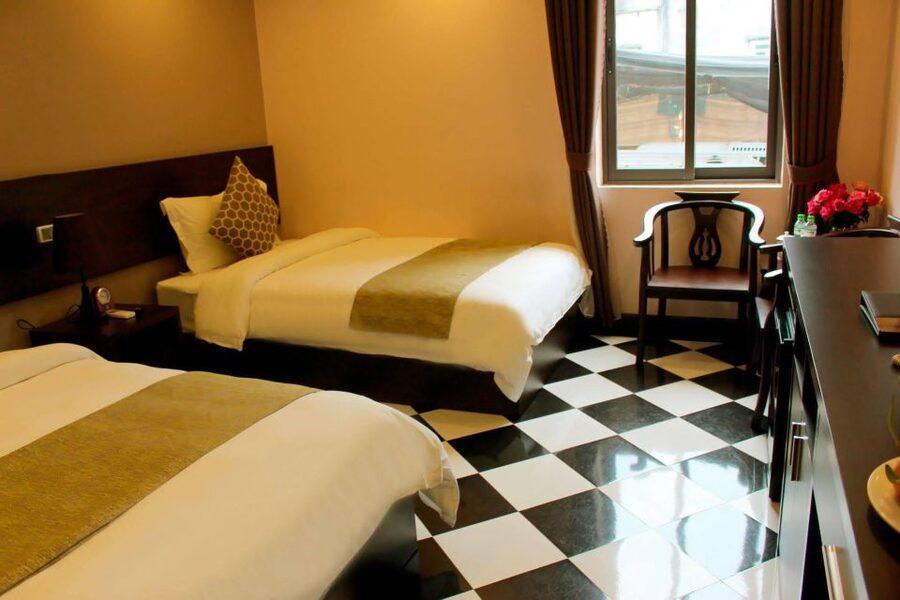
Your hotel is included for one night. The trip is listed as a 3-star hotel, and one clear practical caution comes up: this is not a luxury resort experience. Some people find the property not as high-end as they expected, with breakfast quality sometimes less than what they hoped for. So set your expectations like a backpacker with a warm drink mindset: clean bed, convenient base, and meals that do the job.
Food-wise, the itinerary includes breakfast and lunch on Day 2, plus lunch and dinner on Day 1. You’ll also have beverages not included, so budget for that separately.
One helpful detail from real-world experience: the team can work with vegetarian or pescetarian diets when arranged. If that matters to you, I’d confirm it clearly before you go so your meals land where you need them.
Ha Giang Option From Sapa: Two Bus Times, Extra Fees, and a Clean Switch
This tour can end in Hanoi, or you can continue directly to Ha Giang. If you want Ha Giang, the timing is built in with two departure options from Sapa:
- 14:30 pickup by a limousine bus (18 seats), picking you up at the May hotel
- 19:00 / 19:30 (listed as 19:30) pickup by a sleeper bus (40 seats) at its meeting point
You need to pay an extra fee for these buses, and you’re told to contact the travel consultant for details.
Practical takeaway: only choose the Ha Giang continuation if you’re comfortable changing pace right after the Sapa and Fansipan day. You’re already spending Day 2 on the mountain, then you’d turn around and drive again for about 6 hours.
If you want Ha Giang but prefer a calmer experience, consider whether you’d rather end in Hanoi or rest more in Sapa first. The schedule here is active by design.
Price and Value: Why $70 Can Be a Deal (and What Adds Up)
The price is listed as $70 per person for the 2-day experience. That price is attractive because it bundles the parts that cost time and coordination: Hanoi–Sapa sleeper bus, 1-night accommodation, transfers, a local guide on the Day 1 trekking portion, and included meals.
What you should mentally account for as extra costs:
- The Fansipan cable car ticket at 850,000 VND per person (round trip)
- Beverages (not included)
- Any holiday surcharge where applicable: listed as 700,000 VND per person, and also expressed as about 25 USD per person
- Travel insurance is not included
On top of that, the tour info calls out a cash reality: bring cash in Vietnamese Dong, since banking can be unreliable in Sapa. U.S. dollars, euros, and Australian dollars are accepted in Sapa, which can make the cash plan easier, but still bring enough to avoid last-minute trouble.
So is it good value? For most people, yes—because you’re not just buying sightseeing. You’re buying organization plus access: hotel + transport + meals + village guide + entry into the Lao Chai–Ta Van area. The only large “surprise” expense is the cable car ticket.
Who This Tour Fits Best (and Who Might Struggle)

This trip is a strong fit if you want a tight, efficient introduction to Northern Vietnam mountains. It works especially well for:
- People who like a mix of culture + active walking + a big viewpoint payoff
- Visitors who don’t want to plan logistics for village trekking and transfers
- Solo travelers, since the group size stays small and the sleeper bus has cabin options
It may not fit as well if:
- You’re sensitive to rough walking or unstable footing. The trek is outdoors and can be slippery. Good footwear matters.
- You’re traveling with pregnancy concerns. The tour info says it is not suitable for pregnant women.
- You’re expecting a high-end hotel experience. It’s a 3-star base, and quality can vary.
Also remember: Day 2 has a driver, not a guide. If you prefer a lot of commentary while you ride and climb, plan to rely more on signage and what you can ask during the transfer period.
Should You Book This Hanoi–Sapa–Fansipan–Trek Tour?
If your goal is to experience Sapa in a short time without losing hours to planning, I think this is a smart booking. The structure is built for real movement: sleeper bus up, village trek in the afternoon and evening, then Fansipan with cable car access and the 600 steps the next day. You also get meal support and village entry, which helps the trip feel cohesive.
Book it if you’re willing to treat fog as part of the deal. Even when visibility drops, the process of reaching the Roof of Indochina is still the point. And book it if you can pack correctly and walk confidently on uneven ground.
Skip it or adjust your expectations if you need luxury hotel comfort, or if you’re hoping for guaranteed clear views. Also, double-check the extra costs in your budget, especially the Fansipan cable car ticket and any holiday surcharges.
In short: this is a practical, well-paced mountain trip. You’re paying for coordination and access, then spending your energy where it counts—on the trails and at the top.
FAQ
What time does the tour leave Hanoi?
The tour meets at 160 Tran Quang Khai Street and departs at 6:15 AM.
What’s included in the price?
Included items are round-trip sleeper bus (Hanoi–Sapa) (optional), 1 night in a 3-star hotel (twin-sharing basis), meals (2 lunches, 1 dinner, 1 breakfast), entrance to Lao Chai–Ta Van, a local guide, and transfers to and from the Fansipan cable car station. A Sapa to Ha Giang bus is included only if you select that option.
How much is the Fansipan cable car ticket?
The Fansipan cable car round-trip ticket is 850,000 VND per person, and you pay it at your own expense.
Is there a guide on Day 2?
No. The tour information notes there is no guide on the second day, only a driver.
Can I continue from Sapa to Ha Giang after the tour?
Yes. There are bus options departing from Sapa at 14:30 and 19:00/19:30, and the tour notes that you pay an extra fee for these buses.
What should I bring for Sapa weather and trekking?
Bring warm clothes, a scarf, a hat, and comfortable shoes. The tour also recommends trekking shoes, sunglasses, sun cream, and insect repellent, plus any needed medication and enough cash in Vietnamese Dong.