REVIEW · SYRACUSE
From Siracusa: Etna Tour – Trek, Wine and Food
Book on GetYourGuide →Operated by My Siracusa · Bookable on GetYourGuide
Etna feels personal on this day trip. I love the small-group hike with certified guidance and the wine-and-food tasting that makes the volcano day end right. The main drawback is the walk is real: uneven volcanic ground and some climbing mean you’ll want solid shoes.
From Siracusa, you’re picked up at either Molo San Antonio or Corso Umberto I, then whisked up in a comfortable vehicle. The day runs about 7 hours, and because the group is limited to 8, you get more time for questions—especially when guides like Francisco or Corrado are leading the geology chat and keeping the pace friendly.
In This Review
- Key Points Worth Marking in Your Day Planner
- Mount Etna, Southern Slopes, and Sicilian Wine: The Real Value
- How the Day Actually Flows from Siracusa
- The Trek on Etna: What You’ll Be Walking On
- Lava Caves and Craters: Why This Isn’t Just a View Stop
- Wine, Spirits, and Local Bites: The Part You’ll Remember Later
- Pickup, Vehicle Ride, and Timing: Small Details That Change the Experience
- Guides Make the Difference: Names You Might Meet and Why It Matters
- What to Bring (and What Not to Overthink)
- Fitness Fit: Who This Tour Suits Best
- Weather and Route Reality: Etna Is Always a Variable
- Price and Value: Is $111 a Good Deal?
- Should You Book This Etna Trek and Wine Day from Siracusa?
Key Points Worth Marking in Your Day Planner
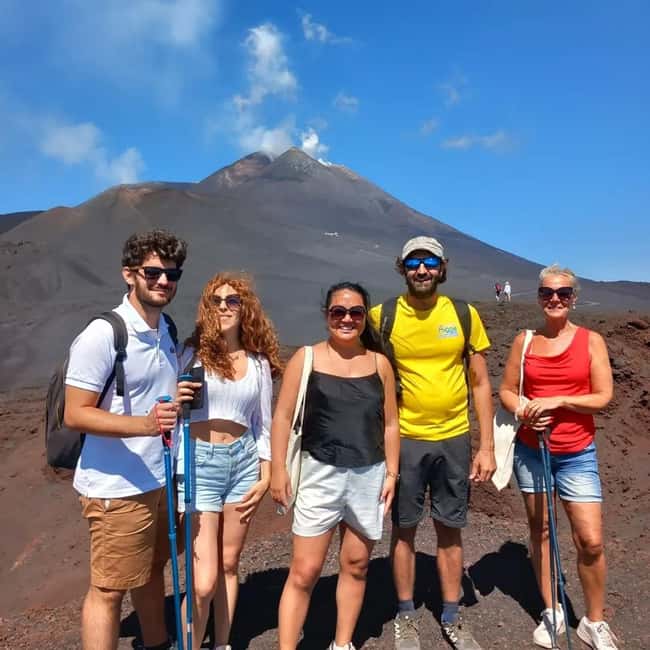
- Small-group size (8 people max) makes the hike feel more like a shared outing than a bus tour
- Trekking poles and a helmet are included, so you’re not scrambling to rent gear
- Southern-slope hiking plus lava caves means you see both the surface and what past eruptions built
- A long pairing session (around 2 hours) includes wines plus local snacks and regional foods
- Your guide matters: names like Francisco, Francesco, and Corrado show up often, and at the tasting Giuseppe is a standout
- You’ll get views and facts together—craters, lava flows, and the local impact, explained as you go
Mount Etna, Southern Slopes, and Sicilian Wine: The Real Value
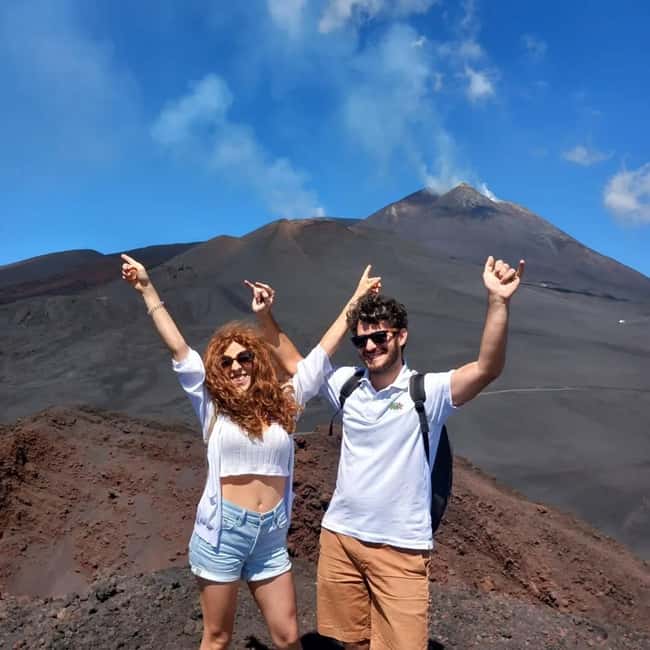
A Mount Etna day trip can easily become either too touristy or too complicated. This one lands in the practical sweet spot: you get transportation from Siracusa, a guided trek on the slopes, then a proper Sicilian tasting to round it out.
At about $111 per person for a 7-hour outing, the value comes from the combination. You’re not just paying for a bus to see a crater. You’re paying for guided time (including a guided segment on the mountain), hike safety basics (poles and a helmet), and a structured food-and-wine finish with local products.
You can also read our reviews of more tours and experiences in Syracuse.
How the Day Actually Flows from Siracusa
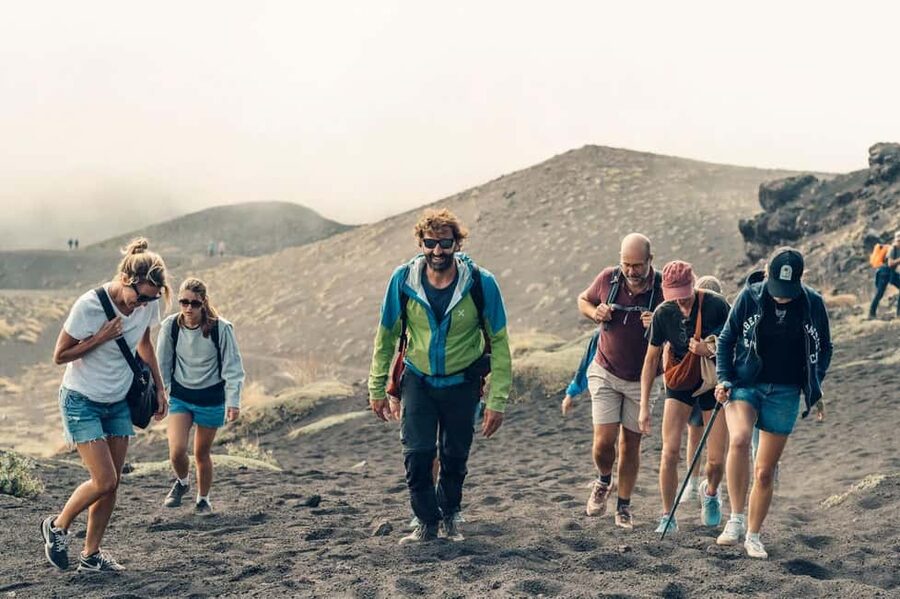
This is set up like a full day, not a quick drop-in. You’ll start with pickup from one of two spots in Siracusa: Molo San Antonio or Corso Umberto I. Then you head out in a jeep/SUV for about 85 minutes before the mountain part begins.
Once you’re in the Etna zone, the day splits into two big chunks: movement and views first, then tasting. The mountain portion includes a guided time of about 2.5 hours, followed by a longer stop back on the flavor side where you’ll spend around 2 hours with wine, spirits, local snacks, and regional foods.
Why this structure works: hiking Etna makes your appetite sharpen fast. If you’ve ever done a wine stop first, you know how that goes. Doing the tasting after the climb feels more like a reward than a separate activity.
The Trek on Etna: What You’ll Be Walking On
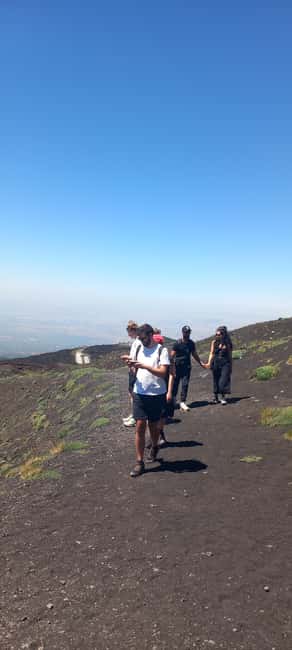
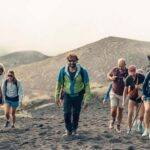
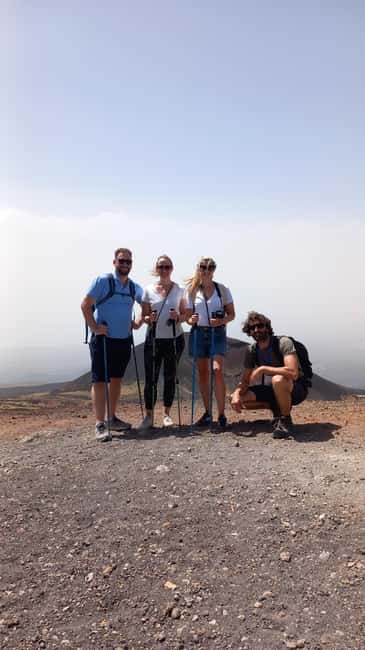
The hike takes place on Etna’s southern slopes, and you should expect volcanic terrain that’s not flat or forgiving. The tour is described as an invigorating trek through “lava fields and rugged terrain,” with photo opportunities along the way and geology/history commentary from the guide.
A useful reality check from real experiences: one group’s hike was about 8.5 km, starting around 1900 m and climbing to about 2300 m. That doesn’t mean you’ll all hike the exact same route or profile every day, but it does tell you the effort level can be right at the top end for some guests—especially if you’re older or not used to uneven ground.
The good news: the hike is described as relaxed in at least some conditions, and kids have handled it well when the pacing stays calm and the breeze helps. Still, if you’re not confident on rocky, uneven paths, consider whether a crater walk is your style—or bring a friend who likes getting slightly muddy.
What’s included that helps: you get trekking poles and a helmet. Poles make a huge difference on volcanic slopes where footing can be tricky.
Lava Caves and Craters: Why This Isn’t Just a View Stop
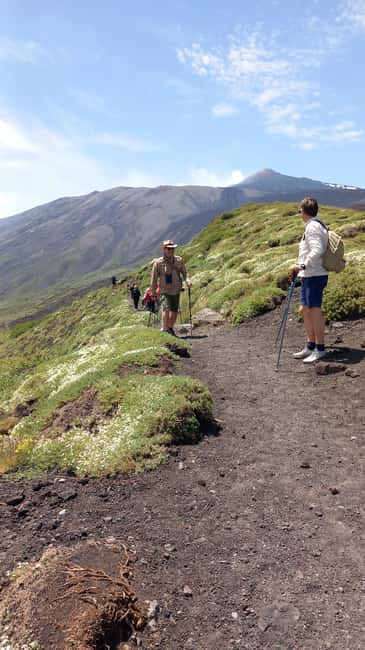
Etna isn’t only dramatic from above. One of the tour highlights is exploring lava caves formed by past eruptions. Inside, you get close to the kind of formations and lava flows that created the region, turning the volcano from a skyline feature into a physical story you can walk through.
This also changes the pace of the day in a good way. A lot of Etna tours are mainly “go up, look around, go back down.” Caves force you to slow down and pay attention to shapes, rock texture, and the way the landscape was built.
Some outings also include stops and walks tied to craters—Silvestri comes up in real experiences—so you might get that mix of open-air views plus the close-up geology of caves. If you like understanding how places formed, this part is where the day becomes more than photos.
Wine, Spirits, and Local Bites: The Part You’ll Remember Later
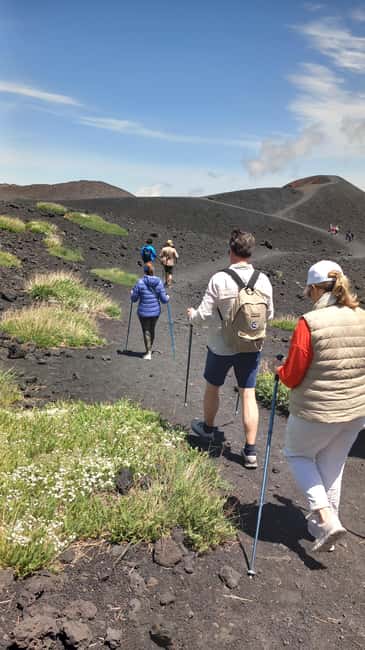
The finish is a wine tasting with local products, and it’s not rushed. You’ll spend about 2 hours on the tasting side, with wines, spirits, local snacks, and regional food, plus welcome refreshments.
In practice, this is where Etna turns into everyday Sicilian eating. You might see classic local items such as arancini, and there are also mentions of sweets like pistachio cream. Honey-focused moments (for example, a stop connected to Zafferana) show up in some versions of the day, which is a great reminder that Etna isn’t only about lava—it’s also about what the land supports.
At the winery/enzoteca-style stop, Giuseppe is a name that comes up for the sommelier pairing portion. That matters because pairing isn’t just about drinking. When the guide explains what you’re tasting and how it connects to the place, your wines and bites stop being random samples and start making sense.
One honest caution: not every tasting is equally strong. Some people found the wine-and-food portion just average, and a few expected more food than what was described. If you’re a big eater, plan to arrive hungry (the hike helps with that) and know you can sometimes purchase extra food on site if needed.
Pickup, Vehicle Ride, and Timing: Small Details That Change the Experience
This tour is built around round-trip transportation from Siracusa, which is a major quality-of-life upgrade. Etna is not just “a bus ride away,” and leaving from your hotel area saves the stress of coordinating your own way up.
Pickup is from two options, so double-check which one your booking assigns you. Then you’ll ride up in an air-conditioned jeep/SUV for about 85 minutes. That drive time matters because it sets your day rhythm: you’ll arrive with enough energy for the trek, not wiped out from logistics.
The whole outing is about 7 hours, which is a realistic amount of time for a volcano hike plus tasting. It’s long enough to feel like a real day trip, but not so long you’re cooking in discomfort the entire time.
Guides Make the Difference: Names You Might Meet and Why It Matters
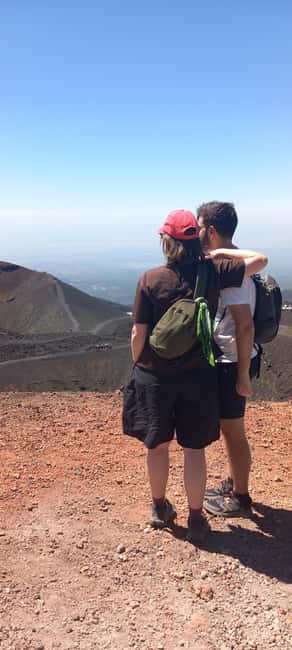
Etna can be intimidating if you don’t know what you’re looking at. This tour leans hard on guidance, with a certified, multilingual guide (English and Italian). That’s not just friendly talk. It’s the difference between seeing lava rocks as “cool” and understanding why they’re there, how eruptions shaped the area, and how that affects local life.
Real experiences highlight a calm, encouraging approach from guides like Francisco, Francesco, and Corrado. People appreciated that the hike stayed relaxed and that the explanations came with real context—geology, history, and even the local relationship to the volcano.
At the tasting portion, the pairing side gets handled by the winery team, and Giuseppe shows up as a standout sommelier for explanation and humor. If you like learning while you eat (and drinking isn’t the point by itself), you’ll probably enjoy this part more than you expect.
What to Bring (and What Not to Overthink)
The tour gives you safety gear like helmet and trekking poles, but you still need to dress for the mountain. Bring:
- Comfortable shoes (seriously, don’t treat this as a fashion day)
- A jacket (altitude and wind can cool you off even when Siracusa feels warm)
- Comfortable clothes you can move in
Also consider layers. Volcanic terrain and crater zones can swing in temperature. A light layer you can remove on the drive and re-add on the slope is a smart move.
One more practical tip: if your comfort depends on cushioning, understand that rocky volcanic ground doesn’t care. Good grip soles will make your day better than any extra gear.
Fitness Fit: Who This Tour Suits Best
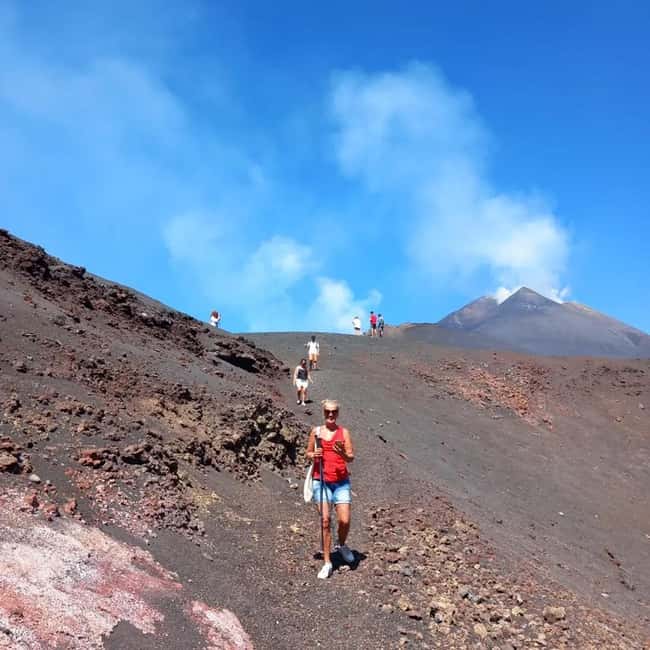
This is best for people who want an active day but don’t need extreme adventure. It’s described as a trek with a guided portion and lava cave exploration, and in some experiences it’s well-paced enough for teenagers (and even kids as young as 7) when weather helps.
That said, it’s not suitable for:
- Pregnant women
- People with mobility impairments
- Wheelchair users
If you’re in doubt, judge it like this: if uneven ground and a steady climb would be hard for you in normal footwear, you’ll feel it here.
Weather and Route Reality: Etna Is Always a Variable
Etna days can change. One real example includes coordination after heavy rain and washed-out roads the day before, yet the group still got to see lava flows and go inside a lava cave.
Translation: you should pack the mindset that your day may adjust. That’s not a reason to stay home—it’s just Etna’s personality. If you’re the type who hates surprises, accept that weather affects routes and timing.
Price and Value: Is $111 a Good Deal?
For $111.02 per person, you’re buying:
- Pickup and drop-off from Siracusa
- Transport in an air-conditioned vehicle
- A multilingual guide
- Trekking poles and a helmet
- A guided mountain segment
- Wine tasting and local tastings with regional foods
- Water
In other words, you’re not just paying for entry into a view. You’re paying for a guided, safety-supported hike plus a long tasting session with local products. If you add up what it would cost to get to Etna independently and then hire separate guide/tasting time, the bundled nature becomes the whole point.
So yes, the price can feel like a leap at first. But once you account for guided mountain time and a structured tasting block, it tends to feel fair.
Should You Book This Etna Trek and Wine Day from Siracusa?
Book it if you want:
- A guided Etna hike on the southern slopes rather than a solo cram session
- A day that mixes lava caves + crater views with actual food and wine
- A small group (8 max) where you can ask questions and not feel lost
Skip it (or consider a gentler option) if:
- Rocky climbing would be uncomfortable
- You need step-free accessibility
- You’re hoping for a mostly sightseeing day with minimal walking
If you like volcanoes but also love eating well, this is one of the more satisfying formats: hike first, then tasting, with guides who keep both sides connected to the place.