REVIEW · SA PA
In Sapa: 1 Day Mountain Trek, Visit beautiful villages
Book on GetYourGuide →Operated by Viet Nam Explore Travel · Bookable on GetYourGuide
Rice terraces start the story in Sapa. This one-day hike feels focused and real, with Sa Seng mountain views and Muong Hoa valley rice terraces as the payoff. I also like how the day blends walking, small moments in daily village life, and stories about Black Hmong culture rather than treating culture like a photo stop.
The main thing to consider is that this is not a stroll. You’ll climb and descend on uneven paths that can get slippery and muddy, so good shoes matter, especially if the weather turns.
In This Review
- Key highlights worth your attention
- A fast way into Sapa’s real village rhythm
- The Sa Seng climb: views that make the effort worth it
- Hang Da: stepping into daily life in a Black Hmong village
- Lunch with locals: what you get with the included stop
- Hau Thao village: rice work, homes, and marriage traditions
- Giang Ta Chai and the return to Sapa
- Price and value: $24 for a full working day in the mountains
- Trek difficulty: easy in route, hard on legs
- Logistics that actually matter: pickup, guide language, and group flow
- Who should book this trek, and who might skip it
- Should you book the Sapa 1 Day Mountain Trek?
- FAQ
- What time does the tour start?
- How long is the trek?
- How big is the group?
- What’s included in the price?
- What should I bring?
- What should I wear or prepare for?
- Which places do you visit?
- What language is the guide?
- Is it refundable if plans change?
Key highlights worth your attention
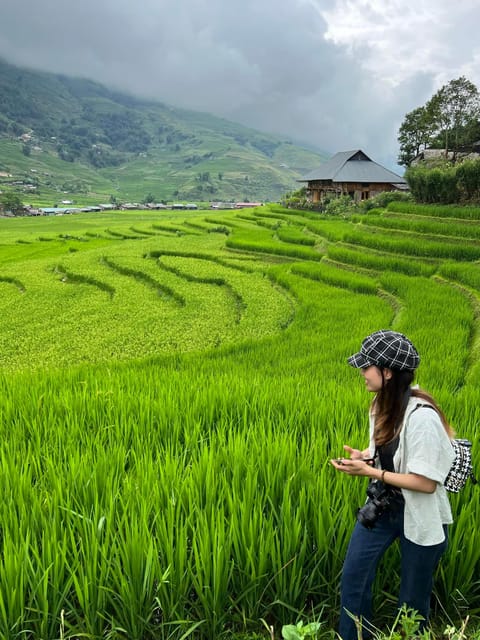
- Sa Seng viewpoint at the 3,143m height mark: You’ll look out over Sapa, the Fansipan skyline, and the terraced Muong Hoa valley.
- Black Hmong villages on foot: You go beyond the main towns and spend time in Hang Da and Hau Thao.
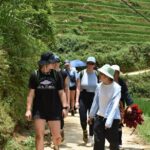
- Small group pace (up to 10): Less jostling, more time for questions and photo pauses.
- Family lunch included: Food is served at a small local restaurant and feels homemade and fresh.
- Culture talk that connects to daily work: You’ll learn about rice field routines, house building, and marriage traditions.
A fast way into Sapa’s real village rhythm
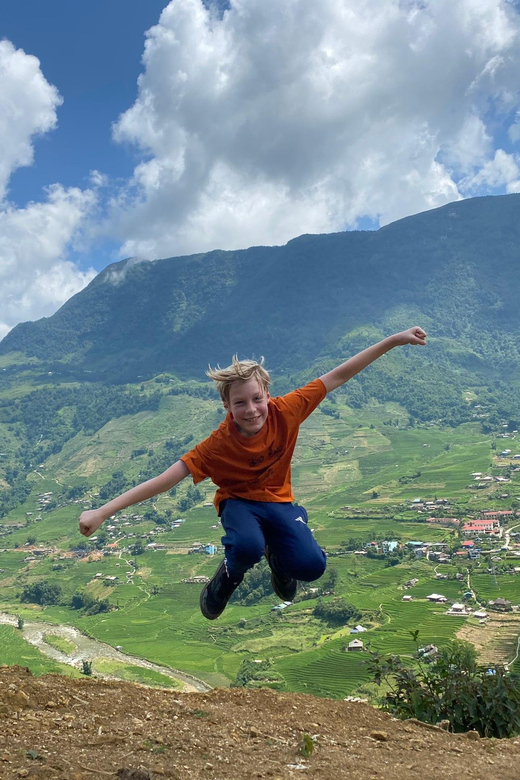
Sapa’s popular routes can feel like a loop: bus in, viewpoints, quick market stop, bus out. This trek is different because it’s built around walking through the same terrain locals work and live with.
The day starts with a steady uphill push on a small trail. After that, the tour shifts into a walking rhythm that keeps you moving through viewpoints and down toward Black Hmong villages. It’s the kind of route that makes you slow down without feeling bored, because each bend offers a new view of mountains, valley depth, or fields.
You also get more than just scenery. The guide explains how people make a life here: how rice field work fits into the seasons, how homes are built, and how marriage traditions are understood in the community. It’s practical context, not trivia.
You can also read our reviews of more tours and experiences in Sa Pa.
The Sa Seng climb: views that make the effort worth it
You’ll be picked up around 9:00 and head to the start of the hike. The first stretch is about 1 km uphill on a smaller trail meant for getting your bearings and warming up your legs.
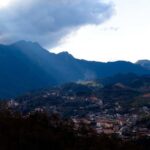
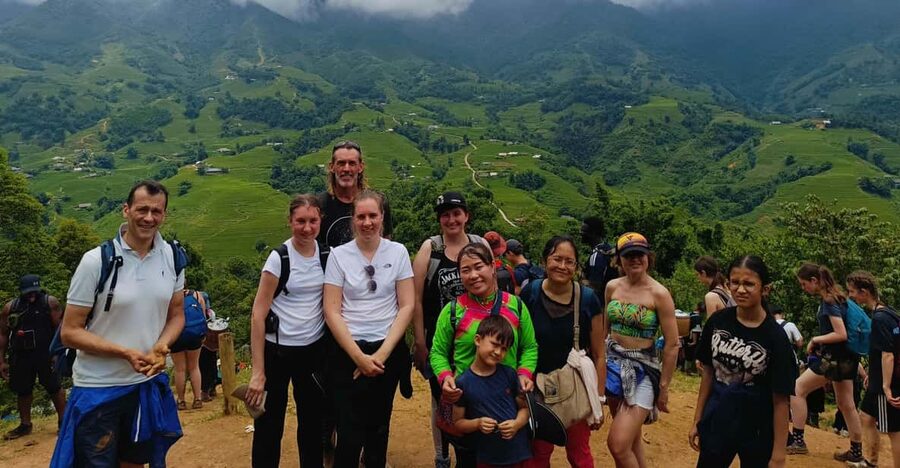
Then comes the real effort: after roughly an hour of hard trekking, you reach the top of Sa Seng mountain. This is where the big-picture Sapa views land in front of you. Fansipan (listed at 3,143m, the highest peak in Indochina) appears in the distance, and you can see how Sapa town sits inside a patchwork of valleys.
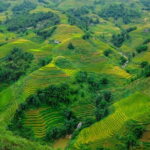
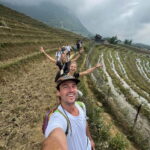
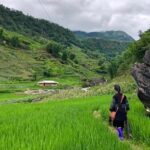
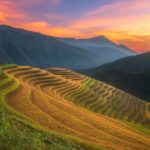
From the viewpoint, the terraced rice fields in the Muong Hoa valley are the star. Even if you’ve seen rice terraces in photos, this is the moment that helps them “click” in your mind. You start noticing how the fields track the slopes and how the river and valley shape everything below.
Practical note: the climb isn’t just about fitness. It’s also about footing. Reviews and tour notes point out steep sections and slippery conditions after rain, so take your time and don’t rush the last part before the top.
Hang Da: stepping into daily life in a Black Hmong village
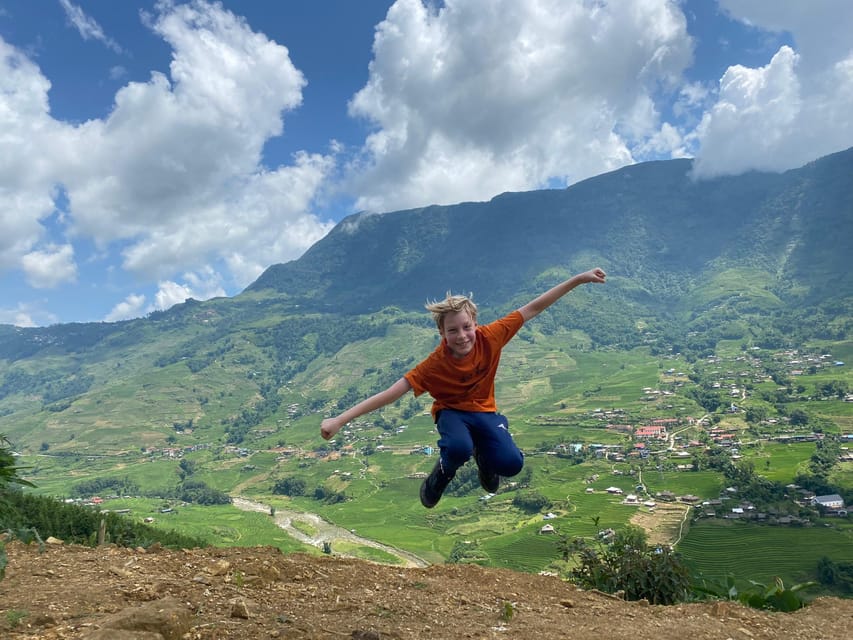
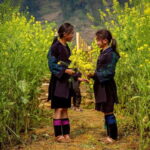
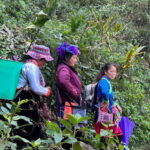
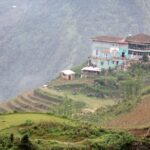
After time at the summit, the tour continues down the mountainside toward Hang Da, home to the Black Hmong minority. This is one of the best parts of the day because it’s not only “look at the village.” You’re moving through it as the landscape changes around you.
On the way, you may spot farm animals like water buffaloes and pigs, and you’ll often see fields and routines tied to the seasons. The tour keeps the route active, so you’re not stuck waiting in one spot, but you still get pauses to take photos and hear explanations.
This stop also helps you understand how village life connects to terrain. In a place like Sapa, where valleys and slopes control everything, walking the descent makes the environment feel less abstract. It’s not just a scenic backdrop. It’s a working system.
Lunch with locals: what you get with the included stop
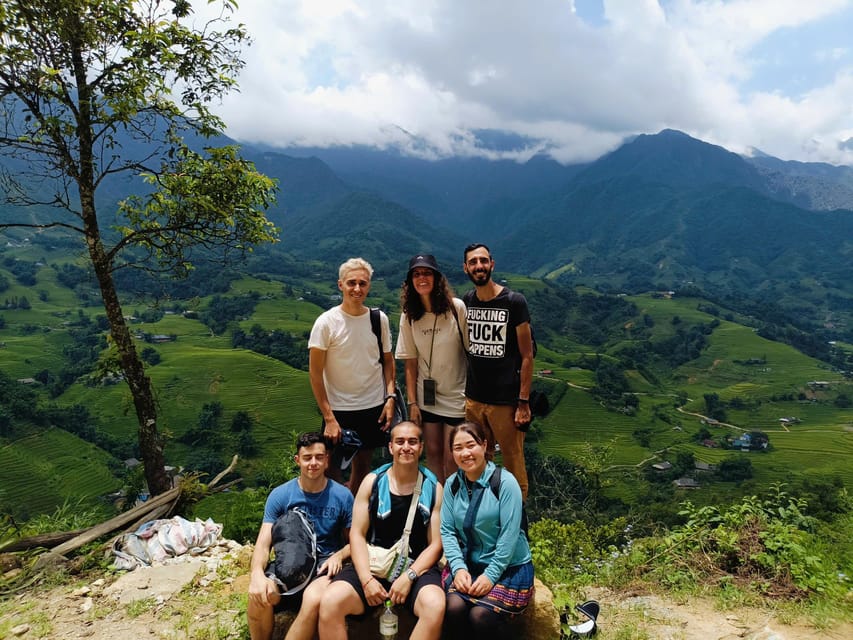
Lunch is served at a small family-run restaurant, included in the tour price. Food here is described as homemade, fresh, and simply delicious, which is exactly what you want on a long hike day. After hours of moving, a real sit-down meal is more than a break. It’s the moment you refuel and reset.
What’s also valuable is the way lunch fits the day. Instead of rushing from viewpoint to viewpoint, you get a proper mid-point that makes the later village walking feel easier. And because the guide is present, you can ask questions while you eat.
You should still treat lunch like a normal travel meal: come hungry, expect simple local flavors, and plan for the fact that service style may be different from big-city restaurants.
Hau Thao village: rice work, homes, and marriage traditions
The afternoon focuses on Hau Thao, another Black Hmong village. After lunch, you continue down on smaller roads and then arrive in time to watch community rhythms, especially if the timing matches farming activity.
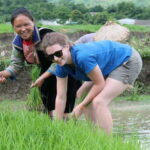
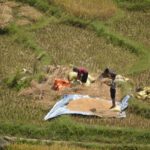
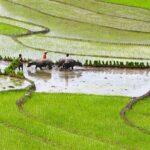
This is where you see more than buildings. You may watch people working in the fields—like planting or harvesting rice—if it’s the right time of day. That matters because rice in Muong Hoa isn’t just a view. It’s labor, timing, and patience. When you see it in motion, you understand why the terraces are such a signature of the region.
Your guide also shares cultural context tied to what you’re seeing:
- Rice field work and how day-to-day schedules connect to seasons
- House building techniques (the practical choices behind the structures)
- Marriage traditions within the Hmong community
If you like travel that feels human scale, this portion is the heart of the trek. It’s not staged for a quick look. You’re watching routines and learning why they matter.
One more thing: you may notice village selling along the way. Some people find it a bit tiring. The best approach is polite and firm. Decide early if you want souvenirs, then keep your attention on the walk and the conversation instead of getting pulled into every moment.

Giang Ta Chai and the return to Sapa
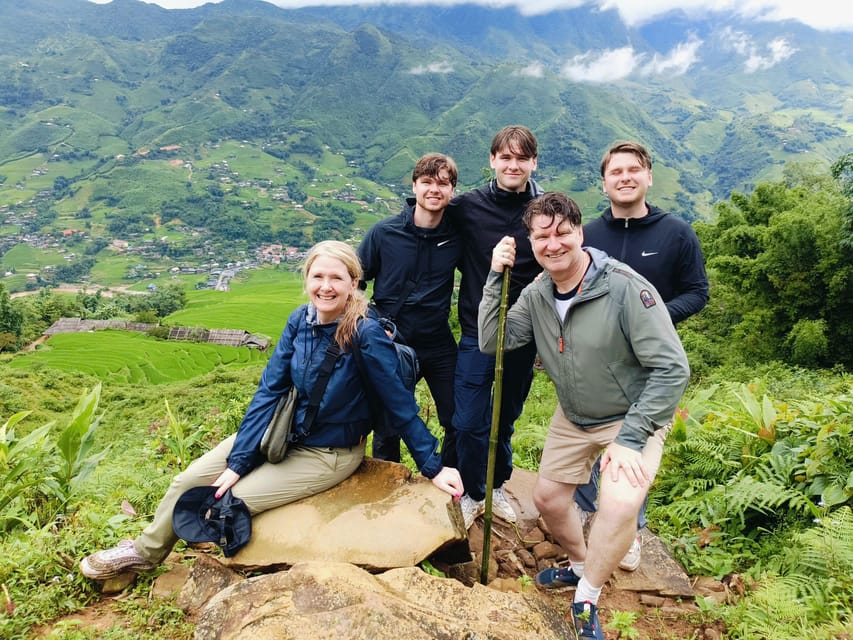
Around 15:30, you walk toward Giang Ta Chai, where transport is waiting on the main road. This timing works well for a day trek because it gives you enough daylight for views and village time, while still keeping the hike from dragging into the late evening.
From there, you ride back to Sapa. Transport back to Sapa is included as part of the experience, so you’re not left trying to solve logistics after a long day of moving.
The best part of the ending is that it feels like a smooth off-ramp. You’re not hiking forever. You’ve already “collected” the major moments: the summit view, the farming villages, and the included lunch.
Price and value: $24 for a full working day in the mountains
At about $24 per person, this is strong value for a day that includes a lot of real costs:
- an English-speaking guide
- village entry fees
- traditional lunch
- water (1 small bottle per person)
- trekking stick
- transport back to Sapa
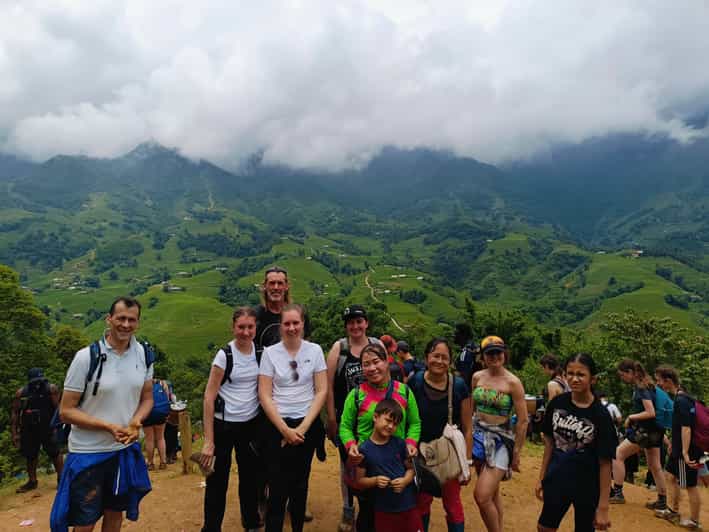
The group size is kept small, limited to 10 participants, which usually means you get more attention and fewer delays. And the trek length is long enough to feel like you truly left the main tourist strip, even if you’re not aiming for a multi-day hike.
Yes, the day includes effort. But you’re paying for a guide’s route planning, the time to walk between villages, and the cultural explanations that make the day more than exercise.
Trek difficulty: easy in route, hard on legs
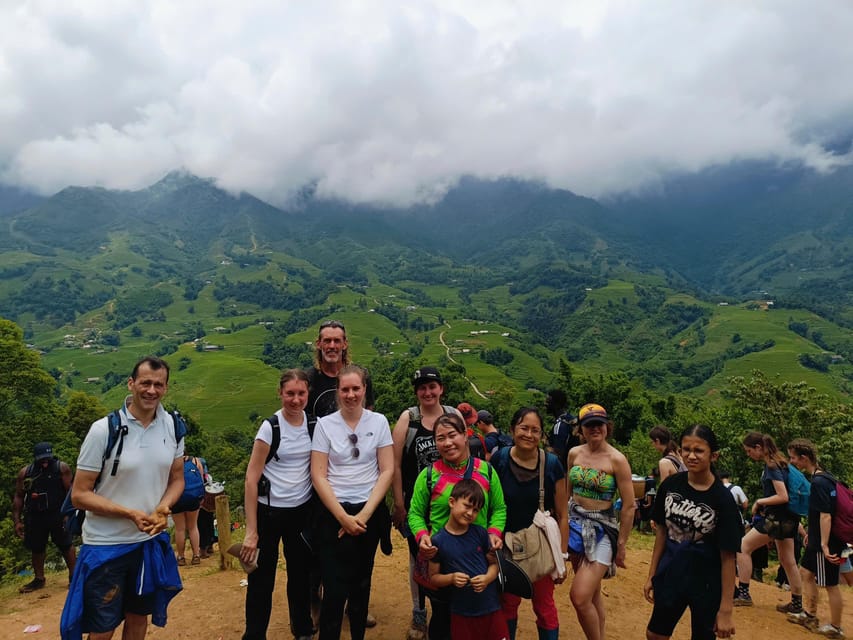
This tour is described as having easy long trekking sections, but the reality is more like: straightforward route, with steep moments. Many people highlight that parts can be steep, uneven, and a bit muddy after rain.
Plan on a hike that can be around 12–14 km, and expect several hours of walking even if you’re not racing. One reason reviews rate the experience highly is that the guide helps manage pace and includes breaks, so the challenge feels fair rather than chaotic.
My advice if you’re deciding:
- Bring sturdy shoes with grip
- Wear layers you can adjust as the mountain air shifts
- If it’s rained recently, expect more slipping on descent
Also, the trekking stick helps more than you might think. It gives your legs an extra hand, especially when the path turns uneven.
Logistics that actually matter: pickup, guide language, and group flow
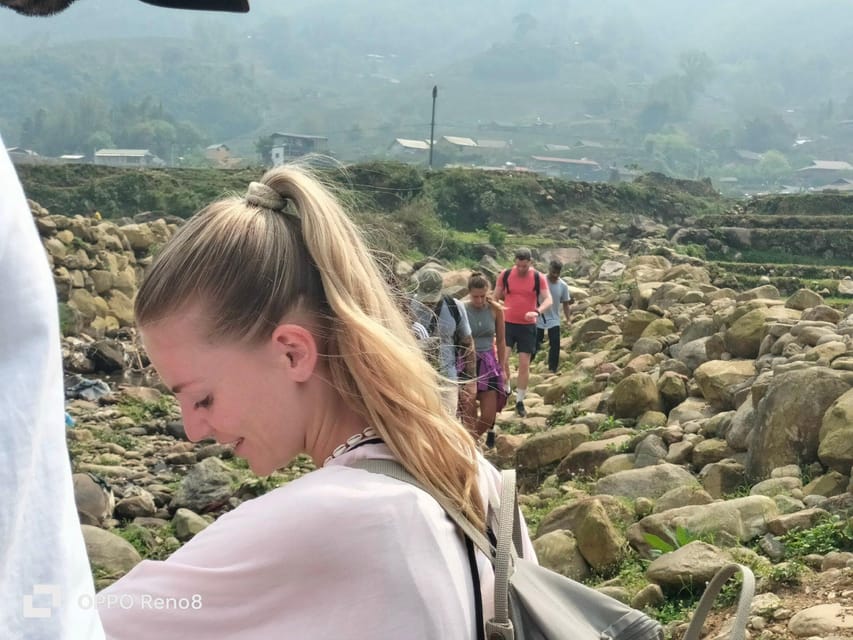
The tour is built around a 10-hour day, with pickup around 9:00 from your accommodation. You’ll get a short introduction, then the hike begins with that first uphill trail.
Guide language is English and Vietnamese, and the guides you may encounter (names shared by past groups include Mao, Moa, Sung, and Soso) are described as warm and confident, with strong explanations of the culture and day-to-day farm life. The small group size helps a lot here. You’re not competing with a crowd for answers.
One small warning from mixed feedback: pickup and drop-off can be a little messy in some cases. It doesn’t seem to ruin the day, but you should be ready to be flexible and arrive early at the check-in point used by this operator. The meeting spot listed is Sapa TT Homestay, about 2.3 km from central Sapa, with guidance to arrive about 30 minutes early.
Who should book this trek, and who might skip it
This is ideal if you want:
- mountain views that include the Fansipan skyline and Muong Hoa terraced fields
- real time in Black Hmong villages like Hang Da and Hau Thao
- a guide who connects cultural stories to what you’re walking through
- a full day that’s active but manageable with good pacing
It may not be a fit if you:
- need accessibility support. The tour is not suitable for people with mobility impairments or wheelchair users, and it’s not for people over 95 years.
- dislike muddy trails or uneven steps. Even “moderate” can feel steep when the ground gets slick.
Should you book the Sapa 1 Day Mountain Trek?
If your goal is a true taste of Sapa beyond the town center, I think this trek is a great bet. You get the two biggest reasons people come to the region: views from higher ground and village life tied to rice farming. The included lunch and village fees make it feel thoughtfully priced, not nickel-and-dimed.
Book it if you’re ready for a real hike day and you’ll treat the trail like the main event. Skip it if you want flat ground, or if you’re traveling with limited mobility and can’t handle steep, uneven paths.
If you’re unsure, ask yourself one question: do you want Sapa where the scenery is earned by walking, not just arriving? If yes, this is the kind of day that leaves you with more than photos.
FAQ
What time does the tour start?
You’re picked up at around 9:00 from your accommodation.
How long is the trek?
The total duration is about 10 hours.
How big is the group?
It’s a small group, limited to 10 participants.
What’s included in the price?
The price includes an English-speaking guide, village entry fees, traditional lunch, 1 small bottle of water per person, transport back to Sapa at the end of the trek, and a trekking stick.
What should I bring?
Bring cash.
What should I wear or prepare for?
Bring proper footwear because the trek includes steep and uneven sections. The included trekking stick can also help on descents.
Which places do you visit?
The route includes Sa Seng mountain viewpoints, then villages such as Hang Da and Hau Thao, and it ends with a walk toward Giang Ta Chai before returning to Sapa.
What language is the guide?
The guide speaks English and Vietnamese.
Is it refundable if plans change?
Free cancellation is available up to 24 hours in advance for a full refund.