REVIEW · KATHMANDU
14-Days Private Everest Base Camp Trek Activity
Book on Viator →Operated by Himalayan Vista Trekking Pvt. Ltd. · Bookable on Viator
Everest Base Camp is the kind of trip that changes your map. This private trek strings together Sherpa villages, suspension bridges, and big-altitude rest days so you spend less time guessing and more time taking in the Himalaya. I love how the route is built around acclimatization and classic viewpoints, and I also like that your group gets the focused attention that makes a remote trek feel manageable.
You’ll also enjoy the steady rhythm of highlights: close-up mountain angles from Tengboche, Dingboche, and Lobuche, then the payoff at Everest Base Camp and Kala Patthar. The only real consideration is altitude and the pace you’ll need on the climbs and especially on the downhill days—your knees and joints will feel it if you rush.
In This Review
- Key Highlights Worth Your Attention
- Kathmandu First Stop: Setting Your Gear and Your Rhythm
- The Private Trek Setup: Pickup, Mobile Ticket, and Getting to Lukla
- Phakding: Mani Walls, Riverside Trails, and Mt. Khumbila in View
- Namche Bazaar Via Monjo: Permits, Bridges, and Your First Real Altitude Check
- Khumjung and Namche Acclimatization: The Smart Day You’ll Be Glad You Have
- Tengboche: Ama Dablam Views and the Day You Walk Carefully
- Dingboche (Plus a Viewpoint Day): Settling at 4,410m the Right Way
- Lobuche and Thukla Pass: Wide Valleys, Steep Steps, and Loose-Stone Reality
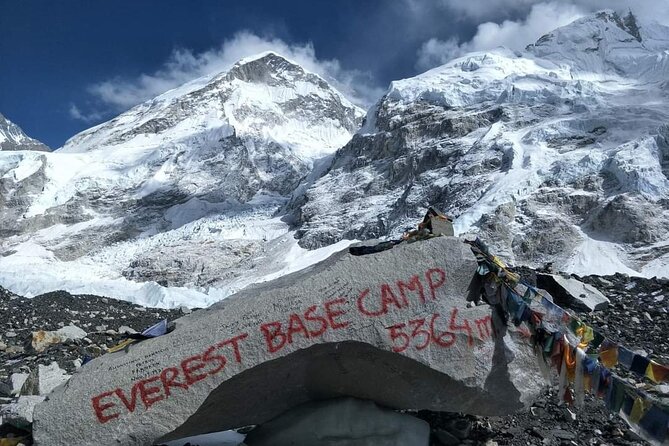
- Everest Base Camp and Gorakshep: The Heaven-Feeling Moment on the Real Trail
- Kala Patthar at Sunrise: The View That Makes the Effort Stick
- The Long Descent to Namche and Lukla: Prepare for Your Knees
- Flying Back to Kathmandu: Why the Last Day Feels Different
- Price and Value: Is $1,600 Fair for a Private Everest Base Camp Trek?
- Who Should Choose This Trek (and Who Might Want a Different Plan)
- Should You Book It?
- FAQ
- How long is the Everest Base Camp trek?
- Where does the trek start and end?
- What is the price per person?
- Is this a private tour?
- Are meals included?
- Are airport transfers included?
- What kind of lodging should I expect?
- Do I need permits for the route?
- Is travel insurance included?
- What happens if weather is poor?
Key Highlights Worth Your Attention
- Private group format: only your group participates, so the pace and stops can feel more natural
- Acclimatization built into the schedule: Namche-area time plus Dingboche rest and viewpoint time
- Kala Patthar sunrise angle: early start for wide views of Everest and nearby peaks
- Classic Khumbu trails: mani walls, chortens, riverside walking, and suspension bridges
- Meal plan included for 14 days: breakfast, lunch, and dinner are covered during the trek
Kathmandu First Stop: Setting Your Gear and Your Rhythm
Your trek starts in Kathmandu with a smooth arrival welcome—there’s a representative waiting at Tribhuvan International Airport, including a garland and a transfer to your hotel. It’s a nice touch because you’re arriving tired, and you don’t want to spend your first day figuring out logistics. In the hotel, you’ll be walked through the next day’s program and you’ll likely meet your guide so you can ask the basic questions that matter when you’re about to leave civilization behind.
If you’re packing for this trip, I’d plan to use the afternoon in Thamel. This is where you can buy trekking gear and get yourself ready for the Everest region. I like that the plan gives you time to adjust before the Lukla flight era begins—small things like changing sock plans, picking up gloves, or replacing a worn headlamp can save you later.
One practical tip: even with a private trek, bring your patience for Kathmandu’s pace. You’re not just traveling; you’re switching from city life to high-mountain routine.
You can also read our reviews of more tours and experiences in Kathmandu.
The Private Trek Setup: Pickup, Mobile Ticket, and Getting to Lukla
This is a private tour/activity, which changes how the experience feels. In plain terms: you’re not sharing your trail time with a random mix of strangers. That matters on Everest Base Camp routes where timing, comfort levels, and walking speed can vary a lot.
You also get some helpful basics like pickup offered and a mobile ticket, which usually means fewer headaches once you’re coordinating flights and daily transfers. Your trek then funnels into the Everest region through the Lukla connection—once you land, the team meets you and breakfast starts the day before you head into the Khumbu trail system.
Here’s what you should be prepared for: on these treks, the first day in the mountains is often the easiest psychologically, but not necessarily the easiest on your body. You’ve already done air travel, and then you start walking. So hydrate early, eat steadily, and don’t “prove” anything on day two.
Phakding: Mani Walls, Riverside Trails, and Mt. Khumbila in View
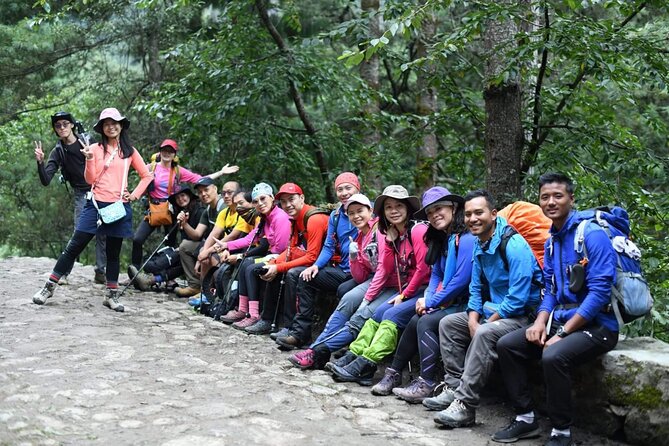
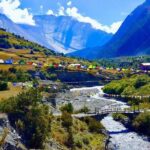
After Lukla, you head toward Phakding, your first real taste of the Sherpa trail world. The walking here is described as not difficult, and that’s exactly what you want after your first mountain day. You’ll pass rocky trails with mani walls and chortens—those stone markers are more than decoration. They remind you the trail has a long human history, and they create constant points of interest even on the simpler walking segments.
Phakding also sits lower than Lukla, so it’s a gentle on-ramp. On the way, you’ll stop to take permits at the appropriate office tied to the route, then continue past Cheplung and get views toward Mt. Khumbila. I like that the schedule includes a cultural-and-administrative moment early on, because it keeps you from worrying later. You’re handling the required steps before the altitude gets serious.
Potential downside: because day two is relatively easy, it’s tempting to walk faster than you should. Don’t. Save your energy for when the climb starts to stack up around Namche, Tengboche, and Dingboche.
Namche Bazaar Via Monjo: Permits, Bridges, and Your First Real Altitude Check
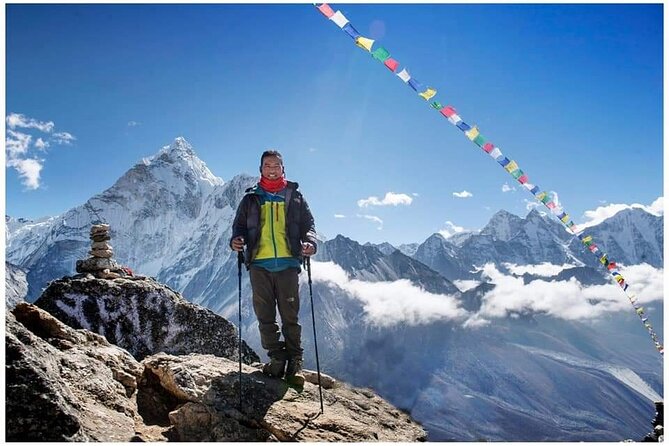
The day into Namche is where the route starts to feel like Everest territory. Before you reach the high village vibe, you go through the Sagarmatha National Park permit process at the relevant office in the area. Then you continue along the Dudh Koshi River, cross suspension bridges, and climb the rougher uphill stretches that bring you closer to the Khumbu valley’s heart.
You’ll also cross the Tenzing Hillary suspension bridge, which is one of those landmark moments that makes the trek feel official—like you’ve stepped into a different zone of the world. After lunch, you move through alpine and juniper forest areas until you reach Namche Bazaar, and you stay overnight at a tea house.
Namche itself is a classic high-altitude hub: trading history with both local and Tibetan communities, plus modern comforts like restaurants, cafes, ATMs, and faster internet access. That combination is useful. You can rest properly, check in on messages, and adjust your gear without feeling trapped.
I especially like the built-in logic here: you’re not rushing to the big altitude immediately. Namche acts like your first checkpoint, both physically and mentally.
Khumjung and Namche Acclimatization: The Smart Day You’ll Be Glad You Have
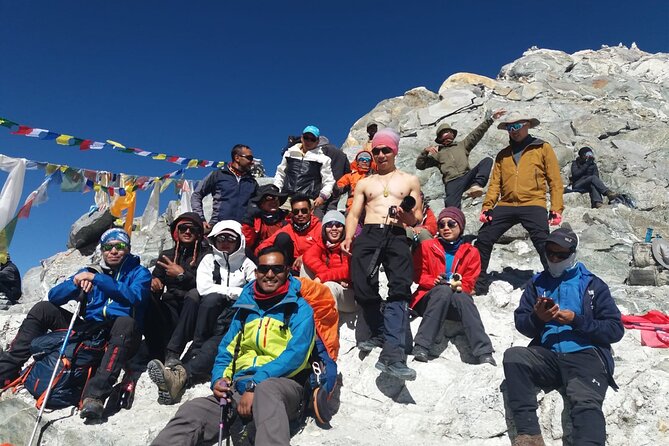
Rather than treating this as pure hiking mileage, the plan includes an acclimatization day around Namche and Khumjung. You’ll spend time higher up and use the day to reduce the risk of acute mountain sickness by letting your body adapt.
This day also helps because it breaks the “climb, sleep, repeat” loop. You get to enjoy Namche as a high-altitude market town and Khumjung as an acclimatization stop. The idea isn’t to do hero work—it’s to get your body comfortable at a higher level before pushing toward Tengboche and the higher villages after.
If you’re the type who hates idle time, don’t think of this as downtime. Think of it as strategy. The better you acclimatize here, the more confident you’ll feel later when breathing gets harder.
Tengboche: Ama Dablam Views and the Day You Walk Carefully
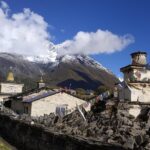
Tengboche is one of the emotional highlights on this kind of trek because the views start tightening around the Everest region’s icons. The route climbs along rocky and dusty paths with small pebbles, and you’ll need to watch your footing. You’ll get close views of Ama Dablam and also Khangtega and other peaks in the area.
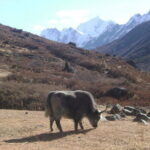
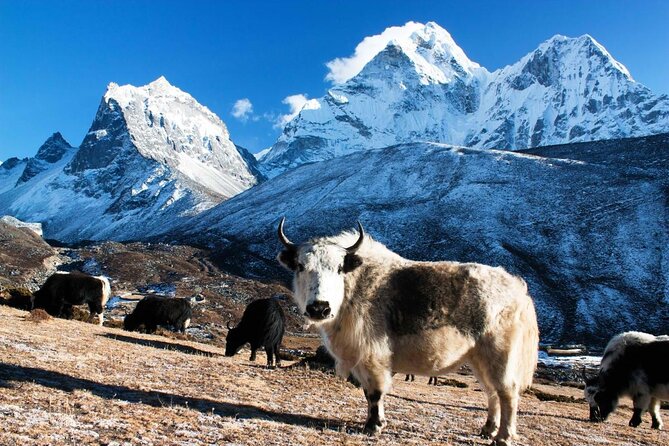
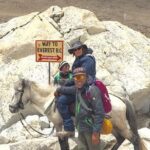
There’s a practical detail on this day that’s easy to miss in planning: you’ll share the trail with yaks used for transport. The guidance is to let the yak trail have priority and to stay toward the corner side so you don’t get pushed. It’s simple, but it can prevent falls when you’re tired.
Once you reach Tengboche, you’ll overnight at a tea house after continuing through tree-line areas into greener forest segments. I like the contrast: you can feel the environment change as the route climbs, and your senses stay engaged instead of going on autopilot.
Dingboche (Plus a Viewpoint Day): Settling at 4,410m the Right Way
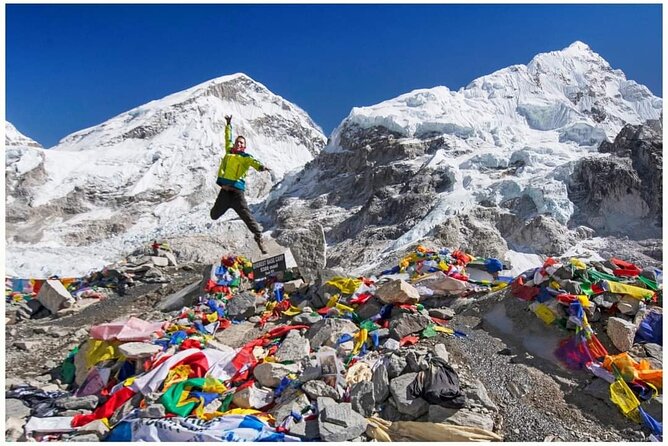
Dingboche sits at a high altitude—around 4,410 meters—and it’s a second acclimatization anchor. The approach involves trekking up through Somari, then walking through drier vegetation before descending toward small streams and crossing a suspension bridge. It then turns into a rocky approach to the Dingboche settlement.
On your following day, the plan includes a viewpoint option from Dingboche’s upper hill. You’ll take about 3 to 4 hours to reach the viewpoint, and it’s set up for serious mountain viewing. You can expect scenes like Tawache, Thamserku, Lobuche west, and a mirror-style view of Ama Dablam. That kind of “reward for adapting” is exactly how I prefer altitude days.
The real value here is behavioral: you learn not to treat altitude as something you conquer. You manage it. And if you follow the pacing, you’ll typically feel better when the route pushes into the Lobuche zone afterward.
Lobuche and Thukla Pass: Wide Valleys, Steep Steps, and Loose-Stone Reality
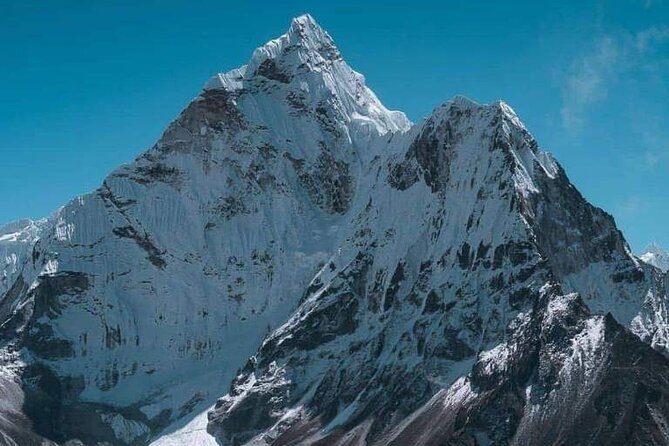
From Dingboche you move onward toward Lobuche. The trek leads you past Thukla with standout views of Tawache, Choltase, Arakamche, and Lobuche peak. The middle of the day includes smoother walking in a wide dry valley for a few hours, which helps you recover your rhythm after earlier climbs.
Then comes the steeper part: climbing to Thukla Pass. The guidance is clear—take slow and steady steps and rest at the pass. This is a day where you don’t want to sprint or stare at your stopwatch. You want steady breathing and controlled effort.
The track here can have loser stones and isn’t described as perfectly managed. That means you should keep your focus on foot placement, especially when you’re tired. After your rest and the pass views (including Pumori and Khumbutse), you continue to Lobuche and overnight there.
It’s worth mentally preparing for this day as a “pay attention” day rather than a “crush distance” day.
Everest Base Camp and Gorakshep: The Heaven-Feeling Moment on the Real Trail
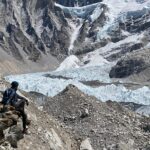
Now you’re in the zone that Everest dreamers come for. The plan has you go to Gorakshep as a high stop close to Everest Base Camp, then continue onward with your guide along a wide valley route parallel to the Khumbu Glacier.
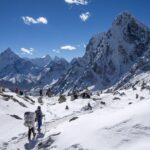
This section is memorable because it changes your perspective fast. Instead of distant silhouettes, you start experiencing the mountains as a close system around you—peaks, glacier presence, rocky paths, and the sense that the environment is carved by forces way bigger than your own.
You’ll head to Everest Base Camp and enjoy included time there (listed as 3 hours). I love that the schedule doesn’t rush this portion. You need time to look around, take photos, and simply absorb the scale.
Expect the terrain to be rocky as you approach the base camp area. Wear solid boots and keep your pace smooth. If you’ve managed altitude well earlier, this day feels like a reward instead of a punishment.
Kala Patthar at Sunrise: The View That Makes the Effort Stick
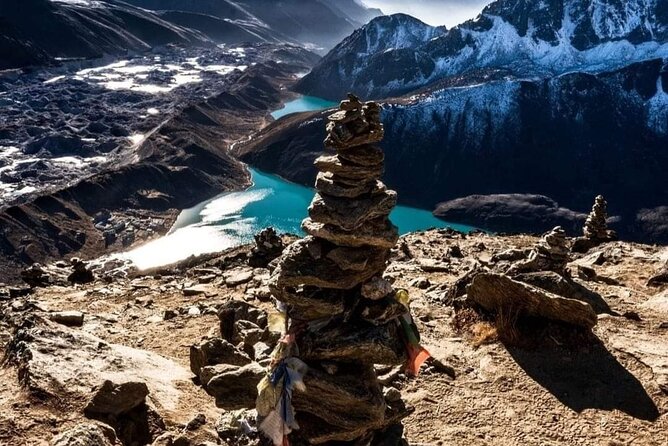
The next morning starts early with the climb to Kala Patthar, one of the best vantage points for wide views of Everest and neighboring peaks. The schedule is aimed at sunrise, when the light shifts across the opposite side of Everest. That golden morning moment can be the kind of visual memory you carry for years.
This walk is described as a solo and steady ascent with steep parts. It’s short in time, but it’s intense in effort. I like that the itinerary builds in a plan for this: doing it right after an EBC-focused day makes sense because your body already understands the rhythm.
After Kala Patthar, you descend back toward Gorakshep for breakfast, then continue on to Pheriche. It’s an organized flow: viewpoint, recovery, and movement to the next overnight.
The Long Descent to Namche and Lukla: Prepare for Your Knees
Everest Base Camp is emotionally huge, but the return is physical work. The schedule includes descent from the high region down toward Namche Bazaar, with a day that’s described as long compared to earlier segments.
One stop includes Phungi Tenga for lower elevation, and the guidance calls out the risk of joint problems on the downhill. That’s not a scare tactic—it’s a practical reminder. On steep descents, you want shorter steps, careful control, and breaks before your legs turn into stiff machinery.
You’ll pass villages again and enjoy the familiar scenery from a lower angle. Then you move down all the way to Lukla with another steep descent. Loose stones are mentioned as a real factor, so treat this day like a careful drive on a rough road. The goal is safe steps, not speed.
There’s also a human side to the return. The plan notes that trekkers often celebrate a successful trek with cake and a party involving guides and porters. Even if you don’t join in for long, it’s a nice reminder: you’re not just doing a route; you’re working as a team in a remote setting.
Flying Back to Kathmandu: Why the Last Day Feels Different
On day 13, you fly from Lukla back to Kathmandu after breakfast. The plan describes observing different scenery from the window during the flight, which is a quick way to process what you just did. Once you land, you’re transferred back to your hotel and you can relax after the long journey.
The final day stays simple: you eat, then there’s a representative for your transfer to Tribhuvan International Airport in time for your flight. It’s a low-stress close to a high-stress adventure.
Price and Value: Is $1,600 Fair for a Private Everest Base Camp Trek?
At $1,600 per person for an approximately 14-day private trek, the value really depends on what you mean by comfort and confidence.
Here’s what you do get clearly covered:
- Breakfast, lunch, and dinner for 14 days
- Pickup offered and mobile ticket convenience
- A private group arrangement
Meals matter on this route because you’re spending your energy daily at altitude. Having a full meal plan listed reduces decision fatigue in remote tea houses, and it helps you keep a consistent schedule.
The key thing to scrutinize: insurance isn’t included, and the plan notes that other expenses not mentioned under included are excluded. So if you want medical coverage, build that into your budget. Also, permits are part of the on-route process in the plan, so you should verify what your package covers versus what you pay at the relevant offices.
What pushes the value higher than a budget trek is the human service angle. The supplied guidance names include Dipak and Bishal Gurung, plus a porter named Basanta, and those accounts highlight professional, friendly, resourceful support. For a route where small issues become big problems at altitude, a capable guide is part of the product.
Who Should Choose This Trek (and Who Might Want a Different Plan)
This private Everest Base Camp trek is best for you if you:
- want a private experience rather than a mixed group
- like having acclimatization days built in (not just “push to the next town”)
- can handle a multi-day program with both climbs and steep descents
- prefer structured guidance on permits, trail transitions, and viewpoint timing
It might be a tougher fit if you:
- have knee or joint issues and don’t do well with downhill pounding
- want a fast, minimalist trek with less time at altitude villages
If you’re mid-level physically and you’re willing to go slow when told, this plan matches that style of trekking.
Should You Book It?
I’d lean yes if you want a classic Everest Base Camp journey with enough structure to feel safe and enough time to enjoy the views. The combination of acclimatization days (Namche-area and Dingboche), plus the planned sunrise push for Kala Patthar, is the kind of planning that usually separates a trip you remember from a trip you rush through.
Before you book, confirm a few practical details:
- what your package includes besides meals (especially permits and any gear-related add-ons, since only meals are clearly listed)
- your insurance plan and medical coverage
- your comfort with steep descents, since the schedule includes long downhills
If you want the Everest dream route with real support and a logical altitude plan, this one looks like a strong match.
FAQ
How long is the Everest Base Camp trek?
The duration is 14 days (approximately).
Where does the trek start and end?
It starts in Kathmandu, with arrival transfer to your hotel, and it ends back in Kathmandu after a Lukla flight.
What is the price per person?
The price is $1,600.00 per person.
Is this a private tour?
Yes. It’s a private tour/activity, so only your group participates.
Are meals included?
Yes. Lunch (14), dinner (14), and breakfast (14) are included.
Are airport transfers included?
Pickup is offered, and the representative transfers you in Kathmandu on arrival and again for departure.
What kind of lodging should I expect?
The accommodations are described as either three-star or five-star hotel options for Kathmandu, depending on the trekking package.
Do I need permits for the route?
The trek involves taking permits at offices along the route, including a Sagarmatha National Park permit in the Namche/Monjo area and a permit at a local municipality office on the way.
Is travel insurance included?
No. Insurance is listed as not included.
What happens if weather is poor?
The experience requires good weather. If it’s canceled due to poor weather, you’ll be offered a different date or a full refund.