REVIEW · MARRAKECH
5 Days Desert Trekking from Marrakech
Book on Viator →Operated by Sahara Vibe · Bookable on Viator
Marrakech to the Sahara in just 5 days feels like time travel. This trek blends Atlas Mountains road panoramas with a real desert routine—walking, camel rides, tea stops, and nights in a simple nomad-style camp. I like that it’s led by a professional desert guide, and in the group I kept hearing names like Abdellah (Sahara Vibe), Chef, and Said for that friendly, steady hand.
What I love most is the mix of movement and stillness. You’re not stuck on a bus all day—there’s real walking through palm groves and sand dunes, plus long, quiet evenings when the desert does what it does best.
One thing to consider: this is a trek, not a couch tour. The days are roughly 7 hours of walking on the desert days, and you’ll want moderate fitness and realistic expectations about sleeping in basic tents.
In This Review
- Key things I’d bet you’ll care about
- Marrakech to the Desert: How the Route Sets the Mood
- Day 1: The High Atlas Pass, Ait Benhaddou, and Arrival at Zagora
- Day 2: M’Hamid on Foot Through Palm Shade to Sidi Naji
- Day 3: Erg Zahar Dunes Near the Algeria Border
- Day 4: Kraat Jamal, Lahdybat Lunch, and Daraa Valley Tamaris
- Day 5: Back to Marrakech by 6 PM
- Camp Life, Food, and What You Should Pack
- Price and Value: Is $569.33 Fair for What You Get?
- Guides and the Local Feel: Why People Recommend This One
- Who Should Book This Desert Trek (and Who Might Not)
- Should You Book 5 Days Desert Trekking from Marrakech?
- FAQ
- What is the duration of the desert trekking tour?
- Where does the tour start in Marrakech?
- Do they pick you up from your hotel or riad?
- What kind of accommodation is included?
- Is camel transport included?
- What meals are included?
- What is the cancellation policy?
Key things I’d bet you’ll care about
- Atlas views to Ait Benhaddou: you pass the Tichka Pass and visit famous kasbah scenery on the way out
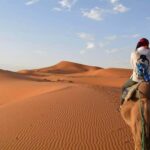
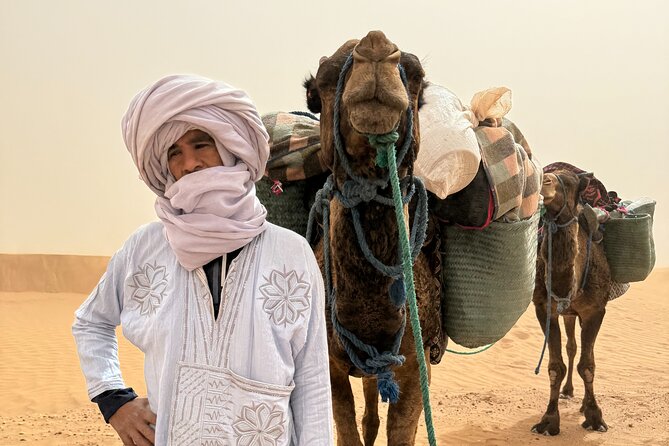
- Camel caravan + on-foot trekking: you do both, so it’s easier on your legs than all-walking
- Hidden stops with stories: tea in the palms, the Sidi Naji sanctuary visit, and dune camps at night
- Nomad-style tent nights: 4 nights in camp, with dinners, breakfasts, and vegetarian meals included
- Family-led vibe and good organization: a high rate of satisfaction for help and smooth coordination
Marrakech to the Desert: How the Route Sets the Mood
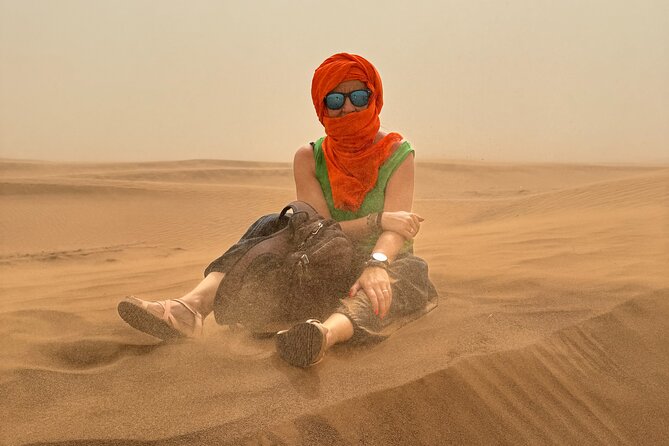
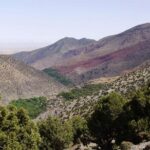
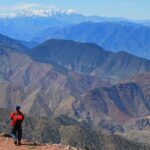
This tour works because it gets you out of the city fast, but not in a boring way. You leave early from your riad/hotel in Marrakech and start rolling across the High Atlas Mountains. The drive includes the Tichka Pass (2260 m), Morocco’s highest road pass, so you get that gradual shift from “big city energy” to “mountains fading into desert air.”
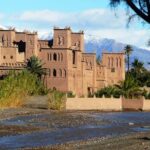
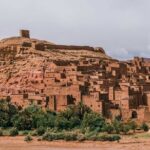
On the way, you don’t just zoom past landmarks. There are meaningful stops, including the kasbah area around Tamnougalte and the famous Ait Benhaddou—a UNESCO site and a standout example of 16th-century kasbah life. Even if you’re not a history buff, it helps you understand why the next days feel so remote: this region was built for survival and movement through harsh terrain.
You’ll also pass through the Draa Valley, with palm trees lining the route. That palm corridor is a quiet preview of what comes next on foot—shade, tea moments, and the way water shapes everything in this part of Morocco.
You can also read our reviews of more tours and experiences in Marrakech.
Day 1: The High Atlas Pass, Ait Benhaddou, and Arrival at Zagora
Day 1 is basically your “transition day,” and it’s a good one. You set off early, cross the Atlas Mountains via the Tichka Pass, and pick up panoramic views of valleys and villages along the way. This is the day you start seeing Morocco’s variety in one sweep—rocky mountains, earthy kasbah architecture, and then those long desert-direction roads.
After the Atlas stretches, you visit Ait Benhaddou, one of Morocco’s best-known kasbahs. It’s not just a quick photo pull-off; the place has that layered look—tight mud-brick forms built to handle heat, wind, and time. Then you continue toward Zagora, often called the capital of dates, before heading for M’Hamid at the gate of the Sahara Desert.
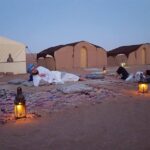
At the end of the travel day, you sleep in camp. Dinner and night in a nomad-standard tent keeps things simple and prepares you for the slower pace that kicks in later.
Day 2: M’Hamid on Foot Through Palm Shade to Sidi Naji
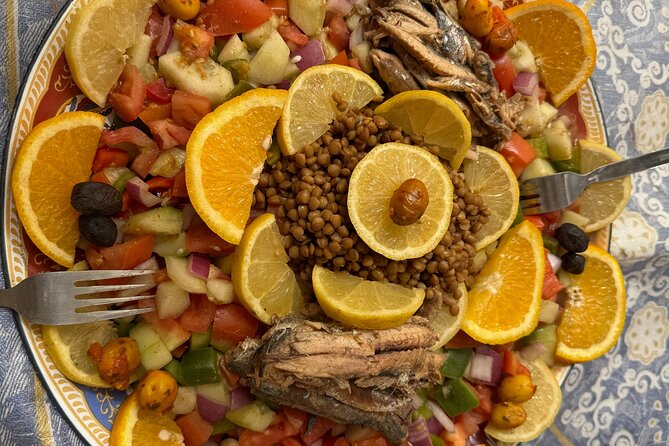
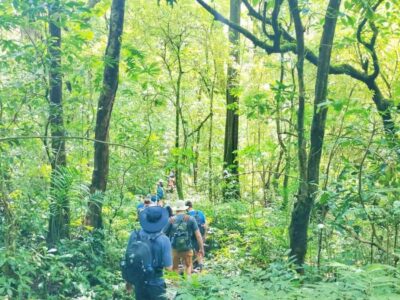
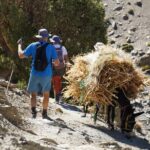
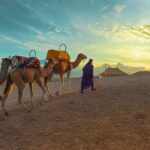
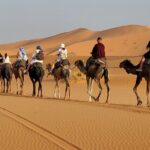
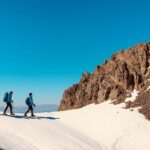
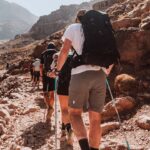
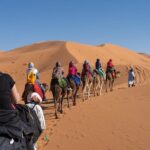
Day 2 is where the trek starts feeling like a journey instead of transport. After breakfast at camp in M’Hamid, you head out on foot with your guide and the camel caravan. That setup matters: camels handle some of the load, while you experience the terrain at walking speed.
First comes the Palm Grove area. You stop for tea and lunch in the shade of tamaris, and then you continue trekking toward the sanctuary of Sidi Naji. This stop is one of the more meaningful cultural moments because it’s not just scenery—you’re going to a place with local legend and custom. The story you’ll hear is that the marabout lived there, and standing in a sanctuary setting like this helps you understand how spiritual sites act as anchors across remote areas.
After the visit, you move to your bivouac at the foot of the sand dunes. The day ends with that classic desert rhythm: free time before dinner, then nighttime calm. Star time is built into the experience, and the quiet is a real selling point when you’re far enough from city noise.
Day 3: Erg Zahar Dunes Near the Algeria Border
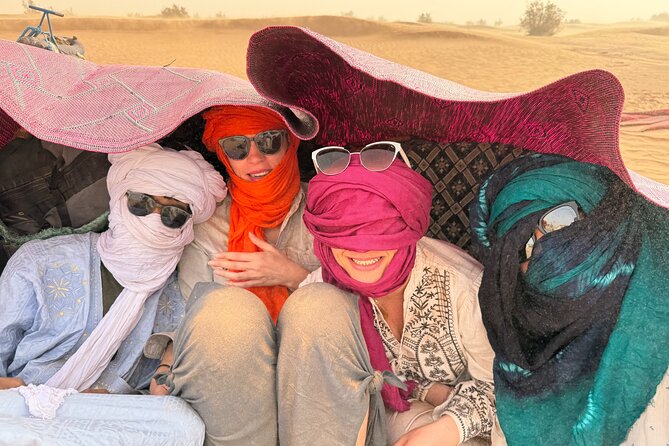
Day 3 keeps pushing you deeper into the dune world. You walk for about 4 hours before you really start noticing the terrain change—more gold tones, bigger dune shapes, and a widening sense of space. The route brings you toward Erg Zahar, and the day’s direction is described as being close to the Algerian border.
That border-adjacent feeling isn’t something you’ll experience as a “border crossing” (no need to overthink it). It’s more about the emptier, wilder setting. You set camp afterward, then your evening revolves around meeting by the campfire and the slow pace that comes naturally once you’ve been walking all day.
This day is also a good reminder of what you’re paying for. It’s not only the view—it’s the fact that the schedule is arranged so you actually get time in the desert rather than just arriving, taking a few shots, and leaving.
Day 4: Kraat Jamal, Lahdybat Lunch, and Daraa Valley Tamaris
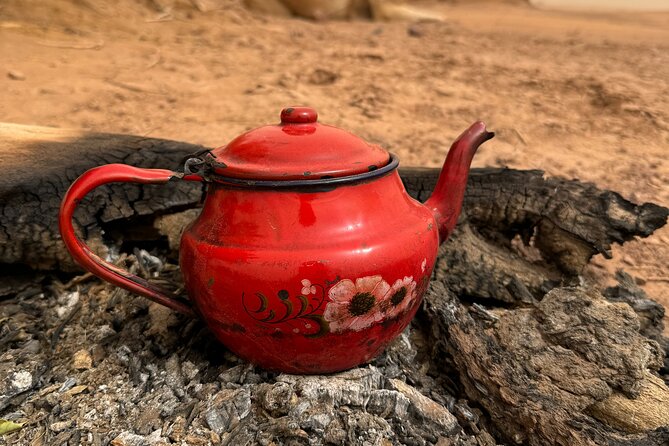
Day 4 is another steady walking day, with camp life right in the middle of it. After breakfast, you head to Kraat Jamal. The trekking includes passing by Lahdybat, where you stop for lunch.
You’ll also be surrounded by tamarisk trees along the way, plus the route is described as being surrounded by the Daraa Valley. For me, that combination is practical: shade breaks up the day, and the valley setting makes the dunes feel less like a flat stage and more like part of a wider system.
This is your last night in the desert. That “last night” detail matters because it changes how you feel at camp—you’re not just waiting for tomorrow’s sights. You’re finishing the trek properly, with that final evening that’s all about stillness, conversation with your guide, and watching the sky change as temperatures drop.
Day 5: Back to Marrakech by 6 PM
Day 5 is your return day, and it’s structured enough to keep the trip from dragging. The car brings you back to Marrakech, and you’re scheduled to be seen back at your riad around 6 PM.
This ending timing is helpful. It gives you a real finish line, so you can plan the rest of your Morocco days without guessing whether you’ll be stuck late. It also makes the trek more “trip-like”—five days is long enough for real desert time, but not so long that it eats your whole calendar.
Camp Life, Food, and What You Should Pack
The tour includes 4 nights accommodation in tents, plus breakfast (4), dinner (4), and vegetarian food. That’s one of the strongest value points: you don’t need to hunt for meals or negotiate basic logistics in the middle of nowhere.
You’ll also get coffee and/or tea, which sounds small until you’re in warm desert mornings and you remember how comforting that routine is. Tea and tamaris shade show up more than once, and that’s not an accident—it’s how people make the desert feel manageable.
On nights, you’ll experience the desert’s quiet in a way that’s hard to fake. Free time at camp means you can step out, look at the stars, and enjoy silence without anyone rushing you along.
What I’d pack for comfort (based on the trek structure you’ll face): breathable layers for daytime heat, warmer clothing for evenings, a hat, and sturdy shoes for sand and uneven ground. And because you’re in tents, plan for simple bedding and keep expectations realistic.
Price and Value: Is $569.33 Fair for What You Get?
At $569.33 per person, this is priced like a real guiding-and-transport operation, not a bargain “jump on a bus” desert day. You’re paying for a bundle of things that add up fast:
- Private transportation for the Marrakech-to-desert legs and back
- A nomad professional guide (plus a driver/guide)
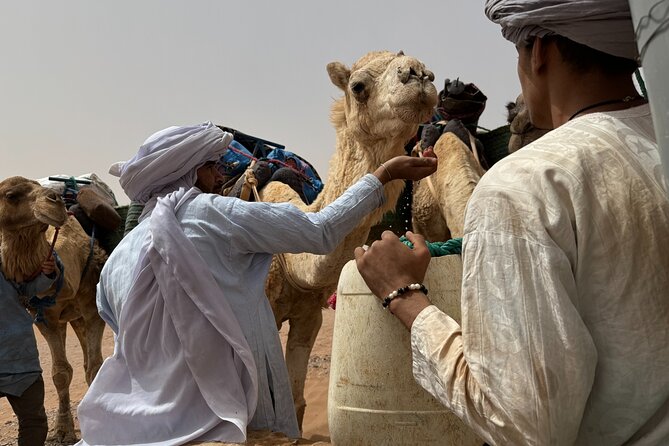
- Camels as part of the trekking plan
- 4 nights in tents
- Most meals included, specifically breakfast and dinner each day you’re camping, plus lunch stops
When you look at it this way, the price makes more sense. Desert treks often cost more when meals and guiding aren’t included. Here, at least the basic “you won’t starve” part is handled with vegetarian food and set meal times.
The main cost you might add is the human part: tips are not included. That’s common for tours like this, and it’s worth setting aside because the guide and camp team handle a lot for you.
Also note: you’re doing a private tour/activity, which usually means more direct attention from your guide compared with large group treks. That can matter a lot when you want your pace to be respected.
Guides and the Local Feel: Why People Recommend This One
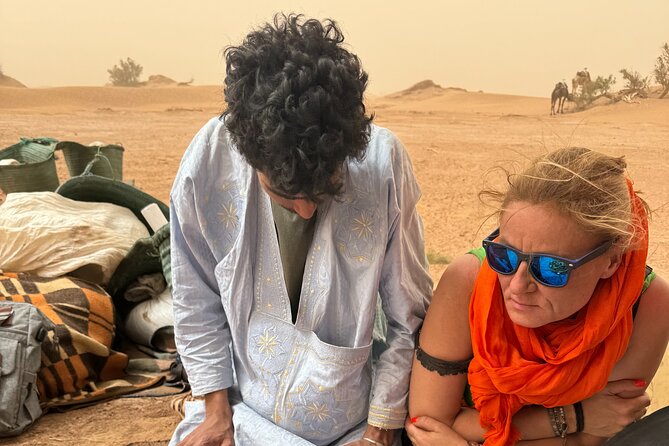
The best part of these trips isn’t the dunes—it’s the people who keep the day smooth. In the experiences shared, guides like Abdellah (with Chef and Said also credited) show up in the stories for friendliness and careful support. That shows up as comfort: you feel taken care of, and you’re not left figuring out the day on your own.
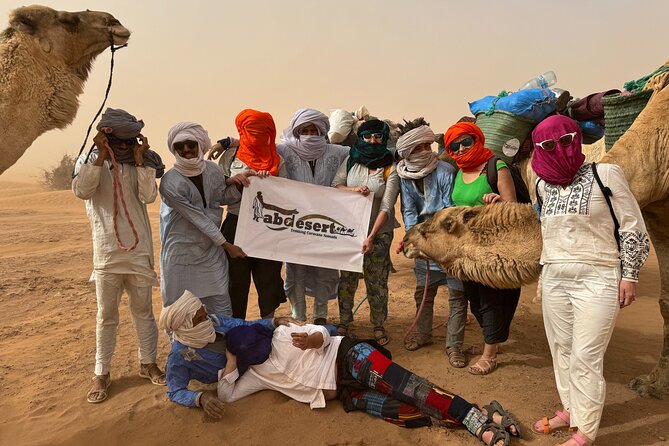
Another recurring theme is the feeling of authenticity. The trek is described as local, traditional, and not overly staged. That matters because a desert tour can become generic very quickly if it’s built around fast photo stops. Here, the rhythm is slower, more story-based, and built around walking, tea, sanctuary visits, and campfire evenings.
One more small detail I’d highlight: communication and coordination. In at least one case, the booking and coordination was handled via WhatsApp, with a small advance payment via PayPal. That doesn’t mean it’s your only method, but it tells you the operation tends to be responsive and practical.
Who Should Book This Desert Trek (and Who Might Not)
This tour fits best if you want a desert trek that’s active but not extreme. You’ll want moderate physical fitness, because you’ll be on foot for several hours on the desert days and walking through sand and uneven ground.
If you like culture stops, the sanctuary visit to Sidi Naji plus kasbah sightseeing on the first travel day will add texture. If you’re mainly chasing comfort, you’ll need to accept that the tent nights are simple and the schedule follows desert logic, not hotel logic.
It also works well if you’re traveling with a group that wants the same pace and attention. Because it’s a private tour/activity, you won’t be bouncing between different interests in a big crowd.
Should You Book 5 Days Desert Trekking from Marrakech?
I’d book it if you want the best kind of desert memory: not just one sunset shot, but multiple days where you feel the desert rhythm—walking in the palms, sleeping near dunes, and hearing silence at night.
You should think twice if you hate the idea of basic tents or if you’re expecting a fully cushy experience. Also, the itinerary is built around long travel segments and full desert days, so plan your energy and keep expectations aligned with a trekking format.
If you can handle moderate effort and you care about guides who explain what you’re seeing, this one is a strong choice for Morocco’s south.
FAQ
What is the duration of the desert trekking tour?
It’s approximately 5 days total.
Where does the tour start in Marrakech?
The meeting point listed is Hôtel AliRue Moulay Ismail, Marrakech 40000, Morocco.
Do they pick you up from your hotel or riad?
Yes, pickup is offered, and you depart early from your riad/hotel in Marrakech.
What kind of accommodation is included?
You get 4 nights accommodation in tents during the trek.
Is camel transport included?
Yes, camels are included, and you’ll also walk on the trek days with the guide and camel caravan.
What meals are included?
The tour includes breakfast (4), dinner (4), and vegetarian food, including lunch (3).
What is the cancellation policy?
You can cancel for free if you do it up to 24 hours in advance for a full refund. If you cancel less than 24 hours before the start time, the amount paid is not refunded.