REVIEW · KALAW
Hello, who like to make fantastic trek with the most experienced guide in Kalaw.
Book on Viator →Operated by Excellent Trekking · Bookable on Viator
Kalaw’s mountain air hits different at 6:00am. This 2-day trek mixes hill-tribe countryside life with changing forest paths and classic Myanmar farm scenery, all with an experienced local guide. You’ll get a quiet alternative to the usual Inle-area checklist, with plenty of small village moments along the way.
I especially like two things: the way your guide turns simple walks into real understanding of local agriculture and culture, and the steady variety of scenery—pine forest, rain-forest patches, and crossings through rice fields. With guides like Johnny, who speaks English well (and often acts as cook and interpreter), the day feels organized without feeling scripted.
One consideration: this is not a sit-and-watch tour. Expect uphill and downhills, a sustained pace, and long walking hours, including around 20 km per day in the dry season, so bring the right shoes and go in with realistic stamina.
In This Review
- Key highlights worth planning around
- Why this Kalaw trek feels real (and not staged)
- The 6:00am start: nice when you’re ready for it
- Hill-tribe villages and farm life you can actually see
- Forest-to-field variety: pine woods, rainforest patches, and rice crossings
- The guide experience: Johnny (and the wider team behind the scenes)
- How hard is it, really: distance, pace, and your best approach
- Timing, duration, and what a full 2 days feels like
- Pickup, private group, and the small logistics that matter
- Price and value: why $15.39 can still feel like a lot more
- Extra advice if you’re moving on to Inle: don’t miss the sunset viewpoint
- Who this trek suits best
- Should you book this Kalaw trek?
- FAQ
- What is the duration of the trek?
- What time does the trek start in Kalaw?
- Is this trek private or shared?
- Does the price include pickup and a mobile ticket?
- How difficult is the walking?
- What kind of places will I see during the walk?
- What happens if I need to cancel?
Key highlights worth planning around
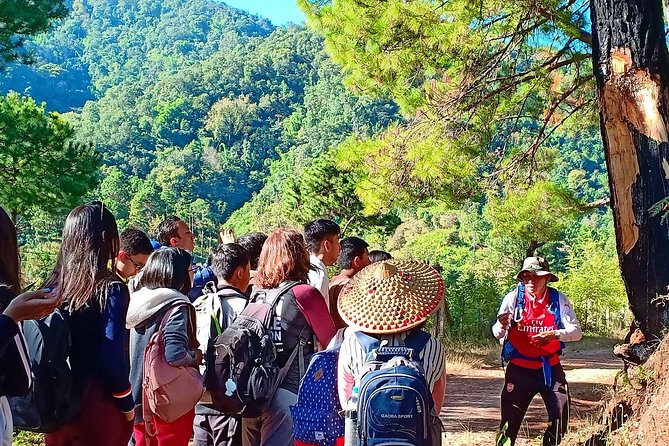
- Private group trekking for your schedule and comfort level
- Hill-tribe village life tied to everyday farming—vegetables, flowers, and rice
- Forest variety from pine woods to more humid rainforest sections
- Rice-field crossings and views that keep changing as you go
- Guide skill matters, especially Johnny’s clear explanations and English
- A long, active day (often around 20 km/day in dry season)
Why this Kalaw trek feels real (and not staged)
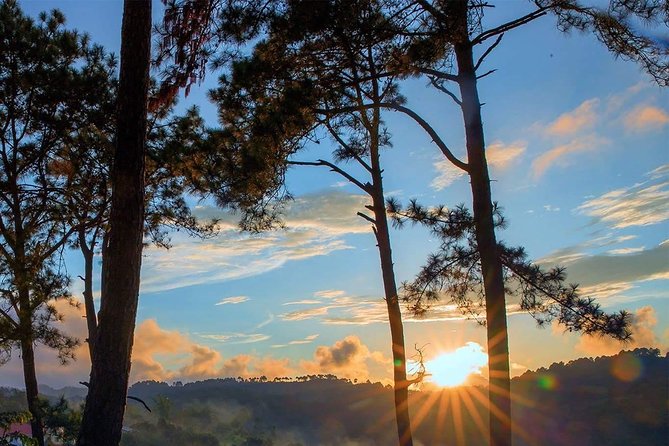
Kalaw is a great base because it’s cool, green, and close enough to the countryside that your morning can turn into real walking fast. This trek leans into that advantage. You’re out moving through small places where people grow food, care for gardens, and live their daily rhythm.
The big win is that the route isn’t just about reaching a destination. It’s about seeing how villages connect to the land: vegetable plots, flower-growing spots, and rice plantations that shape the shape of the path itself. When you add changing vegetation—pine, rainforest sections, and open fields—you get a day that doesn’t feel repetitive.
For me, value comes from the combination: time outdoors plus a guide who can explain what you’re actually passing. If you like countryside travel that feels personal, this format hits the spot.
You can also read our reviews of more tours and experiences in Kalaw.
The 6:00am start: nice when you’re ready for it
The trek starts at 6:00am, which is early but not weird in Kalaw. The payoff is that you’re walking while the area feels calmer, and you’re less likely to be fighting heat and crowds later in the day.
Here’s the practical side: early starts work best if you’ve planned your sleep and breakfast. Don’t treat this like an 11:00am stroll you can wing. Wear shoes you trust for dirt paths and slopes, and keep your daypack organized so you don’t stop every ten minutes to dig for things.
If you’re the type who likes to ease in, consider arriving in Kalaw the day before (so you don’t rush sleep). In cooler months, people can feel a cold breeze at the start—another reason to be ready with a light layer.
Hill-tribe villages and farm life you can actually see
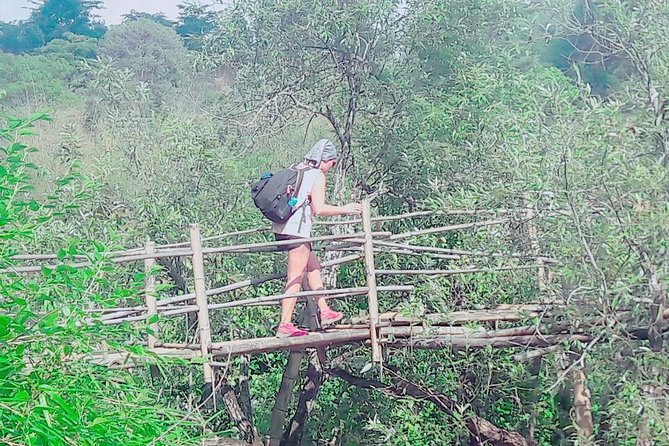
This trek is built around the living side of the countryside. You’ll pass villages where people grow vegetables, flowers, and rice, and you’ll also get to observe everyday life in the hill-tribe communities in the surrounding area.
What makes it satisfying is that you’re not just seeing houses. You’re seeing the working patterns—how fields sit alongside paths, how crops shape the walking route, and how people move through the day. Even when the stops are short, the focus stays on real activities rather than photo-op scenery.
You’ll also likely get cultural context in plain, useful ways. Guides like Johnny are praised for explaining Myanmar culture and agriculture, and for taking time to stop when you want to understand something. That extra few minutes at each village makes the whole trek feel less like transit and more like a guided conversation while walking.
Forest-to-field variety: pine woods, rainforest patches, and rice crossings
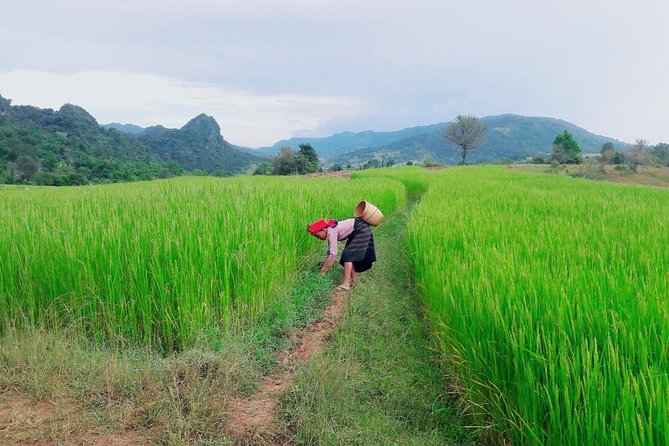
One reason this trek holds attention is the scenery mix. You move through pine forest and then into more humid, rainforest-feeling sections. After that, you’ll often shift to open areas where rice fields and cultivated plots come into view.
You should plan on the “constant changes” effect: every time you think you know what the next hour looks like, the route switches. That’s good news for anyone who gets bored on long trails. It also keeps your energy more manageable, since you’re not staring at the same kind of scenery the entire time.
And yes, there are rice-field crossings and open stretches. Expect the kind of footing that can feel different from paved surfaces—sometimes uneven, sometimes muddy in wetter conditions. If you’re prone to slipping, bring footwear with decent grip and don’t rely on flip-flops or smooth soles.
The guide experience: Johnny (and the wider team behind the scenes)
A strong trek guide changes everything. Here, the guide role seems bigger than just leading the route.
Johnny is specifically mentioned as an excellent guide for Kalaw-to-Inle style trekking, with strong English skills. He’s also described as a cook and interpreter, which matters because it changes the feel of meals and stopovers. When you don’t have to guess what’s happening (or translate it yourself), you can relax and focus on the walk and the people around you.
There’s also mention of an experienced host named Mrs Prathibha Umesh connected to a Kalaw retreat-style experience in this area. Even if your guide for your trek is someone else, that kind of local leadership usually signals better organization and a smoother day on the logistics side.
Bottom line: if you care about understanding what you’re seeing—not just taking pictures—this trek’s guide-centered approach is a big part of the value.
How hard is it, really: distance, pace, and your best approach
This is an active 2-day outing with real walking. One clear detail: in the dry season, people have mentioned about 20 km per day with an average difficulty level. Another note is that the pace can be fairly steady, even though the guide will pause often enough for you to take in views and ask questions.
So how do you handle that? Don’t sprint the early minutes. Start at a pace where you can breathe steadily, then let the guide’s rhythm set your tempo. If you’re traveling with family or mixed experience levels, tell your guide what you can handle and you’ll usually get the right balance of walking and stops.
What you shouldn’t ignore is the up-and-down nature of the route. The terrain isn’t described as flat, and the experience leans on the hills and views. If you have knee issues, consider whether a steep or uneven trail type is going to be comfortable for you.
Also, bring patience for small delays. Village stops, photo breaks, and explanation time add up. That’s not wasted time—it’s the whole point.
Timing, duration, and what a full 2 days feels like
The duration is listed as 2 days 10 hours (approx.), which is the kind of schedule that can feel full even when breaks happen. The meeting time at 6:00am means day one starts early, and day two continues the walking rhythm.
You can expect a day made of walking blocks and nature/people moments: views, forest segments, open farm scenes, and villages. The walk doesn’t sound like a straight-line hike with one scenic overlook at the end. It’s more like a route with ongoing “stop-and-look” points.
If you’re the kind of person who likes a relaxed travel pace, build in slower time afterward. Don’t plan back-to-back intense days immediately after this trek. Give your legs a day to recover so you remember the trek as enjoyable, not just a workout.
Pickup, private group, and the small logistics that matter
This experience includes pickup offered, and it’s set up as a private tour/activity, meaning only your group participates. That’s a practical advantage. It reduces the “forced matching pace” problem that shared group hikes sometimes create.
You’ll also have a mobile ticket, and the meeting point is described as near public transportation. That helps if you’re not sure how you’ll get around Kalaw yet, since it gives you options.
The main value of private here is flexibility. If your group wants a slower pace for explanations, or wants more time at views and village moments, a private setup tends to make that easier.
Price and value: why $15.39 can still feel like a lot more
The price is listed at $15.39 per person, which is strikingly low for a two-day trek with an experienced guide. Now, low price doesn’t automatically mean low value. In this case, the value comes from what you’re actually getting: long walking time, guided cultural context, and a route that cycles through different countryside environments.
What you should compare against is not just the cost. Compare how much time you’ll spend outside, how many moments you’ll get to see village life, and whether the guide helps you understand what you’re passing. The guide focus—especially the Johnny mentions for English, cooking, and interpreting—suggests you’re not paying for a basic “follow me” route.
Still, do keep expectations realistic: this is an active trek. The cost is low, but the experience isn’t lazy. If you’re looking for a gentle nature walk with lots of sitting, you may find the distance and pace a mismatch.
Extra advice if you’re moving on to Inle: don’t miss the sunset viewpoint
One useful tip connected to the Kalaw-to-Inle move: if you’re heading from Kalaw toward Inle, plan for a sunset stop at the viewpoint on the mountain side. The practical guidance is to allow about 30 minutes for the drive up, and a motorbike is described as the easiest way (except in rainy conditions).
This isn’t necessarily part of the trek itself, but it’s smart planning for your overall trip flow. After 2 days of hiking, sunset is a good low-effort reward. You’ll also get a change of pace from walking—useful when your legs are already negotiating with gravity.
Who this trek suits best
This trek is a great match if you want:
- Real village and farm scenes tied to hill-tribe life
- A guide who explains culture and agriculture, not just route info
- A multi-environment walk: pine forest, rainforest-feel sections, and rice fields
- A private experience where your group sets the tone
It may be less suitable if you:
- Need a flat, stroller-friendly route
- Get uncomfortable with sustained walking and regular up-and-down trails
- Want a short, light outing rather than a full 2-day day
Should you book this Kalaw trek?
If you like authentic countryside travel and you care about understanding what you’re seeing, I’d lean yes. The combination of hill-tribe village life, varied nature (pine and rainforest sections plus rice-field paths), and guide quality (with Johnny singled out for English and interpretation) makes this feel like a meaningful experience rather than a box-check hike.
The main reason not to book is if you’re not ready for the physical side. With mention of about 20 km per day in the dry season and an average difficulty level, you’ll want to go in prepared and honest about your stamina.
FAQ
What is the duration of the trek?
It’s listed as about 2 days and 10 hours.
What time does the trek start in Kalaw?
The start time is 6:00am.
Is this trek private or shared?
It’s a private tour/activity, so only your group will participate.
Does the price include pickup and a mobile ticket?
Pickup is offered, and you’ll receive a mobile ticket.
How difficult is the walking?
In the dry season, walking has been described as about 20 km per day with an average difficulty level, with a sustained pace and regular stops.
What kind of places will I see during the walk?
You can expect hill-tribe countryside areas, villages, vegetable and rice-growing areas, pine forest, rainforest sections, rice-field crossings, and scenic mountain views.
What happens if I need to cancel?
The experience is non-refundable and cannot be changed. If it’s canceled because a minimum number of travelers isn’t met, you’ll be offered a different date/experience or a full refund.