A Dolomites hike can be a quick hit, not a big ordeal. This one is built as a guided circular walk that climbs gently, then drops you back down to an alpine lake payoff—plus you’ll pass through some of the region’s most famous scenery from Cinque Torri to Tre Cime di Lavaredo. I also like that it’s flexible: the guide can shape what you do based on participants’ skills and desires.
The main drawback to plan around: this area can feel steep and exposed in places, and even a short outing can be physically challenging if you’re not used to rough mountain footing. Go in with respect, listen to your guide, and don’t treat every trail like a stroll.
In This Review
- Quick Hits: what makes this trekking experience worth it
- Cortina d’Ampezzo to the Dolomites’ big-name spots in just 5 hours
- Entering the walking loop: gentle climb, serious views, lake reward
- The rifugio break: where the mountain hut fits into the plan
- Stop-by-stop: what each famous area adds to your day
- Cinque Torri: WWI bones under the rock towers
- Tre Cime di Lavaredo and Drei Zinnen: the Dolomites’ “yes, this is it” moment
- Lago di Sorapiss: when the lake becomes the whole story
- Lago Lagazuoi: high-mountain scenery with a clear sense of altitude
- Alta Badia and Val Gardena: big valleys, strong mountain atmosphere
- Val Duron, Alpe di Siusi: open space and easy-to-read terrain
- Rifugio Passo Principe: the hut vibe on a route like this
- Parco Naturale Puez Odle: protected land and careful pacing
- Karersee and the Lago di Carezza zone: a “stop and absorb” style moment
- Sciliar-Catinaccio / Schlern-Rosengarten: mountain character with a classic Dolomites feel
- Fit level and trail reality: this is short, but not a walk in the park
- Your guide: UIAGM/IFMGA changes how safe the day feels
- What to pack: poles, layers, and comfort you can trust
- Weather and crowds: the two things that can change your hike
- Price and value: is $603.44 per group reasonable?
- Should you book this Dolomites trekking experience?
- FAQ
- How long is the Dolomites trekking experience?
- Where does the tour start and end?
- Is the tour offered in English?
- What’s included in the price?
- Can I rent trekking poles?
- What happens if the weather isn’t good?
Quick Hits: what makes this trekking experience worth it
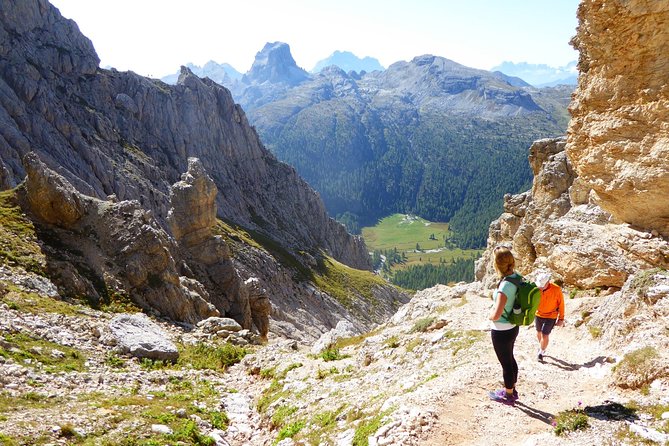
- Cinque Torri viewpoints with a strong feel for WWI trenches and old defenses in the Dolomites
- A circular route designed for a gentle uphill and a full valley-side descent
- Time built in for a typical mountain hut (rifugio) stop if conditions and pace work out
- Big scenery stops—Tre Cime di Lavaredo, Nationalpark Drei Zinnen, and major lakes like Sorapiss and Lagazuoi
- Guided by a UIAGM/IFMGA mountain professional, not a casual tour guide
- Maximum group size of 15, which helps keep the hike safer and more enjoyable
Cortina d’Ampezzo to the Dolomites’ big-name spots in just 5 hours
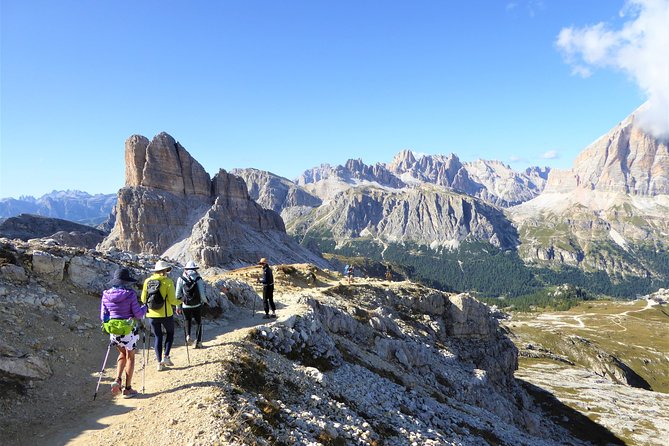
Cortina d’Ampezzo is a great base because it puts you close to the Dolomites’ headline scenery without turning your day into an all-day travel project. Here, you meet at 32043 Cortina d’Ampezzo, then you’ll drive shortly to the parking area before the hiking portion begins. That short transfer matters: you spend more time walking and less time white-knuckling your GPS through mountain roads.
The tour is set at about 5 hours total, and the pacing is clearly meant for people who want a meaningful mountain experience without losing a whole day. You’ll see a lot of famous territory—Cinque Torri, Tre Cime di Lavaredo, Lago di Sorapiss, Lago Lagazuoi, and more—so even on a half-day plan, it still feels like you’re in the Dolomites, not just passing through.
One more practical point: the tour uses a mobile ticket, and it’s English-speaking. That may sound minor, but on a mountain day, you want as few “where do I go?” moments as possible.
Entering the walking loop: gentle climb, serious views, lake reward
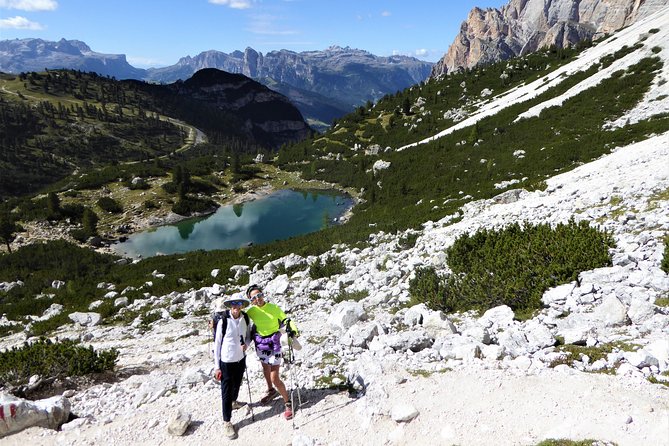
This experience centers on a circular track that’s described as going up on a gentle slope and then down on the other side until you reach a wonderful alpine lake. That’s a smart design for a short outing. You get the satisfaction of earning your viewpoint without stacking hours of vertical gain.
That said, “gentle” doesn’t automatically mean “easy.” Dolomite trails can be rocky, uneven, and slippery—especially if the weather turns. So I treat the phrase gentle slope as a promise about gradient, not a guarantee about footing. Your guide’s job is to match the day to the group, so if conditions or your pace need adjustment, you should expect changes rather than strict adherence to a single line on a map.
You’ll also have a natural moment to slow down: reaching the lake. Alpine lakes in the Dolomites tend to reward you with a dramatic change in feel—less sprawl, more focus. Even if you’re not a “photo first, hike later” person, you’ll likely want a few minutes to just take it in. After that, you head back down toward the valley.
The rifugio break: where the mountain hut fits into the plan
A standout element is the possibility of resting in a typical mountain hut (rifugio) during the final way down to the valley. That’s more than a snack stop. In this region, rifugios are part of how the mountains work socially and practically: they offer shelter, food, and a reset point when the trail work is done.
If the weather is good, a hut stop is also a morale boost. You’ll have done the climbing and the lake portion, and now you can sit, eat something local, and let your legs cool down without rushing. And because it’s on the way down, it tends to feel like a planned recovery rather than an extra detour.
You should still plan like you’re hiking. A hut stop is optional based on timing and conditions, so if you’re the kind of person who gets cold fast, bring a layer even in summer. Mountains love changing the temperature for fun.
Stop-by-stop: what each famous area adds to your day
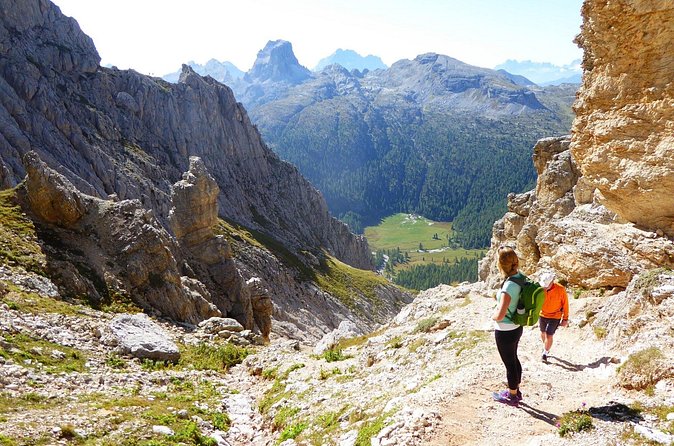
This tour name-checks a lot of landmark places, and in a 5-hour plan you can’t expect each one to get a long sit-down visit. Instead, think of it as a route that combines scenery drives with hiking moments, so each stop adds a layer of context.
Cinque Torri: WWI bones under the rock towers
Cinque Torri is the kind of place that makes you look at the Dolomites differently. The old rock formations aren’t just pretty; they connect to the Great War era, including trenches and remnants of defenses. That adds meaning to the views. You’re not only looking at a photo spot—you’re seeing how people once fought and lived here in extreme conditions.
Even if you’re not a military-history person, it’s worth leaning into that context. It changes how you read the terrain—why these ridgelines mattered, why the lines of movement were so intense, and why trails in the area can feel like they trace an old logic.
Tre Cime di Lavaredo and Drei Zinnen: the Dolomites’ “yes, this is it” moment
Next up are Tre Cime di Lavaredo and the Nationalpark Drei Zinnen. In practical terms, this is the area that most clearly delivers that Dolomites “wow” feeling—massive rock faces, dramatic angles, and a sense of scale that’s hard to capture from the road.
The benefit of including this national park zone on a guided half-day is that you’re not left guessing what to pay attention to. Your guide can point out what to notice as you move through the wider area, and that makes your time feel tighter, not random.
Lago di Sorapiss: when the lake becomes the whole story
Lago di Sorapiss is one of those places people seek out for a reason: it’s a lake that tends to look better as you get closer and change viewpoint. In the supplied info, you’re also promised an alpine lake payoff on the circular walk, so Sorapiss fits the theme: it’s the “pause point” that gives your hike a clear goal.
One practical note: if you’re comparing lakes across the Dolomites, don’t assume any single one is automatically the best for everyone. But as a trekking reward, it still hits—especially because you’re arriving after effort, not just pulling off the road.
Lago Lagazuoi: high-mountain scenery with a clear sense of altitude
Lago Lagazuoi adds a different feel. It leans more toward the high-mountain side of the experience—more “you are in the mountains” and less “valley wander.” Even if your hike time isn’t long here, the area’s altitude helps you understand why this region is such a magnet for serious hikers.
If you’re someone who hates feeling rushed, ask your guide to manage the pace so you have enough time to enjoy the views at each stop. The whole point is that the route is guided and adjustable.
Alta Badia and Val Gardena: big valleys, strong mountain atmosphere
Alta Badia and Val Gardena bring you through classic Dolomites valley scenery. This is where the mountains feel lived-in—towns, farms, and road-access viewpoints. It also helps explain why the region supports everything from casual hiking to advanced routes.
For your day, this matters because valley scenery is what gives contrast. After the rock towers and lake goals, you’ll appreciate the shifts in terrain and light.
Val Duron, Alpe di Siusi: open space and easy-to-read terrain
Val Duron and Alpe di Siusi tend to offer a more open feel compared to the tighter rock-and-ridge areas. That can be a relief when you’re tired, because the trail footing can feel more predictable (again, depending on conditions and the exact path you’re on).
In a 5-hour day, these sections are often where you get to breathe, keep your legs moving, and take in the broader mountain “picture.”
Rifugio Passo Principe: the hut vibe on a route like this
Rifugio Passo Principe is part of the plan list, and it fits the broader structure of the experience: short hike, viewpoint payoff, and the chance to use a mountain hut as a reset. Even if you don’t spend long there, its presence signals that the day expects you to act like a mountain hiker, not a bus passenger.
Parco Naturale Puez Odle: protected land and careful pacing
Parco Naturale Puez Odle signals that you’ll be moving through protected terrain, where the point is respect and careful movement. I treat this as a reminder to follow your guide’s instructions and stay on the right line. You’re in a natural area where foot traffic and weather can change trail conditions fast.
Karersee and the Lago di Carezza zone: a “stop and absorb” style moment
The inclusion of Karersee – Lago di Carezza suggests you’ll get at least one strong lake moment that isn’t the final end of the hike. In practice, this type of stop works well for a guided half-day because it lets you shift modes: walk, pause, look, then move again.
Sciliar-Catinaccio / Schlern-Rosengarten: mountain character with a classic Dolomites feel
The final listed nature zone—Schlern-Rosengarten / Sciliar-Catinaccio Nature Park—adds more of that Dolomites identity: recognizable profiles, open views at altitude, and a sense that this is a place with rules about where you walk and how you move.
If you’re the type who wants more than one distinct “mountain flavor” in a single outing, these included zones help you get it.
Fit level and trail reality: this is short, but not a walk in the park
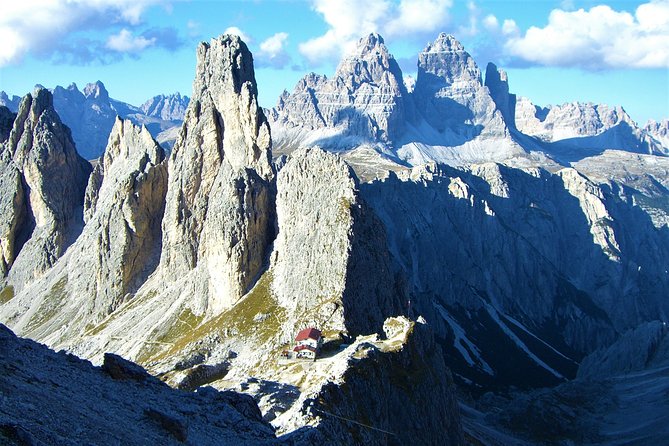
The best reviews emphasize two things: beautiful scenery and a sense that the route is physically challenging. That checks out with the basic structure: you have a hike up, a hike down, and at least one alpine-lake payoff. A 5-hour window means you’ll feel that effort in a concentrated way.
Another review highlights a sobering truth: some paths in these Dolomites areas can be dangerous and not for everyone. It described sections where you climb rocks without handholds and a steep descent, plus the problem of crowd flow—uphill hikers need space and you can end up giving way at risky points.
So here’s the practical take: don’t treat trail markings as a promise that you can handle it. Tell your guide upfront if you’re steady on uneven rock, if you use poles, and if you’re comfortable with steep downhills. The tour description says the route can be chosen based on skills and desires. Use that. If you feel unsure, say it early, not halfway through the steep part.
Your guide: UIAGM/IFMGA changes how safe the day feels
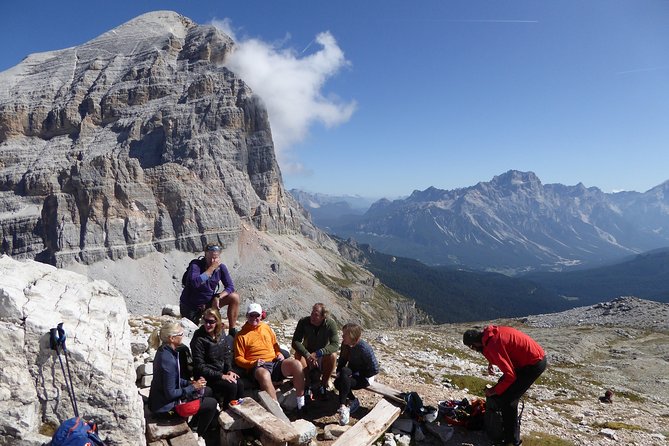
One of the most valuable inclusions is the UIAGM/IFMGA Mountain Guide Service. That credential matters because it signals more than “local knowledge.” It suggests professional mountain competence and decision-making in changing terrain and weather.
In plain terms, a strong guide helps you:
- choose the safest line when footing changes
- adjust the plan to your group’s ability
- keep the hike moving without turning it into a chaos parade
Group size helps too. The tour has a maximum of 15 travelers, which is small enough for hands-on guidance and big enough for the tour to feel social.
What to pack: poles, layers, and comfort you can trust
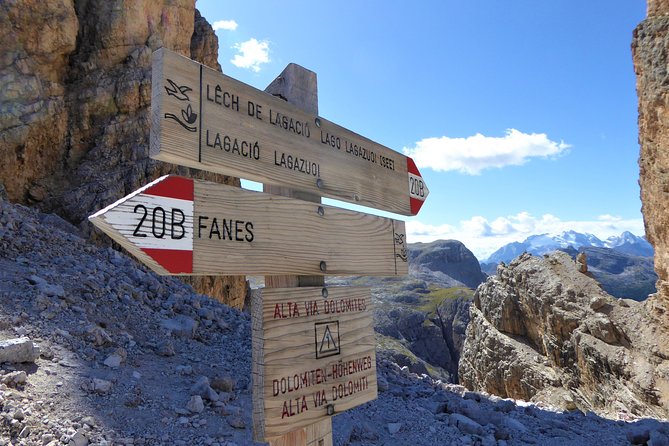
The tour mentions trekking poles rental available on request. If you have knee issues or you’re cautious on downhills, poles can make a real difference on rocky descents. Even if you don’t rent, think about bringing your own if you own them.
Beyond poles, I’d pack for mountain weather changes. This experience requires good weather, and when conditions are right, the trail is more enjoyable. When conditions aren’t right, you’ll want wind protection and insulation so a brief cold moment doesn’t steal your energy.
Also pack snacks or plan to eat at the hut if it’s offered. The day is short enough that a delayed meal can feel like a problem by the time you reach the lake.
Weather and crowds: the two things that can change your hike
You’re told the experience requires good weather. That’s not a bureaucratic line—it’s how the Dolomites stay safe and enjoyable. If visibility drops or ground conditions turn slick, trails that feel manageable in daylight can become stressful.
Crowds can also matter. One review called out the stress of meeting many uphill tourists in narrow sections. I can’t promise how busy your exact day will be, but you can control your response. Stay calm, step aside where your guide tells you, and don’t rush in areas where others need to pass safely.
A guided route helps because your guide can manage the flow better than a DIY plan.
Price and value: is $603.44 per group reasonable?
The price is $603.44 per group (up to 10), and you’re getting guided service from a UIAGM/IFMGA mountain professional. On paper, that’s not cheap. In practice, it can be good value because you’re paying for safety-grade leadership in a region where terrain can turn demanding fast.
Also, a half-day experience reduces the “time cost.” You get lakes, famous viewpoints, and a guided structure in around 5 hours, which can be a smart move if you’re squeezing the Dolomites into a busy itinerary.
If you’re traveling solo, the per-person price might feel higher depending on group fill. If you’re a small group, it can feel much fairer because you’re splitting the guide cost across several people.
Should you book this Dolomites trekking experience?
Book it if you want a short guided Dolomites day with real hiking structure: a circular walk, lake payoff, and a chance to stop at a rifugio. Choose it especially if you’re drawn to the headline names—Cinque Torri, Tre Cime di Lavaredo, and the lake zones like Sorapiss and Lagazuoi—but you don’t want a multi-day commitment.
Don’t book it if you hate steep descents, shaky footing, or you’re looking for an easy, casual stroll. This is still the Dolomites. Even with gentle-slope wording, the area can include exposed and tricky trail sections. If you’re unsure, ask your guide what specific route option they’re planning for your group.
Bottom line: it’s a strong fit for people who want mountain views plus professional guidance, and who are comfortable hiking hard for a few hours.
FAQ
How long is the Dolomites trekking experience?
It runs for about 5 hours.
Where does the tour start and end?
It starts at 32043 Cortina d’Ampezzo, Province of Belluno, Italy, and ends back at the same meeting point.
Is the tour offered in English?
Yes, it’s offered in English.
What’s included in the price?
The tour includes UIAGM/IFMGA Mountain Guide Service.
Can I rent trekking poles?
Trekking poles rental is available on request.
What happens if the weather isn’t good?
This experience requires good weather. If it’s canceled due to poor weather, you’ll be offered a different date or a full refund.