REVIEW · MOUNT ETNA
Mount Etna: Summit Trekking Tour
Book on GetYourGuide →Operated by Luca Cosma · Bookable on GetYourGuide
The Etna summit feels like another planet. I love the chance to stand near the summit craters of Europe’s most active volcano, and I also love the wide-open views toward the Aeolian Islands and the coast from around 3,400 meters. It’s a rare mix of raw terrain and big-picture scenery, far from the usual tourist stops.
One thing to keep in mind: your exact trekking time and route can change based on volcanic activity and the weather, so expect a flexible plan on the day.
In This Review
- Key things to know before you go
- Why Etna’s north side trek feels so different
- Getting started at Sole-neve Souvenirs (and why that matters)
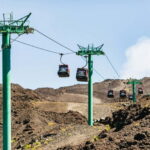
- The ride up: off-road 4×4 to 2,900 m
- Summit trekking: craters, altitude, and the 3,340 m feeling
- Stop-by-stop: how the route unfolds
- Stop 1: Meeting at Sole-neve Souvenirs
- Stop 2: Safety briefing and a short orientation
- Stop 3: Off-road adventure segment
- Stop 4: The hike portion (about 100 minutes)
- Stop 5: Cratere Centrale dell’Etna visit (about 1 hour)
- Stop 6: Break time and picnic (about 1.5 hours)
- Stop 7: Valle del Bove hiking segment (about 30 minutes)
- Stop 8: Off-road return segment
- Stop 9: Arrive back where you started
- Guides and safety: what you’ll notice in the way it’s run
- Gear that’s included (and what you still must bring)
- Price and value: what $62.63 really covers
- Weather and volcano changes: how to plan without stress
- Who this trek is best for (and who should skip it)
- The best moments to aim for (so you enjoy every step)
- Should you book the Mount Etna summit trekking tour?
- FAQ
- How long does the tour take?
- Where do we meet and park?
- What’s included in the price?
- Is food included?
- Do I need to pay extra for transport?
- What languages are the guides?
- What should I bring?
- Who should not join this tour?
- What’s the cancellation policy?
Key things to know before you go
- North-side access, off-road included: You start from Piano Provenzana Etna North and use a special off-road vehicle before you hike.
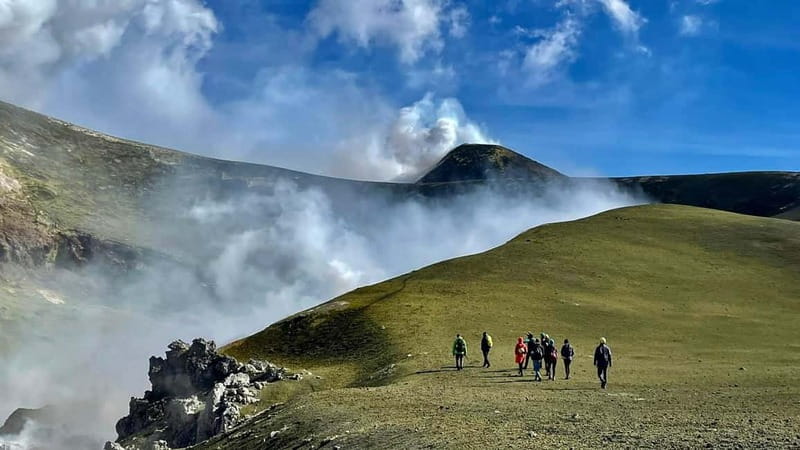
- Real summit-crater terrain: You walk volcanic ground up toward the highest active zone in Europe.
- Epic viewpoints: Sicily, the Aeolian Islands, and the Italian coast come into view when conditions are clear.
- Cratere Centrale and caldera-like scenery: You’ll visit the central crater area and follow guided route segments with scenic stops.
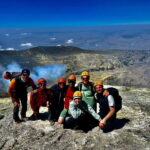
- Small group size: Limited to 10 participants, with guides checking in on everyone’s pace.
Why Etna’s north side trek feels so different
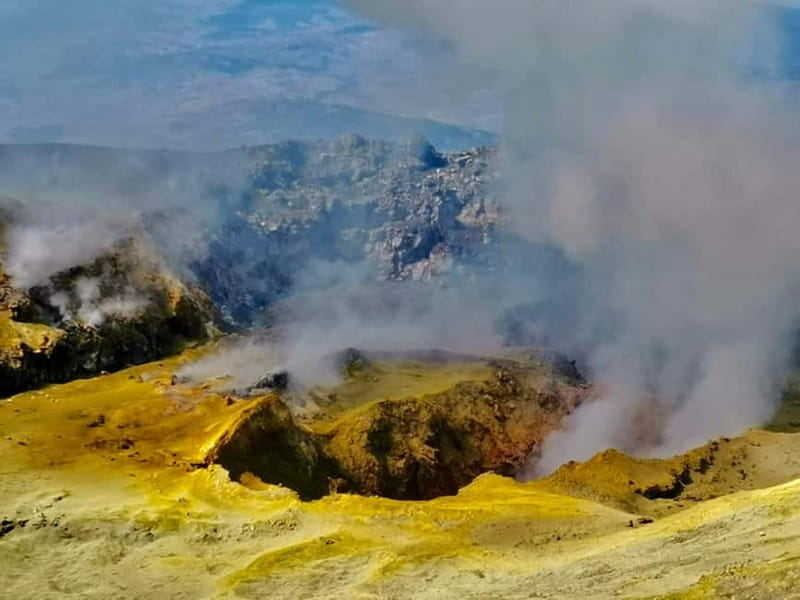
Mount Etna is famous, but the north side has a quieter, wilder feel. This tour leans into that. You’re not just looking at volcanoes from a safe overlook; you’re walking through the kind of volcanic terrain that feels mostly off-grid.
The itinerary is built around reaching high elevation and then moving on foot through crater-zone ground. That’s what makes it memorable: the sense of scale hits you while you’re still close enough to see textures, colors, and the effects of past eruptions.
You can also read our reviews of more tours and experiences in Mount Etna.
Getting started at Sole-neve Souvenirs (and why that matters)
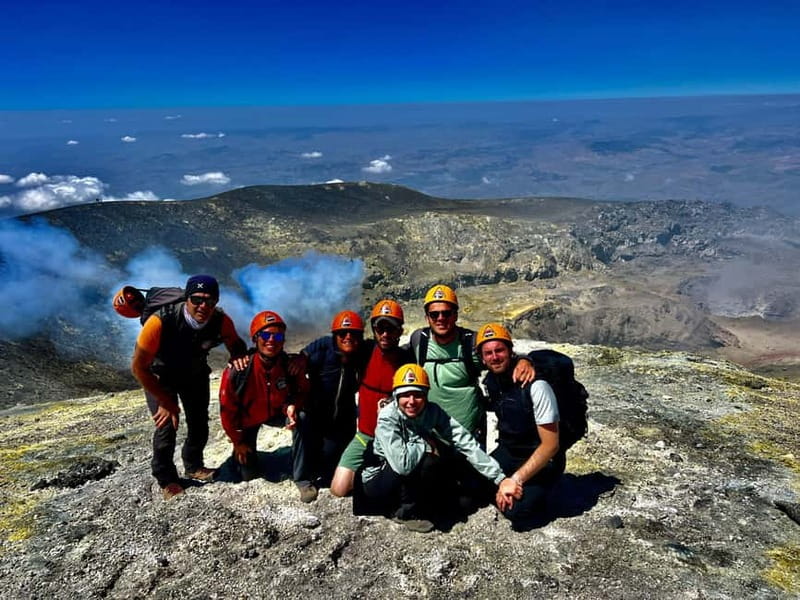
Your day begins right at the meeting point at the Sole-neve Souvenirs shop, with parking available on-site. This is practical for two reasons: you don’t have to solve hotel pickup logistics, and you can arrive, settle in, and start on time.
After check-in, there’s a briefing and equipment check. Then you head up by off-road 4×4 to about 2,900 meters, where the trekking begins. That early jump in elevation matters because it saves energy later and helps you spend your hiking time in the high-volcano zone.
The ride up: off-road 4×4 to 2,900 m
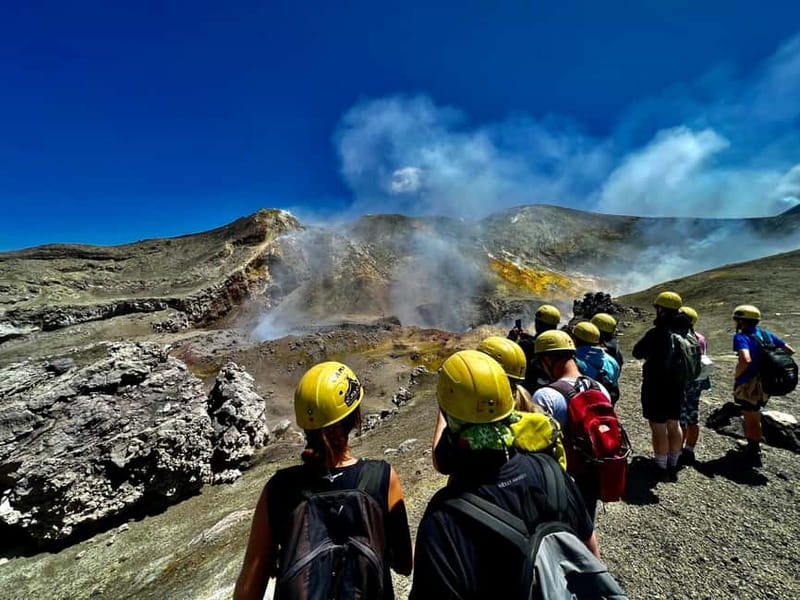
Etna’s volcanic ground is not smooth and polite. The off-road segment helps you get to the start area without burning your legs before the main hike.
Expect that part to feel like an adventure by itself—rough terrain, noise, and the kind of bumpy handling that keeps your attention. One review also hinted that the downstream ride back can be less comfortable than the main experience, so keep that in mind if you’re sensitive to rides on uneven roads.
Summit trekking: craters, altitude, and the 3,340 m feeling
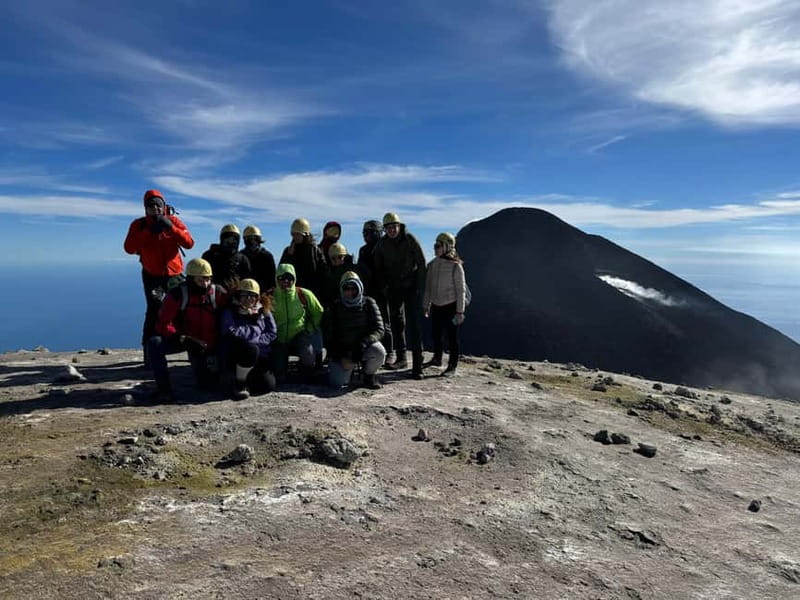
This is the main event: trekking up toward the summit craters of the highest and largest active volcano in Europe. The goal is to get you into the high-elevation area around 3,340 meters, where the views can be dramatic when the air is clear.
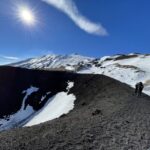
The terrain is volcanic and constantly changing. You’ll cross lava fields on the way up, then later work through sand gullies during the descent. Even if you’ve hiked mountains before, you’ll probably notice that this feels different because the ground is made by eruptions, not by glaciers or normal erosion.
And yes, the views are a big deal here. When conditions cooperate, you can see Sicily, the Aeolian Islands, and parts of the Italian coast from the summit area. If you can handle cold and wind, this is where the day really pays off.
Stop-by-stop: how the route unfolds
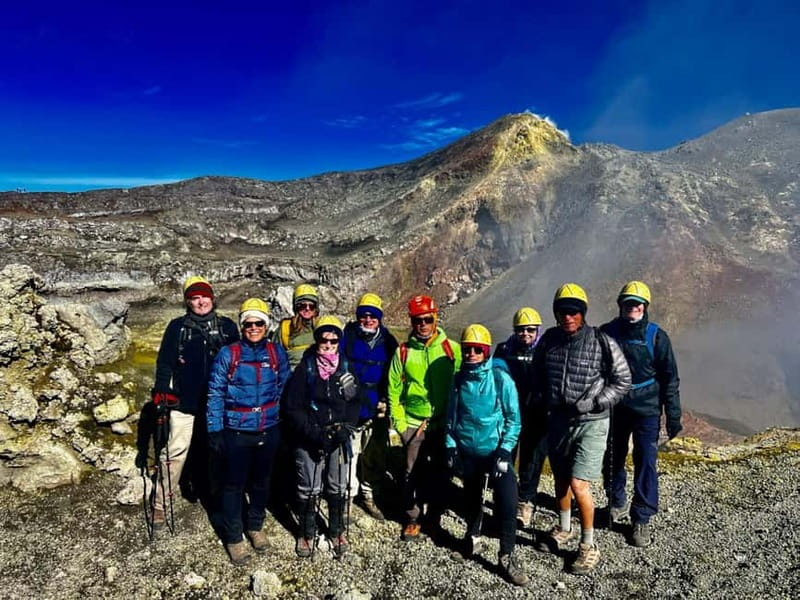
Here’s how the day typically moves, and what each part is doing for you.
Stop 1: Meeting at Sole-neve Souvenirs
You meet at the souvenir shop right where parking is available. This sets the tone: you start with a clear plan and no complicated transfers.
Stop 2: Safety briefing and a short orientation
You’ll get a briefing and a quick check of equipment. This matters more on Etna than on most hikes because conditions can shift fast near the summit, and the guide needs everyone set for wind, cold, and volcanic ground.
Stop 3: Off-road adventure segment
There’s an off-road segment that gets you into the zone. Think of it as a transition: vehicle time helps you conserve energy for the hiking portion that actually brings you close to the summit features.
Stop 4: The hike portion (about 100 minutes)
This is your first real movement on volcanic terrain, after you start trekking around 2,900 meters. You’re gaining altitude, stepping across different ground types, and building momentum toward the summit area.
Stop 5: Cratere Centrale dell’Etna visit (about 1 hour)
You’ll visit the Cratere Centrale dell’Etna area with a guided walk and scenic viewpoint time. This stop is about more than photos—it’s where the “active volcano” concept becomes real in front of you, not just something you read about.
Some guides also bring extra explanation into the crater-zone experience, including background on eruptions and volcanology. If you like understanding what you’re seeing, this portion is usually the payoff.
Stop 6: Break time and picnic (about 1.5 hours)
You’ll have a longer break with sightseeing and walking/hiking around the area. Since food and drinks aren’t included, this is where you’ll want to have planned ahead—pack a meal and enough water for colder conditions than you expect.
In weather that turns windy or chilly (and Etna can do that), this pause can be a lifesaver. It’s also when you can slow down and really take in where you are.
Stop 7: Valle del Bove hiking segment (about 30 minutes)
Next comes a hike segment focused on Valle del Bove. This view area is a great contrast to the craters: instead of being inside the volcanic action, you get the wider-scale structure of the volcano’s landscape.
Stop 8: Off-road return segment
After the hiking, you ride back via off-road 4×4 toward the starting point in Piano Provenzana.
Stop 9: Arrive back where you started
The tour ends back at the meeting point near the souvenir shop. So you don’t have to plan end-of-tour transport beyond getting yourself to where you parked.
Guides and safety: what you’ll notice in the way it’s run
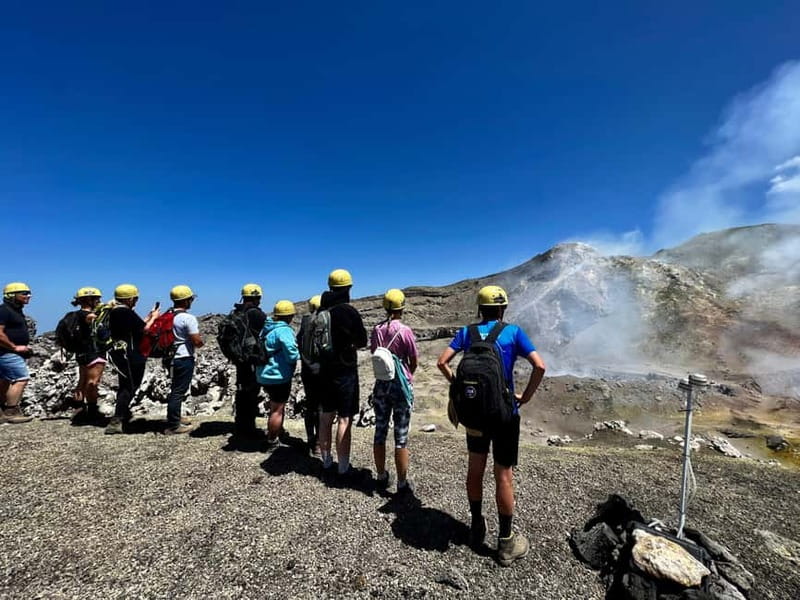
A lot of Etna tours are impressive because the volcano does the heavy lifting. This one adds a human layer that makes the difference: volcanological or alpine guides, helmets, and ongoing group management.
Luca Cosma is listed as the experience provider, and in the real world you may meet guides like Luca—someone known for clear communication and a humorous, upbeat style. Another guide named Arturo also shows up in the guide mix, and that variety can be nice because it keeps the explanations fresh.
The common thread: guides check how people are doing and adjust to the pace of the group. That matters because the route can feel intense at altitude, especially when wind is pushing cold into your gear.
Gear that’s included (and what you still must bring)
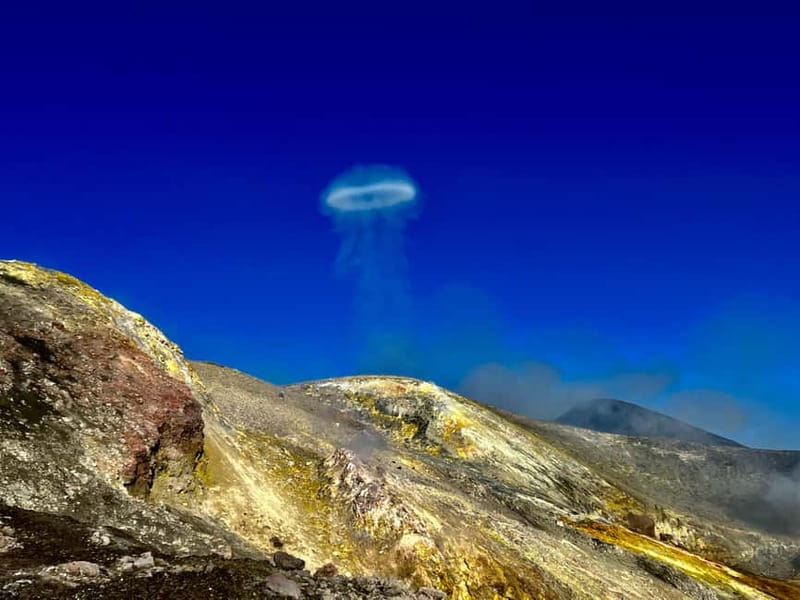
This is one of the better-value parts of the tour: you get hiking gear support. Included items are:
- Hiking boots
- Jacket
- Helmet
- Insurance
- A volcanological or alpine guide
You still need to bring the basics:
- Hiking shoes (if you prefer your own)
- Sun protection like sunglasses and a hat
- A daypack
- Food and drinks
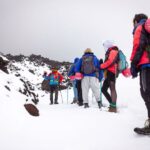
- Weather-appropriate clothing
- Cash
The helmet and jacket are especially helpful because volcanic summit conditions can turn chilly quickly. If you tend to pack light, this tour’s included gear can prevent you from being underprepared.
Price and value: what $62.63 really covers
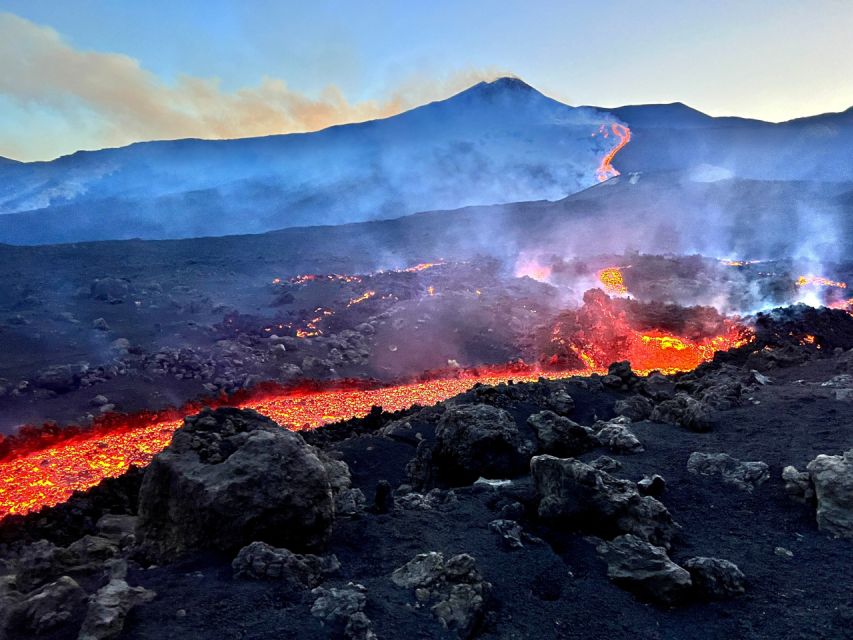
The price listed is about $62.63 per person for the summit trekking tour, and the value is tied to what’s included.
You’re paying for:
- Expert guiding in a high-risk environment (volcanic ground and changing conditions)
- Summit and crater-area access via the north-side plan
- Included safety gear like a helmet, plus boots and jacket
- Insurance coverage
What’s not included is important to budget for. There’s mention of an Unimog 4×4 round trip ticket that costs 50 EUR per person, paid in cash on the spot. That’s separate from the tour price, so bring cash and plan for that add-on if it applies to your session.
If you’re deciding between doing Etna “watching from afar” versus walking among the craters, this is the difference maker. You’re not buying comfort; you’re buying access and time inside the real volcanic zone.
Weather and volcano changes: how to plan without stress
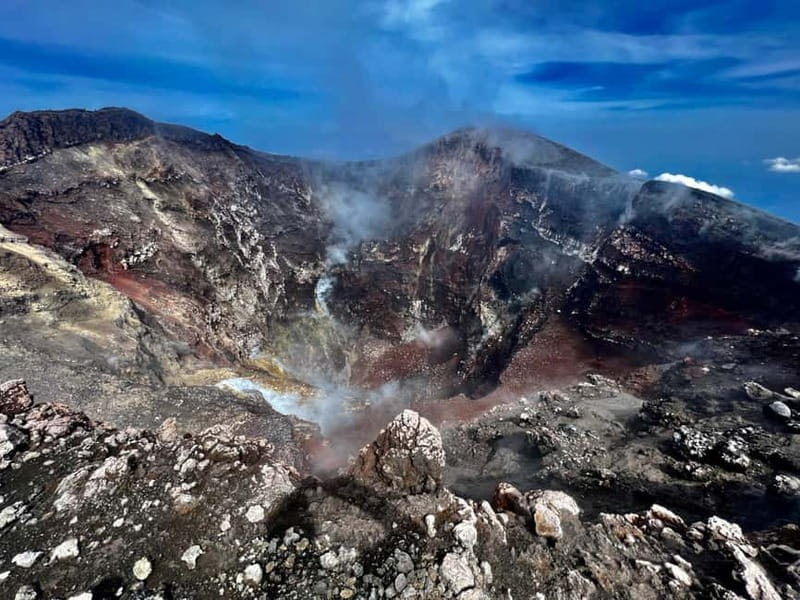
Two forces run the show here: weather and volcanic activity. The day is designed to be flexible because summit trekking in the area can be modified under local regulations.
That means you should pack like a prepper. Even if it’s warm at the parking lot, expect wind at elevation. One of the most common themes from real outings is that it can get very windy and cold, but the guides still keep people safe and moving.
If you’re coming with tight schedule pressure, build in slack. And remember: you might find the “4.5 hours” timing underestimates the full day feel because time on the ground and segments can stretch. I’d plan for a longer outing from start to finish.
Who this trek is best for (and who should skip it)
This tour is a strong fit if you:
- Want an active, outdoorsy day
- Like mountain terrain with real variation (lava fields, crater areas, sand gullies)
- Enjoy learning as you walk, not just standing and looking
- Prefer a small group setting (10 participants max)
It’s not suitable for people who are pregnant or who have heart problems or respiratory issues. It also isn’t a good match for low fitness levels. If you’re unsure, treat that as a real signal. The combination of altitude, wind, and uneven volcanic ground isn’t the place to test your limits.
The best moments to aim for (so you enjoy every step)
If you want to get the most out of your time on Etna, focus on three things while you walk:
- Stay warm at elevation: wind can hit your face and hands even when the sun is out.
- Take your time near the crater zones: that’s where the explanations connect to what you see.
- Look for the scale: at the summit area and around Valle del Bove, distance makes the volcano feel huge.
Also, don’t underestimate the value of the guided pacing. When the group stays together and the guide checks in, you can enjoy the hike without constantly worrying about what’s next.
Should you book the Mount Etna summit trekking tour?
Book it if you want a real summit-crater experience on Etna’s north side—plus included boots, jacket, helmet, and a guide who focuses on both safety and understanding what you’re walking through. The small group size and the chance to reach the highest active zone in Europe make it a standout day in Sicily.
Skip it if you need guaranteed comfort, have medical limitations (heart or respiratory issues), or you’re not ready for altitude plus wind. And plan for flexibility: the volcano and the sky can change the route.
If you’re the kind of traveler who likes being close to the action, this is one of the more worthwhile ways to meet Mount Etna on its terms rather than from a distant viewpoint.
FAQ
How long does the tour take?
The scheduled duration is 4.5 hours. Plan for it to feel longer overall because you’ll spend time briefing, riding, hiking, and taking a longer break.
Where do we meet and park?
You meet at the Sole-ne-ve Souvenirs shop. The meeting point has parking, and the tour ends back at the same place.
What’s included in the price?
The tour includes the Etna summit tour with a guide, hiking boots, jacket, helmet, and insurance.
Is food included?
No. You’ll have a break time for a picnic, but you need to bring your own food and drinks.
Do I need to pay extra for transport?
An Unimog 4×4 round trip ticket is listed as not included, costing 50 EUR per person, paid in cash on the spot.
What languages are the guides?
Guides are available in English, Italian, and French.
What should I bring?
Bring sunglasses and a sun hat, weather-appropriate clothing, a daypack, hiking shoes, and cash. Also bring food and drinks.
Who should not join this tour?
It is not suitable for pregnant women, and it’s not recommended for people with heart problems, respiratory issues, or low fitness levels.
What’s the cancellation policy?
You can cancel up to 24 hours in advance for a full refund, and there’s also an option to reserve now and pay later.