REVIEW · POKHARA
Pokhara: 5-Day Mardi Himal Guided Trek
Book on GetYourGuide →Operated by Himalayan Nomad Treks Pvt. Ltd. · Bookable on GetYourGuide
That first mountain sky change hits fast. This guided Mardi Himal Trek from Pokhara mixes forest trekking, big Annapurna views, and a real high point at 4300m without needing weeks on the trail. I also love the day-by-day pacing that gives you time to look around at tea houses and viewpoints, not just keep walking. One consideration: you’ll feel the altitude and steep sections, especially with an early start on the cold pre-dawn day.
You’re in a private group with an authorized English- (and Hindi-) speaking guide, plus pickup and drop-off from your hotel. The trek includes permits paperwork, TIMS fees, and basic accommodation along the route, so you can focus on moving and enjoying the scenery. If you’re expecting luxury lodges or a porter to carry everything, read closely—porter service isn’t included.
In This Review
- Key Moments That Make This Trek Worth Your Time
- Why the Mardi Himal 5-Day Plan Works (and for Who)
- Getting There From Pokhara: The Kande Start and the Forest Transition
- Day 2 to High Camp (4000m): Dense Jungle, Bird Calls, and Real Effort
- The Pre-Dawn Viewpoint Run: Mt. Fishtail and the Annapurna Panorama
- Low Camp to Siding Village (1800m): Mardi River Nights and Village Hospitality
- Day 5 Wrap-Up: Lumre to Pokhara and the Ease-Down
- Lodges, Meals, and the Full Package Reality
- What’s Included in the Price (and Why That Helps)
- Fitness, Altitude, and Smart Packing for Mardi Himal
- Guide Style and Group Format: Private, Direct, and Practical
- Price and Logistics: How to Know If This Is Your Best Match
- Should You Book the Pokhara to Mardi Himal Guided Trek?
- FAQ
- How long is the Mardi Himal trek?
- Where does the trek start and end?
- What is the highest elevation on this trek?
- What time do you start trekking on Day 1?
- What languages does the guide speak?
- Is this a private group?
- Are meals and accommodation included?
- Is a porter included?
- What should I bring for the trek?
- Is travel insurance included?
Key Moments That Make This Trek Worth Your Time
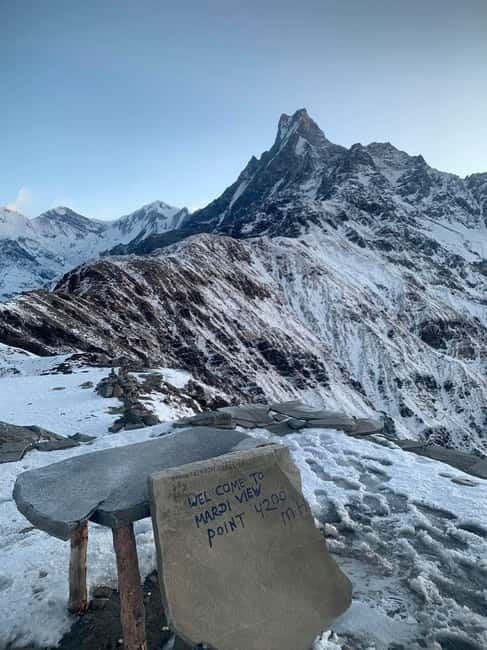
- 4300m viewpoint morning for Mt. Fishtail and a wide Annapurna panorama
- Forest Camp to High Camp climb through dense jungle with birds and wildlife sightings
- Mardi River moment at Siding Village, right by the water near Mardi Mountain
- Tea house rhythm with breakfast/lunch/dinner on the full package
- Serious, solution-minded guiding that helps you settle questions before you start
Why the Mardi Himal 5-Day Plan Works (and for Who)
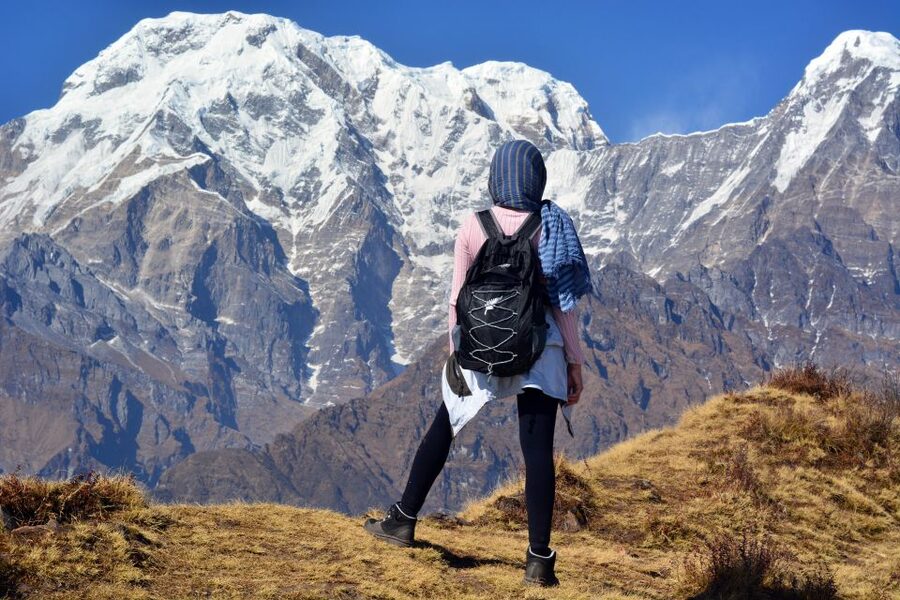
This trek is short enough to fit into a focused Nepal trip, but long enough to feel like you’re actually getting into the mountains, not doing a drive-through hike. You’ll start in the Pokhara area, climb gradually through forest and ridge paths, then hit a signature viewpoint day that pulls everything together.
You’ll also get a trek shape that makes sense for most reasonably fit travelers: walk, stop, eat, sleep at a higher altitude, then go higher again. You’re not jumping straight to the top. Still, you should respect the reality of altitude. The route reaches High Camp at 4000m and a 4300m viewpoint, so plan to move steadily and not race the trail.
This one fits you if you want:
- big mountain views with a manageable time commitment
- a guided experience where permits and logistics are handled
- a mix of forest, ridge views, and village nights
It may not fit you if:
- you’re looking for an easy stroll. This is hiking with inclines and early mornings.
- you’re pregnant, since the activity is marked as not suitable for pregnant women.
You can also read our reviews of more tours and experiences in Pokhara.
Getting There From Pokhara: The Kande Start and the Forest Transition
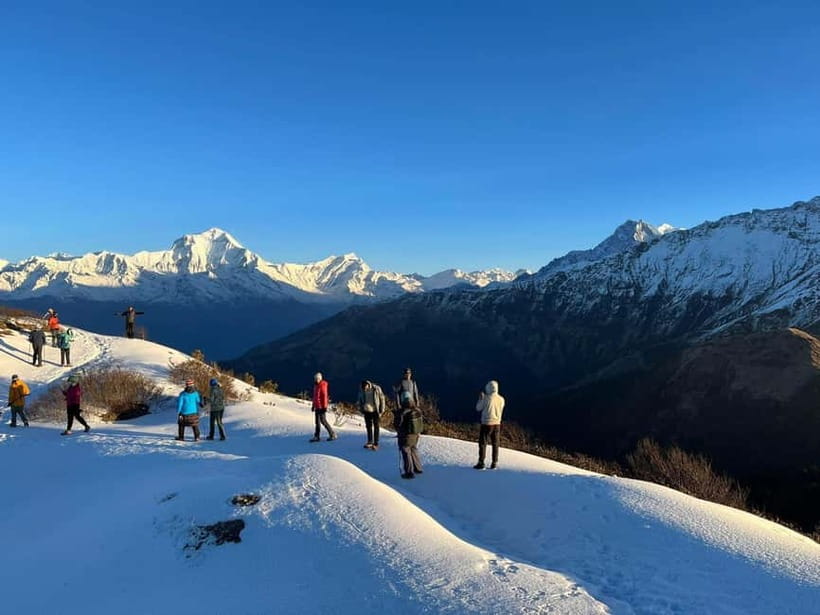
Day 1 sets the tone. You’ll start early at 8:00 am from Pokhara and take a scenic drive to Kande (about 1.5 hours). This part matters more than you might think, because it gets your day rolling without exhausting you right away. You’ll pass green fields, forests, the Seti River, and mountains in the distance—perfect for loosening up before the first climb.
Then you head out from Kande on foot for about 5 hours toward Forest Camp (2500m). This is where Mardi Himal begins to feel special: the trail moves through enchanting forest, and you’re walking in a natural tunnel of greenery rather than only on exposed stone.
What to watch on Day 1:
- The first day is long, but it’s also your rhythm-builder. Don’t sprint, even if you feel good.
- You’ll likely be layering up and down as the air changes under the canopy and as you gain elevation.
By the time you reach Forest Camp, you’ll have your first taste of mountain lodge life—basic guesthouse/tea house comforts, with meals that help you recover for the climb to come.
Day 2 to High Camp (4000m): Dense Jungle, Bird Calls, and Real Effort
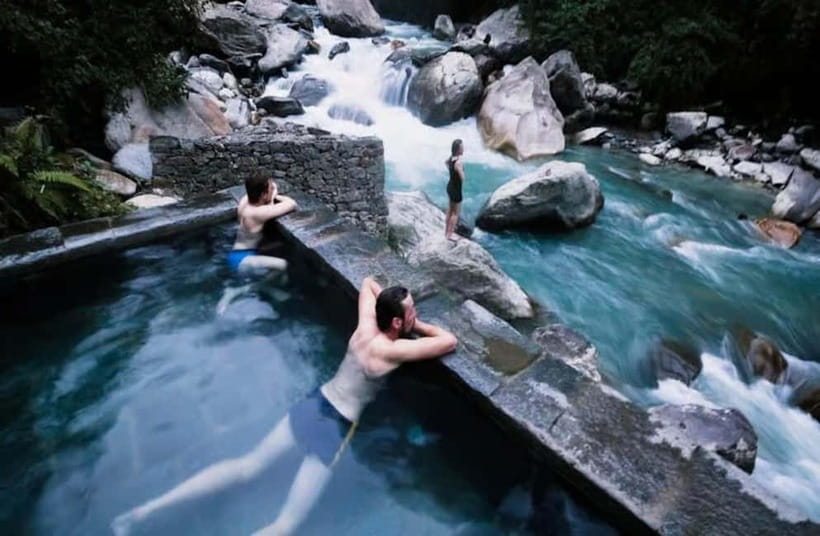
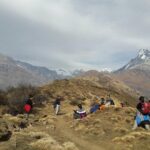
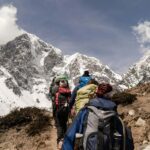
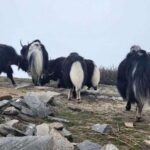
Day 2 is the step-up day. After breakfast, you trek for about 5 hours from Forest Camp to High Camp (4000m). The route moves through dense jungle, so you’re not just looking at scenery—you’re walking through it. This is also where you’ll be in the right zone for wildlife and wild birds, since forest edges and moving cover are where animals decide to show up.
Why this day is valuable:
- You get gradual acclimatization while still making a meaningful elevation jump.
- The forest environment tends to keep your mind busy—less time staring at a single view, more time staying focused on each careful foot placement.
Night at High Camp is peaceful, but expect the temperatures to drop. Pack for cold, even if Pokhara felt warm that morning. A warm jacket and layers matter here.
The Pre-Dawn Viewpoint Run: Mt. Fishtail and the Annapurna Panorama
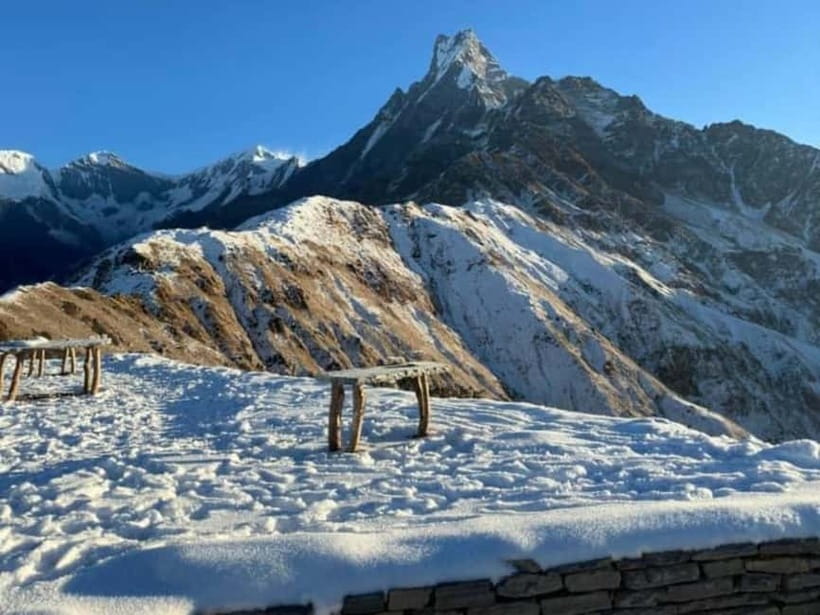
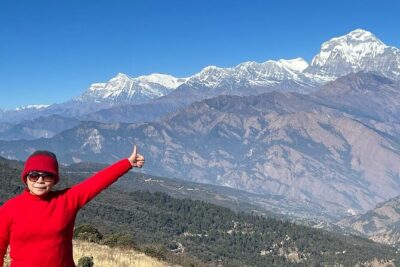
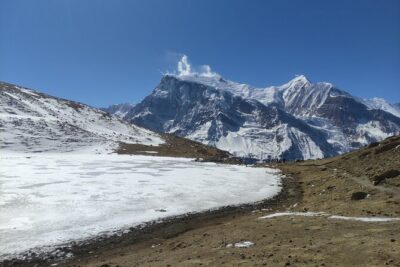
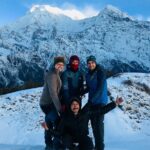
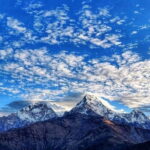
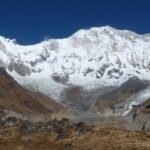
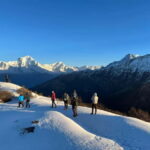
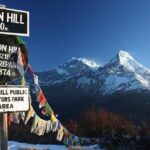
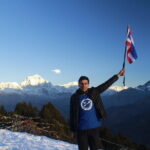
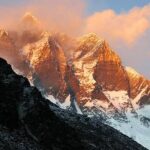
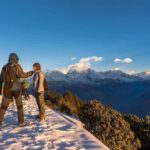
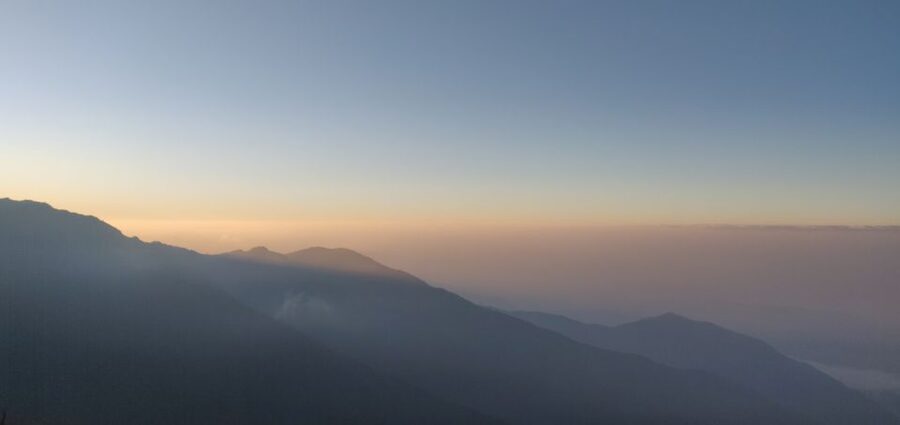
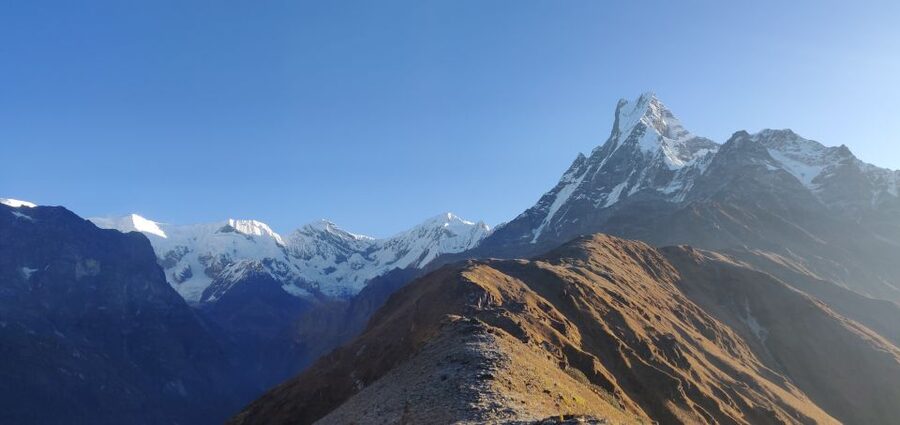
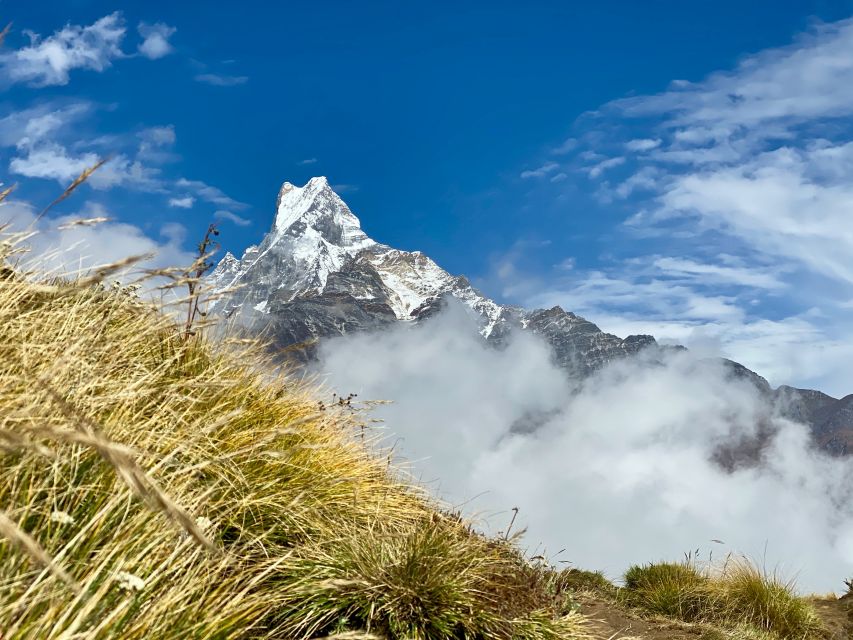
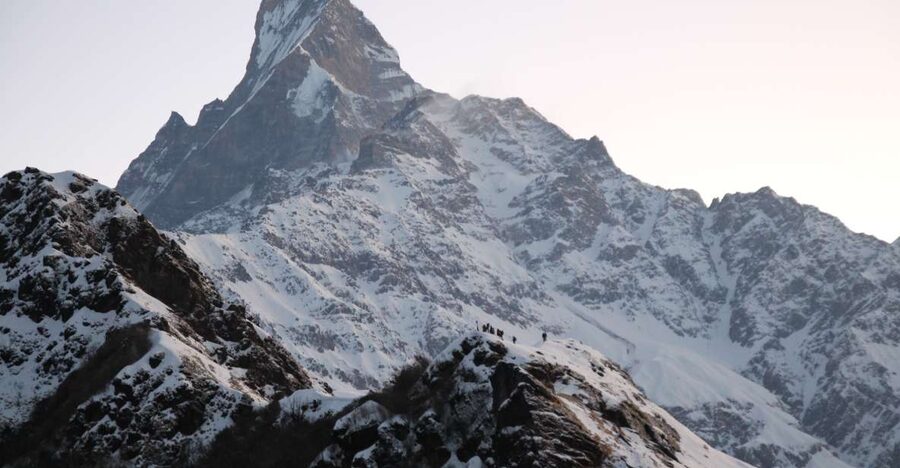
Day 3 starts early: you wake up around 4:00 am and hike about 2 hours to a viewpoint at 4300m. This is the signature moment of the trek. From that viewpoint, you’ll see Mt. Fishtail and the broader Annapurna range panorama.
This is a “bring patience” kind of day. The early start is not for comfort—it’s for light. And once you’re up there, the mountain views are the payoff for the work.
How the day unfolds:
- You hike up to the viewpoint at 4300m.
- Then you descend toward High Camp and have breakfast.
- After a short rest, you continue descending toward Low Camp (3000m).
Key practical tip: keep your pace smooth on the way up. At altitude, effort can feel bigger than it should. A steady rhythm helps you save breath for the final push to the viewpoint.
Then you change modes from “climb and focus” to “descend and recover,” which is exactly how you want a mountain day to feel.
Low Camp to Siding Village (1800m): Mardi River Nights and Village Hospitality
Day 4 is a classic mountain shift: you’re going down. You’ll have breakfast at 8:00 am in Low Camp, then continue descending for about 4 hours to Siding Village (1800m).
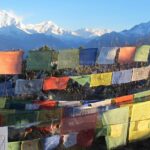
Along the way, the scenery changes again. You’ll see more village-adjacent paths and get closer to where life happens off the ridge. The best part is the approach to the Mardi River, which you’ll see flowing from the base of the Mardi Mountain you visited earlier in the trek.
You’ll sleep overnight in Siding Village beside the Mardi River. This is one of those nights where you can actually slow down. You’ll likely have time to chat, eat, and notice how the mountains shape daily life here.
What to expect with village nights:
- Lodging is basic. Tea/guesthouse rooms are comfortable enough for rest, but don’t expect hotel-grade bathrooms or hot water on demand.
- Meal quality usually stays consistent enough to keep you fueled for trekking, especially if you’re used to simple mountain food.
Day 5 Wrap-Up: Lumre to Pokhara and the Ease-Down
Day 5 is your wind-down day. After breakfast, you trek from Siding Village to Lumre for about 1.5 hours. Then you’ll transfer by vehicle back to Pokhara, where you can relax and decompress.
Why Day 5 feels good: you get movement to finish the trek, but you’re not fighting for elevation anymore. It’s the right way to land after a high day and a long ridge-and-forest circuit.
And when you reach Pokhara, you’re back in a setting where your body can do what it needs: warm up, stretch out, and sleep like you mean it.
Lodges, Meals, and the Full Package Reality
This trek includes available accommodation during the trek and all meals (breakfast, lunch, dinner) if you choose the full package. That matters because meals are what keep your energy steady on climb days.
The mountain food tends to center on simple, reliable staples like dal bhat (lentils and rice). You can also expect other tea house options, but dal bhat is usually the workhorse meal when you’re trekking.
One note: soft and hard drinks are not included, so if you want specific drinks, you’ll pay for them separately. The same goes for other personal items.
Expect lodging to be basic. You’ll get the charm of tea house life, but you should pack like a realist: warm layers, a sleeping bag, and comfortable hiking shoes. If you’re bringing your own comfort gear (like a headlamp and a warm jacket), the trip will feel easier.
What’s Included in the Price (and Why That Helps)
The price is $188 per person for this 5-day guided trek. For many travelers, what justifies the cost isn’t just the guiding—it’s the way the logistics and paperwork are handled.
Included items that reduce stress:
- Hotel pickup and drop-off
- Authorized English-speaking guide (English and Hindi are listed)
- Trekking permits plus TIMS fee(s) and necessary paperwork
- Accommodation during the trek
- Full meal plan (depending on full package selection)
- Guide insurance and staff expenses covered
- Deluxe transportation as per the itinerary and group size
Why this adds value: trek permits and TIMS paperwork can be a hassle to coordinate on your own. Having someone registered and organized means you can spend your brain on pacing and enjoying the trail.
Not included items that you should plan for:
- porter (not included)
- travel and rescue insurance
- Nepalese visa fee and international flights (visa and flights aren’t part of this price)
- personal expenses like phone calls, laundry, drinks, shower, bottle/boiled water, and battery recharge
- extra porters or excess baggage charges (if relevant to your domestic flights)
Bottom line on value: if you want a guided, paperwork-covered route with meals and lodging managed, this is priced like an efficient, no-drama mountain program. If you’re already planning to self-arrange everything or you want extra support like a porter, you’ll need to budget more.
Fitness, Altitude, and Smart Packing for Mardi Himal
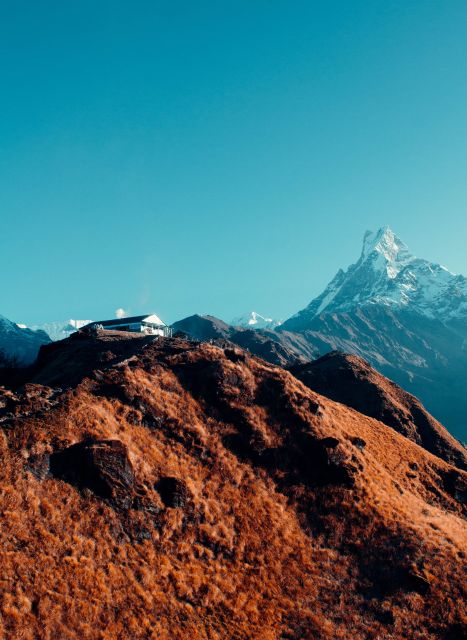
Let’s be straight: you’ll work for these views. The trek climbs from 2500m to 4000m, then reaches 4300m for the viewpoint day, and later drops to 1800m.
For that reason, being fit matters—especially with the inclines. You don’t need to be an athlete, but you do need to be able to hike uphill for hours, then descend.
Packing list essentials listed for you:
- trekking shoes
- layers: t-shirt, long pants, jacket
- hat, sunglasses, sunscreen
- sleeping bag
- reusable water bottle
- first aid kit
- headlamp
- towel
- rain/snow readiness: a warm jacket and trekking gear that handles mountain weather
- trekking poles can help (also listed as a must-have)
And one more big one: travel insurance with high-altitude coverage is important. The trek goes above 4000m at least on parts of the route, so make sure your coverage matches your actual elevation plans.
Guide Style and Group Format: Private, Direct, and Practical
This is a private group, which usually means your pace and questions are handled more directly. The guide is authorized and English-speaking (and Hindi as well), and pickup instructions are specific: wait in the hotel lobby about 10 minutes before your scheduled pickup time.
What I like in a guided trek like this is the “real support” factor: you’re not guessing about route logic, timing, or what to expect at lodges. The experience also emphasizes answers to questions before you go, so you can show up ready and not scrambling.
There’s no name included for the specific guide in the provided info, but the guiding approach is clearly positioned as organized and supportive from start to finish.
Price and Logistics: How to Know If This Is Your Best Match
Here’s the quick decision test I use.
Choose this guided Mardi Himal trek if you want:
- a structured 5-day plan with permits and TIMS handled
- a mix of forest trekking and famous viewpoint scenery
- a private-group feel with an English/Hindi guide
- meals and lodge basics managed during the trek
Consider alternatives or adjust your plan if:
- you want a porter included (it’s not included here)
- you need luxury comfort standards at tea houses
- you are not comfortable with early mornings or altitude up to 4300m
- you are traveling with needs not suitable for this trek category (pregnancy is specifically flagged as not suitable)
If you match the fitness level and accept basic lodge life, this is a solid value way to experience the Annapurna region without turning your trip into an endless admin task.
Should You Book the Pokhara to Mardi Himal Guided Trek?
I’d book it if you want a guided Annapurna experience that’s scenic, structured, and genuinely doable in five days. The 4300m viewpoint day is the kind of moment that sticks, and the route’s mix—forest trekking, high-camp climb, then a river-side village night—keeps the trek from feeling repetitive.
Skip it (or ask more questions) if you’re expecting porter support, modern hotel comforts, or a hike that won’t challenge your legs and lungs. Also, don’t underestimate the cold early morning on the viewpoint day.
If you’re planning smart—good shoes, layers, sleeping bag, and altitude-aware pacing—this guided Mardi Himal trek can be one of the most satisfying “short-but-real” mountain trips you take from Pokhara.
FAQ
How long is the Mardi Himal trek?
The trek is 5 days.
Where does the trek start and end?
It starts from Pokhara, and it ends back in Pokhara after trekking to Lumre and driving back.
What is the highest elevation on this trek?
You reach a viewpoint at about 4300m on Day 3, and you also spend nights at High Camp around 4000m.
What time do you start trekking on Day 1?
Day 1 starts early at 8:00 am from Pokhara, with a drive to Kande before beginning the trek.
What languages does the guide speak?
The guide is listed as English and Hindi.
Is this a private group?
Yes, the group type is private.
Are meals and accommodation included?
Accommodation during the trek is included. Meals (breakfast, lunch, dinner) are included on the full package.
Is a porter included?
No, porter service is not included.
What should I bring for the trek?
The provided packing list includes an ID/passport, sunglasses, hat, towel, sunscreen, sleeping bag, clothing layers, reusable water bottle, first aid kit, hiking shoes, long pants, jacket, and trekking gear (including trekking poles and a headlamp).
Is travel insurance included?
No. Travel and rescue insurance are not included, and high-altitude coverage is recommended since the trek reaches high elevations.