REVIEW · CHIANG RAI
Chiangrai: Group Trekking with Bamboo Cooking
Book on GetYourGuide →Operated by SoGood Travel · Bookable on GetYourGuide
One day in the Chiang Rai jungle, with bamboo cooking at the center. You’ll get hands-on Bamboo cooking using bamboo sourced from the area, plus a guided walk that mixes village life with real nature time. It’s a small 10-person group style day that feels personal rather than rushed.
I love that the day isn’t just scenic hiking. You also get culture stops in Lisu and Chinese villages, then continue through more hill-tribe communities, with an expert guide who knows the nature trails. The possible downside: this is a 10–12 km walk that can feel physical, with some slippery stretches and uneven ground, so it’s not ideal if you hate hard walking or need a fully gentle pace.
In This Review
- Key highlights worth planning for
- Why this Chiang Rai bamboo trek feels different from a normal day tour
- The full route: Lisu village, tea, bamboo lunch, waterfall, villages, hot spring
- Start in the Lisu village
- Continue to a Chinese village stop
- Walk toward tea plantations
- Bamboo cooking lunch: the main event
- Trek to the second largest waterfall area
- Akkha and Lahu tribe village visits
- Finish with a natural hot spring soak
- Bamboo cooking class: what you learn and why it’s more fun than a cooking demo
- Trekking reality check: 10–12 km, uneven ground, and how not to regret your shoes
- Waterfall and hot spring: packing swim stuff, but keeping expectations grounded
- The waterfall stop
- The hot spring soak
- Small group, expert guide, and the value of what’s included for $59
- Who this tour suits best (and who should skip)
- Quick packing list that matches the real day
- Should you book this Chiang Rai bamboo trekking day?
- FAQ
- How long and how far is the trekking?
- What’s included in the tour price?
- Do I need swimwear and a towel?
- What should I wear and bring for the jungle?
- What languages are the guides?
- Is the tour suitable for pregnant women?
Key highlights worth planning for
- Bamboo cooking class: You learn the method and eat what you cook on-site
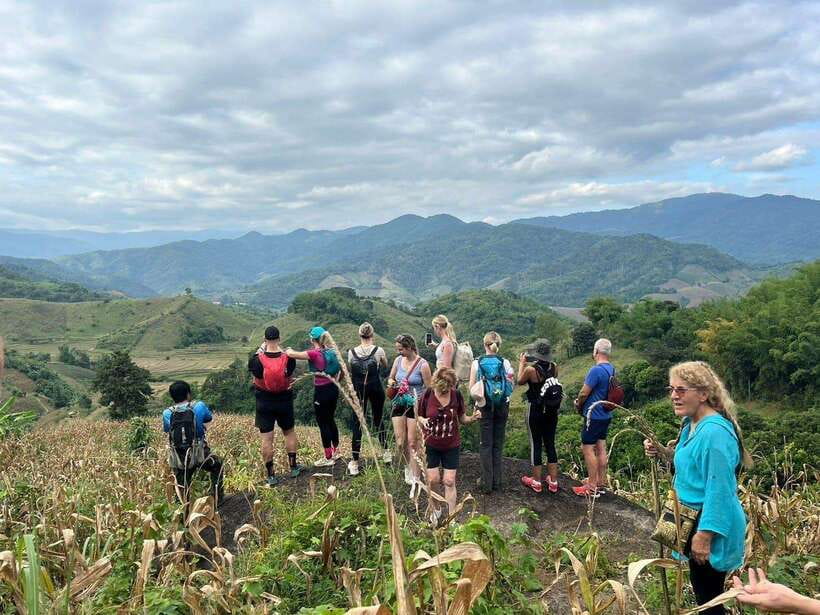
- Hill-tribe village visits: Lisu plus other communities along the route
- Tea plantations + waterfall + hot spring: Several “nature wins” in one day
- Expert local English-speaking guide: Helps with routes, timing, and trail know-how
- Small group limit (up to 10): Better pace control and less crowding
Why this Chiang Rai bamboo trek feels different from a normal day tour
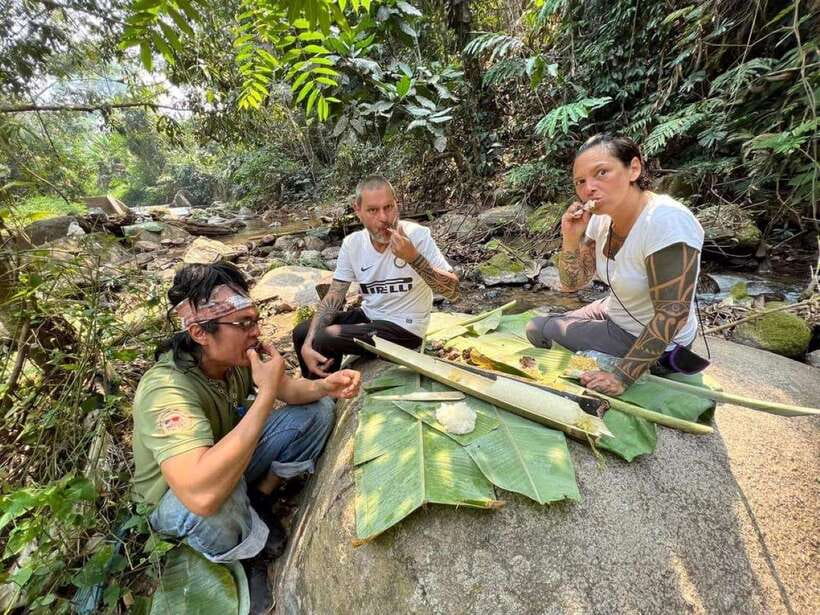
Most Chiang Rai tours give you a checklist: one temple, one viewpoint, one photo stop. This one is built around walking and food. The bamboo cooking isn’t a side show—it’s a core moment that breaks up the trek and gives you something useful to remember.
I also like the way the day layers places. You start with village time, then move into tea-country air, then hit the waterfall area, and end with a natural hot spring soak. It’s not just “pretty.” It’s a full rhythm of jungle life, agriculture, and rest.
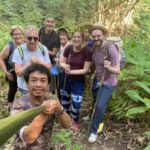
One more practical win: the group stays small (up to 10). That matters when you’re trekking on trails—small groups mean fewer bottlenecks on narrow paths and more time to ask questions.
You can also read our reviews of more tours and experiences in Chiang Rai.
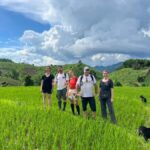
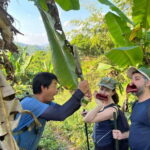
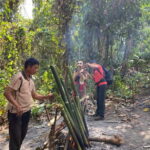
The full route: Lisu village, tea, bamboo lunch, waterfall, villages, hot spring
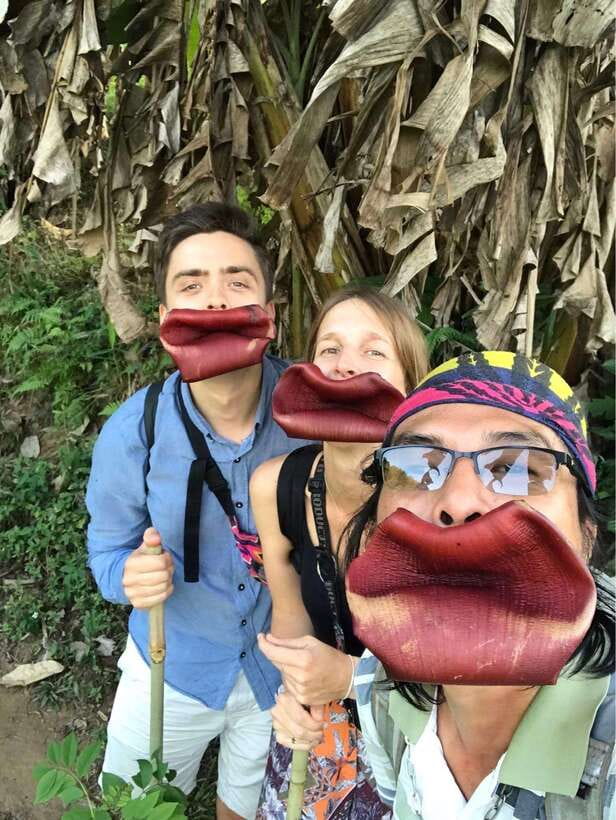
Your day begins with pickup from your hotel in Chiang Rai city. Pick-up is typically between 09:00 and 09:15, and you’ll return to the hotel the same day. The total walking distance is about 10–12 km, with roughly 5–6 hours of walking time, spread out with stops.
Here’s how the day usually flows.
Start in the Lisu village
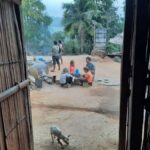
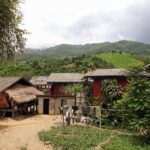
First up is the Lisu village, where you can see daily life and traditions up close. Village visits work best when you treat them like people live there—not like a museum set. Bring patience for simple, slow moments: chatting, observing, and watching daily routines.
A nice aspect here is that the village stop isn’t the whole day. You’re not stuck in one place. It’s a launch point into the broader landscape and how communities tie themselves to the land.
Continue to a Chinese village stop
Next comes a Chinese village visit, adding another layer to Chiang Rai’s ethnic mix. This is where the day starts to feel like “more than nature.” You’re learning how different communities live around the same province, with different customs and daily rhythms.
Walk toward tea plantations
Then you head into tea territory. The walk through tea plantations is one of those sensory moments that changes the whole mood. You’re breathing in the aroma of fresh tea leaves while the trail shifts from village pathways into cultivated hills.
This stop is especially valuable if you’ve only seen tea as a product in a shop. Here you can connect the plant to the place.
Bamboo cooking lunch: the main event
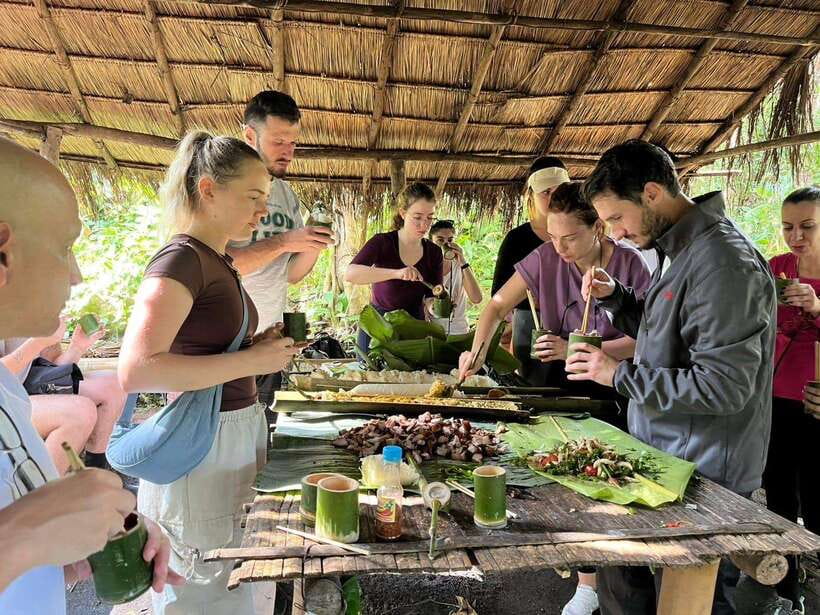
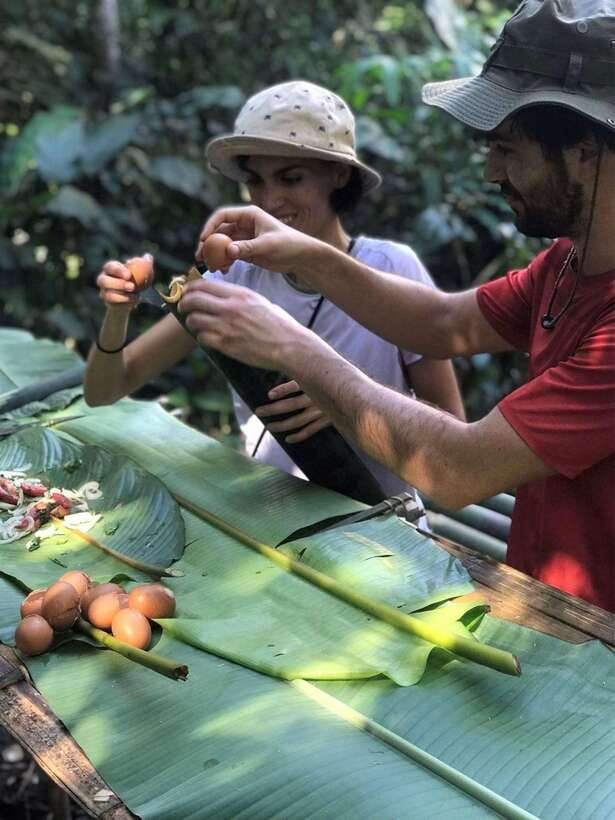
After the morning walking, the day’s highlight is bamboo cooking. Bamboo is sourced from the jungle for the cooking process, and you learn the method before eating your meal together. This is where you stop thinking only about distance and start enjoying something you made yourself.
(Details on the cooking are below, because this part deserves its own section.)
Trek to the second largest waterfall area
After lunch, you keep trekking to the second largest waterfall. The plan includes downtime to relax and potentially swim, depending on conditions and what the guide recommends.
Here’s the one planning note that can save you a lot of hassle: even if the program mentions swimming, real-world water conditions change. Pack swimwear and a towel anyway, but don’t build the whole day around guaranteed water time. One review experience also hinted that waterfall bathing plans can vary, so keep expectations flexible.
Akkha and Lahu tribe village visits
Later in the trek, you visit Akkha and Lahu villages. These stops add cultural context after you’ve already walked through tea and jungle. By now, you’ve seen how land use shapes life, so the village time lands better.
This part tends to be the “slow down” portion of the day. You’ll likely have time to learn through conversation, observing daily work, and asking questions.
Finish with a natural hot spring soak
To wrap the day, you stop at a natural hot spring. The hot spring ticket is included, and it’s the perfect way to undo the “my legs are done” feeling.
You’re soaking with the jungle around you, and that final reset is a big reason this tour feels worth the effort.
Bamboo cooking class: what you learn and why it’s more fun than a cooking demo
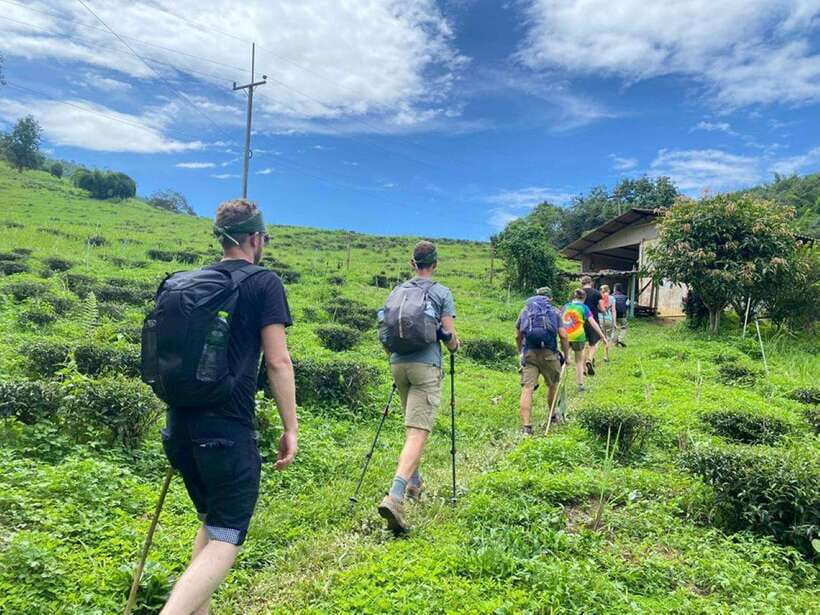
The bamboo cooking experience is hands-on and tied directly to the trek. You don’t just watch someone cook. You learn the method and then eat together.
You’ll also cook with bamboo sourced from the jungle. That detail matters because it makes the food feel connected to the day instead of being an imported class. And lunch is served with a bamboo-cooking setup using handmade tools, which adds to the authenticity.
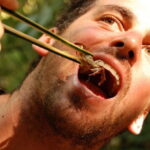
What you eat is traditional Thai-style dishes cooked via bamboo methods. The flavors are exactly the point here: warm, smoky notes plus the “fresh-made” feeling of cooking outdoors. One thing I’d recommend based on what people report is to treat this as the meal you’re most excited about—because the cooking part is often the most memorable.
Dietary note: if you have restrictions, tell the operator ahead of time so they can handle your situation for lunch. The tour specifically asks you to share needs tied to bamboo cooking at lunch time.
Trekking reality check: 10–12 km, uneven ground, and how not to regret your shoes
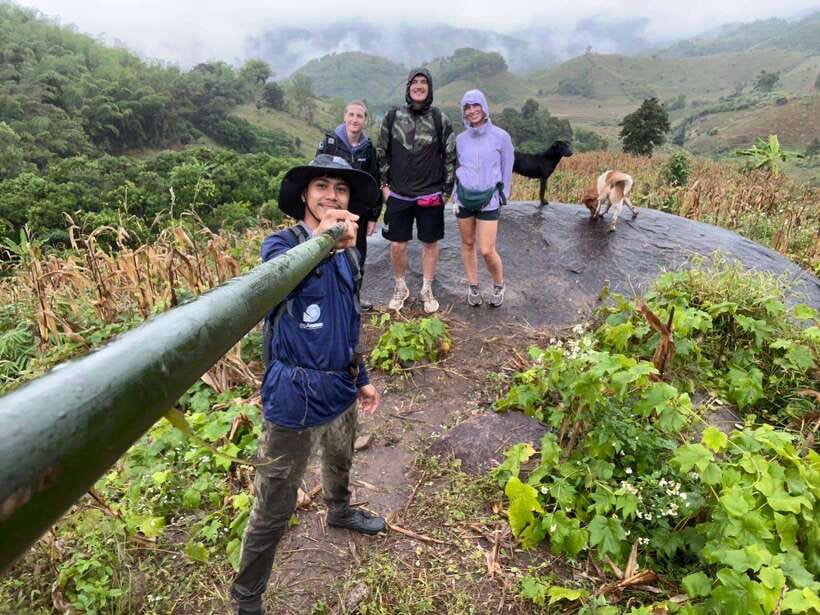
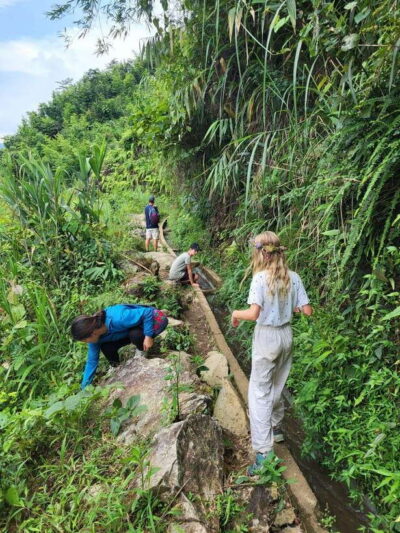
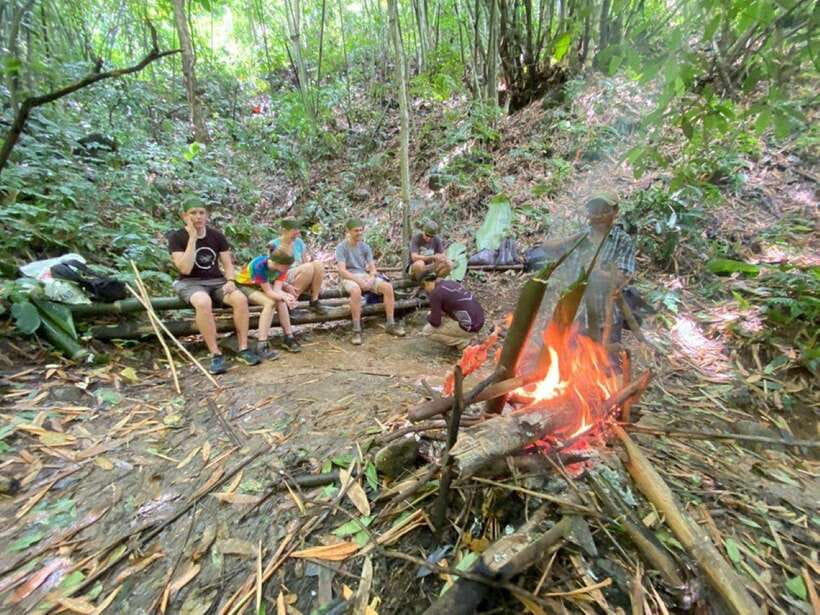
Let’s be honest: this is not a stroll. The walk is 10–12 kilometers and typically 5–6 hours on foot. Even with breaks, you’ll feel it.
Terrain can be a mix of jungle paths and steep, uneven sections. Some sections can be slippery, which is why good traction matters. Bring hiking shoes or at least sturdy, grippy footwear—sneakers with smooth soles can turn this into a tense day.
The top “stay comfortable” items are also clearly spelled out for a reason:
- Insect repellent (seriously, don’t skip this)
- Sunscreen
- A towel and swimwear if you want to use the water opportunities
- A comfortable layer for walking, since you’ll be moving for hours
One review also flagged that the trek is more physically demanding than some people expect. So if you’re coming in thinking “nature walk,” adjust your mindset to “active day with some harder parts.”
Waterfall and hot spring: packing swim stuff, but keeping expectations grounded
This tour mixes two water moments: the waterfall stop and the hot spring soak.
The waterfall stop
You’ll reach the second largest waterfall area and get time to relax, with the option to swim. Pack swimwear and a towel so you’re not stuck wishing you had them.
But keep one realistic rule: water time depends on conditions and what the guide allows that day. You may not get a full swim-and-sun experience every time.
The hot spring soak
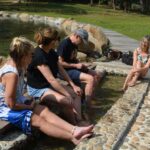
The natural hot spring is included and is the more reliable “recovery” moment. After walking, it’s the payoff: warm water, jungle sounds, and that feeling of loosening up.
Also, hot spring conditions matter less than waterfall conditions. In most cases, the soak is the reason you came.
Small group, expert guide, and the value of what’s included for $59
At $59 per person for a 1-day experience, the value is strongest when you look at what you’re getting together.
Included items that add up in real life:
- Hotel pickup and drop-off in Chiang Rai city
- Expert local English-speaking guide
- Travel insurance
- Bamboo cooking class plus the meal you eat
- Hot spring ticket
- Drinking water
Not included:
- Transportation to the starting point (but pickup from Chiang Rai city is included)
- Personal expenses
Where this becomes great value is the “all-in” structure. You’re not separately hunting for a guide, paying entry fees, and then figuring out how to coordinate bamboo cooking. This day already does the math for you.
Small group size helps too. With a limit of 10 participants, you’re less likely to feel like one of many bodies moving between stops.
Who this tour suits best (and who should skip)

This tour is built for people who like active days and cultural stops.
You’ll probably love it if:
- You enjoy walking and don’t mind 5–6 hours on your feet
- You want more than a photo tour and like village visits
- You’re excited about cooking as an actual activity, not just a demo
- You want a balanced day: movement plus recovery in hot springs
Consider skipping if:
- You’re pregnant. The tour is listed as not suitable for pregnant women.
- You have physical limitations or mobility issues. Some experiences mention that the trek isn’t ideal for people not accustomed to mountain walking.
- You’re expecting an easy beginner route with guaranteed swimming. Trails can be uneven, and water time can vary.
If you’re traveling with kids, the safer approach is to check your child’s comfort with long walking and uneven paths first. This isn’t a paved-path outing.
Quick packing list that matches the real day
To avoid that last-minute panic, pack for both jungle walking and possible water time:
- Comfortable shoes / hiking shoes (grip matters)
- Swimwear and a towel
- Sunscreen
- Insect repellent
- A small day bag for water, snacks if you like, and your essentials
You’ll get drinking water during the tour, which helps you travel lighter. Still, having a bit of your own comfort (like a small snack) can make long walking stretches easier.
Should you book this Chiang Rai bamboo trekking day?
Book it if you want one day that’s truly active and hands-on. The bamboo cooking plus the mix of villages, tea plantations, waterfall time, and a hot spring soak is a strong “one ticket, many memories” combo.
Skip it if your perfect day tour is mostly flat, mostly relaxing, and low-effort. This one asks for real walking, and the jungle trails can be slippery.
My simple decision rule:
- If you’re comfortable with 10–12 km and you’re excited to cook and eat outdoors, this is a great match.
- If you want an effortless stroll, look for something gentler in Chiang Rai.
FAQ
How long and how far is the trekking?
The total walking distance is about 10–12 kilometers, and the walking time is about 5–6 hours.
What’s included in the tour price?
The tour includes hotel pickup and drop-off in Chiang Rai city, an expert local English-speaking guide, bamboo cooking class, lunch to eat together, hot spring ticket, travel insurance, and drinking water.
Do I need swimwear and a towel?
You should bring both. The day includes a waterfall stop where you may be able to relax and swim, and the tour also includes a hot spring stop.
What should I wear and bring for the jungle?
Bring comfortable shoes or hiking shoes, sunscreen, insect repellent, and pack for possible water time with swimwear and a towel.
What languages are the guides?
The tour is guided in English and Spanish.
Is the tour suitable for pregnant women?
No. It is listed as not suitable for pregnant women.
—
If you tell me your fitness level and whether you want guaranteed water time (or you prefer to just watch), I can help you decide if this day trek is the right fit.