REVIEW · CHIANG RAI
Chiang Rai Trek: 4 Hilltribes Villages & Waterfall Only Walk
Book on GetYourGuide →Operated by LocalCNXTours · Bookable on GetYourGuide
Footpaths through hilltribe villages beat big buses. This Chiang Rai trek takes you from village to village on foot, then layers in a waterfall swim and a mineral hot-spring soak for an active day that still feels human-sized.
I love how the day focuses on real daily life: lunch cooked in a hilltribe bamboo kitchen, plus time walking past working farms and tea fields with an English-speaking guide who explains what you’re seeing. I also like that it’s structured but not stiff, with a clear flow from Lisu to Chinese, then Akha and Lahu, before the hot-spring finish. One watch-out: the walk is not flat and is fairly steep in places, so you’ll want solid comfort on uphill paths.
In This Review
- Key things you’ll notice on this trek
- A day that mixes trail time with village life (without feeling like a show)
- Getting started near Lam Nam Kok National Park from your Chiang Rai hotel
- From hot spring beginnings to Lisu village through forest and bamboo
- Bamboo-hut cooking lunch: firewood, tradition, and trying what’s local
- The Chinese village stop and tea plantation walking
- Huay Kaew Waterfall swim: the big reward after the uphill miles
- Akha and Lahu village walk through farms, plants, and everyday scenery
- The mineral hot spring finish: your legs will thank you
- Pace, distance, and what to pack so the day stays fun
- Price and value: what $82 covers and why it feels fair
- Who this tour is best for (and who should skip it)
- My booking call: should you choose Chiang Rai Trek: 4 Hilltribes Villages & Waterfall Only Walk?
- FAQ
- How long is the walking part of the tour?
- What’s included in the price?
- What should I bring?
- Is swimming included?
- Where does the tour start and end?
- Who is this tour not suitable for?
Key things you’ll notice on this trek
- Small-group hilltribe route with Lisu, Chinese, Akha, and Lahu village stops around Chiang Rai
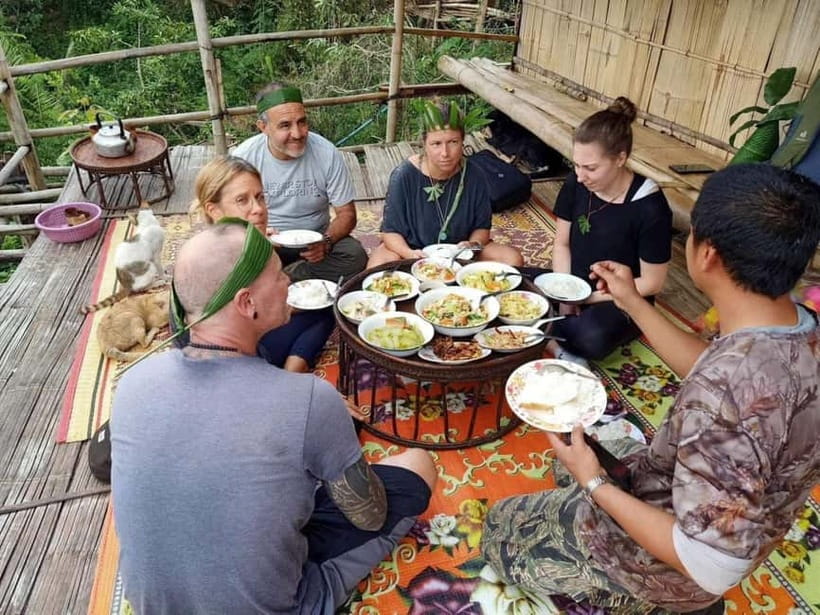
- Bamboo-hut lunch cooking with firewood (no gas) in a traditional kitchen setup
- Huay Kaew Waterfall swim at Chiang Rai’s second-largest waterfall
- Tea plantation time connected to the Chinese village visit
- Farm-land walking and plant spotting across Ahka and Lahu farmlands
- Mineral hot-spring bath to ease the legs before you head back
A day that mixes trail time with village life (without feeling like a show)
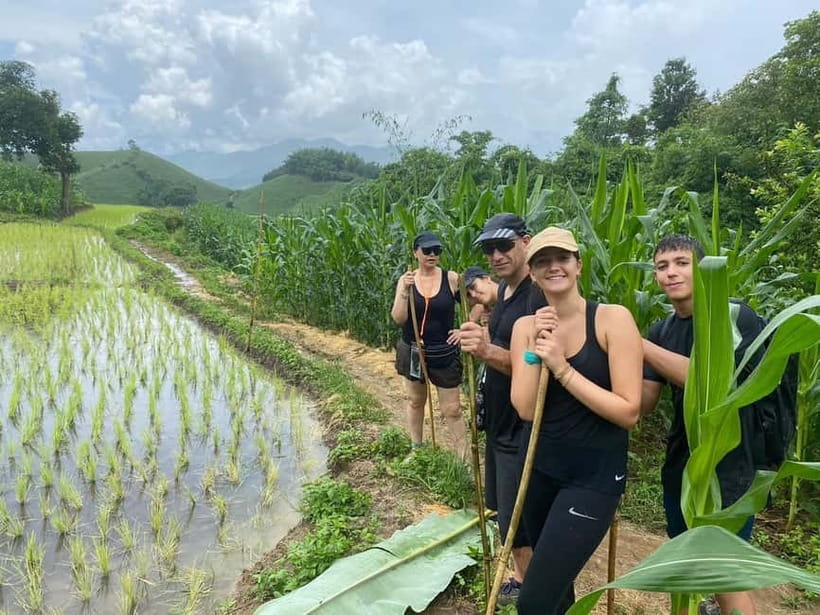
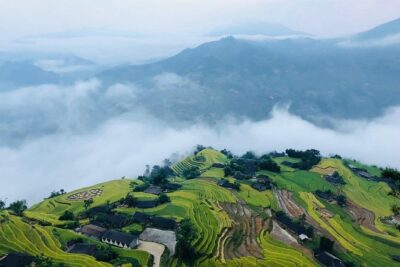
This is the kind of Chiang Rai experience that makes you look up from your feet. You’re hiking through forest and countryside, then slowing down with people who live in these mountain valleys. The payoff is that it doesn’t feel like you’re just collecting photos. You’re learning how daily routines tie into land, food, and seasons.
What makes it work is the balance. You get enough movement to feel like you did something real—about 5 hours of walking—but the key moments aren’t rushed. Lunch in the bamboo hut is practical and hands-on, and the hot spring at the end gives you that satisfying stop-and-recover feeling.
It’s also a “small details” tour. I like that the guide doesn’t just point, but explains what the plants are used for and how local people fit them into meals and everyday life. If you enjoy a guided day that still leaves room to notice the scenery and the rhythms of village life, this is a strong match.
You can also read our reviews of more tours and experiences in Chiang Rai.
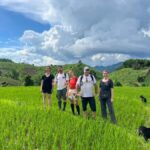
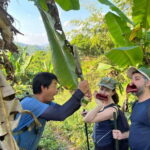
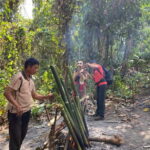
Getting started near Lam Nam Kok National Park from your Chiang Rai hotel
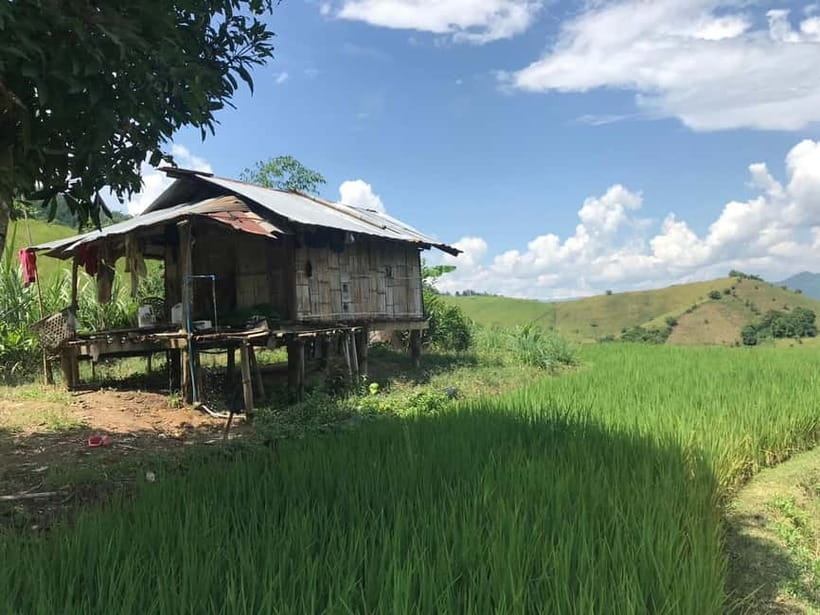
The tour starts and ends in Chiang Rai. You’ll be picked up by car and taken to the trekking area in the Lam Nam Kok National Park region. This is important because it saves you the hassle of figuring out remote access on your own—and it gets you onto trails while the day is still comfortable.
You can expect a morning-style departure from your hotel. One thing to plan for: pickup timing can run a bit later than the initial time window, so I’d rather you treat pickup like a range, not a clock. Once you’re on the road to the park area, the day moves with purpose and you’re soon on foot.
Tip for you: if you’re the type who hates waiting, bring a light snack and keep your patience cap handy. It’s usually not long, but it can happen.
From hot spring beginnings to Lisu village through forest and bamboo
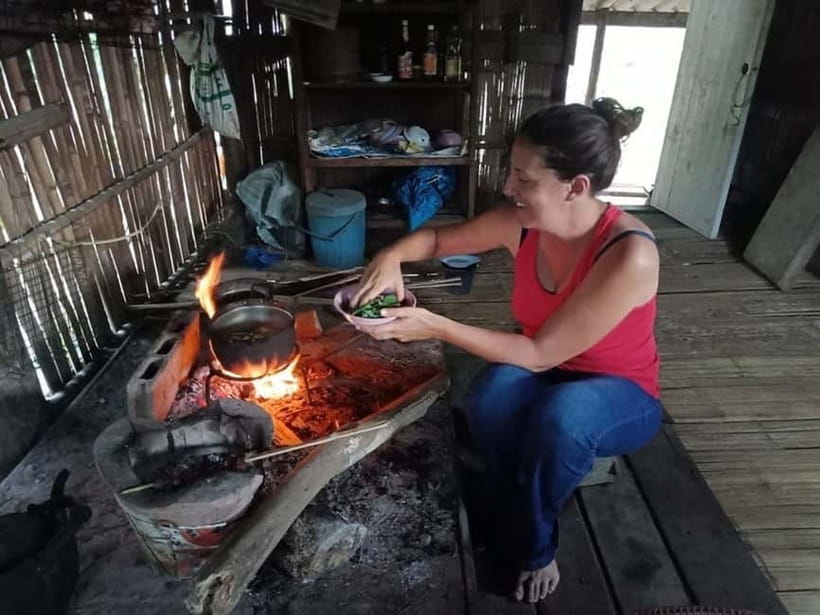
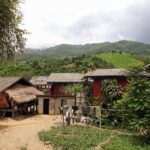
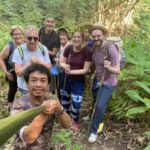
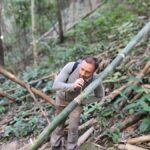
Your trek begins near the hot spring and moves through the forest and bamboo areas before reaching the Lisu village. This first stretch matters more than you might think. It sets the tone: you’re not walking on a manicured path. You’re walking through natural terrain where footing changes and the ground can feel uneven.
Expect a steady effort rather than a casual stroll. The walk is described as manageable for active people, but steep uphill sections do show up, and there aren’t long stretches of flat, easy walking. This is where a hat and bug repellent earn their keep.
By the time you reach Lisu village, you’re ready to slow down. That’s when the tour starts feeling less like exercise and more like connection—because village stops aren’t just sightseeing. You’re stepping into daily routines.
Bamboo-hut cooking lunch: firewood, tradition, and trying what’s local
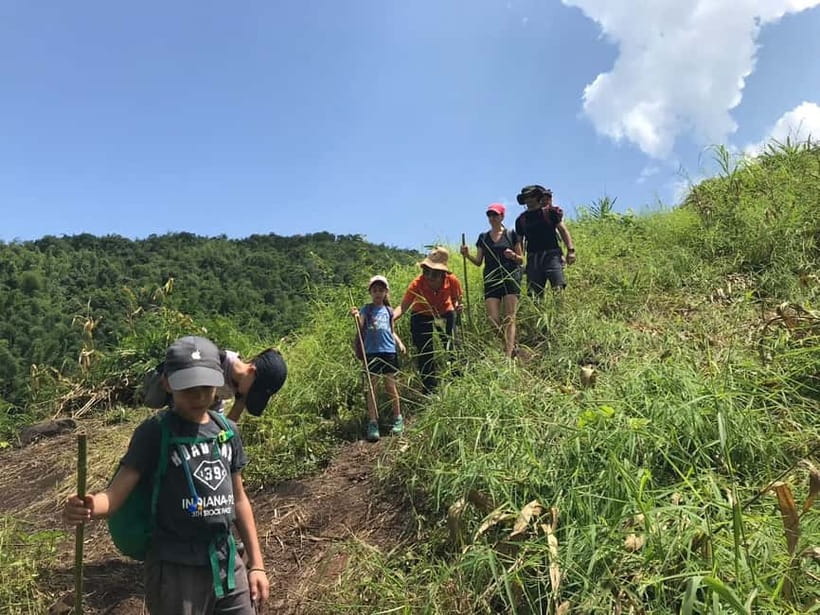
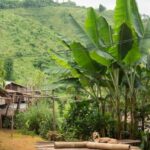
Lunch is one of the most praised parts of the day, and it’s for a good reason. You’ll cook and eat in a hilltribe bamboo hut traditional kitchen setup. The key detail: cooking is done with firewood, not LPG. That changes the whole feel of the meal. It’s warmer, more grounded, and you get a clearer sense of how cooking works without modern conveniences.
You’ll also see ingredients come from the surrounding area. The tour experience often includes walking past and learning about plants used for food—think tea-related stops and farm plots—and then tasting fruits and spices during the day. Some guests also mention passing by crops like pineapple, rice, coffee, and chocolate as part of the route, with the guide explaining edible plants along the way.
What you should watch for: this isn’t a fancy restaurant meal where you just sit. It’s a cultural lunch with real kitchen work behind it. If you’re sensitive to smoke, you may want to stand slightly back during cooking.
The Chinese village stop and tea plantation walking
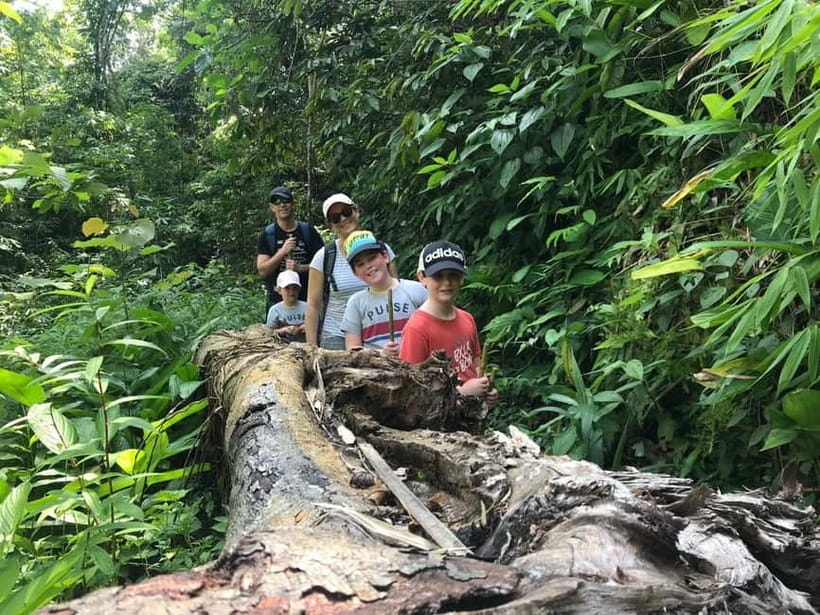
After lunch, the route continues to the Chinese village, where the tea focus comes in. You’ll visit the tea plantation associated with the village, which is one of the clearest ways this trek explains land use in northern Thailand.
Tea isn’t just a product here—it’s a landscape of work. Even without heavy agriculture lessons, you can see how people manage and harvest crops. A good guide turns that into something you understand, not just something you walk past.
This part of the day also gives you a rhythm break. After the denser village-and-kitchen time, tea plantation walking is usually more open and calmer. You get a chance to look at the ground level details: plant structure, how leaves are grown, and what “farm land” means beyond a postcard.
If you’re someone who likes practical travel—where you leave knowing how people earn a living—this tea segment is a strong reason to pick this tour.
Huay Kaew Waterfall swim: the big reward after the uphill miles
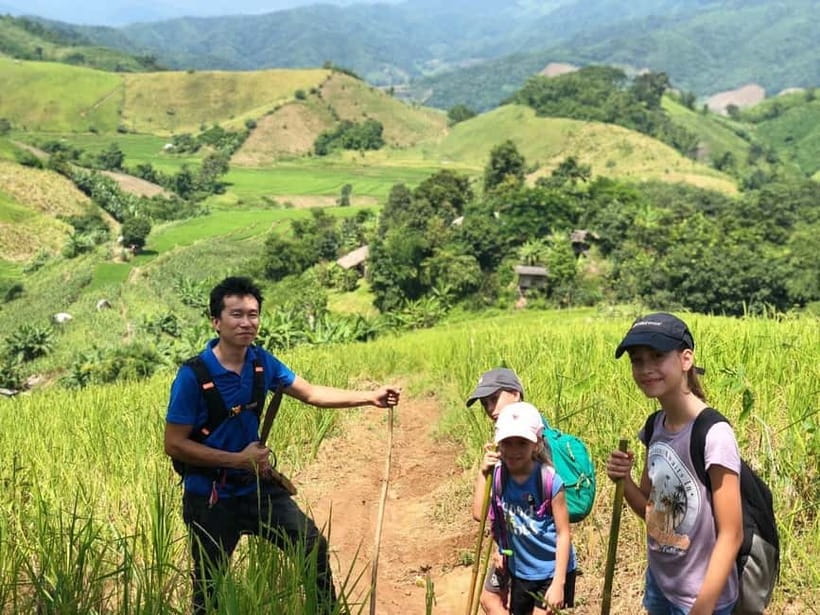
Next comes Huay Kaew Waterfall, described as the second largest waterfall in Chiang Rai. This is the moment many people plan the day around: you get to cool off with a swim.
This stop is more than a quick photo. The waterfall is big enough to feel like a real natural feature, and the tour allows time to enjoy it. Some guests note that it can feel quiet, even close to having the spot to yourselves at times—so you may get a more relaxed waterfall experience than you’d get on a busier route.
Two practical reminders for you:
- Bring swimwear. You don’t want to be the person improvising in an hour-old damp shirt.
- Bring a change of clothes, because you’ll finish the day walking and then getting back in the car.
Also, water conditions can vary. Stick to safe spots and follow the guide’s lead on where to enter.
Akha and Lahu village walk through farms, plants, and everyday scenery
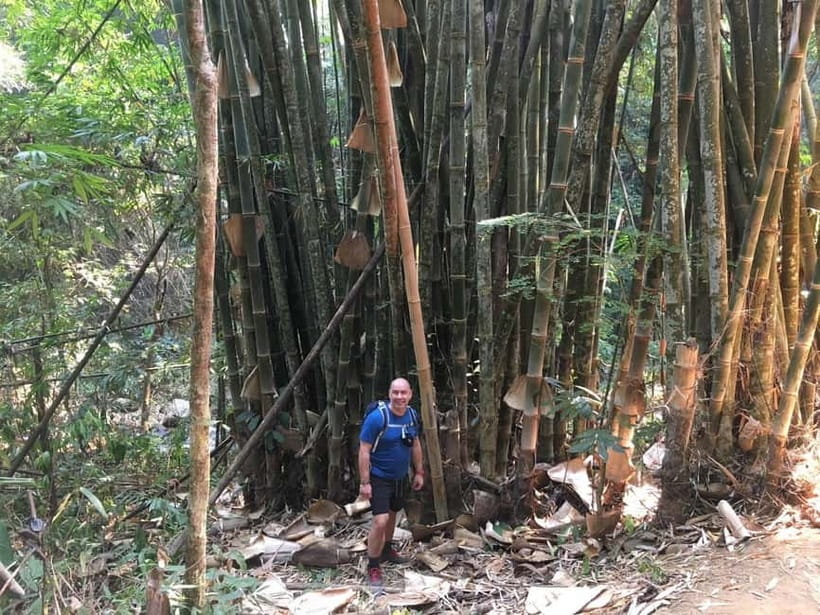
After the waterfall, the trek continues to Akha village, then through farm-land areas connected to Lahu. This part is where you feel the “togetherness” of the day: you’re still walking, but it becomes more about observation.
The tour highlights emphasize beautiful scenery and farm-land walking around these hilltribe communities. In practice, that means you’re getting chances to see agricultural life up close while learning about plants the guide identifies as useful or edible. Guests often mention tastings of local fruits and spices during the route, plus extra plant explanations that add a lot of value to the walking time.
One reason this segment lands well: it doesn’t keep you in a single spot. You move through different micro-areas—village edges, cultivated plots, and paths that show how people connect homes to fields.
Just be honest with yourself about your fitness level. If steep uphill paths make you uncomfortable, this part can feel like work. Still, the day is described as doable for active travelers and not required for top athletes.
The mineral hot spring finish: your legs will thank you
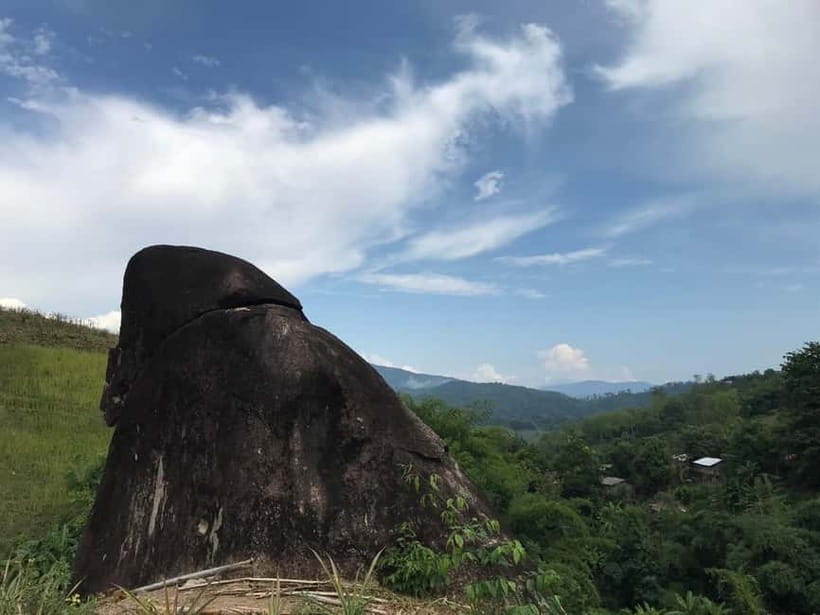
The day ends with the hot spring. You’ll take a mineral hot bath before heading back to your hotel by car.
This is the perfect counterbalance to a trail day. After walking through mixed terrain, your body usually wants warmth and relaxation. The hot spring helps you feel human again without turning the day into an all-day spa.
Practical tip: bring a towel if you’re the type who prefers to be prepared, especially since the tour includes drinking water and lunch but doesn’t list towel or personal items. Also, keep your change clothes accessible so you’re not digging around after you get out.
Pace, distance, and what to pack so the day stays fun
You’re looking at about 5 hours of walking during the day. That’s long enough to feel earned, but short enough that the full experience can still feel relaxed.
From on-the-ground descriptions, the walk is around 10 km and includes steep uphill with no flat paths for long stretches. That doesn’t mean it’s extreme. It means you should treat it like a trail workout, not a gentle stroll.
To make it enjoyable, pack like you mean it:
- Hat
- Insect repellent
- Swimwear (because there’s a waterfall swim)
- Change of clothes (you’ll finish damp if you swim)
- Water (the tour provides drinking water, but bringing a bit extra never hurts)
And wear shoes you trust on uneven ground. If you slip once early, you’ll feel it for the rest of the day.
Price and value: what $82 covers and why it feels fair
At about $82 per person, this tour prices itself as a full-day experience: transportation, an English-speaking guide, lunch, drinking water, and travel insurance are included.
Here’s why the value feels solid: a lot of the cost is tied to logistics you’d otherwise struggle with—getting from Chiang Rai to the trekking area and back, plus having a guide who can explain hilltribe village life, point out edible plants, and keep the day moving safely.
You’re also not paying for just one highlight. You get multiple distinct “moments” in one loop:
- bamboo cooking lunch
- tea plantation time
- waterfall swim
- village walks through multiple hilltribe communities
- hot spring bath finish
So you’re paying for variety and for someone organizing the flow. If you’re trying to see northern Chiang Rai beyond the main tourist pattern, the structure supports that goal.
Who this tour is best for (and who should skip it)
This tour is listed as not suitable for:
- children under 10
- wheelchair users
- people over 70
It’s also best for you if:
- you want an active day with around 5 hours of walking
- you’re comfortable with steep uphill and uneven paths
- you like cultural travel that includes food and practical life, not just viewpoints
- you enjoy learning about edible plants and how local people use what grows around them
It’s less ideal if you:
- need fully flat walking
- hate the idea of getting wet at a waterfall (swim is part of the experience, not optional by default)
- prefer a purely indoor or low-effort itinerary
My booking call: should you choose Chiang Rai Trek: 4 Hilltribes Villages & Waterfall Only Walk?
If you want Chiang Rai that feels personal and grounded, I think you should book this. The strongest reasons are the bamboo-hut cooking lunch, the Huay Kaew waterfall swim, and the end-of-day hot spring soak. Those aren’t filler stops; they create a complete day rhythm.
I’d only pause if you know uphill trail walking is a problem for you, because this trek doesn’t pretend the paths are gentle. But if you’re active and pack properly, you’ll get a meaningful mix of nature, farms, and village life that doesn’t feel like a rushed checklist.
FAQ
How long is the walking part of the tour?
The total walk is around 5 hours. The day also includes village and attraction stops, so plan for a full outing from morning to back in Chiang Rai.
What’s included in the price?
The price includes transportation, a tour guide, lunch, drinking water, and travel insurance.
What should I bring?
Bring a hat, swimwear, change of clothes, water, and insect repellent.
Is swimming included?
Yes. You’ll have time to enjoy a swim at Huay Kaew Waterfall.
Where does the tour start and end?
The tour starts and ends in Chiang Rai. You’ll depart your hotel by car to the trekking area near Lam Nam Kok National Park, then return to your hotel.
Who is this tour not suitable for?
It’s not suitable for children under 10, wheelchair users, and people over 70. Pets are also not allowed, and alcohol and drugs are not allowed on the tour.