REVIEW · KUTA
Mount Ijen Crater Trekking Tour from Bali
Book on Viator →Operated by PT.WAHYU MANDIRI TOUR · Bookable on Viator
Blue fire on Ijen is pure night magic. This tour moves you from Bali to East Java for a predawn hike, so you can chase the blue flames, and it keeps it intimate with a max 10 travelers group.
The trade-off is effort: it is an overnight operation with a tough climb and descent, and the long transfer day means you should plan for some waiting as your group assembles.
In This Review
- Key Moments You’ll Remember About Mt Ijen
- From South Bali to East Java: The Ferry-Driven Setup
- Night Trek Reality Check: Fitness, Timing, and Safety Briefing
- Meeting the Sulphur Miners: Work at 60 to 80 Kilos Per Trip
- The Moment You Came For: Blue Fire in the Dark
- Breakfast Stop and Crater Viewpoint Photos (From the Right Distance)
- Descent After Dawn: Where Trips Get Hard
- Meals and Budget: What’s Included, What Isn’t
- What the Price Gets You: $153.85 for a Full Overnight Operation
- Gear Checklist That Actually Matches the Rules
- Should You Book This Mt Ijen Blue Fire Trek?
- FAQ
- When does the Mt Ijen tour start from Bali?
- How long is the overnight Mt Ijen experience?
- Where do pickups happen in Bali?
- How do you travel from Bali to East Java?
- What meals are included during the tour?
- Is seeing the blue fire guaranteed?
- What’s the group size limit?
- Who should avoid this tour?
- What safety gear and crater rules should I plan for?
- Is Mt Ijen open every day?
Key Moments You’ll Remember About Mt Ijen
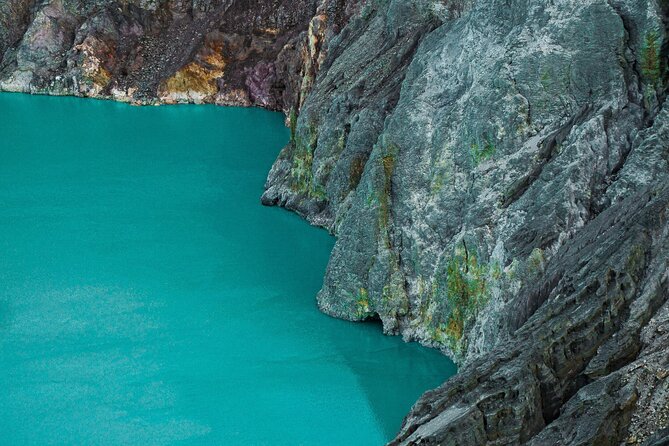
- Blue flames at the summit: Timing is tight, and what you see depends on weather.
- A small-group trek: Limited to 10 people, which helps with pacing and attention.
- Sulphur miners up close: You’ll see how they carry heavy sulphur loads and work with minimal gear.
- Safety gear before the hike: Flashlight and gas mask are part of the prep.
- Crater viewpoint photo time: After the descent, you get time to look and shoot the crater from a permitted distance.
From South Bali to East Java: The Ferry-Driven Setup
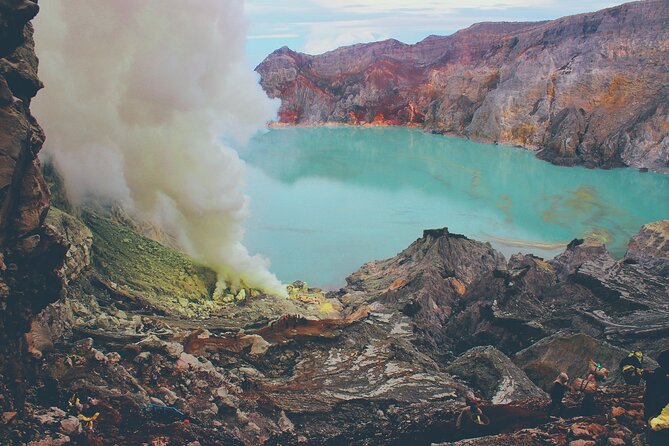
This is an overnight tour, and the logistics matter because Mt Ijen is not close to Bali. You’ll be picked up late afternoon from selected hotels in South Bali (Kuta, Legian, Seminyak, Jimbaran, or Nusa Dua). The tour start is 5:00 pm, and your first big step is the transfer to Gilimanuk Harbor in West Bali.
Then you cross by ferry to East Java, arriving around midnight. That late arrival is exactly what the schedule is built for: it positions you to hike at night and reach the summit before dawn when the crater scene is at its best.
After you land in East Java, you’re driven to the trek starting point. You’ll get a safety briefing and the gear you need before the walking starts. This is where I like the approach: instead of rushing you straight into darkness, you get set up first—flashlight, gas mask, and a quick explanation of what’s expected.
You can also read our reviews of more tours and experiences in Kuta.
Night Trek Reality Check: Fitness, Timing, and Safety Briefing
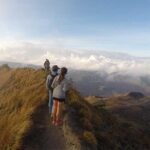
The hike to the summit is about 3 km (roughly 1 to 2 hours). The path is a mix of uphill and flatter sections, which means it is not just one steep grind. Still, it is nighttime hiking on an active volcano, so you need to keep your energy steady and avoid sprinting early.
Before you start, you’ll receive a safety briefing and equipment including a flashlight and gas mask. The tour also emphasizes that you should have a strong physical fitness level. The rules are clear that this is not for everyone: it’s not recommended if you have heart complaints, asthma, or other serious medical conditions. There’s also an age cutoff: minimum age is 16, and it’s not recommended for children age 15 and under or older participants.
One practical tip: wear what you can hike in for hours in low light. The tour recommends long pants, sports shoes, a sweater (or sweatshirt), gloves, and a hat. Even if you think you’ll be warm while walking, night conditions and crater air can make you feel cooler once you stop moving.
And yes, patience helps. One member of the group may have to wait a bit at a meeting point until everyone is ready. When you’re on a tight timeline like this, a short wait can happen while the group forms.
Meeting the Sulphur Miners: Work at 60 to 80 Kilos Per Trip
One of the most eye-opening parts is what you see on the way up: interaction with sulphur miners who carry large blocks of sulphur. The loads are described as 60–80 kg (132–176 pounds), and they transport them using bamboo pole basket rigs over their shoulders.
This isn’t staged. You’re seeing the reality of mountain work in harsh conditions—heavy loads, basic methods, and minimal safety gear. The mining is described as traditional, using iron rods without safety equipment.
Why this matters for your trip: blue flames grab the headlines, but the miners are what makes the mountain feel alive and human. If you’re the kind of traveler who likes more than just photos, you’ll probably remember these moments the most.
The Moment You Came For: Blue Fire in the Dark
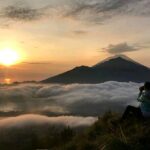
Arriving at the summit before dawn is the big payoff. This is when you’ll glimpse Mt Ijen’s blue fire, depending on weather conditions. The tour is direct about it: visibility and conditions can change what you see.
What helps you enjoy this part is understanding that it’s not just a viewpoint stop. You’re arriving in darkness, geared up, and looking into a crater environment where fumes and lighting can affect what you capture. That is why the tour provides flashlights and gas masks, and why the clothing guidance includes gloves and a warmer layer.
Camera note: bring something you can handle with gloves, and set expectations. You’re trying to photograph low light and a glowing phenomenon. If you go in planning for a mix of shots—some with the crater, some with the glow—you’ll come away happier.
Breakfast Stop and Crater Viewpoint Photos (From the Right Distance)
After the blue fire moment, you stop for a light breakfast on the mountaintop. This is not the full meal day you might imagine, but it helps you reset before the descent.
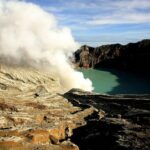
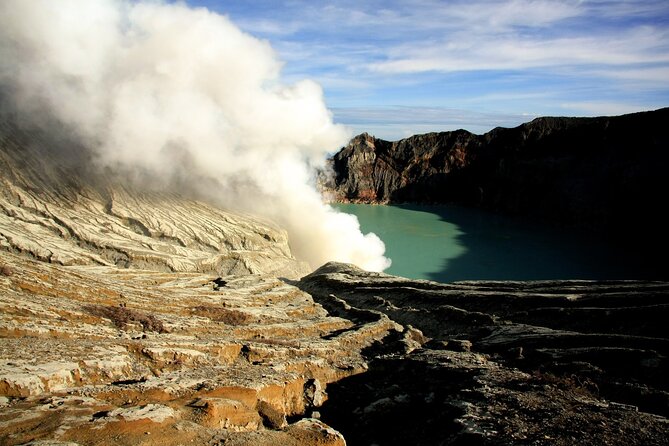
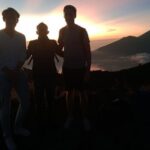
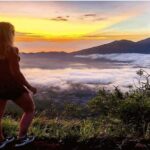
Then you hike back down with guidance, and later you get superb views inside Ijen Crater from the viewpoint for photo opportunities. The crater is home to Java’s largest acid lake, and that scale shows in person. Even if the blue fire is faint that day, the crater’s shape and the acid-lake setting can still look dramatic.
Just remember the rules around where you can stand. The tour highlights the Ijen rule that you must stay maximum 500 meters from the crater and you should follow the safety restrictions. That may limit how close you feel you can get, but it also keeps the visit controlled.

Descent After Dawn: Where Trips Get Hard
The ascent often feels like the main event, but the descent can be tough in its own way. The tour involves a return guided walk after the crater viewpoint time, and it’s very much a case of pacing yourself. If you go too fast on the early climb, your legs may revolt on the way down.
This is also why having proper shoes is so important. The tour specifically recommends hiking shoes / sports shoes and gloves. In low light and rough ground, slips are what you want to prevent, not fix.
When you finish the descent, you’re transferred to Banyuwangi Harbor for the late morning ferry back to Bali. You’ll then stop for lunch at a local restaurant and continue to your hotel drop-off in the afternoon.
Meals and Budget: What’s Included, What Isn’t
You do get food, but not everything is included.
Included:
- Light breakfast during the summit portion
- Lunch (Balinese food) after you return to Bali-facing logistics
Not included:
- Dinner
- Drinks
This is a realistic planning point. Because this is an overnight excursion, you’ll likely grab dinner on your own before pickup, and you’ll want to budget for water and snacks during the day. If you know you get hungry during long transfers, pack extra small comfort items so you are not stuck hunting for food during a tight schedule.
What the Price Gets You: $153.85 for a Full Overnight Operation
At $153.85 per person, this is not a bargain tour, but it’s also not just a random hike.
You are paying for:
- Hotel pickup and drop-off
- Ferry crossings (Bali to East Java, then East Java back)
- Transfers between harbors and trek starting points
- A local guide for the Mt Ijen blue fire portion
- Safety gear logistics like flashlight and gas mask
- Meals: light breakfast and lunch
- Taxes, fees, and handling charges
The value is in how the day is stitched together. Mt Ijen is remote enough that solo planning takes real effort, and an overnight schedule like this is where organized timing matters. If you’re the type who hates guesswork—what time to leave, how to coordinate transport, when to start the hike—this price starts to look more fair.
On the other hand, if you want a relaxed pace, this will feel like a lot. The cost is part of what keeps the operation efficient and small-group. But the physical workload doesn’t scale down just because you paid.
Gear Checklist That Actually Matches the Rules
The tour’s guidance is specific, and it’s worth following closely because Mt Ijen has strict site behavior expectations.
Plan to wear and bring:
- Long pants
- Sports shoes / hiking shoes
- A sweater (or sweatshirt/jumper)
- Gloves
- Hat
- The tour recommends having your own medicine
- The tour also mentions sport wear, hiking shoes, mask, jacket, gloves
On-site rules you should respect:
- Stay within maximum 500 meters from the crater
- No throwing rubbish
- No cigarette/fireplace behavior
- Follow the crater rules and don’t treat the visit like a casual walkabout
One more useful prep move: if you have any health considerations at all, plan early for paperwork. The tour notes that you should bring a health certificate from a doctor, valid up to 3 days from the tour date. If you do not have it, the provider says they may bring you to the nearest doctor.
Should You Book This Mt Ijen Blue Fire Trek?
Book it if:
- You want the blue fire experience and you’re comfortable hiking at night.
- You like guided structure because the route involves tight timing and safety gear.
- You value the human side of the mountain—seeing sulphur mining work up close.
Skip it if:
- You do not have the fitness for an overnight, early-morning trek and descent.
- You have heart complaints, asthma, or serious medical conditions.
- You’re traveling with someone under 16, or you know older participants may not handle the pace well.
- Weather is a worry: the tour depends on good conditions, and the blue fire is weather-dependent.
Also, check your calendar. Mt Ijen is closed on the first Friday of the month for cleaning, so you’ll want to avoid that date.
FAQ
When does the Mt Ijen tour start from Bali?
The pickup and tour start is listed for 5:00 pm.
How long is the overnight Mt Ijen experience?
It runs for about 23 hours on average.
Where do pickups happen in Bali?
Pickup is offered from selected hotels in South Bali, including Kuta, Legian, Seminyak, Jimbaran, and Nusa Dua.
How do you travel from Bali to East Java?
You’re transferred to Gilimanuk Harbor in West Bali and cross by ferry to East Java, arriving around midnight. On the way back, you ferry from Banyuwangi Harbor in the late morning.
What meals are included during the tour?
The tour includes a light breakfast and lunch (Balinese food). Dinner and drinks are not included.
Is seeing the blue fire guaranteed?
No. The blue flames depend on weather conditions.
What’s the group size limit?
This activity has a maximum of 10 travelers.
Who should avoid this tour?
It’s not recommended for anyone with heart complaints, asthma, or other serious medical conditions, and it is not recommended for children aged 15 and under. The minimum age is 16.
What safety gear and crater rules should I plan for?
You’ll receive equipment including a flashlight and gas mask. The tour also recommends wearing sport wear, hiking shoes, mask, jacket, gloves, and other warm clothing like a sweater, plus a hat. You must stay within 500 meters from the crater and follow rules like no throwing rubbish, no cigarette/fireplace behavior.
Is Mt Ijen open every day?
Mt Ijen is closed on the first Friday of the month for cleaning, so you should avoid travel dates that match that schedule.