REVIEW · KUTA
Mount Batur Sunrise Trekking and Natural Hot Spring
Book on Viator →Operated by Jero Bali Trekking Tour · Bookable on Viator
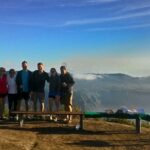
Sunrise on Mt. Batur starts before your alarm. This one-day Bali experience strings together a pre-dawn pickup, an uphill hike with a head light, and a crater-or-summit view as the sky wakes up. You’ll also get a fueled breakfast on the mountain, not just a rush to the top and back.
What I really like here is how much the tour handles for you. The included gear (especially the head light and trekking poles) makes it easier to go lighter and focus on the climb, even when it’s dark. Second, the mountain-meal plan is practical: hot drinks plus a breakfast box with items like banana sandwiches, boiled eggs cooked on volcanic stones, steam, cakes, and fruit.
One thing to consider: it can feel cold up top, and the tour doesn’t include a jacket or hiking shoes. If you run cold, plan layers or add a warm option locally so you’re not shivering through sunrise.
In This Review
- Key highlights you’ll feel from start to finish
- Why a Mt. Batur sunrise trek feels different from a normal morning tour
- The 3:00am pickup: comfort, not chaos
- Climbing in the dark: what the gear and the pacing really do
- Summit vs crater rim: how to choose the right version of sunrise
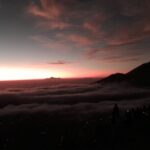
- The sunrise moment at 5:30–6:00am, plus breakfast where it counts
- The descent: easier on the schedule, still real on the legs
- Optional natural hot springs at 9:15am: recovery with a price tag
- Getting back to your hotel around 10:00am
- What’s included for $63 (and why that matters)
- The guide makes the difference: Wyan and Komang Arista as proof points
- Cold morning reality: what to pack mentally (jacket and shoes issue)
- Who should book this Mt. Batur sunrise trekking day
- Should you book this sunrise trek?
- FAQ
- What time does the Mt. Batur sunrise trek start?
- Do I need my own flashlight for the hike?
- Is it possible to choose the summit or just the crater rim?
- What happens after sunrise?
- Can I add the Natural Hot Spring stop?
- What if the weather is bad for sunrise?
Key highlights you’ll feel from start to finish
- A 3:00am hotel pickup in a private AC car, including routes from Ubud, Sanur, Kuta, Nusa Dua, Legian, and Seminyak
- Headlamp + trekking poles included, so you’re not scrambling for gear at the last minute
- Crater rim or summit flexibility, depending on fitness and conditions
- Hot drinks and breakfast box on the mountain right after sunrise arrives
- Optional Natural Hot Spring on the way back for extra recovery
- English-speaking private guide with proven, friendly coaching (including guides like Wyan and Komang Arista)
Why a Mt. Batur sunrise trek feels different from a normal morning tour
A Mt. Batur sunrise hike is all about timing. You’re climbing while the world is still mostly asleep, so the experience doesn’t feel like “walking for walking’s sake.” It feels like a mission with a payoff: the moment the light spills over Bali.
This tour also builds in the human side of the climb. Instead of sending you up, hoping you’ll manage the dark and the cold, you get the practical tools (head light, trekking poles, water) and a structured food plan. That matters because early mornings turn small problems into big ones: cold fingers, low energy, and getting behind schedule can all ruin the vibe.
Most importantly, the view can be customized. You can aim for the actual summit or the crater rim based on how you’re feeling. That’s a smart option if you want the sunrise without forcing a pace that makes you miserable.
You can also read our reviews of more tours and experiences in Kuta.
The 3:00am pickup: comfort, not chaos
Your day begins at 3:00am. The tour includes pickup with a private AC car, and the route covers several popular bases around southern Bali, including Ubud and the coastal areas (Sanur, Kuta, Nusa Dua, Legian, Seminyak). If you’re staying in any of those zones, you don’t need to figure out your own transport at night.
At about 3:15am, you’ll get a coffee break service: hot tea or coffee with fried bananas. It’s a small moment, but it’s exactly what you want before darkness and steep slopes. If you’ve ever done an early hike without caffeine, you know how quickly motivation drops.
From there, you’ll head to the starting point around 4:00am and meet your English-speaking guide. This is where the tone of the day is set. You’re not just handed a route and told good luck. You’re guided, and that changes everything once you’re climbing in the dark.
Climbing in the dark: what the gear and the pacing really do
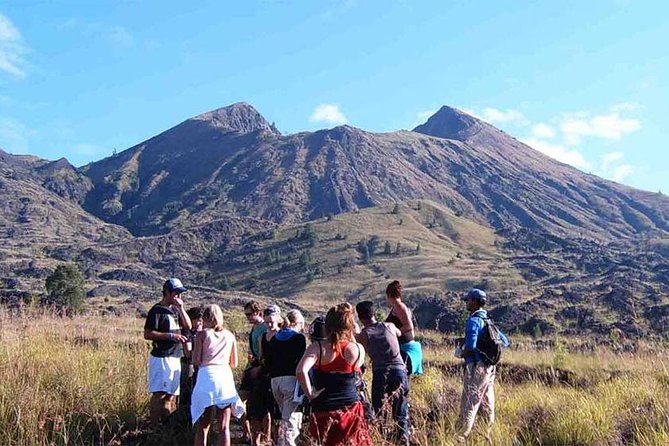
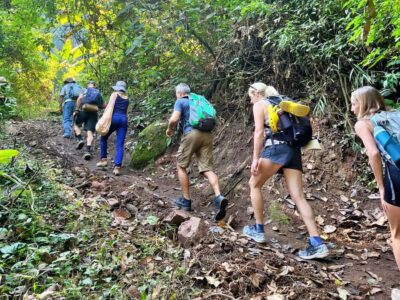
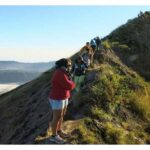
The hike starts in nighttime conditions, so headlamp use isn’t a nice extra. It’s how you keep footing steady and avoid frustration. Since a head light is included, you don’t have to bring your own or borrow one at the last minute.
Trekking poles also help more than people expect. On volcanic terrain, your feet can feel like they’re negotiating shifting textures. Poles take strain off your knees and let you keep a rhythm instead of thinking about balance every step.
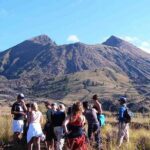
The tour plan is designed for a range of abilities because of one key flexibility: you can reach either the summit or the Gunung Batur sunrise viewpoint (crater rim area) depending on fitness level. In practice, that means you can target a “just right” goal rather than a one-size-fits-all finish line.
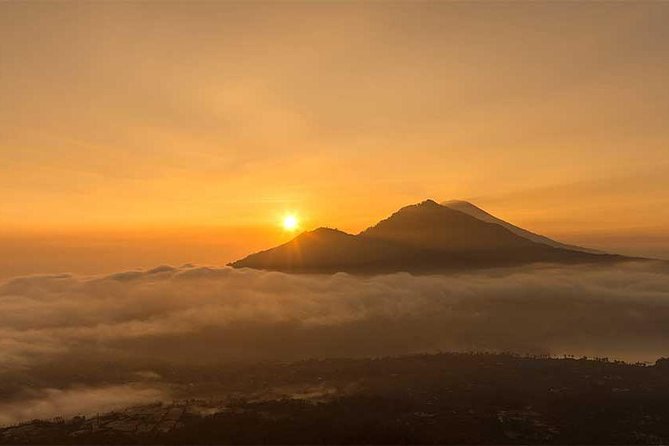
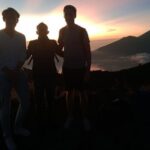
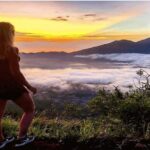
You arrive at roughly 5:30am to 6:00am. That timing is deliberate. It gives you enough lead time to settle, get your breath back, and position yourself for the first color of dawn.
Summit vs crater rim: how to choose the right version of sunrise
You’ll get a choice: go to the summit or aim for the crater rim viewpoint. The right answer depends on what you value most.
- If you want the most “classic” climb payoff and you feel steady on uneven ground, the summit is the draw.
- If you’d rather conserve energy and reduce the stress level, crater rim sunrise is a great alternative. You still get the dawn break over Bali, just with a less punishing finish.
One of the best pieces of advice from experience with this kind of climb is to match the effort to the conditions. If weather or footing feels tricky, taking the easier sunrise option can protect your enjoyment. The tour explicitly supports this choice based on fitness level, so it’s not a failure mode. It’s smart planning.
Also note the human element. Guides are there to manage pace. In praised experiences, guides like Wyan and Komang Arista were described as caring, helpful, and good at finding an easy way up. That kind of coaching matters because it can be the difference between “I survived” and “I enjoyed it.”
The sunrise moment at 5:30–6:00am, plus breakfast where it counts
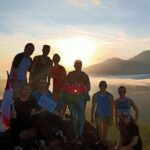
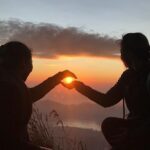
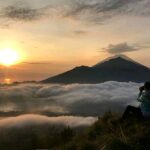
Once you reach the sunrise spot around 5:30am to 6:00am, the tour flips from climbing mode to savoring mode. Hot drinks and breakfast arrive at about 6:30am.
This is a rare detail that makes the whole day better. Instead of eating later, you eat after the sunrise, and it’s served in a way that suits the altitude-and-cold reality. The tour includes tea, coffee, or hot chocolate paired with a breakfast box that typically features banana sandwiches, boiled eggs cooked on volcanic stones with steam, cakes, and fruit.
A few reasons this works:
- Energy comes back right when you need it. Going down can be tiring, so fueling at the top helps your legs.
- Warmth arrives fast. Hot drinks can turn a cold climb into a memorable one.
- You avoid hunting for food right after the hike when you’re most likely to feel rushed.
You’ll then begin your descent around 7:00am, with timing depending on whether you take an easier return trip or a longer walk around the main crater, based on your request and the weather.
The descent: easier on the schedule, still real on the legs
Going down is usually easier in effort than going up, but it’s not easy. Volcanic paths can be uneven and slippery, especially if it’s cold or damp. That’s why trekking poles stay useful on the way down.
The tour includes an options-based descent approach:
- An easier trip, or
- A longer walk around the main crater
Which one you choose should depend on two things: your leg comfort and the weather. If visibility is bad, or conditions are harsh, it’s often smarter to go for the easier option so you don’t end the day feeling beat up.
By around 8:30am, you arrive at the finish point. At that stage, you’re done with the hardest part, and it’s a good moment to breathe and reset.
Optional natural hot springs at 9:15am: recovery with a price tag
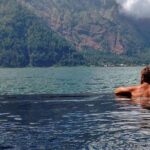
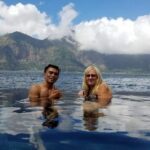
If you’re interested, you can visit the Natural Hot Spring around 9:15am. This is optional, which is perfect because some people love a soak after an early hike, and others prefer to head straight back while they still feel energetic.
Two practical notes from what’s included:
- The tour includes the option to visit, but
- Entrance for the natural hot spring isn’t included
Also, your choice here depends on your energy and timing. With the hike ending around 8:30am and the hot springs optional afterward, it’s an easy add-on if you want that “last chapter” feeling—warm water, tired muscles, and a smoother landing back at the hotel.
If you do go, keep it simple: focus on recovery, not turning it into a long detour. You’ll still have a full ride back.
Getting back to your hotel around 10:00am
You’ll be dropped back to your hotel at about 10:00am. That’s one of the quiet wins of this tour. A lot of sunrise hikes can feel like they swallow the whole day. Here, the schedule is tight enough that you can still enjoy Bali later—coffee, lunch, pool time, or whatever you planned before your early alarm.
Because pickup was private and your driver is part of the package, you avoid the hassle of organizing transport at the end, when you’re most likely to be cold, hungry, and ready to be done.
What’s included for $63 (and why that matters)
The listed price is $63, and the best value comes from what you’re not paying for separately.
Included items:
- Private trekking guide (English speaking)
- Private driver
- Drinking water
- Walking stick if you need it (in addition to poles)
- Head light
- Breakfast
- Medical insurance
That’s a lot baked in for one day. When you compare it to DIY sunrise hikes, the big cost is usually not just transport. It’s getting the guide and the timing right. A guide also helps you choose the sunrise objective (summit vs crater rim) without turning the day into a stress test.
Also, check what’s not included:
- Jacket
- Hiking shoes
- Sun cream
- Coffee plantation entrance (if that’s part of your routing)
- Natural hot spring entrance
These exclusions are typical for outdoor tours, but they’re still important. If you show up without proper footwear or warmth, the climb becomes a battle against discomfort rather than a sunrise adventure.
The guide makes the difference: Wyan and Komang Arista as proof points
The reviews highlight a consistent theme: guides who pay attention to you and adjust the climb.
Wyan is described as a wonderful person—caring, helping, and knowing an easy way to get the view. Komang Arista is credited with a friendly, helpful, funny style, and that combination is exactly what you want when you’re walking uphill in the dark. Humor helps. Clear guidance helps more.
Even with the same sunrise schedule, different guides can change your experience:
- They can manage pace so you don’t burn out before dawn.
- They can help you find good viewing spots with less crowd pressure.
- They can steer you through the practical steps so you’re not guessing.
If you care about the vibe of the hike—not just the summit—this is a solid sign.
Cold morning reality: what to pack mentally (jacket and shoes issue)
The tour doesn’t include a jacket, and one of the experiences you can learn from is that the top can get cold after the hike. Hot drinks help, but you still start the hike in the dark and reach the summit early morning when temperatures can feel sharp.
So here’s the practical move: treat this like a chilly early start, not a casual walk. Bring warm layers you can move in. If you don’t have hiking shoes, you’ll want footwear with solid grip, because the surface is not always forgiving.
Sun cream is not included either, which is easy to forget when it’s cold out. You’re still climbing toward sunrise, and UV sneaks in. Protect your face and skin so you don’t pay for the morning with a sunburn later.
Who should book this Mt. Batur sunrise trekking day
This tour is a great fit if you want:
- A guided sunrise trek with organized timing and hotel pickup
- A choice between crater rim and summit so you can match your ability
- A package that includes head light, breakfast, and a recovery option (hot springs)
It’s especially good for first-timers who don’t want to figure out transport, route timing, or gear. It also suits travelers who like a structured itinerary but still want flexibility on intensity.
If you dislike early wake-ups or you’re sensitive to cold, you’ll need to prepare better (layers, warm gloves if you have them, and footwear). The hike is short in duration, but it’s not a lazy morning.
Should you book this sunrise trek?
If you want Bali’s sunrise experience without the stress of planning, I’d book it. The value is strongest for people who benefit from the included essentials: head light, trekking support, guide leadership, breakfast, and private hotel transport.
Skip or reconsider only if you absolutely hate early mornings or you’re unprepared for cold and uneven ground. In that case, you can still enjoy Mt. Batur, but you’ll want to adjust your gear and expectations before you go.
This is one of those days where the payoff happens fast: you’re climbing at 4:00am, watching dawn around 5:30–6:00am, eating at 6:30am, and back near your hotel by 10:00am. That rhythm is the real luxury.
FAQ
What time does the Mt. Batur sunrise trek start?
Pickup starts at 3:00am from your hotel, with the day moving quickly from transport to a coffee break around 3:15am and a trek start around 4:00am.
Do I need my own flashlight for the hike?
No. The tour includes a head light, so you don’t need to bring a flashlight for the early-morning climb.
Is it possible to choose the summit or just the crater rim?
Yes. You can go to the summit or aim for the crater rim sunrise viewpoint, depending on fitness level and conditions.
What happens after sunrise?
Around 6:30am you’ll have hot drinks and a breakfast box served on the mountain before you begin the descent.
Can I add the Natural Hot Spring stop?
Yes, it’s optional. If you’re interested, you can visit the natural hot spring around 9:15am, but the entrance fee is not included.
What if the weather is bad for sunrise?
This experience requires good weather. If it’s canceled due to poor weather, you’ll be offered a different date or a full refund. You can cancel up to 24 hours in advance for a full refund.