REVIEW · POKHARA
7 Days Khopra Hill Trek From Pokhara
Book on Viator →Operated by Couch Adventure Nepal (CAN) · Bookable on Viator
Khopra Hill turns a tough walk into real payoff fast. This 7-day trek stitches together rhododendron forests, suspension bridge crossings, and nonstop mountain scenery on a route that feels manageable from day one.
I especially love how the Annapurna range views show up repeatedly, not just at the end. That keeps your motivation high even when the trail tilts up.
I also like that the English-speaking trekking guide and permits are handled for you, so you’re not wasting time figuring things out in Nepal. The private transfer to Nayapul and the guest-house setup during the trek reduce a lot of stress.
One consideration: you’ll walk about 5 to 7 hours most days. This trek is best if you have moderate fitness and you’re comfortable moving at a steady pace.
In This Review
- Key highlights you’ll feel on the trail
- Khopra Hill views: Annapurna in clear, human scale
- Rhododendron forests, suspension bridges, and local village rhythm
- The 7 days that build toward a real viewpoint payoff
- Day 1: Drive to Nayapul, then Ulleri on foot
- Day 2: Ghorepani through rhododendron forest and Annapurna angles
- Day 3: Toward Khopra Danda and Upper Chisapani
- Day 4: Khopra Hill finally delivers Annapurna I, II, III, and south
- Day 5: Khayar Lake scenery and mountain frames
- Day 6: Tatopani hot springs to reset your legs
- Day 7: Back to Pokhara by sharing local bus
- Price and what you actually get for $390.75
- The guide experience: coordination, friendliness, and peace of mind
- Guest house nights: simple stays that keep the trek moving
- Packing and fitness: how to make the week feel doable
- Pokhara start and finish: Lakeside convenience without the hassle
- Should you book this Khopra Hill trek from Pokhara?
- FAQ
- What is the duration of the Khopra Hill trek?
- What is the price per person?
- Where does the trek start and how do I get there?
- Are trekking permits included?
- Is accommodation included during the trek?
- Does the price include meals?
- What about the guide and communication?
- Is pickup included for people staying outside Lakeside?
- What fitness level do I need?
- What is the cancellation policy?
Key highlights you’ll feel on the trail
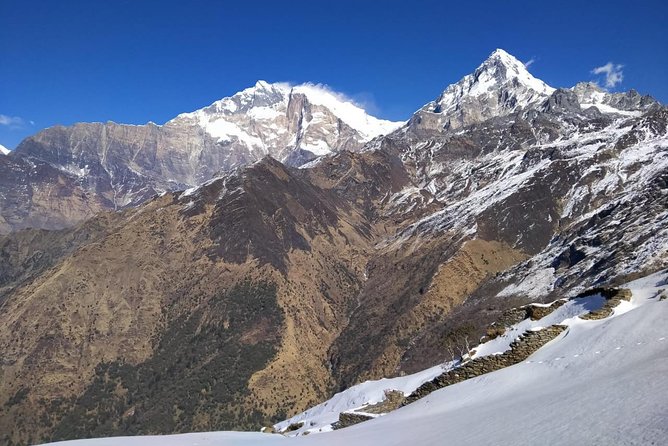
- Annapurna views on more than one day, including a big payoff from Khopra Hill
- Rhododendron forest trekking through beautiful, seasonal scenery
- Suspension bridge crossings and rural village walking for a real sense of place
- Tatopani natural hot springs to ease tired legs
- Permits and TIMS included, plus an English-speaking guide for smoother days
- Hotel pickup and drop-off in Pokhara Lakeside, so the trip starts clean and simple
Khopra Hill views: Annapurna in clear, human scale
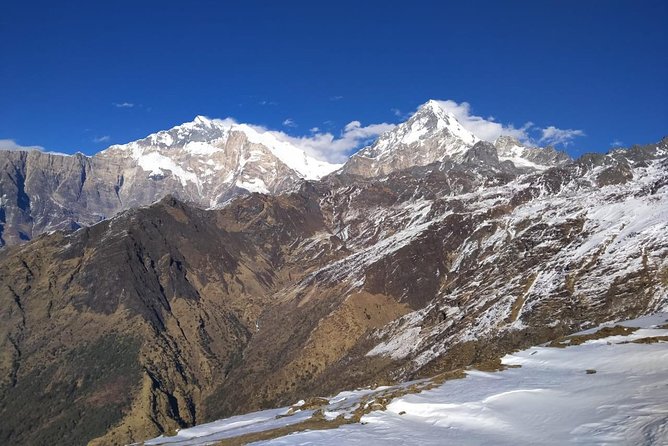
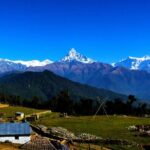
If you like mountain trekking that doesn’t feel like a test just to see a view, this is a smart pick. The Khopra route gives you multiple chances to look up at the Annapurna range, then look back down at villages and river valleys as you go. It’s the kind of scenery where your brain keeps going, okay… one more bend… and then surprise, bigger angles.
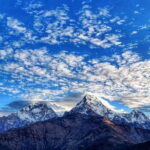
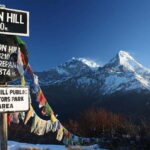
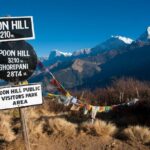
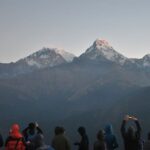
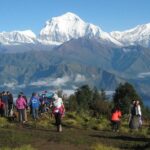
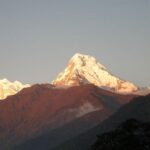
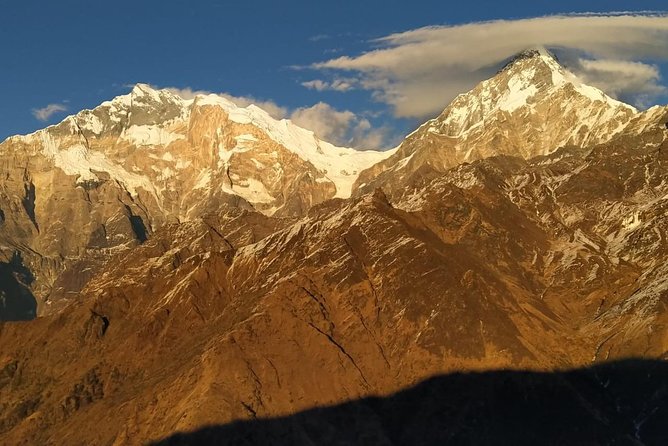
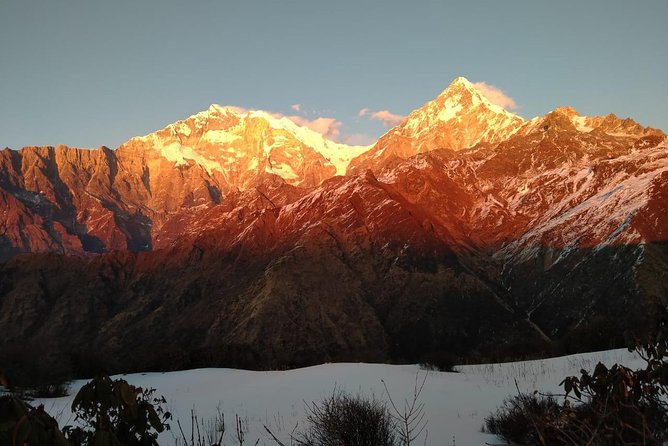
From Khopra Hill itself, you’re set up to see Annapurna I, II, III, and the south. That matters because a lot of treks only show you the main peaks from one big viewpoint. Here, the trek builds toward it, which makes the final look feel earned rather than rushed.
There’s also an extra bonus on clear days. One group highlighted views toward Dhaulagiri too. You can’t guarantee perfect visibility in the Himalaya, but this route puts you in a position where it’s possible.
You can also read our reviews of more tours and experiences in Pokhara.
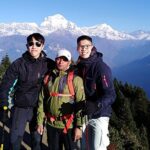
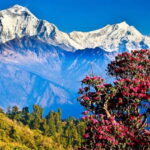
Rhododendron forests, suspension bridges, and local village rhythm
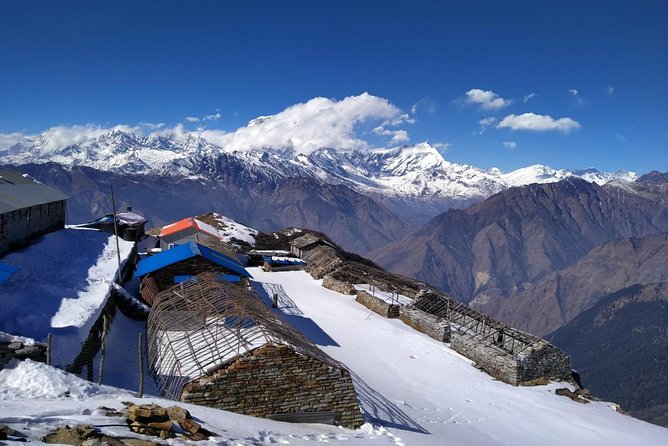
I really like treks where the scenery changes by the hour, not just the altitude. In this area, that change comes from the forest (especially rhododendron on the approach days), the footbridges, and the way the trail runs through rural settlements.
You’ll walk through rhododendron forests as you move toward Ghorepani. That kind of woodland trekking is a nice break from constant stone and dust. It also tends to make the day feel cooler and more shaded, which helps if you’re trekking in the warmer months.
Then there are suspension bridges. Even if you’ve crossed bridges before, the ones here add a little “Nepal in motion” feeling. You’ll see water rushing below, and you get those quick, sideways views down the valley as you step across. It’s not just for photos. It breaks up the monotony of elevation gain.
Most of all, you get the village rhythm. You’re not walking through tourist bubble scenery the whole time. You pass through rural areas where the trail feels like part of everyday life, including stop-and-start moments where you’ll see local homes and small community spaces along the way.
The 7 days that build toward a real viewpoint payoff
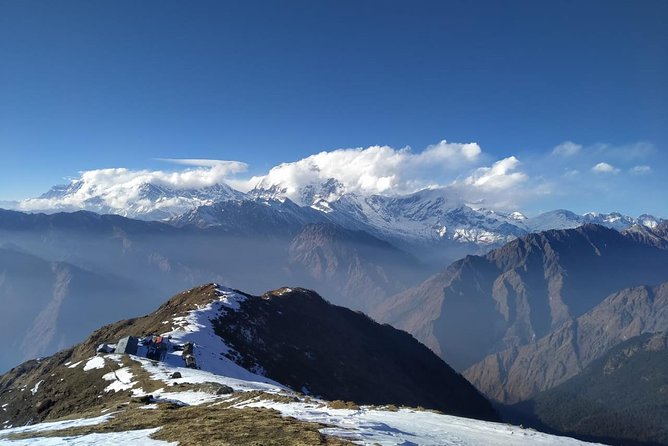
Here’s what the trek days generally feel like, and why each one is worth your attention.
Day 1: Drive to Nayapul, then Ulleri on foot
You start with a drive from Pokhara to Nayapul (about 1.5 hours), then you trek to Ulleri. The trekking day is around 6 hours, so it’s long enough to warm you up to the rhythm without being the kind of brutal opener that wipes you out.
Ulleri is a good first target because you settle into the Annapurna region quickly. By the end of the day, you’ll feel like you’ve actually joined the trail flow instead of just arriving.
What to watch: start steady. Day 1 is where you decide your pace for the week.
Day 2: Ghorepani through rhododendron forest and Annapurna angles
This is the day where the trail shifts into greener, forested walking. The route takes you through rhododendron forests, with strong views of Mt. Annapurna along the way.
The walking time is again about 6 hours. That’s important: you’ll keep building endurance without having random monster days.
Why it’s a highlight: forest trekking changes how your body feels. Less glare, more shade, and a softer visual scene than rocky-only trails.
Day 3: Toward Khopra Danda and Upper Chisapani
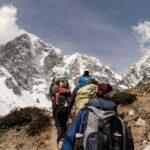
Day 3 is about moving into the Khopra area. You trek to Upper Chistibung (often referred to in the Khopra Danda approach) with about 7 hours of walking.
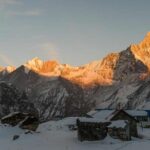
This day is a transition day. The views start to feel broader, and you’re getting closer to the ridgeline world where mornings can bring sharper angles on the peaks.
Practical tip: if you can, keep your stops short and purposeful. Seven hours is long enough that long breaks can cool you down.
Day 4: Khopra Hill finally delivers Annapurna I, II, III, and south
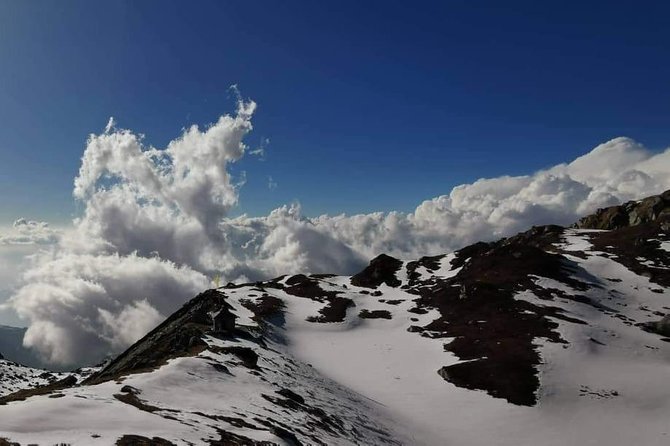
This is the big day. You’ll trek to Khopra Hill and reach your main viewpoint zone. From there, you can see Mt. Annapurna I, II, III, and the southern views.
The walk time is around 6 hours. The payoff is that the viewpoint isn’t just one quick look. It’s built into a day where you’re finishing at the place people came for.
What makes it worth it: the combination of ridgeline position and timing. If the weather is decent, this is when the whole week clicks together.
Day 5: Khayar Lake scenery and mountain frames
Day 5 takes you to Khayar Lake with about 7 hours of trekking. This is more than a waypoint. The lake area is known for mountain-framed scenery, and it’s a nice change of pace after the main viewpoint day.
Why I like this stop: you’re not just climbing for heights. You’re getting a softer, scenic finish to the day that makes the trek feel balanced.
Day 6: Tatopani hot springs to reset your legs
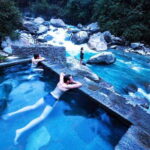
Then comes the reward day. You trek to Tatopani (natural hot springs) in about 5 hours.
This is the day you’ll appreciate the most if your legs feel heavy. Hot springs help you recover, and having a shorter trek day gives your body time to enjoy the soak instead of sprinting through it.
Consideration: hot springs are great, but keep your shoes and socks organized. You’ll want to rinse and dry properly so you don’t end up walking the next day with soggy feet (especially if weather shifts).
Day 7: Back to Pokhara by sharing local bus
You finish with a drive back to Pokhara by sharing local bus (about 4 hours). This keeps costs reasonable and gives you a proper send-off from the trail.
You’ll likely feel a mix of emotions: relief, tired happiness, and that odd quiet that hits after a multi-day trek.
Pro move: plan a relaxed evening in Pokhara. Don’t stack too many commitments right away.
Price and what you actually get for $390.75
At $390.75 per person for a 7-day trek, the key value isn’t just the walking. It’s the number of moving parts that are already covered.
What’s included:
- Hotel pickup and drop-off within Pokhara Lakeside
- Trekking permit and TIMS
- English-speaking guide
- Private transfer to Nayapul
- Guest house accommodation during the trek
- Sharing bus back to Pokhara
- A private trip (your group only)
What’s not included:
- All meals and drinks
- Rescue costs in an emergency
- Gratitude (optional)
So the real question is whether you want to pay for convenience and structure. If you’d rather show up, follow a plan, and spend your time on the trail, the included guide, permits, and transfers make the price feel more fair.
If you’re the kind of traveler who prefers full self-planning and you have extra time to handle permits, route decisions, and daily logistics, you might compare this cost to DIY expenses. But with trekking, small mistakes add up fast.
The guide experience: coordination, friendliness, and peace of mind
The biggest quality signal from past trekkers is the guide approach. People described the guide as helpful and funny, and also praised how smoothly things were coordinated.
That combination matters. A good trekking guide isn’t just a person who points the way. They help keep your days on track, manage timing, and reduce uncertainty when conditions shift. On a multi-day trek, that peace of mind is worth something you can feel each morning.
If you’re traveling with a group and you want clear communication, the fact that the guide is English-speaking helps a lot. You won’t be constantly guessing what the plan is.
Guest house nights: simple stays that keep the trek moving
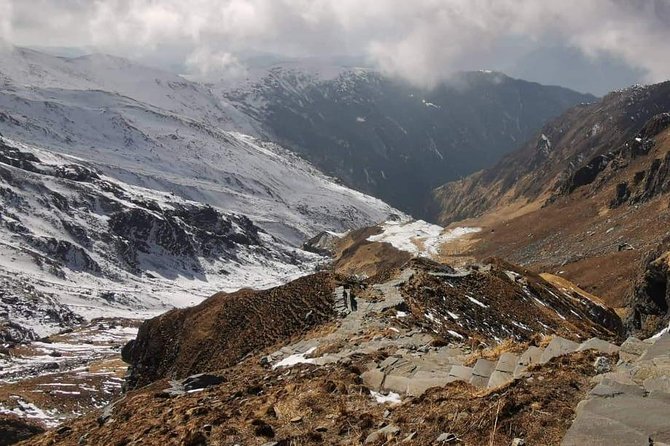
Accommodation is included as guest house stays during the trek. That usually means basic, practical rooms where the focus is rest and access to the next day.
You can expect the usual trekking pattern:
- you arrive
- you settle
- you eat when meals are available
- you sleep to recharge
Because meals and drinks aren’t included, you’ll likely choose where and what to eat at each stop (based on what’s offered). This is also where the guide can help you get a sense of what’s realistic and worth it.
What to pack: bring layers. Even if you start warm, Himalayan evenings can cool down quickly. Also plan for dust and sweat. Tight drying time is real.
Packing and fitness: how to make the week feel doable
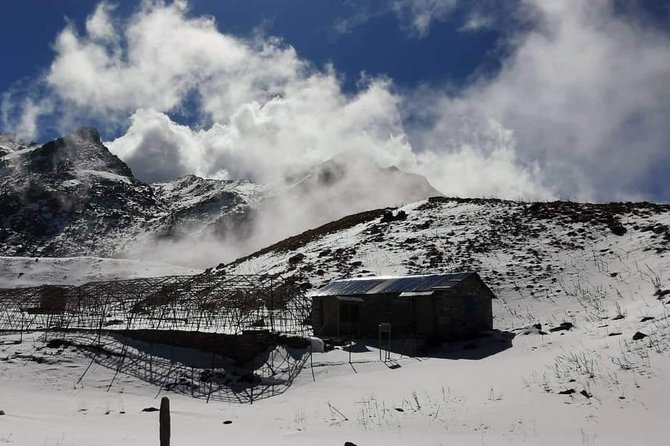
This trek is aimed at people with moderate physical fitness. You’re trekking roughly 5 to 7 hours most days, which means stamina matters more than speed.
If you’re unsure, think about this checklist:
- Can you walk for a solid 2 to 3 hours on uneven ground without needing to stop constantly?
- Are you comfortable with uphill effort and steady pacing?
- Do you recover okay between walking days?
The itinerary also includes a clear “recovery” rhythm: not every day is 7 hours. Day 6 at Tatopani is a built-in reset through the hot springs.
Quick humor from the mountains: your legs will complain. Your lungs will cooperate if you keep the pace calm.
Pokhara start and finish: Lakeside convenience without the hassle
Your trip starts with pickup and drop-off in Pokhara Lakeside, which is a big practical win. Pokhara can feel spread out, and it’s nice when the trek company meets you where most visitors stay.
The trek begins with a private transfer to Nayapul, so you’re not trying to navigate transport right before you start hiking. That kind of timing helps you avoid stress on Day 1.
Then you finish with a sharing local bus back to Pokhara. That’s an efficient way to get back without building your own transport plan.
Should you book this Khopra Hill trek from Pokhara?
I’d book it if:
- you want Annapurna views across multiple days, not just one big moment
- you like a trek that combines forests, bridges, villages, and hot springs
- you’d rather rely on an English-speaking guide and included permits than manage the details alone
- you can handle about 5 to 7 hours of walking for several days
I’d think twice if:
- you’re looking for a super short, low-effort trek
- you hate the idea that meals and drinks aren’t included
- you want full DIY freedom with route planning and permits handled by you
For most hikers with moderate fitness, this is a strong value: you pay for structure, permits, guide support, and guest-house lodging, then you spend your time on what you came for—walking through real places and getting rewarded with peak views.
FAQ
What is the duration of the Khopra Hill trek?
The trek is listed as 7 days (approx.).
What is the price per person?
The price is $390.75 per person.
Where does the trek start and how do I get there?
The experience includes hotel pickup and drop-off within Pokhara Lakeside, then a private transfer to Nayapul before trekking starts.
Are trekking permits included?
Yes. The package includes trekking permit and TIMS.
Is accommodation included during the trek?
Yes. You’ll get accommodation in guest house during the trek.
Does the price include meals?
No. All meals and drinks are not included and are available for purchase.
What about the guide and communication?
The trek includes an English-speaking trekking guide.
Is pickup included for people staying outside Lakeside?
The included pickup and drop-off are specified within Lakeside area of Pokhara.
What fitness level do I need?
Travelers should have moderate physical fitness.
What is the cancellation policy?
You can cancel up to 3 days in advance for a full refund. If you cancel less than 3 full days before the experience starts, the amount paid is not refunded.