REVIEW · KATHMANDU
Annapurna Sanctuary Trek – 14 Days
Book on Viator →Operated by Himalayan Glacier · Bookable on Viator
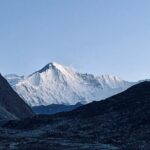
Sunrise over Annapurna is the headline, and I love how this trip pairs it with UNESCO Kathmandu sights before you ever lace up boots. I also like that the trek gives you all meals in the tea houses, so you’re not scrambling each day.
One real consideration: altitude and steep walking. You’ll climb up to about 4,130 m and hike 6–7 hours on rough, uphill-and-downhill days, so you should arrive fit and ready to take it slow when the air thins.
In This Review
- Key highlights you’ll feel fast
- Kathmandu first: jet lag, temples, and a real welcome dinner
- UNESCO Kathmandu in one concentrated day (and why it’s worth it)
- Fly to Pokhara: the Himalayas show up early
- Getting into trekking mode: Hile to Tikhedhunga to Ulleri to Ghorepani
- Poon Hill sunrise: the early climb that earns its time
- Chhomrong and the Annapurna feeling: steps, forests, and big massifs
- Sinuwa, Bamboo, and Deurali: the air thins and the scenery gets sharp
- Annapurna Base Camp day: the gorge route and the bowl of peaks
- The downhill way out: from Base Camp to Bamboo to Jhinu Danda
- Pokhara, Kathmandu, and the rhythm of finishing well
- Price and what $860 gets you in the real world
- Who should book this trek (and who should plan differently)
- Should you book Annapurna Sanctuary Trek with Himalayan Glacier?
- FAQ
- How do I travel between Kathmandu and Pokhara?
- Where is the trek start?
- What’s the highest altitude on this trek?
- Is this trek mostly teahouse accommodation?
- Are meals included?
- Do you provide sleeping gear and cold-weather clothing?
- How much porter support is included?
- Which Kathmandu and Pokhara hotels might I stay in?
- Is Poon Hill sunrise part of the program?
- What permits are included?
- What about cancellation if weather is bad?
Key highlights you’ll feel fast
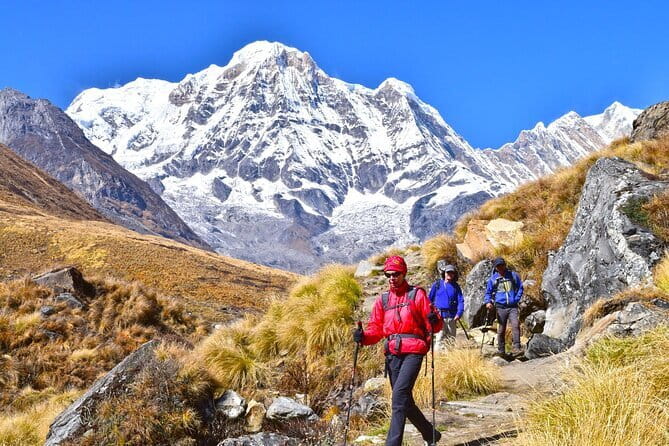
- Poon Hill sunrise (3,210 m) for big, photogenic views over the Annapurna and Dhaulagiri ranges
- Four UNESCO stops in Kathmandu: Kathmandu Durbar Square, Pashupatinath, Swayambhunath, and Boudhanath
- Small-group pacing with a leader plus an assistant (ideal if you like a relaxed, cared-for rhythm)
- Practical support: porter help for luggage plus a medical kit carried by the trek leader
- Gear and permits handled with a provided down jacket and sleeping bag, and paperwork for ACAP and TIMS
- Teahouse living with meals included, so the days run on a plan rather than guesswork
Kathmandu first: jet lag, temples, and a real welcome dinner
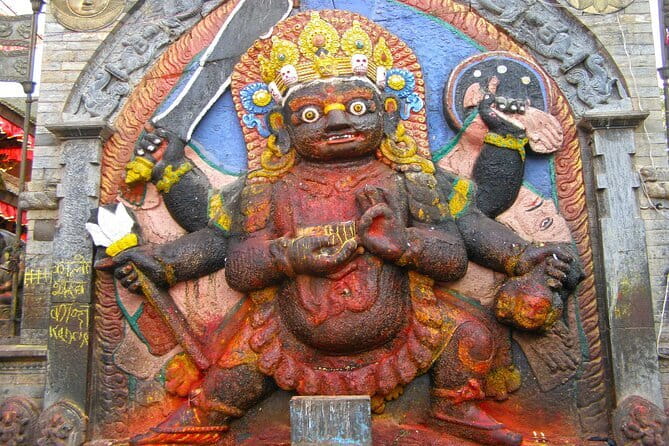
Your Nepal story starts in Kathmandu with a smooth pickup from Tribhuvan International Airport and a quick transfer to your hotel. After you check in, you get time to rest or head straight into Thamel, the tourist hub where it’s easy to buy a few last-minute trekking bits.
I like that the tone is “get your bearings fast.” You’re not thrown into a grueling schedule on day one, and there’s a welcome dinner to settle in. The meal is authentic Nepalese food, which matters more than it sounds: it helps you understand what you’ll be eating later in the tea houses and how spicy, filling, and comforting the cuisine can be.
If you’re the type who hates wasting the first day, this plan works. You’re still in motion—just in an easy, no-stress way.
You can also read our reviews of more tours and experiences in Kathmandu.
UNESCO Kathmandu in one concentrated day (and why it’s worth it)
Kathmandu can feel chaotic, but this route gives you a high-value cultural day with four UNESCO World Heritage sites, each with a different spiritual vibe.
Kathmandu Durbar Square is a palace complex with pagoda-style temples, courtyards, and shrines. Even with earthquake damage and ongoing restoration, the woodwork and stone carvings keep the place feeling alive and lived-in, not like a museum set.
Then comes Pashupatinath Temple, one of the most sacred Hindu sites in Nepal. It’s on the Bagmati River, and you’ll see rituals and ghats from the surrounding areas. Non-Hindus can’t enter the main temple, but you can observe the activity nearby, which gives you a powerful sense of how faith works here day to day.
Next is Swayambhunath (Monkey Temple), an ancient Buddhist site high on a hill with panoramic views. The white stupa with Buddha’s all-seeing eyes is the visual anchor, and the prayer flags and busy little monastery atmosphere make it feel intensely human.
Finally, Boudhanath (Buddha Stupa) ties it together with Tibetan Buddhist culture. The big stupa and prayer wheel circuit are a calming counterpoint to the earlier bustle, and it’s been beautifully restored after the 2015 earthquake.
If you love photos, you’ll get them. If you love understanding how Nepal blends religions and everyday life, you’ll get more. The only caution is time: this is packed into one day, so wear comfortable shoes and don’t treat it like a sit-down tour.
Fly to Pokhara: the Himalayas show up early
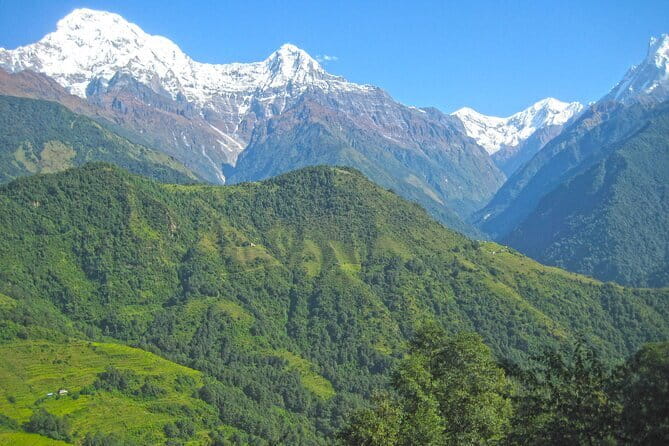
After Kathmandu, you’ll take an early morning flight to Pokhara. This is one of those logistics choices that pays off: you gain time, and you get immediate Himalayan views on the plane.
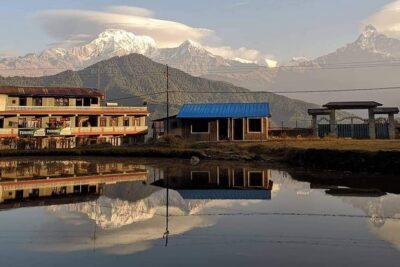
A simple tip with real payoff is seat selection. For the Kathmandu-to-Pokhara flight, choose the right side for better mountain views, and for the return to Kathmandu, choose the left side. Once you land, Pokhara delivers sweeping views that can include Dhaulagiri, Manaslu, Machhapuchhre, the Annapurna range, and more.
Then you drive toward the trek’s trailhead at Hile. This shift from city to hills is what turns the whole trip from sightseeing into a journey on foot. You’re still getting views, but now they’re tied to walking, altitude, and rhythm.
Getting into trekking mode: Hile to Tikhedhunga to Ulleri to Ghorepani
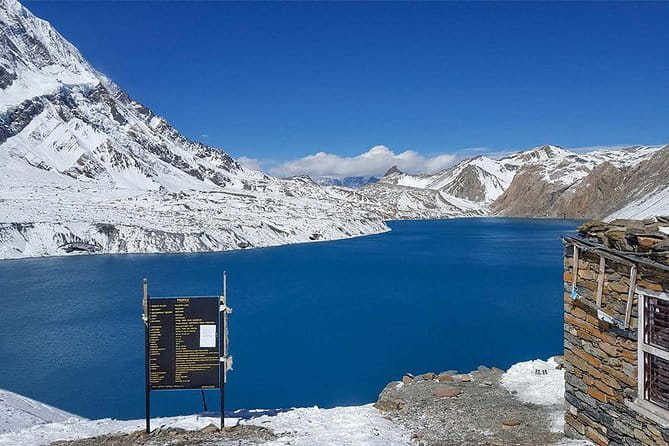
The first trekking day (after the drive to Hile) moves through sub-tropical valley forests. You’ll walk along carved trail segments at the side of cliffs at times, and that keeps your attention switched on—in a good way. It’s not “extreme,” but it’s a reminder you’re in the hills, not on a paved path.
After lunch, you cross the Bhurungdi Khola by bridge to Tikhedhunga. Then comes Ulleri, with thousands of steps. This is the part that helps you learn your pace quickly, because your legs will find the truth of the climb fast.
You reach Ulleri by afternoon and sleep there, which helps you avoid overreaching on day one. The next morning you push onward toward Ghorepani, where the name comes from horse-water trade routes that later became a trek stopping point.
Ghorepani itself has two parts on different levels, so you’ll likely get views from the higher section. You start to feel chilly evenings here, which is your hint to stay warm before you “feel cold.” It’s easier to prevent discomfort than fix it once your body is already shivering.
Poon Hill sunrise: the early climb that earns its time
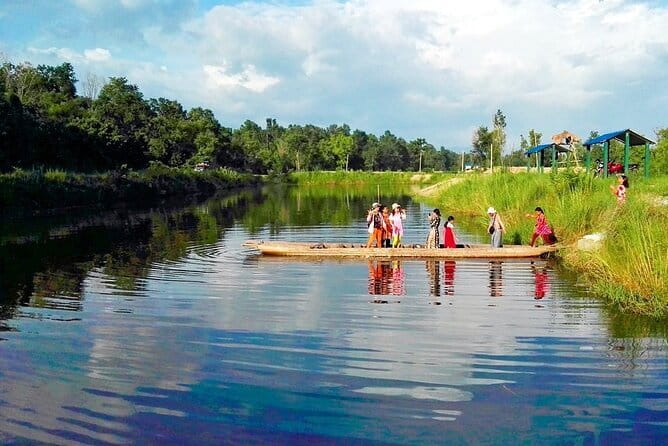
This is the big photo moment, and also the moment where timing matters most. You’ll wake for an early morning climb to Poon Hill at 3,210 m to catch sunrise over the Himalayan ranges.
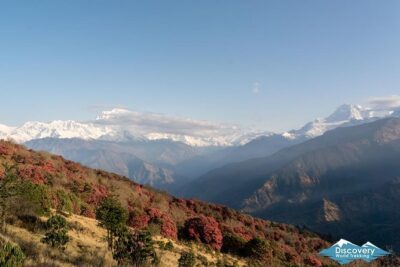
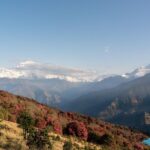
From the viewpoint, you get wide panoramas including close-up views of the Annapurna and Dhaulagiri ranges, plus sights toward Mustang and Pokhara and more than 20 of the highest mountains in the region. You’ll also have time for a hot drink—coffee, tea, or hot chocolate—before heading back for breakfast.
What I like about this design is that it gives you a “reward” before the harder climbing stretches. It’s like pressing reset on the trip’s effort level. After sunrise, you’re energized for the day and you still get a full walking route afterward.
Then you move toward Tadapani via a ridge and down through rhododendron forests, passing waterfalls along the way. Tadapani makes a great overnight because it sits in the zone of ever-changing views while still staying reachable without turning the day into a suffer-fest.
Chhomrong and the Annapurna feeling: steps, forests, and big massifs
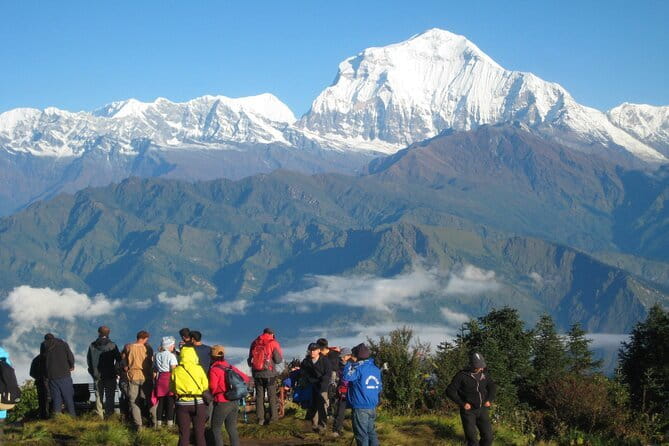
The route from Tadapani toward Chhomrong keeps things varied. Day to day you’re dealing with descents, crossings, and uphills, which is tiring, but it prevents monotony.
You’ll descend through a large rhododendron forest, then shift into terraced fields. Later, you’ll cross a suspension bridge and keep working uphill and downhill toward Chhomrong.
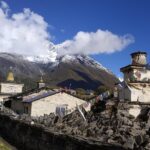
Chhomrong is one of those villages that feels like it’s living in the shadow of the giants. You’re now close enough that the Annapurna massif becomes more than a background feature—it starts to feel present on the trail.
The tradeoff is that you’ll be walking lots of stone steps in this section, which can be hard on knees. If you have sensitive knees, start early with slow cadence and consider hiking poles if you brought them (not listed as provided). This is still manageable, but it’s the kind of “small pain, often” that can add up.
Sinuwa, Bamboo, and Deurali: the air thins and the scenery gets sharp
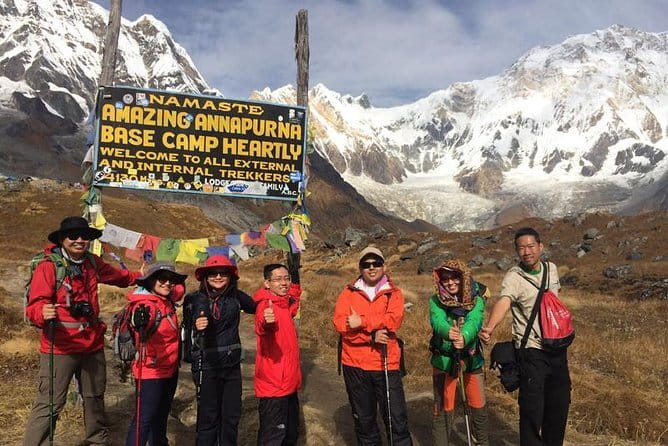
Leaving Chhomrong, you cross the Chhomrong Khola on a suspension bridge and climb toward Sinuwa. The trail threads through forests, passes Kuldihar, and then drops down toward Bamboo.
Bamboo here is damp and cold, and the change in temperature is noticeable. That shift can be tough if you keep moving too fast. A steady pace helps you stay warm and keep breathing under control.
As you push onward, you pass through a bamboo forest before climbing uphill, sometimes steep. You’ll then reach a point where the forest opens and you’re out in the sun again with views of the glacial river below. That “sun moment” is worth waiting for because it improves how the day feels.
By the time you reach Deurali, the vegetation becomes more sparse, which gives you sharper valley views and clearer lines toward Mt. Dhaulagiri. You’ll be dealing with a steep climb, then a descent into a river area and another uphill stretch. This is also where weather can start to change the mood fast—so keep layers accessible and pay attention to how you feel, not just how you plan.
Annapurna Base Camp day: the gorge route and the bowl of peaks
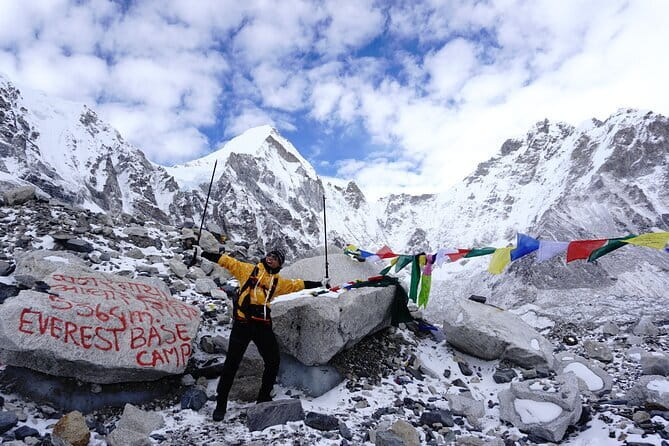
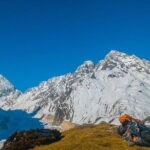
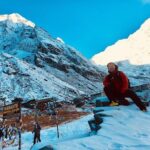
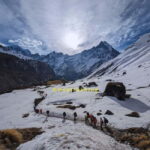
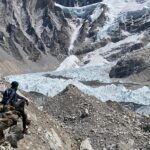
The hike to Annapurna Base Camp is steady climbing along the valley, sometimes on rocky cliff sections where the trail can feel steep. You’ll see long views toward major peaks and pass through areas that open up as you near camp.
At Machhapuchhre Base Camp, you get excellent views of Mt. Hiunchuli, Annapurna South, Annapurna I, Annapurna III, Gandharvachuli, and Gangapurna. Then you turn left and continue ascending gently toward Annapurna Base Camp.
I love this style of approach: you earn your position by moving through terrain that reveals peaks in stages. When you finally reach the base camp area, you’re surrounded by towering mountains and the only way into the area is the gorge you just hiked through. That “controlled entrance” makes the final arrival feel enclosed and dramatic.
Sleep in Annapurna Base Camp overnight. You’ll likely feel the altitude. This is also where attitude matters: the route can be mentally harder than it looks on paper, because your body works harder at higher elevations.
The downhill way out: from Base Camp to Bamboo to Jhinu Danda
The next day is a rapid descent from Annapurna Base Camp. You’ll pass back through Machhapuchhre Base Camp, Deurali, Himalayan Hotel, and Doban before reaching Bamboo for the overnight.
Even though it’s downhill, don’t treat it like a rest day. Descents can be tough on knees and ankles, and your legs will still be working. You’ll likely feel it most in the morning.
From Bamboo, you retrace steps back to Chhomrong and stop for lunch. Then comes a steep descent into the Modi Khola valley, down to Jhinu Danda. This section mixes tricky stone steps and forest walking through rain forests and farms.
Jhinu Danda is a practical end point because it gives you time to relax the afternoon. You’re not just “done”—you’re recovering. That matters because you still have the final travel legs back to the cities.
Pokhara, Kathmandu, and the rhythm of finishing well
On the final trekking day, you leave Jhinu Danda and head toward Matque. From there, you drive to Pokhara by private vehicle, with about two hours to reach the lake city. Lunch is included along the way, which helps keep the day from turning into a scramble.
In Pokhara, you check into your hotel and take a rest. Later you’ll do a half-day sightseeing tour in the city. It’s a good balance: you get to enjoy the region’s relaxed feel without turning your last day into more hiking.
Then you fly back to Kathmandu in the afternoon. For the Pokhara-to-Kathmandu flight, sit on the left side if you want those mountain views again. In Kathmandu, you’ll have time to relax, do last-minute shopping, and revisit anything you missed on day one.
To mark completion, you’ll have a farewell dinner. That’s not just a formality—it’s a morale boost, and it’s a nice way to transition from trek-life to city-life.
Price and what $860 gets you in the real world
At $860 for 14 days, the value here comes from how much is bundled, not just from what’s “included.” You’re paying for a system: transport, guiding, meals, permits, and core gear.
Here’s what you should expect for the money:
- Airport transfers and ground transportation in private vehicles
- Domestic flights between Kathmandu and Pokhara
- 3-star hotels in Kathmandu and Pokhara with breakfast (and specific options like Yatri Suites & Spa or Hotel Moonlight in Kathmandu, and Mount Kailash Resort in Pokhara, or similar)
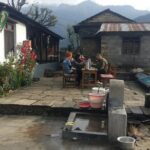
- Teahouse accommodation during the trek
- All trekking meals (breakfast, lunch, dinner)
- Welcome and farewell dinners
- Guiding support with an experienced, English-speaking, government-licensed trek leader and assistant trek leader
- Porter service (with a ratio of 2 trekkers to 1 porter)
- Down jacket and sleeping bag, plus a trekking bag/duffel bag, t-shirt, and trekking map
- Permits paperwork including ACAP and TIMS
- Medical kit carried by the trek leader
What’s not included matters too: visa fee, travel and rescue insurance, international flights, and personal expenses like laundry, phone calls, and bottled/boiled water. If you’re thinking about “cheap vs. fair,” plan to budget for those items so you don’t get surprised later.
Also note the single supplement: twin-shared rooms are the default, and a single room can be requested for an additional USD 425. Higher elevations make single rooms harder, so flexibility helps.
Who should book this trek (and who should plan differently)
This trek is for you if you want a relaxed pace that still reaches Annapurna Base Camp. You’re hiking about 6–7 hours per day, with daily ascends generally around 400–700 m, and the route goes up to roughly 4,130 m.
You should also be comfortable with steep, rough terrain and the “step-heavy” days. Previous hiking experience helps, but the trip is designed for people who can handle moderate trekking when guided and supported.
This route may feel less ideal if you:
- struggle with altitude and don’t recover well
- need lots of flat walking days (the plan includes plenty of ups and downs)
- expect private bathroom comfort in every single place (most have attached washrooms, but remote spots may not)
I also like that the staffing structure includes an assistant guide and porters in a way that helps the trip continue smoothly if someone gets sick. That kind of backup is comforting in remote terrain.
Should you book Annapurna Sanctuary Trek with Himalayan Glacier?
If you want Annapurna Base Camp without turning your vacation into chaos, I think this is a strong match. The value comes from real support: guiding, porters, permits, meals, and core gear are handled so your energy goes into walking and enjoying the views.
I’d book if you’re excited by Poon Hill sunrise, you like structured days, and you’re okay with altitude work and lots of steps. You’re also getting a meaningful culture warm-up in Kathmandu, so the trek starts with context, not just packing.
I’d think twice if you’re chasing a flat, easy stroll or you know altitude hits you hard. In that case, you might want a different route or a different season where your body can acclimate more comfortably.
Either way: pack smart, take it slow on the uphills, and plan to savor the moments where the mountains open up—because that’s what you’ll remember on day 14.
FAQ
How do I travel between Kathmandu and Pokhara?
You’ll take a domestic flight from Kathmandu to Pokhara, then later a flight from Pokhara back to Kathmandu.
Where is the trek start?
You’ll fly to Pokhara first, then drive to the trek trailhead at Hile.
What’s the highest altitude on this trek?
The trek reaches up to around 4,130 m.
Is this trek mostly teahouse accommodation?
Yes. During the trek you’ll stay in teahouses, and in Kathmandu and Pokhara you’ll stay in 3-star hotels with breakfast.
Are meals included?
All meals during the trek are included (breakfast, lunch, and dinner). In Kathmandu and Pokhara, only breakfast is included, plus welcome and farewell dinners.
Do you provide sleeping gear and cold-weather clothing?
Yes. You receive a down jacket and a sleeping bag, and they’re to be returned after the trip is completed.
How much porter support is included?
Porter service is included with a ratio of 2 trekkers to 1 porter, and luggage is carried by porters.
Which Kathmandu and Pokhara hotels might I stay in?
In Kathmandu, it will be Yatri Suites & Spa or Hotel Moonlight or similar. In Pokhara, it will be Mount Kailash Resort or similar.
Is Poon Hill sunrise part of the program?
Yes. You’ll do an early morning climb to Poon Hill (3,210 m) to witness sunrise views.
What permits are included?
The trip includes necessary paperwork for ACAP and TIMS.
What about cancellation if weather is bad?
If the experience is canceled due to poor weather, you’ll be offered a different date or a full refund. You can also cancel up to 24 hours in advance for a full refund.