A winter trail in Kashmir sounds bold until you see the route and pacing. The Kashmir Snow Trek follows the Naranag–Trunkhol–Gangabal line with snow from about 1 foot near Naranag to as much as 6 feet at Trunkhol, plus daily guidance and warm camp setups. I love that the trek includes gear and meals, not just a “good luck” handoff, and I also like the practical planning around safer foot placement on harder snow. One thing to consider: it’s cold and snowwalking takes steady effort, so you’ll want to be honest about your winter hiking comfort.
You start in Srinagar, get picked up, and then move straight into the trekking rhythm—houseboat night near Dal Lake, then pine-forest hiking, then forest and gypsy huts. The itinerary keeps you moving but not frantic, with porters handling offloading so you can focus on steps, balance, and staying warm.
In This Review
- Key Things That Make This Trek Worth Your Time
- Kashmir Snow Trek: Why This Route Feels Special in Winter
- Your 6 Days from Srinagar to Gangabal and Back
- Day 1: Arrival and an Overnight by Dal Lake
- Day 2: Naranag to Bodpathri (about 5 hours trek)
- Day 3: Bodpathri to Trunkhol (about 5 hours trek)
- Day 4: Day Trek to Gangabal Lake (about 6 hours)
- Day 5: Trunkhol to Naranag (about 7 hours trek) and back to Srinagar
- Day 6: Departure
- A note on lodging in Srinagar
- Snow Depth, Footing, and That Old Gangabal Trail Trick
- Huts, Houseboat, and Warm Nights: Where You Sleep Matters Here
- Camp style: gypsy hut and forest hut
- Srinagar stays: houseboat and hotel
- Included Gear and Support: What You’re Actually Paying For
- What you still need to bring
- Is $389 a Fair Value for a 6-Day Winter Trek?
- Who This Trek Suits Best (and Who Should Rethink It)
- Practical Booking Notes: Pickup, Tickets, and Timing
- Should You Book the Kashmir Snow Trek?
- FAQ
- What is the meeting time for the Kashmir Snow Trek?
- How long is the Kashmir Snow Trek?
- Where does the trek take place?
- What are the main trek stages?
- What type of accommodation is included?
- Are meals included?
- Is trekking gear provided?
- Are permits included?
- Is pickup and transportation included?
- What cancellation options are available?
Key Things That Make This Trek Worth Your Time
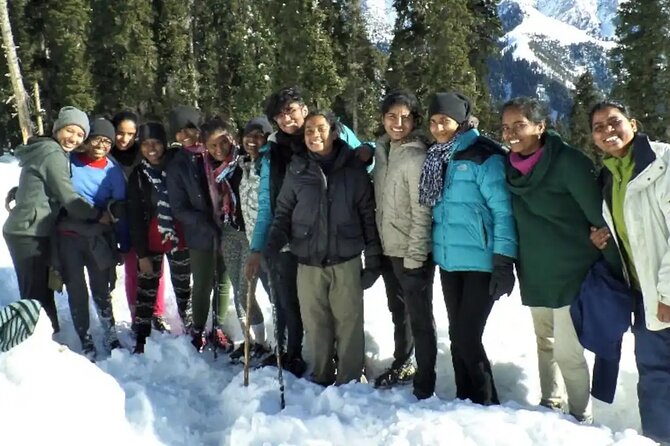
- Winter snow depths you actually hike through: roughly 1 foot at Naranag up to about 6 feet at Trunkhol
- Route planning for traction: the trek uses the old Gangabal trail and even crosses Harigand peak to help reduce slipping on snow
- Hut-based camping, not tent scrambling: gypsy hut at Bodpathri, forest hut at Trunkhol
- Gear is included: sleeping bags, mats, blankets, trekking poles, and climbing ropes
- Full board with multiple meal credits: breakfast (5), lunch (4), dinner (5), plus full-board at accommodations
- A team that sounds organized, not vague: past trekkers highlighted guides like Liyakat (informative and funny) and Shakeel (day-by-day care and clear guidance)
Kashmir Snow Trek: Why This Route Feels Special in Winter
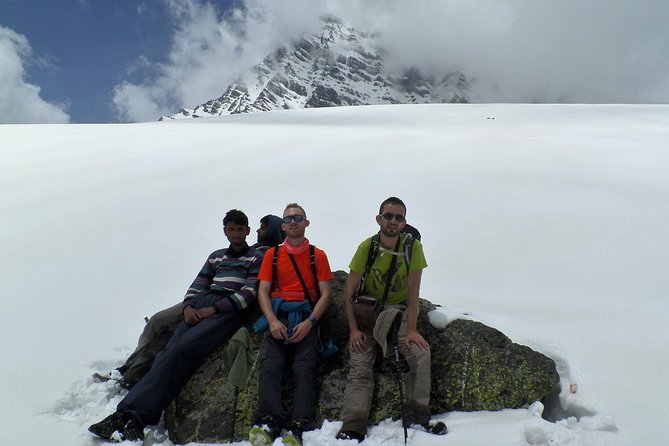
The big draw here is simple: you’re hiking a classic Kashmir winter snow route when most people are sitting indoors. The trek follows Naranag–Trunkhol–Gangabal, and the changes in snow and footing along the way are part of the experience, not a side quest. You don’t just “see snow”—you learn how it walks, where it firms up, and how your timing changes as you gain elevation and trail difficulty.
What I like most is that the plan respects winter reality. One day is a long walk to Gangabal Lake through ice fields, but another day is set up so you return to Trunkhol Hut and keep your energy for the next push. That balance matters because cold is cumulative. If you get too exhausted, your balance gets worse, and winter treks can turn into slow-motion mistakes.
The other standout: you’re not doing this with an “everything is on you” kit approach. Trekking gear, cooking setup, permits, offloading, and first aid are included, which means you’re paying for real logistics—not just scenery.
You can also read our reviews of more tours and experiences in Srinagar.
Your 6 Days from Srinagar to Gangabal and Back
This is a 6-day experience starting at 8:00 am, and you’ll move between Srinagar comfort and high-snow hiking camps. Your days are structured like a trekking rhythm: drive into the trailhead, hike to the next camp, eat well, sleep warm, repeat.
Day 1: Arrival and an Overnight by Dal Lake
You arrive at Srinagar airport or the bus station and get received by a representative. Then you’re transferred to a houseboat at Dal Lake for the overnight stay.
This day is underrated in winter. You’re not walking in freezing snow on day one. Instead, you get to reset, warm up, and let your body adjust to local conditions before you start trekking.
Day 2: Naranag to Bodpathri (about 5 hours trek)
After breakfast, you drive to Naranag. Then with porters, you start the trek toward Bodpathri through pine forest areas (including a stretch through Butsheri), with a slightly steep trail section along the way.
You camp in a gypsy hut overnight at Bodpathri. This is the day that sets your footing habits—your boots, poles, and pace choices all get tested early.
Why it works for winter: a start that isn’t too extreme lets you get your balance under control before the longer, deeper snow days.
Day 3: Bodpathri to Trunkhol (about 5 hours trek)
Today you follow the old Gangabal trail, including a crossing of Harigand peak that’s specifically used to avoid slip risks on snow. It’s still a solid trekking day, but the trail choice is a smart form of risk management.
You end at Trunkhol Hut for the night. This is where snow depth can grow significantly, so it’s the day you’ll start noticing thicker, harder-packed winter conditions.
Day 4: Day Trek to Gangabal Lake (about 6 hours)
This is your “main day” for views and effort. You leave Trunkhol’s snow meadow and walk across ice fields toward Gangabal Lake. The plan adjusts to what the snow is doing—its depth and hardness—so the pacing stays realistic rather than overly optimistic.
You return to Trunkhol Hut for another overnight. That return matters. It lets you enjoy the lake day without dragging yourself back into new camp conditions in the dark.
Day 5: Trunkhol to Naranag (about 7 hours trek) and back to Srinagar
The route turns back. You trek from Trunkhol to Naranag across snow meadows and then descend through pine forests around Bodpathri to reach Naranag village.
Once walking ends, you take the car back to Srinagar for an overnight stay. This is the long day, so your strongest winter skill—steady legs and smart pace—gets tested here.
Day 6: Departure
On departure day, your representative drops you at the airport or bus station and you head out.
A note on lodging in Srinagar
The itinerary includes an overnight houseboat at Dal Lake for day one, while the included package also lists 2 nights hotel accommodation in Srinagar at Hotel Ash Vale. If you care a lot about where exactly those nights land, confirm the final lodging schedule before you go.
Snow Depth, Footing, and That Old Gangabal Trail Trick
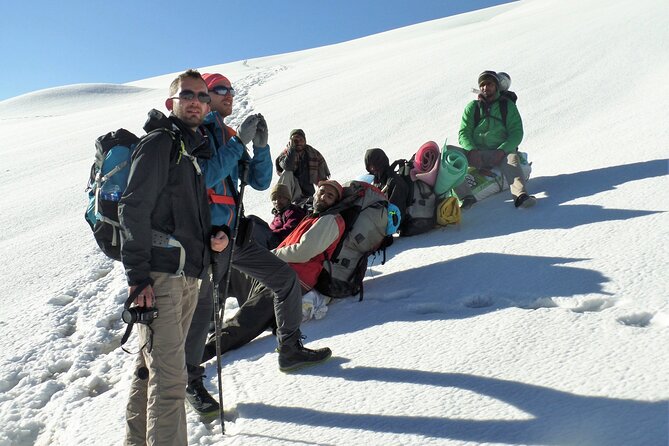
This trek openly talks about snow depth: around 1 foot at Naranag and up to about 6 feet at Trunkhol. That range tells you the experience isn’t just “pretty snow.” It changes how you step, how the trail feels under pressure, and how quickly cold builds.
A big practical detail: the route uses parts of the old Gangabal trail, including a crossing of Harigand peak to help reduce slipping on snow. You’ll feel that in how the trail is chosen, not just in the description. In winter, trail decisions are safety decisions.
So what should you expect with your body? Even if you’re fit, winter snowwalking asks for:
- shorter steps and more deliberate foot placement
- more time to balance before you commit weight
- pacing that prioritizes breathing over speed
Also, the Gangabal Lake day is described as including ice fields, and the plan specifically adjusts based on snow hardness. That’s the difference between a trek that feels managed and one that turns into a constantly changing scramble.
Huts, Houseboat, and Warm Nights: Where You Sleep Matters Here
Your comfort isn’t just a nice-to-have on this trek. Cold eats energy, and good sleep helps you walk better the next day.
Camp style: gypsy hut and forest hut
Overnights include:
- 1 night in a gypsy hut at Bodpathri
- 2 nights in forest huts at Trunkhol
That hut-based setup is part of the value. Instead of spending every day on setup and teardown, you’re focused on hiking and then recovering in the same style of accommodation.
Srinagar stays: houseboat and hotel
As mentioned, day one includes an overnight at a houseboat on Dal Lake. Then you also have 2 nights at Hotel Ash Vale in Srinagar with full board as part of the package.
If you’re trying to decide whether this trek feels “rough” or “comfortable,” the answer is: it’s winter trekking, but the sleep and meal planning is built in.
Included Gear and Support: What You’re Actually Paying For
The package is very clear about what’s included, and that’s a good sign. For a winter trek, the expensive part isn’t always the guide—it’s usually the gear, permits, and the logistics that keep you warm and fed.
Here’s what you get:
- Trekking gear: sleeping bags, mats, blankets, trekking poles, climbing ropes
- Cooking setup: cooking utensils and an LPG stove
- Trek support: offloading by porters
- Administration: trekking and wildlife permits
- Safety: first aid support
- Transportation: private transportation within the plan
I also like that the trek includes the kind of basics that stop small issues from becoming big ones. When cooking is handled and you don’t have to fuss over camp stove logistics, you spend more time recovering and less time thinking about gear.
What you still need to bring
Personal clothing and equipment are not included. That’s the big missing piece you control. Plan to bring cold-weather trekking clothing and footwear you trust in snow conditions, plus any personal items you rely on daily.
Is $389 a Fair Value for a 6-Day Winter Trek?
For $389 per person, you’re buying a lot more than “a hiking day.” The package includes:
- multiple nights in paid accommodation (Srinagar hotel, plus hut camping)
- several meals across the days (breakfast 5, lunch 4, dinner 5)
- private transportation
- permits
- a bundle of trekking gear (sleeping bag, mats, poles, climbing ropes)
- porter offloading
- first aid
When I look at value like this, the price makes sense because winter treks fail financially when people underestimate gear and logistics. Here, those basics are built into the cost.
One more value point: this is a private tour/activity, meaning it’s designed around your group rather than mixing you into a random crowd. Grouping can matter on snow routes when timing and pace need to match.
If you’ve got the gear already and only need the trek leader, this may feel pricey. But if you’d otherwise have to buy or arrange winter camping gear, permits, and stove logistics, this is the kind of package that can actually save money and headaches.
Who This Trek Suits Best (and Who Should Rethink It)
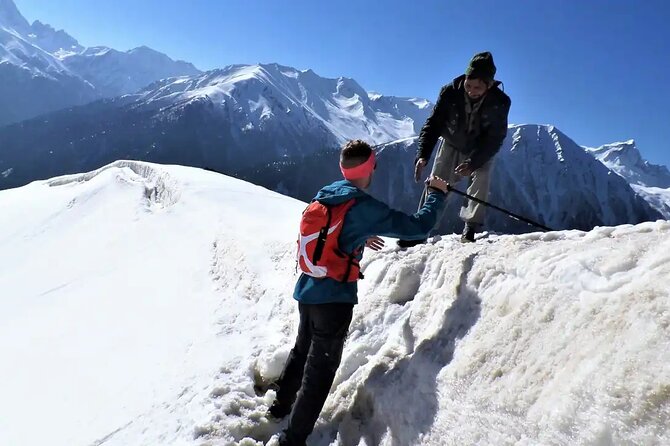
This trek is best for hikers with moderate physical fitness who want a real winter experience without constant tent setup. It’s also designed for nature lovers who are happy with hut-based camping and a structured daily plan.
It’s a strong fit if you:
- can walk for 5 to 7 hours in winter conditions
- know your limits and can stick to steady pacing
- want a managed snow route rather than solo improvising
It might not fit if you:
- struggle with cold and long, slow snowwalking
- don’t feel comfortable with winter hiking footing
- expect an easy stroll with minimal effort
Also, it’s private, so you can move at the pace that keeps everyone safe. Still, winter won’t be “soft” just because the tour is organized.
Practical Booking Notes: Pickup, Tickets, and Timing
The tour offers pickup, and you’ll start at 8:00 am. You also receive a mobile ticket, which makes the pre-trip part simpler.
The experience can be operated by a multi-lingual guide, so communication is more likely to be smooth even if your group includes different language preferences.
If you’re traveling as a family or mixed-experience group, this private format can feel more comfortable than big joining tours. You also have a representative who handles reception on arrival and drop-off on departure.
Should You Book the Kashmir Snow Trek?
I’d book this if you want a winter trek that feels structured and supported. The combination of included gear, hut camping, and route planning for snow slipping risks gives you a better shot at enjoying the landscape without constantly worrying about logistics. The snow depth variation—from lighter snow around Naranag to deeper snow near Trunkhol—also means you get real winter variety in just a few days.
I’d think twice if your winter hiking experience is limited and you’re unsure how you handle cold endurance walking. This trek is not described as a gentle stroll, and snow hardness is explicitly part of how they plan the day.
If you match the fitness level and you’re ready for real winter walking, this is the kind of Kashmir experience that delivers more than photos. It gives you a lived-in sense of how snow routes work, plus the comfort of knowing camp support and planning are handled.
FAQ
What is the meeting time for the Kashmir Snow Trek?
The start time is 8:00 am.
How long is the Kashmir Snow Trek?
The duration is 6 days (approx.).
Where does the trek take place?
The experience is based in Srinagar, India, and follows the Naranag–Trunkhol–Gangabal trail.
What are the main trek stages?
You trek from Naranag to Bodpathri, Bodpathri to Trunkhol, then a day trek from Trunkhol to Gangabal Lake, and finally back from Trunkhol to Naranag.
What type of accommodation is included?
In the trek area you’ll stay in forest huts (Trunkhol) and a gypsy hut (Bodpathri). In Srinagar, the included package lists 2 nights at Hotel Ash Vale, and the itinerary also includes an overnight houseboat at Dal Lake.
Are meals included?
Yes. Breakfast is included for 5 days, lunch for 4 days, and dinner for 5 days, with full-board meals included at the listed accommodations.
Is trekking gear provided?
Yes. The package includes sleeping bags, mats, blankets, trekking poles, and climbing ropes.
Are permits included?
Yes. Trek and wildlife permits are included.
Is pickup and transportation included?
Yes. Pickup is offered and private transportation is included.
What cancellation options are available?
Free cancellation is available if you cancel up to 24 hours in advance for a full refund. If you cancel less than 24 hours before the start time, the amount paid is not refunded.